







Excess inventory capital for wood fire starters hurts more than most buyers admit. Every spring, our factory hears the same story: pallets of unsold starters, cash frozen, warehouse space gone.
Reduce excess inventory capital for wood fire starters by segmenting stock, running targeted off-season promotions, bundling starters with outdoor cooking products, selling through B2B wholesale clearance channels, repackaging under private label for summer markets, and switching to flexible MOQ reordering so overbuying never repeats.
That answer sounds simple. In practice, it takes a clear sequence and the right supplier support. Let me walk you through each step, based on what actually works for our distributor clients.
How can I avoid overstocking wood fire starters before next heating season even starts?
A German fireplace distributor once told me his real problem was not winter sales. It was the March warehouse count. We reviewed his ordering pattern together, and the fix was structural, not seasonal.
Avoid overstocking by using seasonal demand forecasting based on last year's sell-through, cutting safety stock after peak months, applying SKU rationalization to drop weak formats, and splitting one large preseason order into two or three staged deliveries with your manufacturer.

Overstock rarely comes from one mistake. It comes from several small policies stacking up. In our 17+ years supplying fireplace distributors across the US, Germany, and the UK, we see the same root causes again and again. Forecasts get built on hope instead of sell-through data. Safety stock 1 gets set once and never reviewed. And a single big preseason order feels safer than it actually is.
Start with the numbers, not the gut
Before you place next season's order, pull four baseline figures: current inventory value, inventory carrying costs, your inventory turnover ratio 2, and stockout frequency from last winter. These four numbers tell you whether you overbought, underbought, or bought the wrong SKUs.
Common root causes and their fixes
| Root cause | What it looks like | Practical fix |
|---|---|---|
| Weak seasonal demand forecasting | Ordering the same volume every year | Base the buy on last season's actual sell-through plus lead time |
| Fixed safety stock | Full buffer held in April | Lower safety stock sharply after peak season ends |
| One giant preseason order | Cash locked for 8+ months | Stage deliveries in two or three tranches |
| No SKU rationalization | Slow formats reordered by habit | Cut or redesign SKUs that become dead stock every spring |
| Poor stock visibility | Damaged cartons counted as sellable | Monthly cycle counts and condition checks |
One more point buyers overlook: product condition. Wax-dipped wood rolls store well, but wood-wool starters exposed to moisture or crushed packaging can quietly become unsellable. On our production line, we vacuum-check packaging integrity per batch precisely because a starter that fails to ignite next October is worse than no starter at all. Audit condition, not just quantity, before you count stock as an asset.
What flexible MOQ or reorder options can help me free up working capital now?
There is a trade-off we discuss with almost every new buyer: unit price versus order flexibility. A rock-bottom price on a huge MOQ often costs more than it saves once carrying costs hit.
Free up working capital by negotiating lower MOQs for trial and off-season orders, moving to smaller and more frequent replenishment, asking suppliers about staged production with delayed shipment, and mixing multiple SKUs within one container to hit volume thresholds without overbuying any single item.
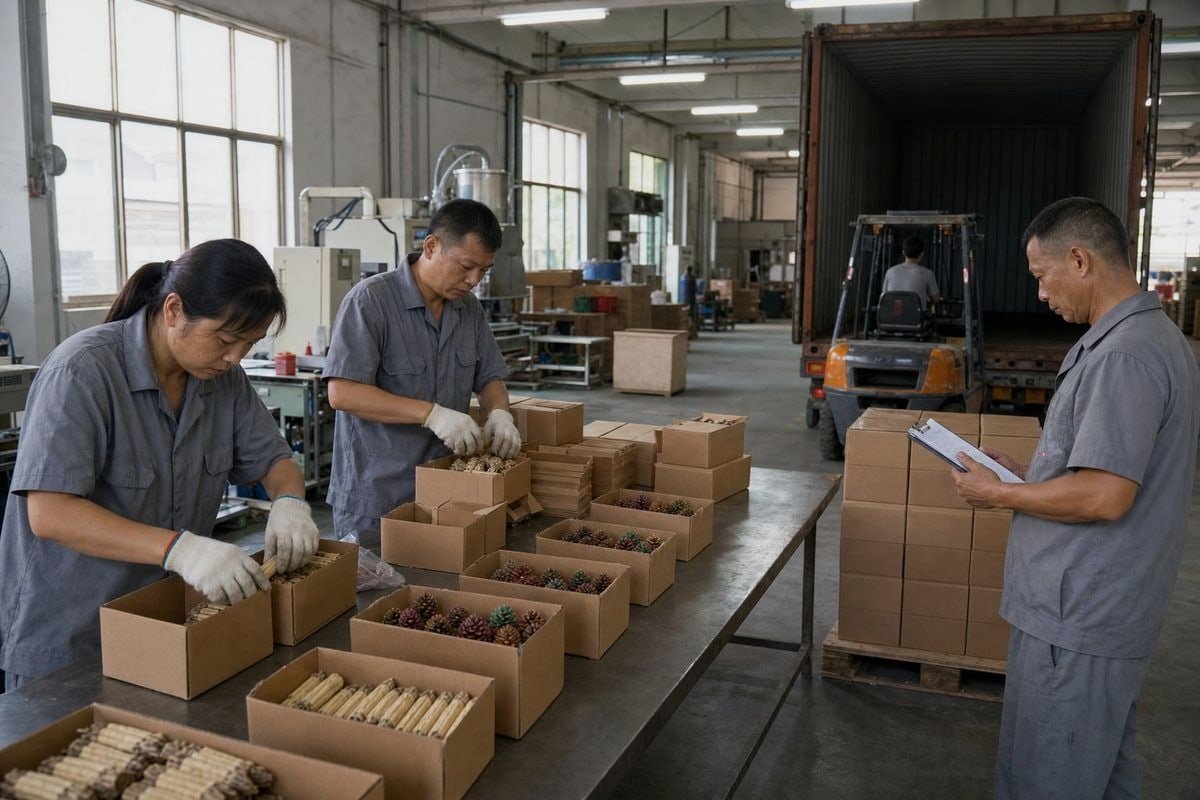
Working capital optimization 3 starts with how you buy, not just what you sell. Many importers believe MOQ is fixed. In reality, a genuine factory has room to move — especially for repeat buyers. Since we run our own production lines rather than trade other factories' goods, we can slot smaller runs between larger jobs. That flexibility is exactly what a buyer sitting on spring overstock needs.
Reorder models compared
| Reorder model | Cash impact | Best for |
|---|---|---|
| One annual bulk order | Worst — capital locked up to a year | Only very stable, high-turnover SKUs |
| Two-tranche seasonal split | Good — second payment lands mid-season | Most fireplace and BBQ distributors |
| Quarterly replenishment | Better — cash matches sales rhythm | Buyers with reliable supplier lead times |
| Mixed-SKU container | Best per-container efficiency | Multi-line buyers combining starters, color-flame packets, and torches |
Questions to put to your supplier this week
- Can you hold finished goods for 30–60 days after production so I ship closer to demand?
- Will you accept a mixed container across product lines to reach MOQ?
- Can trial or off-season reorders run at a reduced MOQ?
- What is your real lead time in low season versus peak season?
That last question matters more than buyers think. Off-season lead times are usually shorter because factory capacity is open. If your supplier confirms a reliable eight-week off-season turnaround, you can safely carry less stock, cut inventory carrying costs, and reorder against real demand instead of guesses. Shorter, trusted lead times are the cheapest form of insurance against both overstock and stockouts.
Can private-label repackaging help me move leftover stock through new sales channels?
Last year, a Canadian client shipped us photos of his leftover winter stock and asked a blunt question: can we make this look like a summer product? Six weeks later, it was.
Yes. Repackaging wood fire starters under a private label for camping, BBQ, and emergency-preparedness channels turns winter leftovers into summer products. New boxes, counter displays, and channel-specific branding let you sell the same core product at full margin instead of clearance pricing.
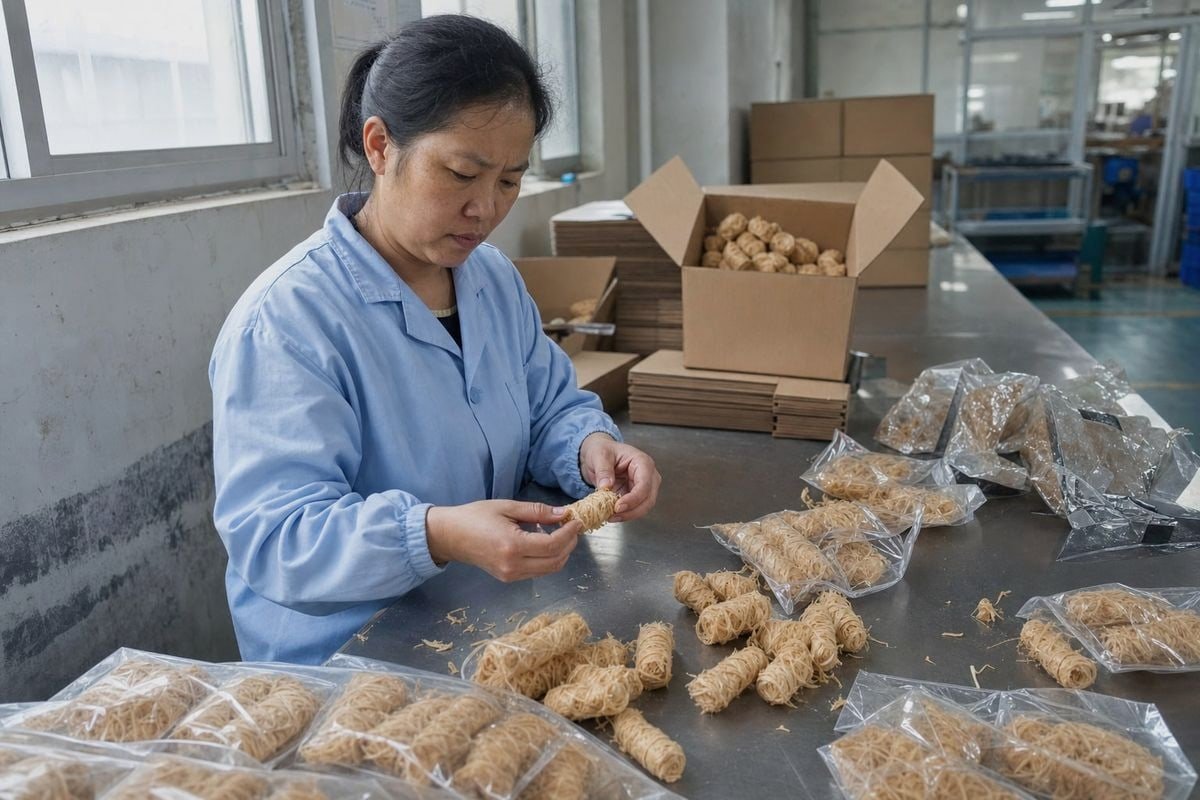
The product inside your leftover cartons has not lost value. Its packaging has simply gone out of season. A wax-and-wood-fiber puck lights a charcoal grill exactly as well as it lights a fireplace. That is why repositioning beats deep off-season discounting: you protect margin and avoid training customers to wait for clearance.
Where the same starter sells in summer
- The outdoor cooking market: pair starters with charcoal, grilling tools, or s'mores kits as bundles.
- Camping and survival gear channels: waterproof-pouch repacks fit 72-hour kits 4 and emergency-preparedness retailers.
- Backyard fire pit users: weather-triggered digital ads during wet summer weeks reach frustrated fire-pit owners.
- Gift and hospitality channels: premium boxed starters work in new-home welcome baskets for properties with fireplaces.
What repackaging actually involves
Our OEM/ODM team 5 handles this workflow regularly: new retail boxes, display packaging, updated warning labels, fresh barcodes, and channel-specific branding. Because we already print custom packaging in-house, small repack runs are realistic — you do not need another 40-foot container of demand to justify a summer-branded box. For compliance-sensitive markets like the US and EU, we keep the SGS/Intertek 6 test reports and CE documentation 7 aligned with the new packaging, so the repackaged product stays shelf-ready and audit-ready. One caution from experience: never relabel stock with degraded ignition performance. Test-burn samples from each aged batch first. Moving compromised product into a new channel damages the private label you are trying to build. Dead stock liquidation should only apply to units that truly cannot carry your brand.
How do I choose a manufacturing partner who helps me plan inventory instead of just filling orders?
Early in our export history, we learned a hard lesson: buyers who only asked for price quotes churned fast. Buyers who shared their sell-through data with us stayed for years — because we could actually help them plan.
Choose a partner with verified certifications, real factory ownership, consistent batch quality, flexible MOQs, staged-delivery options, and willingness to review your seasonal sell-through data. A planning partner shortens lead times, flags overordering, and supports repackaging — an order-taker just ships whatever you ask for.
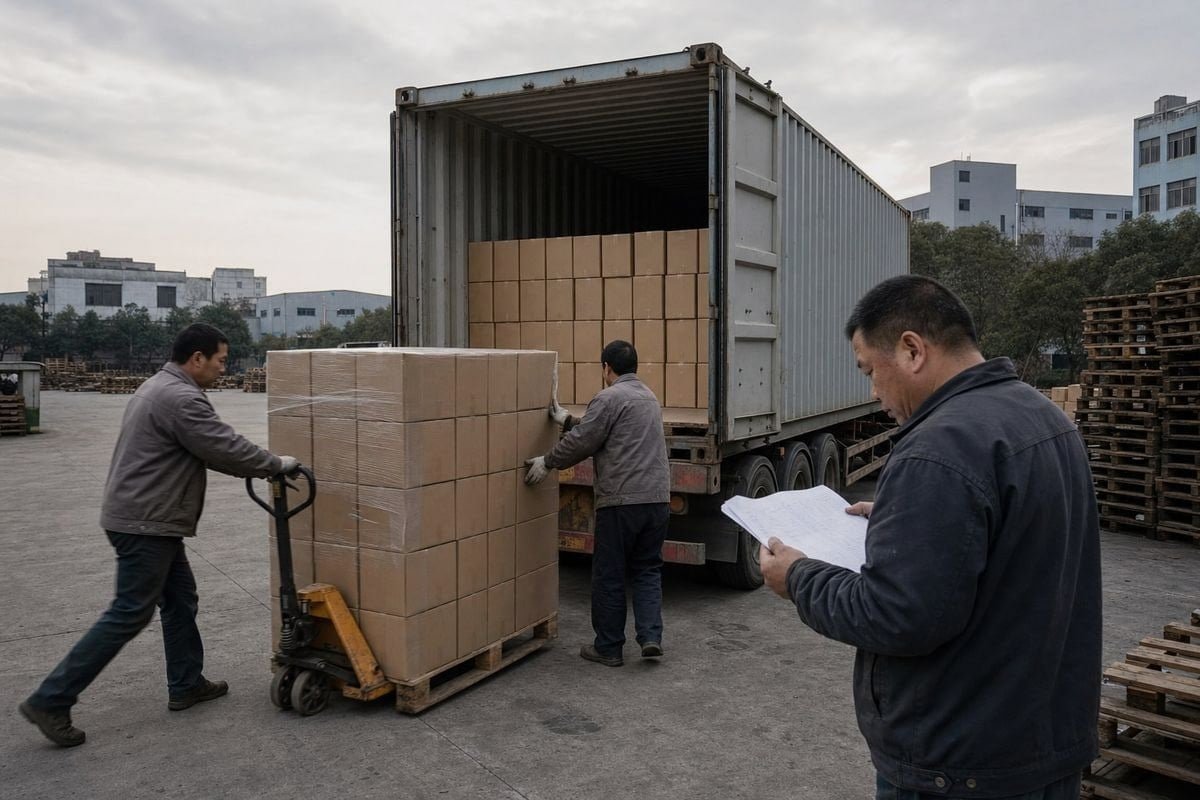
The difference between a supplier and a partner shows up in April, not November. Anyone can ship your peak-season container. The question is who helps you avoid sitting on that container's leftovers five months later.
Order-taker versus planning partner
| Signal | Order-taker | Planning partner |
|---|---|---|
| MOQ policy | Rigid, one-size-fits-all | Adjusted for trial orders and off-season reorders |
| Delivery terms | Full shipment at once | Staged deliveries matched to your season |
| Data conversation | Never asks about your sell-through | Reviews last season's numbers with you before quoting |
| Quality consistency | Sample and mass production differ | Batch-to-batch QC so the first sample reflects every carton |
| Compliance | Vague or borrowed documents | ISO 9001, BSCI, CE, and SGS/Intertek reports in their own name |
| Repack support | New packaging means new negotiation | In-house private-label and display packaging as standard |
Why manufacturing depth changes your inventory math
Here is the logic in plain terms. Reliable lead times let you hold less safety stock. Consistent batch quality means fewer rejected or unsellable units rotting into dead stock. Flexible MOQs let you match orders to real seasonal demand forecasting instead of MOQ math. And genuine compliance documentation means repackaged stock can enter new retail channels — Home Depot-type sourcing programs will not touch product without traceable test reports. Because our headquarters sits in Liuyang and our production runs in Ningbo, we control every stage ourselves, and that control is precisely what makes staged production and held-goods arrangements possible. A trading company reselling someone else's output simply cannot offer that. When you interview a potential partner, ask how they would handle your leftover spring stock. Their answer tells you whether they think in orders or in inventory.
Conclusion
Frozen capital in unsold fire starters is a solvable problem. Segment stock, repackage for summer channels, negotiate flexible reorders, and pick a partner who plans inventory with you.
Footnotes
1. Background on the safety stock concept referenced for reducing seasonal overordering. ↩︎
2. Explains the financial metric buyers use to gauge overstock and reorder timing. ↩︎
3. Defines working capital, the core financial concept behind freeing frozen inventory cash. ↩︎
4. US government emergency preparedness guidance relevant to survival-kit sales channels. ↩︎
5. Clarifies the OEM/ODM manufacturing model behind private-label repackaging services. ↩︎
6. Official testing body referenced for compliance and quality verification of shipments. ↩︎
7. Official EU source explaining CE marking requirements mentioned for repackaged compliance. ↩︎



 English
  Spanish
  German
  French
  Arabic
  Portuguese
Join the Conversation