







L'expédition d'allume-feu en bois de Chine vers l'Europe semble simple jusqu'à ce qu'un conteneur manque votre saison hivernale Incoterms 1. Notre équipe de production à Ningbo a vu des acheteurs perdre des promotions entières à cause d'un mauvais choix de fretce 2.
Le fret maritime est le moyen le moins cher d'expédier des allume-feu en bois de Chine vers l'Europe, prenant 30 à 45 jours pour environ 1 500 à 4 500 € par conteneur. Le rail prend 15 à 25 jours pour deux à trois fois le coût maritime. L'air prend 3 à 7 jours mais coûte 4 à 8 € par kilogramme.
Ces chiffres de titre ne sont que le point de départ Classification du code SH 3. La vraie réponse dépend de la taille de votre commande, de votre saison et de la classification de votre produit à la douane. Laissez-moi vous expliquer chaque facteur comme je l'explique à nos propres acheteurs.
Quelle méthode d'expédition me donne le meilleur équilibre entre coût et délai de livraison pour les allume-feu en bois ?
Un distributeur allemand m'a un jour demandé de deviser la même palette de trois manières avant de signer. Après 17 ans d'exportation de produits d'allumage vers plus de 30 pays, je fais maintenant ce calcul pour chaque nouvel acheteur par défaut.
Le fret maritime offre le meilleur équilibre coût-délai pour la plupart des commandes d'allume-feu en bois, car le produit a une faible valeur et est volumineux. Le rail devient le meilleur équilibre lorsque vous avez besoin de stock dans les trois semaines. L'air n'a de sens que pour les échantillons ou les réapprovisionnements d'urgence de moins de 200 kilogrammes.

La bonne façon de formuler cela n'est pas "quel mode est le plus rapide", mais "quel mode protège ma marge par emballage de détail". Les allume-feu en bois sont denses en cartons mais bon marché à l'unité. Cette combinaison pénalise très rapidement les modes de fret coûteux.
Voici la comparaison que je partage avec les acheteurs avant qu'ils ne réservent :
| Mode de fret | Durée porte-à-porte | Coût typique | Idéal pour |
|---|---|---|---|
| Mer (FCL 4) | 30–45 jours | 1 500–4 500 $ par conteneur | Stock de saison complète, programmes de vente en gros |
| Mer (LCL) | Premièrement, toutes les marques de la consolidation doivent accepter une seule fenêtre d'expédition ; le retard dans l'approbation des illustrations retarde tout le conteneur. Deuxièmement, réservez tôt pour le 4ème trimestre — la demande de la saison des feux de camp et du camping s'accumule, et le fret maritime se resserre. Troisièmement, demandez une documentation de contrôle qualité lot par lot sur chaque production consolidée. Un premier échantillon doit correspondre de manière fiable à la production de masse ; si ce n'est pas le cas, aucun niveau de remise ne vaut le risque de réapprovisionnement. Une mise en garde sur le risque : consolider tout avec un seul fournisseur concentre la dépendance. Nous disons honnêtement aux acheteurs — atténuez-le avec un contrat de verrouillage de niveau, des conditions de pénalité convenues pour les expéditions tardives, et des droits d'inspection par des tiers, plutôt qu'en fragmentant les commandes et en perdant votre pouvoir de négociation sur les prix. | 50–100 $ par mètre cube | Commandes d'essai de 2 à 10 mètres cubes |
| Rail | 15–25 jours | 2 à 3 fois le coût du fret maritime | Réapprovisionnement en milieu de saison |
| Air | 3–7 jours | 4–8 $ par kg | Échantillons, sauvetage urgent de rupture de stock |
| Courrier express | 3–5 jours | Le plus élevé par kg | Petits échantillons uniquement, si les transporteurs acceptent la marchandise |
Pensez en termes d'économie unitaire, pas de tarifs de fret
Un carton standard de nos allume-feu en rouleau de bois de 100 pièces trempés dans la cire contient un volume connu. Sur un conteneur complet de 40 pieds, le fret maritime peut ajouter seulement quelques centimes par boîte de détail. La même boîte expédiée par avion pourrait supporter un fardeau de fret supérieur à votre coût d'usine. C'est pourquoi nos acheteurs expédiés par mer peuvent maintenir leurs prix de détail alors que leurs concurrents expédiés par avion ne le peuvent pas.
Le temps n'est pas seulement le temps de transit
Porte-à-porte est toujours plus long que port-à-port. Le dédouanement, la manutention au terminal et le transport routier intérieur vers des villes comme Munich ou Lyon ajoutent des jours des deux côtés. Lorsque nous indiquons les délais de livraison depuis notre ligne de production de Ningbo, nous ajoutons toujours le temps de production en plus du transit. Budget pour la chaîne complète, pas pour le programme de navigation.
Combien de temps prend réellement le fret maritime de la Chine vers l'Europe par rapport au rail et à l'air ?
Une leçon que notre équipe d'exportation a apprise tôt : un acheteur à Rotterdam et un acheteur à Varsovie peuvent réserver le même navire et recevoir les marchandises une semaine d'intervalle. La géographie à l'intérieur de l'Europe compte autant que la traversée de l'océan elle-même.
Le fret maritime de la Chine à l'Europe prend réalistement 30 à 45 jours porte-à-porte, bien que les traversées port-à-port durent 25 à 35 jours. Le rail via des itinéraires comme Duisburg ou Malaszewicze prend 15 à 25 jours. Le fret aérien arrive en 3 à 7 jours, consolidation et dédouanement compris.
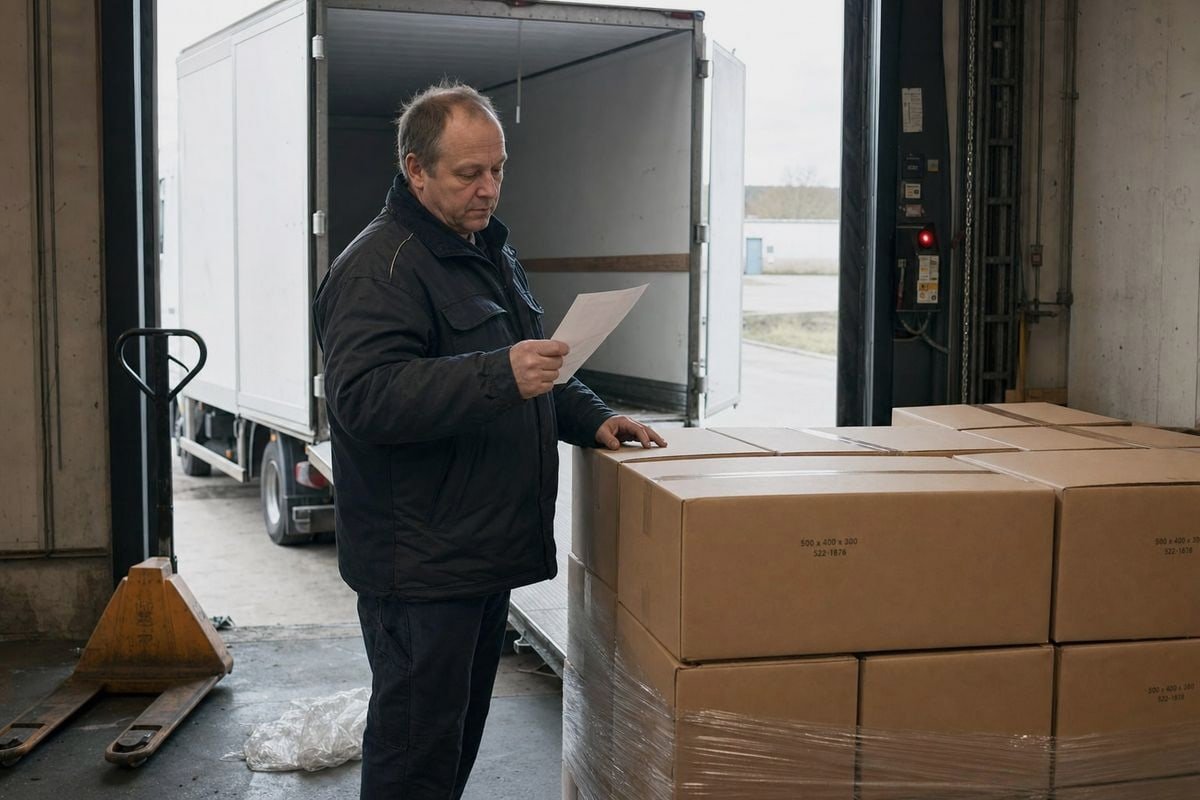
Différentes sources citent des chiffres différents, et il y a une bonne raison à cela. Le temps de transit n'est pas un chiffre unique. C'est une pile de segments, et chaque segment peut s'étirer.
Pourquoi les temps indiqués varient autant
Quatre facteurs expliquent la majeure partie de l'écart que vous voyez en ligne :
- Sélection de l'itinéraire. Les traversées directes de Shanghai ou Ningbo à Rotterdam sont plus rapides que les itinéraires avec transbordement à Singapour ou au Moyen-Orient.
- Villes d'origine et de destination. Notre production est à Ningbo, près d'un port majeur, ce qui permet d'économiser des jours de transport. Une destination européenne intérieure ajoute du temps de camionnage après l'arrivée.
- Consolidation. Les expéditions maritimes LCL et le fret aérien consolidé attendent que l'espace se remplisse. Les réservations FCL et aériennes dédiées se déplacent plus rapidement.
- Saison et congestion. La demande pré-hivernal de Q3-Q4 pour les produits d'allume-feu engorge les voies Chine-Europe exactement au moment où vous en avez le plus besoin.
Calendrier réaliste par segment
| Segment | Mer (FCL) | Rail | Air |
|---|---|---|---|
| Prise en charge à l'origine + dédouanement à l'exportation | 2–4 jours | 2–4 jours | 1 à 2 jours |
| Segment international principal | 25–35 jours | 12–18 jours | 1–3 jours |
| Dédouanement à l'importation + manutention | 2–5 jours | 2–4 jours | 1 à 2 jours |
| Livraison intérieure en Europe | 1–5 jours | 1–4 jours | 1–3 jours |
Ajouter un délai de production avant que tout cela ne commence. Lorsque nos acheteurs planifient des programmes de vente au détail d'hiver, nous travaillons à rebours à partir de leur date de mise en rayon, et non à partir de notre date d'usine. Cette seule habitude évite la plupart des catastrophes saisonnières.
Puis-je réduire les frais de douane et de transport lors de l'importation de démarreurs de feu en bois en vrac ?
La paperasse de conformité est l'endroit où j'ai vu le plus d'argent disparaître silencieusement. Notre usine détient ISO 9001 5, BSCI, CE et certifications SGS/Intertek précisément parce que la documentation propre dédouane les douanes de l'UE plus rapidement et moins cher que toute remise de fret négociée.
Oui. Vous pouvez réduire les coûts grâce à une classification correcte des codes SH, à un emballage conforme à la NIMP 15, à une sélection judicieuse des Incoterms, à la réservation d'espace maritime au T2 avant la haute saison et à la consolidation des commandes d'essai en conteneurs complets. Une documentation claire sur les marchandises dangereuses évite les surcharges et les refus des transporteurs.

Laissez-moi décomposer les cinq leviers qui font réellement bouger le chiffre.
Obtenez la bonne classification avant de réserver
Les allume-feu en bois fabriqués à partir de fibres de bois et de paraffine peuvent tomber sous la classification des marchandises dangereuses 4.1 solides inflammables en vertu des règles IMDG 6 et IATA, en fonction de la formulation et des résultats des tests. Ce n'est pas un détail. Cela détermine si certains transporteurs aériens accepteront même votre cargaison, et les surcharges de marchandises dangereuses peuvent ajouter 20–40% au fret. Nous fournissons des rapports de test avec chaque expédition afin que les transitaires de nos acheteurs puissent classer correctement la cargaison dès le premier jour. Vérifiez la classification auprès de votre transporteur avant de vous engager sur un mode.
Règles d'emballage en bois
Tous les palettes ou caisses en bois massif entrant dans l'UE nécessitent des NIMP 15 7 tampons de traitement thermique ou de fumigation. Un tampon manquant signifie quarantaine, frais de re-palettisation ou retour. Nous avons standardisé des palettes conformes il y a des années après avoir vu ce que coûte un seul conteneur retenu à un client.
Choisissez les Incoterms de manière réfléchie
| Incoterm | Vous contrôlez | Niveau de risque | Idéalement quand |
|---|---|---|---|
| Franco à bord | le fret, l'assurance, le dédouanement | Modéré | Vous avez un transitaire de confiance dans l'UE |
| Coût, assurance et fret | Dédouanement et livraison à l'importation | Modéré | Vous souhaitez un fret maritime organisé par le fournisseur |
| DDP | Presque rien | Faible effort, moins de visibilité sur les tarifs | Vous voulez un prix rendu unique |
Les importateurs expérimentés prennent généralement FOB depuis Ningbo ou Shanghai et gèrent leurs propres relations avec les transitaires. Les acheteurs novices préfèrent souvent DDP pour plus de simplicité.
Réservez tôt, expédiez dense
Réservez de l'espace maritime au T2. Les tarifs et la disponibilité des conteneurs se détériorent aux T3–T4 lorsque la demande de produits d'allumage d'hiver augmente. Travaillez également avec votre fournisseur sur les dimensions des cartons. Nous réingénions régulièrement les cartons maîtres pour les acheteurs afin que plus d'unités de vente au détail rentrent par m³. Un emballage plus dense est la remise de fret la moins chère qui existe.
Quelle option de fret devrais-je choisir pour une commande d'essai par rapport à un envoi en conteneur complet ?
Les commandes d'essai sont là où nos acheteurs OEM commencent habituellement, donc mon équipe cite ce scénario chaque semaine. Une marque de camping aux Pays-Bas a récemment commencé avec trois m³ en LCL, a validé la rotation des ventes en une saison, puis est passée à des conteneurs complets.
Pour une commande d'essai, utilisez le fret maritime LCL si vous avez 8 à 12 semaines, ou le fret aérien pour de petits échantillons conformes de moins de 100 kilogrammes. Pour les expéditions en conteneur complet, réservez le fret maritime FCL, en réservant le rail uniquement lorsqu'une échéance saisonnière justifie le surcoût de deux à trois fois supérieur.

L'essai et la montée en puissance sont deux problèmes distincts. Résolvez-les séparément.
Le guide de commande d'essai
Suivez cette séquence et vous éviterez les deux erreurs classiques : payer trop cher pour une vitesse dont vous n'avez pas besoin, et tester avec une cargaison qui ne représente pas la production de masse.
- Commencez par des échantillons de messagerie, si les transporteurs acceptent la classification du produit. Confirmez la qualité, le temps de combustion et l'emballage en main en une semaine.
- Passez une commande d'essai de 2–10 m³ en LCL maritime. À 50–100 $ par m³, vous validez le marché sans engagement au niveau du conteneur. Nos MOQ flexibles existent exactement pour cette étape.
- Testez votre processus douanier sur l'essai. Une petite expédition révèle les problèmes de code SH, les lacunes dans la documentation DG et les problèmes ISPM 15 à moindre coût. Corrigez-les avant qu'un conteneur ne soit en mer.
- Suivez votre taux de rotation des ventes. Cela vous indique si votre cycle de réapprovisionnement correspond au transit maritime ou nécessite le rail.
Passer à des conteneurs complets
Une fois la demande prouvée, le FCL maritime devient la norme. Un conteneur de 20 pieds convient aux distributeurs de taille moyenne ; un conteneur de 40 pieds maximise les économies par unité pour les programmes de vente en gros. Une mise en garde d'après expérience : votre premier FCL devrait être expédié tôt. Visez une arrivée des marchandises en Europe à la fin de l'été pour les ventes d'allume-feu d'hiver. Si le calendrier de production ou de demande glisse, le rail est votre police d'assurance. Cela coûte plus cher, mais c'est mieux qu'une étagère vide en novembre.
Adaptez le mode à votre modèle économique
Les grossistes à la demande stable devraient utiliser le transport maritime selon un calendrier fixe. Les vendeurs Amazon et e-commerce à la vélocité volatile mélangent souvent le transport maritime pour le stock de base et le rail pour les pics. Les détaillants saisonniers devraient considérer la réservation maritime du T2 comme non négociable. Gardez l'aérien en réserve uniquement pour les urgences réelles de rupture de stock.
Conclusion
Les erreurs de fret sur les allume-feu en bois détruisent la marge en silence. Choisissez la mer pour le coût, le rail pour la vitesse saisonnière, l'air pour les urgences — et vérifiez la classification, l'emballage et le calendrier avant de réserver.
Notes de bas de page
Contexte Wikipédia sur le tableau des termes commerciaux internationaux comparant FOB, CIF et DDP. ↩︎
Page officielle de l'UE expliquant la certification marquage CE citée pour le fabricant. ↩︎
Ressource commerciale de l'OMC pertinente pour la classification correcte du système harmonisé pour les douanes. ↩︎
Contexte sur l'expédition de conteneurs complets référencé tout au long de la comparaison de fret. ↩︎
Page officielle de l'ISO expliquant la certification de gestion de la qualité mentionnée pour l'usine. ↩︎
Contexte sur le code maritime des marchandises dangereuses régissant la classification des solides inflammables. ↩︎
Explique la norme internationale sur les emballages en bois référencée pour la conformité douanière de l'UE. ↩︎



 English
  Spanish
  German
  French
  Arabic
  Portuguese
Rejoignez la conversation