






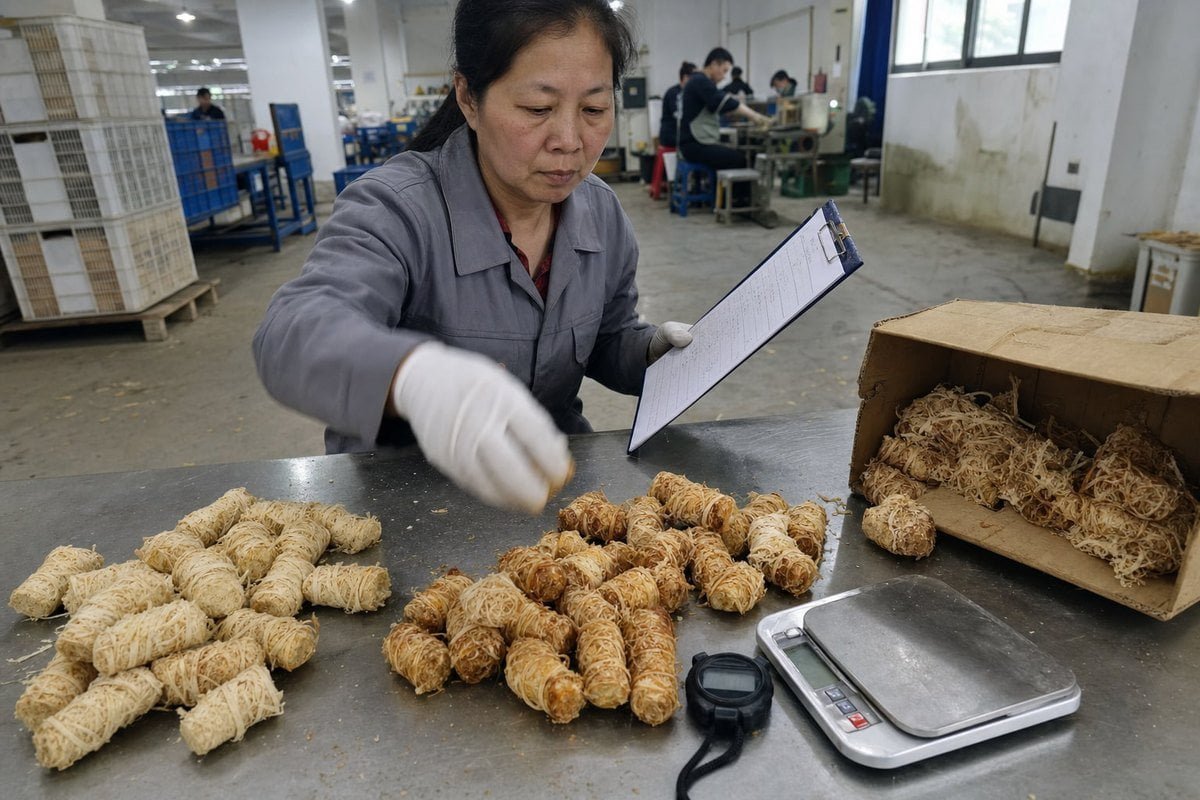
Raisons de retour pour allume-feu pour cheminée 1 inquiète tous les importateurs que je rencontre. Les retours détruisent silencieusement les marges, et après 17 ans à gérer nos lignes de production, je sais que la plupart remontent aux spécifications.
La plupart des retours de produits d'allumage de bois proviennent de défaillances mesurables des spécifications : temps de combustion inférieur à la durée indiquée, taille d'unité ou poids d'emballage incorrects, teneur en humidité supérieure à 15% ou ratios de cire erronés, et emballage ou étiquetage qui ne correspond pas à la composition réelle du produit à l'intérieur.
Laissez-moi décomposer chaque catégorie. Je vais vous montrer [quelles plaintes correspondent à quelles spécifications, et comment les éviter](https://sunrichfire.com/how-avoid-common-wood-fire-starter-complaints-sourcing-products/) avant que votre conteneur n'expédie.
Quelles incohérences de temps de combustion entraînent le plus de retours clients ?
Un distributeur allemand m'a un jour transmis un avis d'une étoile qui disait simplement : "Mort en quatre minutes". Cette seule phrase a appris à notre équipe de contrôle qualité plus que n'importe quelle fiche technique. bois certifié FSC 2.
Les retours de durée de combustion se produisent lorsque la durée de combustion réelle tombe en dessous de la plage indiquée, généralement causée par une saturation inégale de la cire, une variation de densité d'un lot à l'autre, ou un stock dégradé. Les acheteurs qui s'attendent à 8 à 15 minutes mais reçoivent 3 à 5 minutes déposent des réclamations "non conformes à la description" presque immédiatement.
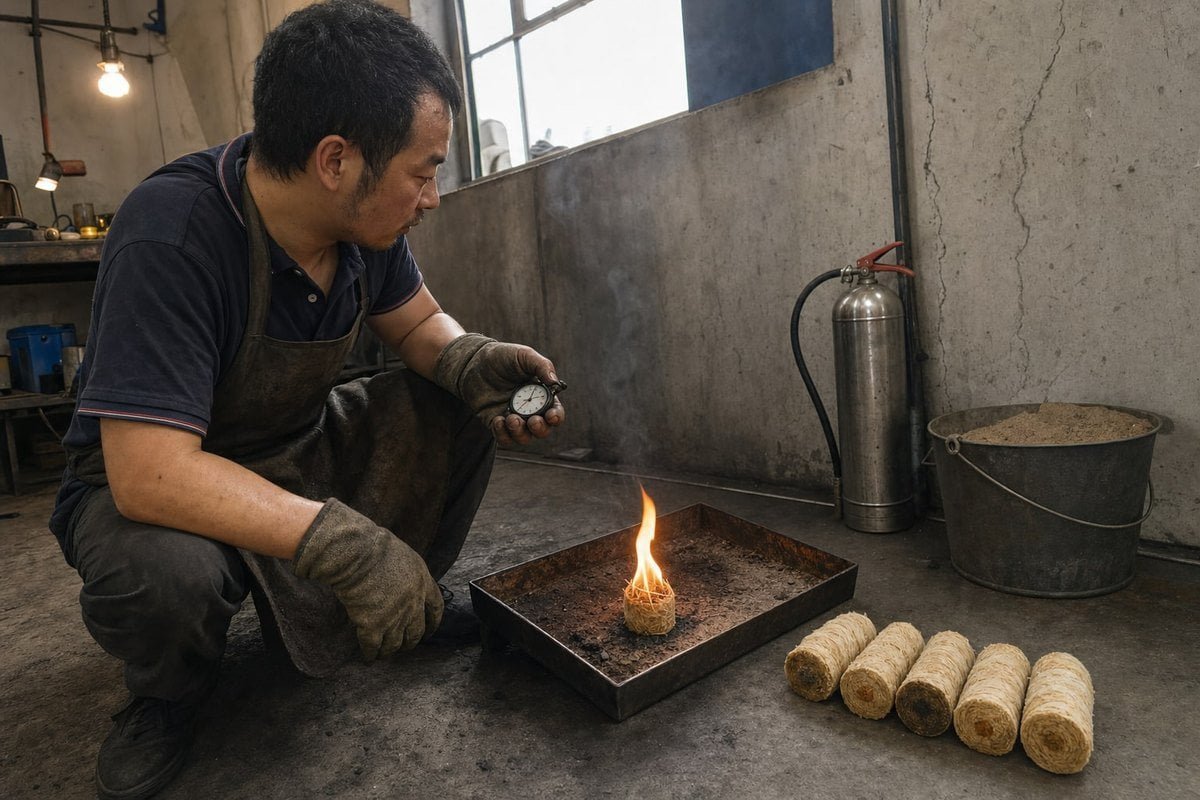
La durée de combustion est le seul chiffre le plus cité sur toute fiche de produit d'allume-feu. C'est aussi la spécification la plus facile à échouer. Quand un client lit "brûle 10 minutes" et que le palet s'éteint avant que son petit bois ne prenne, il ne blâme pas sa technique. Il blâme le produit. Puis il le retourne.
Pourquoi les durées de combustion varient entre les lots
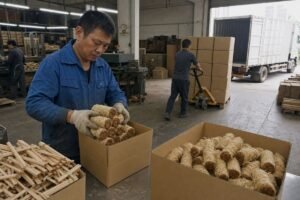
Dans notre usine de Ningbo, nous avons appris très tôt que l'absorption de cire varie avec la densité des fibres. Les rouleaux enroulés lâchement laine de bois 3 absorbent plus de cire et brûlent plus longtemps. Les rouleaux comprimés absorbent moins et brûlent fort mais vite. Si un fournisseur ne contrôle pas la tension d'enroulement 4, deux cartons de la même commande peuvent avoir des performances très différentes. Le stock plus ancien pose un autre problème. Les rouleaux trempés dans la cire qui restent dans des entrepôts humides peuvent perdre leur fiabilité d'allumage, tandis que les fibres séchées deviennent cassantes et s'effritent pendant le transport.
Voici comment les plaintes courantes sur la durée de combustion correspondent aux causes profondes :
| Plainte du client | Échec de spécification sous-jacent | Cause profonde typique |
|---|---|---|
| "Brûlé en 3 minutes" | Durée de combustion inférieure à la plage indiquée | Saturation de cire insuffisante |
| "Flamme trop faible pour allumer les bûches" | Faible dégagement de chaleur | Fibre trop comprimée |
| "Certains ont fonctionné, d'autres non" | Incohérence des lots | Pas de test de combustion par lot |
| "S'est effrité avant que je puisse l'utiliser" | Dégradation structurelle | Stock ancien, faible ratio de cire |
La solution est procédurale, pas compliquée. Nous testons par combustion des échantillons de chaque lot et enregistrons les résultats, de sorte que l'échantillon qu'un acheteur approuve reflète réellement la production de masse. Toute usine qui saute les tests par lot exporte des retours futurs avec les marchandises.
Comment des spécifications de taille ou de poids incorrectes entraînent-elles des plaintes d'acheteurs ?
Lorsque nous établissons un devis pour une commande en marque blanche, la première chose que les responsables des achats sérieux demandent est la tolérance du poids unitaire 5 — pas le prix. Il y a une bonne raison à cela.
Les erreurs de taille et de poids entraînent des retours car les acheteurs jugent la valeur par le nombre et la masse. Les rondelles sous-dimensionnées donnent l'impression d'une escroquerie, les unités surdimensionnées perturbent les comptes de colis et les calculs d'expédition, et une variation de poids d'environ ±10 % donne aux clients de détail le sentiment d'être trompés par l'annonce.

Les spécifications physiques semblent ennuyeuses par rapport à la chimie d'allumage. Pourtant, dans notre expérience d'exportation aux États-Unis et en Europe, elles génèrent une part surprenante de litiges. Un allume-feu est un consommable acheté de manière répétée. Les clients se souviennent de ce que ressentait la boîte du mois dernier. Si les palets de ce mois-ci sont 20% plus légers, ils le remarquent instantanément.
Les trois façons dont les spécifications physiques échouent
Premièrement, la dérive de la taille unitaire. Les rouleaux de laine de bois enroulés à la main peuvent varier si les opérateurs ne sont pas formés à un modèle fixe. Un palet trop petit brûle rapidement. Un palet trop dense étouffe le flux d'air et étouffe sa propre flamme. La surface compte — les blocs compressés avec trop peu de fibres exposées limitent le contact avec l'oxygène et ralentissent la propagation de la flamme.
Deuxièmement, les erreurs de nombre d'unités par paquet. Une boîte étiquetée "100 pièces" qui expédie avec 92 est un retour automatique et souvent une pénalité de plateforme. Nous vérifions le poids de chaque boîte de détail sur notre ligne pour cette raison exacte.
Troisièmement, la durabilité au transport. Les rouleaux fragiles qui s'effritent en copeaux lâches arrivent en ressemblant à du matériel d'emballage, pas à un produit. Les acheteurs photographient le désordre et ouvrent une réclamation.
| Spécification physique | Pratique acceptable | Risque de retour si ignoré |
|---|---|---|
| Poids unitaire | Tolérance définie dans le bon de commande, vérifiée par lot | "Réclamations "plus petit que annoncé" |
| Nombre d'unités par paquet | Vérification du poids de chaque boîte | Litiges de quantité insuffisante, pénalités |
| Densité | Tension d'enroulement standardisée | Blocage d'air, flamme faible |
| Résistance au transport | Tester les cartons par chute avant expédition | Produit émietté à l'arrivée |
Pour les acheteurs B2B, mon conseil est simple : mettez les tolérances de taille, de poids et de quantité par écrit sur le bon de commande. Des spécifications vagues invitent à une qualité vague.
Les problèmes de teneur en humidité ou de rapport de cire peuvent-ils déclencher des demandes de retour ?
L'humidité est le test de stress que personne ne voit venir. Nos ingénieurs passent plus de temps sur le contrôle de l'humidité que sur toute autre variable unique, car les fibres humides transforment un bon produit en un produit retourné.
Oui — une teneur en humidité supérieure à environ 15 % provoque une ignition lente et une forte fumée, tandis que des ratios de cire incorrects provoquent des défaillances opposées : trop de cire résiste à l'allumage d'une allumette, trop peu laisse les fibres cassantes et sensibles à l'humidité. Les deux produisent des retours "ne s'allume pas".
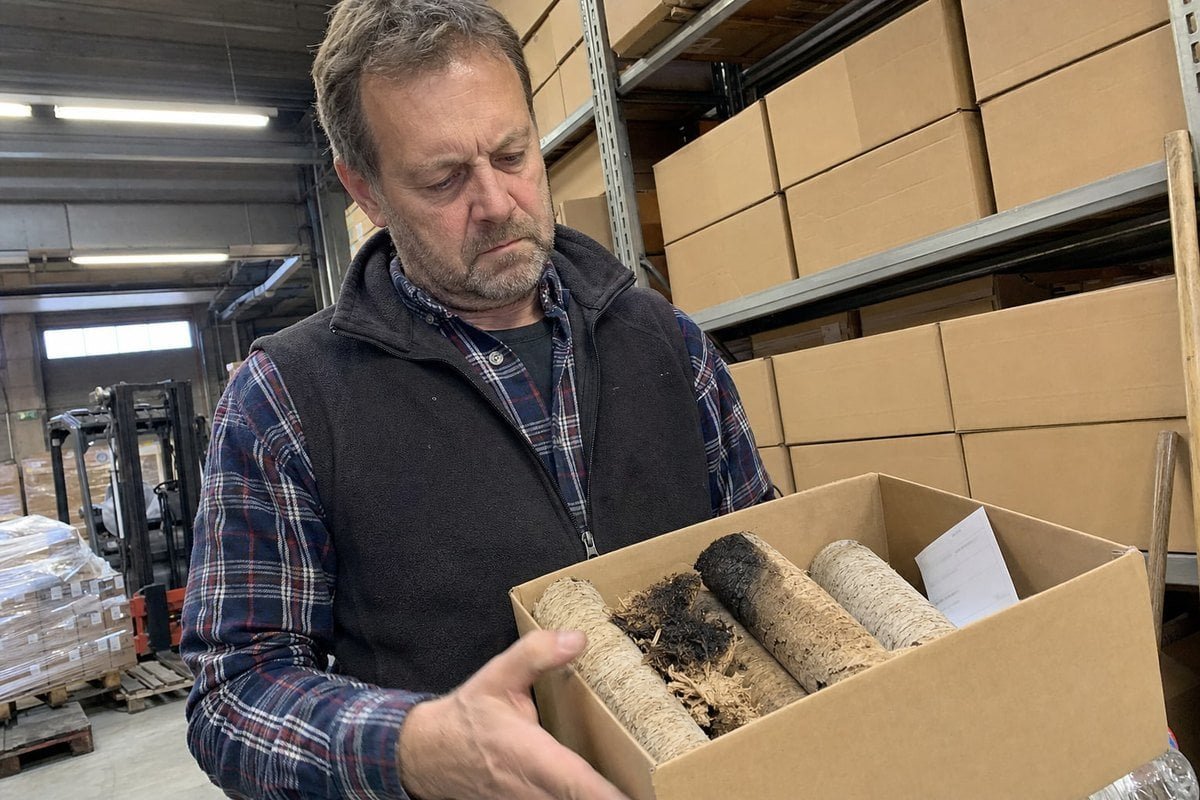
C'est la catégorie où la chimie rencontre la colère du client. Un allume-feu en bois est un produit sensible à l'humidité qui se fait passer pour un produit simple. La laine de bois est hygroscopique. Elle absorbe l'eau de l'air pendant le stockage, le transport et sur l'étalage du magasin. Une fois que le pourcentage de teneur en humidité dépasse le seuil de sécurité, la fiabilité de l'allumage diminue, les niveaux d'émission de fumée augmentent et le taux de succès de la première allumage s'effondre.
L'acte d'équilibrage du ratio de cire
Le revêtement de cire est la défense, mais le ratio doit être correct. Dans nos rouleaux de bois trempés dans la cire, nous visons une fenêtre de saturation qui laisse suffisamment de fibres exposées pour un allumage sans produits chimiques avec une seule allumette, tout en scellant le noyau contre l'humidité. Si vous vous trompez dans un sens ou dans l'autre, vous créez une raison de retour :
- Trop de cire : La surface devient une coquille solide. Une allumette standard ou un briquet à faible puissance ne peut pas générer suffisamment de chaleur pour l'allumer. Les clients signalent "impossible à allumer"."
- Trop peu de cire : Les fibres restent exposées. L'allume-feu absorbe l'humidité, brûle rapidement et produit de la fumée, et s'émiette dans la boîte.
- Trempage inégal : Certaines unités d'un paquet fonctionnent et d'autres échouent, ce qui est perçu comme une mauvaise qualité même lorsque la spécification moyenne est correcte.
Les revendications de composition ajoutent une autre couche. Si une annonce promet de la résine de bois naturel ou des allume-feux inodores, mais que le produit utilise des mélanges riches en paraffine avec une odeur chimique, des retours "non conformes à la description" s'ensuivent. Les acheteurs lisent de plus en plus les lignes de composition — comme le "50 % de fibre de bois, 50 % de paraffine" imprimé sur les boîtes de détail — et ils tiennent les vendeurs responsables. Les liants pétroliers bon marché qui dégagent des fumées désagréables sont une cause majeure de plaintes d'odeurs, en particulier pour une utilisation en intérieur dans la cheminée.
Pourquoi les erreurs d'emballage ou d'étiquetage entraînent-elles des retours de marchandises ?
Un acheteur britannique a une fois rejeté une expédition d'essai entière d'un fournisseur précédent — non pas parce que le produit avait échoué, mais parce que l'étiquette d'avertissement ne correspondait pas aux exigences du marché de destination. Cette conversation est la raison pour laquelle nous intégrons la révision des étiquettes dans chaque commande OEM.
Les incompatibilités d'emballage entraînent des retours lorsque la boîte promet ce que le produit ne peut pas livrer : mauvais nombre de pièces, avertissements de sécurité manquants, revendications non étayées comme "inodore" ou "sans danger pour l'intérieur", absence de divulgation de la composition, ou emballage perméable à l'humidité qui laisse le produit se dégrader avant la première utilisation.
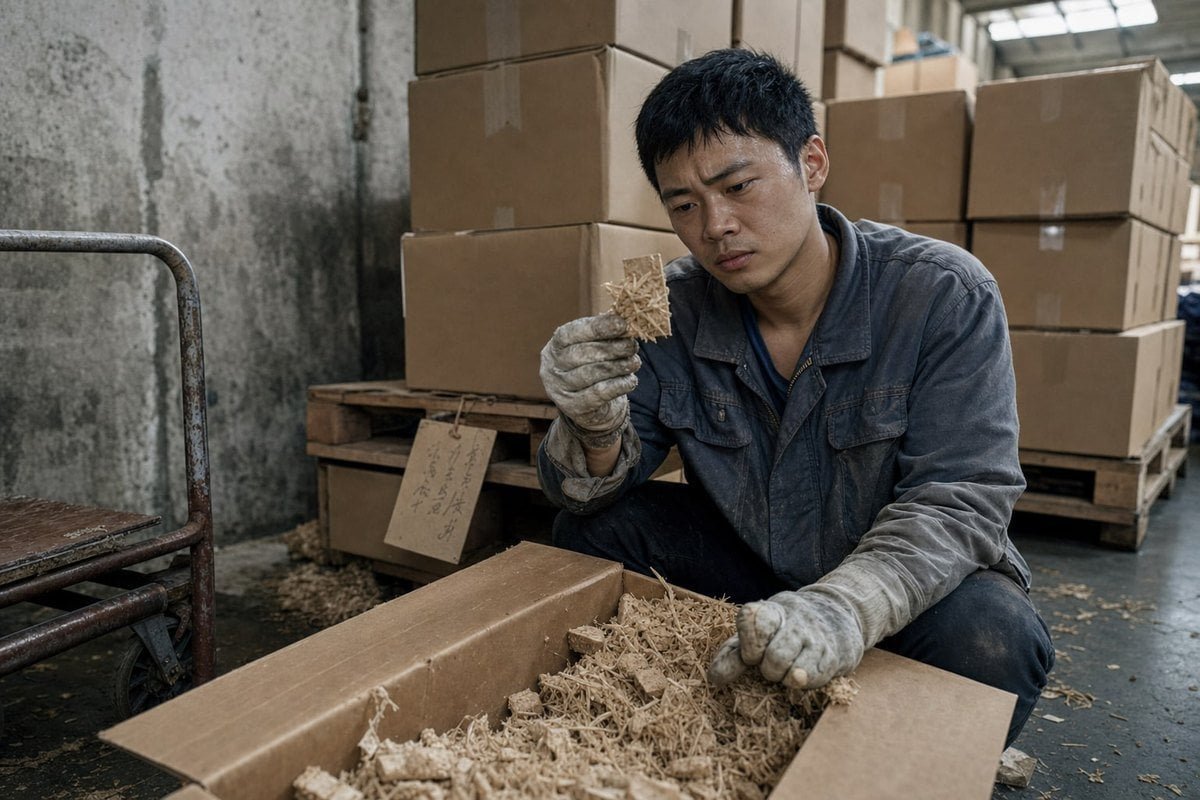
L'emballage est une spécification, même si de nombreux fournisseurs le traitent comme une décoration. Chaque revendication imprimée sur la boîte devient un contrat avec le client final. Lorsque le contrat est rompu, le produit revient — parfois sous forme d'un seul retour de détail, parfois comme une palette rejetée.
Où l'étiquette et la réalité divergent
La divulgation de la composition est l'écart le plus courant. Si la boîte indique fibre de bois et paraffine, mais que le produit contient d'autres liants, cette divergence peut violer les règles de protection des consommateurs 6 concernant les marchandises étant "conformes à la description". Les revendications comme bois certifié FSC, "naturel" ou "non toxique" doivent être étayées par de la documentation. Nos acheteurs en Allemagne et en France demandent régulièrement des rapports de test avant de placer des revendications sur des emballages de marque privée, et à juste titre.
L'étiquetage de sécurité est tout aussi important. La combustion produit de la fumée, de la suie et du monoxyde de carbone. Si l'emballage ne mentionne pas les limitations d'utilisation en intérieur 7 ou l'adéquation pour le barbecue, les acheteurs peuvent prétendre que le produit n'est pas adapté à leur usage communiqué. C'est un retour de niveau garantie, plus difficile à contester qu'un retour de préférence.
Ensuite, il y a l'emballage lui-même en tant que barrière physique. Les allume-feux stockés dans des boîtes non scellées absorbent l'humidité de l'entrepôt. Le client ouvre un produit "neuf" qui a déjà perdu ses performances d'allumage. Les spécifications d'emballage barrière contre l'humidité empêchent cela entièrement.
| Élément d'étiquetage | Ce qui doit correspondre | Type de retour si incorrect |
|---|---|---|
| Badge du nombre de pièces | Unités réelles à l'intérieur | Retour pour quantité insuffisante |
| Ligne de composition | Formulation réelle | "Revendication "non conforme à la description" |
| Revendications d'utilisation | Performances vérifiées (compatibilité cheminée, barbecue, extérieur) | Retour pour inadéquation à l'usage |
| Avertissements de sécurité | Règles du marché de destination | Rejet par le détaillant, risque de rappel |
| Emballage barrière | Protection contre l'humidité de stockage | Retour pour dégradation à l'arrivée |
Dans notre processus OEM tout-en-un, nous examinons les étiquettes d'avertissement, les codes-barres et le texte de composition par rapport au marché de destination avant l'impression. Dix minutes d'examen des étiquettes permettent d'économiser des mois de gestion des litiges.
Conclusion
Les échecs de spécifications — temps de combustion, taille, humidité, ratio de cire et étiquetage — entraînent la plupart des retours. Corrigez les spécifications à l'usine, et les retours s'arrêtent avant de commencer.
Notes de bas de page
Vue d'ensemble de Wikipédia sur les techniques et matériaux d'allumage du feu. ↩︎
Normes officielles pour l'étiquetage FSC et la certification du bois. ↩︎
Définition technique et utilisations courantes des fibres de laine de bois. ↩︎
Principes d'ingénierie de la tension de bobinage dans les processus de fabrication. ↩︎
Principes d'ingénierie concernant les tolérances de poids et de mesure dans la fabrication. ↩︎
Lignes directrices de la FTC sur la protection des consommateurs et les descriptions de produits. ↩︎
Ressource faisant autorité de l'EPA expliquant les risques de monoxyde de carbone et les directives de sécurité qui dictent les limites d'utilisation intérieure des produits de combustion. ↩︎


 English
  Spanish
  German
  French
  Arabic
  Portuguese
Rejoignez la conversation