






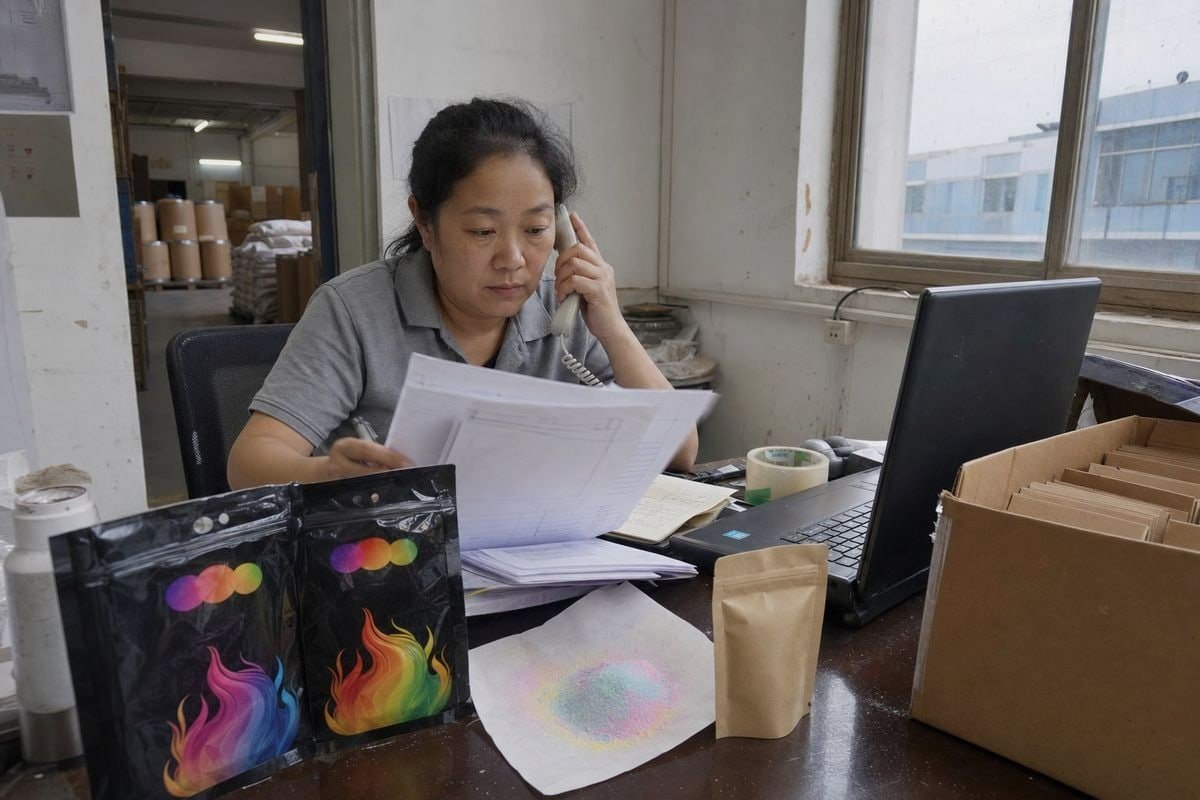
Le contrôle des fournisseurs de poudre à feu magique continue de piéger les importateurs Programme Fournisseur Vérifié 1. J'ai vu des acheteurs faire confiance à un badge brillant, recevoir de la poudre mal étiquetée, échouer à un audit de détail et perdre une saison entière. Sur notre chaîne de production, nous voyons pourquoi : la paperasse et la réalité divergent souvent.
Le dépistage efficace des fournisseurs de poudre magique à feu utilise les deux méthodes dans une séquence basée sur le risque. Vérifiez d'abord les certifications de la plateforme, les rapports de test et l'enregistrement de l'entreprise, puis passez à un audit d'usine sur site ou tiers pour les fournisseurs débutants, les volumes élevés, les commandes sous marque privée ou tout document qui ne peut être confirmé indépendamment.
Aucune méthode seule n'est suffisante. Ci-dessous, j'explique comment vérifier les certificats, quand les badges suffisent, où le contrôle uniquement en ligne échoue et comment combiner les deux en un processus fiable.
Comment puis-je vérifier les certifications d'un vendeur de poudre magique de feu avant de passer une commande ?
Un acheteur d'Allemagne m'a un jour demandé de lui envoyer notre rapport SGS par e-mail avant même de discuter du prix. Je l'ai respecté. Après 17 ans d'exportation de paquets de flammes colorées vers plus de 30 pays, nous savons que les acheteurs sérieux vérifient d'abord et négocient ensuite.
Vérifier les certifications en demandant le rapport de test complet avec le numéro de certificat, l'entité de test et la norme exacte testée. Confirmez ensuite l'authenticité directement avec le laboratoire ou le registre émetteur, vérifiez l'enregistrement commercial du fournisseur et faites correspondre la portée du certificat au produit et à l'emballage réels.
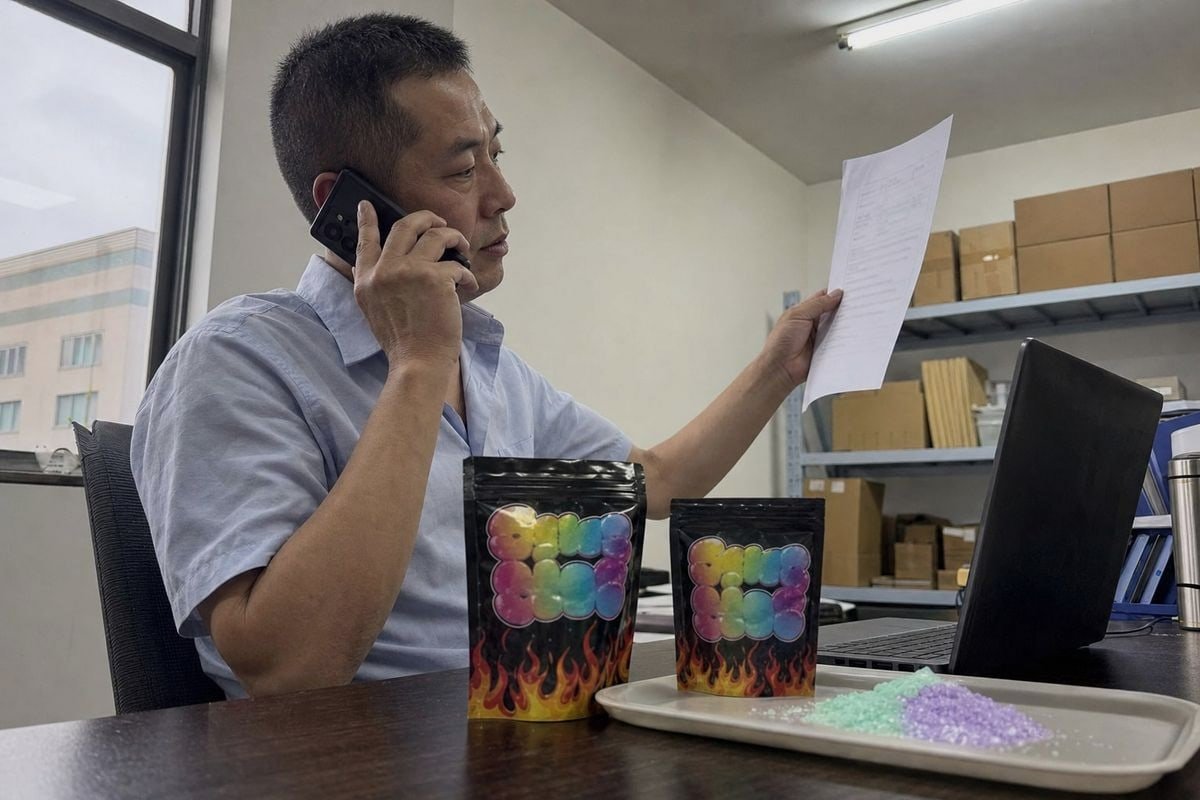
Un PDF sur un site Web ne prouve rien en soi. Les certificats peuvent être expirés, empruntés à une autre usine ou modifiés directement. Vous avez donc besoin d'une séquence de vérification, pas d'un coup d'œil.
Vérification étape par étape des certificats
- Demandez le rapport d'essai complet, pas une page de résumé. Un vrai rapport indique le laboratoire, le numéro de rapport, la date, la description de l'échantillon testé et la norme appliquée.
- Contactez directement le laboratoire émetteur. SGS, Intertek, Bureau Veritas 2, et TÜV proposent tous des canaux de validation de rapports. Donnez-leur le numéro de rapport et demandez s'il est authentique et actuel.
- Faites correspondre la portée. Un certificat pour un produit ne couvre pas une formule différente, une taille de sachet ou une variante sous marque privée. Vérifiez que l'échantillon testé correspond à ce que vous achèterez réellement.
- Croisez les informations sur l'entreprise. Confirmez que le nom d'enregistrement de l'entreprise 3 correspond au nom sur le certificat. Les divergences signifient souvent qu'une société commerciale présente la paperasse d'une usine.
- Confirmez les documents de sécurité. Pour les poudres de coloration par flamme, demandez la FDS/SDS, la classification de transport et toute preuve de conformité au marché de destination telle que la pertinence REACH pour l'UE.
Documents à demander
| Document | Ce qu'elle prouve | Quels documents sont importants pour quel risque |
|---|---|---|
| Rapport de test SGS / Intertek | Produit testé selon une norme déclarée | Service de vérification de rapports du laboratoire |
| Certificat ISO 9001 4 | Système de gestion de la qualité existant | Registre de l'organisme de certification |
| Résultat de l'audit BSCI | Conformité sociale à l'usine | Plateforme Amfori via le fournisseur |
| FDS / SDS | Données sur la composition chimique et la manipulation | Cohérence avec les étiquettes et les documents d'expédition |
| Contactez SGS/Intertek avec le numéro de rapport | L'entité juridique existe réellement | Plateformes officielles d'enregistrement ou de données commerciales |
Lorsque nous intégrons un nouveau distributeur, nous remettons proactivement ce dossier complet. D'après mon expérience, les fournisseurs qui hésitent ou envoient des captures d'écran rognées vous disent quelque chose d'important.
Dois-je me fier aux badges de vérification de la plateforme ou insister pour un audit d'usine ?
Il y a un compromis que j'évalue avec chaque client potentiel : la vitesse par rapport à la certitude. Notre usine à Ningbo accueille régulièrement des audits, et je peux dire franchement que les badges et les audits répondent à des questions différentes. L'un demande si nous existons. L'autre demande comment nous travaillons.
Utilisez les badges de la plateforme comme premier filtre rapide, puis insistez sur un audit d'usine pour les commandes sensibles à la sécurité. Les badges confirment l'enregistrement et la documentation ; seul un audit confirme la capacité de production réelle, les conditions de stockage, les contrôles de lots et si la poudre expédiée correspond à la poudre certifiée.
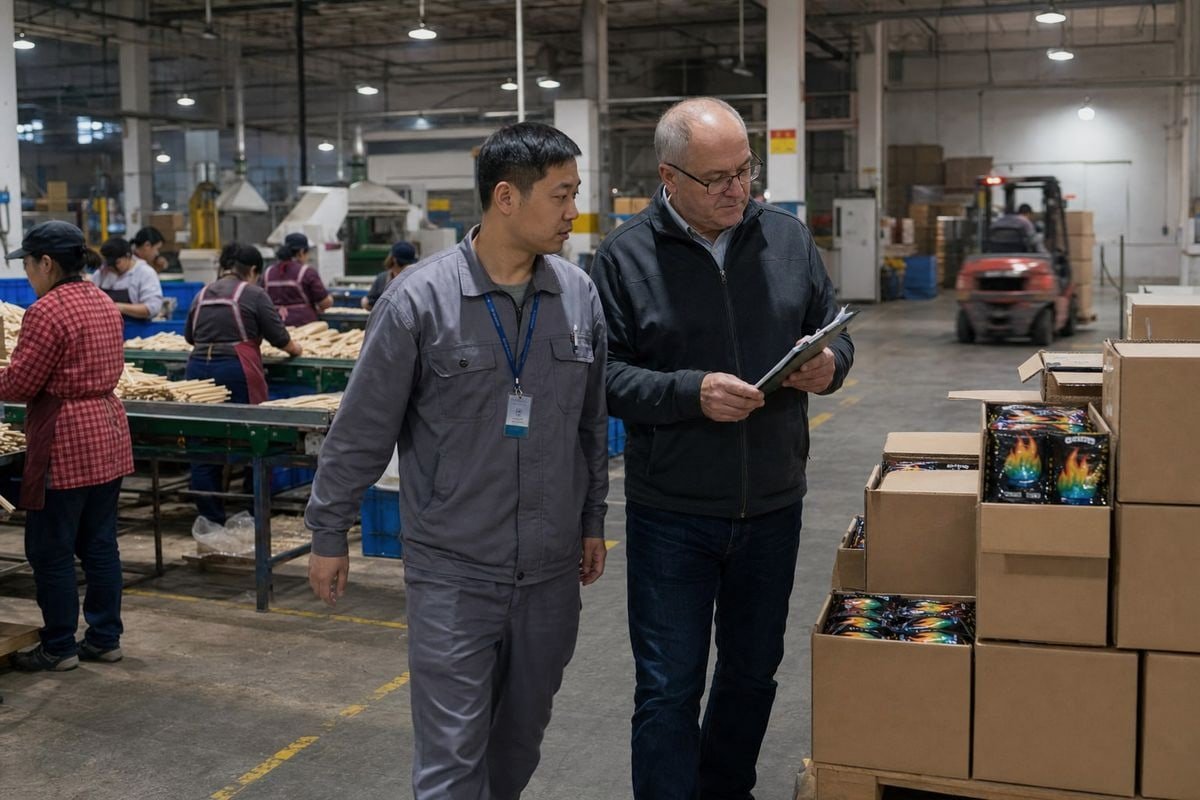
Voici comment les deux approches se comparent sur les facteurs qui intéressent réellement les acheteurs :
| Facteur | Badges de plateforme | Audit d'usine |
|---|---|---|
| Vitesse | Instantané à quelques jours | Jours à semaines |
| Coût | Gratuit ou faible | Frais de déplacement ou d'inspection |
| Vérifie l'entité juridique | Oui | Oui |
| Vérifie la capacité de production | Non | Oui |
| Vérifie le stockage et la manipulation | Non | Oui |
| Détecte les produits reconditionnés ou substitués | Rarement | De manière fiable |
| Résistance à la fraude | Modéré | Élevé |
L'argument pro-plateforme, et où il échoue
Les acheteurs me disent souvent que les audits sont trop lents et coûteux, et que des plateformes comme celle d'Alibaba Programme Fournisseur Vérifié 5 vérifient déjà les licences selon des critères cohérents. C'est en partie vrai. La vérification numérique s'adapte bien et élimine rapidement les faux évidents. Mais le badge n'est aussi solide que les enregistrements sous-jacents. Il peut confirmer qu'un document existait au moment de la vérification. Il ne peut pas voir l'entrepôt d'aujourd'hui, le lot de ce mois-ci, ou si une société commerciale s'approvisionne discrètement en poudre auprès d'un atelier non certifié.
Le juste milieu pratique
Vous n'avez pas toujours besoin d'un billet d'avion. Les visites guidées en vidéo en direct via Zoom ou WeChat exposent les véritables lignes de production à un coût proche de zéro. Des sociétés tierces comme SGS ou Bureau Veritas auditeront en votre nom moyennant des frais modestes. Nous hébergeons les deux formats régulièrement, et honnêtement, une usine qui résiste à un simple appel vidéo vous agite un drapeau rouge.
Ma règle pour nos propres acheteurs : vérifications au niveau du badge pour les commandes répétées de produits scellés et standardisés ; un audit physique ou délégué avant toute première commande importante ou programme de marque privée.
Quels sont les risques de choisir un fournisseur uniquement sur la base de ses références en ligne ?
Une leçon que j'ai apprise tôt en matière d'exportation : la paperasse voyage plus vite que la vérité. Un client potentiel est venu nous voir après qu'un fournisseur "vérifié" précédent lui ait expédié des sachets à flamme colorée dont le contenu ne correspondait pas à la formule testée. Son détaillant a retiré le produit. Le badge avait été parfaitement vérifié.
S'appuyer uniquement sur des certifications en ligne vous expose à des certificats contrefaits ou obsolètes, à des sociétés commerciales se faisant passer pour des usines, à la substitution de produits entre lots, à un emballage mal étiqueté, à des produits chimiques non conformes à la douane et à des inspections de vente au détail ou d'autorité incendie échouées — des risques qu'aucun dépistage de base de données ne peut détecter.
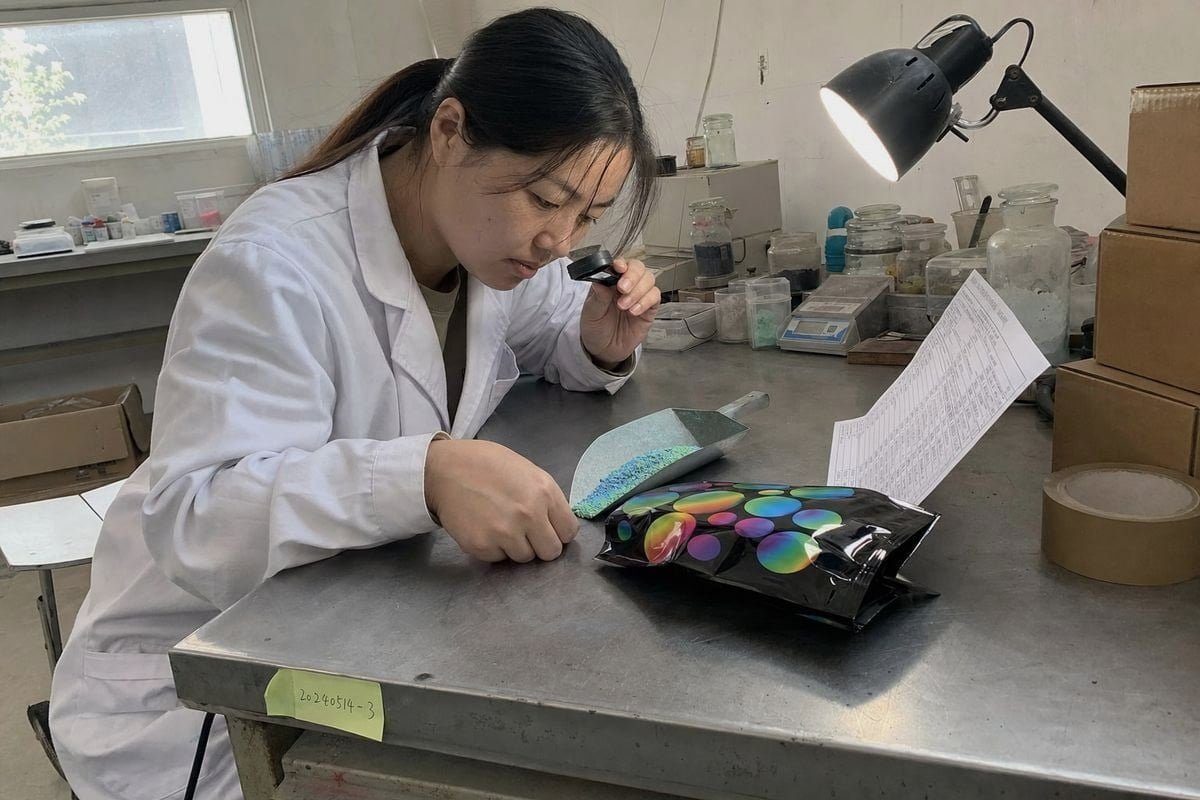
Laissez-moi décomposer ces risques, car ils se cumulent d'une manière que les acheteurs sous-estiment.
Risque lié à la documentation
Les certificats vieillissent. Un certificat ISO 9001 datant de trois ans ne dit rien de la gestion actuelle. Les rapports de test couvrent un échantillon à une date donnée. Si le fournisseur a changé de fournisseurs de formules depuis les tests, le rapport est décoratif. Le dépistage en ligne détecte rarement les dates d'expiration, les dérives de portée ou les changements discrets de formule.
Risque d'identité
De nombreuses annonces qui ressemblent à des usines sont sociétés commerciales 6. Elles montrent les certificats d'une vraie usine, prennent votre commande, puis s'approvisionnent là où la marge est la meilleure. Votre chaîne de traçabilité se brise de manière invisible. La vérification croisée de l'historique des exportations douanières sur les plateformes de données commerciales aide ici — elle révèle les volumes réels d'expédition et la diversité des acheteurs — mais même cela ne montrera pas quel atelier a rempli les sachets du mois dernier.
Risque physique et de conformité
La poudre à effet de feu est manipulée, mélangée, remplie et scellée. Chaque étape peut mal se passer sans toucher à la paperasse. Un stockage humide agglomère les cristaux. Un remplissage négligent entraîne des couleurs de combustion incohérentes. Des étiquettes d'avertissement incorrectes échouent aux audits de détail. Et si le produit parvient à un événement où un responsable de la sécurité incendie l'inspecte, les étiquettes doivent correspondre exactement aux documents. Dans notre quartier général de Liuyang 7 — le cœur du cluster de feux d'artifice de Chine — nous avons vu des usines locales avec des profils en ligne impeccables et des ateliers chaotiques. L'écran ne peut tout simplement pas voir l'atelier.
Il existe également un risque commercial : payer uniquement sur la base des certificats. L'entiercement lié aux résultats d'inspection indépendante avant expédition vous donne un véritable levier ; payer sur la confiance du badge ne vous en donne aucun.
Comment combiner les vérifications de documents et les visites sur site pour un processus de sélection de fournisseurs fiable ?
Lorsque nous développons un programme de marque privée avec un nouveau distributeur — sachet personnalisé, code-barres, étiquette d'avertissement, boîte d'exposition — nous les guidons en fait à travers notre propre cadre de dépistage en premier. Cela renforce la confiance plus rapidement que n'importe quel argumentaire de vente, et cela leur donne un processus répétable pour chaque fournisseur qu'ils évaluent.
Combinez les deux méthodes dans un processus hiérarchisé : effectuez des vérifications de documents et de registres sur chaque fournisseur, ajoutez une confirmation de laboratoire et des visites vidéo pour les commandes à risque moyen, et réservez des audits sur site ou par des tiers ainsi que des conditions de paiement liées à l'inspection pour les achats de première fois, à volume élevé ou sous marque privée.
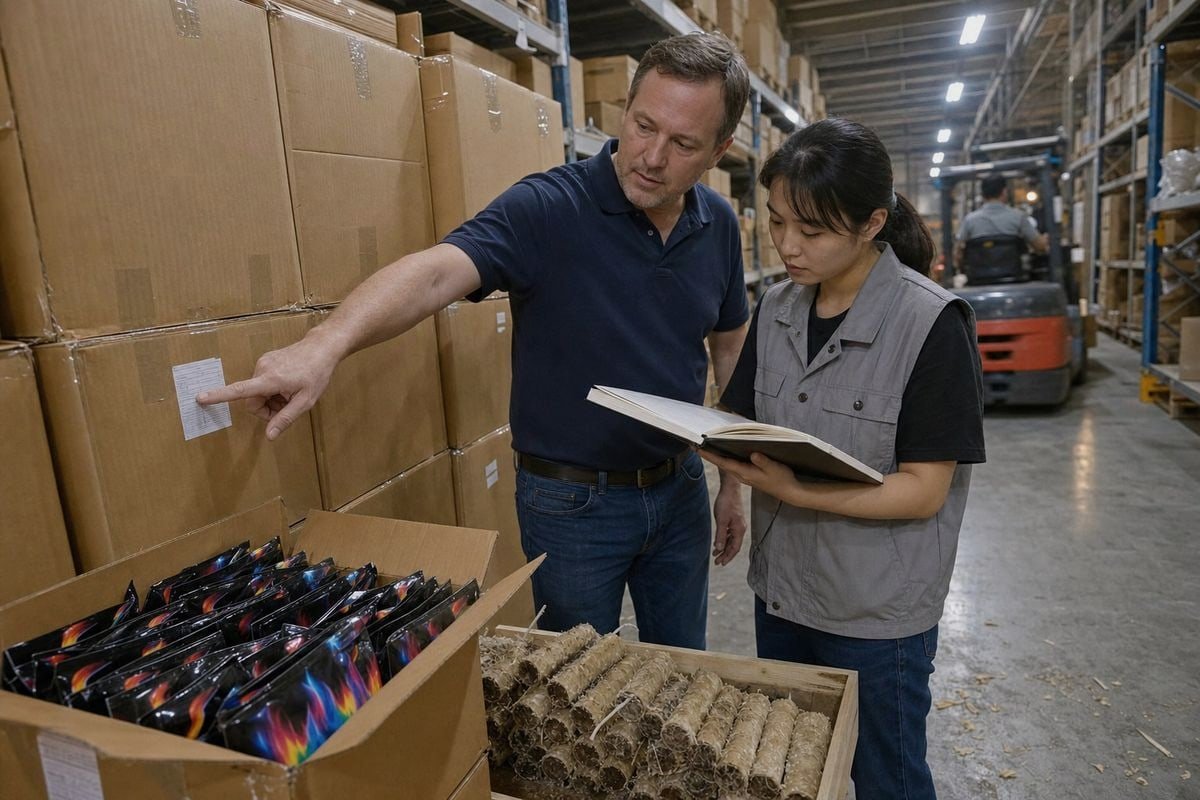
L'idée centrale est la proportionnalité. Vous n'auditez pas tout le monde, et vous ne faites confiance à personne sur le papier seul. Vous faites correspondre la profondeur de vérification au risque de la commande.
Un cadre de dépistage à trois niveaux
| Niveau de risque | Scénario typique | Actions de dépistage |
|---|---|---|
| Faible | Petite commande répétée, produit standard scellé, fournisseur connu | Confirmer que les certificats sont à jour ; vérifier l'enregistrement ; examiner les enregistrements de lots récents |
| Moyen | Commande plus importante, nouveau SKU, ou lacunes mineures dans la documentation | Tous les éléments ci-dessus, plus vérification directe en laboratoire, examen des FDS, visite d'usine en vidéo en direct |
| Élevé | Fournisseur pour la première fois, marque privée, utilisation pour des événements publics, gros volume | Tous les éléments ci-dessus, plus audit sur site ou par un tiers, inspection avant expédition, entierscement lié aux résultats d'inspection |
La séquence en pratique
- Dépister d'abord les documents. C'est bon marché et rapide, et cela élimine les pires fournisseurs avant que vous ne dépensiez quoi que ce soit.
- Vérifier indépendamment. Appelez le laboratoire. Vérifiez le registre. Récupérez les données douanières. Ne vous fiez jamais aux copies du fournisseur.
- Voir l'opération. Visite guidée en vidéo au minimum. Observez le stockage des matières premières, le remplissage, le scellage et l'étiquetage — pas seulement la salle d'exposition.
- Auditer avant de s'engager. Pour les niveaux de risque élevés, envoyez quelqu'un ou engagez SGS, Bureau Veritas ou Intertek pour y aller à votre place.
- Lier l'argent aux preuves. Libérez le paiement contre une inspection indépendante, pas contre la présence d'un certificat.
Drapeaux rouges qui forcent une escalade
Certains signaux devraient immédiatement faire passer un fournisseur à un niveau supérieur : refus de partager l'adresse de l'usine, détails d'enregistrement qui ne correspondent pas aux certificats, numéros de certificat qui ne peuvent pas être validés, réponses évasives sur la chaîne de traçabilité, ou échantillons qui diffèrent du produit documenté. Nous disons à nos propres acheteurs de considérer chacun de ces éléments comme un déclencheur d'audit obligatoire. D'après notre expérience, les usines honnêtes accueillent la surveillance — nous planifions des visites de clients à Ningbo chaque année, et les acheteurs qui viennent une fois restent généralement pendant des années.
Conclusion
Les badges ouvrent la porte ; les audits confirment ce qu'il y a derrière. Dépistez les documents de chaque fournisseur, escaladez vers des visites sur site lorsque le risque augmente, et établissez des partenariats avec des usines qui accueillent les deux.
Notes de bas de page
Page de la plateforme officielle pour la référence des acheteurs du programme Fournisseur Vérifié pour le dépistage. ↩︎
Site officiel d'un laboratoire d'essai majeur nommé comme canal de validation de rapports. ↩︎
Ressource officielle de l'autorité commerciale pour vérifier l'enregistrement et la légitimité des entreprises étrangères. ↩︎
Explique ce que la norme de gestion de la qualité ISO 9001 certifie et valide réellement. ↩︎
Fait directement référence au programme de vérification d'Alibaba comme exemple de badge de plateforme discuté. ↩︎
Concept de fond expliquant comment les sociétés commerciales diffèrent des usines de fabrication. ↩︎
Contexte de fond sur Liuyang, le célèbre cluster de fabrication de feux d'artifice en Chine. ↩︎
 English
  Spanish
  German
  French
  Arabic
  Portuguese
Rejoignez la conversation