






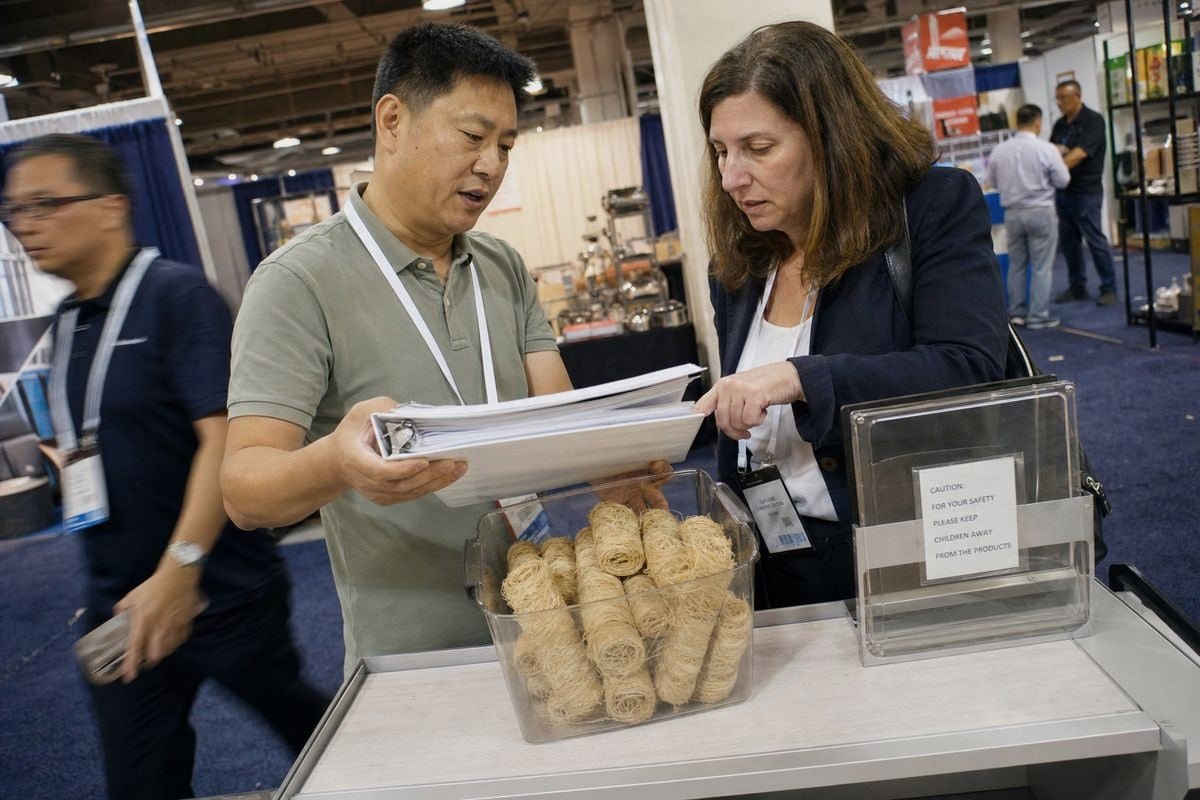
Plans d'exposition sécurisés pour les allume-feu en bois lors des salons professionnels inquiètent bon nombre de nos acheteurs Certificats ISO 9001 et BSCI 1. Un stand rejeté lors du déchargement peut effacer des mois de planification. Je l'ai vu arriver, et ça fait mal.
Travaillez avec votre fournisseur comme partenaire de conformité : demandez des certificats de résistance au feu et des fiches de données de sécurité, limitez le stock en magasin à un approvisionnement d'une journée, utilisez des présentoirs ignifuges, ajoutez des étiquettes d'avertissement claires et commandez des échantillons de présentoirs personnalisés 8 à 12 semaines avant le salon pour approbation par le responsable de la lutte contre l'incendie.
La bonne nouvelle est que ce processus est gérable. Un fournisseur qui l'a déjà fait peut porter la majeure partie du poids. Ci-dessous, je détaille les quatre questions que les acheteurs nous posent le plus souvent.
Comment confirmer que mon fournisseur d'allume-feu en bois respecte les normes de sécurité incendie et de conformité avant un salon professionnel ?
Un distributeur allemand nous a appelés il y a deux semaines avant un salon à Cologne. Il pompier 2 voulait la preuve que son stock d'exposition était sûr. Son fournisseur précédent n'avait aucun document.
Demandez à votre fournisseur des rapports de test SGS ou Intertek, des fiches de données de sécurité, une certification ISO 9001 et une confirmation écrite de la composition, tels que les ratios de fibres de bois et de paraffine. Vérifiez les numéros de certificat directement auprès de l'organisme de test et confirmez que les documents correspondent au SKU exact que vous afficherez.

La documentation est le fondement de tout plan d'exposition sécurisé. Le contrôle des salons professionnels repose désormais sur la documentation, et non sur les bonnes intentions. Un inspecteur des incendies ne se soucie pas de ce que votre fournisseur vous a dit au téléphone. Il se soucie de ce que vous pouvez lui montrer sur papier, sur place, avant l'ouverture des portes.
Dans notre usine de Ningbo, nous conservons un dossier permanent pour cette raison exacte. Il comprend rapports de test SGS et Intertek 3, des fiches de données de sécurité (FDS) et nos certificats ISO 9001 et BSCI. Lorsqu'un acheteur nous indique son numéro de stand et le lieu, nous pouvons préparer un classeur prêt pour le salon en quelques jours. Ce classeur a satisfait aux demandes d'approbation des inspecteurs des incendies aux États-Unis, en Allemagne et au Royaume-Uni.
Les documents qui comptent le plus
Tous les documents n'ont pas le même poids pour les inspecteurs des lieux. Voici comment je classe les demandes que nous recevons :
| Document | Ce qu'elle prouve | Lorsque le lieu le demande |
|---|---|---|
| Fiches de données de sécurité (FDS) | Point d'éclair, classification des dangers, règles de manipulation | Presque toujours pour les produits inflammables |
| Rapports de test SGS/Intertek | Tests de performance et de sécurité des produits | Lors de l'examen du plan d'étage ou du stand |
| Certificats ISO 9001 / BSCI | Production cohérente et usines éthiques | Diligence raisonnable de l'acheteur, certains organisateurs |
| Déclaration de composition | Exact de la fibre de bois et de la paraffine 4 ratio | Manipulation des matières dangereuses 5 examen |
| Certificats de résistance au feu | Les éléments de stand et les tissus répondent à la norme NFPA 701 | Inspection de la construction du stand |
Vérifiez avant d'expédier
Ne vous contentez pas de recevoir des PDF. Vérifiez les numéros de certificat auprès du laboratoire émetteur. Confirmez que le rapport couvre votre produit exact, pas un SKU similaire. Demandez si le rapport est actuel, car certains lieux rejettent les documents de plus de quelques années. Enfin, confirmez que votre assurance responsabilité civile produit couvre l'exposition du stand, car certains organisateurs le demandent également. Une évaluation des risques de dix minutes avec votre fournisseur avant l'expédition vaut mieux qu'un appel paniqué depuis le salon.
Quelles options d'emballage d'exposition mon fournisseur peut-il proposer pour garder les allume-feux en bois en sécurité et attrayants sur le salon ?
Sur notre chaîne de production, nous avons un atelier complet d'emballage d'exposition à côté des stations de trempage à la cire. Cette installation existe parce que les acheteurs de détail demandaient des boîtes prêtes à la vente, et non des cartons en vrac.
Un fournisseur compétent peut fournir des boîtes d'exposition de détail, des bacs protégés par un écran en acrylique, des présentoirs de comptoir, des répliques d'exposition inertes et des emballages secondaires ignifuges. Ces options séparent l'échantillon visuel du stock en vrac, réduisent la charge d'incendie exposée et maintiennent le stand attrayant sans violer les codes d'incendie du lieu.

L'emballage est là où la conformité du stand d'exposition et le merchandising se rencontrent. Les rouleaux de bois trempés à la cire sont magnifiques empilés dans une caisse ouverte. Ils ressemblent également à une pile de combustible pour un inspecteur. La solution n'est pas de cacher le produit. C'est de l'emballer de manière à ce que seule une quantité contrôlée soit exposée à la fois.
Notre équipe OEM/ODM construit des emballages d'exposition selon ce principe. Nous pouvons imprimer des boîtes de vente personnalisées, comme la boîte noire brillante avec des graphiques de flammes que nous produisons pour une marque européenne, et les associer à des présentoirs de comptoir dimensionnés pour un approvisionnement d'une journée. Le reste du stock reste scellé dans des cartons d'expédition hors du stand.
Options à discuter avec votre fournisseur
| Option d'emballage | Bénéfice de sécurité | Bénéfice visuel |
|---|---|---|
| Boîtes de vente scellées | Contient de la cire et de la fibre, limite l'exposition | Surface de marque complète, aspect propre pour l'étagère |
| Bacs sous protection acrylique | Barrière physique contre l'éclairage et l'électronique | Le produit reste visible et semble tactile |
| Présentoirs de comptoir | Limite la quantité préparée par unité | Présentation organisée et professionnelle |
| Répliques d'exposition inertes | Zéro inflammabilité, résine ou composite traité | Texture et couleur parfaits, sans restrictions |
| Emballage secondaire ignifuge | Les revêtements traités réduisent le risque d'inflammation | Peut permettre une visualisation plus importante des stocks |
Adaptez l'emballage aux zones du stand
Pensez en zones. Placez des répliques inertes ou des boîtes scellées à l'avant, là où les visiteurs touchent les choses. Gardez les bacs blindés au milieu, loin des points chauds de l'éclairage d'exposition. Stockez les cartons de réserve hors site ou dans des zones de stockage approuvées pour les matériaux combustibles fournies par le lieu. Nous recommandons également une vérification rapide de la chaleur lors de l'installation. Les spots halogènes chauffent, et les allume-feux en laine de bois non traités ne doivent jamais être placés directement sous eux. Les matériaux ignifuges dans vos luminaires, ainsi qu'un zonage intelligent, satisferont à la fois l'inspecteur et le concepteur de votre stand.
Comment puis-je coordonner avec mon fournisseur sur les étiquettes d'avertissement et la documentation de sécurité pour les unités d'affichage de salons professionnels ?
Il y a un véritable compromis que j'évalue pour chaque commande en marque privée : une étiquette d'avertissement bien visible protège tout le monde légalement, mais elle peut empiéter sur l'image de marque pour laquelle un acheteur a payé. La solution est de planifier les deux ensemble, tôt.
Envoyez à votre fournisseur le manuel de l'exposant du lieu et les règles d'étiquetage de votre marché avant l'impression. Mettez-vous d'accord sur le texte d'avertissement, les symboles de danger, les codes-barres et les versions linguistiques, puis demandez au fournisseur d'imprimer des étiquettes conformes sur chaque unité d'affichage et d'expédier un ensemble de documentation correspondant avec les marchandises.

Les étiquettes et la documentation sont deux moitiés du même travail. L'étiquette indique à un visiteur et à un inspecteur ce qu'est le produit. La documentation prouve que l'étiquette est exacte. Lorsqu'elles divergent, vous avez un problème au moment de l'inspection.
Dans notre bureau de Liuyang, nous conservons des modèles de textes d'avertissement pour les marchés américain, européen, britannique et australien, car nos acheteurs expédient dans plus de 30 pays et chaque marché formule les choses différemment. Pour les allume-feux, les éléments typiques comprennent les avertissements de tenir hors de portée des enfants, les avis d'inflammabilité 6, les instructions d'utilisation et les détails de composition tels que 50% de fibre de bois et 50% de paraffine. Pour les unités d'exposition de salons professionnels spécifiquement, nous ajoutons des numéros de lot afin que toute unité sur le sol remonte à un lot de production testé.
Une séquence de coordination pratique
- Vous envoyez le manuel de l'exposant et les règles d'étiquetage du marché cible au fournisseur.
- Le fournisseur élabore la maquette de l'étiquette avec les avertissements, les symboles et les codes-barres placés autour de votre image de marque.
- Vous examinez une épreuve numérique et confirmez les versions linguistiques.
- Le fournisseur imprime les étiquettes pendant la production, pas après, de sorte que chaque unité d'exposition est expédiée en conformité.
- Le fournisseur prépare un ensemble de documentation : FDS, rapports de test, déclaration de composition et lettre de retard signée pour les luminaires.
- Vous assemblez un classeur de conformité sur site et conservez une sauvegarde numérique sur votre téléphone.
Cette séquence prend généralement deux à trois semaines. L'étape du classeur est la plus importante. Les réglementations en matière de sécurité incendie sont appliquées par des personnes, et les personnes réagissent bien à des réponses organisées et immédiates. Lorsqu'un inspecteur pose une question et que vous ouvrez un classeur à onglets à la page exacte, la conversation devient courte et amicale. Lorsque vous promettez d'envoyer quelque chose par e-mail plus tard, elle s'allonge.
Quels délais dois-je prévoir avec mon fournisseur pour des échantillons d'affichage personnalisés avant un salon professionnel ?
Une leçon tirée de 17 ans de commandes à l'exportation : les acheteurs qui paniquent avant les salons ne sont presque jamais ceux qui ont des problèmes de produit. Ce sont ceux qui ont commencé l'échantillonnage six semaines avant au lieu de douze.
Planifier 8 à 12 semaines au total : 1 à 2 semaines pour la confirmation de la conception, 2 à 3 semaines pour les échantillons d'affichage personnalisés, 1 à 2 semaines pour l'expédition et votre examen, puis 3 à 4 semaines de marge pour les révisions, la documentation et le fret vers le lieu. Compresser ceci uniquement pour les conceptions répétées.

Le délai de livraison est l'endroit où les bons plans d'exposition échouent silencieusement. Un comptoir d'exposition personnalisé n'est pas juste une boîte. Il implique la conception de la ligne de découpe structurelle 7, la validation des épreuves d'impression, parfois un revêtement ignifuge, et la coordination avec le produit qu'il contient. Chaque étape a une file d'attente à l'usine, et chaque révision redémarre une partie de cette file d'attente.
Voici le calendrier que nous recommandons aux acheteurs qui se préparent pour les grands salons comme Spoga ou le National Hardware Show :
| Phase | Durée | Ce qui se passe |
|---|---|---|
| Confirmation de la conception et des maquettes | 1–2 semaines | Lignes de découpe, étiquettes d'avertissement, codes-barres, image de marque approuvés |
| Production d'échantillons | 2–3 semaines | Unités d'exposition construites, produits emballés, revêtements appliqués |
| Expédition et examen des échantillons | 1–2 semaines | Fret aérien vers vous, inspection physique, tests de charge |
| Révisions si nécessaire | 1–2 semaines | Ajustements à la structure, à l'impression ou à l'étiquetage |
| Dossier de documentation | 1 semaine | FDS, certificats, lettres de retard compilés |
| Fret vers le lieu ou l'entrepôt | 2–4 semaines | Mer ou air selon le calendrier et le budget |
Pourquoi la marge n'est pas facultative
Les salons professionnels ont des dates fixes. Les usines, les lignes de fret et les douanes ne coopèrent pas toujours avec les dates fixes. Nous construisons notre calendrier de production de manière à ce que les premiers échantillons reflètent de manière fiable la qualité de la production de masse, ce qui élimine une source courante de retard. Mais nous disons toujours à chaque acheteur de prévoir une marge de trois semaines. L'approbation du plan d'étage du lieu peut revenir avec des demandes de modification. Un responsable de la sécurité incendie peut demander un traitement ignifuge supplémentaire sur un luminaire. Les douanes peuvent retenir les produits à base de cire pour des questions de classification en vertu des règles de manipulation des matières dangereuses, même lorsque les marchandises sont entièrement conformes. Aucun de ces éléments n'est une catastrophe à douze semaines d'échéance. Tous sont des catastrophes à quatre semaines. Commencez tôt, confirmez par écrit, et laissez le calendrier travailler pour vous et non contre vous.
Conclusion
Un stand rejeté coûte plus cher que les frais du salon. Il coûte en crédibilité. Collaborez tôt avec un fournisseur certifié, documentez tout, limitez les stocks mis en scène, et votre présentoir d'allume-feux passera l'inspection.
Notes de bas de page
1. Official ISO page explaining the quality management standard referenced for supplier vetting. ↩︎
2. Explains the role and authority of fire marshals in venue safety inspections. ↩︎
3. Links to a leading third-party testing body cited for product safety verification. ↩︎
4. Background on paraffin wax composition relevant to fire starter labeling requirements. ↩︎
5. OSHA reference for hazardous materials rules affecting customs classification of wax-based goods. ↩︎
6. NFPA is the authoritative body defining flammability and fire safety labeling standards. ↩︎
7. Explains die cutting concepts underlying custom display packaging structural design. ↩︎



 English
  Spanish
  German
  French
  Arabic
  Portuguese
Rejoignez la conversation