






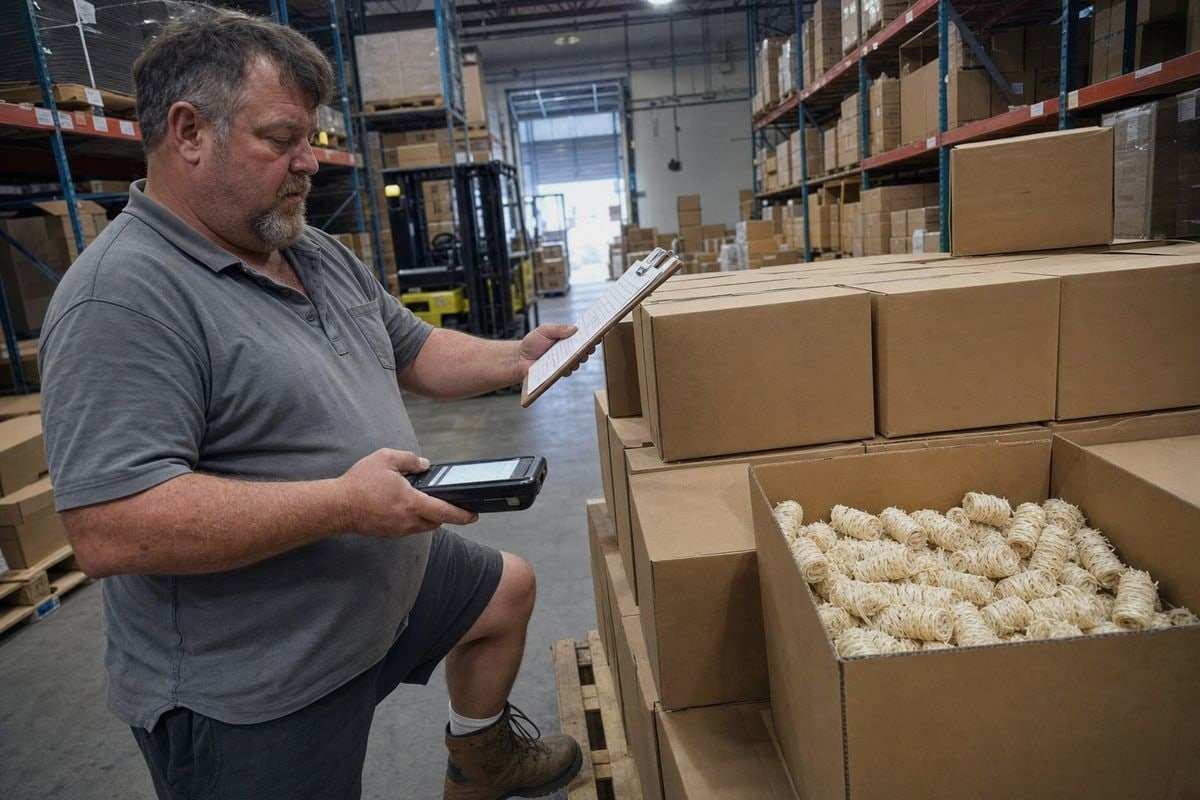
Planifier les cycles de réapprovisionnement pour les allume-feux privés de marque en bois semble simple jusqu'à ce que les frais Amazon grignotent votre marge Marquage CE 1. Sur notre chaîne de production, nous voyons les acheteurs lutter avec cela chaque trimestre.
Planifier les cycles de réapprovisionnement pour les allume-feu en bois de marque privée en définissant un point de commande égal à la demande du délai de livraison plus 2 à 4 semaines de stock de sécurité, en conservant 30 à 45 jours d'approvisionnement FBA, en planifiant les arrivées avant les augmentations de frais du 1er octobre et en négociant des MOQ flexibles pour éviter les surcharges d'inventaire vieillissant.
Obtenir cela correctement demande plus qu'une formule. Vous devez comprendre les mathématiques de réapprovisionnement, les délais de fabrication réels, les compromis MOQ, et les contrôles de qualité des fournisseurs. Laissez-moi vous expliquer chaque élément.
Comment calculer le bon point de commande pour des allume-feux en bois de marque privée sans déclencher les frais de stockage à long terme d'Amazon ?
Un acheteur d'Allemagne m'a dit un jour qu'il réapprovisionnait les allume-feux uniquement lorsque Amazon affichait deux semaines de stock restantes. Il a été en rupture de stock deux fois cet hiver-là. Notre équipe l'a aidé à reconstruire ses calculs de réapprovisionnement à partir de zéro.
Calculez votre point de commande comme les ventes hebdomadaires moyennes multipliées par le délai total en semaines, plus un stock de sécurité de 2 à 4 semaines. Limitez le stock total FBA à 45 à 60 jours d'approvisionnement afin que les unités soient vendues avant que la surtaxe sur les stocks âgés de 181 jours ne s'applique.
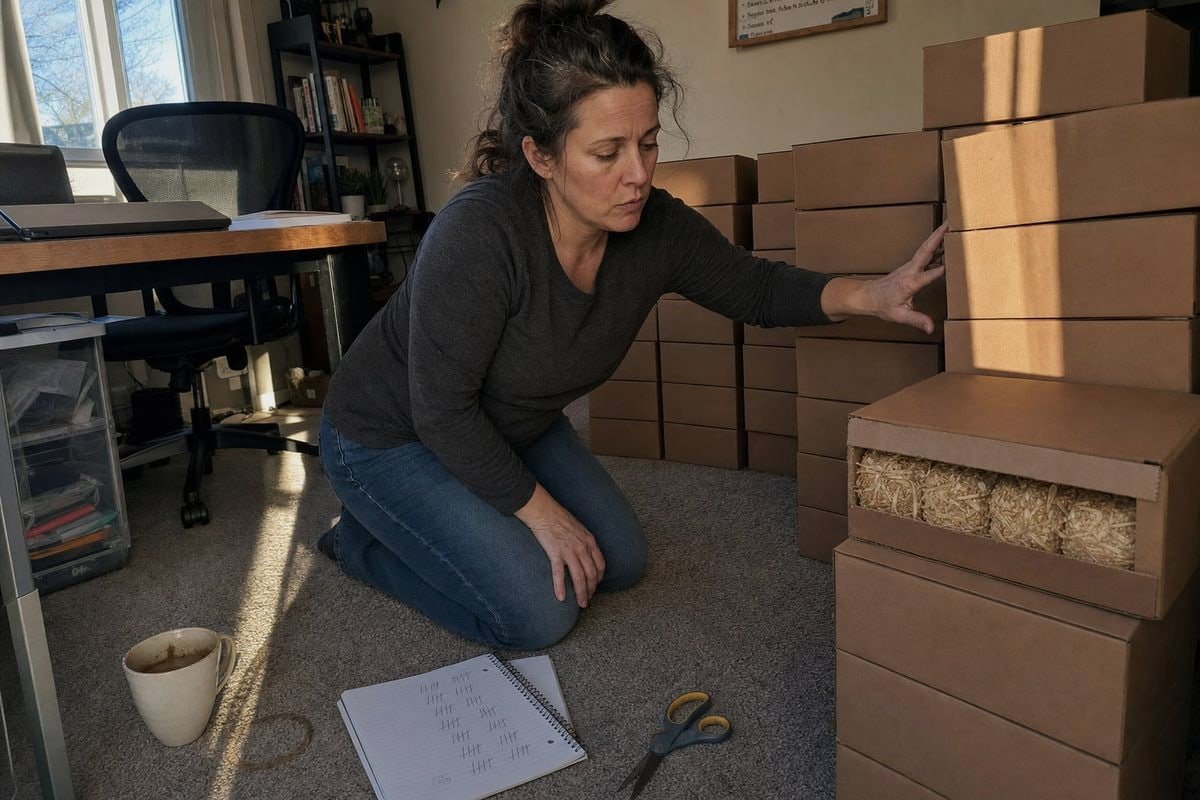
Le point de réapprovisionnement est le déclencheur. Lorsque vos unités FBA disponibles tombent à ce nombre, vous passez la prochaine commande d'achat. La formule est simple, mais chaque entrée nécessite des chiffres honnêtes.
Les trois entrées que vous devez obtenir correctement
Premièrement, la vélocité des ventes. Utilisez une moyenne mobile sur 4 semaines des ventes unitaires. Pondérez les deux semaines les plus récentes plus fortement si la demande est en tendance. Les allume-feux sont consommables, donc les achats répétés construisent une base stable au fil du temps. Deuxièmement, le délai total. Cela comprend la production en usine, le fret maritime et l'enregistrement Amazon. Troisièmement, le stock de sécurité. Ce tampon absorbe les pics de demande et les retards de réception.
Voici comment les mathématiques changent selon la vélocité du SKU :
| Vélocité du SKU | Ventes hebdomadaires | Délai de livraison | Stock de sécurité | Point de réapprovisionnement |
|---|---|---|---|---|
| Lent | 30 unités | 8 semaines | 2 semaines | 300 unités |
| Milieu | 200 unités | 8 semaines | 3 semaines | 2 200 unités |
| Rapide | 500 unités | 8 semaines | 4 semaines | 6 000 unités |
Pourquoi le plafond des frais est aussi important que le plancher
Amazon punit les deux extrêmes. Descendez en dessous d'environ 28 jours de stock sur vos fenêtres de 30 et 90 jours, et les frais de niveau de stock bas peuvent s'appliquer. Laissez le stock dépasser 181 jours, et la surtaxe pour inventaire ancien 2 s'applique. Les allume-feux en bois sont volumineux par rapport à leur prix, donc les frais de stockage FBA pèsent lourdement sur les marges faibles. Votre Indice de performance des stocks 3 diminue également lorsque la rotation ralentit, ce qui peut réduire vos limites de stockage.
La cible pratique est une fenêtre, pas un point. Gardez 30 à 45 jours de stock en direct chez FBA. Gardez le surplus chez un 3PL et injectez des expéditions par lots. D'après notre expérience avec les marques américaines, cette approche hybride maintient le ratio de rotation des stocks 4 en bonne santé tout en protégeant contre les ruptures de stock qui nuisent au classement organique.
Quels délais devrais-je prévoir de la part d'un fabricant chinois lors de la planification des cycles de réapprovisionnement autour des limites de stock d'Amazon FBA ?
Notre usine à Ningbo fait tourner les lignes de trempage à la cire pour les allume-feux en bois toute l'année, et je peux vous dire honnêtement : le délai que nous indiquons en avril n'est pas le délai sur lequel vous devriez planifier en septembre.
Attendez-vous à 15–30 jours pour la production, 30–40 jours pour le fret maritime vers les États-Unis, et 7–14 jours pour l'enregistrement auprès d'Amazon — environ 8–12 semaines au total. Pendant la haute saison du quatrième trimestre, prévoyez le chiffre le plus pessimiste, en ajoutant 2–3 semaines supplémentaires de marge.
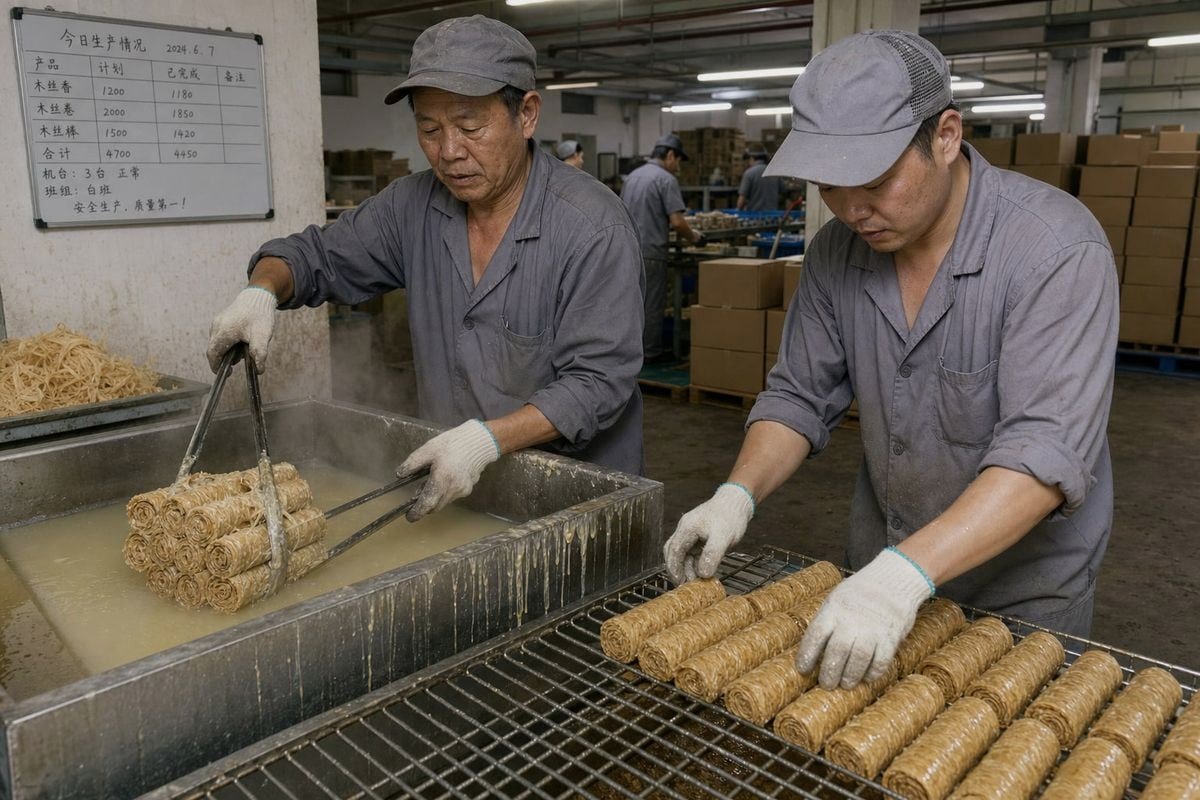
La prévision des délais est là où la plupart des plans de réapprovisionnement échouent. Les vendeurs utilisent le délai moyen d'un mois calme et sont pris au dépourvu lorsque tout ralentit en même temps. Voici ce qui se passe réellement à chaque étape, basé sur plus de 17 ans d'exportation de produits d'allumage vers les États-Unis et l'Europe.
Décomposition de la chaîne complète des délais
| Étape | Saison normale | Haute saison (août-nov) | Ce qui cause les retards |
|---|---|---|---|
| Production | 15–25 jours | 25–35 jours | Approvisionnement en cire brute, tirages d'emballage, contrôles qualité |
| Réservation et exportation | 5–7 jours | 10–14 jours | Pénuries de conteneurs, congestion portuaire |
| Fret maritime (côte ouest des États-Unis) | 25–35 jours | 35–45 jours | Reports de navires, inspections douanières |
| Enregistrement Amazon | 5–10 jours | 10–21 jours | Retards de réception des centres de distribution, divisions de placement des entrants |
Quelques notes pratiques. L'emballage personnalisé privé de marque ajoute du temps lors de la première commande car les boîtes, les étiquettes d'avertissement et les codes-barres doivent être approuvés et imprimés. Les commandes répétées sont plus rapides car les illustrations sont verrouillées. le Nouvel An chinois 5 est l'autre contrainte majeure. Les usines ferment pendant deux à quatre semaines, et les commandes passées fin décembre sont souvent expédiées en mars. Si vos allume-feux se vendent pendant l'hiver, votre inventaire de janvier et février doit être commandé avant octobre.
Travailler dans les limites d'inventaire FBA
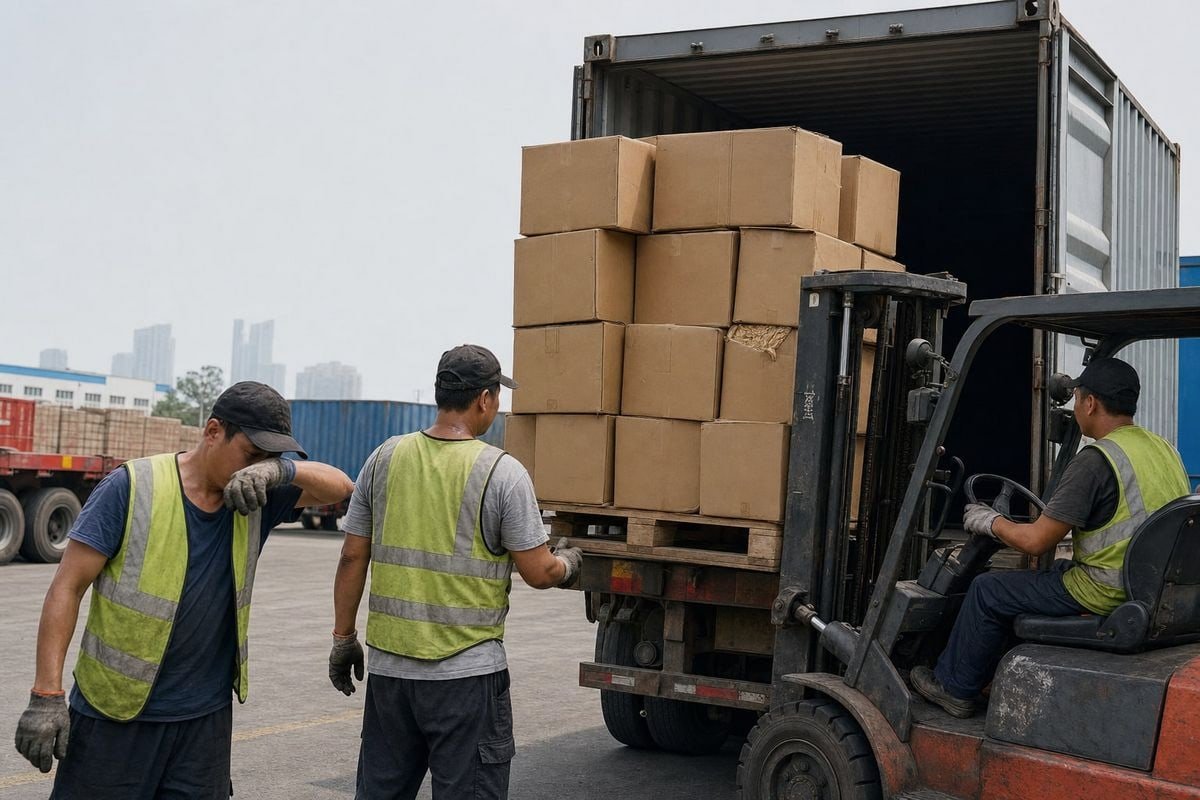
Les limites de capacité d'Amazon changent avec votre Indice de Performance d'Inventaire et la demande saisonnière. Vous ne pouvez pas toujours envoyer un conteneur complet directement à FBA. La solution de contournement est la mise en scène. Expédiez le conteneur à un 3PL ou inscrivez-vous à Amazon Warehousing and Distribution, puis réapprovisionnez FBA par lots plus petits. Visez à avoir le stock de la haute saison arrivant sur le continent d'ici fin septembre, avant que l'augmentation des frais de stockage du 1er octobre ne triple vos coûts de possession.
Comment puis-je équilibrer la flexibilité des MOQ avec les coûts de stockage d'Amazon lors de la prévision de la demande pour des allume-feux de marque privée ?
Le compromis dont je discute le plus souvent avec les nouveaux acheteurs est le suivant : une commande plus importante réduit votre coût unitaire, mais chaque palette supplémentaire stockée dans un entrepôt Amazon vous facture silencieusement les économies réalisées.
Faites correspondre votre quantité minimale de commande à 60 à 90 jours de la demande prévue, et non au prix unitaire le plus bas. Choisissez un fournisseur offrant des MOQ de 1 000 à 5 000 unités pour les nouveaux SKU, puis augmentez la taille des commandes à mesure que les données de vélocité des ventes confirment les véritables modèles de demande saisonnière.

Certaines usines de cette catégorie exigent 10 000 à 20 000 unités par commande. Ce volume oblige une marque en croissance à supporter six mois de coûts de stockage, une exposition importante aux surcharges d'inventaire ancien et des liquidités bloquées dans des stocks à rotation lente. Nous maintenons délibérément des MOQ d'essai flexibles pour cette raison exacte. Une marque qui survit à ses deux premiers cycles de réapprovisionnement devient un client à long terme. Une marque écrasée par des stocks morts ne commande pas du tout.
La comparaison réelle des coûts
Calculez les coûts totaux débarqués et détenus, pas seulement le prix d'usine :
| Taille de la commande | Coût unitaire | Jours de stock | Risque de frais de stockage | Argent bloqué |
|---|---|---|---|---|
| 2 000 unités | Plus élevé | ~60 jours | Faible | Faible |
| 5 000 unités | Modéré | ~120 jours | Modéré | Modéré |
| 15 000 unités | Le plus bas | ~300 jours | Sévère (surcharge pour ancienneté probable) | Élevé |
Une remise de 15 % sur le coût unitaire survit rarement à dix mois de frais de stockage FBA plus une surcharge pour ancienneté sur les quelques milliers d'unités restantes.
Prévisions autour de la saisonnalité
Les allume-feu suivent une courbe de demande saisonnière claire. courbe de demande saisonnière. Le T1 apporte la demande de cheminées. Le T2 couvre la préparation du camping. Le T3 culmine avec les foyers et le barbecue. Le T4 combine les cheminées avec les cadeaux de fin d'année. Séparez votre demande de base — le plancher hebdomadaire stable — de la demande événementielle due aux vagues de froid et aux fêtes. Dimensionnez votre quantité de commande standard pour couvrir la demande de base plus le délai d'approvisionnement. Ensuite, passez une commande de construction saisonnière délibérée à la fin de l'été, commande de construction saisonnière à la fin de l'été, programmée pour arriver avant les premières dates de gel régionales. Après le pic, laissez les stocks se réduire naturellement plutôt que de commander sur une courbe décroissante.
L'emballage compte aussi ici. Les cartons compacts et empilables de rouleaux de bois enduits de cire stockent beaucoup plus efficacement que l'amadou en sac. Des caisses plus denses réduisent à la fois les coûts de placement entrants et les frais de stockage mensuels par unité, ce qui modifie directement votre seuil de rentabilité.
Quelles certifications de fournisseur et contrôles qualité dois-je confirmer avant d'augmenter les commandes de réapprovisionnement afin d'éviter les problèmes de conformité avec Amazon ?
Avant d'expédier un lot de Ningbo, notre équipe de contrôle qualité brûle des échantillons de cette production et vérifie le temps d'allumage, la durée de combustion et la consistance du revêtement de cire. J'ai vu ce qui arrive lorsque les vendeurs augmentent les commandes auprès de fournisseurs qui sautent cette étape : suppression des annonces juste avant la haute saison.
Confirmer la gestion de la qualité ISO 9001, la conformité sociale BSCI, le marquage CE pour l'UE et les rapports de test SGS ou Intertek avant de mettre à l'échelle les commandes de réapprovisionnement. Vérifier la cohérence lot par lot, les étiquettes d'avertissement correctes et les déclarations de composition précises pour éviter les suppressions de listes Amazon.
La conformité n'est pas un luxe dans cette catégorie. Les allume-feu sont des biens de consommation inflammables. Amazon peut demander des documents à tout moment, et une annonce supprimée en décembre coûte beaucoup plus cher que n'importe quel audit de certification. Lorsque nous intégrons un nouveau distributeur américain ou européen, le dossier de certification est généralement la première chose qu'il demande — avant le prix.
La liste de contrôle de certification qui protège votre cycle de réapprovisionnement
Parcourez cette liste avant de vous engager dans des commandes plus importantes :
- ISO 9001 — prouve que l'usine gère un système de gestion de la qualité documenté, de sorte que le lot dix correspond au lot un. ISO 9001 6
- Audit BSCI — conformité sociale, de plus en plus exigée par les grands canaux de vente au détail et les importateurs.
- Marquage CE — obligatoire pour l'entrée sur le marché européen.
- Rapports de tests SGS ou Intertek — vérification par des tiers des affirmations de composition et de sécurité, les documents qu'Amazon demande le plus souvent.
- Étiquetage précis de la composition — par exemple, un mélange déclaré de 50 % de fibres de bois et de 50 % de paraffine doit correspondre aux résultats de laboratoire.
- Étiquettes d'avertissement et codes-barres — imprimé correctement sur l'emballage de détail, dans les bonnes langues pour votre marché.
Contrôles qualité liés à chaque réapprovisionnement
Les certifications couvrent l'usine. Les contrôles de lot couvrent votre commande spécifique. Demandez une inspection avant expédition couvrant la fiabilité de l'allumage, le temps de combustion par rapport aux spécifications, l'uniformité du revêtement de cire, la teneur en humidité et les tests de chute de carton. Les produits à base de bois absorbent et libèrent de l'humidité, ce qui affecte à la fois les performances de combustion et le poids d'expédition. Un fournisseur ayant une véritable profondeur de fabrication partagera les enregistrements de contrôle qualité des lots sans hésitation. Une société commerciale revendant des ateliers rotatifs ne le peut généralement pas — et cette incohérence est ce qui déclenche les plaintes des clients, les retours et, finalement, les problèmes de santé du compte qui perturbent tout votre rythme de réapprovisionnement.
Conclusion
Le réapprovisionnement des allume-feu en bois sur Amazon est un jeu de timing. Manquez-le, et les frais s'accumulent ; maîtrisez les points de commande, les délais d'approvisionnement, les MOQ et la conformité, et le réapprovisionnement devient un profit prévisible.
Le système central vaut la peine d'être répété. Définissez votre point de commande à partir de la vélocité réelle des ventes et des délais d'approvisionnement dans le pire des cas. Conservez 30 à 45 jours chez FBA et stockez le surplus en externe. Commandez 60 à 90 jours de demande plutôt que de rechercher le prix unitaire le plus bas. Constituez des stocks avant la courbe saisonnière, faites-les arriver avant les augmentations de stockage d'octobre et laissez-les se réduire après le pic. Et avant d'augmenter n'importe quel bon de commande, verrouillez le dossier de certification et le processus de contrôle qualité par lot — car un échec de conformité annule une année de planification minutieuse des stocks. Notre équipe a passé plus de 17 ans à aider des marques dans plus de 30 pays à exécuter exactement ce type de cycle discipliné, et les vendeurs qui traitent les allume-feu comme une entreprise de consommables répétable — et non comme un coup de poker saisonnier unique — sont ceux qui commandent encore cinq ans plus tard.
Notes de bas de page
Source officielle de l'UE expliquant le marquage de conformité obligatoire mentionné pour l'entrée sur le marché européen. ↩︎
La politique officielle d'Amazon définit les frais de 181 jours mentionnés à plusieurs reprises dans l'article. ↩︎
Lien vers le concept de base expliquant la métrique qui régit les limites de stockage d'Amazon. ↩︎
Explique la métrique financière utilisée pour évaluer l'efficacité du cycle de réapprovisionnement. ↩︎
Contexte sur les fêtes de fin d'année provoquant des fermetures d'usines affectant les délais de livraison. ↩︎
Aperçu faisant autorité de Wikipédia sur la norme de gestion de la qualité ISO 9001. ↩︎
Site officiel SGS vérifie l'organisme de test tiers nommé dans les contrôles de conformité. ↩︎



 English
  Spanish
  German
  French
  Arabic
  Portuguese
Rejoignez la conversation