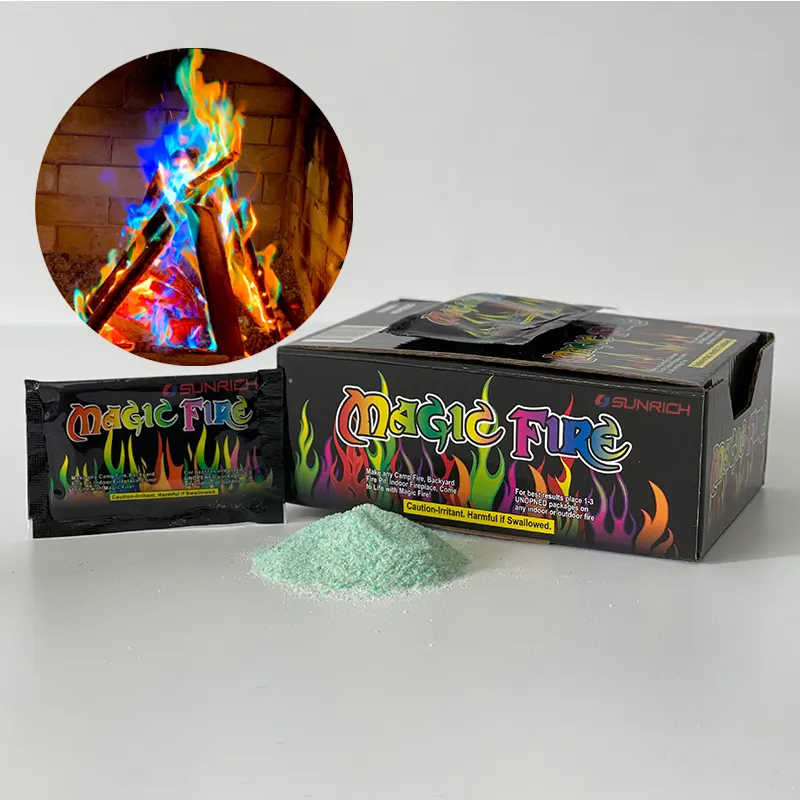

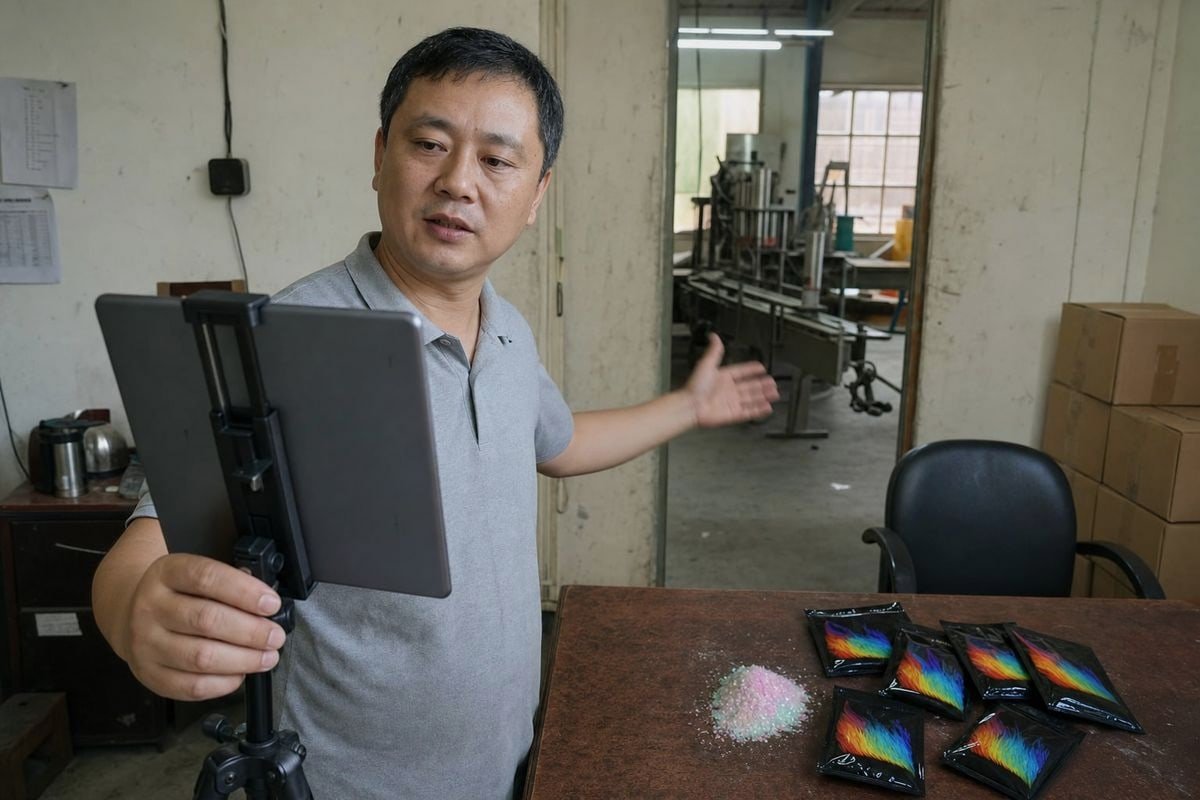
Buyers ask me weekly how to run an online factory audit for Magic Fire Powder without flying to China SGS ou Intertek 1. Our Liuyang team hosts these video audits constantly.
An effective online factory audit for Magic Fire Powder combines pre-call document review, a live unscripted video walkthrough of production and QC areas, targeted compliance questions, and independent sample testing. Verify the license scope, certifications, batch controls, and traceability before releasing any bulk payment.
The risk is real. Some "factories" selling color-flame powder are [trading companies with borrowed photos](https://sunrichfire.com/how-tell-if-chinese-magic-fire-powder-supplier-factory-trading-company/). Others cut corners on batch control, so your second container burns nothing like your first. A structured remote audit filters most of these problems out before money moves. Below, I walk you through the exact workflow, step by step.
What documents and certifications should I request before starting an online factory audit?
A German distributor once asked us for our full document pack before even scheduling a call. Smart move — our compliance file answered half his questions before the video audit for our Magic Fire packets began.
Before the audit call, request the business license with matching product scope, export registration, ISO 9001 certification, BSCI or social audit reports, SGS or Intertek test reports, SDS/MSDS sheets, factory floor plans, and recent batch inspection records. Review everything digitally before the live session.
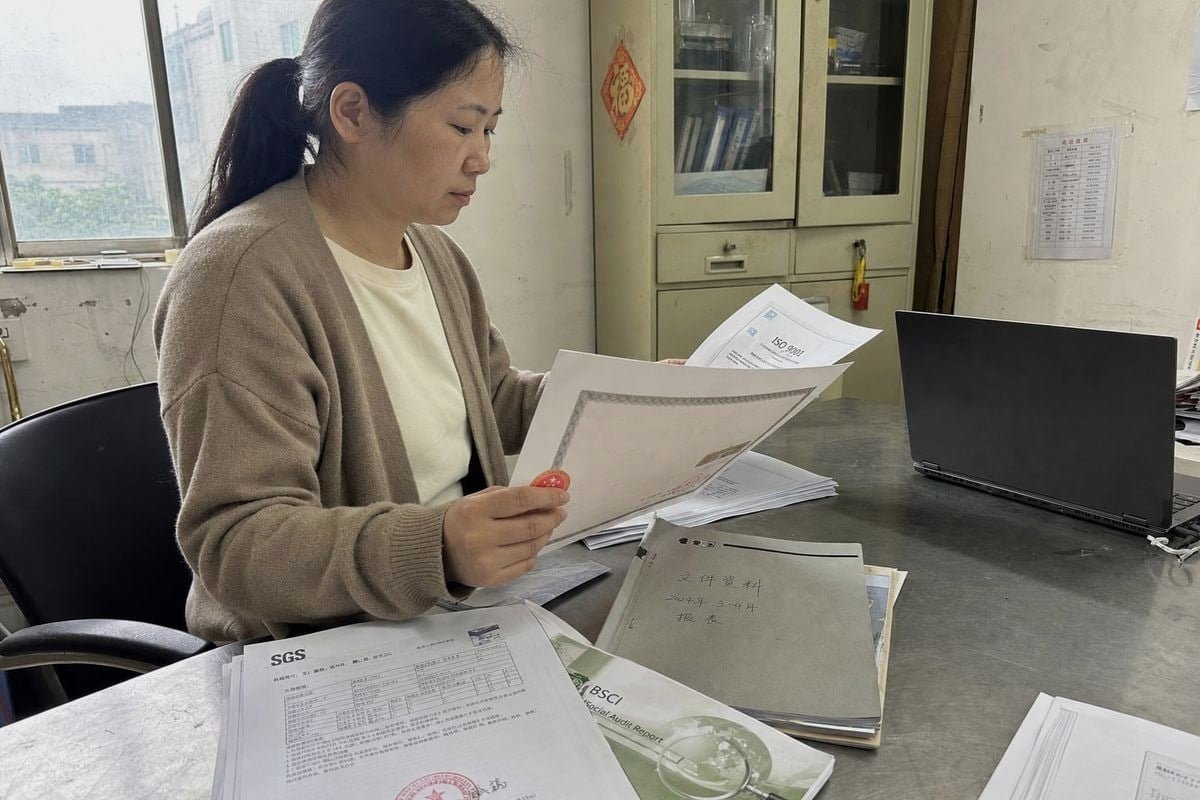
Document review is the cheapest part of due diligence, so do it first and do it thoroughly. In our experience exporting to 30+ countries, serious buyers spend more time on paperwork than on the video call itself. That is the right ratio. The live call should verify what the documents claim, not introduce them for the first time.
Le package documentaire de base
Ask for these before you agree on an audit date:
| Document | Ce qu'il prouve | Signal d'alarme s'il manque |
|---|---|---|
| Contactez SGS/Intertek avec le numéro de rapport | Legal entity exists; scope covers flame-color products | Scope lists only "trading" — likely a middleman |
| Enregistrement d'exportation | Factory can ship internationally in its own name | Exports routed through a third party you cannot verify |
| Certificat ISO 9001 | Un système de gestion de la qualité existe | No system means batch consistency is luck |
| BSCI / social audit | Working conditions meet retail buyer standards | Big-box retailers may reject the supply chain |
| Rapports de test SGS / Intertek | Product tested by an independent lab | Only self-issued "test data" is offered |
| FDS / FDS | Chemical composition disclosed for shipping and customs | Product may be misdeclared as ordinary goods |
| CE or market-specific approvals | Product meets destination-market rules | Customs seizure risk in the EU |
Cross-check, don't just collect
Collecting PDFs is not verification. Check the license number against official Chinese registries. Confirm the certificate numbers directly with SGS ou Intertek 2 — both labs let you verify report authenticity. Make sure the company name on the test report matches the name on the license and the name on your quote. When we send our compliance pack, we expect buyers to run these checks; the ones who do are usually the ones who become long-term partners.
One more point specific to Magic Fire Powder: compliance requirements depend on the exact chemical composition and your destination country. A copper-salt-based color-flame formula 3 may ship differently than a novelty pyrotechnic. Ask for the composition disclosure early, and confirm your local dangerous-goods and product-safety rules 4 before ordering.
How can I verify Magic Fire Powder production quality through a live video walkthrough?
There is a trade-off we always explain to first-time buyers: pre-recorded factory videos look polished, but they prove almost nothing. A live, buyer-directed walkthrough is messier — and far more honest.
Verify production quality by requiring a real-time video call, not recorded footage. Direct the camera yourself through raw material receiving, mixing, filling, sealing, QC stations, quarantine zones, and finished-goods storage. Ask to see equipment nameplates, licenses on the wall, and live batch records on screen.
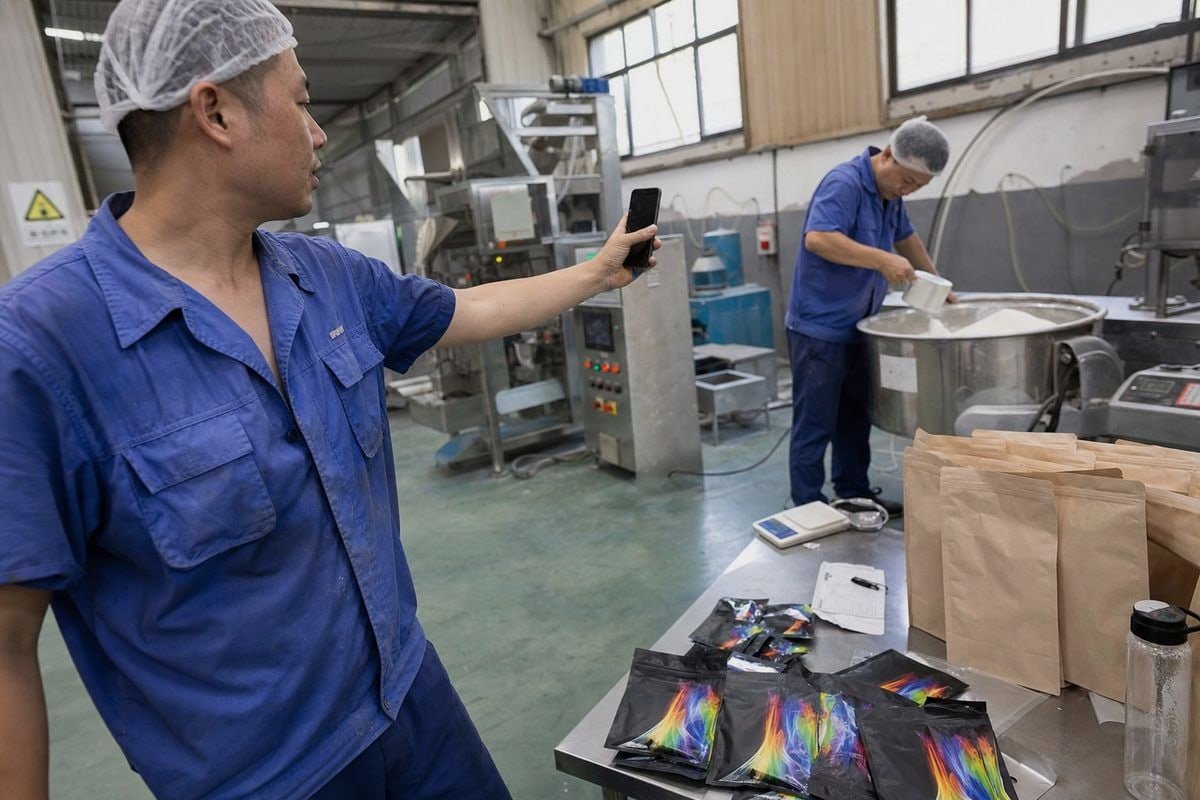
The single most important rule: you choose where the camera points, not the supplier. When buyers audit our Ningbo production site, we hand them the itinerary and let them reorder it on the spot. A genuine factory can improvise. A staged tour cannot.
A step-by-step walkthrough protocol
- Start outside. Ask for the factory gate, signage, and address plate on camera. Cross-reference the address with satellite mapping tools 5 before the call.
- Follow the material flow, A to Z. Begin at raw material receiving. Ask what incoming QC checks are performed and where rejected materials are quarantined.
- Watch the mixing and blending area. For color-flame powder, this is where batch consistency is made or lost. Ask how each batch is weighed, recorded, and released.
- Inspect filling and sealing. Sachet seal integrity matters for moisture-sensitive granules. Ask to see a seal-strength or leak check performed live.
- Stop at the QC station. Request a live burn test of a random packet pulled from the line. Watch the flame color develop on camera.
- Check storage and packing. Look at pallet condition, humidity control, and how finished cartons are labeled with batch code 6s.
- Verify documents in context. Ask the operator to hold a batch record next to the batch it describes.
Practical tips that raise audit quality
Record the whole session and take screenshots at each stop — this becomes your evidence file. Use a bilingual guide or interpreter if language gaps could hide inconsistencies. Preselect three or four random stop points on the floor plan you received before the call, and ask the camera holder to walk to them without warning. Also compare what you see with the capacity claims in the company profile. If the documents claim large monthly output but you see two workers and one sealing machine, ask why. Honest suppliers explain seasonality or multiple lines. Evasive ones change the subject.
What questions should I ask the supplier during a virtual factory audit to confirm compliance?
Early in our export history, a UK buyer grilled our QC manager for forty minutes on defect handling. We hired better documentation staff after that call — good questions genuinely sharpen a factory.
Ask about license scope, hazmat classification, and destination-market approvals; batch control and rejection handling; defect rates and complaint history; corrective action procedures; subcontracting policies; and shipping documentation. Direct questions at QC staff and line managers, not only the salesperson.
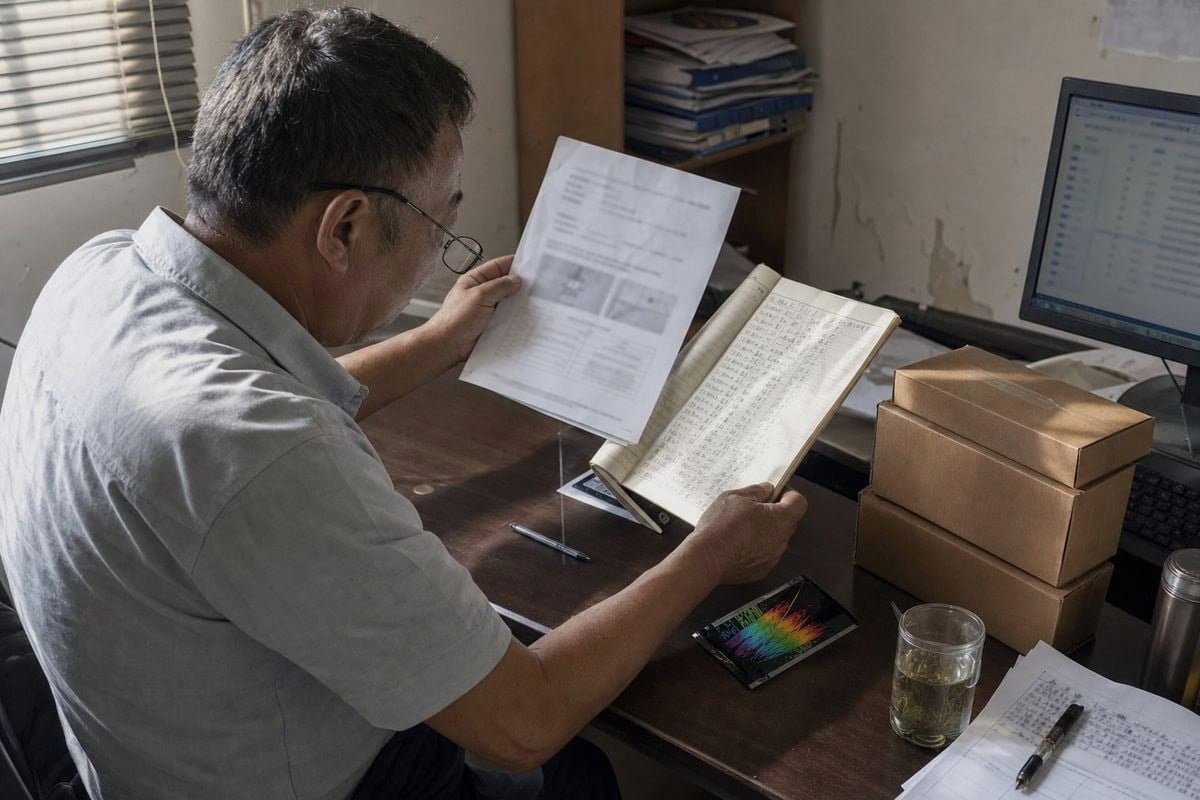
Questions work best when they are specific and directed at the right person. A sales rep can rehearse answers. A line supervisor or QC inspector 7 usually cannot. During the video call, ask to speak with the person who actually signs batch release records — their fluency with the process tells you more than any brochure.
Question bank by topic
| Topic | Questions to Ask | What a Good Answer Sounds Like |
|---|---|---|
| Legal scope | Does your license explicitly cover this product category? Who is the legal exporter of record? | Direct answer, license shown on camera, names match |
| Classification du produit | What is the UN classification and shipping code for this formulation? How is it declared to freight forwarders? | Specific codes, SDS referenced, no hesitation |
| Contrôle des lots | How do you assign batch numbers? Can you trace a retail sachet back to a raw material lot? | Live demonstration of a traceability record |
| Quality data | What was your defect rate over the last several shipments? How are nonconforming batches handled? | Real numbers, quarantine area shown, disposal records |
| Complaints | Describe your last customer complaint and what corrective action followed. | A concrete example with a documented fix |
| Subcontracting | Is any part of production outsourced? Under what controls? | Honest disclosure, not a flat denial with no detail |
| Cohérence | How do you ensure the mass-production batch matches the approved sample? | Reference samples kept, burn tests per batch |
Listen for how, not just what
Compliance answers should be procedural. "We check quality carefully" means nothing. "Every batch gets a burn test against a retained golden sample, and the result is logged before release" means something. At our plant, the first sample a buyer approves becomes the reference standard for every subsequent run — and we can show that record chain on a screen share. Ask your candidate supplier to do the same. If they cannot show live documentation during the call, assume the documentation does not exist in usable form.
Also ask one uncomfortable question on purpose. For example: "What happens if a batch fails the burn test after packing?" Watch whether the answer describes a real process or improvises one.
How do I evaluate sample consistency and batch control remotely before placing a bulk order?
A Canadian camping brand once ordered samples from us three times over two months before their first container. Each shipment came from a different production batch — deliberately. That is exactly how remote batch verification should work.
Order paid samples from at least two separate production batches, test them at an independent lab for burn color, duration, and stability, then compare results against your written specification. Require batch-coded packaging, a demonstrated traceability system, and a pre-shipment inspection tied to milestone payments.
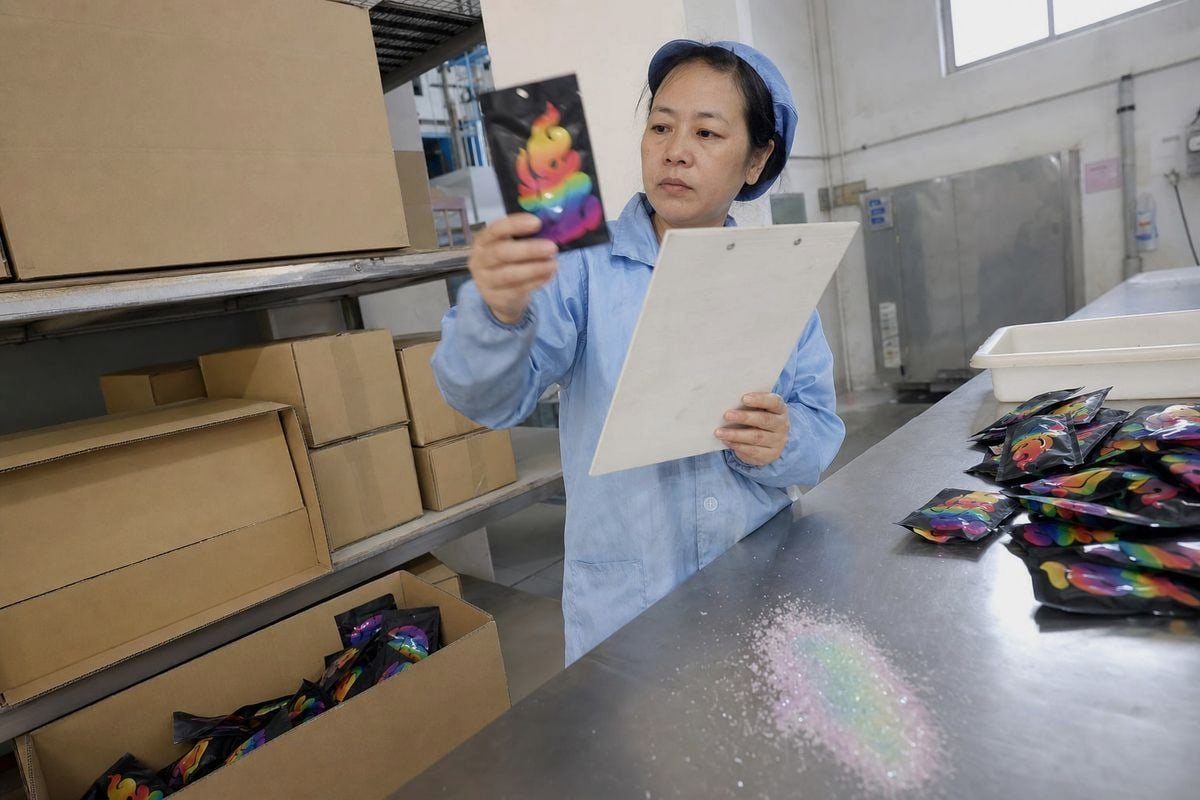
Sample evaluation is where the online audit meets physical reality. A perfect video call still cannot tell you how the granules burn in your customer's fire pit. So build a sample protocol that tests consistency across batches, not just quality in one packet.
A remote batch-verification workflow
- Set a written specification first. Define flame colors expected, approximate burn duration per sachet, granule appearance, packaging seal integrity, and exigences d'étiquetage.
- Demandez des échantillons de plusieurs lots. Ask for the batch codes in writing and confirm they differ. Same-batch samples prove nothing about consistency.
- Test independently. Send critical parameters — composition, stability, burn behavior — to a qualified third-party lab 8 rather than relying on supplier data.
- Compare batch to batch. Small color-intensity variation is normal for mineral-salt products; large swings signal weak process control.
- Verify the traceability system live. On a follow-up call, read a batch code from your sample and ask the factory to pull its production record on screen within minutes.
- Tie payments to checkpoints. Use escrow or milestone payments linked to verified stages: raw material sourcing, production midpoint, pre-shipment inspection.
What consistency looks like in practice
| Vérifier | Consistent Supplier | Inconsistent Supplier |
|---|---|---|
| Flame color across batches | Same hues, similar intensity | Colors shift or fade between batches |
| Temps de combustion | Within a stated tolerance range | Varies widely packet to packet |
| Granule texture | Uniform size and moisture level | Clumping, dust, or mixed textures |
| Batch coding | Printed codes traceable to records | No codes, or codes with no records behind them |
| Correspondance échantillon-vrac | First sample mirrors mass production | Bulk order noticeably worse than sample |
The sample-to-bulk match deserves special attention. The most common complaint we hear from buyers burned by previous suppliers is that the golden sample was excellent and the container was not. Strict batch-to-batch control is precisely why we keep retained reference samples for every approved specification — and why you should ask any supplier to prove they do the same. A clean online audit plus multi-batch sample testing reduces most of your risk. For large programs, still plan a third-party pre-shipment inspection or an eventual physical audit as the final layer.
Conclusion
A structured online factory audit — documents first, live walkthrough second, targeted questions third, multi-batch sample testing last — protects your Magic Fire Powder order before any money moves.
The alternative is expensive. One misdeclared shipment stuck at customs, or one inconsistent container that damages your brand, costs far more than a few weeks of due diligence. Our team has hosted enough remote audits from Liuyang and Ningbo to know that serious factories welcome scrutiny; only weak ones resist it. Use the checklists in this playbook: verify the license scope, watch production live, question the QC staff directly, test samples independently, and score the supplier as pass, conditional pass, or fail. If you want to run this exact audit process on our production line, we are ready when you are.
Notes de bas de page
1. Independent labs verify certificate authenticity, supporting the cross-check step described. ↩︎
2. Independent labs like SGS verify test report authenticity for chemical and safety compliance. ↩︎
3. Explains chemistry behind metal-salt flame colorants referenced in the compliance discussion. ↩︎
4. Background on dangerous-goods classification relevant to shipping compliance for chemical products. ↩︎
5. Background on satellite imagery explains how buyers can cross-check factory addresses remotely.

 English
 Spanish
 German
 French
 Arabic
 Portuguese
Rejoignez la conversation