Choosing between magic fire powder, color flame candles, and firewood confuses many buyers who visit our Liuyang factory Marquage CE 1. Pick wrong, and you face slow inventory, compliance headaches, and refund requests. Pick right, and one SKU can anchor a whole seasonal category.
Choose magic fire powder for colorful novelty added to an existing wood fire, color flame candles for small indoor ambiance, and firewood for heat and cooking. Powder wins on shelf appeal and margin; firewood wins on function; candles win on contained, everyday use.
Each product solves a different problem. Below, I break down use cases, certifications, MOQs, and margins so you can order with confidence.
How do I decide which color-flame product fits my customers' use case best?
A German fireplace distributor once asked us to quote all three categories at once. We told him to start with one question: does his customer already have a fire?
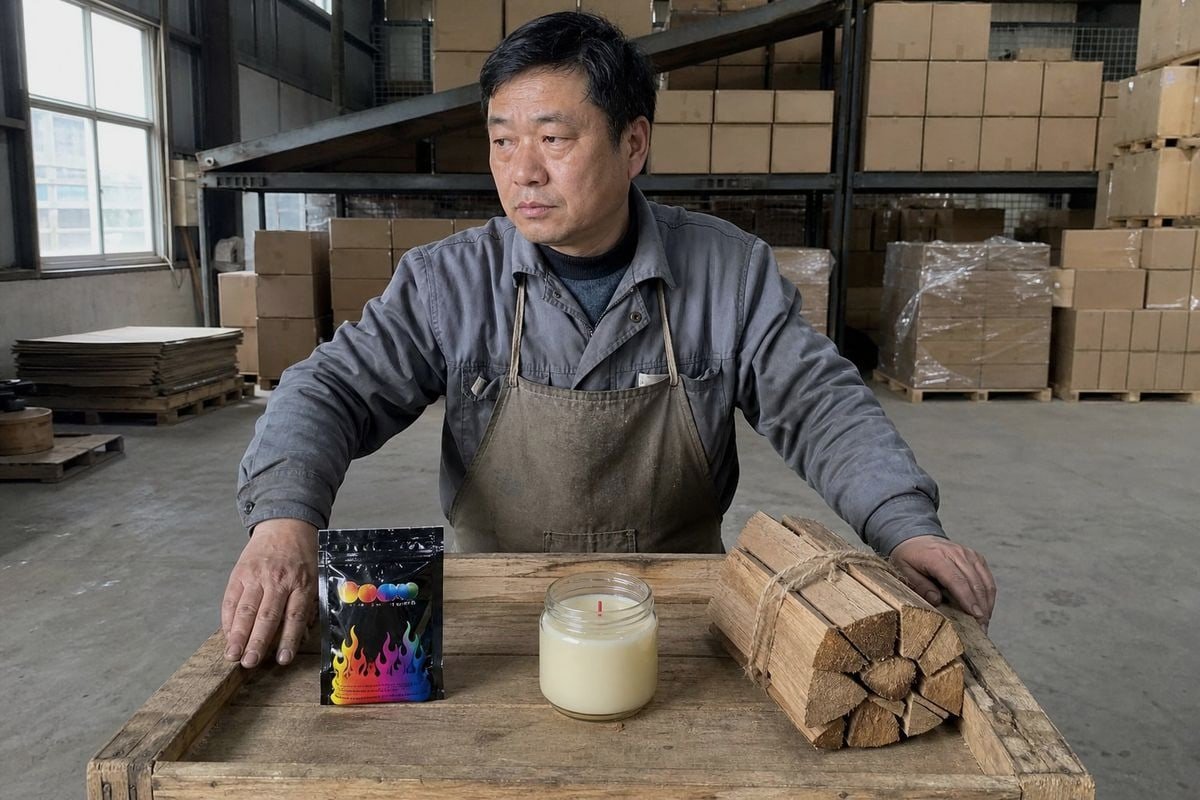
Match the product to the fire source. Magic fire powder needs an existing wood-burning fire and delivers dramatic multicolor flames for 20–60 minutes. Color flame candles work standalone indoors. Firewood is the functional fuel for heat, cooking, and long burns.
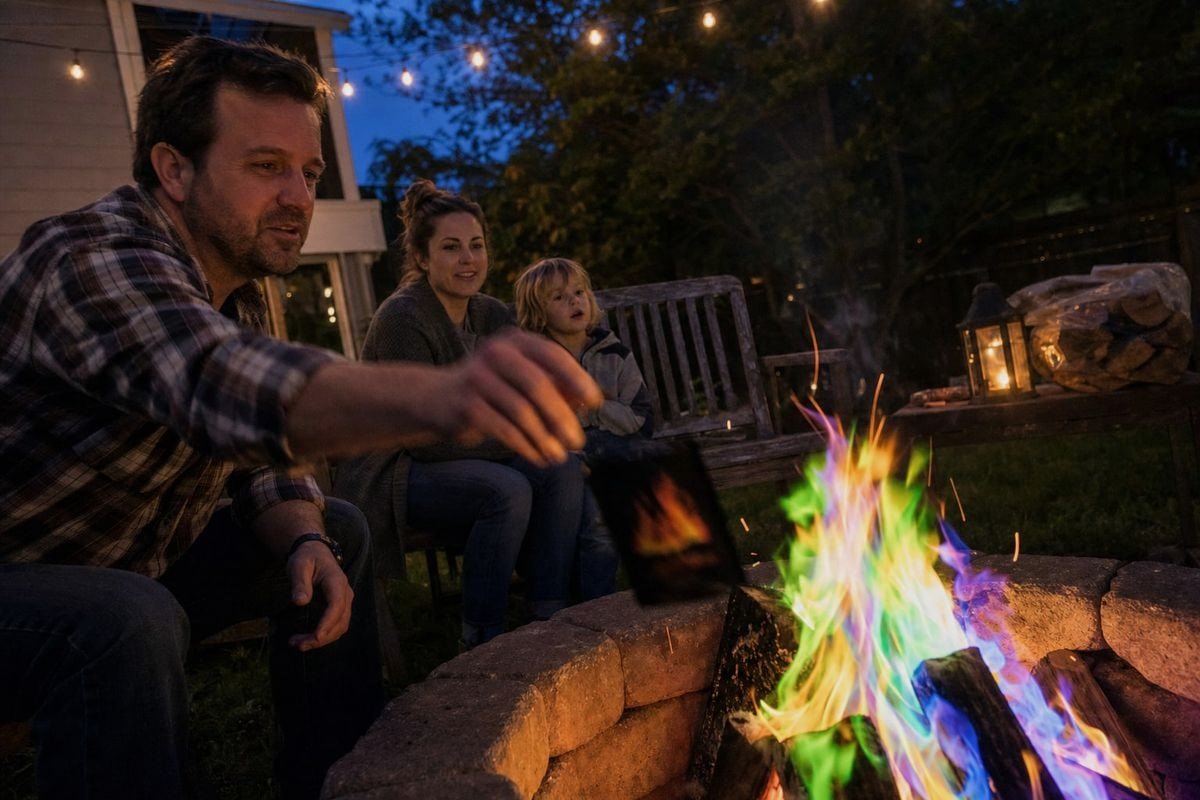
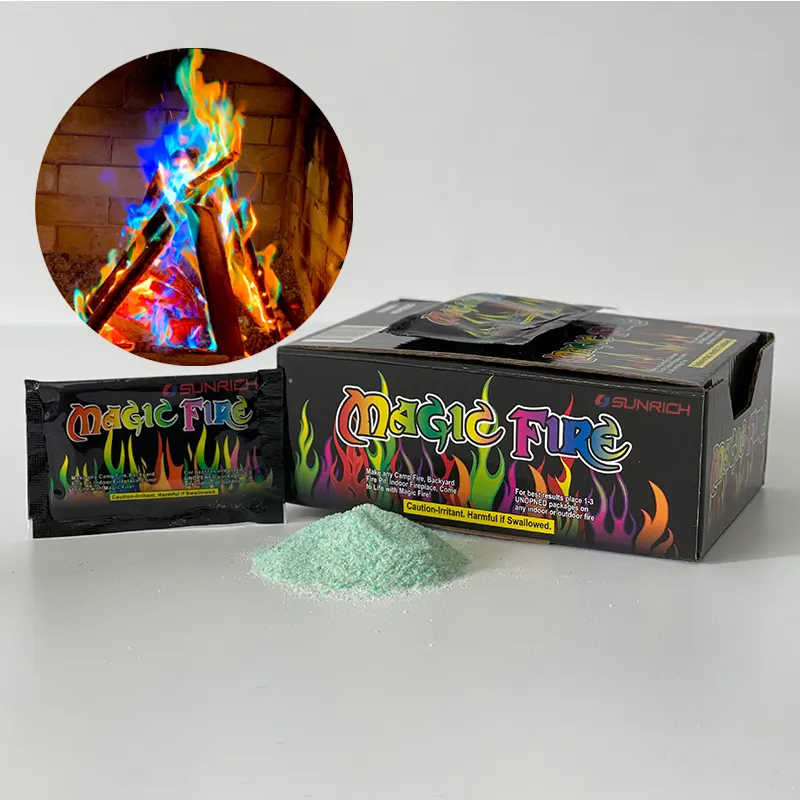
The split is simple once you see it. Magic fire powder is an add-on, not a fuel. Our Magic Fire packets use d'additifs de sels métalliques 2 — copper compounds for blues and greens, other mineral salts for reds and purples — and they only activate in the high heat of a wood-burning fire. Users toss the sealed sachet into a campfire, fireplace, or fire pit without opening it. The effect is spectacular but temporary.
Color flame candles sit at the opposite end. They are contained, small-scale, and indoor-friendly. They suit tabletop decor, gifting, and buyers who will never light a bonfire. The visual effect is steadier and smaller.
Firewood, especially seasoned hardwood or kiln-dried logs, is the baseline fuel. It delivers real BTU heat output, supports cooking, and burns for hours. Low moisture content levels matter here — wet wood produces steam that mutes flame colorants and increases l'accumulation de créosote 3 dans les cheminées.
Match the product to the end customer
| Facteur | Poudre magique pour le feu | Bougies à flamme colorée | Firewood |
|---|---|---|---|
| Works standalone? | No — needs a wood fire | Oui | Oui |
| Visual impact | High, multicolor | Moderate, steady | Natural amber only |
| Meilleur réglage | Fire pit, campfire, fireplace | Tabletop, indoor decor | Backyard, camping, heating |
| Safe for cooking over? | Non | Not relevant | Oui |
| Durée typique | 20–60 minutes par sachet | Hours, by candle size | Hours, by wood type |
| Buyer profile | Camping brands, gift traders | Home decor, gift retail | Fuel and BBQ distributors |
One nuance we always flag: never position colored-flame products as cooking accessories. The chemical flame colorants make food unsafe, so keep marshmallow imagery off the packaging. We print that warning on every sachet we produce.
What certifications should I verify before importing any of these fire products?
Compliance is where we see importers get burned — figuratively. In seventeen-plus years of exporting to the US, Germany, the UK, and beyond, missing paperwork has killed more deals than pricing ever has.
Verify ISO 9001 and BSCI for the factory, CE marking for the EU, and third-party test reports from SGS or Intertek for the product. Also confirm compliant warning labels, safety data sheets, and correct shipping classification before placing any order.

Fire-themed products sit in a sensitive category. Customs officers, retail compliance teams, and insurance underwriters all scrutinize them. That is why we treat certification as a hard requirement, not a marketing extra. Our factory holds ISO 9001 4 and BSCI, and our products carry CE marking with SGS and Intertek test reports on file. When a US retail sourcing team asks for documentation, we send it the same day.
Here is the practical checklist I walk buyers through:
- Factory-level audits. ISO 9001 proves a quality management system exists. BSCI 5 covers social compliance, which large retailers now demand.
- Tests au niveau du produit. SGS or Intertek reports verify the formulation contains no restricted heavy metals and behaves safely in a wood fire.
- Market-specific marks. CE for Europe. Check labeling rules for your state or country, including child-safety warnings.
- Transport documentation. Demandez la fiche de données de sécurité 6 and confirm whether the product ships as general cargo or regulated goods. Get this in writing.
- Label review. Warning text, toxic fume inhalation cautions, and the no-cooking rule must appear in the destination language.
Why the label matters as much as the report
Bright, candy-like powders can attract children. Regulators know this. Sealed single-use sachets that go into the fire unopened reduce that risk, and clear warning bands protect you legally. We design our packaging with a highlighted caution label for exactly this reason. A test report gets your container through the port; the label keeps the product on the shelf.
How do minimum order quantities and customization options differ across these product lines?
Last spring, a Canadian camping brand wanted a trial order of just a few thousand sachets with their own logo. We could accommodate that. A firewood supplier could not — and that difference explains a lot about these categories.
Magic fire powder offers the lowest practical MOQs and the deepest customization: private-label sachets, kraft bags, jars, display boxes, and adjustable burn times. Candles need mold and wax tooling at moderate MOQs. Firewood is bulk freight with almost no branding flexibility.

Customization depth is where a small-format product shines. Because our Magic Fire packets are light and compact, we can run trial orders that let a distributor test a market before committing to a container. We adjust packet size, burn duration, packaging format, and full private-label artwork — including custom boxes, barcodes, warning labels in your language, and retail-ready display packaging with flip-top lids.
What each category allows
| Aspect | Poudre magique pour le feu | Bougies à flamme colorée | Firewood |
|---|---|---|---|
| MOQ typique | Low — trial orders feasible | Moderate — tooling required | High — bulk pallets or containers |
| Marque privée | Full sachet, bag, jar, box artwork | Label and box only, usually | Bundle wrap at best |
| Product tuning | Burn time, color mix, packet size | Scent, size, wick, color | Species and cut length only |
| Freight cost impact | Very low weight per unit | Modéré | Very high — weight-driven |
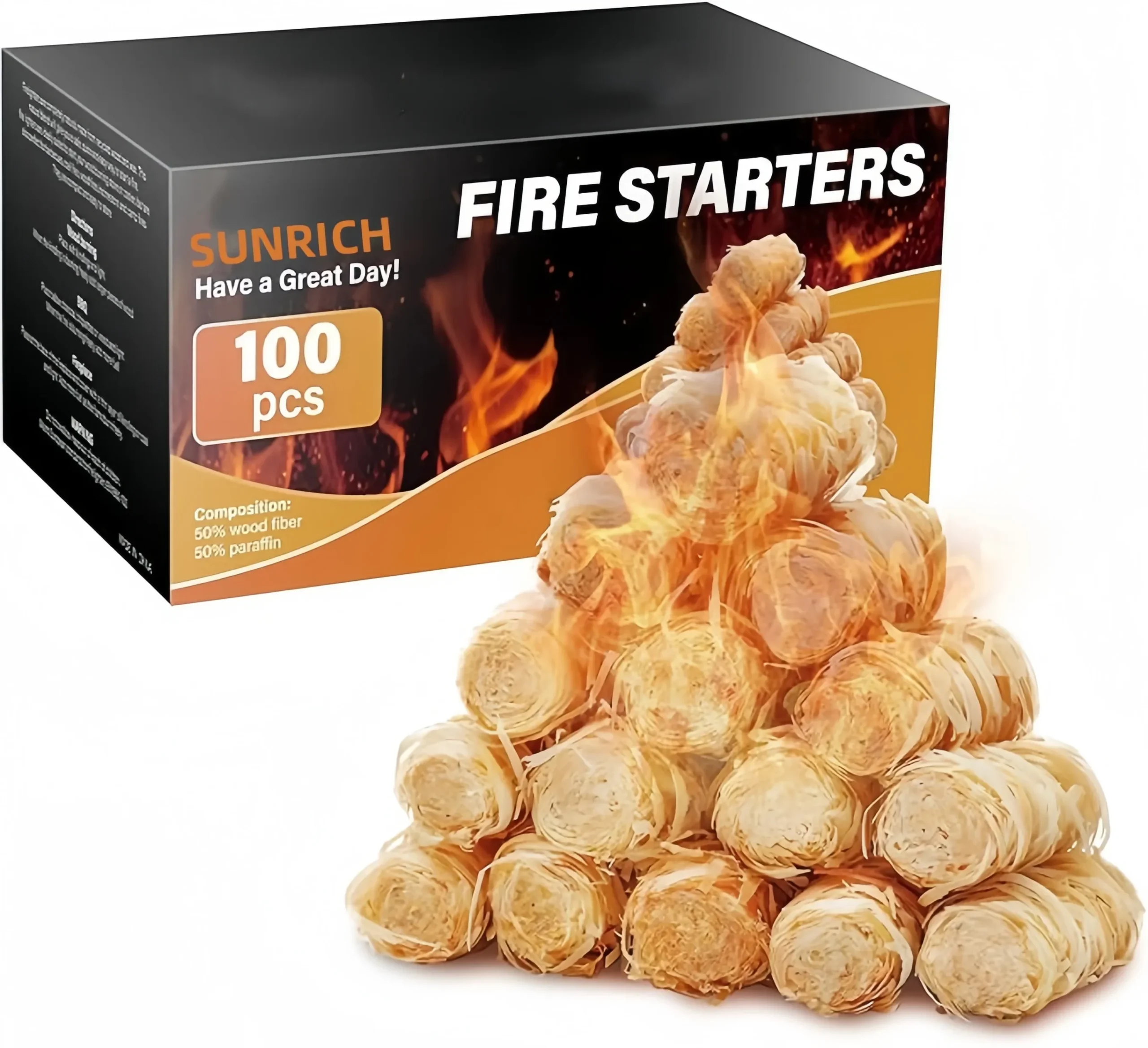
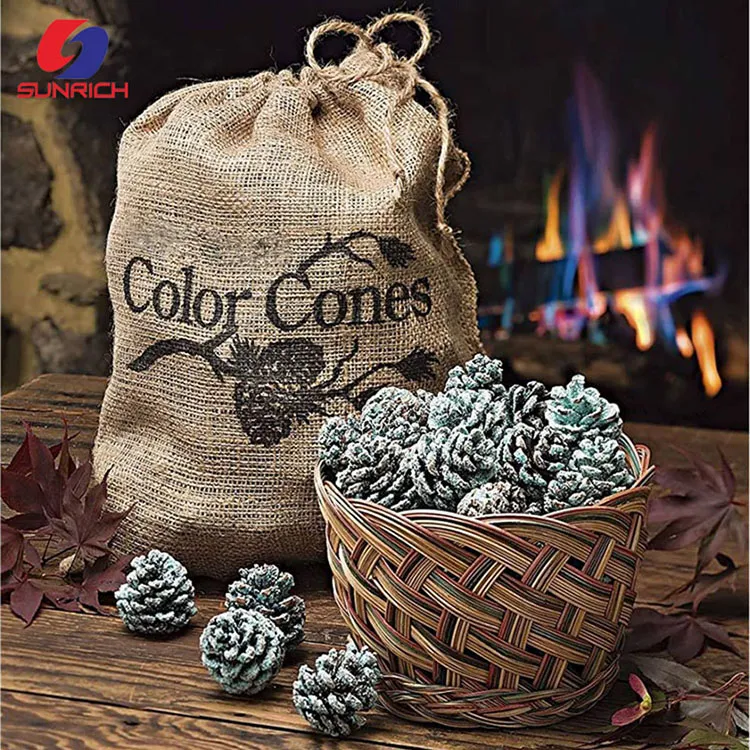
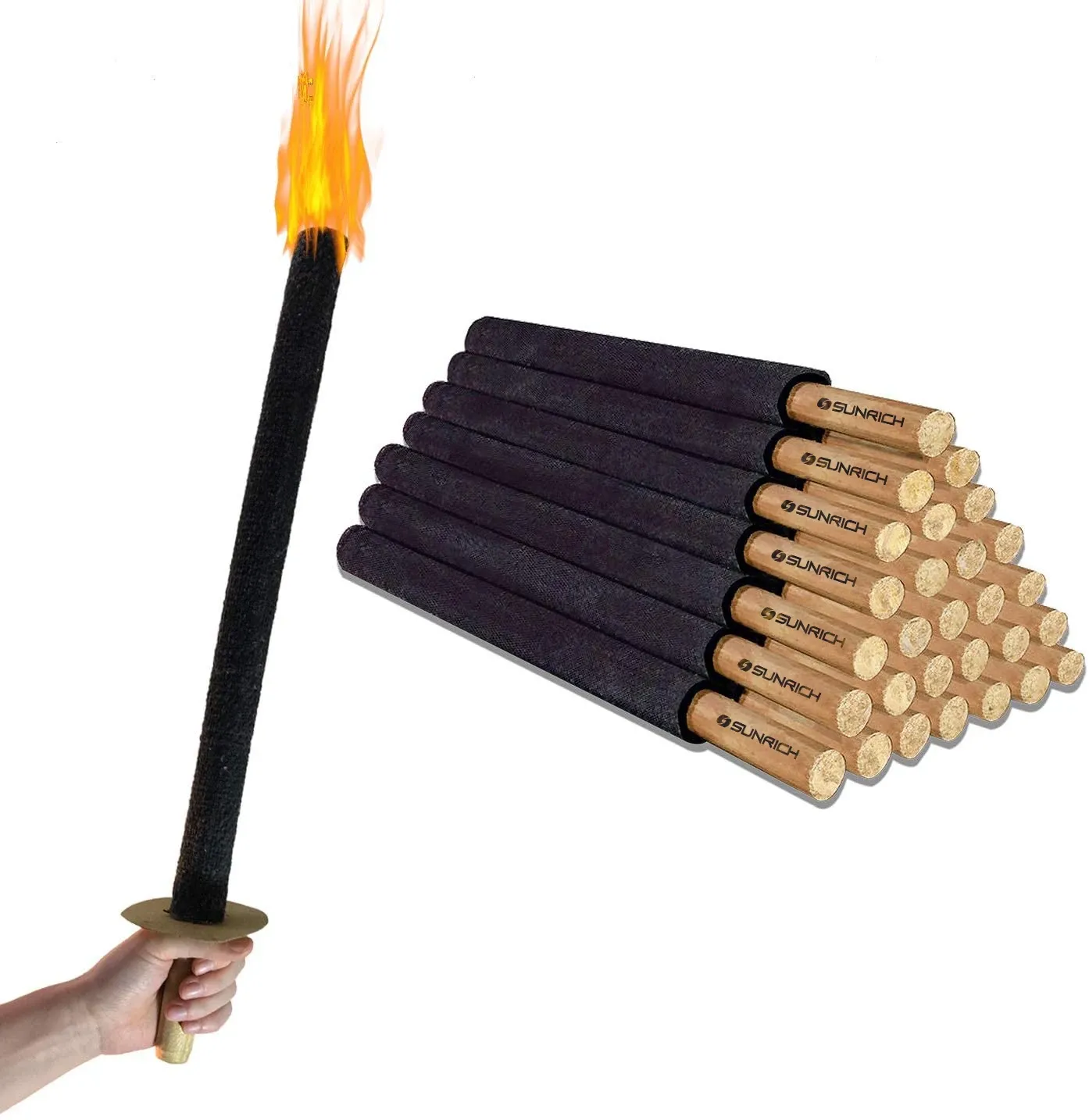
| Related add-ons | Color-flame pinecones, firestarters | Gift sets | Wax-dipped firestarters, torches |
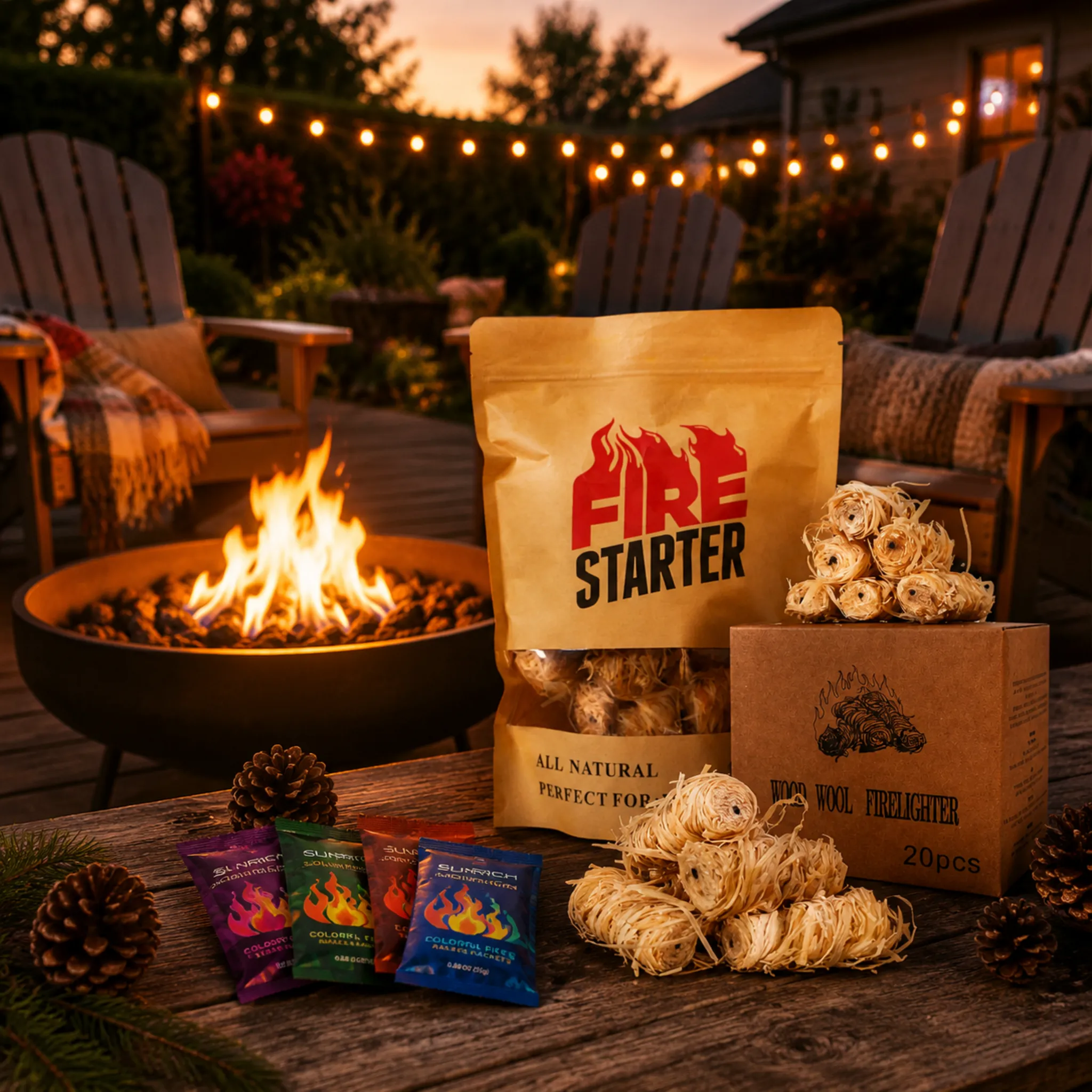
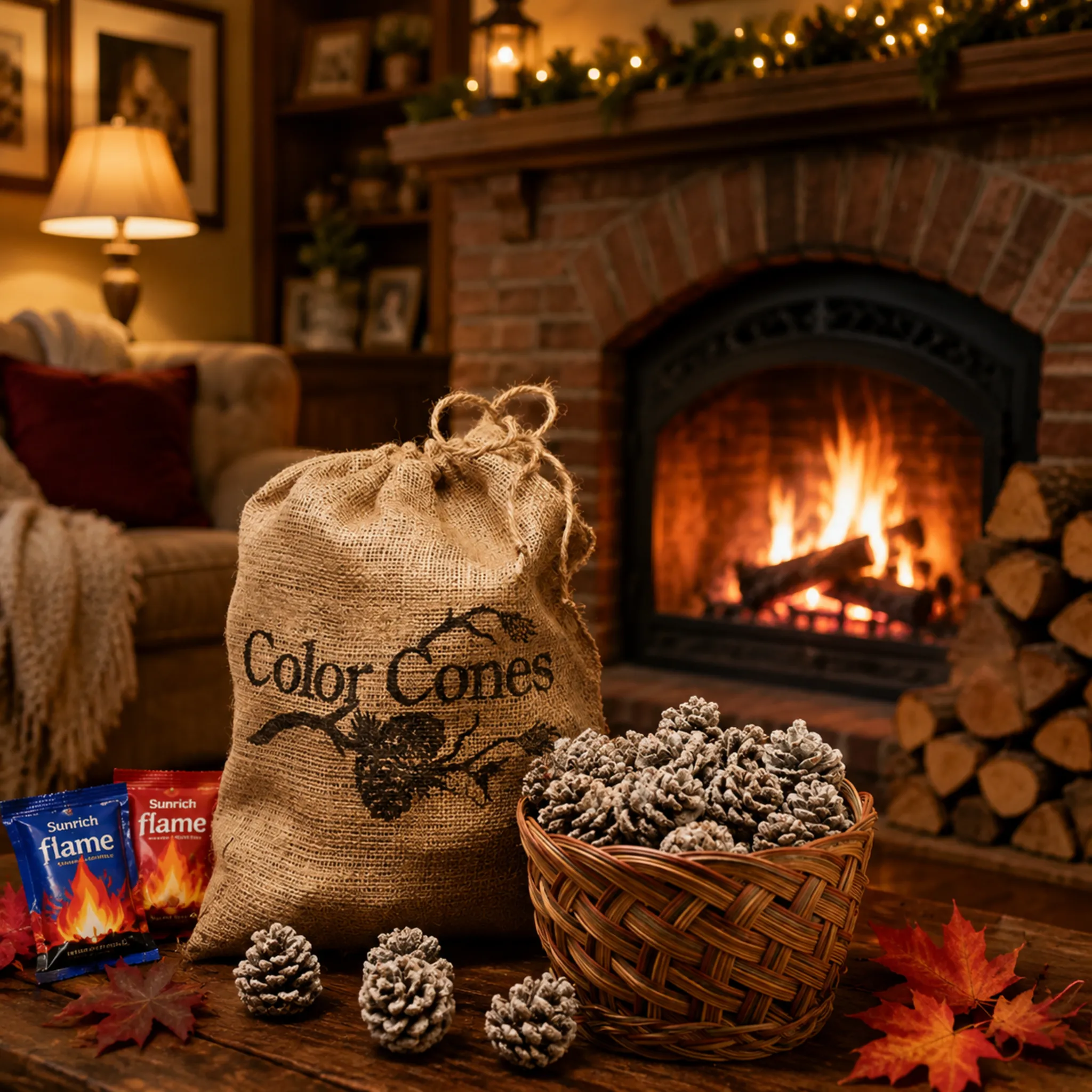
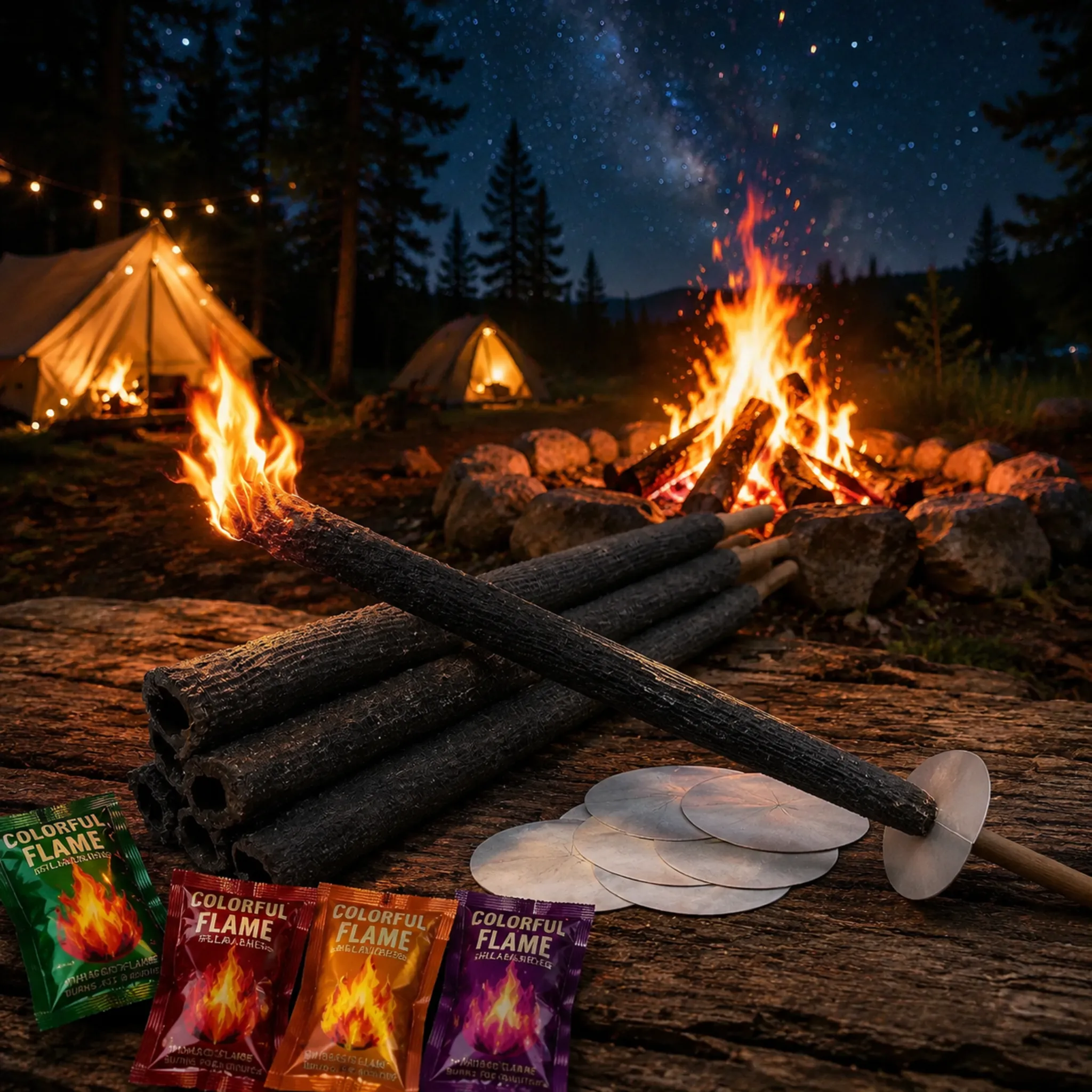
One more angle worth noting: powder pairs naturally with other outdoor fire pit accessories. We often combine Magic Fire sachets with color-flame pinecones and wax-dipped wood firestarters in one mixed shipment. That gives a distributor a full shelf story from a single supplier, one QC standard, and one consolidated freight booking. Firewood cannot travel economically across oceans; its value stays local. Candles sit in the middle, but wax tooling and heat-sensitive shipping raise the entry barrier for trial runs.
Which product offers the best margin and shelf appeal for my retail market?
A tough trade-off we discuss with nearly every wholesaler: chase volume with a commodity, or chase margin with a novelty? The numbers usually settle the debate quickly.
Magic fire powder delivers the best margin and shelf appeal. Its low unit cost, tiny freight footprint, giftable packaging, and impulse-buy price point support strong retail markups. Firewood is a low-margin commodity, and candles sit in a crowded mid-margin decor market.

Margin follows three things: landed cost, perceived value, and turn rate. A palm-sized sachet costs cents to ship, yet it delivers a rainbow bonfire — a photo-worthy moment people share. That gap between cost and experience is where your margin lives. Firewood works the other way. Customers know what a log is worth. Even premium kiln-dried logs with certified moisture content levels compete mostly on price and BTU heat output, so markups stay thin.
Seasonality also favors the novelty category. Colored-flame products spike around summer camping, Halloween, bonfire night, and Christmas. Our export data across thirty-plus countries shows these windows drive the bulk of annual volume, so plan orders two to three months ahead of each peak.
Positioning tips that protect your margin
- Sell the moment, not the chemical. Market the campfire experience; keep fireplace safety precautions and warnings clear but secondary in design hierarchy.
- Use counter displays. Our flip-top display boxes turn checkout space into impulse revenue.
- Bundle smartly. Pair sachets with firestarters or pinecones as a gift set to lift average order value.
- Educate on use. Toss the sachet in unopened, never cook over colored flames, and dispose of treated ash in the trash rather than the garden. Educated customers mean fewer complaints and better reviews.
- Avoid overclaiming. Do not promise burn times your test reports cannot back. Consistent, honest claims build reorder loyalty — the real source of long-term margin.
Conclusion
Wrong category choices tie up capital and shelf space. The fix is simple: firewood for function, candles for indoor ambiance, magic fire powder for margin, novelty, and certified, shelf-ready retail success.
Notes de bas de page
1. EU official page defining CE marking requirements for products sold in Europe. ↩︎
2. Background on how metal salts produce colored flames, explaining the chemistry behind the product. ↩︎
3. Explains creosote formation in chimneys, supporting the article's wood-moisture safety point. ↩︎
4. Official ISO standard reference for quality management system certification mentioned in compliance checklist. ↩︎
5. Official amfori BSCI site explains the social compliance audit standard referenced for factories. ↩︎
6. OSHA reference explaining safety data sheet requirements relevant to shipping documentation. ↩︎


 English
 Spanish
 German
 French
 Arabic
 Portuguese
Rejoignez la conversation