






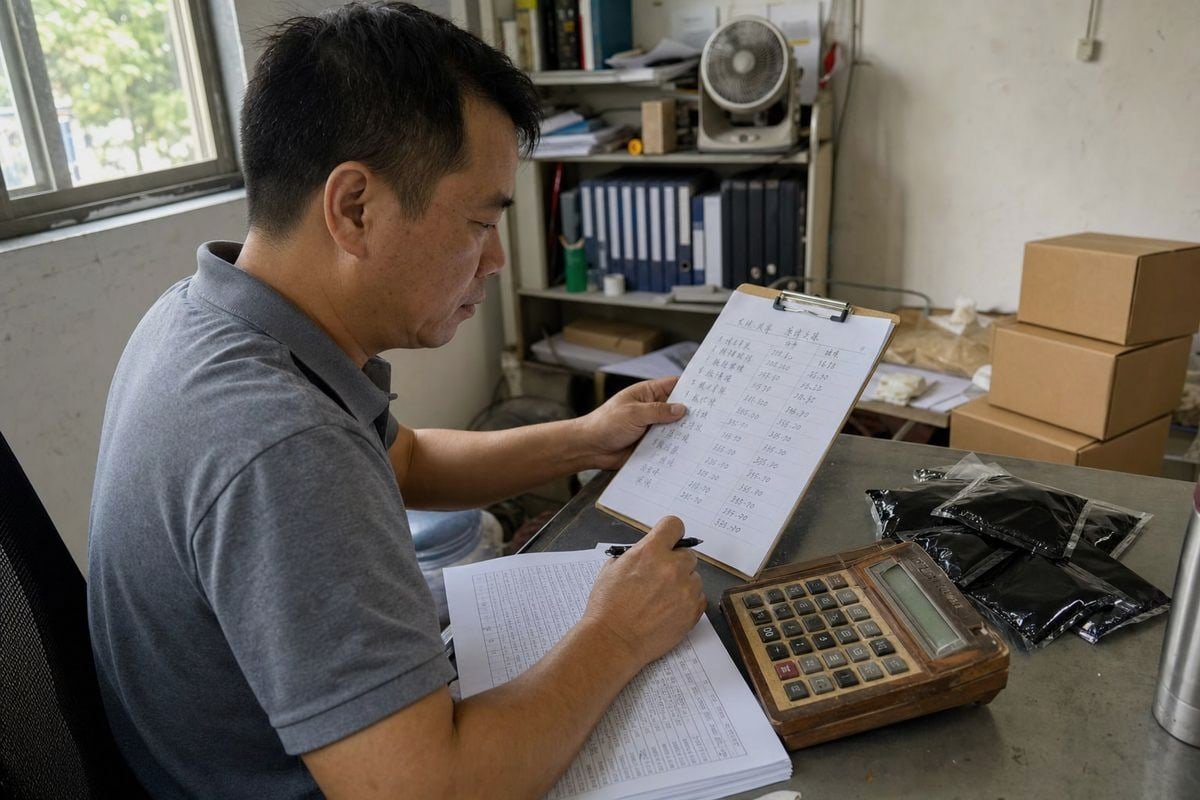
Le calcul du coût de revient de la poudre magique déconcerte même les acheteurs expérimentés Accréditations d'usine BSCI 1. J'ai vu des importateurs citer des prix de détail basés uniquement sur notre facture d'usine, puis perdre leur marge à la douane.
Pour calculer le coût débarqué de la Poudre Magique de Feu, ajoutez le prix unitaire du fournisseur, l'emballage, le fret international, l'assurance, les droits de douane, la TVA/TPS, les frais de courtage et de dédouanement, la manutention portuaire et la livraison intérieure — puis divisez le total par le nombre d'unités pour obtenir votre coût unitaire réel.
Cette formule semble simple. La partie difficile est de connaître le coût réel de chaque poste pour un produit à flamme colorée. Laissez-moi vous guider à travers chaque niveau, en utilisant des chiffres réels des expéditions que nous traitons chaque mois.
Quels frais d'expédition dois-je prendre en compte lors de l'importation de poudre magique de feu de Chine ?
Au printemps dernier, un distributeur canadien m'a demandé pourquoi son devis de fret avait doublé entre la commande d'échantillons et la commande de conteneur. La réponse se trouvait dans trois surcharges que son transitaire avait dissimulées dans les petits caractères. Notre équipe logistique décompose chaque semaine ce type de devis.
Les frais d'expédition pour la poudre Magic Fire comprennent le fret maritime ou aérien, les surcharges de carburant et de transporteur, la manutention à l'origine, les frais de terminal de destination, les frais de documentation et la livraison intérieure du dernier kilomètre. Le fret maritime convient aux commandes à l'échelle de la palette ; le courrier express convient aux échantillons mais coûte cinq à dix fois plus cher par kilogramme.
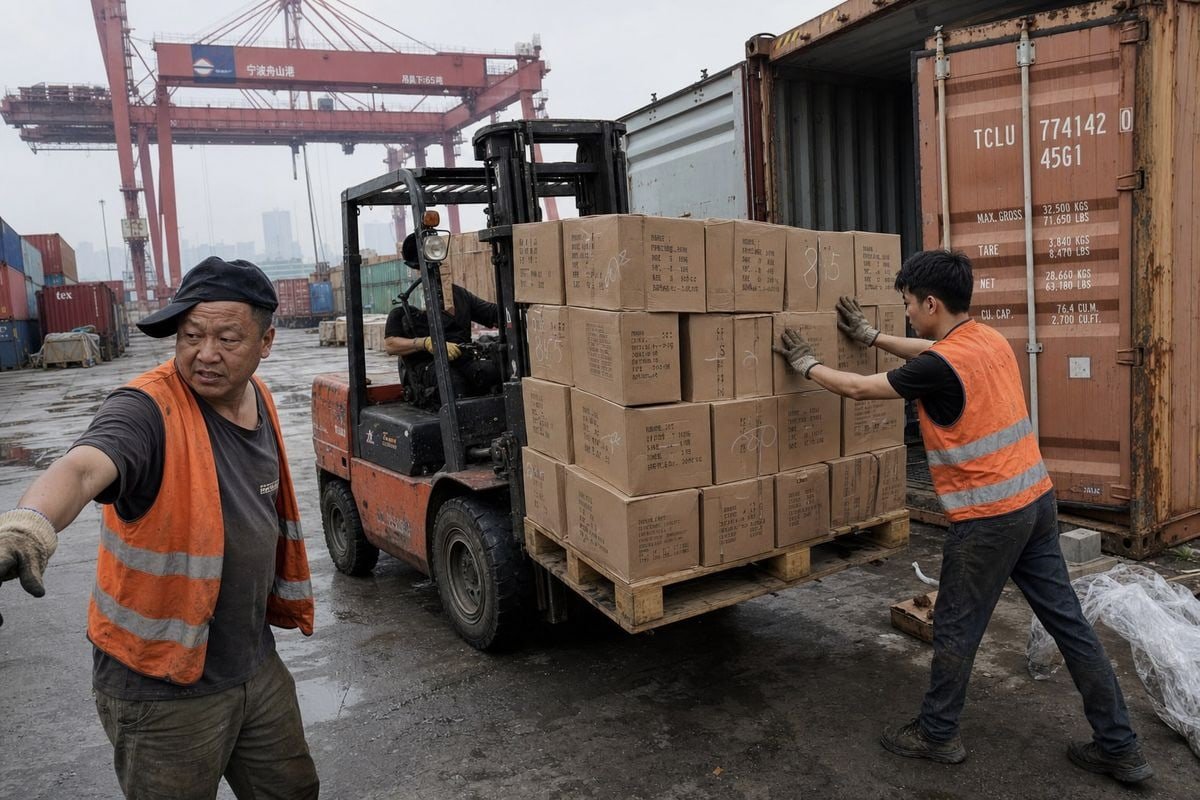
Le fret est généralement le deuxième poste le plus important de votre modèle de coût de revient, juste après le produit lui-même. Mais le "fret" n'est jamais un chiffre unique. C'est une pile de frais, et vous devez voir chaque niveau avant de pouvoir l'allouer par unité.
Les principaux modes d'expédition comparés
Nos sachets de poudre à flamme colorée sont expédiés depuis notre base de production de Ningbo, qui se trouve à côté de l'un des ports à conteneurs les plus fréquentés au monde. Cela offre aux acheteurs de véritables choix. Voici comment les modes se comparent pour une commande type :
| Mode d'expédition | Idéal pour | Transit typique (vers les États-Unis/l'UE) | Niveau de coût | Notes |
|---|---|---|---|---|
| Courrier express (DHL/FedEx) | Échantillons, commandes d'essai de moins de 100 kg | 5–10 jours | Le plus élevé par kg | Poids dimensionnel 2 le prix s'applique |
| Fret aérien | Réapprovisionnements urgents, 100–500 kg | 7–14 jours | Élevé | Aéroport à aéroport ; ajouter les acheminements terrestres |
| Fret maritime LCL | 1–10 palettes | 30–45 jours | Modéré | Conteneur partagé ; frais CFS aux deux extrémités |
| Fret maritime FCL | Programmes de conteneurs complets | 30–45 jours | Le plus bas par unité | Meilleure économie par unité |
Frais cachés dans un devis de fret
Un devis de fret clair doit détailler les frais d'origine (documentation d'exportation, manutention au terminal à Ningbo), le trajet maritime ou aérien lui-même, et les frais de destination (manutention au terminal, frais de bon de livraison, frais de châssis, frais de camionnage). Si un devis semble suspectement bon marché, les frais de destination sont souvent manquants. Nous conseillons toujours aux acheteurs de demander un devis tout compris, porte à porte, afin qu'ils ne soient pas surpris à l'arrivée.
Un autre point à souligner de notre expérience d'exportation dans plus de 30 marchés : le poids volumétrique est important pour les produits légers. Les sachets de poudre magique pour le feu sont denses, mais les boîtes d'exposition au détail ajoutent de l'air. Emballer les cartons serrés au poids réel, et non au poids volumétrique, permet de réduire les coûts de messagerie et de fret aérien. Nous planifions les dimensions des cartons en fonction des seuils de poids des transporteurs pour cette raison exacte.
Comment les exigences en matière d'emballage et d'étiquetage affectent-elles mon coût global débarqué ?
Lorsque nous avons développé notre première gamme de poudre magique pour le feu en sac kraft pour une marque allemande d'articles de plein air, le cahier des charges de l'emballage a subi quatre révisions – pas pour l'esthétique, mais pour les barrières contre l'humidité et la conformité des étiquettes d'avertissement. Chaque révision a modifié le coût par unité.
L'emballage ajoute trois couches de coût au coût débarqué de la poudre Magic Fire : sachets scellés primaires avec barrières anti-humidité, boîtes d'exposition prêtes pour la vente au détail avec étiquettes d'avertissement conformes et codes-barres, et cartons d'exportation avec palettes. Ensemble, ceux-ci ajoutent généralement 8 à 15 % au coût de base du produit par unité.

L'emballage est le poste le moins sous-estimé dans les calculs de coût de revient. De nombreuses formules de base l'ignorent complètement, ou le dissimulent dans le "coût du produit". Pour un produit en poudre cristalline, c'est une erreur. Un emballage défectueux entraîne des fuites, un agglomérat dû à l'humidité et des retours clients – tout cela coûte bien plus cher que l'emballage lui-même.
Les trois niveaux d'emballage que vous devez tarifer
Premièrement, l'emballage primaire. Notre standard est un sachet en aluminium thermoscellé. L'aluminium bloque l'humidité et maintient les granulés fluides après un long transit maritime. Une pochette stand-up en kraft avec une doublure intérieure fonctionne également, et certains acheteurs préfèrent les bocaux en plastique pour la vente au détail dans les magasins de cheminées. Chaque format a un coût unitaire différent et une densité de carton différente.
Deuxièmement, l'emballage de détail. Si vous vendez via des canaux de type Home Depot, vous avez besoin de boîtes d'exposition, de textes d'avertissement imprimés, de codes-barres et souvent d'étiquetage multilingue pour les marchés européens. En tant que fournisseur OEM/ODM complet, nous produisons des boîtes d'exposition et des étiquettes d'avertissement personnalisées en interne, ce qui rend ce niveau moins cher que de le sourcer séparément – mais il doit figurer sur votre feuille de coût de revient en tant que poste distinct.
Troisièmement, l'emballage d'exportation. Caisses américaines, rembourrage, palettes et cerclage. Le fret palettisé coûte plus cher par mètre cube mais arrive avec beaucoup moins de dommages. Pour un produit de consommation où une boîte d'exposition écrasée signifie une unité invendable, nous recommandons presque toujours les palettes.
La conformité de l'étiquetage est un coût, pas une option
Les marchés européens et américains exigent des déclarations de mise en garde spécifiques, des instructions d'utilisation et des indications d'origine. Une erreur dans les étiquettes signifie un ré-étiquetage dans un entrepôt sous douane – l'une des réparations les plus coûteuses en matière d'importation. Comme nos sachets portent déjà des formats d'avertissement conformes aux normes CE, les acheteurs ne paient généralement que pour la localisation des illustrations, pas pour la remédiation.
Quels droits de douane et frais de conformité devrais-je prévoir pour les produits color-flame ?
Un acheteur britannique nous a appelé en panique : son expédition était retenue parce qu'un fournisseur précédent avait déclaré les marchandises sous une rubrique chimique vague sans rapports d'analyse joints. Nous avons ré-expédié avec une documentation SGS complète et la classification correcte, et elle a été dédouanée en deux jours. Ce contraste lui a appris plus sur les coûts de conformité que n'importe quel tableur.
Budget pour les droits de douane basé sur la classification SH correcte, la TVA ou la TPS sur la valeur droits acquittés, les frais de courtage en douane, les frais d'entrée et de documentation, et tous les rapports de tests de laboratoire ou certifications requis. Combinés, ceux-ci ajoutent couramment 10 à 25 % à la valeur CIF selon la destination.

Les droits de douane et les frais de conformité suivent une séquence, et l'ordre est important. La plupart des pays calculent les droits de douane sur une base de type CIF (coût + assurance + fret), puis appliquent la TVA ou la TPS 3 sur la valeur droits et taxes compris. Cela signifie que vous payez des taxes sur les droits de douane eux-mêmes – un effet cumulatif que de nombreux importateurs novices manquent.
La séquence de calcul
- Établir le valeur en douane 4: coût du produit + fret + assurance (CIF).
- Appliquer le taux de droit de douane pour votre classification SH 5 à cette valeur.
- Ajouter les droits de douane au CIF pour obtenir la base d'imposition.
- Appliquer la TVA/TPS à la base d'imposition.
- Ajouter les frais de courtage, les frais de dédouanement et tous les frais d'inspection ou de cautionnement.
Un exemple concret par 1 000 unités
Voici une illustration simplifiée pour une palette de sachets de flammes colorées en boîte de vente au détail. Vos taux réels varieront selon le pays et la classification — considérez ceci comme une structure, pas un devis :
| Ligne de coût | Montant (USD) | Notes |
|---|---|---|
| Coût du produit (1 000 unités) | $1,500 | Prix facturé par l'usine |
| Emballage (boîte de vente au détail + palette) | $180 | Détaillé séparément |
| Allocation du fret maritime | $220 | Part LCL de l'expédition |
| Assurance | $12 | ~0,5 % de la valeur déclarée |
| valeur CIF | $1,912 | Base de calcul des droits de douane |
| Droits d'importation (exemple 5 %) | $96 | Dépend du code SH |
| TVA/TPS (exemple 20 %) | $402 | Appliqué au CIF + droits de douane |
| Courtage + frais de dédouanement | $150 | Frais de dédouanement forfaitaires |
| Manutention portuaire + livraison intérieure | $200 | Terminal à entrepôt |
| Coût total débarqué | $2,760 | |
| Coût débarqué par unité | $2.76 | vs. 1,50 $ prix facturé |
Notez que le coût par unité est 8 % plus élevé que le prix facturé. Cet écart est la raison pour laquelle le coût rendu — et non le prix du fournisseur — doit déterminer votre prix de vente au détail.
Pourquoi la classification et les rapports de test sont importants
Les produits à flammes colorées peuvent relever de différentes rubriques tarifaires 6 en fonction de la formulation et de l'usage prévu. Une mauvaise classification entraîne des taux de droits de douane incorrects, des pénalités ou des blocages. Parce que nos sachets sont fabriqués à partir de matériaux écologiques sans produits chimiques nocifs, et expédiés avec Rapports de tests SGS ou Intertek 7 ainsi que des certifications d'usine ISO 9001 et BSCI, nos acheteurs rencontrent rarement des retards d'inspection. Demandez ces documents à tout fournisseur avant de commander — les frictions de dédouanement représentent un coût réel.
Comment puis-je réduire les coûts de revient sans sacrifier la qualité ou la conformité ?
Le compromis que j'évalue le plus souvent avec les acheteurs est le suivant : réduire de quelques centimes l'emballage ou le fret maintenant, ou protéger la marge sur chaque unité pendant les trois prochaines années. En plus de 17 ans d'exportation de produits sur le thème du feu, les acheteurs qui optimisent structurellement — et non en rognant sur les coûts — gagnent toujours.
Réduire les coûts d'atterrissage de la poudre magique à feu en consolidant les commandes en expéditions FCL, en optimisant les dimensions des cartons pour les seuils de poids des transporteurs, en négociant des conditions DDP ou DAP avec une visibilité claire des frais, en s'approvisionnant en emballages et étiquetages auprès de la même usine, et en vérifiant la classification HS avant l'expédition pour éviter les droits de pénalité.
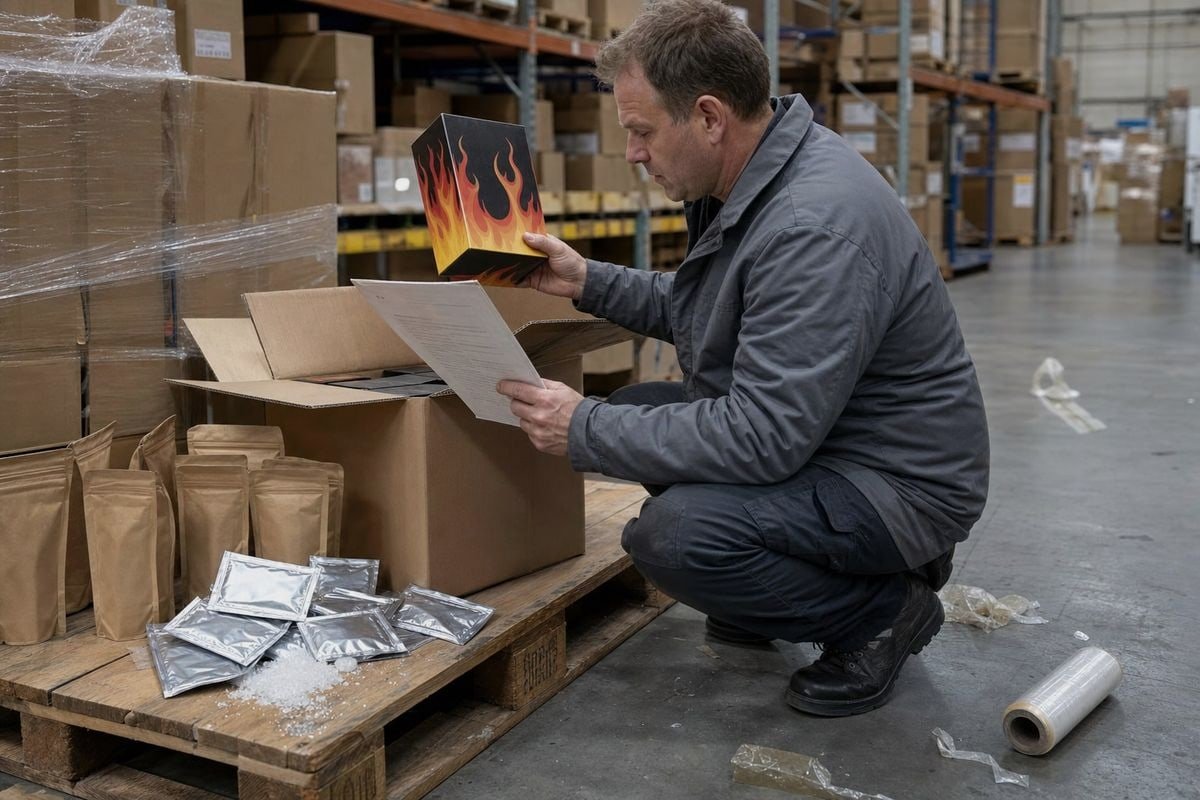
La réduction des coûts à l'importation concerne la structure, pas la compression. Voici les leviers qui font réellement bouger les chiffres, classés par l'impact que nous observons généralement sur les expéditions de nos acheteurs.
Cinq leviers qui réduisent le coût unitaire rendu
| Levier | Impact unitaire typique | Niveau de risque |
|---|---|---|
| Consolider en fret maritime FCL | Élevé — le coût du fret par unité diminue considérablement | Faible, si la demande soutient le volume |
| Emballage + étiquetage tout-en-un à l'usine | Moyen — élimine un deuxième fournisseur et une deuxième étape de fret | Faible |
| Optimisation des cartons pour les seuils de poids | Moyen — 10–20 % sur les envois par coursier/air | Faible |
| Classification SH correcte au préalable | Moyen — évite les droits de douane punitifs et les blocages | Aucun ; c'est de la pure prévention |
| Sélection des Incoterms (DDP vs DAP vs FOB) | Variable — modifie qui paie les frais de dédouanement | Moyen ; les devis DDP peuvent masquer des frais |
Où ne pas couper
Ne jamais couper la barrière d'étanchéité sur l'emballage primaire. Ne jamais omettre les rapports de test pour économiser sur les frais de laboratoire. Ne jamais accepter une formulation non certifiée pour économiser quelques centimes par sachet. Chacune de ces " économies " entraîne un coût plus élevé en aval : blocages douaniers, retours en magasin ou non-conformité entraînant la fin d'une liste de vente au détail. Notre position a toujours été celle d'un partenaire fiable plutôt que le prix le plus bas, car nous avons vu ce que l'option la moins chère coûte aux acheteurs un an plus tard.
Utiliser les commandes d'essai intelligemment
Nous proposons des MOQ flexibles pour les commandes d'essai précisément afin que les acheteurs puissent valider la chaîne complète des coûts débarqués — fret, dédouanement, étiquetage — sur une petite palette avant de s'engager dans des programmes de conteneurs. Exécutez votre première commande comme un audit des coûts débarqués. Suivez chaque ligne de facture. Ensuite, augmentez l'échelle avec des chiffres réels au lieu d'estimations.
Conclusion
Le coût débarqué pour Magic Fire Powder est le prix de la facture plus le fret, l'emballage, les droits de douane, les taxes et les frais — calculé par unité. Modélisez chaque couche avant de fixer le prix, et associez-vous à une usine certifiée qui maintient un dédouanement prévisible.
Notes de bas de page
Amfori gère le programme de conformité sociale BSCI cité comme une certification d'usine. ↩︎
Explique le concept de tarification du poids dimensionnel affectant les coûts de fret des coursiers et aériens. ↩︎
Contexte sur les systèmes de taxe sur la valeur ajoutée appliqués aux valeurs d'importation droits acquittés. ↩︎
Décrit comment la valeur en douane est établie, la base des calculs de droits et taxes. ↩︎
Une source commerciale faisant autorité explique la classification SH, directement pertinente pour l'exactitude du calcul des droits de douane. ↩︎
Explique le système de classification tarifaire SH qui détermine les taux de droits d'importation. ↩︎
SGS est une entreprise d'inspection leader fournissant les rapports de test de conformité mentionnés. ↩︎
 English
  Spanish
  German
  French
  Arabic
  Portuguese
Rejoignez la conversation