






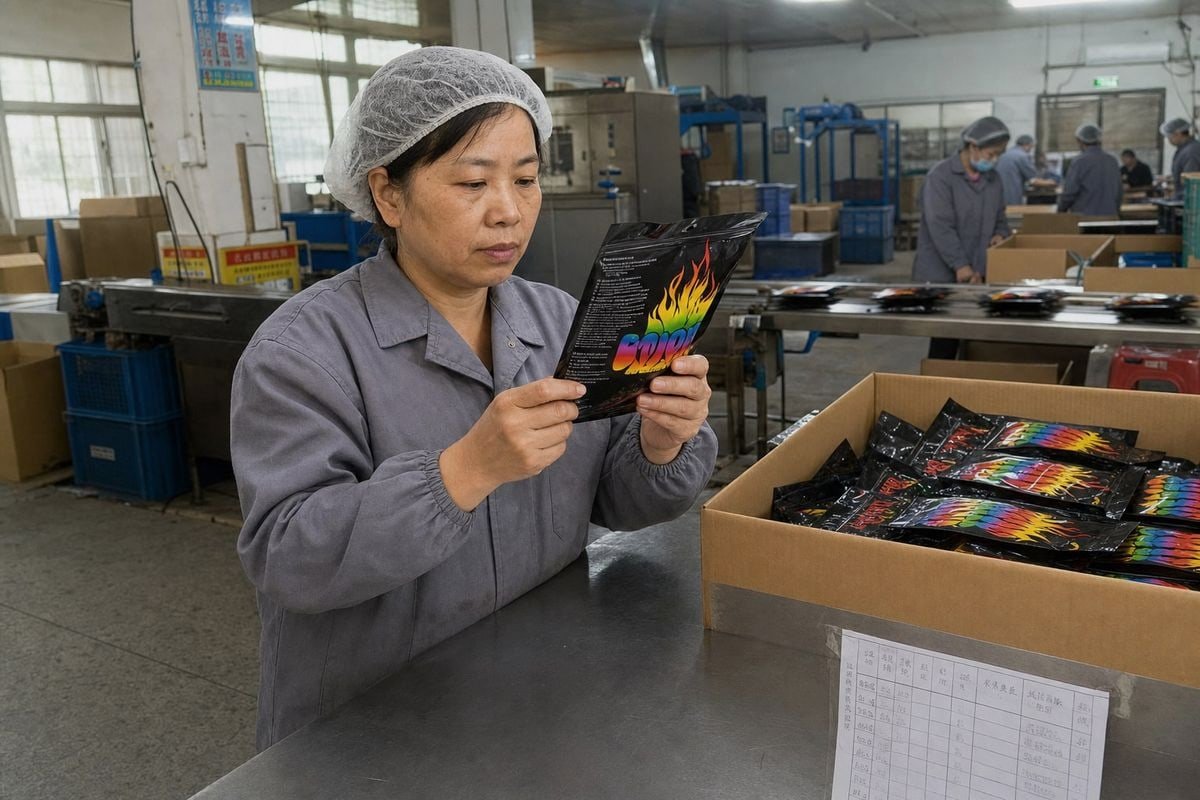
Avertissement de sécurité incendie 1s sur l'emballage de la poudre magique pour le feu peuvent faire ou défaire une fiche de vente. Notre équipe de production l'a appris très tôt : une étiquette d'avertissement faible, un envoi rejeté, un compte perdu.
Pour ajouter des avertissements de sécurité incendie sur l'emballage de la poudre magique pour les chaînes de vente au détail, utilisez des mots indicateurs alignés sur le SGH, des pictogrammes de danger et des avertissements en langage clair tels que " Tenir hors de portée des enfants ", " Ne pas ingérer " et " Ne pas ouvrir le sachet ", placés sur le panneau avant, étayés par des déclarations de précaution conformes aux FDS.
Cette réponse semble simple. En pratique, les acheteurs sont confrontés à des [règles différentes aux États-Unis et dans l'UE](https://sunrichfire.com/what-common-safety-standard-requirements-magic-fire-powder-across-countries/), à des questions de conception personnalisée, à des exigences de certification et à des audits de vente au détail stricts. Laissez-moi vous expliquer chaque partie.
Quelles étiquettes d'avertissement de sécurité incendie dois-je utiliser pour respecter les normes de conformité des détaillants américains et européens ?
Un distributeur allemand nous a un jour retourné notre première pochette d'échantillon avec une seule note : " Où sont les déclarations CLP ? " Cette question a façonné la manière dont notre usine gère aujourd'hui chaque étiquette d'exportation.
Pour la vente au détail aux États-Unis, les étiquettes de poudre magique inflammable doivent respecter les normes d'étiquetage FHSA et CPSC avec un mot indicateur, des énoncés de danger et un texte de premiers secours. Pour l'UE, le règlement CLP exige des pictogrammes SGH, des conseils de prudence et des avertissements en langue locale correspondant à la classification des dangers chimiques.

Le point de départ est la communication des dangers 2, pas de la décoration. La poudre magique pour le feu a l'air ludique. Les granulés cristallins peuvent même ressembler à du sucre grossier. C'est précisément pourquoi les régulateurs traitent ces produits avec sérieux. Votre étiquette doit refléter les dangers crédibles les plus graves du produit : ingestion, incendie et combustion, inhalation de poussière et risques liés à l'humidité. Les autorités sanitaires ont averti que certains sachets de colorants pour flammes contenant sulfate de cuivre 3 peuvent provoquer des brûlures chimiques, des saignements internes, voire la mort en cas d'ingestion. Les avertissements d'ingestion sont donc non négociables.
États-Unis contre UE : les principales différences
Les deux marchés partagent la même logique mais des cadres différents. Voici comment nous les cartographions lorsque nous préparons des illustrations d'exportation :
| Exigence | États-Unis (FHSA / CPSC) | UE (CLP / SGH) |
|---|---|---|
| Mention d'avertissement | AVERTISSEMENT ou DANGER | AVERTISSEMENT ou DANGER par classification |
| Pictogrammes | Pas toujours obligatoire, mais recommandé | Pictogrammes de danger SGH obligatoires |
| Langue | Anglais | Langue de chaque État membre dans lequel il est vendu |
| Texte de sécurité pour enfants | " Tenir hors de portée des enfants " requis | Requis, plus les déclarations P |
| Premiers secours | Instructions de premiers secours sur l'étiquette | Déclarations de réponse de précaution |
| Document justificatif | FDS + Certificat de Conformité Général | FDS au format REACH/CLP |
L'approche de l'étiquetage en couches
Nous construisons des étiquettes en trois couches sur chaque pochette de marque privée :
- Panneau avant: le message de priorité la plus élevée en gros caractères — " Tenir hors de portée des enfants. Ne pas ingérer. Ne pas ouvrir le sachet. "
- Panneau arrière: la section complète des dangers — mot indicateur, pictogrammes de communication des dangers, déclarations de précaution, avertissement " Utilisation en extérieur uniquement " le cas échéant, et limites de stockage telles que " Conserver dans un endroit sec "."
- Panneau d'instructions: instructions d'utilisation claires — jeter le sachet non ouvert dans le feu, jamais dans une cheminée à gaz, jamais cuire d'aliments au-dessus de flammes colorées.
Les chaînes de vente au détail attendent également un contact 24 heures sur 24 avec le centre antipoison 4 et une mention " garder cette pochette à portée de main si une aide en cas d'empoisonnement est nécessaire ". Une petite impression cachée sur un rabat inférieur ne passera pas un examen de conformité. L'avertissement doit se trouver dans le champ de vision de l'acheteur.
Puis-je obtenir des étiquettes d'avertissement et des emballages personnalisés pour mes produits magiques de marque privée ?
Chaque saison, les acheteurs nous envoient des illustrations avec de belles flammes arc-en-ciel et très peu de texte de sécurité. Le travail de notre équipe OEM est de garder la conception amusante tout en rendant les avertissements à l'épreuve des audits.
Oui. Une usine OEM/ODM compétente peut concevoir des emballages personnalisés de marque privée pour les feux magiques, avec des étiquettes d'avertissement conformes, des pictogrammes SGH, des codes-barres, du texte multilingue et des déclarations de précaution spécifiques au marché — sur des pochettes en aluminium, des sacs en papier kraft, des bocaux et des boîtes d'exposition au détail.
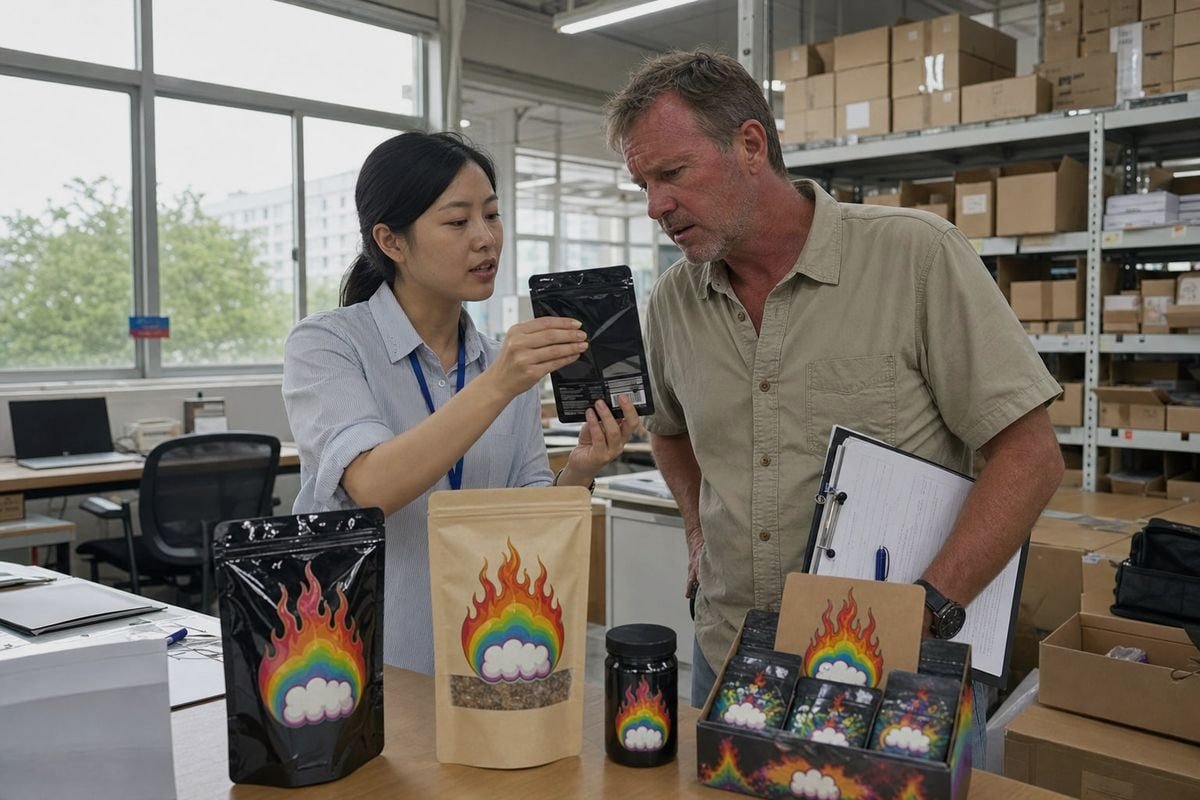
Personnalisé ne signifie pas compromis. Au cours de nos 17+ années d'approvisionnement en sachets à flammes colorées pour des marques d'extérieur et de grands canaux d'approvisionnement de détail aux États-Unis, en Allemagne, au Royaume-Uni et au-delà, les conceptions les plus vendues sont celles qui traitent l'avertissement comme faisant partie de la mise en page, et non comme une réflexion après coup, glissée dans un espace restant.
Ce que la personnalisation complète devrait inclure
Lorsque vous briefez votre fournisseur, demandez tout ce qui suit dans un seul ensemble :
- Une boîte d'avertissement à contraste élevé sur le panneau avant, positionnée dans le champ de vision du client.
- Pictogrammes pour " tenir à l'écart des enfants " et " ne pas ingérer ", ainsi qu'un symbole de flamme s'il est cohérent avec la classification des dangers chimiques.
- Blocs de texte spécifiques au marché: anglais pour les États-Unis ; panneaux multilingues pour la distribution dans l'UE.
- Codes-barres et codes de lot imprimé lors de la production, pas collé après coup.
- Un code QR sérialisé qui renvoie à la FDS complète, aux détails de premiers secours et aux instructions d'élimination — utile, mais jamais un substitut aux avertissements sur l'emballage.
- Stratifié résistant à la perforation sans encoches d'ouverture facile, de sorte que le sachet se présente physiquement comme un produit chimique, et non comme une confiserie.
Gérer l'objection "Plaisir contre Avertissement"
Certains directeurs de marque s'y opposent. Ils craignent que des avertissements audacieux ne rendent les emballages saisonniers effrayants et ne nuisent aux ventes impulsives. Notre expérience dit le contraire. Un avertissement bref, visible et spécifique renforce la confiance des acheteurs 5 et maintient le produit en rayon. Ce qui nuit réellement aux ventes, c'est un rappel, un incident au centre antipoison, ou une chaîne de vente au détail qui retire le SKU parce que l'étiquette a sous-estimé le danger par rapport à la FDS. Le meilleur avertissement de sécurité incendie n'est pas le plus effrayant ; c'est le plus clair. Les précautions de sécurité concernant les colorants de flamme peuvent être intégrées dans un design ludique lorsque la hiérarchie typographique est planifiée dès le départ — et c'est une tâche de conception, pas un fardeau juridique.
Nous recommandons également deux couches de sécurité supplémentaires que de nombreux acheteurs demandent maintenant : un agent d'amertume aversif dans le mélange pour décourager l'ingestion si un sachet est ouvert, et un emballage secondaire en kraft ou en boîte qui porte des avertissements répétés pour les formats de vente au détail multi-packs.
Quelles certifications devrais-je demander à mon fournisseur pour prouver la conformité des étiquettes d'avertissement ?
Un importateur canadien nous a un jour demandé "tous les documents que vous avez". C'est la mauvaise demande. Après avoir exporté dans plus de 30 pays, nous savons que les audits exigent des documents spécifiques, dans un ordre spécifique.
Demandez un certificat qualité ISO 9001, une Fiche de Données de Sécurité spécifique à la formulation, des rapports de test de tiers SGS ou Intertek, un Certificat Général de Conformité pour les États-Unis, une documentation liée à la CE pour l'UE, et des audits de conformité sociale BSCI — le tout correspondant au lot de produit exact.
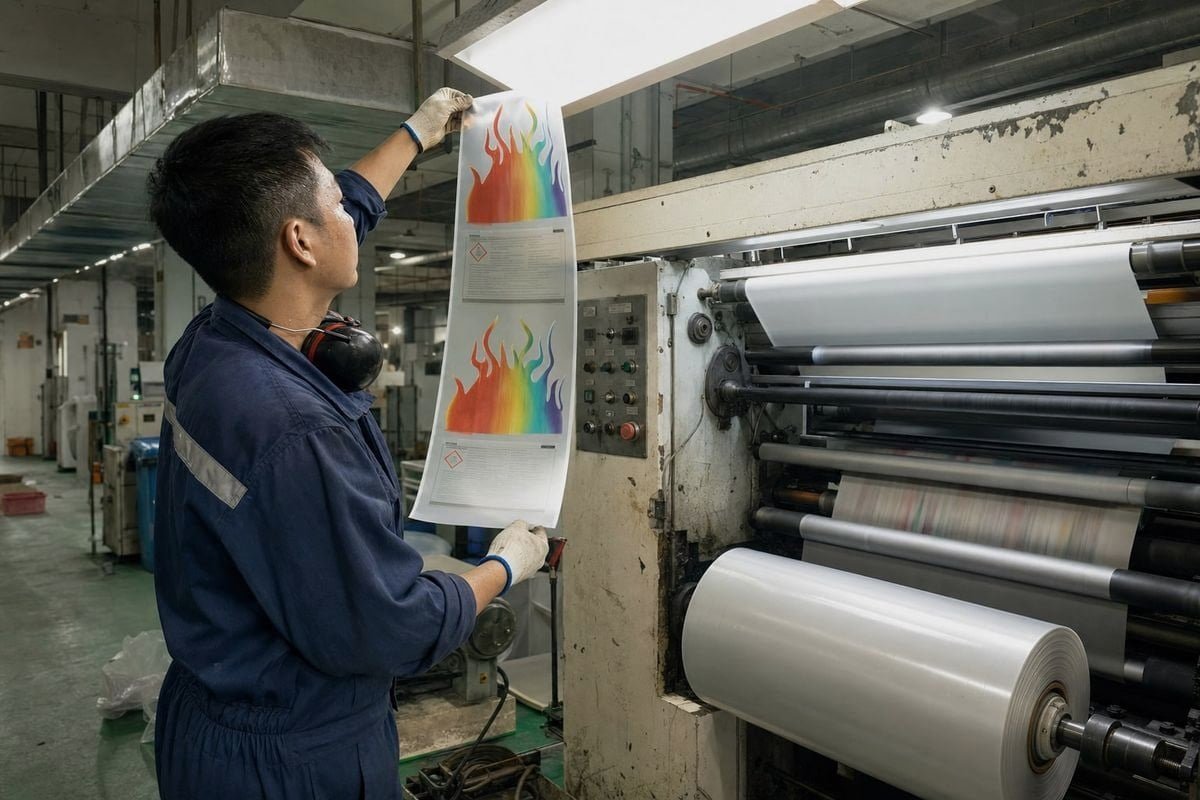
Le papier ne prouve rien s'il n'est pas lié à votre formulation réelle. La FDS est le document d'ancrage. Chaque avertissement sur la pochette doit remonter à celle-ci. Si la FDS indique "nocif en cas d'ingestion", "facilement inflammable" ou "peut provoquer une irritation des voies respiratoires", l'étiquette du consommateur doit porter la version en langage clair de chacun de ces dangers. Certaines formulations sont sensibles à l'humidité et peuvent réagir dangereusement lorsqu'elles sont mouillées ; d'autres diffèrent même dans les instructions de lutte contre l'incendie — certains documents FDS indiquent de ne pas utiliser d'eau, d'autres recommandent de grandes quantités d'eau. C'est pourquoi les fichiers FDS génériques et empruntés sont un signal d'alarme. La conformité à la Fiche de Données de Sécurité signifie que la fiche correspond à votre chimie de lot, et que l'étiquette est mise à jour chaque fois que les ingrédients changent.
La liste de contrôle des documents que nous préparons pour les acheteurs
| Document | Ce qu'il prouve | Marché |
|---|---|---|
| FDS spécifique à la formulation | Identification des dangers et énoncés de précautions | US + UE |
| Certificat général de conformité (CGC) | Produit testé selon les règles CPSC applicables | États-Unis |
| Rapports de test SGS / Intertek | Vérification par des tiers de la composition et des allégations de sécurité | Mondial |
| Certificat ISO 9001 | Système de gestion de la qualité en production | Mondial |
| rapport d'audit BSCI | Conditions d'usine éthiques et auditées | Chaînes de vente au détail de l'UE |
| Documentation liée à la CE | Conformité UE le cas échéant | UE |
Questions qui séparent les usines des commerçants
Demandez trois choses à votre fournisseur. Premièrement, peut-il montrer le rapport de test lié au même lot que votre échantillon ? Deuxièmement, qui a rédigé la FDS, et suit-elle le format SGH requis par votre marché? Troisièmement, vont-ils re-tester et réémettre les documents lorsque vous modifiez la formule ou le mélange sans parfum ? Une vraie usine avec des lignes de production complètes répond rapidement aux trois questions. Une société commerciale tergiverse généralement, car les documents appartiennent à quelqu'un d'autre.
Comment m'assurer que mon emballage réussit les audits de sécurité des chaînes de vente au détail avant de passer une commande en gros ?
Avant un grand programme de vente au détail aux États-Unis, nous avons effectué notre propre audit simulé sur une palette de pochettes finies — et avons détecté un problème de taille de police sur la boîte d'avertissement qui aurait échoué à l'inspection. La pré-vérification a sauvé toute la commande.
Exécutez un audit avant expédition : vérifiez le texte de l'étiquette par rapport à la FDS, confirmez les pictogrammes et les mentions de danger SGH, vérifiez la lisibilité et le placement des avertissements, examinez les certificats et les rapports d'essai, et approuvez un échantillon physique de pré-production avant d'autoriser la production en série.
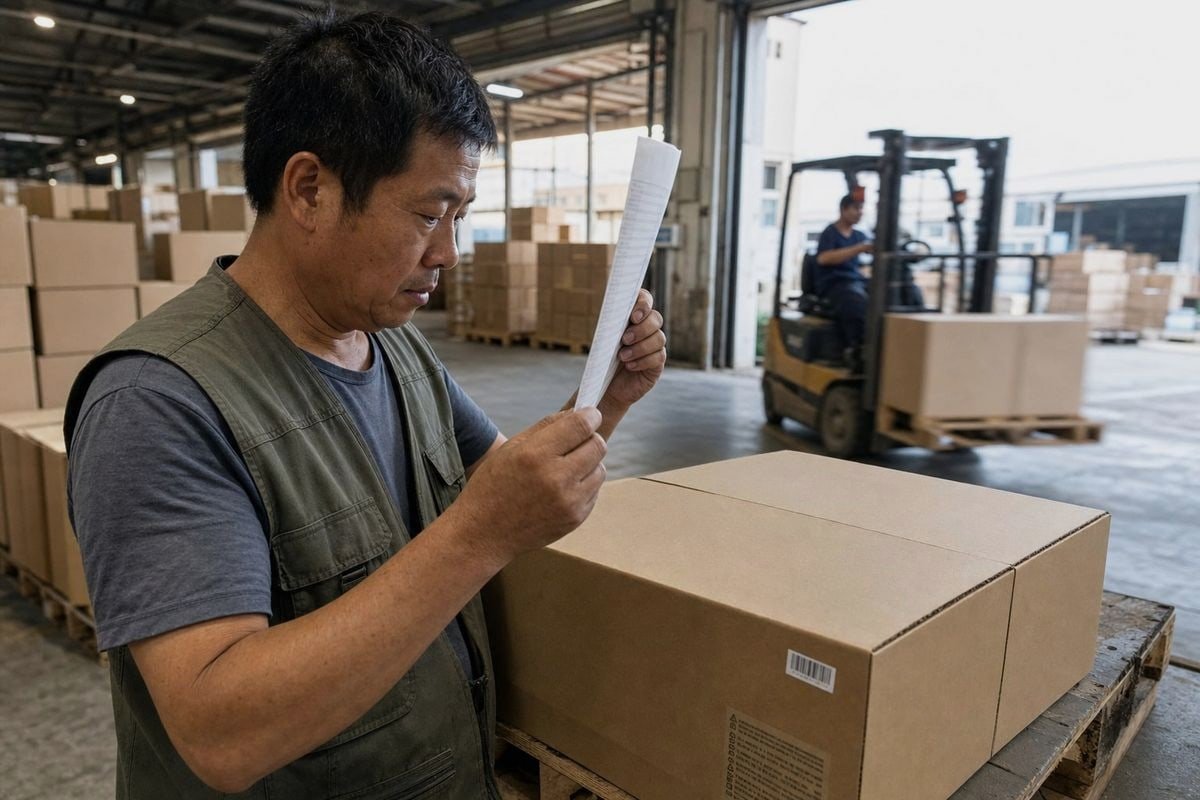
Les chaînes de vente au détail auditent les emballages selon une séquence prévisible. Si vous suivez cette séquence avant la production de masse 6, les surprises disparaissent. Dans notre usine, les premiers échantillons reflètent de manière fiable la qualité de la production de masse car les contrôles lot par lot sont verrouillés avant l'approbation des illustrations — mais vous devriez toujours vérifier indépendamment. Les directives de conformité des détaillants varient selon les chaînes, alors demandez leur manuel d'emballage spécifique à l'avance.
Une séquence d'audit pratique avant la commande
- Examen des documents. Faites correspondre chaque allégation d'étiquette à la FDS, au GCC et aux rapports de test. Vérifiez que les énoncés de danger, les énoncés de précautions et le texte de premiers secours correspondent mot pour mot à la classification des dangers.
- Vérification de la preuve d'illustration. Confirmez la taille du mot signalétique, les dimensions du pictogramme, le contraste et les versions linguistiques. Les avertissements ne doivent pas être cachés sur le rabat inférieur.
- Approbation de l'échantillon physique. Inspectez la pochette scellée : résistance du stratifié, absence d'encoches d'ouverture facile, durabilité de l'impression, test de lecture du code-barres.
- Examen du merchandising. Planifiez le placement en rayon loin des zones d'achat impulsif des enfants. Envisagez des indicateurs d'humidité sur les présentoirs en vrac afin que le personnel puisse repérer la dégradation ou les fuites de paquets.
- Documentation destinée au personnel. Fournissez la FDS complète aux équipes de l'entrepôt et du magasin du détaillant. Le personnel du magasin doit traiter le produit comme un produit chimique de consommation, et non comme un jouet.
Points de défaillance courants et corrections
| Échec de l'audit | Cause profonde | Correction avant la commande en gros |
|---|---|---|
| Texte d'avertissement trop petit | La conception a privilégié la marque | Définir la taille de police minimale dans le brief de conception |
| Langue locale manquante | Illustration pour un seul marché réutilisée | Créez des panneaux multilingues par destination |
| L'étiquette contredit la FDS | FDS obsolète ou générique | Rééditer d'abord la FDS spécifique à la formulation |
| Indicateur d'apparence de bonbon | Sachet facile à déchirer, aspect bonbons brillants | Stratifié renforcé, indices clairs de produits chimiques |
| Pas d'informations de contact en cas d'empoisonnement | Œuvre d'art décorative copiée | Ajouter une ligne de contrôle des poisons 24h/24 sur le sachet |
Un autre point sur la sécurité des enfants. Même lorsque emballage à l'épreuve des enfants 7 n'est pas strictement obligatoire pour cette catégorie, les auditeurs y réagissent bien. Les sachets scellés et résistants aux outils, ainsi que les avertissements "supervision d'un adulte requise" et "utilisation en extérieur uniquement" signalent que votre marque prend au sérieux le risque d'ingestion — ce qui est exactement la posture que les chaînes attendent d'un fournisseur à long terme.
Conclusion
Des étiquettes d'avertissement faibles coûtent aux acheteurs des expéditions rejetées et des comptes de vente au détail perdus. Des avertissements clairs, conformes à la FDS et alignés sur le SGH — vérifiés par des certificats et des audits avant expédition — permettent d'approuver l'emballage de poudre magique et de le maintenir en rayon.
Notes de bas de page
Liste des codes et normes de l'NFPA pour la sécurité incendie et la prévention des dangers. ↩︎
Norme de l'OSHA pour la communication des dangers chimiques afin d'assurer la sécurité dans les lieux de travail et la manipulation. ↩︎
Entrée Wikipedia détaillant les propriétés chimiques et les dangers pour la santé associés au sulfate de cuivre. ↩︎
Ressource officielle pour les urgences empoisonnement, fournissant des informations de contact pour une assistance médicale immédiate. ↩︎
Article Wikipedia expliquant l'importance de la confiance des consommateurs dans la réputation de la marque et la sécurité. ↩︎
Page Wikipedia définissant la production de masse et son rôle dans la fabrication à grande échelle et la vente au détail. ↩︎
Guide officiel de la CPSC sur les exigences en matière d'emballage résistant aux enfants pour prévenir l'ingestion accidentelle. ↩︎



 English
  Spanish
  German
  French
  Arabic
  Portuguese
Rejoignez la conversation