






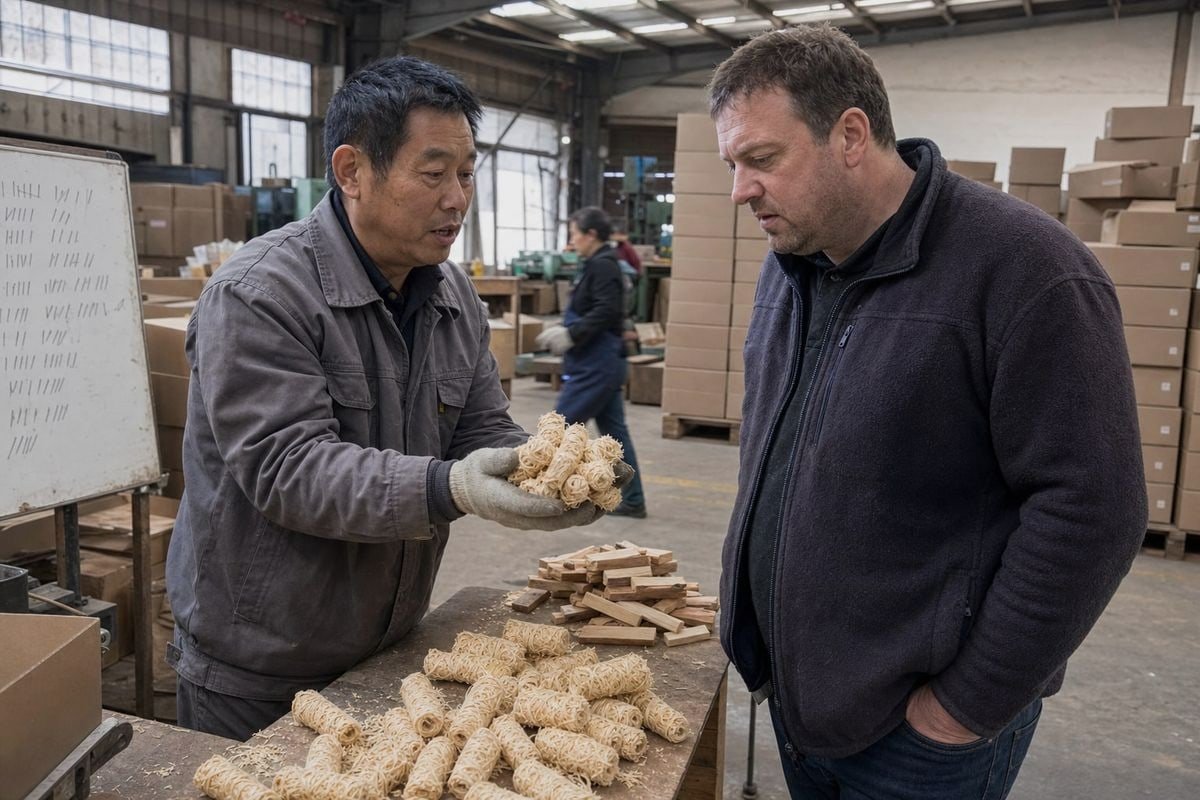
L'approvisionnement direct en usine par rapport aux agents d'achat est une question que j'entends constamment sur notre chaîne de production à Ningbo Normes EN 1860 1. Les acheteurs s'inquiètent de la marge, de la qualité et de se faire avoir — au sens figuré — par le mauvais choix.
L'approvisionnement direct en usine d'allume-feu en bois permet généralement de réduire les coûts unitaires, de mieux contrôler les spécifications et d'améliorer la personnalisation des marques de distributeur, tandis que les agents d'achat réduisent les risques pour les importateurs novices en prenant en charge la vérification des fournisseurs, les inspections et la communication, moyennant une majoration de 3 à 10 % et des boucles de décision plus lentes.
Aucun modèle n'est toujours le bon. Le meilleur choix dépend de votre volume, de votre expérience et de votre tolérance au risque. Laissez-moi vous guider à travers chaque facteur, un par un.
Combien puis-je vraiment économiser en m'approvisionnant en allume-feu en bois directement auprès de l'usine plutôt qu'auprès d'un agent ?
Le trimestre dernier, un distributeur allemand m'a montré deux devis pour des produits identiques rouleaux de bois trempés dans la cire 2. Le prix de l'agent était supérieur de 81% au nôtre — pour un produit fabriqué sur nos propres lignes.
Les acheteurs économisent généralement 3 à 10 % par unité en s'approvisionnant directement auprès de l'usine pour des allume-feu en bois, car les commissions des agents et les marges cachées disparaissent. Cependant, les économies réelles dépendent du coût rendu — expédition, droits de douane et taux de défaut — et pas seulement du prix usine indiqué.
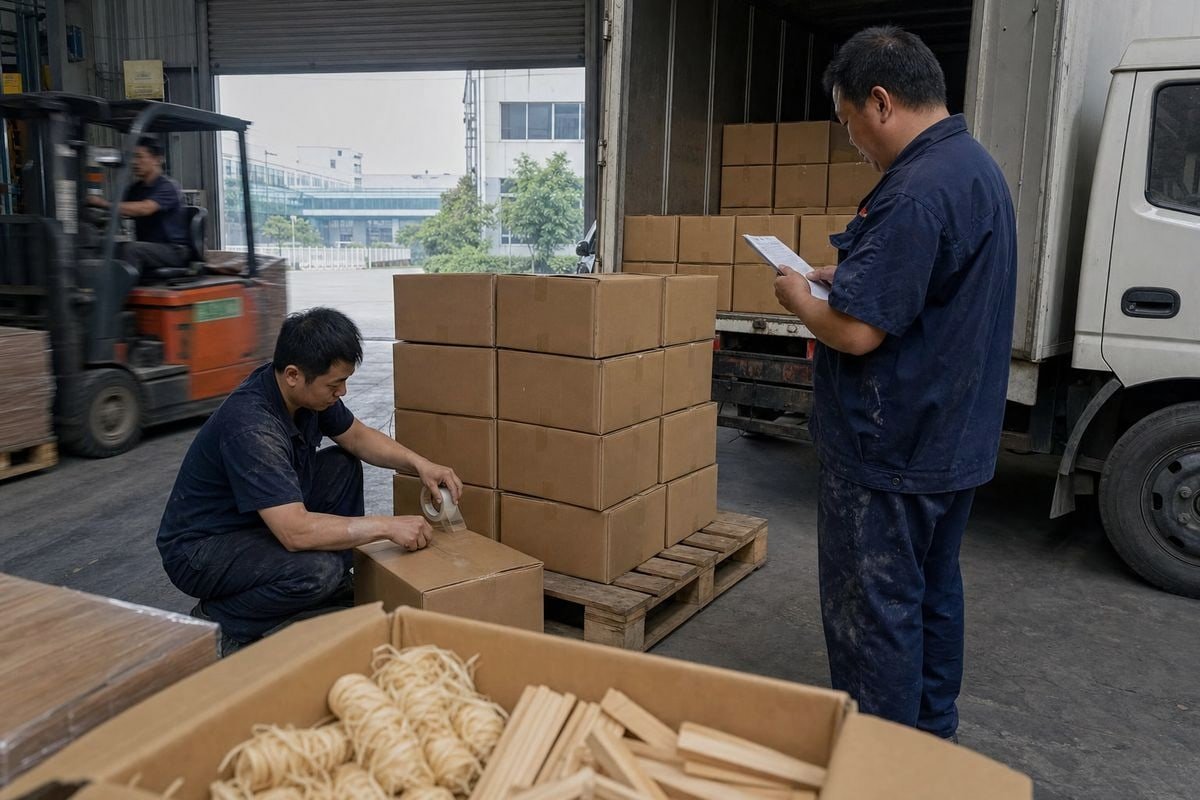
L'économie apparente semble simple. Supprimez l'intermédiaire, conservez la marge. Mais après 17 ans d'exportation de produits d'allumage de feu vers plus de 30 pays, je peux vous dire que les calculs sont plus complexes que cela.
À quoi ressemblent généralement les chiffres
Le prix du marché pour les allume-feu en bois se situe dans des fourchettes approximatives. Les cubes de base de cire et de sciure se situent dans le bas de gamme. Qualité des rouleaux de laine de bois 3 avec de la cire naturelle coûtent plus cher. Les produits certifiés écologiques se situent dans le haut de gamme.
| Niveau de produit | Fourchette de prix unitaire typique | Impact de la majoration de l'agent |
|---|---|---|
| Cubes de cire/sciure de base (volume élevé) | 0,05 $ - 0,08 $ | Petit en cents, grand en pourcentage |
| Laine de bois à la cire naturelle | 0,10 $ - 0,20 $ | Significatif sur les commandes de plus de 50 000 unités |
| Produits premium certifiés/écologiques | $0.25+ | Se compose des frais de certification |
Sur une commande de 100 000 allume-feu en laine de bois, une marge d'agent de 7% peut signifier un coût supplémentaire de 700 à 1 400 $. Pour les acheteurs réguliers, cela s'accumule rapidement sur une année de réapprovisionnements.
Pourquoi le prix indiqué n'est pas toute l'histoire
Le coût rendu est plus important que le prix départ usine. Vous devez ajouter les frais de transport, les droits de douane, l'assurance et les frais d'inspection. Vous devez également penser au coût par minute de combustion, pas seulement au coût par unité. Un allume-feu moins cher qui brûle pendant quatre minutes peut être une moins bonne affaire qu'un qui brûle pendant dix minutes.
L'approvisionnement direct déplace également le travail vers votre équipe. Les tests d'échantillons, la comparaison des devis et la coordination logistique prennent du temps. Si votre personnel d'approvisionnement est réduit, les frais d'un agent peuvent vous faire gagner des heures que vous ne pouvez pas vous permettre de perdre. D'après notre expérience, les acheteurs qui économisent le plus en s'approvisionnant directement sont ceux qui ont des spécifications stables et des cycles de réapprovisionnement prévisibles — ils négocient une fois, puis répètent simplement.
Puis-je faire confiance aux certifications de qualité et de conformité des produits sans agent d'achat intermédiaire ?
Il y a un compromis que j'évalue chaque fois que nous intégrons un nouvel acheteur : ils veulent des preuves, pas des promesses. Nous envoyons donc des rapports de test avant même de discuter du prix.
Oui — si l'usine détient des certifications vérifiables par des tiers. L'approvisionnement direct améliore en fait la transparence de la conformité, car les acheteurs peuvent demander directement des rapports ISO 9001, BSCI, CE et SGS ou Intertek, vérifier les allégations de chaîne de traçabilité FSC et auditer la composition des matériaux sans qu'un intermédiaire ne filtre les informations.
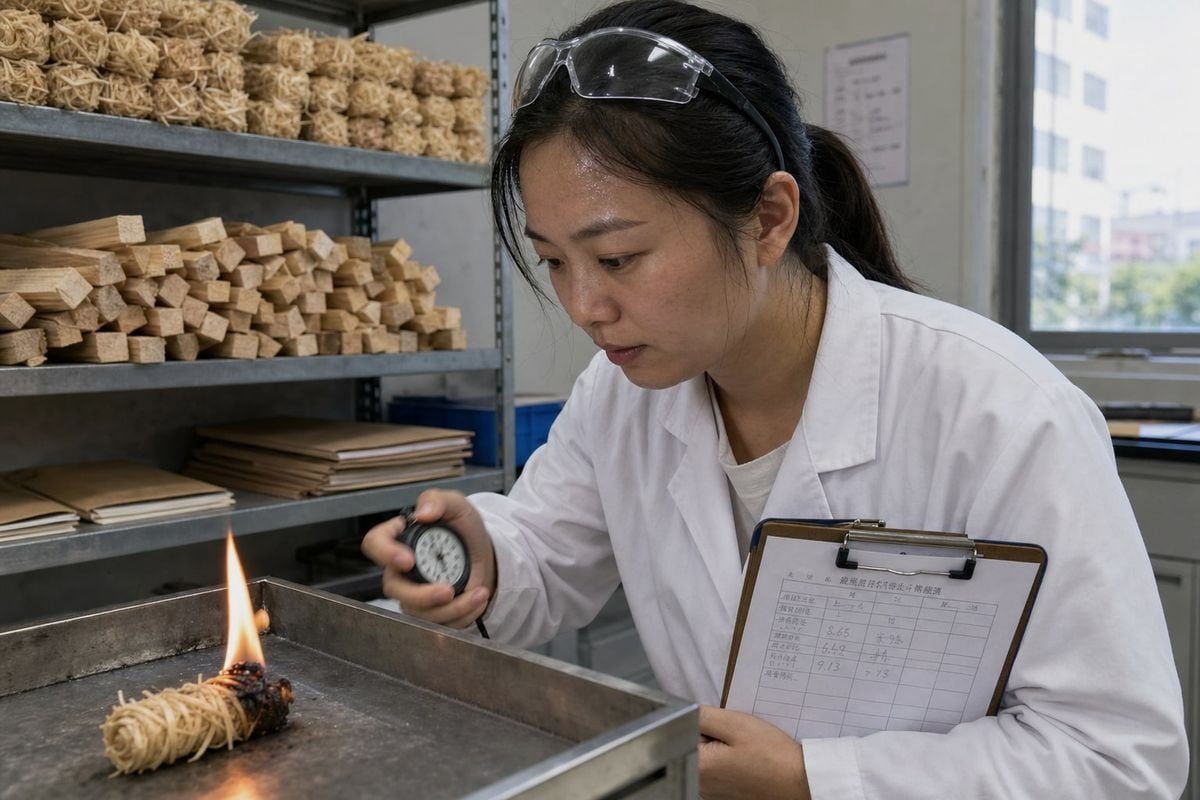
La confiance est la véritable monnaie dans ce commerce. Les agents se vendent souvent comme le filet de sécurité qualité. Cela peut être vrai pour les fournisseurs non vérifiés. Mais une usine sérieuse devrait rendre le filet de sécurité inutile.
À quoi ressemble réellement la conformité pour les allume-feu
Les allume-feu en bois sont sensibles aux performances et réglementés sur de nombreux marchés. Les acheteurs de l'UE font souvent référence à Normes EN 1860 4 pour les allume-feu. Les chaînes de vente au détail exigent une composition matérielle documentée, des étiquettes d'avertissement et un comportement de combustion cohérent. Les affirmations de durabilité — origine de la laine de bois, biodégradabilité, teneur en cire naturelle — nécessitent des documents justificatifs, pas du langage marketing.
Voici comment les deux modèles se comparent en matière de contrôle de la conformité :
| Facteur de conformité | Approvisionnement direct en usine | Agent d'achat |
|---|---|---|
| Accès aux rapports de test originaux | De première main, vérifiable | Parfois filtré ou résumé |
| Visibilité des audits d'usine | Vous auditez directement (ou engagez SGS/Intertek) | Les audits de l'agent ; vous vous fiez à leur norme |
| Divulgation de la composition matérielle | Transparence totale possible | Peut être incomplet |
| Vérifications de la chaîne de traçabilité (FSC/PEFC) | Vérification directe des documents | Couche supplémentaire entre vous et la preuve |
| Vérifications de cohérence lot par lot | Vous définissez le protocole de CQ | Protocole de l'agent, priorités de l'agent |
La question de la cohérence des lots
Le plus grand risque de qualité dans cette catégorie n'est pas le premier échantillon. C'est l'unité 80 000. La teneur en humidité fluctue, le revêtement de cire s'amincit, le temps de combustion diminue. Dans notre usine, nous effectuons des contrôles lot par lot précisément parce que le premier échantillon doit refléter la production de masse — sinon les avis des clients sur les détaillants en souffrent, et nous perdons la commande de réapprovisionnement.
Un agent peut apporter de la valeur en organisant inspections avant expédition 5. Mais vous pouvez engager vous-même les mêmes inspecteurs tiers, souvent pour moins que la commission de l'agent. La règle honnête : un agent compense une usine faible. Une usine certifiée avec un CQ documenté rend l'intermédiaire redondant sur la qualité.
Vais-je perdre en vitesse de communication et en support si je saute l'agent et traite directement avec un fabricant chinois ?
Un acheteur néerlandais m'a dit un jour qu'il avait choisi un agent uniquement par peur des réponses lentes de la Chine. Six mois plus tard, il acheminait chaque changement de spécification via trois boîtes de réception.
Non — la communication directe avec un fabricant expérimenté à l'exportation est généralement plus rapide, pas plus lente. Les messages parviennent aux décideurs immédiatement au lieu de passer par un intermédiaire. Le vrai risque est de choisir une usine sans personnel d'exportation parlant anglais, ce qui entraîne des retards et des erreurs de spécification.
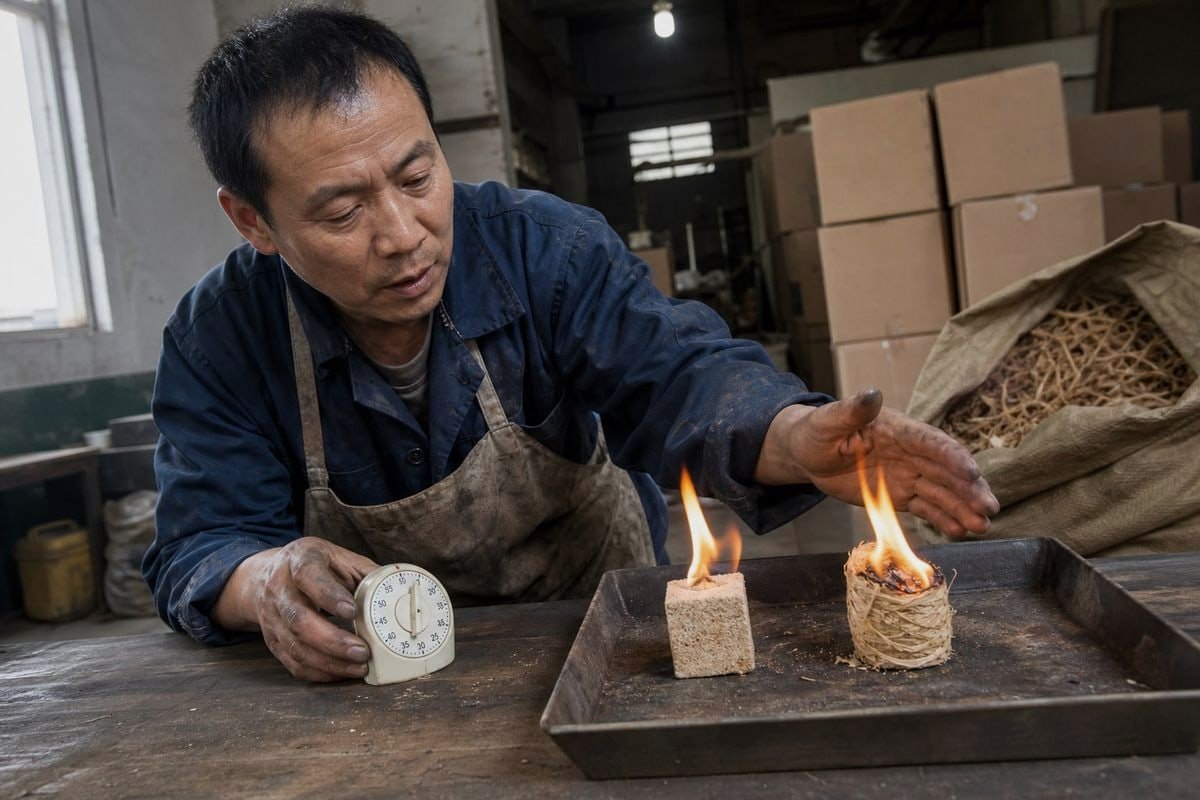
La peur est compréhensible. Les écarts linguistiques sont réels. Les détails techniques — type de bois, pourcentage de revêtement de cire, temps d'allumage, tolérances d'emballage — peuvent se perdre dans la traduction. Mais la solution est de choisir le bon interlocuteur, pas d'ajouter une station relais permanente.
Là où les agents aident vraiment à la communication
Je serai juste envers le modèle d'agent. Les agents gagnent leurs frais dans des situations spécifiques :
- L'usine vend principalement sur le marché intérieur et n'a pas d'équipe d'exportation dédiée.
- Vous vous approvisionnez dans de nombreuses catégories de produits dans plusieurs régions à la fois.
- Vous avez besoin de quelqu'un sur place pour les litiges, les consolidations ou les visites urgentes d'usine.
- Votre équipe n'a aucune expérience dans la rédaction de spécifications produit claires.
Dans ces cas, un intermédiaire facilite les frictions réelles. Pour une relation de commande répétée d'une seule catégorie, ils ajoutent surtout des étapes.
Là où le contact direct l'emporte
Chaque message transmis par un agent double le temps de trajet. Une question sur la teneur en cire à laquelle nous mettons deux heures à répondre directement peut prendre deux jours via un intermédiaire — chaque transfert ajoute un fuseau horaire, une traduction et une chance de perte de détails. Lorsque nous développons des spécifications de temps de combustion personnalisées avec des acheteurs américains et européens, les itérations rapides se produisent précisément parce que les questions d'ingénierie vont directement à notre équipe de production.
Le test pratique est simple. Avant de vous engager, envoyez à une usine potentielle une question technique détaillée — par exemple, comment elle contrôle la teneur en humidité du bois de chauffage 6 pendant les mois humides. Si vous obtenez une réponse spécifique et rapide en anglais clair, l'approvisionnement direct ne vous coûtera pas de temps. Si vous obtenez une réponse vague après quatre jours, continuez à chercher ou acceptez que vous avez besoin d'un intermédiaire pour ce fournisseur.
Quelle option me donne une meilleure flexibilité de MOQ et une personnalisation sous marque privée pour mes commandes d'allume-feu en bois ?
Au début de nos années d'exportation, nous avons appris une dure leçon : les MOQ rigides repoussent les bons acheteurs. Une marque canadienne de foyers est partie parce que nous avions cité un minimum de conteneur complet 7 pour un essai. Nous avons changé notre politique — et ils sont revenus.
L'approvisionnement direct en usine offre une meilleure personnalisation — contrôle total sur la taille, le temps de combustion, l'emballage et l'étiquetage privé — tandis que les agents peuvent offrir des MOQ effectifs plus bas en regroupant les commandes de plusieurs clients. Les usines dotées de politiques de commande d'essai flexibles offrent le meilleur des deux mondes pour les acheteurs d'étiquettes privées.
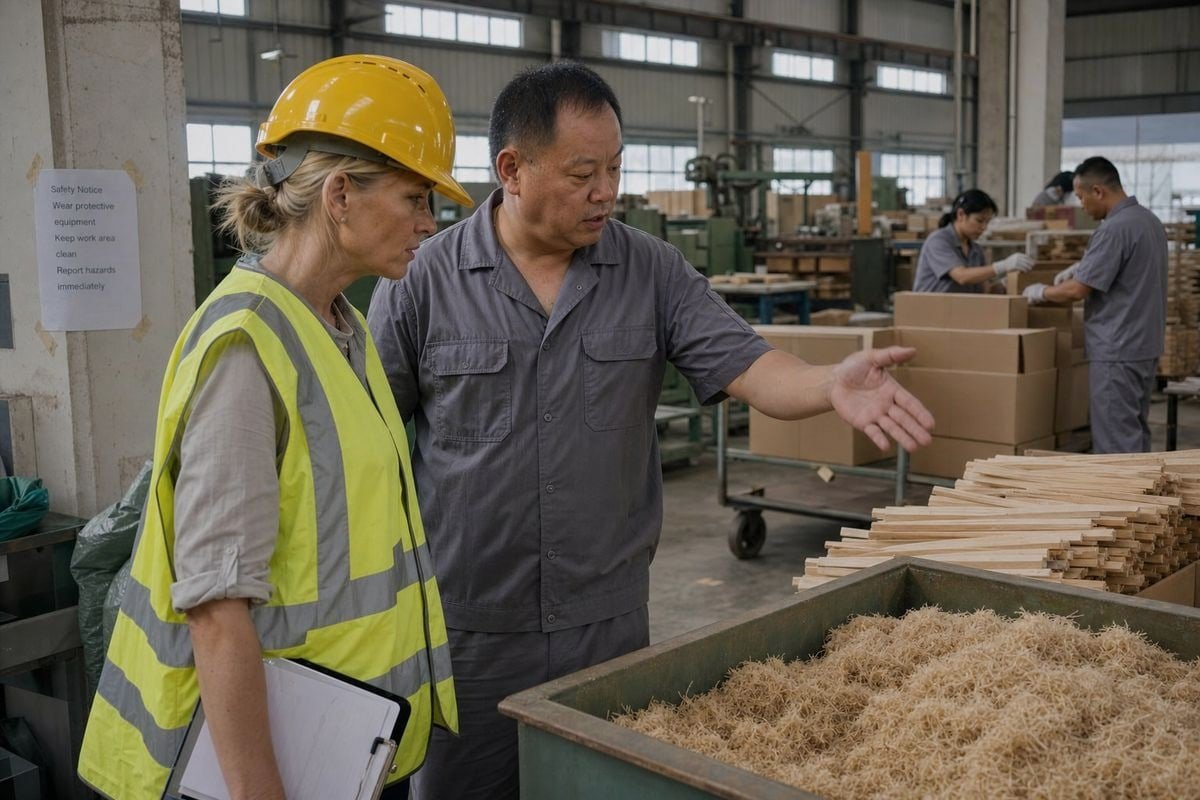
C'est le domaine où les deux modèles divergent le plus nettement. La personnalisation et les MOQ vont dans des directions différentes, et chaque modèle les gère différemment.
Personnalisation : les usines détiennent les cartes
Travail en marque blanche passe par la chaîne de production, pas par la paperasse. Lorsqu'un acheteur souhaite un diamètre de rouleau de bois spécifique, un temps de combustion plus long, des boîtes d'affichage au détail, des étiquettes d'avertissement personnalisées ou des codes-barres, ces décisions sont prises à l'usine. Un agent peut relayer les demandes, mais la coordination de plusieurs commandes clients limite souvent la profondeur de la personnalisation. Dans nos projets OEM et ODM, les conversations productives sont toujours directes — le chef de produit de l'acheteur parlant à notre personnel d'emballage et de production, échantillon par échantillon.
MOQ : là où les agents ont un véritable avantage — parfois
Les agents peuvent regrouper les petites commandes de plusieurs clients pour atteindre le minimum d'une usine. Pour une petite marque testant la demande saisonnière d'automne et d'hiver, cela compte. Mais les commandes groupées signifient également des créneaux de production partagés, moins de contrôle des spécifications et des produits génériques.
| Facteur | Usine directe | Agent d'achat |
|---|---|---|
| Profondeur de la marque en marque blanche | Complète (emballage, étiquettes, codes-barres, présentoirs) | Limitée par la complexité de la coordination |
| Spécifications personnalisées (taille, temps de combustion, cire) | Dialogue d'ingénierie direct | Itération relayée, plus lente |
| MOQ de commande d'essai | Variable — les usines flexibles s'adaptent | Le regroupement peut réduire le MOQ effectif |
| Mise à l'échelle des récommandes | Fluide, même ligne et spécifications | Dépend du pool continu de l'agent |
| Flexibilité saisonnière | Négociable avec un partenaire engagé | Idéal pour les petits achats ponctuels |
La voie hybride mérite d'être considérée
Un nombre croissant d'acheteurs utilisent un modèle hybride : engager un agent pour le premier filtrage et les audits, puis passer à une relation directe pour les commandes répétées. Cela réduit les frais à long terme tout en maintenant la protection contre les risques aux premiers stades. Franchement, lorsqu'une usine propose des MOQ flexibles pour les essais et des certifications vérifiables dès le départ — comme nous structurons les nôtres pour les nouveaux partenaires distributeurs — de nombreux acheteurs constatent qu'ils peuvent sauter complètement la première étape.
Conclusion
Choisir mal ici coûte en marge, en sommeil, ou les deux. Adaptez le modèle à votre situation : allez directement chez les usines certifiées et flexibles pour le volume et la marque ; utilisez des agents uniquement là où il existe de réels écarts.
Notes de bas de page
Organisme européen officiel de normalisation qui publie la norme EN 1860 pour les allume-feu et la sécurité des barbecues. ↩︎
Référence de base expliquant ce que sont les allume-feu, y compris les variantes de rouleaux de bois à base de cire discutées. ↩︎
Wikipédia explique la composition du matériau de laine de bois et ses utilisations, pertinentes pour cette catégorie de produits d'allume-feu. ↩︎
Le CEN publie la norme EN 1860, la norme européenne régissant les exigences de sécurité et de performance des allume-feu. ↩︎
L'Accord sur l'inspection avant expédition de l'OMC expose les règles régissant les services d'inspection de fret par des tiers mentionnés ici. ↩︎
Le Forest Products Laboratory de l'USDA recherche le comportement de l'humidité du bois, pertinent pour la qualité de fabrication des allume-feu. ↩︎
Explique le concept d'expédition en conteneur complet sous-jacent aux décisions de MOQ et de fret décrites. ↩︎

 English
  Spanish
  German
  French
  Arabic
  Portuguese
Rejoignez la conversation