







Choosing the wrong magic fire powder format frustrates buyers fast. On our production line, we see how a mismatched pack size or color blend can sink an otherwise great product launch.
Magic fire powder choice depends on occasion: single sachets suit backyard and camping fires, multi-packs fit holidays and parties, bulk formats serve bonfires and events, and custom color blends work best for private-label lines targeting themed markets like Halloween or Christmas.
Below, I break down each occasion, the right color-flame options, and the packaging format that sells best in each retail channel. Let's start with family fires at home.
What Color-Flame Options Should I Choose for Family Backyard Fires?
A buyer from Canada once asked me why his customers loved one batch and ignored another. The answer was simple: the first batch produced a fuller multicolor effect that kept kids watching.
For family backyard fires, choose standard multicolor sachets that produce blue, green, purple, red, and yellow flames together. A single 25g packet delivers roughly 30–60 minutes of color, which matches a typical evening fire pit session for a family.
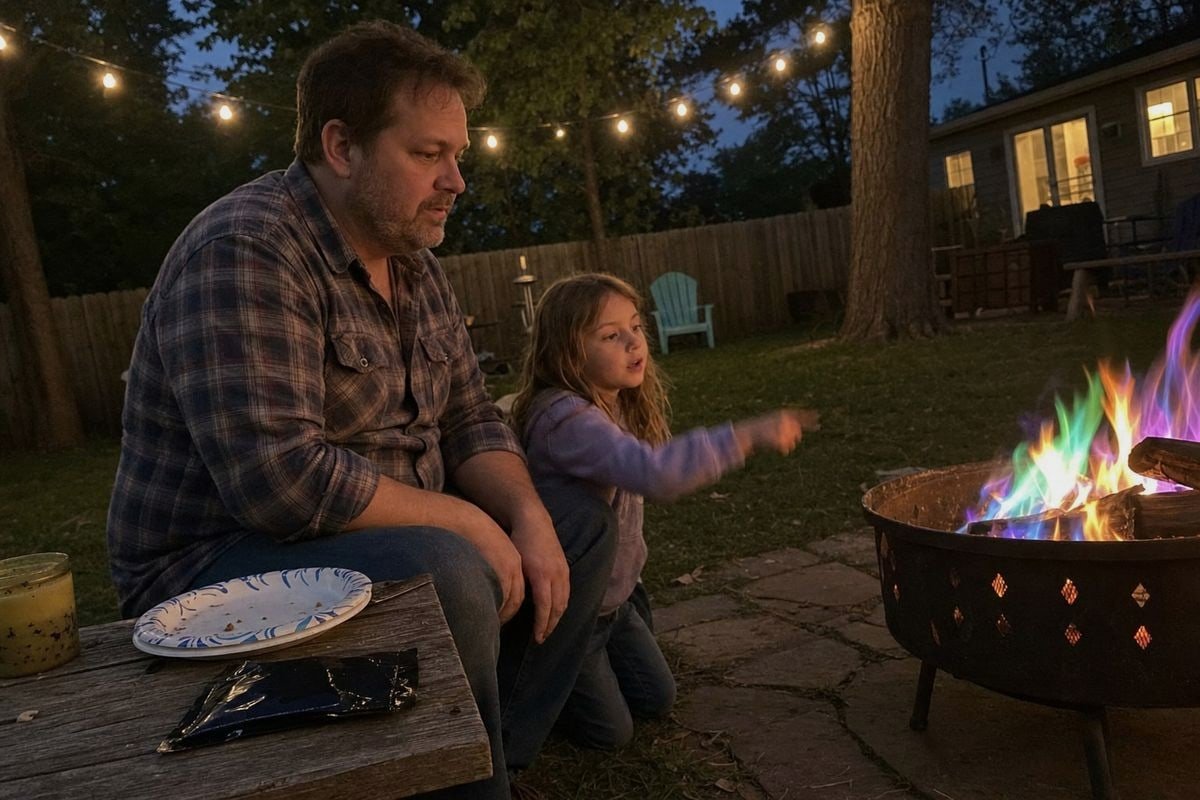
The family backyard market is the biggest volume segment we ship for. Buyers here want simplicity. Parents do not want to measure powder or mix chemicals. They want to toss an unopened sachet into the fire and watch the show. That is why the single-use flame colorant packets remain the best-selling model across our US and European accounts.
Why Multicolor Beats Single Color for Families
Most commercial powders are formulated to produce a shifting rainbow effect, not one fixed hue. The sales metálicas 1 inside — compounds like sulfato de cobre 2 for greens and blues — react at different temperatures. As the fire breathes, the colors dance and change. For campfire entertainment with children, that movement is the whole appeal. A static single-color flame gets boring in minutes. Vibrant rainbow flames hold attention for the better part of an hour.
Practical Safety Points for Family Use
There is one rule we print on every pack: finish cooking first. The colorant salts are not food-safe. Marshmallows and hot dogs must come off before the packet goes in. Also, these products are designed exclusively for wood-burning fires. Propane and gas-log pits can clog and get damaged.
| Family Scenario | Recommended Model | Packets Needed | Efecto esperado |
|---|---|---|---|
| Small fire pit evening | Single 25g sachet | 1 | 30–60 min of mixed color |
| Weekend camping trip | 3-pack sachets | 1 per fire | One packet per night |
| Backyard party with kids | Sobres de 5 unidades | 2–3 at once | Stronger, brighter color |
| Indoor wood fireplace | Fireplace-rated sachet | 1 | Subtle ambient color |
One more note on indoor use: most models are safe for a chimenea de leña 3, provided ventilation is good and the packet stays sealed until it goes in. Wood-burning fireplace safety depends on keeping the powder out of hands and lungs, which is exactly why the sealed toss-in sachet format exists.
Which Magic Fire Colors Work Best for Festival and Holiday Events?
Every autumn, our Ningbo facility shifts a large share of capacity to holiday orders. The requests are remarkably consistent: green-and-purple for Halloween, red-and-green for Christmas, everything for New Year's Eve.
For festivals, match colors to the theme: green and purple blends suit Halloween, red and green suit Christmas, and full rainbow multicolor suits New Year's Eve and general parties. Multi-pack bundles work best because guests expect repeated color effects throughout the event.

Holiday and festival demand is where color knowledge becomes a real selling tool. The chemistry is straightforward. Copper-based salts push the flame toward greens and blues. Cloruro de estroncio 4 and similar strontium compounds create deep reds. Understanding this lets a buyer request themed blends instead of settling for the generic mix.
Matching Colors to the Calendar
Aquí está el occasion-to-color map we use when advising distributors on seasonal purchasing:
| Occasion | Best Color Emphasis | Suggested Format | Por qué funciona |
|---|---|---|---|
| Halloween | Green + purple (2:1 blend) | Multi-pack or bulk | Creates a "witch's cauldron" look |
| Christmas | Red + green | Gift-box multi-pack | Matches traditional holiday palette |
| New Year's / Silvester | Full rainbow | 25-pack party bundle | Dramatic, celebratory effect |
| Bonfire Night (UK) | Full rainbow, intense | Bulk bag, 3–4 packets at once | Overcomes the fire's natural orange glow |
| Summer festivals | Blue + green | Sachets sold at kiosks | Cool tones stand out at dusk |
Quantity Matters More at Events
A large bonfire produces a strong natural orange glow. One sachet gets lost in it. For big group fires, we recommend three to four packets at once, spaced across the flame bed. Some event planners go further with fire-scaping: placing packets at different depths in the wood stack so colors trigger in sequence as the fire burns down. It turns a bonfire into a slow-motion show.
Shaker-style bottled powder deserves a mention here too. It lets a host add timed bursts of color, which is popular with buyers serving the social-media and content-creation crowd.
Can I Get Custom Color Blends for My Private-Label Product Line?
The trickiest project we ever calibrated was a LARP prop brand that wanted a "dragon fire" blend — heavy green with flickers of blue. It took several formulation rounds, but the result became their best-seller.
Yes, custom color blends are fully achievable for private-label lines. A capable factory can adjust metal-salt ratios to emphasize greens, reds, purples, or blues, tune burn time duration, and supply your branding, packaging, warning labels, and barcodes as a one-stop OEM/ODM service.
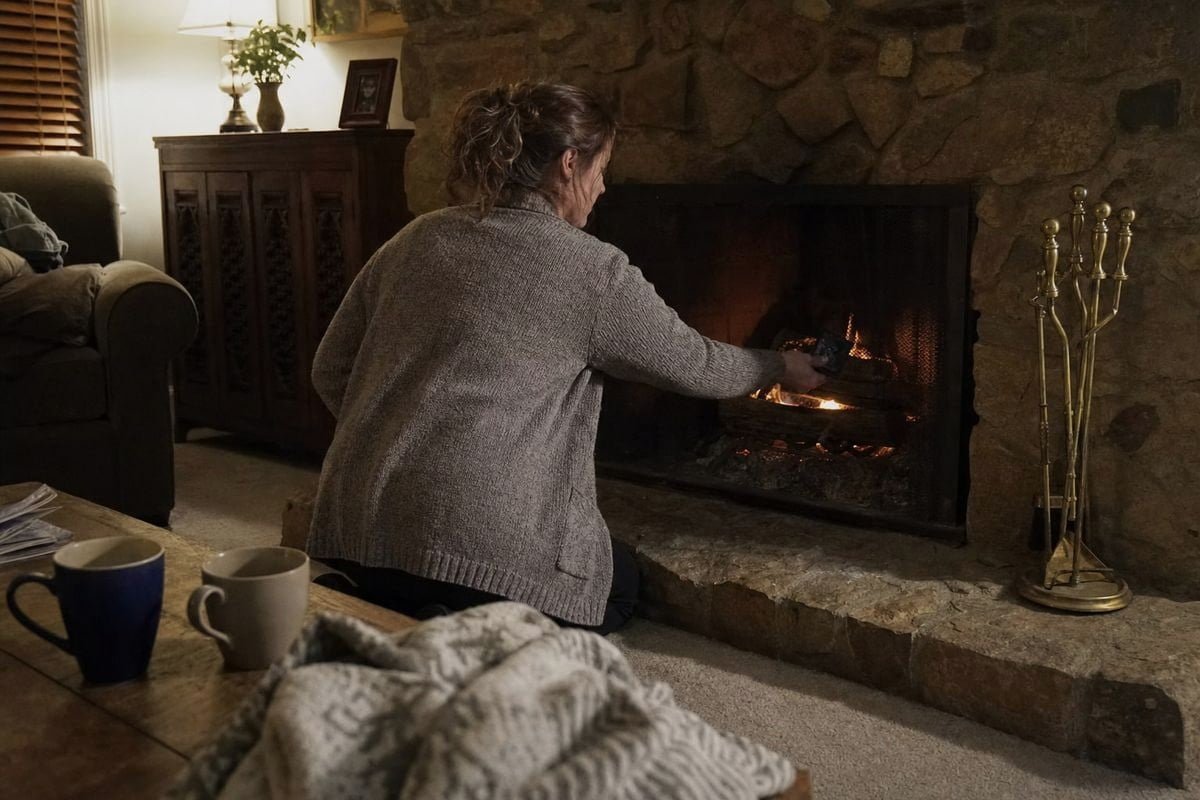
Private-label is where distributors build real margin, and it is where factory depth matters most. In our 17-plus years supplying outdoor and camping brands across 30-plus countries, the successful private-label projects always follow the same sequence. I will lay it out as a process, because that is how it actually runs.
The OEM/ODM Path, Step by Step
- Define the color story. Decide if you want the standard rainbow effect or a weighted blend. A 2:1 green-to-purple ratio, for example, gives a strong Halloween identity.
- Set the burn time duration. Formulation and packet weight determine whether the effect lasts 15 minutes or a full hour. Longer burns cost more per unit but justify higher retail pricing.
- Sample and verify. This is where manufacturing depth shows. With strict batch-to-batch control de calidad 5, your first sample should reliably match mass production. If a supplier's samples outperform their bulk shipments, walk away.
- Lock compliance. For the US and EU, certification is a hard requirement, not a nice-to-have. Insist on ISO 9001 6, BSCI, CE, and third-party test reports from SGS o Intertek 7 before committing to a container.
- Design shelf-ready packaging. Custom boxes, display cartons, kraft pouches, barcodes, and market-correct warning labels should all come from the same supplier so nothing slips between vendors.
What Can Actually Be Customized
Beyond color, buyers can specify packet weight, sachet material, jar versus pouch format, granule appearance, and even companion products like color-flame pinecones for a coordinated fireplace line. Flexible MOQs on trial orders matter too, because most importers want a small first run before scaling. Mystical fire packets under your own brand only work if every batch behaves like the sample did.
Which Packaging Format Suits Different Retail and Outdoor Markets?
Trade-offs drive packaging decisions more than aesthetics do. When we quote a distributor, the first questions are always about channel: hardware chain, camping store, festival kiosk, or online gift shop?
Single foil sachets suit camping stores and impulse racks, multi-pack display boxes suit hardware chains and holiday shelves, kraft resealable pouches suit eco-focused outdoor retailers, and bulk jars or bags suit event planners, wholesalers, and heavy home entertainers.

Packaging is not decoration. It is a channel strategy. The same powder inside a glossy black sachet, a kraft stand-up pouch, or a flip-top display box reaches three different buyers at three different price points. Here is how we map format to market when advising importers.
| Formato de embalaje | Best Retail Channel | Comprador típico | Posición de Precio |
|---|---|---|---|
| Sobre individual de papel de aluminio | Camping stores, checkout impulse racks | First-time users, gift buyers | Entry-level |
| Flip-top display box (multi-sachet) | Hardware chains, big-box retail | Families, holiday shoppers | Gama media |
| Bolsa kraft con cierre hermético | Eco-focused outdoor retailers | Sustainability-minded campers | Mid-to-premium |
| Plastic jar / shaker bottle | Online, specialty fire shops | Frequent entertainers, content creators | Premium |
| Bulk bag (150g–500g) | Wholesale, event supply | Event planners, festival traders | Volume pricing |
Matching Format to Fire Habits
Format also follows fire behavior. Sachets are ideal for backyard bonfire ideas and one-night camping fires because they are dosed correctly for a small blaze. Bulk formats let event professionals scale color to fire size, and jars support the shaker technique for timed color bursts. For the outdoor fire pit accessories aisle, display boxes with a clear demonstration photo on the lid consistently outsell plain bags, because shoppers need to see the effect to believe it.
One caution I always share: duration claims vary wildly across listings, from ten minutes to over an hour. Real performance depends on packet size, fire intensity, and formulation. Honest packaging that states a realistic range builds repeat purchases; inflated claims generate returns.
Conclusión
Picking the wrong magic fire powder wastes shelf space and disappoints customers. Match sachets to casual fires, multi-packs to holidays, bulk to events, and custom blends to your brand.
Notas al pie
1. Explains how metal salts produce characteristic flame colors via flame tests. ↩︎
2. Explains the chemical compound responsible for green and blue flame coloration. ↩︎
3. EPA's Burn Wise program provides official safety guidance on wood-burning fireplaces. ↩︎
4. Background on the strontium salt used to produce red flame colors. ↩︎
5. Authoritative Wikipedia entry defining quality control processes in manufacturing. ↩︎
6. Comprehensive Wikipedia overview of the ISO 9001 quality management standard. ↩︎
7. Leading third-party testing and certification firms verifying product compliance for exporters. ↩︎


 English
  Spanish
  German
  French
  Arabic
  Portuguese
Únete a la conversación