







Elegir entre polvo mágico para fuego y polvo regular para encender fuego confunde a muchos compradores que conozco en ferias comerciales cloruro cúprico 1. Ambos se sientan cerca del fuego, pero en nuestras líneas de producción 2 en Ningbo, sirven para propósitos completamente diferentes. Si almacena el incorrecto, sus clientes le devolverán productos frustrados o, peor aún, los usarán mal y culparán a su marca. La solución es comprender la intención: un producto funciona, el otro entretiene.
Elija polvo mágico para chimeneas cuando sus clientes quieran llamas de colores, novedad y ambiente sobre un fuego existente. Elija polvo regular para encender chimeneas cuando necesiten encender madera o carbón de manera confiable, especialmente en condiciones húmedas, ventosas o de supervivencia. Uno es para el espectáculo; el otro es para la función.
Esa es la respuesta corta. Pero si compra para una cadena minorista o una red de distribución, necesita más detalles. Permítame repasar las diferencias, las aplicaciones, los factores de cumplimiento y un marco de decisión práctico.
¿Qué hace que el polvo de fuego mágico sea diferente del polvo iniciador de fuego regular?
Durante una auditoría de fábrica el año pasado, un comprador alemán me preguntó por qué operamos líneas separadas para nuestros paquetes Magic Fire y nuestros iniciadores de fuego de madera encerada. Mi respuesta fue simple: son productos química y funcionalmente diferentes, construidos para trabajos diferentes.
Polvo mágico para fuego es un colorante para fogatas que utiliza la combustión de sales metálicas para convertir las llamas en azules, verdes y púrpuras para un efecto visual. El polvo regular para iniciar fuego es una ayuda para la ignición de fuego diseñada para prender yesca rápidamente, mantener una llama e encender madera o carbón de manera confiable.

La confusión entre estos dos productos es comprensible. Ambos vienen en paquetes pequeños. Ambos van en una fogata 3 o chimenea. Pero ahí es donde termina la similitud. En nuestros más de 17 años produciendo artículos con temática de fuego, hemos aprendido a tratarlos como categorías separadas con estándares de calidad separados, etiquetas de advertencia separadas y pruebas de cumplimiento separadas.
El propósito define el producto
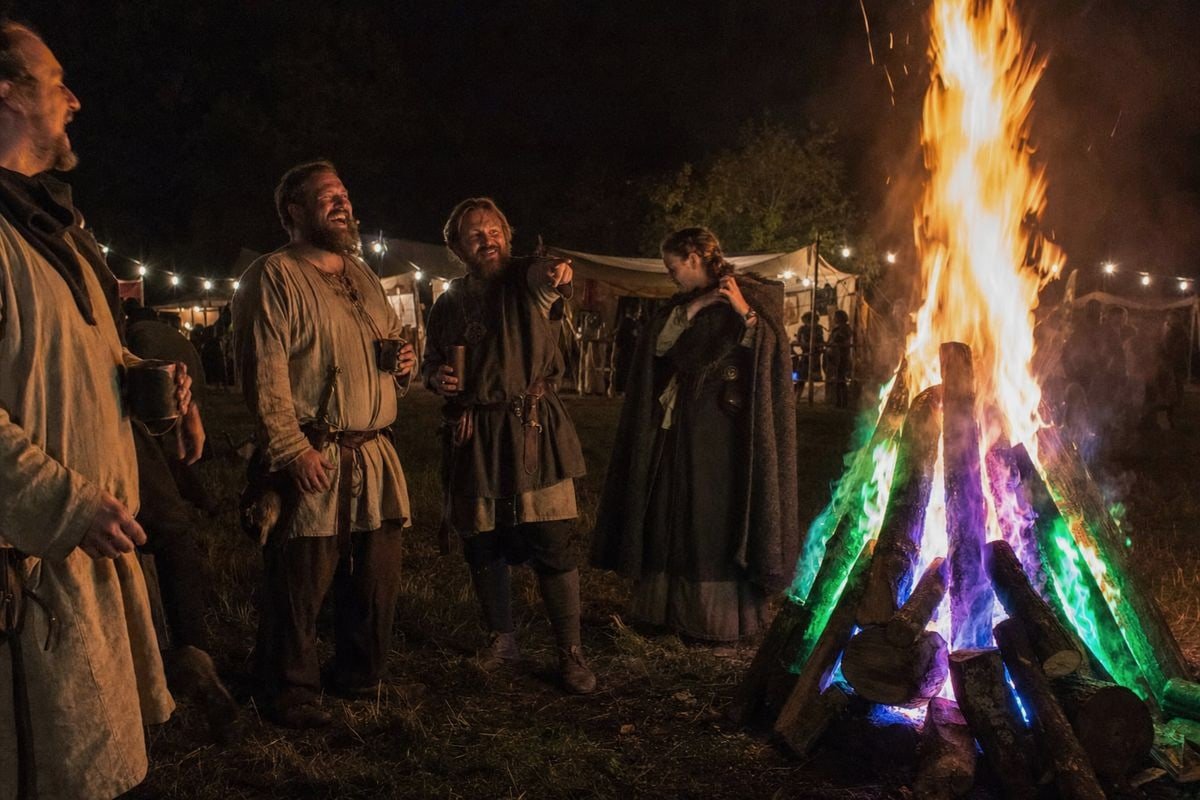
El polvo mágico para fuego no te ayuda a encender un fuego. De hecho, nuestras instrucciones de uso indican a los usuarios que coloquen el sobre sin abrir sobre un fuego ya establecido y rugiente. El calor libera gradualmente los compuestos que producen color. Un paquete individual típicamente produce llamas de arcoíris vívidas 4 durante 20 a 30 minutos, dependiendo del tamaño del fuego y el flujo de aire. El valor es entretenimiento, no producción de calor.
El polvo regular para encender fuego, y formatos relacionados como rollos de madera recubiertos de cera, se juzga según métricas completamente diferentes. Los compradores evalúan la velocidad de ignición, la duración de la combustión, la resistencia a la intemperie y la compatibilidad del combustible. Un buen ayudante de ignición debe encender una pila típica de yesca en segundos en condiciones tranquilas y secas. Si no puede, falla en su único trabajo.
Diferencias lado a lado
| Factor | Polvo mágico para encender fuego | Polvo regular para encender fuego |
|---|---|---|
| Propósito principal | Efectos de llama de color | Ignición confiable |
| Cuándo usar | Después de que el fuego esté establecido | Antes o en la ignición |
| Duración típica del efecto | 20–30 minutos de color | 5–15 minutos de llama sostenida |
| Métrica clave de rendimiento | Vividez y duración del color | Velocidad de ignición y tiempo de combustión |
| Composición central | Sales minerales productoras de color | Aglutinantes inflamables como cera de parafina o resina de madera |
| Resistencia a la intemperie | No es la prioridad del diseño | Central para la calidad del producto |
| Expectativa del comprador | Novedad y atmósfera | Utilidad y confiabilidad |
La conclusión para un gerente de compras es esta: nunca posicione estos productos como sustitutos en el estante. Se complementan entre sí, y muchos de nuestros clientes distribuidores los agrupan precisamente por esa razón.
¿Qué aplicaciones de clientes se benefician más del polvo de llama coloreada?
Uno de nuestros clientes del Reino Unido de mayor trayectoria comenzó con un solo contenedor de prueba de paquetes de llama de arcoíris para un catálogo de regalos de festivales. Tres temporadas después, los productos de llama de color impulsan una parte significativa de sus ingresos del cuarto trimestre. La lección: el ajuste de la aplicación determina el éxito.
El polvo de llama de colores funciona mejor en entornos de entretenimiento: fogatas de patio trasero, fogatas familiares, chimeneas navideñas, festivales, eventos LARP y mercados de regalos. Se adapta a clientes que ya tienen fuego y desean una mejora visual memorable, no a clientes que necesitan encender fuego para sobrevivir.

Cuando desarrollamos empaques OEM para clientes, la primera pregunta que hacemos siempre es la misma: ¿quién enciende el fuego y por qué? La respuesta determina si el polvo mágico para fuego pertenece a su surtido. A continuación, se presentan las aplicaciones en las que hemos visto la mayor rotación en nuestros más de 30 mercados de exportación.
Aplicaciones de alto ajuste
El entretenimiento en el patio trasero lidera la lista. Las familias se reúnen alrededor de una fogata, arrojan un sobre a las llamas y observan cómo cambian los colores. Es un momento compartido, y ese valor emocional impulsa las compras repetidas. Los regalos de temporada vienen a continuación. Nuestros comerciantes de regalos de festivales en Alemania y los Países Bajos mueven grandes volúmenes de productos decorativos para chimeneas entre octubre y enero, porque las llamas de colores combinan naturalmente con las atmósferas festivas.
Los mercados de eventos y utilería son un nicho que vale la pena mencionar. Los organizadores de LARP y eventos medievales compran piñas de llama de color y paquetes para crear efectos de fuego pirotécnico 5 sin pirotecnia real — una opción más segura y sencilla para escenas al aire libre. Los campings y resorts de glamping también los tienen como compras impulsivas en los mostradores de facturación.
Tabla de ajuste de aplicación
| Aplicación | Ajuste para polvo de llama de colores | Por qué |
|---|---|---|
| Hogueras de patio trasero | Excelente | Ocasión social, visual y de recompra |
| Chimeneas navideñas | Excelente | Combina con productos decorativos de chimenea de temporada |
| Festivales y eventos LARP | Fuerte | Alternativa segura a la pirotecnia real |
| Comercio minorista de regalos y novedades | Fuerte | Bajo precio, alto atractivo impulsivo |
| Camping (recreativo) | Moderado | Funciona, pero solo después de que el fuego esté establecido |
| Fuegos de cocina | Pobre | No está diseñado para usarse cerca de la preparación de alimentos |
| Kits de supervivencia y emergencia | Pobre | No proporciona una capacidad de ignición confiable |
Una advertencia importante: los productos de llama de colores no deben comercializarse para fuegos de cocina. Aunque nuestras formulaciones están hechas de materiales ecológicos sin químicos dañinos, la norma de la categoría — y nuestra guía de etiquetado — es mantener los colorantes y los fuegos de alimentos separados. Algunos lectores argumentarán que un solo producto de fuego debería hacerlo todo. Nuestra experiencia de exportación dice lo contrario: los productos que se venden consistentemente son los que se posicionan honestamente para un caso de uso claro.
¿Hay factores de cumplimiento o seguridad que deba comparar antes de cambiar?
El cumplimiento es donde los acuerdos viven o mueren. Al principio de nuestra historia de exportación, vimos cómo el envío de un competidor era retenido en un puerto europeo por falta de documentación de prueba. Esa semana marcó cómo gestionamos nuestro proceso de certificación hasta el día de hoy.
Sí. Los productos de llama coloreada y los iniciadores de fuego se enfrentan a diferentes requisitos de etiquetado, prueba y manipulación. Verifique los informes de prueba de SGS o Intertek, el marcado CE, las advertencias de seguridad infantil y el etiquetado de peligros adecuado antes de cambiar. Confirme también la formulación en sí: la calidad varía ampliamente entre proveedores.

No todos los polvos de fuego mágicos del mercado se fabrican de la misma manera. Algunas versiones de bajo costo dependen de compuestos como sulfato de cobre 6 o cloruro cúprico en concentraciones que plantean preocupaciones reales: exposición a humos, sales de cloruro que aceleran corrosión por picaduras 7 en hogueras de acero inoxidable, y cenizas cargadas de cobre que nunca deben esparcirse como fertilizante de jardín ni desecharse cerca del agua. Estos son problemas legítimos, y cualquier importador serio debería hacer preguntas difíciles sobre la formulación. En nuestra sede de Liuyang, insistimos en formulaciones ecológicas precisamente porque nuestros compradores de EE. UU. y la UE tratan las precauciones de seguridad química como un requisito indispensable, no como algo deseable.
La lista de verificación de cumplimiento que seguimos con los compradores
- Informes de prueba. Solicite informes actuales de SGS o Intertek para la formulación exacta que está comprando, no un informe genérico de la categoría. Proporcionamos estos como estándar.
- Certificaciones. ISO 9001 confirma la consistencia del proceso. BSCI cubre el cumplimiento social. La marca CE es importante para los estantes minoristas europeos. Los cuatro forman parte de nuestro paquete de documentos estándar.
- Etiquetas de advertencia. Los sobres de llama de colores pueden parecer paquetes de caramelos para los niños, lo que hace que las advertencias de ingestión y el texto de seguridad infantil sean innegociables. Imprimimos bandas de advertencia, códigos de barras y precauciones multilingües compatibles como parte de nuestro servicio OEM.
- Instrucciones de uso. Instrucciones claras — coloque el sobre sin abrir sobre un fuego establecido, no lo abra ni lo vierta, no lo use sobre fuegos de cocina — evitan el mal uso y protegen su marca.
- Guía de cenizas y eliminación. El etiquetado responsable aborda el manejo de residuos, especialmente para la seguridad de las hogueras al aire libre y el mantenimiento de las hogueras sin humo, donde la acumulación de residuos puede afectar los conductos de ventilación con el tiempo.
Los polvos iniciadores de fuego tienen sus propias consideraciones: algunos tipos de químicos producen humos o enfrentan restricciones en ciertos parques, mientras que los iniciadores de fuego de madera a base de cera son generalmente más simples desde el punto de vista regulatorio. Cualquiera que sea la categoría que agregue, la consistencia lote a lote es lo más importante. Una muestra que pasa las pruebas significa poco si la producción se desvía, razón por la cual ejecutamos un estricto control de calidad para que la primera muestra refleje de manera confiable la calidad de la producción en masa.
¿Cómo decido qué producto se adapta mejor a mi mercado y a mis clientes?
Un distribuidor canadiense me pidió una vez que recomendara un producto para toda su línea exterior. Le dije la respuesta honesta: sus clientes de camping necesitaban ayudas para la ignición, y sus clientes del canal de regalos querían paquetes de llama de arcoíris. Terminó pidiendo ambos, en diferentes empaques, y ambas líneas funcionaron.
Empareja el producto con tu canal. Abastece polvo regular para iniciar fuego para canales de camping, supervivencia, ferretería y accesorios para estufas de leña donde la fiabilidad vende. Abastece polvo mágico para iniciar fuego para canales de regalos, estacionales, festivos y de estilo de vida de fogatas donde la novedad visual vende. Muchos compradores llevan ambos de forma rentable.
La decisión rara vez es una u otra. Es una cuestión de cartera. Aquí está el marco que utilizamos al asesorar a importadores y equipos de abastecimiento minorista sobre la planificación de surtidos.
Comience con el fuego de su cliente
Pregunte qué está haciendo realmente su cliente final. Si el fuego existe para cocinar, calentar o encender fuego de supervivencia, el rendimiento de la ignición gana siempre. La madera húmeda, el viento y las manos frías no se preocupan por el color de la llama. Si el fuego existe para la atmósfera — una hoguera de viernes por la noche, una chimenea navideña, una reunión de festival — entonces el color, el espectáculo y la capacidad de regalo impulsan la compra.
Empareje el producto con el canal
| Su canal | Mejor producto principal | Mejor complemento |
|---|---|---|
| Marcas de camping y exteriores. | Iniciadores de fuego de leña, ayudas para la ignición | Sobres de llama de colores como venta adicional |
| Distribuidores de barbacoas y chimeneas | Polvo iniciador de fuego o rollos de cera | Piñas de llama de color para exhibiciones de chimenea |
| Comerciantes de regalos y festivales | Paquetes de polvo mágico para fuego | Antorchas de cera para eventos |
| Venta minorista de accesorios para ferretería y estufas de leña | Productos de ignición fiables | Tapones finales de colorante de temporada |
| Compradores de accesorios para LARP y eventos | Productos de llama de color | Antorchas de cera con núcleo de bambú |
Entonces considere el paquete
La estrategia de SKU de mayor rendimiento que hemos visto combina ambas: use el iniciador de fuego primero para establecer el fuego, luego agregue el polvo mágico para fuego una vez que las llamas sean fuertes. Esta secuencia respeta la intención de diseño de cada producto y duplica el valor de su cesta. Varios de nuestros clientes de marca privada empaquetan los dos juntos en cajas de exhibición por esta misma razón: un formato que nuestro equipo de OEM puede personalizar con su marca, especificaciones de tiempo de combustión, y formato de empaque, desde bolsas de papel kraft hasta frascos y exhibidores minoristas abatibles.
Una nota práctica más. Si está probando un nuevo mercado, comience con un pedido de prueba flexible en lugar de comprometerse con una categoría. La venta real en el mundo real le dirá más rápido que cualquier pronóstico si sus clientes compran fuego por función, por espectáculo o por ambos.
Conclusión
Adivinar mal en esta elección cuesta espacio en el estante y devoluciones. La regla es simple: polvo mágico para fuego para el efecto, polvo iniciador de fuego para la función, y a menudo, ambos juntos. Cuando esté listo para obtener versiones compatibles y listas para marca privada de cualquiera de los dos, nuestra fábrica está lista para ayudar.
Notas al pie
Entrada oficial de la base de datos gubernamental para cloruro de cobre, que detalla sus propiedades químicas. ↩︎
Definición e historia de las líneas de producción industrial utilizadas en procesos de fabricación a gran escala. ↩︎
Definición y descripción general autorizada de Wikipedia sobre fogatas. ↩︎
Entrada autorizada de Wikipedia que explica cómo las sales metálicas producen diferentes colores de llama. ↩︎
Descripción general de los principios pirotécnicos, relevantes para crear efectos de llama visuales en entornos de entretenimiento. ↩︎
Entrada autorizada de la base de datos química para sulfato de cobre, una sal metálica común utilizada en colorantes de llama. ↩︎
Explicación detallada de la corrosión por picaduras, un riesgo asociado con las sales de cloruro en fogatas metálicas. ↩︎

 English
  Spanish
  German
  French
  Arabic
  Portuguese
Únete a la conversación