






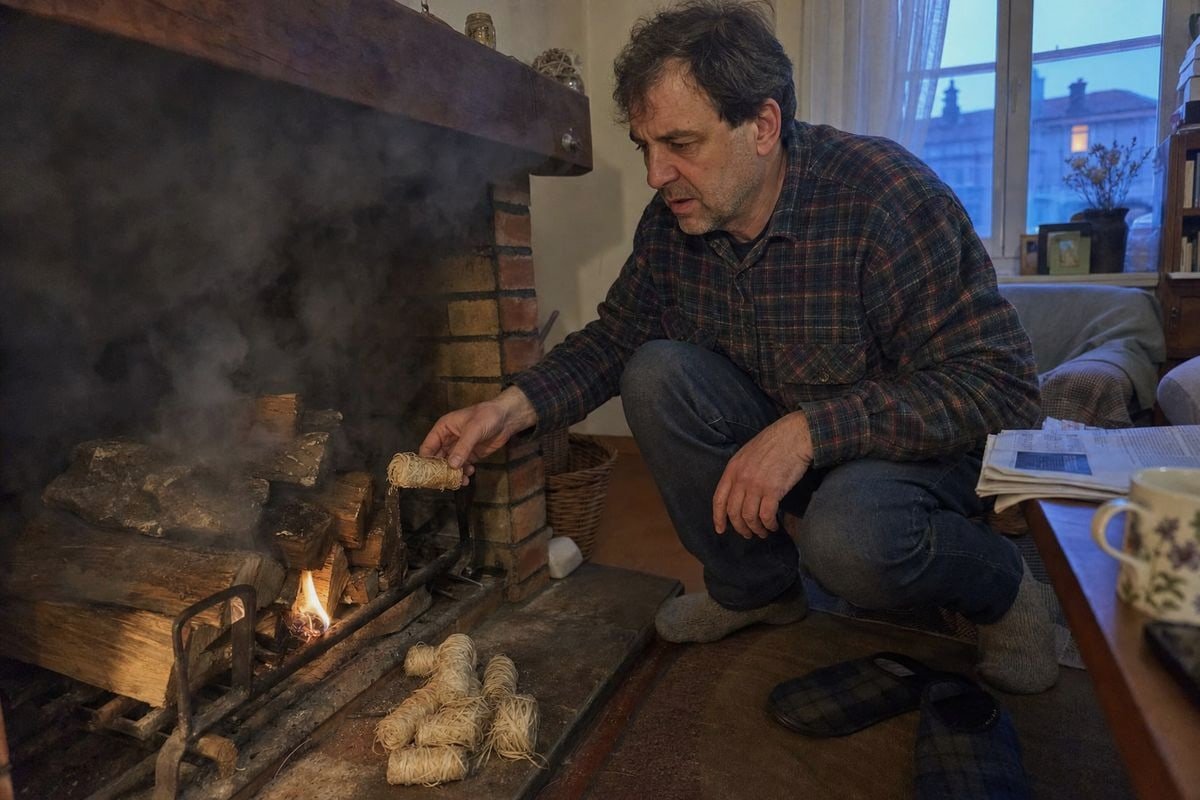
Humo denso y olores fuertes de iniciadores de fuego de leña frustran a los usuarios finales y generan quejas minoristas pruebas de emisiones de terceros 1. En nuestra línea de producción, rastreamos la mayoría de estos casos hasta dos causas fundamentales solucionables.
Los iniciadores de fuego de leña producen mucho humo y olores fuertes cuando la combustión es incompleta — causada por combustible húmedo, poca ventilación, una chimenea fría o materiales de cera y madera de baja calidad. Soluciónelo usando leña curada, abriendo completamente las ventilaciones de aire, cebando la chimenea y obteniendo iniciadores certificados de bajo humo.
El problema generalmente tiene dos capas. Una capa es cómo se enciende el fuego. La otra capa es de qué está hecho el iniciador. Este artículo cubre ambos, además de cómo los compradores pueden verificar la calidad antes de realizar el pedido.
¿Qué hace que mis iniciadores de fuego de madera humeen más de lo esperado durante la combustión?
Un distribuidor en Alemania nos envió una vez un video de una fogata humeante, culpando a los iniciadores. Nuestro equipo lo vio y detectó troncos empapados por la lluvia apilados sin espacios de aire.
Humo excesivo durante la combustión generalmente proviene de una combustión incompleta: madera húmeda o sin curar, restricción del flujo de aire, una chimenea fría con tiro débil, demasiada carga de combustible demasiado pronto, o un iniciador con parafina de baja calidad o fibra de madera contaminada que arde en frío en lugar de en caliente.
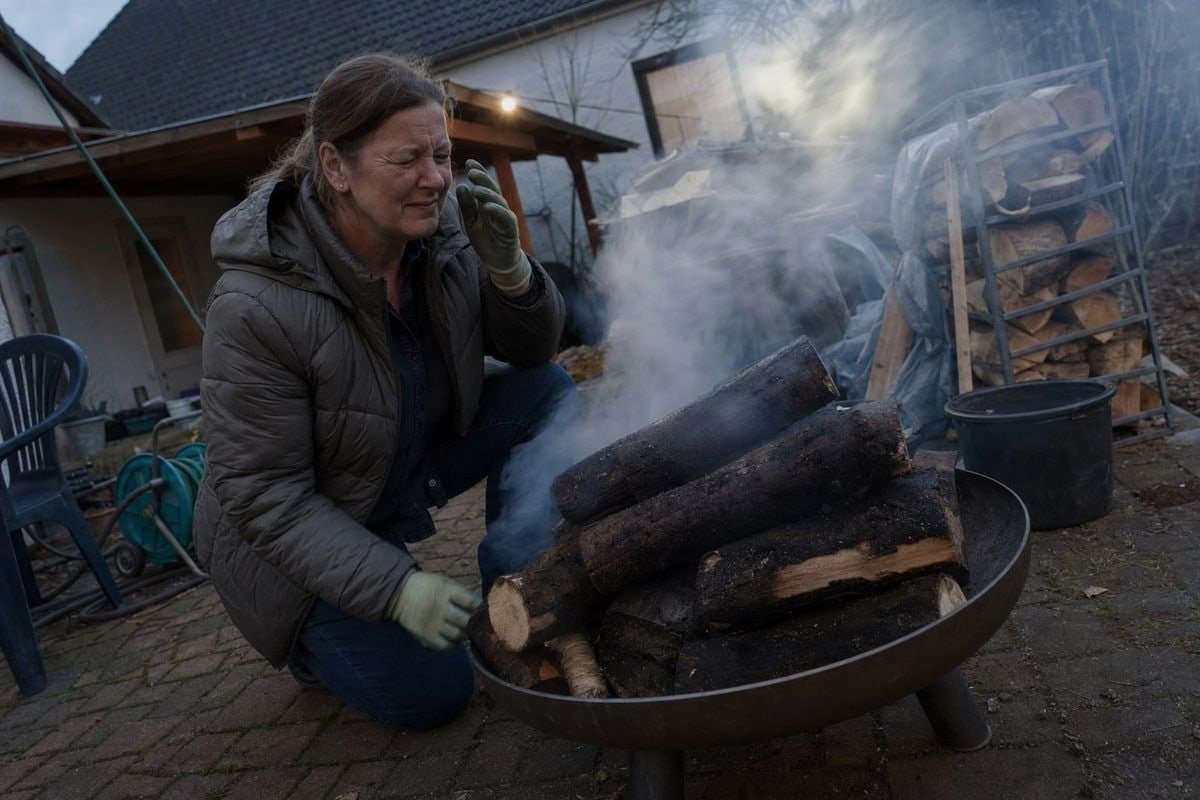
El humo es una señal de diagnóstico, no solo una molestia. Cuando un fuego arde limpiamente, los gases volátiles liberados de la madera son consumidos por la llama. Cuando el fuego está demasiado frío o le falta oxígeno, esos gases escapan sin quemarse. Eso es lo que ves como humo denso, y transporta compuestos orgánicos volátiles 2 que producen el olor agudo y acre del que la gente se queja.
Las cuatro causas fundamentales a verificar primero
En nuestro laboratorio de pruebas, ejecutamos cada lote de iniciadores contra yesca seca en una corriente de aire controlada. Cuando los clientes informan de humo en el campo, la causa casi siempre es una de estas:
| Causa raíz | Qué sucede | Solución rápida |
|---|---|---|
| Madera húmeda o verde | El agua se evapora primero, enfriando la llama y produciendo humo cargado de vapor. | Use leña sazonada por debajo del 20% de humedad |
| Restricción del flujo de aire | Iniciador enterrado o troncos apretados privan a la llama de oxígeno | Deje espacios entre las piezas; abra completamente las ventilaciones |
| Tubo de humos frío / corriente de aire débil | El humo se detiene y retrocede en lugar de ascender | Prepare el tubo de humos antes de encenderlo |
| Demasiado combustible demasiado pronto | Los troncos grandes sofocan la llama joven | Construya gradualmente a partir de yesca pequeña |
Humo de arranque versus humo problemático
Un poco de humo ligero en los primeros dos o tres minutos es normal. El iniciador está calentando madera fría y un tubo de humos frío. Pero si el humo oscuro continúa después de cinco minutos, el fuego te está diciendo algo. El humo oscuro persistente significa combustible desperdiciado, más contaminantes y más rápido acumulación de creosota 3 en la chimenea. En ese punto, verifique la humedad, el apilamiento y el ajuste del registro de la chimenea antes de culpar al iniciador en sí.
Un matiz que siempre compartimos con los compradores: incluso un iniciador premium no puede superar los troncos empapados y las ventilaciones cerradas. El trabajo del iniciador es crear una llama caliente y rica en oxígeno rápidamente. Todo a su alrededor debe permitir que esa llama crezca. Considere también el método de encendido de arriba hacia abajo —colocar el iniciador encima de la pila— porque la llama descendente precalienta el tubo de humos y quema el humo ascendente.
¿Cómo puedo verificar que los materiales de cera y madera de un proveedor cumplen con los estándares de bajo humo y bajo olor antes de realizar un pedido?
Cuando estábamos desarrollando nuestros rollos de madera encerada, rechazamos tres proveedores de cera antes de decidirnos por parafina de grado alimenticio. Esa decisión dio forma a cómo aconsejamos a los compradores que auditen los materiales.
Verificar los materiales solicitando documentación de grado de cera, registros de abastecimiento de fibra de madera y lecturas de contenido de humedad. Solicitar videos de pruebas de combustión, informes de laboratorio de terceros sobre emisiones y una hoja de datos de seguridad de materiales. Los iniciadores de bajo olor utilizan encendedores de parafina totalmente refinada o cera vegetal limpia, nunca cera industrial cruda.
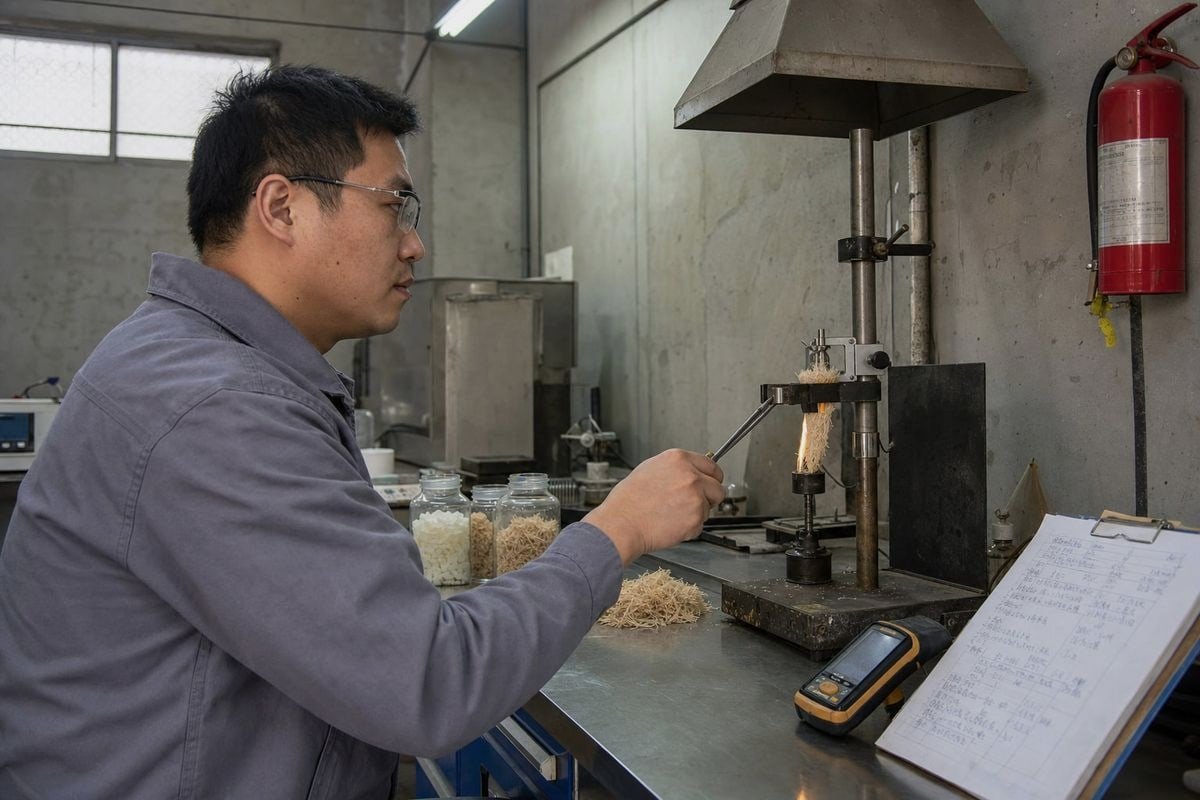
La calidad del material es donde nacen o se previenen los problemas de humo y olor. Dos iniciadores pueden verse idénticos en un estante —lana de madera pálida, recubrimiento ceroso, mismo tamaño— y sin embargo arder de manera completamente diferente. La diferencia reside en especificaciones que no puedes ver, así que tienes que pedirlas.
Qué verificar en la cera
Cruda o semirrefinada parafina industrial 4 contiene aceites residuales e impurezas. Estos arden con humo negro y olor químico. La parafina totalmente refinada, por el contrario, arde con un mínimo de humo visible y un ligero olor neutro. Algunos compradores prefieren cera de soja o vegetal por su posicionamiento ecológico, pero tenga en cuenta una desventaja que nuestros ingenieros señalan a menudo: los aglutinantes de aceite vegetal pueden oxidarse o enranciarse en almacenamiento húmedo, produciendo un olor acre y no a madera al encenderse. Pregunte a su proveedor cómo estabilizan y empaquetan estas mezclas.
Qué verificar en la madera
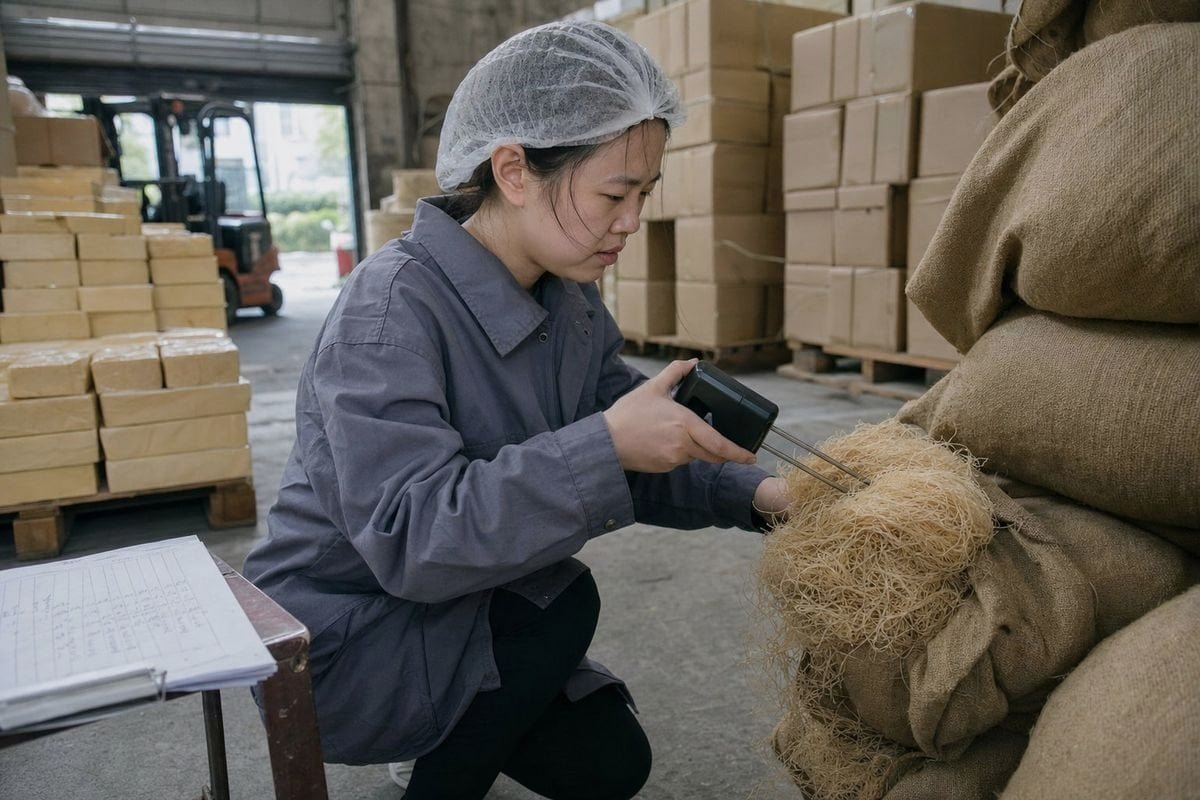
La lana de madera importa tanto como la cera. Solo cortamos virutas de madera blanda limpia y sin tratar, y monitoreamos la humedad en la sala de secado con un sensor de contenido de humedad 5 antes de cualquier inmersión en cera. La fibra de madera con más del 12% de humedad atrapa vapor dentro del recubrimiento de cera, lo que causa chisporroteo, silbidos y humo blanco denso.
| Elemento de verificación | Qué solicitar | Señal de alerta |
|---|---|---|
| Grado de cera | Especificación de refinación o MSDS | "Cera industrial" sin documentación |
| Origen de la madera | Declaración de especie y tratamiento | Restos de madera reciclada o pintada |
| Nivel de humedad | Lecturas de humedad previas a la inmersión | Ningún proceso de control de humedad en absoluto |
| Comportamiento de combustión | Prueba de combustión grabada con temporizador | Negativa a filmar una combustión en vivo |
| Emisiones | Informe de prueba SGS o Intertek | "Confía en nosotros" sin datos de laboratorio |
Compare también las alternativas. Las varillas de fatwood natural arden intensamente pero desprenden un fuerte olor a resina que a algunos clientes minoristas les desagrada. La leña seca al horno combinada con un iniciador de cera y lana limpio es generalmente la combinación de menor olor para chimeneas interiores.
¿Qué certificaciones debo solicitar para confirmar que mis iniciadores de fuego son seguros y cumplen con las normativas para la venta minorista?
El papeleo de cumplimiento es lo primero que nos piden los compradores serios, generalmente antes que el precio. Después de más de 17 años exportando a más de 30 países, tratamos la certificación como un requisito indispensable, no como un extra de marketing.
Solicitar ISO 9001 para gestión de calidad, BSCI para producción ética, marcado CE para venta europea e informes de pruebas de terceros de SGS o Intertek que cubran seguridad de combustión y emisiones. Confirme también etiquetas de advertencia conformes, códigos de barras y documentación de embalaje lista para la venta al por menor para su mercado específico.
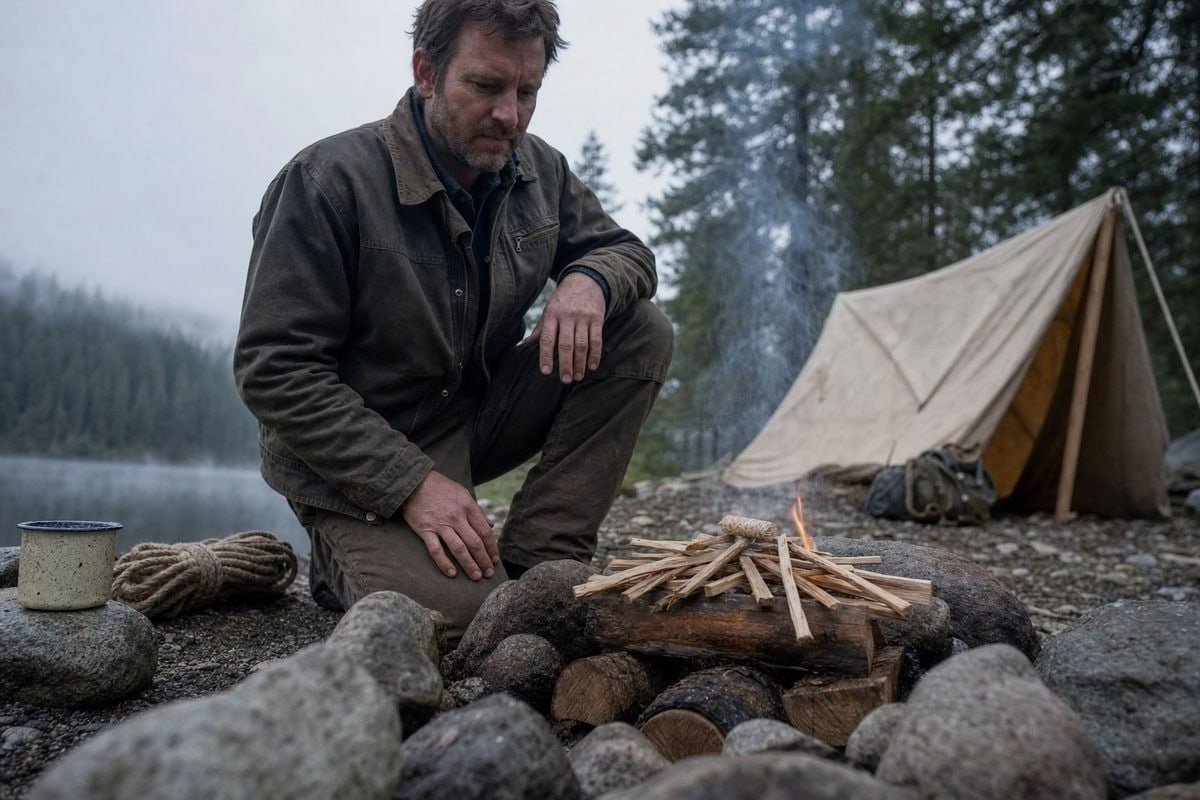
La certificación hace más que satisfacer a la aduana. Te protege del exacto problema que aborda este artículo. Un proveedor que pasa pruebas de emisiones de terceros 6 ya ha demostrado que sus iniciadores no liberan humo excesivo ni sustancias nocivas compuestos orgánicos volátiles 7 en condiciones de combustión estándar. Esa es su póliza de seguro contra devoluciones minoristas y reseñas negativas.
Los documentos centrales y lo que cada uno demuestra
Aquí está la lista de verificación que entregamos a los nuevos compradores, porque un número sorprendente de importadores solo descubre una brecha después de que un envío es retenido en el puerto:
| Certificación / Documento | Lo Que Demuestra | Por qué es importante para el humo y el olor |
|---|---|---|
| ISO 9001 | Sistema de gestión de calidad consistente | La consistencia lote a lote evita "una buena muestra, un mal pedido a granel" |
| BSCI | Producción social y ética auditada | Requerido por muchos canales minoristas importantes |
| Marcado CE | Cumple con los requisitos de seguridad de productos de la UE | Obligatorio para la venta legal en la mayoría de los mercados europeos |
| Informes SGS / Intertek | Pruebas de laboratorio independientes | Verifica las emisiones, la composición y la seguridad de la combustión con datos |
| Hoja de datos de seguridad del material | Divulgación completa del material | Confirma que no hay químicos dañinos en la cera o las fibras |
Más allá del certificado en sí
Un certificado solo es útil si coincide con el producto real. Animamos a los compradores a verificar tres cosas. Primero, verifique que el informe sea reciente y haga referencia al SKU exacto, no a una auditoría general de la empresa. Segundo, confirme que la composición en el empaque, por ejemplo, nuestras cajas minoristas indican la proporción de fibra de madera y parafina impresa, coincide con la fórmula probada. Tercero, pregunte si la fábrica puede admitir etiquetas de advertencia e idiomas específicos del mercado. Según nuestra experiencia enviando a EE. UU., Alemania, el Reino Unido y Australia, los requisitos de etiquetado difieren lo suficiente como para que una caja de talla única eventualmente cause un problema en algún lugar. Una fábrica real con sus propias líneas de producción puede ajustar estos detalles; una empresa comercial a menudo no puede.
¿Puedo solicitar un lote de muestra para probar los niveles de humo y olor antes de realizar un pedido al por mayor?
Un distribuidor de chimeneas del Reino Unido nos dijo una vez que nunca pide nada que no haya prendido fuego personalmente. Lo tomamos como un cumplido, y es exactamente el enfoque correcto.
Sí — los fabricantes de renombre ofrecen lotes de muestra para pruebas antes de pedidos al por mayor. Solicite 10–50 unidades, pruébelas en su caso de uso real y evalúe la velocidad de ignición, la altura de la llama, la densidad del humo, el olor y el tiempo de combustión. Una fábrica confiable garantiza que la muestra refleje la calidad de la producción en masa.
El muestreo es la forma más confiable de evitar un contenedor de producto humeante y maloliente. Pero una prueba de muestra solo lo protege si la realiza correctamente y si la fábrica tiene un control de calidad genuino lote a lote. Ambas partes importan por igual.
Cómo realizar una prueba de combustión significativa
Pruebe en las condiciones que usarán sus clientes finales: una chimenea interior, una hoguera exterior o una parrilla de carbón. Los problemas de tiro de la chimenea, la altitud y la humedad ambiental cambian los resultados, por lo que un iniciador que funciona en un laboratorio puede comportarse de manera diferente en un hogar frío. Siga un protocolo simple:
- Almacene la mitad de las muestras en condiciones normales y la otra mitad en un espacio húmedo durante una semana. Esto expone cualquier sensibilidad a la humedad en el recubrimiento de cera.
- Encienda un iniciador solo sobre una superficie ignífuga. Mida el tiempo de ignición, anote la altura de la llama y observe el color del humo durante toda la combustión.
- Encienda uno debajo de leña real y leña sazonada. Verifique si establece un fuego autosostenido antes de extinguirse.
- Haga un prueba de olor a ciegas. Haga que dos o tres personas describan el olor sin saber la marca. Palabras como "químico", "plástico" o "rancio" son descalificadores.
- Repita con unidades de diferentes partes del lote de muestra para verificar la consistencia.
La cuestión de la consistencia
Aquí está el riesgo que la mayoría de los compradores subestiman: la muestra es perfecta, pero el envío a granel no lo es. Esto sucede cuando una fábrica selecciona muestras doradas o carece de control de procesos. Nuestra respuesta a esto es estructural: las mismas líneas de producción, grado de cera y controles de humedad se ejecutan para muestras y producción en masa por igual, por lo que decimos a los compradores que la primera muestra es una vista previa genuina, no una pieza de exhibición. Pregunte directamente a cualquier proveedor cómo garantizan esto. Su respuesta le dice mucho.
Conclusión
El humo excesivo y los olores fuertes son solucionables. Primero, solucione las condiciones de combustión, luego verifique los materiales, las certificaciones.


 English
  Spanish
  German
  French
  Arabic
  Portuguese
Únete a la conversación