







El poder de negociación y la resolución de disputas cambian drásticamente entre los contratos de plataforma y los de fabricante directo Conformidad CE 1. Veo esto semanalmente cuando los compradores comparan nuestras cotizaciones de fábrica con las listas de la plataforma para nuestras piñas de pino de llama de color.
Los contratos de plataforma intercambian poder de negociación por procesos de resolución de disputas estandarizados y más rápidos controlados por el intermediario, mientras que los contratos directos con el fabricante otorgan a los compradores un mayor poder de negociación sobre el precio, la MOQ y los términos, pero requieren que negocien sus propias soluciones, cláusulas de arbitraje y protecciones de calidad por adelantado.
El precio visible es solo una parte de la historia. La estructura del contrato decide quién controla la negociación y qué sucede cuando un envío sale mal informes de pruebas de terceros 2. Permítanme desglosar ambos lados.
¿Cómo cambia mi poder de negociación cuando negocio directamente con un fabricante en lugar de a través de una plataforma?
Un distribuidor alemán de chimeneas me dijo una vez que su cotización de plataforma para paquetes de llama de color era un 22% superior a nuestro precio directo de fábrica. Estaba negociando con un intermediario, no con nuestra línea de producción.
Negociar directamente con un fabricante suele aumentar su poder de negociación porque accede a los responsables de la toma de decisiones de la fábrica, ve los verdaderos impulsores de los costos y puede intercambiar volumen por mejores condiciones. Las plataformas limitan el apalancamiento a través de comisiones integradas, precios estandarizados y control sobre la capa de la relación comprador-proveedor.
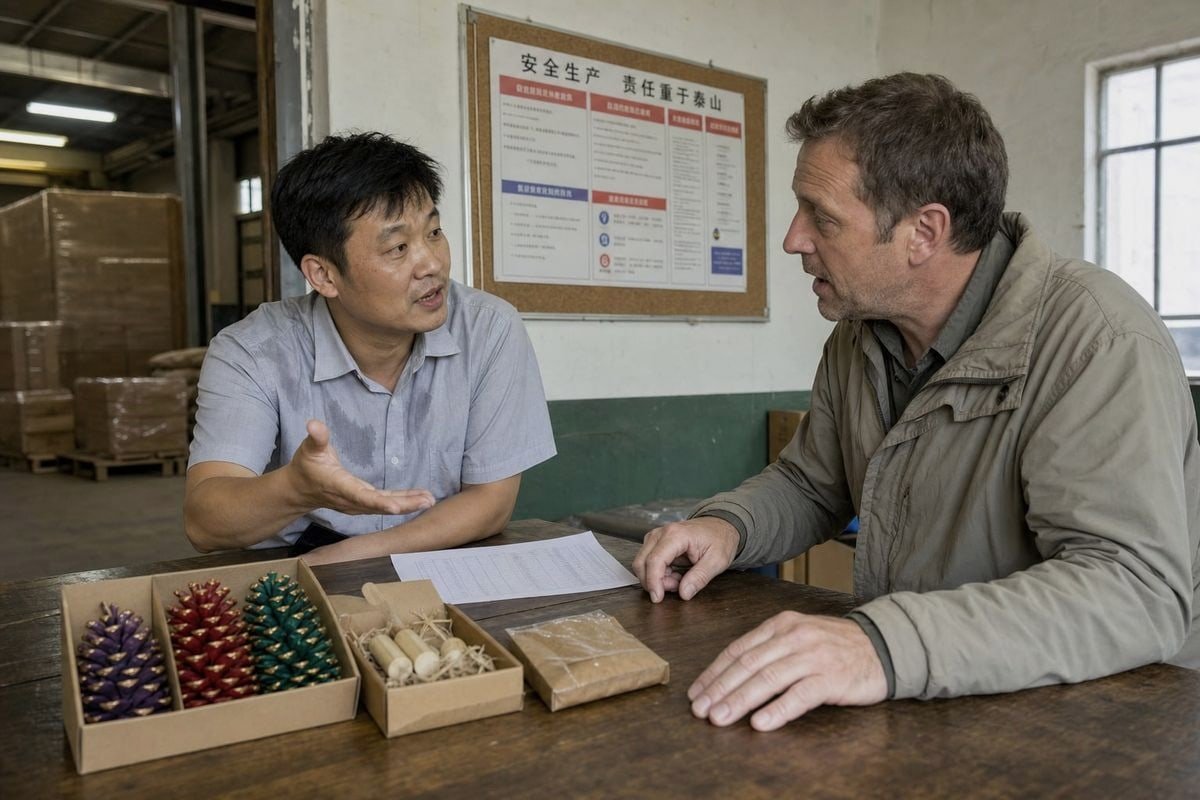
El poder de negociación en el abastecimiento B2B se reduce a algunas cosas: tus alternativas, la dependencia del otro lado de tu pedido, la transparencia de la información y cuán creíblemente puedes retirarte. Una plataforma cambia cada una de esas variables, generalmente no a tu favor.
Por qué las plataformas comprimen tu influencia
Cuando compras a través de una plataforma, el intermediario a menudo establece tarifas de servicio o márgenes no negociables. Rara vez ves el precio base real del fabricante, por lo que negocias a ciegas. La plataforma también posee la capa de relación, lo que significa que estás negociando con una lista, no con la persona que controla el cronograma de producción. La investigación sobre mercados en línea 3 respalda esto: un estudio midió el poder de negociación promedio de los comerciantes en aproximadamente 0.368 en una plataforma frente a 0.689 en otra, lo que demuestra que la estructura de la plataforma por sí sola cambia materialmente quién se queda con el excedente.
Por qué el contacto directo lo restaura
Habla directamente con nosotros y negocia el paquete comercial completo: precio unitario, términos de pago, embalaje, ventanas de entrega, con las personas que realmente operan las líneas. No hay un margen de intermediario que absorba tus ahorros. En nuestra experiencia exportando a más de 30 países, los compradores que aportan volumen recurrente o un pronóstico anual claro desbloquean flexibilidad de precios y pagos que una plataforma simplemente no puede trasladar.
| Factor de influencia | Contrato de plataforma | Contrato de fabricante directo |
|---|---|---|
| Visibilidad del precio | Bajo: costo base oculto detrás del margen | Alto: los impulsores de costos se pueden discutir abiertamente |
| Con quién negocias | Intermediario o interfaz de listado | Tomadores de decisiones de fábrica |
| Recompensas por volumen | Limitado por niveles de precios estándar | Descuentos de precios totalmente negociables |
| Credibilidad de retirada | Débil: la plataforma controla el acceso a los proveedores | Fuerte: es posible una licitación competitiva |
| Propiedad de la relación | La plataforma posee la interfaz | El comprador construye una relación directa con el proveedor |
Una advertencia honesta: ir directamente no te otorga automáticamente el poder. Si el fabricante es grande, especializado o tiene capacidad limitada, puede tener la mano más fuerte incluso en un trato directo. Tu influencia crece con el volumen, la claridad de las especificaciones y las alternativas creíbles, no solo con el canal.
¿Qué sucede si surge una disputa? ¿Puedo resolverla más rápido con un contrato directo del fabricante que con una transacción en una plataforma?
Hace años, un envío de nuestros iniciadores de fuego encerados llegó a los Países Bajos con cajas de exhibición dañadas. Debido a que el comprador trabajó directamente con nosotros, acordamos un embalaje de reemplazo en 48 horas, sin formularios de reclamación, sin esperar el veredicto de un tercero.
Las disputas de plataforma suelen ser más rápidas de abrir pero más lentas de resolver por completo, porque la mediación de depósito en garantía sigue plazos fijos, reglas de evidencia y límites de reclamación. Las disputas directas con el fabricante se pueden resolver más rápido y de manera más completa, si su contrato define los recursos, las vías de escalada y los términos de arbitraje con anticipación.

La resolución de disputas es donde la diferencia práctica entre los dos modelos es mayor. A la mayoría de los compradores les importa menos la influencia teórica y más lo que sucede cuando un contenedor de productos llega mal.
La ruta de disputas de la plataforma
Plataformas como la de Alibaba Garantía comercial 4 centralizan las disputas. Obtienes un proceso de queja definido, protección de depósito en garantía, requisitos de presentación de pruebas y mediación de la plataforma. Esa previsibilidad es realmente valiosa, especialmente para compradores primerizos. Pero hay límites. Los límites de reclamación restringen la compensación. Los plazos fijos agotan los defectos descubiertos tardíamente. Y la plataforma decide tu reclamación: su incentivo es la estabilidad del mercado, no maximizar tu recuperación. Tienes certeza del proceso, pero renuncias al control sobre el remedio.
La ruta del contrato directo
Un contrato directo no tiene un mecanismo de resolución de disputas incorporado. Debes escribir uno. Eso suena como una carga, pero en realidad es una oportunidad para diseñar remedios que se ajusten a tu negocio. Cuando nuestros compradores a largo plazo redactan acuerdos de suministro con nosotros, normalmente definimos:
- Ventanas de inspección y aceptación vinculadas a informes de terceros (SGS o Intertek).
- Pasos de remediación de defectos — reelaboración, reemplazo o crédito contra el próximo pedido.
- Escalada a gerentes de cuenta designados, luego a la alta gerencia, antes de cualquier paso formal.
- Ley aplicable, lugar y disposiciones de arbitraje como el respaldo final.
El resultado es que la mayoría de las disputas ni siquiera se convierten en "disputas". Se convierten en soluciones operativas manejadas entre dos partes que ambas quieren que ocurra el próximo pedido. El riesgo también va en sentido contrario: si tu contrato directo es débil o no especifica remedios, la resolución puede volverse más lenta y costosa que cualquier proceso de plataforma. La velocidad sigue la arquitectura del contrato, no la etiqueta del canal.
¿Quién es legalmente responsable de los problemas de cumplimiento o calidad, la plataforma o el fabricante al que le estoy comprando?
Las preguntas sobre el cumplimiento son generalmente lo primero que preguntan los compradores serios, antes que el precio. Una marca de camping estadounidense una vez inició una llamada solicitando nuestra documentación CE e informes de prueba SGS antes de discutir un solo término comercial.
El fabricante es casi siempre legalmente responsable del cumplimiento y la calidad del producto, no la plataforma. Las plataformas actúan como intermediarias y renuncian a la responsabilidad del producto en sus términos de servicio. Los compradores deben verificar las certificaciones —ISO, CE, BSCI, informes de pruebas de terceros— directamente con la fábrica productora.
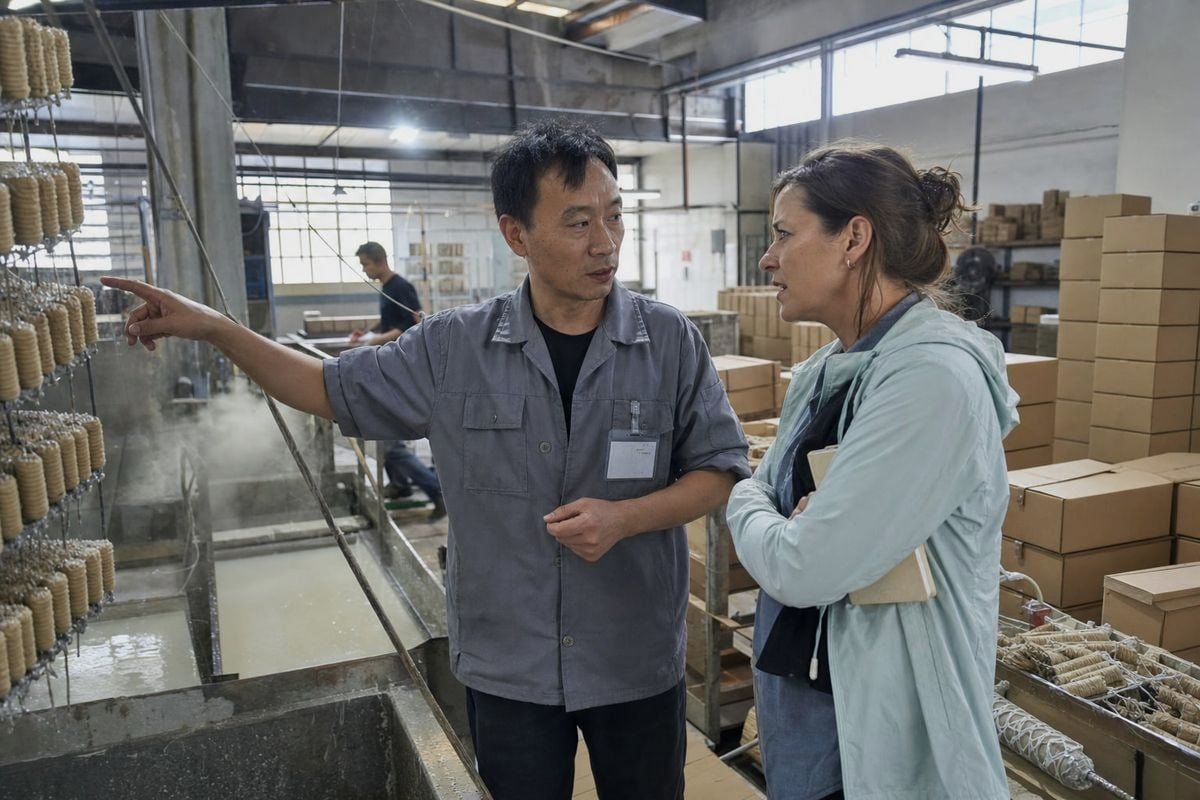
Este es el punto que los compradores malinterpretan con mayor frecuencia. El depósito en garantía y la mediación de una plataforma se sienten como una red de seguridad, por lo que los compradores asumen que la plataforma comparte la responsabilidad de un producto no conforme. No lo hace. Lea los términos de servicio estandarizados: las plataformas se posicionan como lugares, no como vendedores, y renuncian a la responsabilidad de la seguridad del producto, la conformidad regulatoria y el etiquetado.
Dónde se encuentra realmente la responsabilidad
Para productos relacionados con el fuego como los nuestros, esto es enormemente importante. Si un producto de llama de color se envía a la UE sin el Conformidad CE 5 o llega a los EE. UU. con etiquetas de advertencia incorrectas, el importador registrado, usted, se enfrenta al regulador. Su único recurso es contra quien prometió contractualmente el cumplimiento. Si esa parte es una lista no verificada detrás de una capa de plataforma, la ejecución se vuelve turbia rápidamente. Si es una fábrica con documentación ISO 9001, BSCI, CE y SGS/Intertek escrita en su contrato, tiene una contraparte nombrada y auditable.
| Pregunta de responsabilidad | Transacción de plataforma | Contrato de fabricante directo |
|---|---|---|
| ¿Quién tiene la responsabilidad del producto? | Vendedor listado (a menudo no está claro si es fábrica o comerciante) | El fabricante, nombrado en el contrato |
| Documentación de cumplimiento | Cargado por el vendedor, rara vez verificado por la plataforma | Verificable mediante auditorías, informes de prueba, visitas a fábricas |
| Retirada o acción regulatoria | El comprador persigue al vendedor a través de la capa de la plataforma | El comprador hace cumplir la garantía contractual y los derechos de auditoría |
| Trazabilidad de la producción | Limitada: las empresas comerciales pueden volver a etiquetar los productos | Trazabilidad completa a nivel de lote en la fábrica |
Pasos prácticos para asegurar la responsabilidad
Cualquiera que sea el canal que utilice, haga tres cosas. Primero, confirme que está tratando con la fábrica real, no con una empresa comercial que revende bajo su propio nombre. Segundo, adjunte las certificaciones e informes de prueba al contrato como representaciones garantizadas, no como afirmaciones de marketing. Tercero, negocie los derechos de auditoría y los requisitos de documentación para que la calidad lote a lote sea exigible contractualmente. En más de diecisiete años de exportación, hemos descubierto que los compradores que hacen esto rara vez terminan en disputas formales: la responsabilidad que está clara en el papel tiende a no llegar a los tribunales.
¿Obtendré más flexibilidad en MOQ, precios y términos de marca privada al negociar directamente en lugar de a través de una plataforma?
Una compensación que sopesamos constantemente de nuestro lado: un pedido de prueba de bolsas de llama de color de marca privada nos cuesta tiempo de configuración, pero genera el negocio repetido que justifica los MOQ flexibles. Una lista de plataforma no puede hacer ese juicio, una fábrica sí.
Sí. La negociación directa con un fabricante ofrece mucha más flexibilidad en cuanto a MOQ, precios escalonados y condiciones de marca blanca, ya que las fábricas pueden ajustar las tiradas de producción, el embalaje y la marca caso por caso. Las plataformas imponen listados estandarizados, niveles de MOQ fijos y opciones de personalización limitadas.

La estandarización es la fortaleza y el techo de la plataforma. Una lista muestra un MOQ fijo, una escalera de precios fija y un menú de opciones. Eso funciona para compras de productos básicos. Se desmorona en el momento en que desea algo listo para el estante bajo su propia marca.
Lo que desbloquea la negociación directa de OEM/ODM
Cuando los compradores trabajan directamente con nuestra fábrica, la conversación cubre cosas que ninguna interfaz de plataforma admite: tiempos de combustión personalizados, opciones de formato de empaque (bolsa de papel kraft, frasco de plástico, caja de exhibición), marca privada, etiquetas de advertencia específicas del mercado, códigos de barras y logística consolidada. Regularmente estructuramos MOQ de pedidos de prueba más bajos para distribuidores establecidos porque podemos ver el pronóstico anual detrás del primer pedido. Un algoritmo de plataforma no puede valorar ese valor de relación; un propietario de fábrica sí.
| Dimensión de flexibilidad | Transacción de plataforma | Contrato de fabricante directo |
|---|---|---|
| Cantidad mínima de pedido | Niveles fijos por listado | Negociable, especialmente para pedidos de prueba con pronósticos |
| Precios | Escalera estándar más tarifas de plataforma | Descuentos por volumen, precios anuales, compensaciones de plazos de pago |
| es donde la ventaja de la fábrica se vuelve difícil de discutir. La personalización no es una decisión. Es una cadena de pequeñas decisiones técnicas, y cada eslabón necesita a alguien con autoridad de producción. | Limitado o basado en plantillas | OEM/ODM completo: marca, empaque, etiquetas, códigos de barras |
| Etiquetado de cumplimiento | Genérico, el comprador debe verificar | Personalizado según las regulaciones del mercado de destino |
| Logística | Por pedido, a menudo no optimizado | Envíos consolidados, enrutamiento optimizado |
Dos contrapuntos justos
Debo ser honesto acerca de cuándo ganan las plataformas. Para compras pequeñas y únicas, el proceso de una plataforma es más práctico que negociar un contrato a medida: el costo administrativo de ir directamente supera el ahorro. Y algunas plataformas o acuerdos de compra grupal agregan demanda de muchos compradores pequeños, replicando un apalancamiento normalmente reservado para cuentas grandes. Pero en el momento en que su negocio depende de una calidad constante, una identidad de marca privada y pedidos repetidos, la flexibilidad estandarizada deja de ser flexibilidad. Es entonces cuando la negociación directa se gana su complejidad adicional, y herramientas como seguro de crédito comercial 6 y las garantías de pago de terceros ahora cubren gran parte de la protección al comprador que las plataformas solían monopolizar.
Conclusión
Las plataformas intercambian poder de negociación por certeza de proceso; los contratos directos con el fabricante intercambian conveniencia por influencia, flexibilidad y responsabilidad clara. Elija según su volumen, necesidades de cumplimiento y disposición a gestionar la relación usted mismo.
Notas al pie
El marcado CE es un estándar de conformidad regulatoria de la UE central para la discusión de cumplimiento. ↩︎
Intertek es una autoridad de pruebas de terceros nombrada que verifica las afirmaciones de cumplimiento mencionadas en el artículo. ↩︎
Concepto de fondo que explica el modelo de intermediario de plataforma discutido a lo largo del artículo. ↩︎
La página oficial explica cómo funciona el programa de protección de disputas basado en depósito en garantía de Alibaba. ↩︎
Aclara los requisitos de marcado CE de la UE referenciados para el cumplimiento de productos contra incendios. ↩︎
El seguro de crédito comercial es un concepto específico de mitigación de riesgos financieros mencionado como herramienta de protección al comprador. ↩︎
Recurso de la OMC sobre instrumentos de financiación comercial como las cartas de crédito utilizadas en contratos B2B internacionales. ↩︎



 English
  Spanish
  German
  French
  Arabic
  Portuguese
Únete a la conversación