






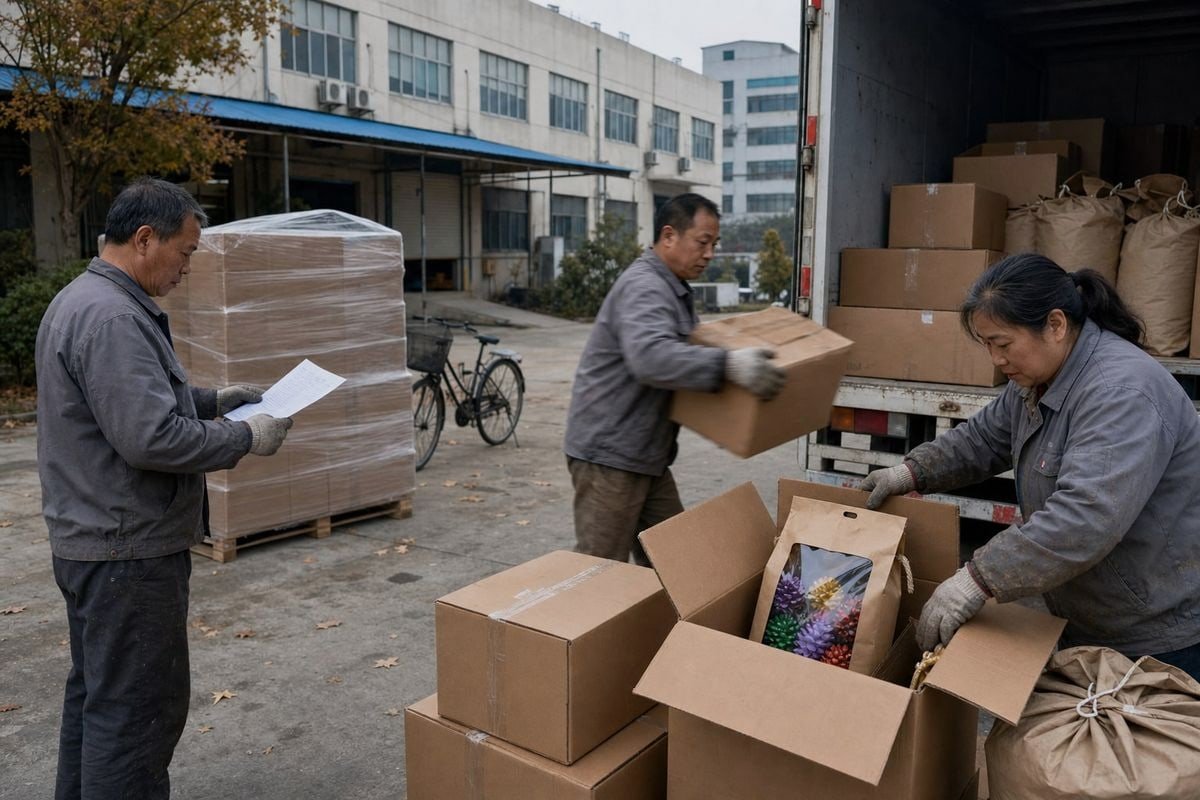
Cada otoño, nuestra línea de producción de Ningbo envía piñas de temporada a compradores que se enfrentan a la misma elección dolorosa: ¿almacén en el extranjero o envío directo desde China? Si te equivocas, los márgenes desaparecen rápidamente.
Para piñas de temporada, el envío directo desde China suele ser más seguro para SKUs nuevas o no probadas, mientras que un almacén en el extranjero gana una vez que la demanda se valida y el volumen mensual es alto. Los compradores más exitosos utilizan un enfoque híbrido: prueban mediante envío directo, luego preposicionan los más vendidos localmente antes del pico de las fiestas.
Ambos modelos pueden funcionar. Ambos también pueden destruir una temporada si se aplican al producto equivocado en el volumen equivocado. Permítanme guiarlos a través de cómo nuestros compradores de exportación deciden realmente, paso a paso.
¿Cómo decido entre el stock del almacén de ultramar y el envío directo desde China para mis pedidos de piñas de temporada?
Un distribuidor alemán nos pidió una vez que enviáramos por aire piñas de llama de color en noviembre porque su apuesta de almacén había fallado. Esa conversación me enseñó que la decisión se reduce a la confianza en la previsión.
Elija el envío directo desde China cuando la demanda no esté probada, los pedidos mensuales sean bajos o esté probando nuevas variantes de piñas. Elija un almacén en el extranjero cuando tenga un historial de ventas confiable, volumen estacional concentrado y clientes que esperan una entrega local rápida antes de las fechas límite de las fiestas.
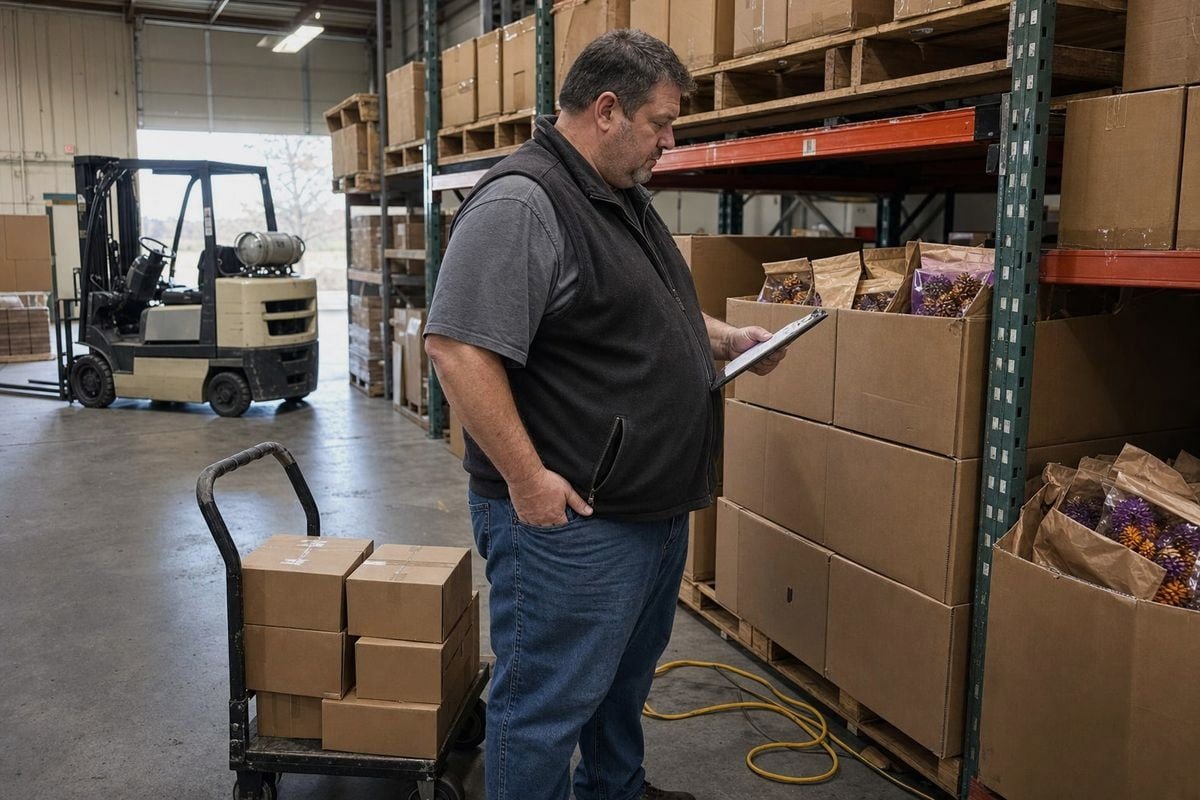
La principal compensación es simple. Un almacén en el extranjero le da velocidad. El envío directo le da flexibilidad. Las piñas de temporada se encuentran en una ventana de venta corta, por lo que el costo de equivocarse es inusualmente alto. Si sobreabastece un almacén, paga tarifas de almacenamiento por inventario inactivo hasta el próximo octubre. Si solo confía en el envío directo, puede perder las ventas de diciembre debido al tránsito lento.
Empiece con una pregunta honesta
¿Son sus piñas un artículo de temporada probado y repetido, o un experimento de demanda? En nuestra experiencia exportando a EE. UU. y Europa, los compradores que responden honestamente rara vez se queman. Los nuevos importadores a menudo se saltan la pregunta y van directamente al almacenamiento a granel porque el flete por unidad parece más barato. Es más barato, hasta que los palets sobrantes no lo sean.
Una comparación rápida
| Criterios | Envío directo desde China | Almacén en el extranjero |
|---|---|---|
| Lo mejor para | Nuevos artículos, bajo volumen, pruebas de demanda | Artículos probados, alto volumen de temporada |
| Entrega al cliente | Aproximadamente 7–25 días | Típicamente 1–5 días |
| Capital inicial | Bajo | Alto (stock a granel antes de la temporada) |
| Riesgo de stock muerto | Mínimo | Significativo después del pico |
| Manejo de devoluciones | Difícil y costoso | Simple y local |
| Guía de volumen común | Menos de ~100 pedidos/mes | Más de ~400–500 pedidos/mes |
Un factor más importa específicamente para las piñas. Los productos botánicos naturales o secos pueden enfrentar escrutinio fitosanitario 1 en la aduana. Nuestras piñas de llama de color se envían con SGS e Intertek 2 informes de prueba precisamente porque un envío retenido en noviembre puede acabar con una temporada. Sea cual sea el modelo que elija, documentación de cumplimiento debe viajar con la mercancía.
¿Qué plazos de entrega puedo esperar de cada opción de envío durante la temporada alta de vacaciones?
Nuestro calendario de producción en Ningbo gira en torno a una dura verdad: los pedidos de piñas navideñas que salen tarde de la fábrica simplemente no se venden. El tiempo lo es todo en esta categoría.
El cumplimiento en almacenes de ultramar generalmente se entrega en 1 a 5 días a nivel local, mientras que el envío directo desde China demora aproximadamente de 7 a 25 días según el nivel de servicio. Durante la demanda máxima de días festivos, las existencias del almacén deben pedirse con 2 a 3 meses de anticipación para cubrir la producción, el tratamiento y el tránsito marítimo.

El tiempo de entrega no es un solo número. Es una cadena de etapas, y cada etapa se alarga durante el cuarto trimestre. Los transportistas se congestionan. Las colas de aduanas 3 se alargan. Los productos botánicos pueden ser retenidos para inspección. He visto a compradores planificar en torno a los tiempos de tránsito generales y luego perder el Black Friday porque ignoraron los eslabones anteriores de la cadena.
El cronograma completo, etapa por etapa
| Etapa | Modelo de envío directo | Modelo de almacén en el extranjero |
|---|---|---|
| Producción y tratamiento | 2-4 semanas | 2-4 semanas |
| Tránsito internacional | 7–25 días por pedido | 25–40 días (océano, a granel) |
| Despacho de aduanas | Por paquete, variable | Una vez, en la entrada a granel |
| Entrega de última milla | Incluido en el tránsito | 1–5 días localmente |
| Punto de compromiso total del comprador | Días antes de cada venta | 2–3 meses antes de la temporada |
Por qué las piñas necesitan un amortiguador adicional
La cosecha de piñas dura aproximadamente de agosto a noviembre. Nuestro tratamiento con cera y procesamiento de llama de color añaden tiempo de producción. Por lo tanto, un comprador que almacena un almacén en EE. UU. para diciembre realmente necesita que los pedidos de compra se confirmen a finales del verano. Cuando incorporamos nuevos distribuidores, los dirigimos hacia un programa de entrada en el tercer trimestre por esta misma razón. Los compradores de temporada navideña que madrugan comienzan a comprar en octubre, y los vendedores de almacén que están abastecidos para entonces capturan esa primera ola, mientras que los transportistas directos todavía cotizan entregas de tres semanas.
La regla práctica que le doy a los compradores: el envío directo funciona hasta aproximadamente mediados de noviembre para Entrega de Navidad 4. Después de eso, solo el stock local puede satisfacer las expectativas del cliente de manera confiable.
¿Cómo afecta cada método de cumplimiento a mis costos de inventario y flujo de efectivo para productos de temporada?
Flujo de caja 5 es donde he visto el mayor arrepentimiento. Un comprador del Reino Unido ató todo su presupuesto de temporada en stock almacenado, y luego no pudo financiar un nuevo pedido cuando una SKU diferente despegó.
El envío directo mantiene el capital libre porque paga los productos después de que llegan los pedidos, sin tarifas de almacenamiento. Un almacén en el extranjero exige un pago en bloque 2-3 meses antes, además de los costos continuos de almacenamiento, recogida y embalaje, y liquidación, pero reduce el costo logístico por unidad una vez que el volumen supera aproximadamente 400-500 pedidos por mes.
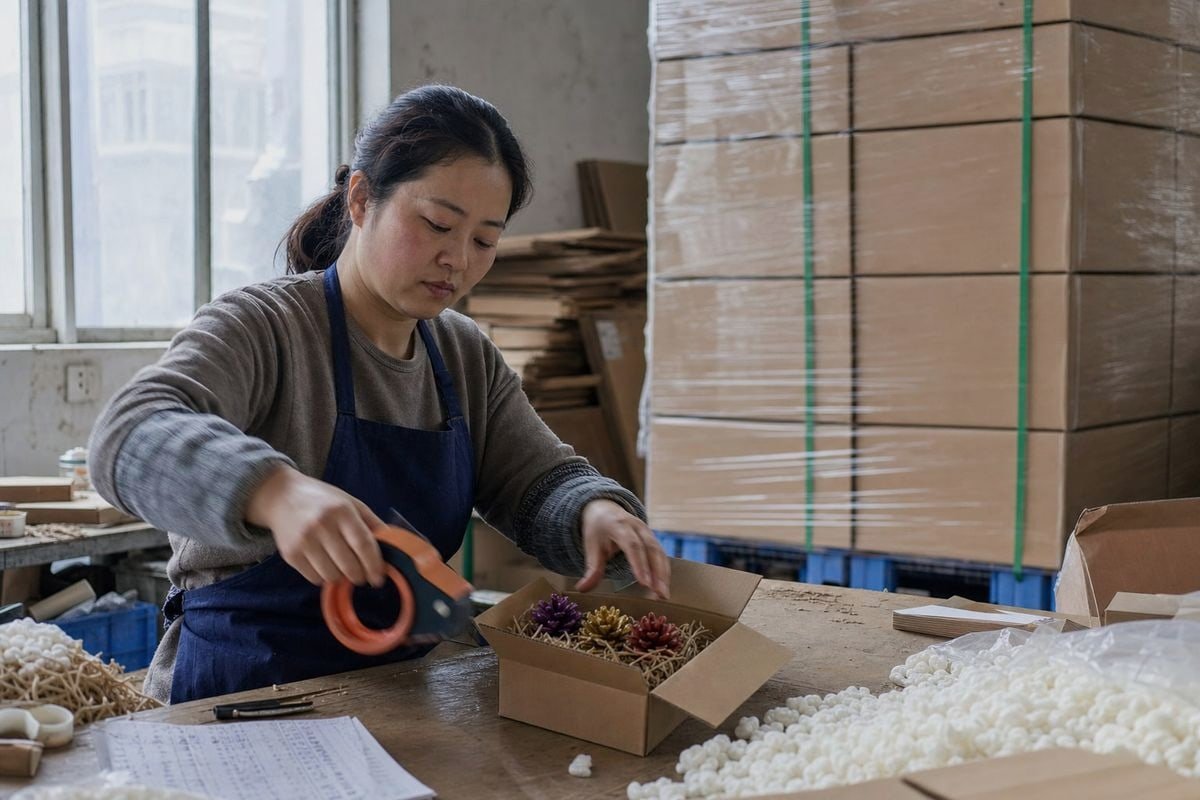
Piense en los dos modelos como dos curvas de efectivo diferentes. El envío directo distribuye el costo a lo largo de la temporada, igualando el gasto con los ingresos. El almacenamiento anticipa el costo en un gran desembolso antes de que ocurra una sola venta. Para productos de hoja perenne, ese anticipo está bien porque el inventario sigue rotando. Para las piñas de temporada, la demanda colapsa después de las fiestas, y lo que quede en el almacén se convierte en un centro de costos.
Los componentes de costo que sorprenden a los compradores
| Elemento de costo | Envío directo | Almacén en el extranjero |
|---|---|---|
| Momento del pago del producto | Por pedido, en temporada | En bloque, antes de la temporada |
| Tarifas de almacenamiento | Ninguno | Mensual, aumenta en temporada baja |
| Tarifas de recogida y embalaje | Ninguno | Por pedido |
| Peso dimensional 6 riesgo | Alto por paquete | Absorbido en flete a granel |
| Exposición a stock muerto | Casi cero | Alto después del pico |
| Costo unitario entregado a escala | Más alto | Más bajo |
La trampa del peso dimensional
Las piñas son ligeras pero voluminosas. Los transportistas de paquetes cobran por peso dimensional, por lo que los paquetes de piñas enviados directamente a menudo cuestan mucho más de lo que sugiere su peso real. Este es un argumento honesto a favor de flete marítimo a granel en un almacén. Nuestro equipo optimiza las dimensiones de las cajas y el embalaje de exhibición para los compradores, en parte para mitigar este problema, pero la física solo se dobla hasta cierto punto.
El deterioro es un costo oculto del inventario
Las piñas naturales corren el riesgo de daños por humedad, moho y plagas durante largos tránsito marítimo 7 y almacenamiento húmedo. Nuestras piñas de llama de color tratadas con cera son más estables que las piñas secas crudas, pero aún así recomendamos el almacenamiento con conocimiento del clima. Un palé en mal estado es peor que el stock muerto: genera reembolsos y quejas en el mercado.
¿Qué estrategia de envío me ayuda a evitar roturas de stock durante los picos de ventas navideñas y festivas?
La temporada pasada, una marca canadiense de camping que suministramos agotó las bolsas de piñas para chimenea el 10 de diciembre. Su análisis posterior con nosotros reformuló cómo asesoro a cada comprador enfocado en las fiestas.
Una estrategia híbrida previene mejor las roturas de stock: pre-posicione sus SKUs de piñas más vendidos y probados en un almacén en el extranjero a principios del cuarto trimestre, mantenga el envío directo desde China como respaldo para los SKUs de menor venta y reserve una opción de reabastecimiento a mitad de temporada a través de transporte exprés para los ganadores sorpresa.
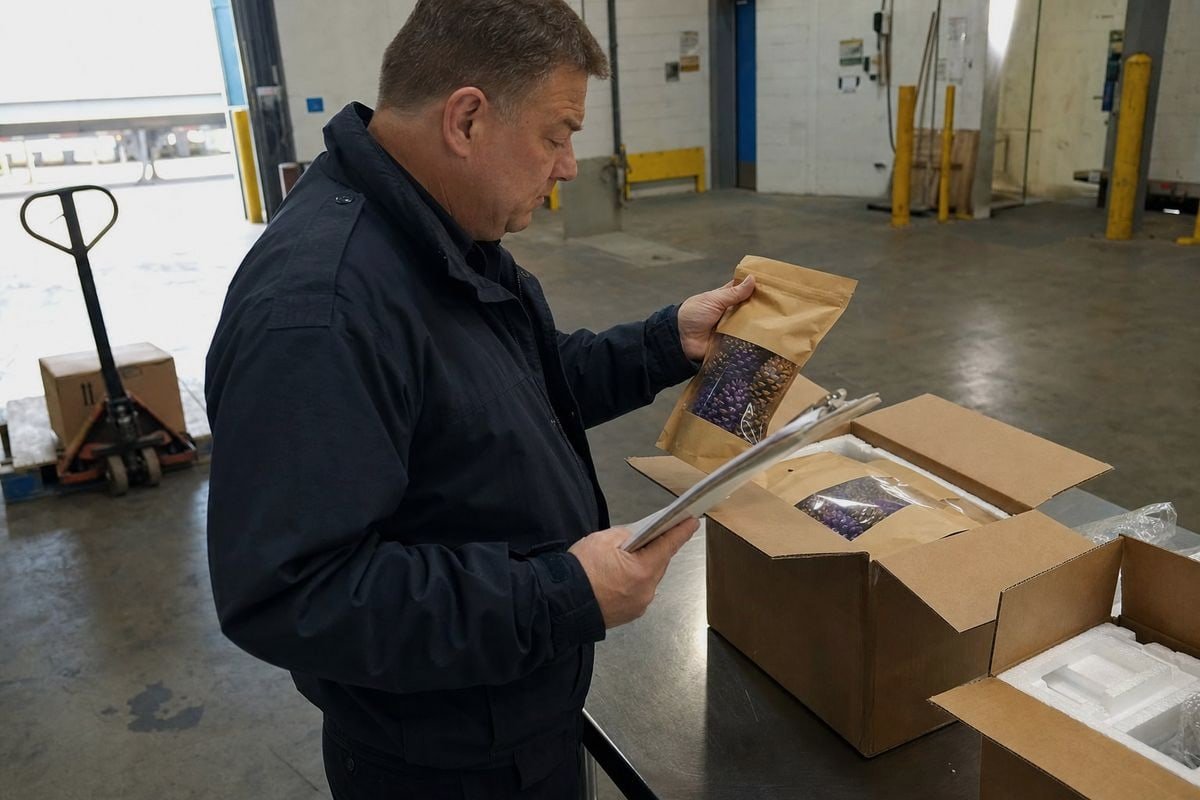
Quedarse sin stock durante el pico de las fiestas es especialmente doloroso para los productos de temporada. No se puede recuperar la venta en enero, porque nadie quiere piñas de Navidad en enero. Por lo tanto, el objetivo no es solo evitar el exceso o la falta de stock de forma aislada. El objetivo es igualar la certeza del stock con la certeza de la demanda, SKU por SKU.
El plan de juego híbrido que recomendamos
- Segmente su catálogo. Separe los superventas probados de las nuevas variantes como piñas flocadas, con purpurina o perfumadas.
- Almacene los ganadores. Envíe flete marítimo a granel de las SKU principales para que lleguen a principios de octubre, cubriendo su pronóstico base más la demanda de los madrugadores.
- Envíe directamente las pruebas. Valide nuevas variantes con pequeños lotes enviados directamente, manteniendo cero riesgo de inventario en diseños no probados.
- Mantenga una palanca de reposición. Acuerde con su fábrica un espacio de producción de rápida rotación y una opción de flete acelerado para noviembre, en caso de que una SKU de prueba explote.
- Establezca una fecha límite. Cambie toda la comercialización a las SKU almacenadas en el almacén una vez que el envío directo ya no pueda cumplir con la entrega de Navidad.
Por qué la previsión por sí sola no es suficiente
Incluso las buenas previsiones fallan. La demanda de decoración navideña es sensible a las tendencias, y un video viral puede duplicar las ventas de una sola variante de color de la noche a la mañana. Es por eso que mantenemos la consistencia lote a lote ajustada en nuestras líneas: cuando un comprador activa un pedido de emergencia, el stock de reposición debe coincidir exactamente con el stock almacenado, hasta el embalaje, los códigos de barras y las etiquetas de advertencia. Un cambio de calidad a mitad de temporada rompería los listados del mercado en el peor momento posible.
Los compradores que nunca se quedan sin stock no son los que tienen los almacenes más grandes. Son los que tienen SKU segmentadas, un plan de entrada anticipado en el tercer trimestre y un socio de fábrica que puede moverse rápido en noviembre.
Conclusión
Direct shipping protects you while demand is unproven. Warehousing wins once volume is validated. Test first, pre-position bestsellers by Q3, and partner with a compliant factory.
Notas al pie
1. USDA plant health authority overseeing phytosanitary inspections for botanical imports. ↩︎
2. Independent testing bodies verifying product compliance and safety certifications for exporters. ↩︎
3. WTO trade facilitation guidance explains customs delays affecting international shipments. ↩︎
4. Background on the holiday driving seasonal demand and delivery deadlines discussed. ↩︎
5. Authoritative finance definition explaining liquidity concept central to inventory funding decisions. ↩︎
6. Explains carrier billing method referenced for bulky lightweight seasonal shipments. ↩︎
7. International Maritime Organization oversees regulations governing global ocean transit and shipping. ↩︎



 English
  Spanish
  German
  French
  Arabic
  Portuguese
Únete a la conversación