






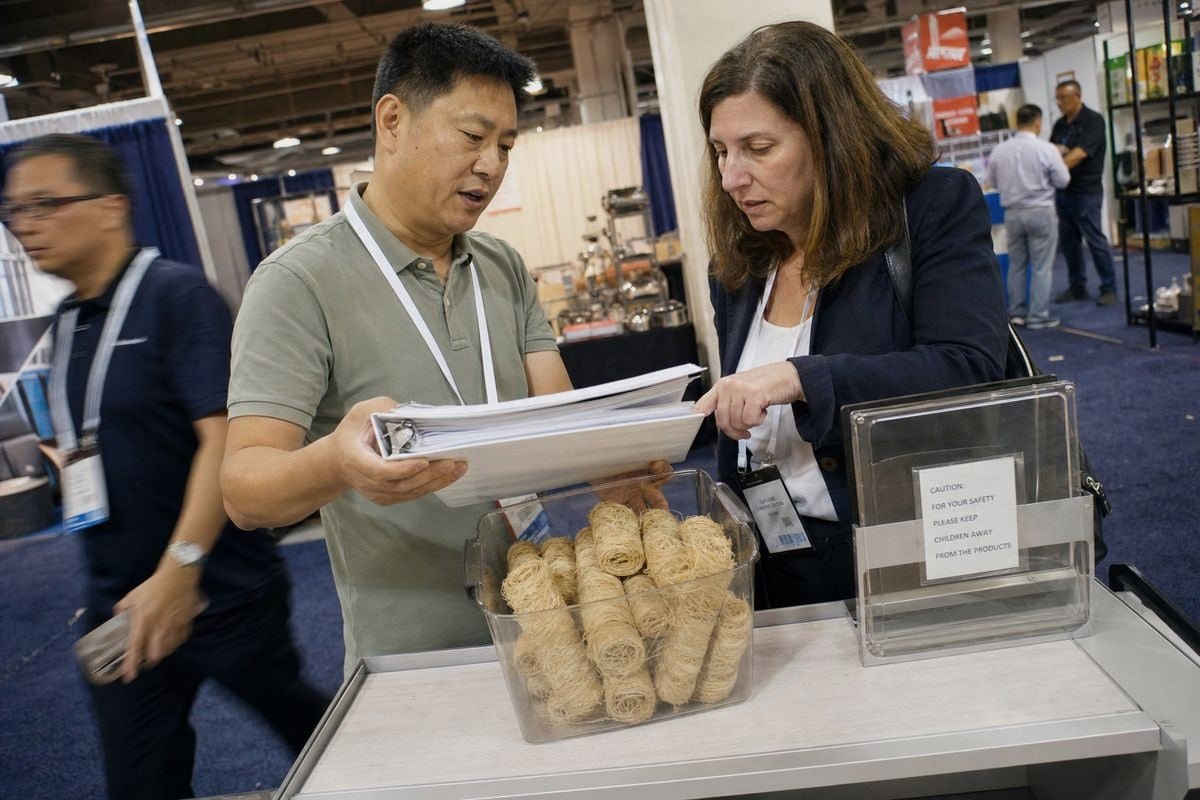
Planes de exhibición seguros para iniciadores de fuego de madera en ferias comerciales preocupan a muchos de nuestros compradores Certificados ISO 9001 y BSCI 1. Una cabina rechazada en la carga puede borrar meses de planificación. Lo he visto suceder, y duele.
Trabaje con su proveedor como socio de cumplimiento: solicite certificados de retardancia de llama y Hojas de datos de seguridad, limite el stock del stand a un suministro de un día, utilice accesorios de exhibición ignífugos, agregue etiquetas de advertencia claras y solicite muestras de exhibición personalizadas de 8 a 12 semanas antes de la feria para su aprobación por parte del jefe de bomberos.
La buena noticia es que este proceso es manejable. Un proveedor que lo ha hecho antes puede llevar la mayor parte del peso. A continuación, desgloso las cuatro preguntas que los compradores nos hacen con más frecuencia.
¿Cómo confirmo que mi proveedor de iniciadores de fuego de madera cumple con las normas de seguridad contra incendios y cumplimiento antes de una feria comercial?
Un distribuidor alemán nos llamó una vez dos semanas antes de una feria en Colonia. Su bombero 2 quería pruebas de que el stock de su exhibición era seguro. Su proveedor anterior no tenía ningún tipo de documentación.
Pida a su proveedor informes de prueba SGS o Intertek, Hojas de Datos de Seguridad, certificación ISO 9001 y confirmación escrita de la composición, como las proporciones de fibra de madera y parafina. Verifique los números de certificado directamente con el organismo de prueba y confirme que los documentos coinciden con el SKU exacto que mostrará.

La documentación es la base de todo plan de exhibición seguro. La aplicación en ferias comerciales ahora se basa en la documentación, no en buenas intenciones. A un inspector de incendios no le importa lo que su proveedor le dijo en una llamada. Le importa lo que usted puede mostrarle en papel, en el sitio, antes de que abran las puertas.
En nuestra fábrica en Ningbo, mantenemos un paquete de documentos permanente exactamente por esta razón. Incluye Informes de pruebas de SGS e Intertek 3, archivos SDS y nuestros certificados ISO 9001 y BSCI. Cuando un comprador nos dice el número de su cabina y el lugar, podemos preparar una carpeta lista para la feria en cuestión de días. Esa carpeta ha satisfecho las solicitudes de aprobación del inspector de incendios en EE. UU., Alemania y el Reino Unido.
Los documentos que más importan
No toda la documentación tiene el mismo peso para los inspectores del lugar. Aquí clasifico las solicitudes que vemos:
| Documento | Lo que prueba | Cuando el lugar lo solicita |
|---|---|---|
| Hojas de datos de seguridad (SDS) | Punto de inflamación, clasificación de peligros, reglas de manipulación | Casi siempre para productos inflamables |
| Informes de prueba SGS/Intertek | Pruebas de rendimiento y seguridad del producto | Durante la revisión del plano de planta o de la cabina |
| Certificados ISO 9001 / BSCI | Producción consistente y fábricas éticas | Diligencia debida del comprador, algunos organizadores |
| Declaración de composición | Exacto fibra de madera y parafina 4 relación | Manipulación de materiales peligrosos 5 revisión |
| Certificados de resistencia a la llama | Los accesorios y telas de la cabina cumplen con la NFPA 701 | Inspección de construcción de la cabina |
Verifique antes de enviar
No se detenga en recibir archivos PDF. Verifique los números de certificado con el laboratorio emisor. Confirme que el informe cubre su producto exacto, no un SKU similar. Pregunte si el informe está actualizado, ya que algunos lugares rechazan documentos de más de unos pocos años. Finalmente, confirme que su seguro de responsabilidad civil del producto cubre la exhibición en ferias comerciales, ya que algunos organizadores también lo solicitan. Una llamada de diez minutos de evaluación de riesgos con su proveedor antes de enviar es mejor que una llamada de pánico desde el piso de la feria.
¿Qué opciones de embalaje expositor puede ofrecer mi proveedor para mantener los iniciadores de fuego de leña seguros y atractivos en la sala de exposiciones?
En nuestra línea de producción, tenemos un taller completo de empaque para exhibición junto a las estaciones de inmersión en cera. Esa configuración existe porque los compradores minoristas seguían pidiendo cajas listas para exhibir, no cajas sueltas.
Un proveedor capaz puede proporcionar cajas de exhibición para minoristas, contenedores con protección acrílica, unidades de exhibición de mostrador, réplicas de exhibición inertes y empaques secundarios ignífugos. Estas opciones separan la muestra visual del stock a granel, reducen la carga de fuego expuesta y mantienen el stand atractivo sin violar los códigos de incendios del lugar.

El empaque es donde se unen el cumplimiento de la cabina de exhibición y la comercialización. Los rollos de madera sumergidos en cera se ven maravillosos apilados en una caja abierta. También parecen una pila de combustible para un inspector. La solución no es ocultar el producto. Es empaquetarlo de manera que solo se exponga una cantidad controlada a la vez.
Nuestro equipo OEM/ODM construye empaques de exhibición basados en este principio. Podemos imprimir cajas minoristas personalizadas, como la caja negra brillante con gráfico de llama que producimos para una marca europea, y combinarlas con unidades de exhibición de mostrador del tamaño de un suministro de un día. El resto del stock permanece sellado en cajas de envío fuera del piso de la cabina.
Opciones para discutir con su proveedor
| Opción de empaque | Beneficio de seguridad | Beneficio visual |
|---|---|---|
| Cajas minoristas selladas | Contiene cera y fibra, limita la exposición | Superficie de marca completa, aspecto limpio en el estante |
| Contenedores con pantalla acrílica | Barrera física contra la iluminación y la electrónica | El producto permanece visible y parece táctil |
| Unidades de exhibición de mostrador | Limita la cantidad de unidades preparadas por unidad | Presentación organizada y profesional |
| Réplicas de exhibición inertes | Cero inflamabilidad, resina o compuesto tratado | Textura y color perfectos, sin restricciones |
| Embalaje secundario ignífugo | Los recubrimientos tratados reducen el riesgo de ignición | Puede permitir un inventario más visible |
Adapte el embalaje a las zonas del stand
Piense en zonas. Coloque réplicas inertes o cajas selladas en la parte delantera, donde los visitantes tocan las cosas. Mantenga los contenedores blindados en el medio, lejos de los puntos calientes de la iluminación de exhibición. Almacene las cajas de reserva fuera del sitio o en áreas de almacenamiento de materiales combustibles aprobadas que proporcione el lugar. También recomendamos una verificación rápida de calor durante la instalación. Los focos halógenos se calientan, y los iniciadores de lana de madera sin tratar nunca deben colocarse directamente debajo de ellos. Los materiales ignífugos en sus accesorios, además de una zonificación inteligente, mantienen contentos tanto al inspector como al diseñador de su stand.
¿Cómo puedo coordinarme con mi proveedor sobre las etiquetas de advertencia y la documentación de seguridad para unidades de exhibición en ferias comerciales?
Existe una compensación real que evalúo en cada pedido de marca privada: una etiqueta de advertencia ocupada protege a todos legalmente, pero puede desplazar la marca por la que un comprador pagó. La respuesta es planificar ambas cosas juntas, con anticipación.
Envía a tu proveedor el manual del expositor del lugar y las reglas de etiquetado de tu mercado antes de imprimir. Acuerda el texto de advertencia, los símbolos de peligro, los códigos de barras y las versiones de idioma, luego haz que el proveedor imprima etiquetas conformes en cada unidad de exhibición y envíe un conjunto de documentación a juego con los productos.

Las etiquetas y los documentos son dos mitades del mismo trabajo. La etiqueta le dice a un visitante y a un inspector qué es el producto. La documentación demuestra que la etiqueta es precisa. Cuando no coinciden, tiene un problema en el momento de la inspección.
En nuestra oficina de Liuyang, guardamos textos de advertencia de plantilla para los mercados de EE. UU., UE, Reino Unido y Australia, porque nuestros compradores envían a más de 30 países y cada mercado redacta las cosas de manera diferente. Para los iniciadores de fuego, los elementos típicos incluyen advertencias de mantener alejado de los niños, avisos de inflamabilidad 6, instrucciones de uso y detalles de composición como 50% de fibra de madera y 50% de parafina. Específicamente para las unidades de exhibición de ferias comerciales, agregamos números de lote para que cualquier unidad en el piso se rastree hasta un lote de producción probado.
Una secuencia de coordinación práctica
- Usted envía el manual del expositor y las reglas de etiquetado del mercado objetivo al proveedor.
- El proveedor redacta el diseño de la etiqueta con advertencias, símbolos y códigos de barras colocados alrededor de su marca.
- Usted revisa una prueba digital y confirma las versiones de idioma.
- El proveedor imprime las etiquetas durante la producción, no después, para que cada unidad de exhibición se envíe cumpliendo con las normativas.
- El proveedor prepara un conjunto de documentación: SDS, informes de prueba, declaración de composición y una carta de retardancia firmada para los accesorios.
- Usted ensambla una carpeta de cumplimiento in situ y mantiene una copia de seguridad digital en su teléfono.
Esta secuencia suele llevar de dos a tres semanas. El paso de la carpeta es el más importante. Las regulaciones de seguridad contra incendios son aplicadas por personas, y las personas responden bien a respuestas organizadas e inmediatas. Cuando un inspector hace una pregunta y usted abre una carpeta con pestañas en la página exacta, la conversación se vuelve corta y amigable. Cuando promete enviar algo por correo electrónico más tarde, se vuelve larga.
¿Qué plazos de entrega debo planificar con mi proveedor para muestras de exhibición personalizadas antes de una feria comercial?
Una lección de 17 años de pedidos de exportación: los compradores que entran en pánico antes de las ferias casi nunca son los que tienen problemas de producto. Son los que comenzaron a tomar muestras seis semanas antes en lugar de doce.
Planificar 8–12 semanas en total: 1–2 semanas para la confirmación del diseño, 2–3 semanas para muestras de pantalla personalizadas, 1–2 semanas para el envío y su revisión, luego 3–4 semanas de margen para revisiones, documentación y transporte al lugar. Comprimir esto solo para diseños repetidos.

El tiempo de entrega es donde los buenos planes de exhibición fallan silenciosamente. Una unidad de exhibición de mostrador personalizada no es solo una caja. Implica diseño de troquelado estructural 7, pruebas de impresión, a veces recubrimiento ignífugo y coordinación con el producto en su interior. Cada paso tiene una cola en la fábrica, y cada revisión reinicia parte de esa cola.
Aquí está el cronograma que recomendamos a los compradores que se preparan para ferias importantes como Spoga o la National Hardware Show:
| Fase | Duración | Qué sucede |
|---|---|---|
| Confirmación de diseño y arte | 1–2 semanas | Troqueles, etiquetas de advertencia, códigos de barras, marca aprobados |
| Producción de muestras | 2–3 semanas | Unidades de exhibición construidas, productos empacados, recubrimientos aplicados |
| Envío y revisión de muestras | 1–2 semanas | Flete aéreo a usted, inspección física, pruebas de carga |
| Revisiones si es necesario | 1–2 semanas | Ajustes a la estructura, impresión o etiquetado |
| Paquete de documentación | 1 semana | SDS, certificados, cartas de retardancia compiladas |
| Flete al lugar o almacén | 2-4 semanas | Marítimo o aéreo según el tiempo y el presupuesto |
Por qué el margen no es opcional
Las ferias comerciales tienen fechas fijas. Las fábricas, las líneas de transporte y las aduanas no siempre cooperan con las fechas fijas. Construimos nuestro cronograma de producción para que las primeras muestras reflejen de manera confiable la calidad de la producción en masa, lo que elimina una fuente común de retrasos. Pero aún así le decimos a cada comprador que proteja un margen de tres semanas. La aprobación del plano del lugar puede regresar con solicitudes de cambio. Un jefe de bomberos puede solicitar un tratamiento de retardancia adicional en un accesorio. Las aduanas pueden retener productos a base de cera para preguntas de clasificación bajo las reglas de manejo de materiales peligrosos, incluso cuando los productos cumplen completamente. Ninguno de estos son desastres con doce semanas de antelación. Todos son desastres con cuatro. Comience temprano, confirme por escrito y deje que el calendario trabaje para usted en lugar de en su contra.
Conclusión
Un stand rechazado cuesta más que la tarifa de la feria. Cuesta credibilidad. Asóciese con un proveedor certificado desde el principio, documente todo, limite el stock preparado y su exhibición de iniciadores de fuego pasará la inspección.
Notas al pie
Página oficial de la ISO que explica la norma de gestión de calidad referenciada para la selección de proveedores. ↩︎
Explica el papel y la autoridad de los inspectores de bomberos en las inspecciones de seguridad del lugar. ↩︎
Enlaces a un organismo de pruebas líder externo citado para la verificación de la seguridad del producto. ↩︎
Antecedentes sobre la composición de la cera de parafina relevantes para los requisitos de etiquetado de iniciadores de fuego. ↩︎
Referencia de la OSHA para las normas de materiales peligrosos que afectan la clasificación aduanera de productos a base de cera. ↩︎
La NFPA es el organismo autorizado que define las normas de inflamabilidad y etiquetado de seguridad contra incendios. ↩︎
Explica los conceptos de troquelado subyacentes al diseño estructural del embalaje de exhibición personalizado. ↩︎

 English
  Spanish
  German
  French
  Arabic
  Portuguese
Únete a la conversación