






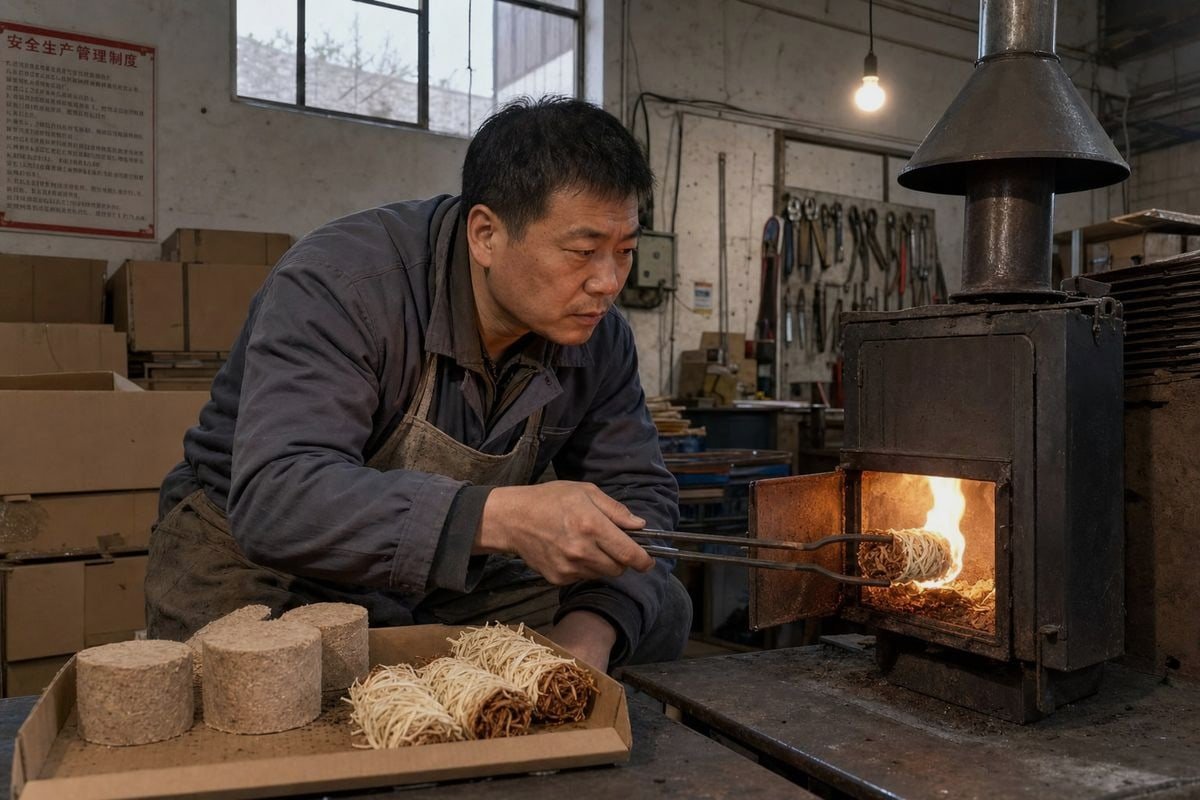
Los iniciadores de fuego de leña pueden arruinar silenciosamente el rendimiento de una estufa certificada. Aprendí esto al principio de nuestra línea de producción, cuando un comprador preguntó [por qué los iniciadores "naturales" todavía producían humo](https://sunrichfire.com/what-wood-fire-starters-produce-heavy-smoke-strong-odors/).
Los iniciadores de fuego de leña cumplen con los estándares de emisiones de estufas de combustión limpia al encenderse rápidamente, arder intensamente sin humear y usar materiales de bajo humo como lana de madera y cera limpia. Acortan la fase de arranque humeante de las estufas de leña certificadas por la EPA en lugar de agregar emisiones de material particulado.
Esa respuesta suena simple. Pero detrás de ella hay regulaciones reales, química real y controles de fábrica reales. Permítanme guiarlos a través de cada parte, de la manera en que se lo explico a nuestros compradores B2B.
¿Qué certificaciones debo solicitar para confirmar el rendimiento de emisiones conforme?
Un distribuidor alemán una vez rechazó una cotización completa de la competencia porque el proveedor no pudo producir un solo informe de prueba. En nuestros más de 17 años exportando productos para iniciar fuego, ese escenario se repite constantemente.
Solicitar ISO 9001 para sistemas de calidad, BSCI para auditorías de fábrica, marcado CE para el mercado de la UE e informes de prueba de terceros de SGS o Intertek que cubran el comportamiento de combustión, metales pesados y productos químicos prohibidos. Juntos, estos confirman que un iniciador de fuego de madera admite una operación de estufa conforme y de combustión limpia.
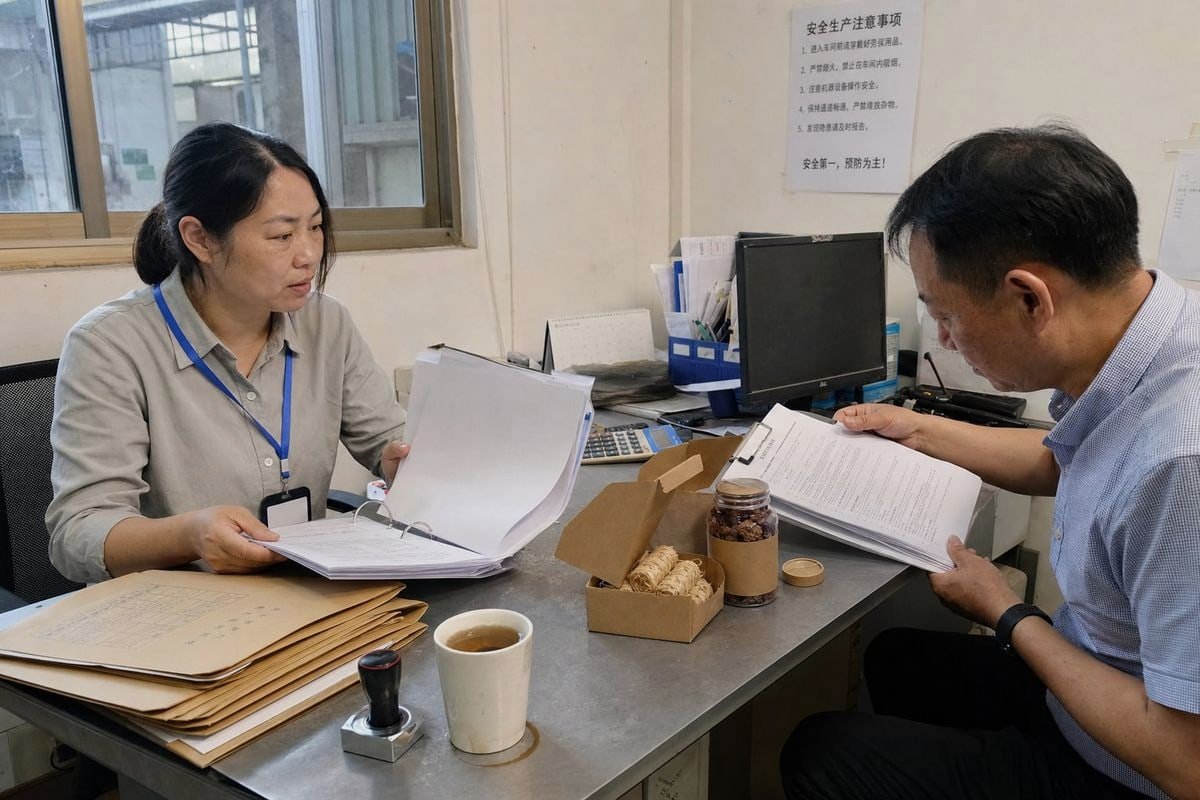
Aquí está la distinción importante que siempre hago primero. Las reglas de emisiones para estufas de leña, como el marco de cumplimiento NSPS 1, de la EPA, regulan el aparato en sí. Establecen límites como 2.0 g/h bajo el método de prueba estándar 2 y 2.5 g/h bajo el método de leña para estufas nuevas. Ninguna agencia gubernamental "certifica" directamente un iniciador de fuego bajo esas reglas. Por lo tanto, cuando un proveedor afirma que su iniciador está "certificado por la EPA", considérelo una señal de alerta. Lo que puede y debe verificar es un conjunto diferente de documentos.
El conjunto de certificación que realmente importa
En nuestra fábrica en Ningbo, mantenemos estos documentos listos para cada comprador, porque para nuestros clientes de EE. UU. y Europa este es un requisito indispensable, no algo deseable.
| Certificación / Informe | Lo que prueba | Por qué importa para las emisiones |
|---|---|---|
| ISO 9001 | Un sistema de gestión de calidad funcional | Materiales consistentes significan un comportamiento de humo consistente |
| Auditoría BSCI | Condiciones de fábrica éticas y auditadas | Confirma que está tratando con una fábrica real, no con un comerciante |
| Marcado CE | Conformidad del mercado de la UE | Requerido para la venta legal en la mayoría de los canales europeos |
| Informes SGS / Intertek | Pruebas de laboratorio independientes | Verifica que no haya acelerantes de petróleo, metales pesados ni aditivos tóxicos |
Preguntas que hacer antes de ordenar
- ¿Pueden compartir informes de prueba de terceros para este producto exacto, no uno similar?
- ¿Cuál es el tipo y la fuente de la cera? Las mezclas de destilados de petróleo se comportan de manera diferente a la parafina limpia o la cera vegetal.
- ¿Vuelven a realizar pruebas cuando cambia un proveedor de materia prima?
- ¿Apoyarán las etiquetas de advertencia y la documentación específicas del mercado?
Un proveedor que responda rápidamente a esas cuatro preguntas suele ser un proveedor cuyo producto no comprometerá el rendimiento nominal de una estufa de leña certificada por la EPA.
¿Cómo afectan los materiales de encendido de fuego de leña a la producción de humo y los residuos?
Hay un equilibrio que sopesamos en cada formulación: velocidad de ignición versus limpieza de la combustión. Si aumenta demasiado el contenido de cera, obtendrá llamas rápidas pero hollín aceitoso. Demasiado bajo, y el iniciador humea.
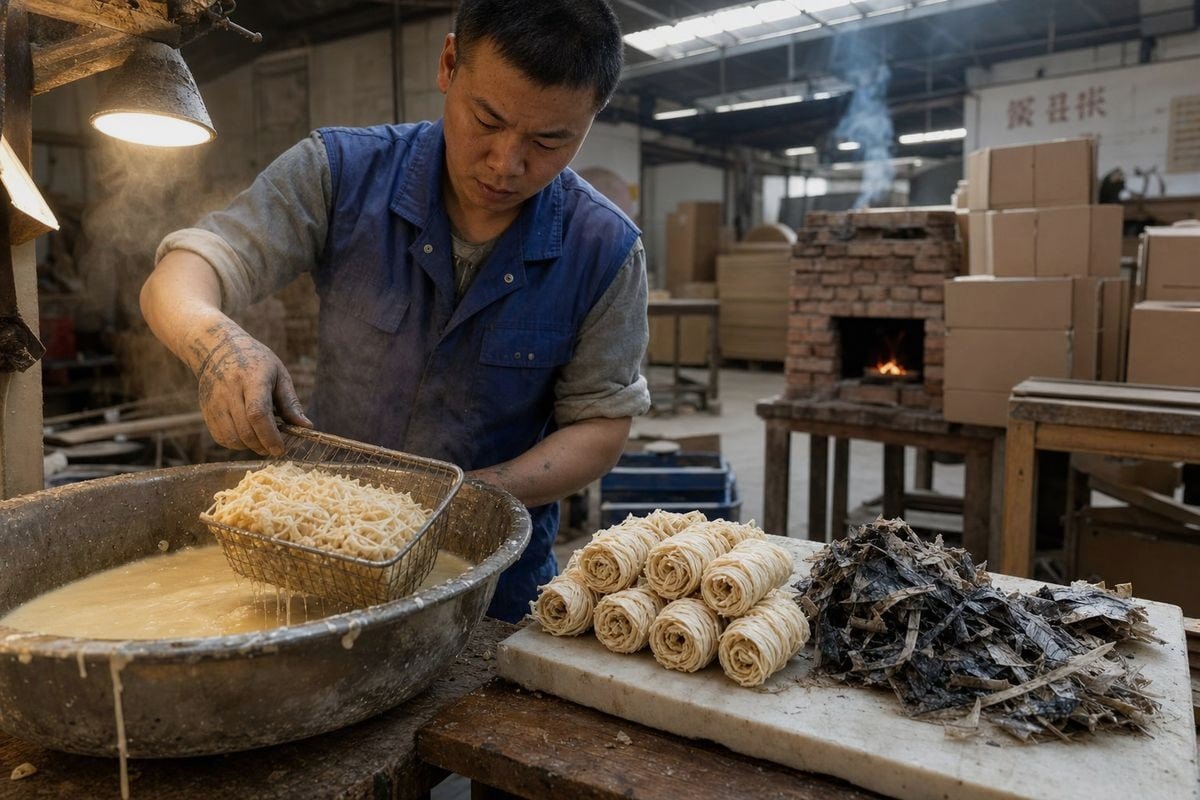
Los materiales lo deciden todo. Los encendedores de lana de madera sumergidos en cera limpia arden con calor y rapidez con un residuo mínimo, mientras que los acelerantes de petróleo, los plásticos o los rellenos húmedos arden lentamente, liberando compuestos orgánicos volátiles, emisiones de partículas pesadas y hollín pegajoso que ensucian los conductos y los combustores catalíticos.
El humo es simplemente la combustión incompleta 3 visible. Cuando un iniciador se quema por completo, su carbono y volátiles se convierten en calor, CO2 y vapor de agua. Cuando se quema parcialmente, esos mismos compuestos escapan como PM2.5 y compuestos orgánicos volátiles. La mezcla de materiales controla qué resultado se obtiene.
Comparación de tipos comunes de iniciadores
| Tipo de iniciador | Salida de humo | Residuo | Compatibilidad con estufas certificadas |
|---|---|---|---|
| Rollos de lana de madera encerada | Muy bajo | Solo ceniza fina | Excelente |
| Discos de serrín y cera comprimidos | Bajo | Ceniza ligera | Muy bueno |
| Periódico y cartón | Moderado a alto | Ceniza escamosa, brasas flotantes | Pobre |
| Gel de petróleo o líquido encendedor | Altos VOCs | Hollín, olor | No recomendado |
| Madera de desecho tratada o pintada | Alto y tóxico | Hollín químico | Nunca aceptable |
Por qué el contenido de humedad es la variable silenciosa
Nuestros rollos de madera recubiertos de cera comienzan con virutas secadas en horno. Eso es deliberado. Un alto contenido de contenido de humedad 4 es la principal causa de que el fuego humee. El agua absorbe el calor que debería estar impulsando la ignición, por lo que la llama se mantiene fría, la combustión permanece incompleta y sale humo. El recubrimiento de cera también sella la fibra de madera contra la humedad durante el envío, lo que importa cuando un contenedor cruza el océano hacia Rotterdam o Los Ángeles.
Residuos y salud a largo plazo de la estufa
El residuo no es solo una molestia de limpieza. El alquitrán pegajoso y sin quemar acelera acumulación de creosota 5 en el conducto, lo que es un peligro de incendio. En los modelos catalíticos, los humos sintéticos y el hollín pesado pueden ensuciar el combustor catalítico y degradar permanentemente el rendimiento de emisiones de la estufa. Un iniciador limpio protege el aparato por el que su cliente pagó un precio premium.
¿Puedo obtener informes de prueba que verifiquen el cumplimiento de las normas EPA y de la UE para estufas?
Una lección que nuestro equipo de exportación aprendió hace años: un comprador minorista de EE. UU. perdonará un tiempo de entrega un poco más largo, pero nunca la falta de papeleo en la aduana. La documentación es parte del producto.
Sí. Las fábricas de renombre proporcionan informes de prueba SGS o Intertek que cubren la composición del material, el comportamiento de combustión, los residuos de cenizas y la ausencia de productos químicos prohibidos. Estos informes demuestran la compatibilidad con las estufas de leña certificadas por la EPA y las expectativas de la UE, aunque los iniciadores quedan fuera de la certificación directa de aparatos NSPS.

Permítanme ser preciso sobre lo que un informe de prueba puede y no puede decir, porque las afirmaciones vagas causan problemas reales en el comercio minorista. Un informe no puede afirmar que un iniciador de fuego "cumple con los límites del Paso 2 de la EPA". Esos límites, 2.0 g/h según el método de madera de cuna y 2.5 g/h según el método de leña, se aplican a los aparatos probados en laboratorios acreditados. Lo que un informe puede verificar es todo lo que determina si su iniciador ayuda o perjudica el rendimiento del estufa en el mundo real.
Qué cubre un informe adecuado de terceros
- Composición completa del material, por ejemplo, una formulación declarada de 50% de fibra de madera y 50% de cera, verificada contra el producto real.
- Ausencia de destilados de petróleo, madera tratada, plásticos y metales pesados.
- Consistencia del tiempo de combustión y la temperatura de la llama entre muestras.
- Cantidad de ceniza y residuo después de la combustión completa.
- Conformidad del embalaje y etiquetado para el mercado de destino, incluidos los requisitos relacionados con la CE en la UE.
Cómo los números regulatorios enmarcan su decisión de abastecimiento
El contexto ayuda aquí. Las estufas antiguas sin certificar emiten aproximadamente de 15 a 30 g/h de humo. El Paso 1 de la EPA redujo los límites de las estufas nuevas a 4.5 g/h, y el Paso 2 los empujó a 2.0 a 2.5 g/h. Las normativas estatales heredadas todavía hacen referencia a 7.5 g/h para unidades no catalíticas y 4.1 g/h para unidades catalíticas 6. Las estufas certificadas modernas comercializan un rendimiento en el rango de 1 a 4 g/h. Cuando los márgenes de los aparatos son tan estrechos, un iniciador sucio durante la ignición del combustible de biomasa puede importar genuinamente. Es exactamente por eso que los compradores serios exigen datos de prueba a nivel de iniciador. Cuando desarrollamos lotes de marca privada para nuestros distribuidores, alineamos el alcance del informe con su mercado objetivo primero, EE. UU., Alemania, Reino Unido o en otro lugar, para que la documentación coincida con lo que sus equipos de cumplimiento minorista solicitarán.
¿Qué controles de fabricación garantizan que cada lote cumpla los mismos puntos de referencia de emisiones?
Durante una auditoría de fábrica el año pasado, un gerente de compras visitante pasó más tiempo en nuestra estación de inmersión en cera que en nuestra sala de exposición. Movimiento inteligente. La consistencia del lote vive en la línea, no en el catálogo.
Las emisiones consistentes provienen de insumos controlados y resultados verificados: fibra de madera secada en horno con contenido de humedad fijo, cera de grado alimenticio a una proporción fija, tiempos de inmersión calibrados, pruebas de combustión por lote y muestras retenidas. Los sistemas ISO 9001 hacen que cada lote coincida con la primera muestra aprobada.
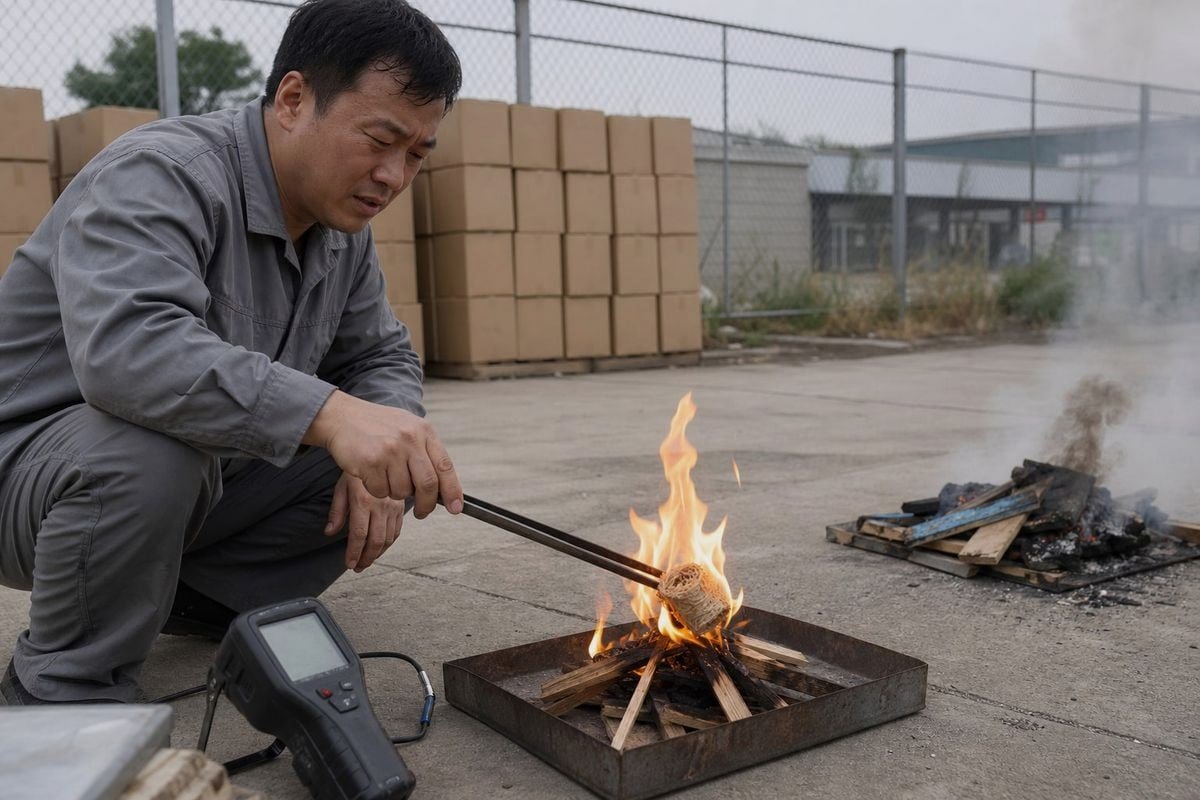
Un iniciador de fuego es un producto simple con una química implacable. Cambie una entrada y la combustión cambia. Por lo tanto, nuestro enfoque después de más de 17 años es bloquear cada variable que afecta la combustión, luego probar el resultado antes de que se envíe nada. La primera muestra que un comprador aprueba debe reflejar de manera confiable la producción en masa, porque nuestros clientes construyen programas minoristas sobre esa promesa.
Los puntos de control, paso a paso
- Recepción de materia prima. Las virutas de madera se verifican en cuanto a consistencia de especie y contenido de humedad antes de su aceptación. La fibra húmeda se rechaza, punto final.
- Verificación de cera. Cada entrega de cera se verifica según las especificaciones. Un punto de fusión diferente cambia la velocidad de ignición y el comportamiento del humo.
- Control de proporción. La proporción de fibra a cera se fija por SKU. El tiempo de inmersión y la temperatura de la cera se registran para cada lote de producción.
- Inspección en línea. Los operadores retiran unidades de la línea para verificar el peso, las dimensiones y la cobertura del recubrimiento según la tolerancia.
- Pruebas de combustión. Se encienden y cronometran muestras de cada lote. Observamos la altura de la llama, el color del humo, la duración de la combustión y las cenizas residuales.
- Muestras retenidas. Conservamos muestras selladas de cada lote, para que cualquier pregunta futura pueda rastrearse hasta evidencia física.
Por qué esto es importante para la compatibilidad del estufa
Las estufas modernas dependen de combustión secundaria 7, un suministro de aire escalonado que quema los gases de humo antes de que salgan de la caja de fuego. Ese sistema funciona mejor cuando el arranque es corto y caliente. Un lote con poca cera arde lentamente; un lote con mucha cera produce hollín. Los controles estrictos mantienen cada unidad dentro de la ventana donde la ingeniería del estufa puede hacer su trabajo. Para nuestros compradores OEM/ODM, también bloqueamos especificaciones personalizadas, tamaño, tiempo de combustión, embalaje, etiquetas de advertencia y códigos de barras, en la misma documentación controlada, para que un lote de marca privada en Polonia arda de manera idéntica a uno en Canadá.
Conclusión
Los arranques sucios socavan incluso las mejores estufas. Los iniciadores de fuego de madera limpios resuelven esto: materiales verificados, informes de pruebas de terceros y estrictos controles de lotes mantienen los aparatos certificados ardiendo según lo diseñado. Elija proveedores que lo demuestren.
Notas al pie
Explica las regulaciones federales para las emisiones de humo de las estufas de leña y el cumplimiento. ↩︎
Estándar oficial para medir las emisiones de partículas de las estufas de leña residenciales. ↩︎
Define el proceso químico donde el combustible



 English
  Spanish
  German
  French
  Arabic
  Portuguese
Únete a la conversación