






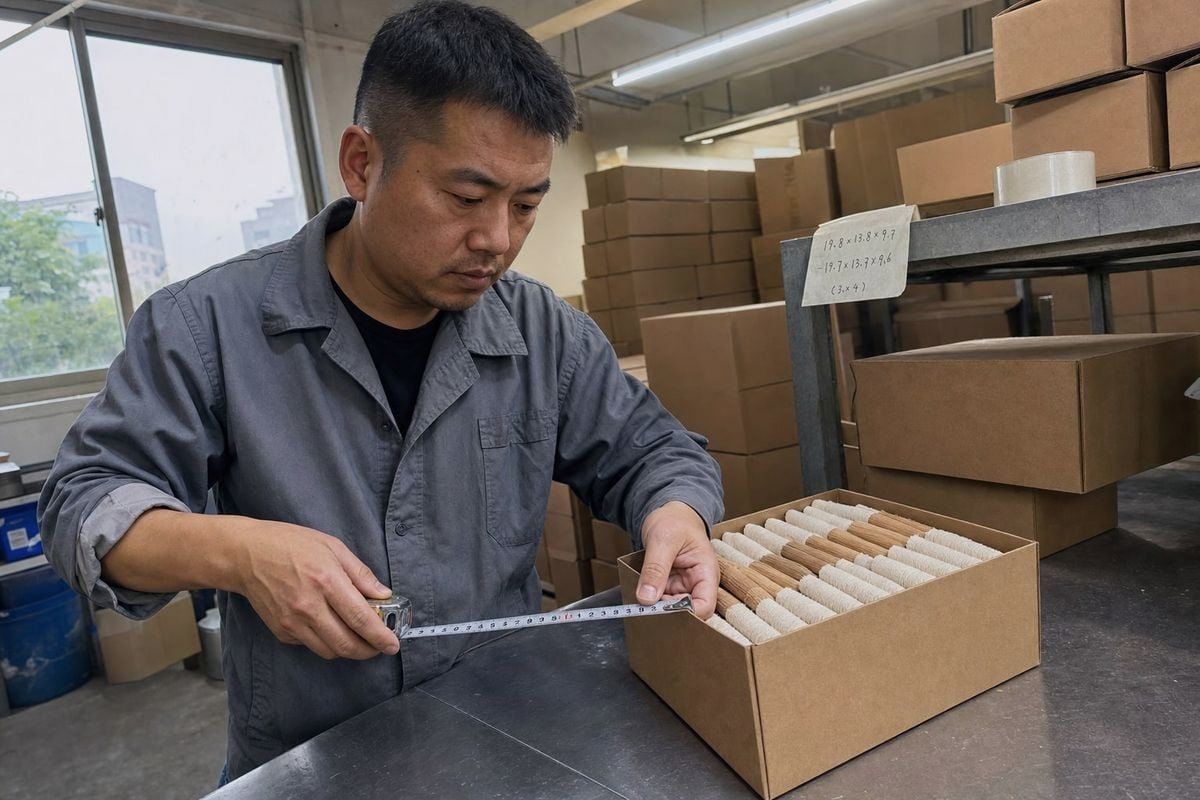
El embalaje del iniciador de fuego de leña decide silenciosamente tus márgenes de Amazon diseños de cajas de cartón 1. En nuestra línea de producción en Ningbo, he visto media pulgada de espacio libre en la caja borrar el beneficio total por unidad de un cliente.
El embalaje del iniciador de fuego de leña afecta directamente a las tarifas de FBA porque Amazon asigna niveles de tamaño según las dimensiones y el peso del artículo empaquetado. Si su caja cruza un umbral de nivel (de estándar pequeño a estándar grande, o de estándar a extragrande), las tarifas de cumplimiento pueden aumentar entre $1 y $3 o más por unidad.
El problema es simple. Las matemáticas no lo son. A continuación, detallo cómo las elecciones de embalaje influyen en los resultados de las tarifas de FBA y cómo solucionarlas antes de realizar un pedido.
¿Cómo calculo el peso dimensional FBA para paquetes de iniciadores de fuego de madera antes de realizar un pedido?
Un comprador de Texas me envió un correo electrónico en pánico. Su paquete de 24 rollos de madera encerados estaba siendo facturado peso dimensional 2, no por peso real, y su modelo de costo de llegada era repentinamente incorrecto.
Para calcular el peso dimensional de FBA, multiplique el largo, ancho y alto del paquete en pulgadas, luego divida por 139. Amazon factura las tarifas de envío por el mayor peso entre el peso real del envío o el peso dimensional, por lo que los paquetes ligeros de iniciadores de fuego de madera generalmente se facturan según la cifra dimensional.
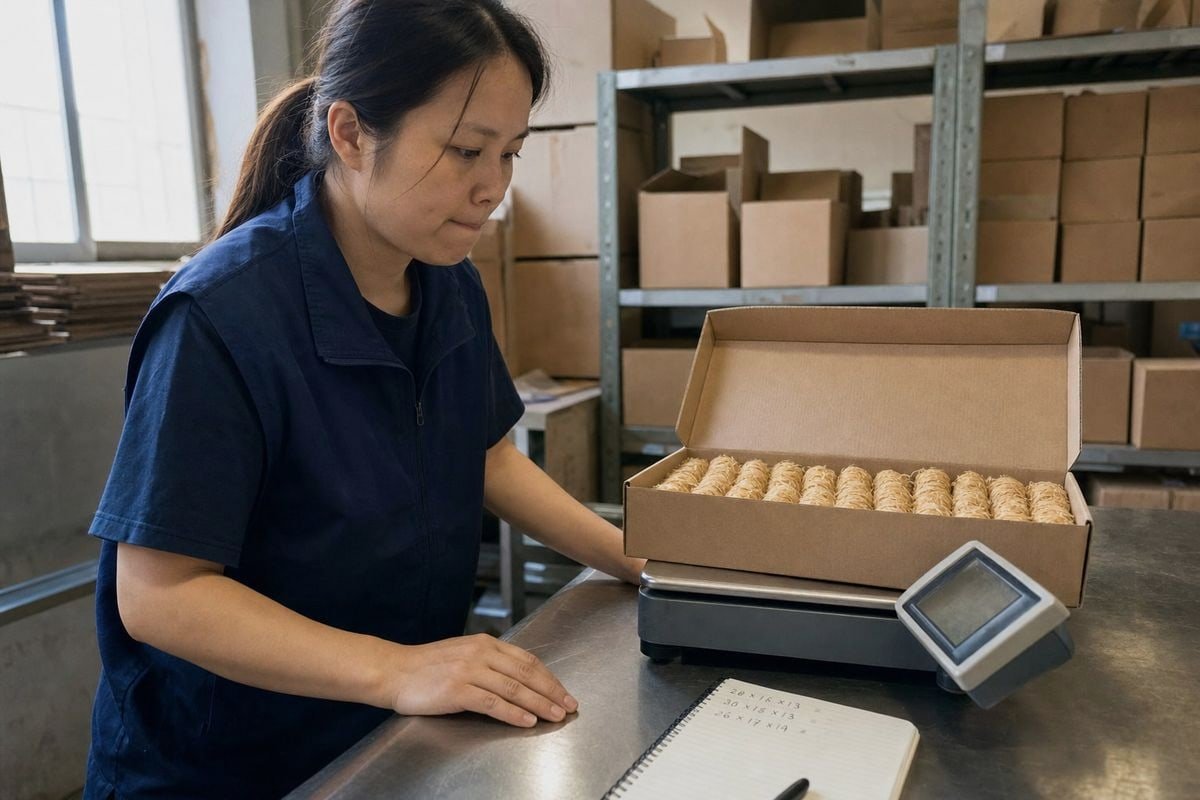
Los iniciadores de fuego de leña son ligeros para su tamaño. Los rollos de estopa y los discos de lana de madera 3 son principalmente aire y fibra, envueltos en cera. Eso significa que el peso dimensional casi siempre supera al peso real en la lógica de facturación de Amazon. Necesitas hacer estos cálculos antes de aprobar una muestra, no después de tu primer informe de tarifas.
La fórmula en la práctica
Tome un paquete típico de 20 rollos cilíndricos para iniciar fuego. Suponga que la caja minorista mide 12" x 8" x 5" y pesa 2.4 lb. El peso dimensional es (12 × 8 × 5) ÷ 139 = 3.45 lb. Amazon redondea hacia arriba y factura 4 lb, no 2.4 lb. Acabas de pagar por aire.
| Configuración del paquete | Dimensiones de la caja | Peso real | Peso dimensional | Peso Facturado |
|---|---|---|---|---|
| Paquete de 10 rollos | 9" x 6" x 4" | 2 lb | 55 lb | 2 lb |
| Paquete de 20 rollos | 12" x 8" x 5" | 4 lb | 45 lb | 4 lb |
| Paquete a granel de 50 unidades | 14" x 10" x 8" | 8 lb | 06 lb | 9 lb |
| 100 unidades comprimidas | 13" x 9" x 6" | 5 lb | 05 lb | 7 lb |
Una lista de verificación previa al pedido
Antes de realizar un pedido a cualquier fábrica, haz tres cosas. Primero, solicita las dimensiones y el peso exactos del producto empaquetado de la muestra, no de la hoja de especificaciones. Segundo, introduce esos números en la Calculadora de ingresos de FBA 4 en Seller Central para ver la tarifa de cumplimiento real. Tercero, comprueba qué tan cerca estás del siguiente umbral de nivel. Si estás a media pulgada o unas pocas onzas de un límite, pide a tu proveedor que ajuste el empaque. En nuestros más de 17 años exportando a EE. UU., los compradores que realizan esta verificación temprano evitan sorpresas desagradables. Recuerda un detalle específico de la madera: la fibra de madera es higroscópica. El producto empaquetado cerca de un rango de peso puede absorber humedad en un almacén húmedo y aumentar. Recomendamos dejar un pequeño margen de peso por esta misma razón.
¿Puedo rediseñar mi empaque de iniciador de fuego de madera para que caiga en un nivel de tamaño de Amazon más bajo?
El año pasado, nuestro equipo de OEM rediseñó la caja minorista de 100 unidades de un distribuidor europeo. Redujimos 0.7 pulgadas de espacio libre y movimos el SKU de estándar grande a un rango de peso inferior. Su tarifa se redujo notablemente por unidad, en miles de unidades por mes.
Sí. Rediseñar el embalaje de iniciadores de fuego de madera puede hacer que el artículo caiga en una categoría de tamaño inferior si el cambio cruza un umbral de Amazon. Reducir el espacio libre, cambiar a patrones de empaque más ajustados o comprimir la lana de madera puede cambiar una SKU de estándar grande a estándar pequeño, ahorrando aproximadamente $1–$3 por unidad.
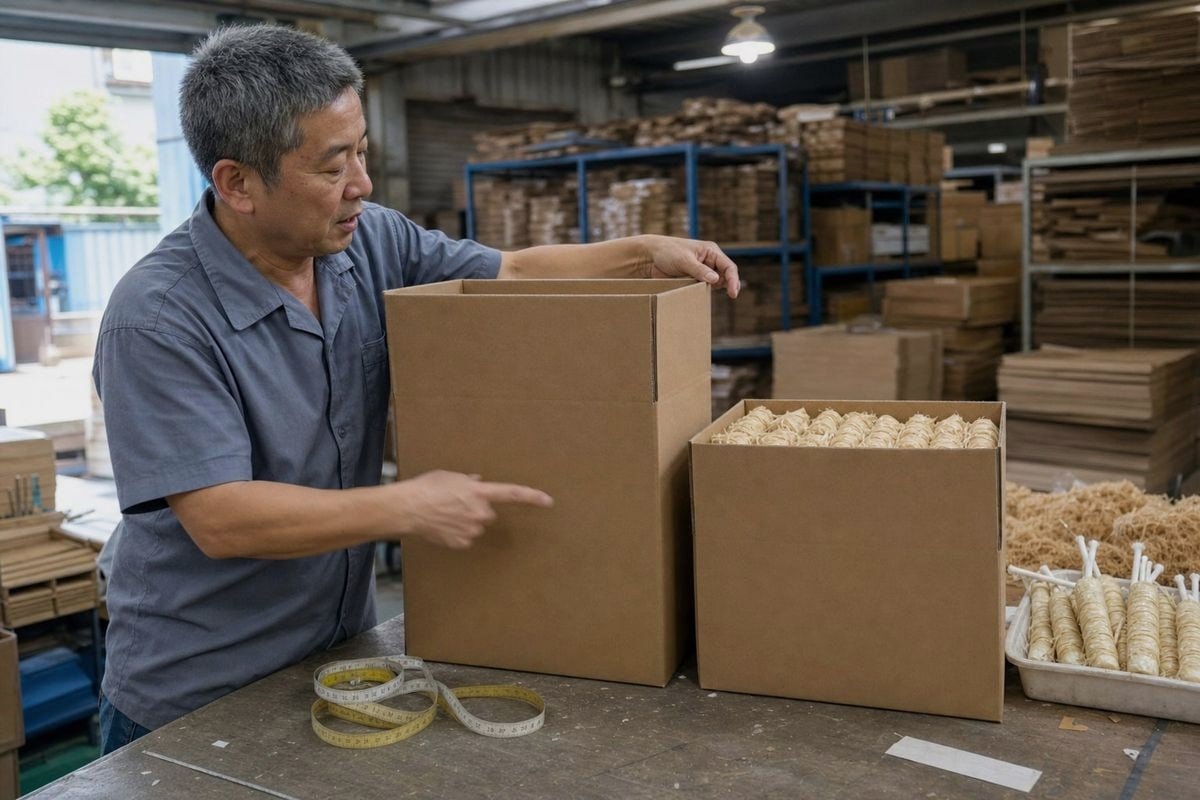
La idea clave son las matemáticas de los umbrales. Amazon no fija precios de embalaje en una curva suave. Las tarifas aumentan en límites estrictos. Si tu caja actual ya se encuentra cómodamente dentro de un nivel, reducir un cuarto de pulgada no cambia nada en las tarifas de cumplimiento, aunque sí reduce las tarifas de almacenamiento cúbico. Pero si te encuentras justo por encima de un límite, un pequeño rediseño se amortiza de inmediato.
Dónde se encuentran los umbrales
Cajas estándar pequeñas de hasta 15" x 12" x 0.75" y 1 lb, que la mayoría de los paquetes múltiples de iniciadores de fuego superan. Las grandes estándar llegan hasta 18" x 14" x 8" y 20 lb. Si superas alguna de esas, entras en territorio de gran tamaño, donde la diferencia entre tamaño estándar y gran tamaño se encarece rápidamente, a menudo varios dólares por unidad más recargos de manipulación.
Rediseña palancas que funcionen de verdad
- Elimina el espacio muerto. El relleno de vacío adicional infla las dimensiones del producto sin proteger nada que una caja más ajustada no haría.
- Comprime la fibra. La compresión industrial de lana de madera puede reducir el volumen del paquete entre un 20 y un 40 % manteniendo intacto el rendimiento de la combustión.
- Repiensa el patrón del paquete. El anidamiento volumétrico (apilamiento hexagonal o escalonado de discos cilíndricos) reduce la huella en comparación con una cuadrícula simple.
- Divide o combina recuentos. A veces, un recuento de 60 se sitúa de forma incómoda en un límite, mientras que un recuento de 50 y uno de 100 se ajustan de forma eficiente.
- Verifica con la Calculadora de Ingresos de FBA antes de comprometerte con herramientas o plantillas.
Una advertencia por experiencia: nunca permitas que la persecución de niveles comprometa la presentación minorista o la resistencia a la rotura. Una caja que se aboya durante el transporte genera devoluciones y cargos por defectos de entrada según las reglas más estrictas de Amazon para 2026, y esas penalizaciones anulan tus ahorros. Ten en cuenta también las bandas de tarifas basadas en precios de 2026. Los productos de tamaño estándar con precios entre 10 y 50 dólares vieron aumentos promedio en las tarifas, por lo que tu estrategia de embalaje y tu estrategia de precios ahora interactúan. Un paquete múltiple con un precio justo por debajo del límite de una banda, en una caja más pequeña, puede ser una doble victoria.
¿Qué materiales de embalaje me ayudan a reducir el peso dimensional sin comprometer la protección del producto?
La elección del material es un compromiso que sopesamos en cada proyecto de marca privada. Una caja de regalo rígida luce de primera calidad en un estante estilo Home Depot, pero para los SKU exclusivos de FBA, esa rigidez a menudo es aire muerto pagado.
Materiales flexibles —bolsas de polietileno, film retráctil y fundas de kraft— reducen el peso dimensional al ajustarse al producto en lugar de empaquetar aire. Los fardos de virutas de madera comprimida en embalaje al vacío o retráctil pueden reducir el volumen facturable en un 20-40%, mientras que los insertos de cartón corrugado o el recubrimiento de cera mantienen la protección y el cumplimiento de la preparación de Amazon.
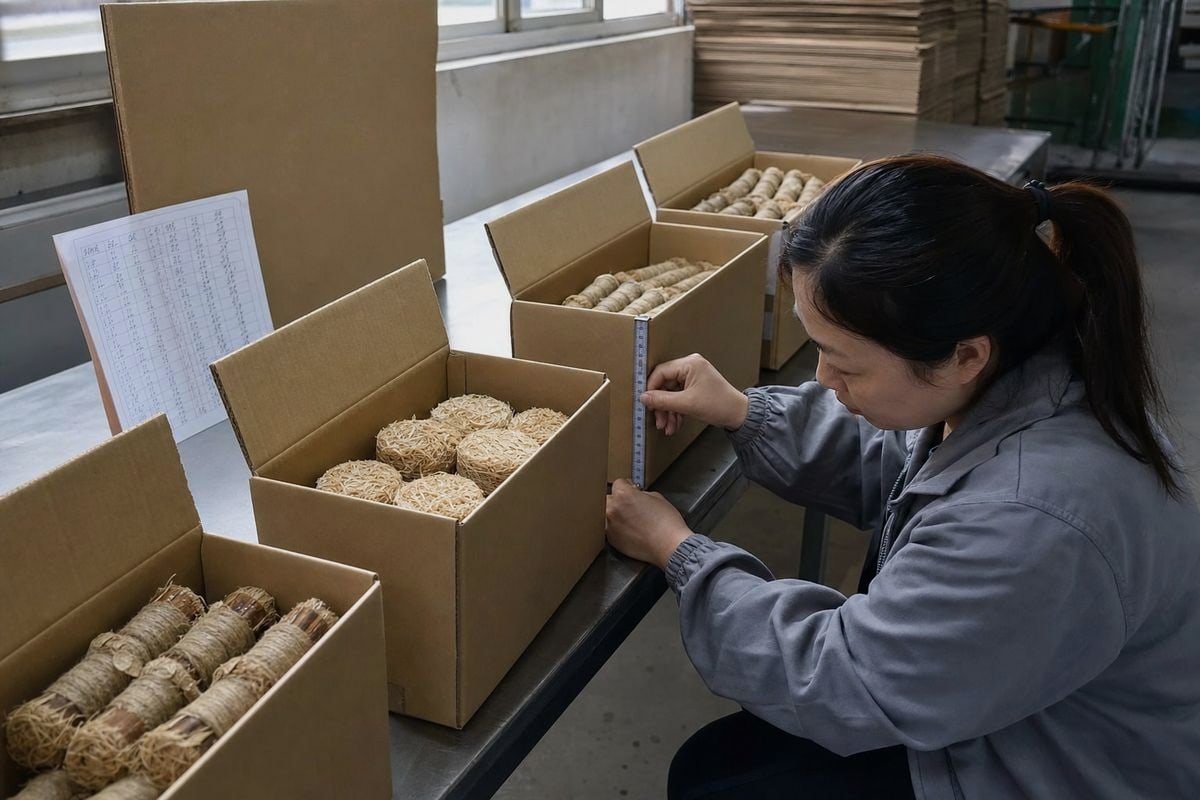
Los iniciadores de fuego de madera son productos indulgentes. No son frágiles como el vidrio, y el recubrimiento de cera que aplicamos en nuestros rollos encerados ya proporciona resistencia a la humedad y rigidez estructural. Eso abre la puerta a formatos de embalaje más ligeros y ajustados que un producto frágil nunca podría usar.
Comparación de materiales para iniciadores de fuego de FBA
| Formato del material | Impacto del peso dimensional | Nivel de protección | Notas de preparación de Amazon |
|---|---|---|---|
| Caja rígida para minoristas | Alto: añade aire muerto y grosor de pared. | Excelente resistencia a la rotura. | Generalmente elegible para SIPP si es resistente. |
| Bolsa de polietileno / envoltorio retráctil | Bajo: se adapta al producto. | Moderado; necesita advertencia de asfixia. | Debe cumplir los requisitos de embolsado de polietileno. 5 |
| Funda y bandeja de Kraft | Medio | Bueno | Reciclable; compatible con EPR. |
| Paquete comprimido al vacío | Más bajo | Bueno después de las pruebas de rebote de fibra. | Verifica la escaneabilidad del código de barras. |
La protección no es negociable.
Aquí está el contrapunto que siempre planteo a los compradores que buscan el menor peso dimensional. Los requisitos de embolsado de polietileno de Amazon exigen advertencias de asfixia y un grosor mínimo. Los iniciadores de fuego a base de cera también pueden ablandarse en remolques calientes, por lo que el embalaje debe evitar que las unidades se fusionen. Y según las nuevas reglas de EPR en Europa, el film no reciclable puede generar costos de cumplimiento más adelante. Es por eso que nuestra fábrica combina materiales ecológicos con SGS y Pruebas de Intertek 6—tu embalaje debe sobrevivir a la cadena de suministro, cumplir con las normativas y satisfacer el algoritmo al mismo tiempo. Otra palanca que vale la pena perseguir: el programa Se envía en embalaje del producto 7. Si tu caja de venta al por menor está certificada para SIPP, Amazon omite la sobrecaja por completo, reduciendo el peso del envío saliente y obteniendo un descuento por unidad adicional. Diseñamos muchas cajas OEM según los estándares de caída tipo ISTA por esta misma razón. Las tarifas de almacenamiento también son importantes. Los costos de almacenamiento cúbico se basan en el volumen y, durante las tarifas pico del cuarto trimestre, incluso una reducción de 0.25 pulgadas en el grosor de la pared se acumula en miles de unidades almacenadas.
¿Cómo trabajo con mi fabricante para optimizar las configuraciones de las cajas y reducir las tarifas de FBA?
Las llamadas de abastecimiento más productivas que recibo comienzan con un informe de tarifas, no con un objetivo de precio. Cuando un comprador comparte sus cargos reales de FBA, nuestros ingenieros pueden realizar ingeniería inversa de una configuración de cartón que ataque el verdadero impulsor de costos.
Comparte tu nivel de tamaño FBA objetivo con tu fabricante antes de que comience la fabricación de herramientas. Solicita las dimensiones de la unidad empaquetada, los diseños de los cartones maestros y las opciones de troquelado que mantengan la unidad minorista por debajo de los umbrales de nivel. Una fábrica OEM capaz prototipará dos o tres empaquetados y proporcionará mediciones verificadas para la Calculadora de Ingresos de FBA.
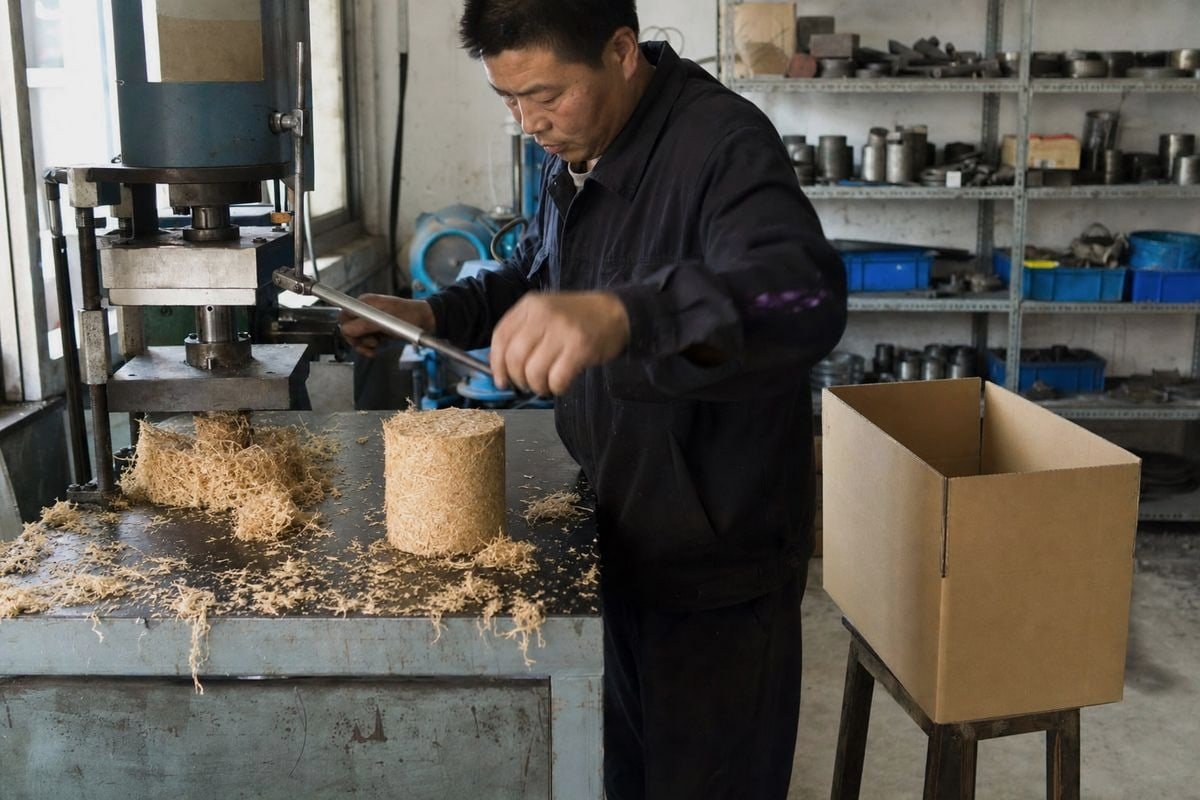
La mayoría de las fábricas cotizan el embalaje como una ocurrencia tardía. Eso es un error para los vendedores de FBA. La caja unitaria, el paquete interior y el cartón maestro forman un sistema, y cada capa afecta tus costos de manera diferente. La caja unitaria impulsa las tarifas de envío. El cartón maestro impulsa la eficiencia del transporte de entrada y la recepción. Optimizar uno ignorando el otro deja dinero sobre la mesa.
Un flujo de trabajo de colaboración práctico
- Envía tus datos de tarifas primero. Comparte el nivel de tamaño actual, el peso facturado y las tarifas de envío por unidad de Seller Central.
- Define el nivel objetivo. Indique el techo dimensional y de peso exacto que necesitas mantener, con un margen de seguridad para la ganancia de humedad.
- Solicitar alternativas de troquel. Normalmente proponemos una caja estándar, una caja con espacio reducido y una configuración comprimida o anidada.
- Obtener muestras físicas medidas. Calibres y una báscula calibrada en la muestra empaquetada real; nunca confíe solo en las dimensiones CAD.
- Validar el cumplimiento. Confirme las etiquetas de advertencia, los códigos de barras, las advertencias de asfixia y la elegibilidad SIPP antes de la producción en masa.
- Bloquear las tolerancias de control de calidad. Nuestros controles de lote a lote mantienen las dimensiones empaquetadas dentro de una tolerancia estrecha, por lo que la unidad 10.000 coincide con la primera muestra.
Lo que una buena fábrica debería proporcionar
| Entregable | Por qué es importante para FBA |
|---|---|
| Dimensiones y peso empaquetados verificados | Alimenta estimaciones precisas de la calculadora de ingresos de FBA |
| Informe de eficiencia de cubo de cartón maestro | Reduce los costos de flete entrante y recepción |
| Datos de prueba de compresión / rebote | Confirma que los paquetes de vacío mantienen su nivel después del tránsito |
| Documentación de cumplimiento (CE, SGS/Intertek) | Evita tarifas de defectos entrantes y suspensiones de listados |
| Troquel de marca privada con colocación de código de barras | Garantiza la escaneabilidad y la preparación para la certificación SIPP |
La lección que he aprendido en más de 30 mercados de exportación es que la optimización del embalaje es una conversación, no una línea de especificaciones. Los compradores que tratan a su fábrica como un socio de ingeniería de tarifas obtienen consistentemente mejores economías unitarias que aquellos que solo negocian el precio por pieza.
Conclusión
El embalaje es una palanca de ganancias, no una línea de costos. Mida sus dimensiones empaquetadas, ejecute los cálculos de nivel y diseñe su caja con su fábrica antes de realizar el pedido. Los pequeños cambios protegen las ganancias reales.
Notas al pie
Página de Wikipedia que describe los contenedores estandarizados utilizados para la distribución de envío y al por mayor. ↩︎
Explica el estándar de la industria naviera para calcular el peso facturable según el volumen del paquete. ↩︎
Entrada de Wikipedia para lana de madera, el material principal utilizado en la producción de iniciadores de fuego. ↩︎
Herramienta oficial de Amazon para calcular las tarifas de envío y los márgenes de beneficio para los vendedores de FBA. ↩︎
Directrices oficiales de seguridad y embalaje de Amazon para productos vendidos en bolsas de plástico. ↩︎
Proveedor global de pruebas de seguridad de productos y garantía de calidad para bienes de consumo. ↩︎
Programa de Amazon que se nombra directamente en el artículo para reducir los costos de embalaje de salida. ↩︎

 English
  Spanish
  German
  French
  Arabic
  Portuguese
Únete a la conversación