






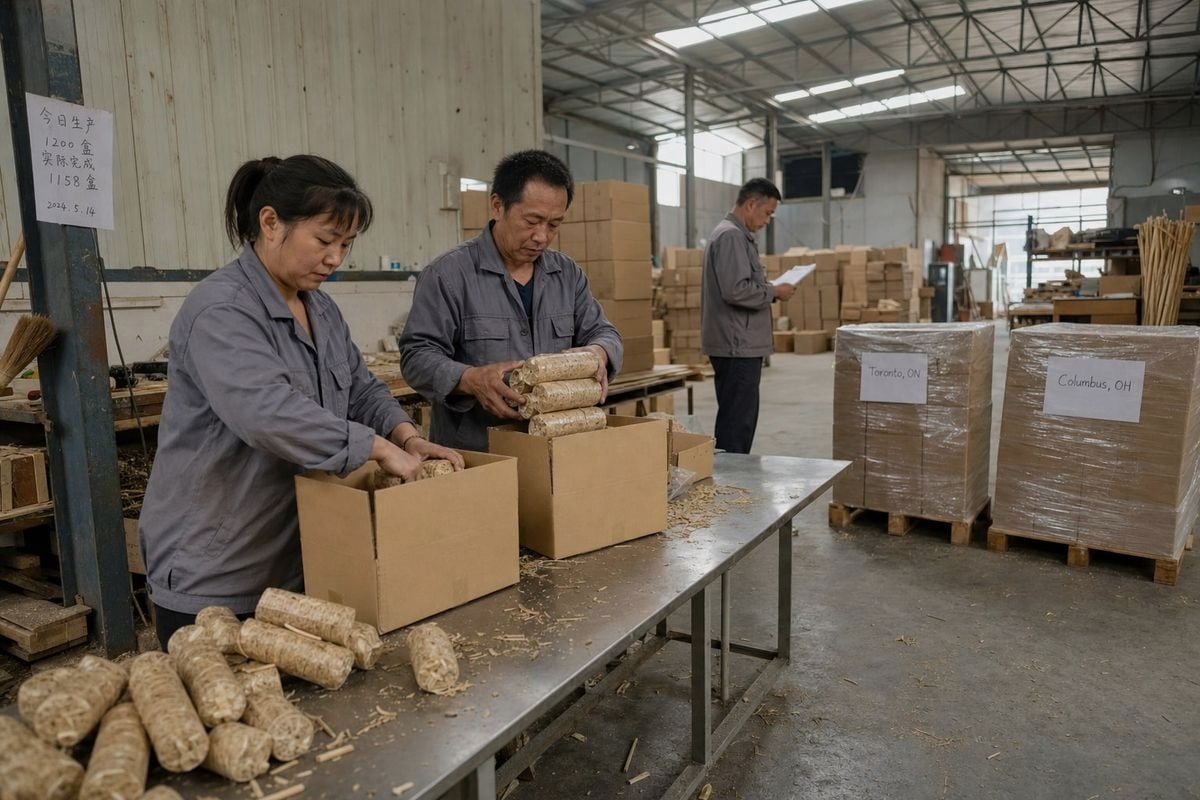
Wood fire starter export barriers confuse even experienced importers. After 17 years shipping our wax-dipped wood rolls into North America, I still see buyers stalled at customs over paperwork gaps.
Wood fire starter export barriers differ mainly in enforcement style: the U.S. leans on tariffs, HTS classification, CPSC flammability rules, and state quarantine maps, while Canada relies on CFIA phytosanitary permits, Health Canada consumer safety rules, bilingual labeling, and lower de minimis thresholds.
That short answer hides a lot of detail. Below, I walk through certifications, duties, packaging, agency compliance, and labeling — the four areas where these two markets diverge most for fire starter importers.
What certifications do I need to legally export wood fire starters to Canada versus the U.S.?
Early in our export history, a Canadian distributor asked us for CFIA-relevant treatment documentation we had never prepared for U.S. buyers. That single request reshaped how our factory files test reports.
For the U.S., you need SGS or Intertek flammability test reports aligned with CPSC expectations, plus heat-treatment or bark-free proof for APHIS. For Canada, you need Health Canada-compliant safety documentation, CFIA phytosanitary evidence, and often retailer-driven certifications like BSCI or ISO 9001.

The two markets do not share a single certification checklist, and that surprises many first-time buyers. Both countries care about pest risk and consumer safety, but they verify these things through different documents and different agencies. In our experience, the safest approach is to build one master documentation pack that satisfies the stricter requirement in each category.
Certification comparison at a glance
| Área de requisito | Estados Unidos | Canadá |
|---|---|---|
| Pest / plant health | USDA APHIS rules; heat-treated or bark-free wood proof | CFIA import inspection; treatment thresholds may differ |
| Consumer safety | CPSC-aligned flammability testing | Salud Canadá 1 consumer product safety regulations |
| Sistema de calidad | ISO 9001 2 valued by retailers | ISO 9001 plus BSCI often requested by chains |
| Pruebas de terceros | SGS / Intertek reports widely accepted | Same labs accepted, but reports must map to Canadian rules |
| Sustainability | FSC often demanded by large retailers | FSC or SFI, depending on the retail chain |
Why composition changes everything
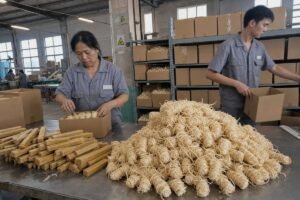
A compressed wood-fiber puck coated in paraffin, like the 50/50 wood fiber and paraffin products we produce, is usually treated as a processed consumer good. Raw kindling bundles with bark attached fall under much stricter plant-health scrutiny. Before quoting any North American buyer, we confirm exactly which product format they want, because the certification path can shift from a simple test report to full phytosanitary certification.
Retailer demands sit on top of legal minimums
Legal compliance is the floor, not the ceiling. Big-box sourcing teams in both countries frequently ask for auditorías sociales BSCI 3 and batch-level test reports. Our factory keeps these current year-round, because a lapsed audit can block a purchase order even when the product itself is fully legal to import.
How do customs duties and packaging regulations differ when shipping fire starters to these two markets?
One trade-off we weigh on every North American order is pallet choice. Ship on wood pallets and you invoke ISPM 15 rules; switch to plastic and you raise freight cost but simplify clearance.
U.S. duties hinge on HTS classification and, for Canadian-origin softwood products, Section 232 tariffs and AD/CVD duties; Canada applies lower de minimis thresholds (CAD 150 duty, CAD 40 tax) and CFIA packaging inspection. ISPM 15 wood packaging rules apply differently to each destination.
Duty exposure is where the two markets diverge most sharply, and the direction of shipment matters. A Canadian producer sending softwood-classified goods into the U.S. faces a layered tariff wall: anti-dumping and countervailing duties 4 on softwood lumber, plus the 10% Section 232 tariff 5 on softwood timber and lumber that took effect on October 14, 2025 — with no CUSMA-compliant exemption available. Whether a wood fire starter is caught depends entirely on its Código HTS 6 and composition. A wax-infused compressed fiber puck typically classifies away from raw lumber categories; bundled natural kindling may not.
Duty and threshold comparison
| Factor | Into the U.S. | Into Canada |
|---|---|---|
| De minimis (duty-free) | USD 800 | CAD 150 for duty, CAD 40 for tax |
| Softwood trade remedies | AD/CVD plus 10% Section 232 possible | Not applied to this category |
| Classification driver | HTSUS code and Commerce scope language | HS code under Canadian tariff |
| Preferential treatment | USMCA/CUSMA certification if qualifying | Same, with accurate origin paperwork |
| Wood packaging | ISPM 15 or Canada-U.S. exemption (continental U.S. only) | ISPM 15 marks for non-exempt origins like China |
Packaging is a barrier of its own
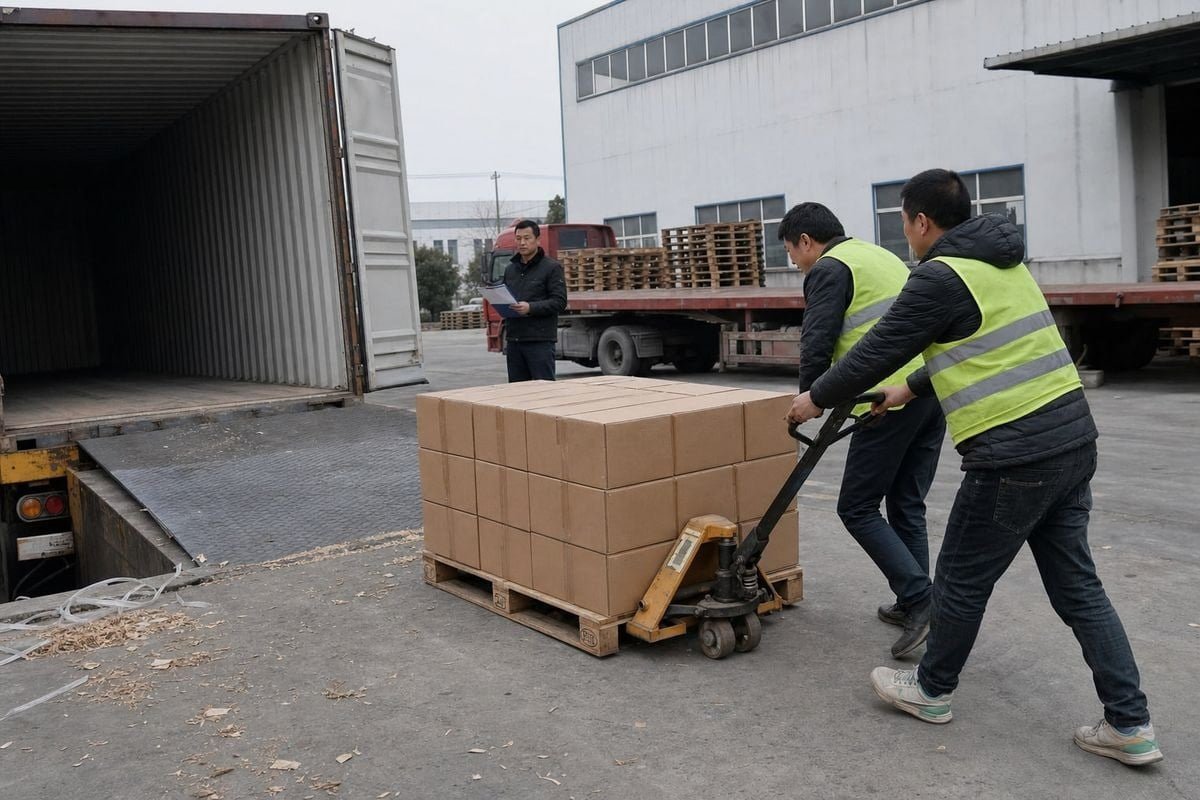
Shipments from our Ningbo production site to either country must carry ISPM 15 heat-treatment stamps 7 on all wood pallets, since the Canada-U.S. exemption only covers goods moving between those two countries — and only to the continental U.S., not Hawaii or U.S. territories. We stamp and photograph every pallet before loading. One missing mark can send an entire container back for fumigation or re-export.
The de minimis asymmetry hits small sellers hardest
E-commerce brands shipping direct to consumers feel this gap acutely. A USD 800 threshold lets small parcels into the U.S. duty-free, while Canada's much lower limits mean most retail-priced fire starter orders trigger duty and tax collection. We advise trial-order buyers to model landed cost for both markets separately before setting retail pricing.
A U.S. buyer once forwarded us a CPSC inquiry letter mid-shipment. Because our SGS reports were already on file, we resolved it in two days instead of losing the season.
Yes — a capable supplier should provide CPSC-aligned flammability test reports, CFIA-relevant treatment and composition documentation, batch traceability records, and pre-labeled compliant packaging. Suppliers holding ISO 9001, BSCI, CE, and SGS/Intertek certifications can supply most evidence both agencies request.
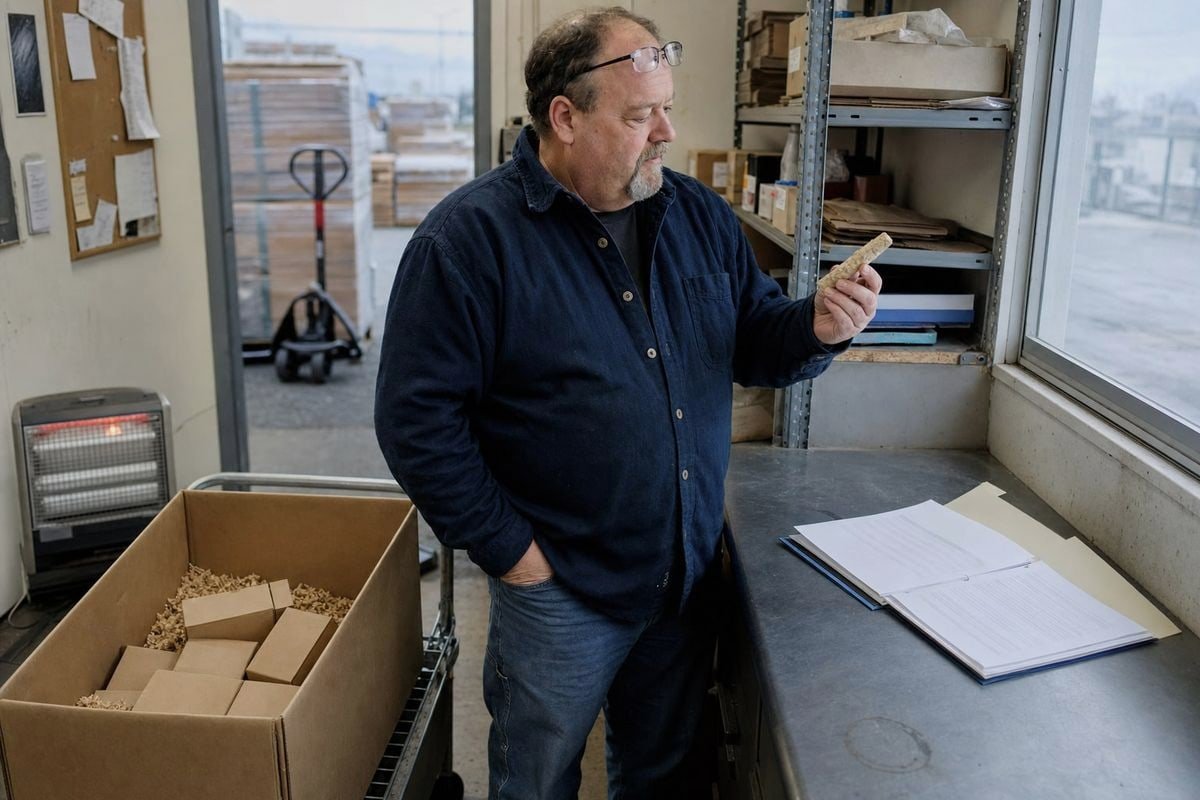
The honest answer depends on the supplier's depth. A trading company reselling third-party goods often cannot produce the underlying test data, treatment records, or batch traceability that CFIA and CPSC inquiries demand. A real factory can, because the evidence lives inside its own production system. When we onboard a new North American distributor, we hand over a compliance dossier before the first container ships, so their customs broker never has to chase us for paperwork.
What each agency actually looks at
CFIA cares about plant health. Its questions center on wood origin, bark presence, treatment method, and pest risk. CPSC cares about consumer safety. Its questions center on flammability behavior, ignition characteristics, packaging integrity, and warning adequacy. These are different conversations, and your supplier needs answers ready for both.
A practical supplier vetting sequence
- Ask for current ISO 9001 and BSCI certificates with valid dates.
- Request an existing SGS or Intertek flammability report for the exact product format you plan to import.
- Confirm the supplier can state wood fiber source, treatment method, and paraffin content in writing.
- Verify they have shipped to your destination country before and can name the HS code they used.
- Check whether they will pre-apply your market's warning labels and barcodes at the factory.
In our own operation, steps four and five separate serious partners from price-only vendors. We maintain batch-to-batch QC records precisely so a distributor facing an agency audit can trace any retail unit back to a production date, material lot, and inspection result. That traceability is what turns a regulatory inquiry from a crisis into a routine document exchange.
What labeling and safety warning differences should I expect between Canadian and U.S. import standards?
Bilingual labels taught us a hard lesson years ago. A Canadian order needed French warning text our English-only artwork lacked, and reprinting boxes delayed the shipment by three weeks.
Canada requires bilingual English-French labels, metric-first measurements, and Health Canada-compliant hazard warnings under consumer packaging rules. The U.S. requires English labels meeting CPSC and FTC standards, with flammability warnings and country-of-origin marking. Warning symbols, wording, and placement rules differ between the two.
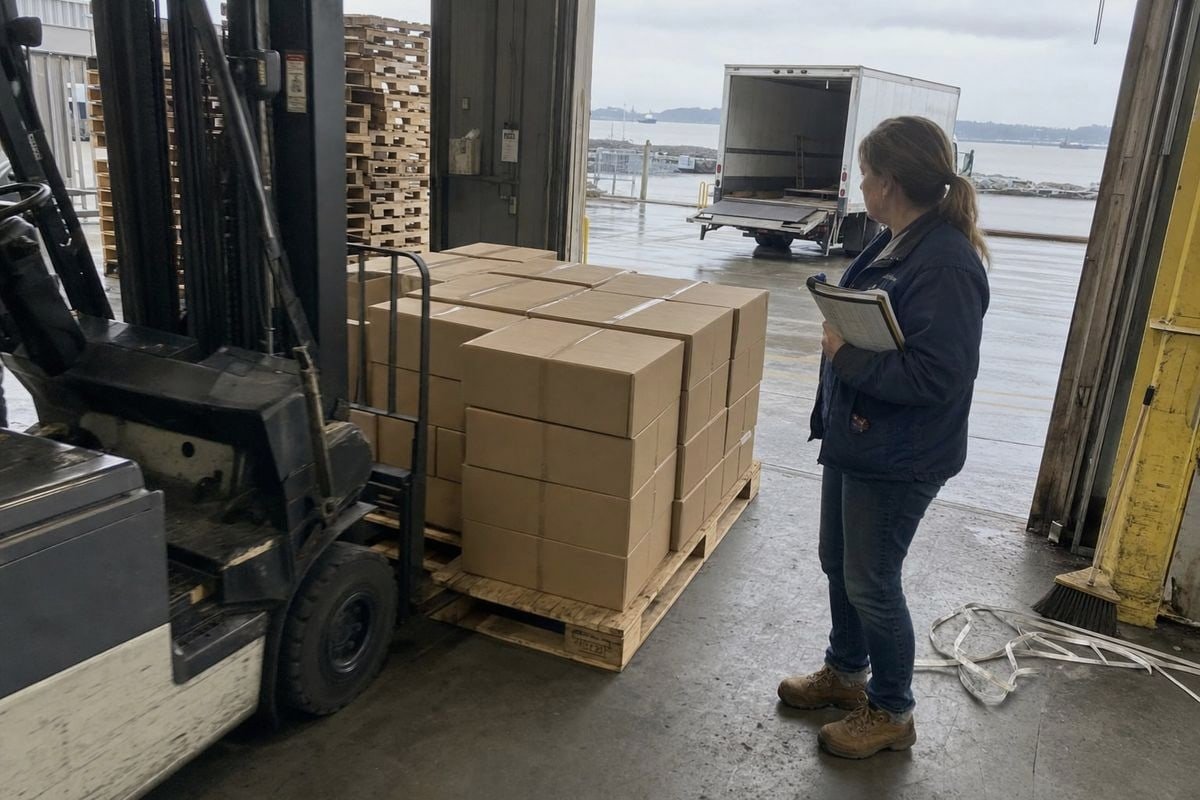
Labeling is the barrier buyers underestimate most, because it fails at the shelf, not just the border. Customs may release a shipment that a retailer's compliance team later rejects over a missing French panel or an incorrectly worded flammability warning. We design North American retail boxes in two separate artwork files from day one, rather than trying to squeeze both markets onto one label.
Key labeling differences side by side
| Elemento de la etiqueta | Estados Unidos | Canadá |
|---|---|---|
| Idioma | Inglés | English and French, equal prominence |
| Unidades | Imperial customary (metric optional) | Metric required |
| Advertencias de peligro | CPSC-driven flammability wording | Health Canada hazard symbols and prescribed text |
| Origin marking | "Made in China" (or origin) required | Origin marking required, bilingual context |
| Cantidad neta | FTC Fair Packaging rules | Consumer Packaging and Labelling Act format |
Warning content goes beyond translation
Direct translation of a U.S. warning into French does not make a label Canada-compliant. Health Canada prescribes specific hazard categories, symbol formats, and placement rules that differ from CPSC conventions. For our 100-piece fire starter retail boxes, the Canadian version carries restructured warning panels, not just translated ones.
Private-label implications
If you sell under your own brand, the labeling liability sits with you, not the factory. This is why we build warning labels, barcodes, and bilingual panels into our OEM artwork process and send print proofs for the buyer's legal review before mass production. Catching a wording error on a PDF proof costs nothing; catching it on 40,000 printed boxes costs the season.
Conclusión
Wood fire starter export barriers are asymmetric: the U.S. wields tariffs and CPSC rules, Canada wields CFIA permits and bilingual labeling. Prepare market-specific dossiers, and both borders open smoothly.
Notas al pie
1. Official source for the consumer safety agency governing Canadian labeling rules. ↩︎
2. Official ISO page defining the quality management standard referenced for supplier vetting. ↩︎
3. Explains BSCI social audit standards retailers require from suppliers. ↩︎
4. WTO explains these trade remedy mechanisms applied to softwood lumber imports. ↩︎
5. Background on the U.S. trade law authorizing tariffs discussed for softwood products. ↩︎
6. Official U.S. tariff classification database determining duty treatment for fire starters. ↩︎
7. Explains international wood packaging treatment standard referenced for pallet compliance. ↩︎


 English
  Spanish
  German
  French
  Arabic
  Portuguese
Únete a la conversación