







Verifying a supplier's export experience for fireplace colored pine cones is harder than it looks. On our production line in Ningbo, I have seen buyers arrive after being burned by fake "exporters" who never shipped a single carton.
To verify a supplier's export experience for fireplace colored pine cones, cross-check their legal registration, customs export records, redacted Bills of Lading, buyer references in your region, and certifications like ISO 9001, BSCI, and SGS test reports. Never rely on a single document or marketing claim.
That short answer covers the framework. Now let me walk you through each layer, step by step, so you can separate [real factory-exporters from middlemen](https://sunrichfire.com/how-tell-if-fireplace-colored-pine-cones-supplier-factory-trading-middleman/) with borrowed shipment stories.
How Many Years Should a Fireplace Colored Pine Cone Supplier Have Been Exporting Before I Trust Them?
A buyer from Germany once asked me this exact question during a video call from our Liuyang headquarters. My honest answer surprised him: years alone tell you very little.
A reliable supplier should show at least three to five years of consistent export activity in fire-related or color-flame products, backed by shipment records. Consistency across multiple seasons matters far more than a big number on a company profile page.

Our factory has been making fire-themed products for over 17 years, and I can tell you that longevity is only meaningful when it is verifiable and product-relevant. A trading company can claim "20 years in export" while having sold garden tools for 19 of them. Fireplace colored pine cones are a niche, seasonal, fuel-adjacent product. The supplier needs experience with treated organic materials 1, combustion safety, and seasonal bulk shipping logistics — not just generic export paperwork.
Why Consistency Beats Raw Age
A supplier who shipped colored pine cones every autumn for four straight years is safer than one who shipped once, five years ago. Repeat shipments prove three things. First, the product cleared customs repeatedly, which means the HS Code classification and phytosanitary paperwork held up. Second, buyers reordered, which signals acceptable quality. Third, the supplier survived the off-season, which many opportunistic traders do not.
A Practical Way to Weigh Experience
| Export Profile | Nivel de riesgo | Lo que sugiere |
|---|---|---|
| 5+ years, same product category, repeat destinations | Bajo | Established manufacturer-exporter |
| 3–5 years, related fire products, growing volume | Bajo-Medio | Maturing exporter, verify references |
| 1–2 years, mixed unrelated products | Medio-Alto | Possible trader testing categories |
| Claims "many years" but no shipment proof | Alto | Likely borrowed or fabricated history |
When we onboard new distributors, we expect them to check us this way. If a supplier gets defensive when you ask for multi-year proof, treat that as your answer.
What Documents Can I Ask For to Confirm My Supplier's Export Track Record?
There is a trade-off I always explain to new buyers: asking for too few documents leaves you exposed, while demanding originals of everything stalls the deal. The skill is knowing which papers actually prove export history.
Request redacted Bills of Lading from the past 12 months, sample commercial invoices, packing lists, the supplier's business license and export license validity, phytosanitary certification for treated cones, and a Material Safety Data Sheet for the coloring agents. Redacted documents protect their clients while proving real shipments.

In our export department, we keep a standard verification package ready because serious European and American buyers ask for the same core documents every time. Here is what each one proves, and what it cannot prove.
El conjunto de documentos central
| Documento | Lo Que Demuestra | Tenga cuidado con |
|---|---|---|
| Conocimiento de embarque 2 history | Real cargo moved by sea or air under the supplier's name | Company name must match the legal registration exactly |
| Commercial invoice + packing list | Product type, volume, and destination | Vague product descriptions like "decorative items" |
| Business license + export permit | Legal authorization to trade internationally | Expired or mismatched registration addresses |
| Phytosanitary certification | Cones were treated for pests and meet plant-health rules | Certificates that cannot be verified with the issuing authority |
| Hoja de Datos de Seguridad del Material | The metallic salts used for coloring meet emission and safety norms | Generic MSDS copied from another product |
Why Redaction Is Acceptable
Some buyers worry when a supplier blacks out client names on a Bill of Lading. Do not worry. We redact buyer names ourselves to protect existing distributors — that is professional practice, not evasion. What must stay visible is the exporter's legal name, the product description, the HS Code classification, the port pairs, and the dates.
One more nuance: documents can be edited or borrowed. A common objection I hear is that paperwork alone is enough. It is not. Treat documents as one layer, then verify them against customs export records and live checks, which the next sections cover.
How Do I Check If a Colored Pine Cone Factory Has Really Shipped to My Country Before?
Early in my career at our Ningbo plant, I learned a hard lesson watching a competitor's client lose a container season. The "factory" had never shipped to the US and misdeclared the treated cones, so the goods sat in customs past the holiday window.
Search customs and trade databases under HS Code 0604.90 using the supplier's exact registered name, confirm destination ports match your country, and request two or three trade reference checks with buyers in your region. Then confirm the supplier knows your market's labeling and safety rules.
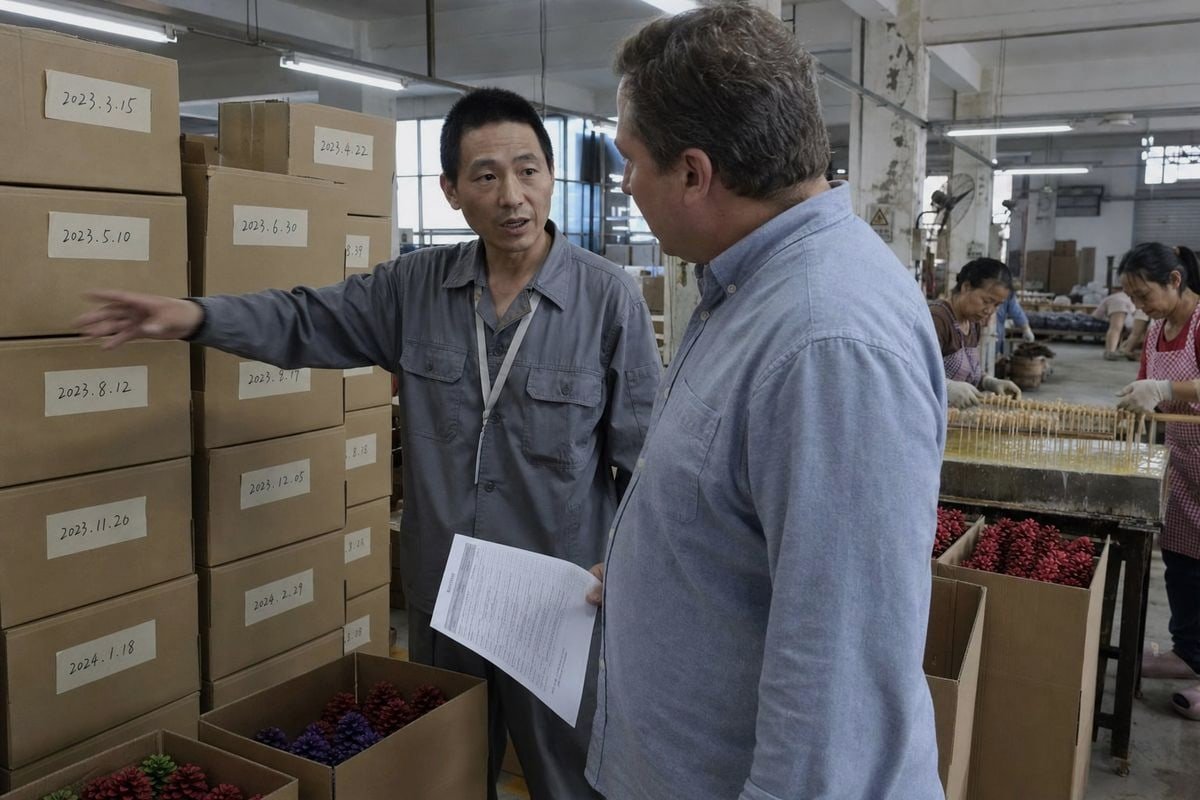
Destination-specific experience matters enormously for this product. Colored pine cones sit at the intersection of decorative goods, organic materials, and fire-starting products. Each destination treats them differently. A supplier who has cleared US customs ten times has already solved problems a first-timer has not even discovered.
A Step-by-Step Country Verification Process
- Get the supplier's exact registered legal name — the one used on export documentation, not the brand name on their website.
- Run that name through a commercial trade-data tool or customs export records database, filtering by HS Code 0604.90 3 and related fire-product codes.
- Check shipment frequency, volume, and historical destination ports. Look for your country or a market with similar compliance standards.
- Match the trade data against the business license. Mismatched entities are a classic sign of a trader using another company's history.
- Ask for trade reference checks — ideally two buyers in your own region — and actually call or email them.
- Quiz the supplier on your market's specifics: warning-label wording, barcode formats, retail packaging norms, and import duty treatment.
When buyers from the US, Germany, or Australia run us through this process, we can answer the market-specific questions from memory, because we have shipped to 30+ countries and handle private-label warning labels and barcodes in-house. A genuine exporter to your country will talk fluently about its quirks. A pretender will change the subject.
Reference Calls: What to Actually Ask
Keep reference calls short and factual. Ask about on-time delivery, whether the first sample matched mass production, how claims were handled, and whether they reordered. Multiple references beat one, and references in your own region beat distant ones.
Can I Verify a Supplier's Export Experience Through Certifications Like ISO, CE, or SGS Reports?
Compliance is where I refuse to compromise, and our buyers feel the same. When we pursued ISO 9001 4 and BSCI certification years ago, the audits forced us to document processes we had run informally for a decade — and that documentation is exactly what you should ask to see.
Yes, but certifications verify systems and product safety, not shipment history. ISO 9001 confirms quality assurance protocols, BSCI confirms ethical labor practices, CE and SGS or Intertek reports confirm product compliance. Combine them with Bills of Lading and customs data for full verification.
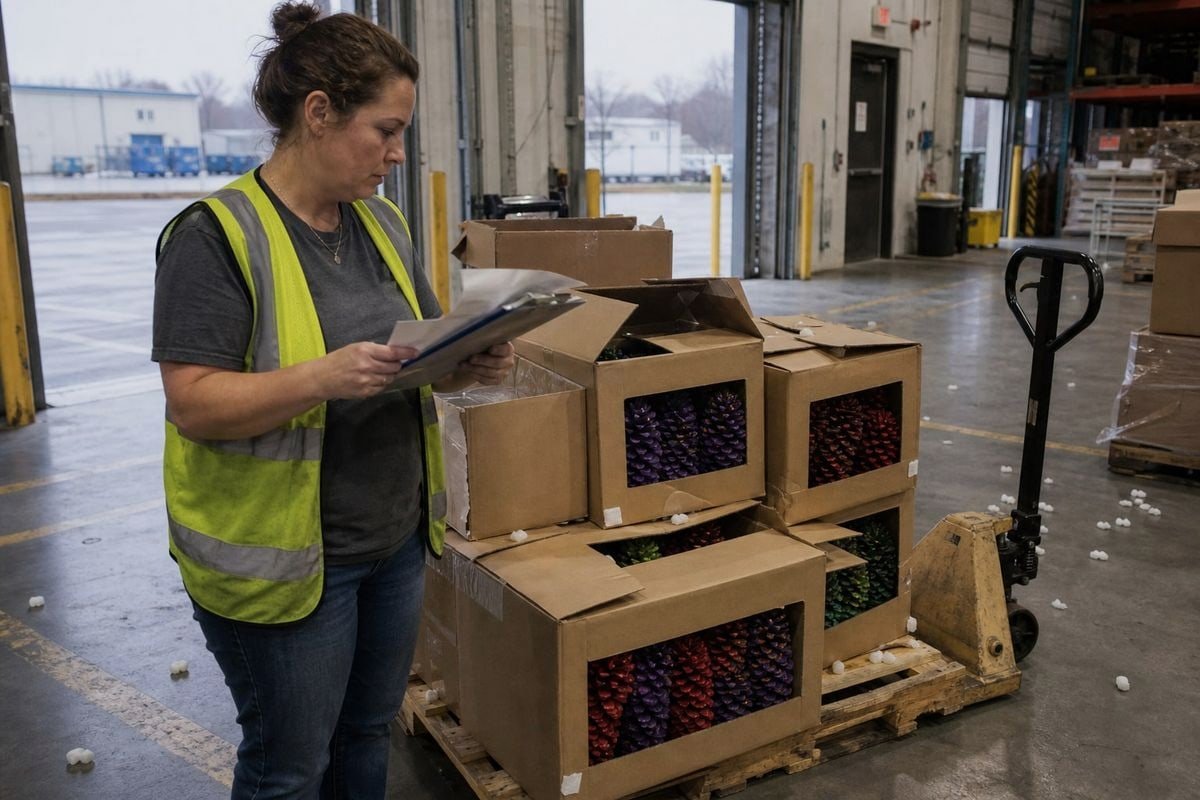
Here is the critical distinction most sourcing guides miss: a certificate proves the supplier operates a real, audited system. It does not prove they exported to your country, and it does not replace shipment evidence. Both layers matter, and they answer different questions.
Lo que realmente le dice cada certificación
| Certificación / Informe | Question It Answers | How to Authenticate |
|---|---|---|
| ISO 9001 | Does the factory run documented quality assurance protocols? | Verify the certificate number with the issuing body |
| BSCI 5 | Are labor and ethical standards audited? | Request the audit ID and check the platform record |
| CE / product test reports | Does the product meet destination safety norms? | Confirm the report covers the exact product, not a similar one |
| SGS / Intertek factory audit | Does the claimed factory and capacity actually exist? | Cross-check the audited address against the business license |
Reading Test Reports Like a Buyer, Not a Tourist
A test report is only as good as its scope. Check that the SGS or Intertek report names the colored pine cones specifically — including the coloring compounds — not an unrelated item from the same catalog. For fire products, insist the report addresses combustion emissions and heavy-metal content 6. We supply Intertek and SGS reports for every product family precisely because retail chains in the US and EU treat this as a hard requirement, not a nice-to-have.
Factory audit verification deserves special mention. A third-party audit 7 report describing production lines, warehouse stock, and worker counts is powerful evidence that you are dealing with a real factory rather than a broker. Pair it with a live video walkthrough. During the call, ask to see raw pine cone inventory, the coloring and drying process, kiln-drying or moisture-control records, and finished export cartons. A genuine producer shows you everything in ten minutes. A trader stalls, reschedules, or offers stock footage.
One final caution: certifications do not guarantee batch consistency. A supplier can hold every certificate and still ship a second order worse than the first. That is why we run batch-to-batch quality control on every production run — and why your last verification step should always be a paid sample order followed by a modest trial shipment.
Conclusión
Verify fireplace colored pine cone suppliers through layered proof: legal identity, customs records, Bill of Lading history, references, certifications, and a trial order. No single document is enough — real exporters welcome the scrutiny.
Notas al pie
1. International Plant Protection Convention governs phytosanitary treatment of organic export materials. ↩︎
2. Background reference explaining the shipping document used to verify export history. ↩︎
3. Government trade resource explaining harmonized system codes used to verify shipments. ↩︎
4. Authoritative Wikipedia entry providing a stable and accessible overview of the ISO 9001 standard. ↩︎
5. Updated official landing page for the amfori Business Social Compliance Initiative (BSCI) solution. ↩︎
6. Background concept on heavy metals relevant to combustion safety testing standards. ↩︎
7. Explains quality audit practices used to verify factory legitimacy and capacity. ↩︎


 English
  Spanish
  German
  French
  Arabic
  Portuguese
Únete a la conversación