






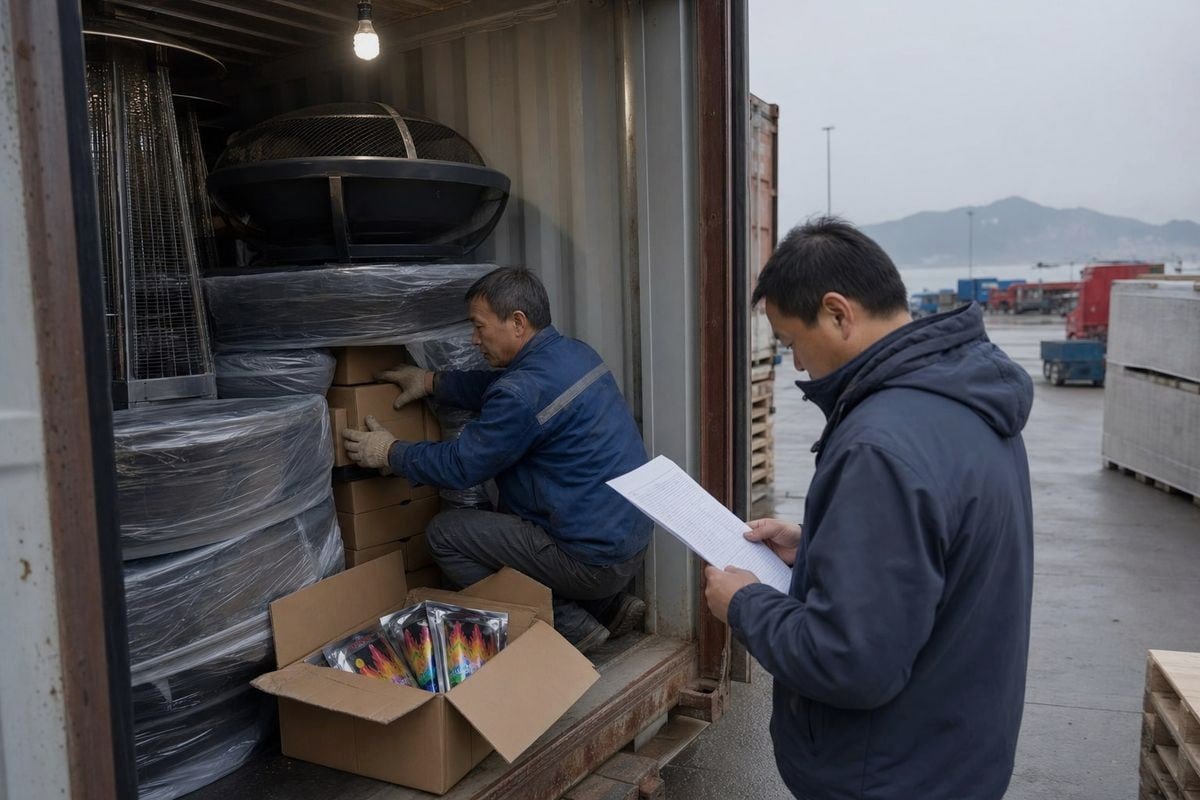
Residuos de mercancías voluminosas llenan el espacio del contenedor rápidamente. En nuestra línea de producción de Ningbo, he visto a compradores pagar el flete completo por contenedores medio vacíos; el peso del polvo Magic Fire puede ayudar a compensar esa pérdida.
El peso del polvo Magic Fire compensa el espacio desperdiciado del contenedor al añadir carga densa y compacta — paquetes de 10g a 30g cada uno — en los vacíos dejados por productos voluminosos. Esto aumenta el peso total de la carga y la densidad de la carga, mejorando la utilización del contenedor sin añadir volumen dimensional significativo a su envío.
La idea suena simple. Pero hacerlo bien requiere cálculos reales, las certificaciones correctas, tamaños de embalaje inteligentes y un pedido de prueba sensato. Certificación de fábrica ISO 9001 1. Le guiaré a través de cada paso a continuación.
¿Cómo calculo el peso correcto del polvo Magic Fire para equilibrar el espacio sobrante del contenedor?
Un distribuidor alemán de chimeneas me preguntó una vez por qué su contenedor de 40 pies solo alcanzaba el 60% de su límite de peso legal. UN3077 2. Sus fogatas llenaron el volumen mucho antes de alcanzar el peso. Ahí es donde comienzan las matemáticas.
Calcule la capacidad restante restando el peso total de sus productos voluminosos del límite de carga útil del contenedor, y luego dividiendo el resto por el peso del cartón de polvo Magic Fire. Un cartón de 50 unidades que pesa aproximadamente 1,5 kg le permite convertir el tonelaje sobrante en inventario vendible y de alta densidad.
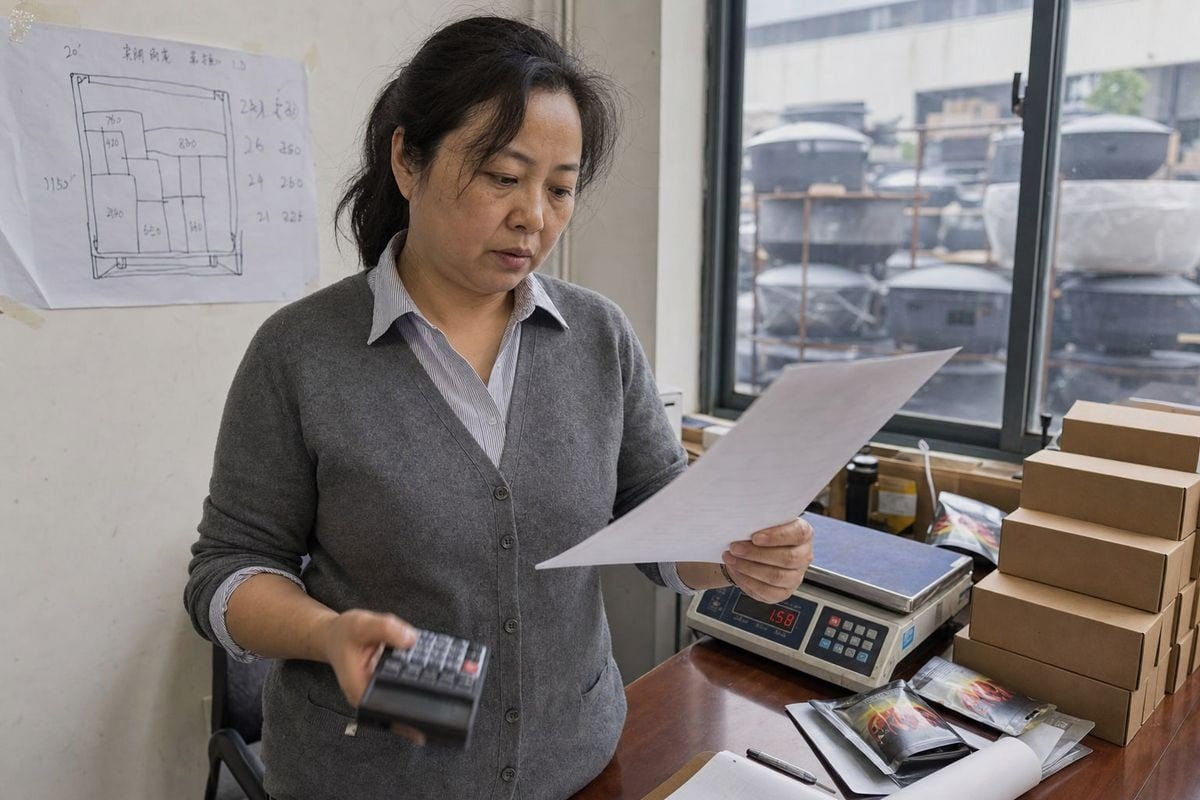
El concepto central aquí es la diferencia entre "llenar el volumen" y "alcanzar el peso". Las mercancías voluminosas como fogatas, sillas de camping y calentadores de patio llenan el volumen de un contenedor mucho antes de alcanzar su límite de peso. límite de carga útil del contenedor 3. Esa brecha entre el peso real y el peso permitido es capacidad por la que ya ha pagado. Por lo tanto, el objetivo es llenarla con productos que generen ingresos.
Aquí está el proceso que sigo con los compradores durante planificación de carga:
Un simple cálculo de cuatro pasos
- Encuentre su brecha de carga útil. Un contenedor estándar de 40 pies permite aproximadamente 26,000–28,000 kg de carga. Si sus mercancías voluminosas suman 12,000 kg, tiene una gran reserva de peso.
- Mida el volumen de su vacío. Los artículos voluminosos e irregulares dejan bolsas de aire entre las cajas y por encima del último nivel. Estime esto en metros cúbicos.
- Empareje las cajas de polvo con los vacíos. Los paquetes Magic Fire se envían en cajas de exhibición compactas. Una caja de 50 unidades con un peso bruto de aproximadamente 1,5 kg encaja en los huecos que de otro modo se enviarían como aire.
- Verifique la relación peso-volumen. Confirme que su carga combinada se mantenga legal tanto en peso como en distribución de ejes. Mantenga las cajas densas dentro de la mitad central del contenedor.
Números de referencia para su plan de carga
| Formato del paquete | Peso Típico | Huella típica | Mejor uso en el plan de carga |
|---|---|---|---|
| 10g–15g | 10–15g | Muy delgado, plano | Anidado en pequeños huecos |
| Paquete estándar | 25g | ~10,5 x 6 x 1 cm | Cajas de exhibición en huecos de nivel medio |
| Paquete grande | 30–60g | ~14,8 x 10 cm | Cajas de capa base |
| Caja de 50 unidades | ~1,5 kg brutos | Caja compacta | Relleno superior y de huecos |
Una advertencia honesta: no trate estos paquetes como relleno físico de vacío como las bolsas de aire. La verdadera ganancia es comercial, no estructural. Mejora la densidad de la carga y la optimización de los costos de envío al convertir la capacidad de peso muerto en un segundo flujo de ingresos. En nuestra experiencia enviando cargas mixtas a EE. UU. y Alemania, los compradores que planifican de esta manera reducen su costo de llegada por SKU en todo el contenedor.
¿Qué certificaciones debo verificar antes de mezclar los paquetes Magic Fire con mis productos a granel en un solo envío?
El cumplimiento es lo primero que revisa nuestro equipo de exportación antes de cualquier reserva de contenedor mixto. He visto envíos retenidos en Rotterdam porque un artículo adicional pequeño carecía de informes de prueba; todo el contenedor esperó, incluidas las mercancías voluminosas.
Verifique la certificación de fábrica ISO 9001, las auditorías sociales BSCI, el marcado CE y los informes de prueba de terceros de SGS o Intertek antes de consolidar los paquetes de Magic Fire con productos voluminosos. Confirme también la clasificación arancelaria correcta y cualquier declaración de la ONU que su transitario requiera para el mercado de destino.

La consolidación de carga solo funciona cuando cada SKU en el contenedor pasa la aduana junta. Un artículo no conforme puede retener todo. Por lo tanto, trate el cumplimiento del pequeño artículo adicional con la misma seriedad que su producto principal. Aquí es donde muchos compradores primerizos se queman. Investigan cuidadosamente al proveedor de fogatas, luego agregan un producto novedoso de llama de una empresa comercial no certificada.
Los documentos que recomiendo solicitar
| Documento | Lo Que Demuestra | Por qué es importante para cargas mixtas |
|---|---|---|
| Certificado ISO 9001 | Sistema de calidad de fábrica consistente | Consistencia lote a lote en peso y formulación |
| Informe de auditoría BSCI | Estándares de producción éticos | Requerido por muchos canales minoristas de EE. UU. y la UE |
| Documentación CE | Conformidad del mercado de la UE | Obligatorio para la venta al consumidor en Europa |
| Informes SGS / Intertek | Pruebas químicas independientes | Confirma que no hay productos químicos nocivos; apoya el despacho de aduanas |
| Clasificación HS correcta | Tarifa y categoría de manejo adecuadas | Evita la reclasificación de "materiales peligrosos ocultos" en el puerto |
Observe la pregunta de clasificación
Algunos productos colorantes de llama se marcan bajo códigos adyacentes a pirotecnia, como HTS 3604.90 4, o bajo declaraciones ambientales como UN3077, dependiendo de la formulación y la jurisdicción. Esta es una preocupación legítima del comprador, y la respuesta es documentación, no esperanza. Nuestra formulación Magic Fire utiliza materiales ecológicos sin productos químicos nocivos, y suministramos el paquete completo de informes de prueba para que su transitario pueda clasificar las mercancías correctamente antes de reservar. También imprimimos etiquetas de advertencia e instrucciones de uso conformes — los paquetes van sin abrir al fuego — directamente en el embalaje.
Otro matiz de nuestros más de 17 años exportando a más de 30 países: las reglas de destino difieren. Lo que se despacha sin problemas a Australia puede requerir papeleo adicional para Brasil. Pregunte a su proveedor la documentación específica del mercado antes de que se cargue el contenedor, no después. La clase de flete y los códigos de manejo deben resolverse en la etapa de cotización.
¿Puedo personalizar los tamaños de embalaje de Magic Fire para que se ajusten a huecos irregulares en mi plan de carga de contenedores?
Existe una compensación que sopesamos con cada comprador OEM: las cajas personalizadas más pequeñas encajan en huecos más estrechos, pero aumentan ligeramente el costo de embalaje por unidad. La respuesta correcta depende de su plan de carga específico, por lo que modelamos ambas opciones antes de fabricar nada.
Sí. El peso del paquete, las dimensiones de la bolsa, los recuentos de cartón y la geometría de la caja expositora se pueden personalizar para que coincidan con su plan de carga. Las opciones incluyen rellenos de 10 g a 60 g, bolsas de plástico o kraft, frascos y cajas maestras hechas a medida, dimensionadas para encajar en los espacios vacíos recurrentes de su contenedor.
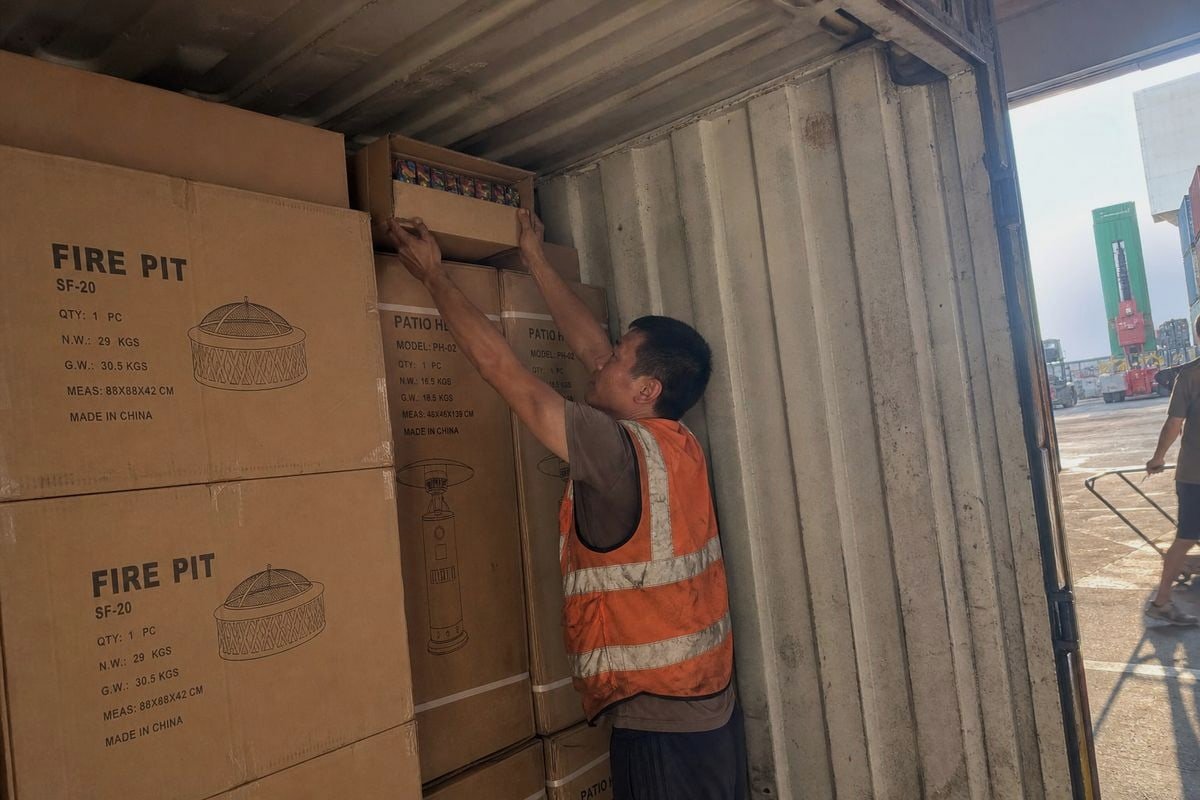
El software de planificación de carga ha cambiado la forma en que nuestros compradores hacen pedidos. Varios de nuestros clientes estadounidenses y holandeses ahora ejecutan primero simulaciones de cartón 3D, identifican sus dimensiones de vacío recurrentes y luego nos envían el tamaño de cartón objetivo. Construimos el embalaje hacia atrás desde el contenedor, no hacia adelante desde el producto. Eso es lo que realmente significa un servicio integral OEM/ODM en la práctica.
Lo que podemos ajustar
- Peso de llenado por paquete: 10 g, 15 g, 25 g, 30 g o 60 g, lo que cambia tanto la huella de la bolsa como su densidad aparente por cartón.
- Formato de bolsa: las bolsas delgadas de papel de aluminio se colocan planas y se apilan apretadas; las bolsas de pie de kraft son adecuadas para estantes minoristas; los frascos de plástico maximizan el peso por centímetro cúbico.
- Dimensiones del cartón maestro: dimensionamos el cartón exterior según el espacio indicado — por ejemplo, el espacio sobre una capa de cajas de fogatas o entre columnas de paletas.
- Embalaje de exhibición: expositores abatibles con capacidad para 25 unidades, empaquetados 24 expositores por caja, de modo que el mismo cartón sirva como relleno de envío y merchandising listo para el estante.
- Etiqueta privada: su marca, códigos de barras, etiquetas de advertencia multilingües e instrucciones impresas en nuestras instalaciones.
Un ejemplo práctico de dimensionamiento
Suponga que sus cajas de calentador de patio dejan un espacio constante de 15 cm en la parte superior de cada nivel del contenedor. Es posible que una caja de exhibición de altura estándar no encaje. Podemos especificar un cartón maestro de perfil más bajo — la misma cantidad de unidades, geometría más plana — que encaje en ese espacio. Su peso volumétrico apenas cambia, pero sus ingresos por contenedor aumentan. Esto es carga anidada hecha deliberadamente, y también le ayuda a mantenerse en el lado correcto de precios por peso dimensional 6 en el envío de paquetes posterior, porque los pedidos agrupados transportan más peso real en relación con su volumen.
Debido a que operamos líneas de producción completas en Ningbo con un estricto control de calidad lote a lote, el cartón personalizado que aprueba en el muestreo es el cartón que llega en la producción en masa. Esa consistencia importa cuando todo su plan de carga depende de que una dimensión se mantenga verdadera.
¿Qué opciones de MOQ me permiten probar el polvo Magic Fire como relleno antes de comprometerme con un pedido de contenedor completo?
Un comprador de una marca de camping del Reino Unido me enseñó una lección útil hace años: rechazó a cualquier proveedor que exigiera un contenedor completo en el primer pedido. Tenía razón. Una prueba debe demostrar la calidad, el cumplimiento y el ajuste del plan de carga antes de mover dinero serio.
Las opciones de prueba comienzan con paquetes de muestra para pruebas de quemado, luego un pedido pequeño a nivel de cartón — típicamente unos pocos cientos a unos pocos miles de paquetes — enviado LCL o consolidado con su pedido existente de productos voluminosos. Esto valida la calidad, la venta y el ajuste del contenedor antes de una producción completa de marca privada.
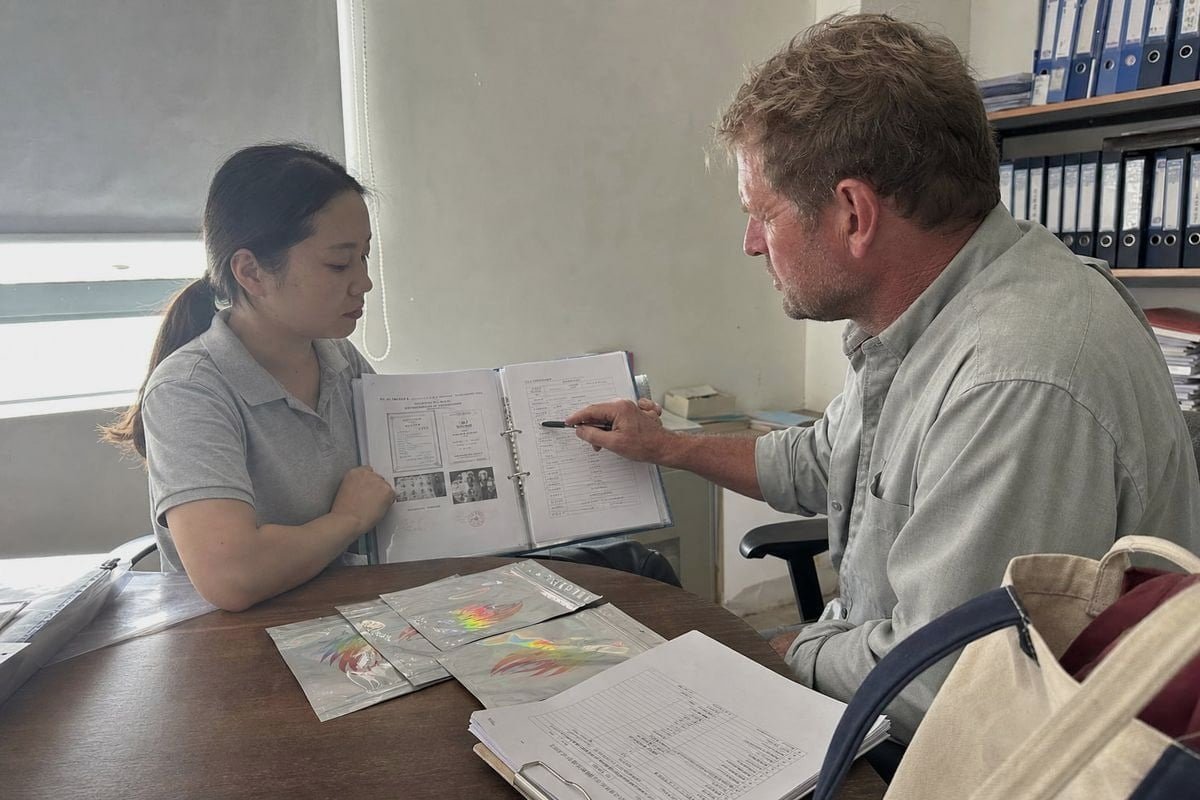
Los MOQ flexibles no son una cortesía en esta categoría; son la forma en que los gerentes de compras sensatos reducen el riesgo de un nuevo SKU. Aquí está el camino escalonado que normalmente recomendamos a los importadores y distribuidores que prueban Magic Fire como un complemento de peso de contenedor.
Un enfoque de prueba escalonado
| Etapa | Escala Típica | Lo que usted valida | Método de envío |
|---|---|---|---|
| Muestras | 10–50 paquetes | Color de la llama, calidad de la combustión, tacto del embalaje | Mensajero |
| Cajas de prueba | 500–2.000 paquetes | Venta minorista, papeleo de cumplimiento | LCL 7 o aire |
| Complemento consolidado | 000–10.000 paquetes | Ajuste del contenedor, cálculo de peso, flujo de aduanas | Dentro de su contenedor de productos voluminosos |
| Programa completo | Producción personalizada | Etiqueta privada, cajas personalizadas, volumen estacional | FCL o consolidación continua |
Por qué la tercera etapa es la más importante
La tercera etapa es donde la tesis de compensación de espacio se demuestra con números reales. Agrega cajas de prueba a un contenedor que ya estaba reservando. Su costo de flete incremental es casi cero porque el volumen se enviaría vacío de todos modos. Luego, mide tres cosas: qué tan limpiamente la aduana procesó la carga mixta, cómo las cajas se ajustan a sus espacios reales en comparación con la simulación y qué tan rápido se vende el producto en el comercio minorista. Si los tres se cumplen, escala a tamaños de embalaje personalizados y tiradas más grandes.
Una advertencia que siempre le doy a los compradores: no permita que la primera muestra de un proveedor de prueba lo engañe. Algunas fábricas envían muestras seleccionadas que la producción en masa nunca iguala. Nuestra posición siempre ha sido que la primera muestra debe reflejar la realidad de la producción; ese es el propósito de operar nuestras propias líneas con control de calidad documentado en lugar de intermediar a través de empresas comerciales. Pregunte a cualquier proveedor cómo lo garantizan y escuche atentamente la respuesta.
Conclusión
El espacio desperdiciado en el contenedor erosiona silenciosamente los márgenes de cada envío de productos voluminosos. El peso del polvo Magic Fire convierte esa capacidad muerta en ingresos, cuando calcula cuidadosamente, verifica las certificaciones, personaliza el embalaje y prueba de manera inteligente. Estamos listos cuando usted lo esté.
Notas al pie
Fuente oficial de la ISO explica la norma de gestión de calidad referenciada para las auditorías de fábrica. ↩︎
Antecedentes sobre los números de clasificación de mercancías peligrosas de la ONU utilizados en las declaraciones de envío. ↩︎
Resumen de Wikipedia sobre contenedores intermodales explica las restricciones de carga útil y volumen discutidas en el artículo. ↩︎
El recurso de la autoridad comercial de EE. UU. explica los códigos arancelarios armonizados referenciados para las preocupaciones de clasificación. ↩︎
Antecedentes de Wikipedia sobre el marcado CE aclara los requisitos de conformidad de la UE mencionados en el artículo. ↩︎
Explica el concepto de precios de flete referenciado con respecto a los costos de envío de paquetes. ↩︎
Recurso de facilitación del comercio de la OMC relevante para el envío de carga inferior a la de un contenedor y los procesos aduaneros. ↩︎

 English
  Spanish
  German
  French
  Arabic
  Portuguese
Únete a la conversación