






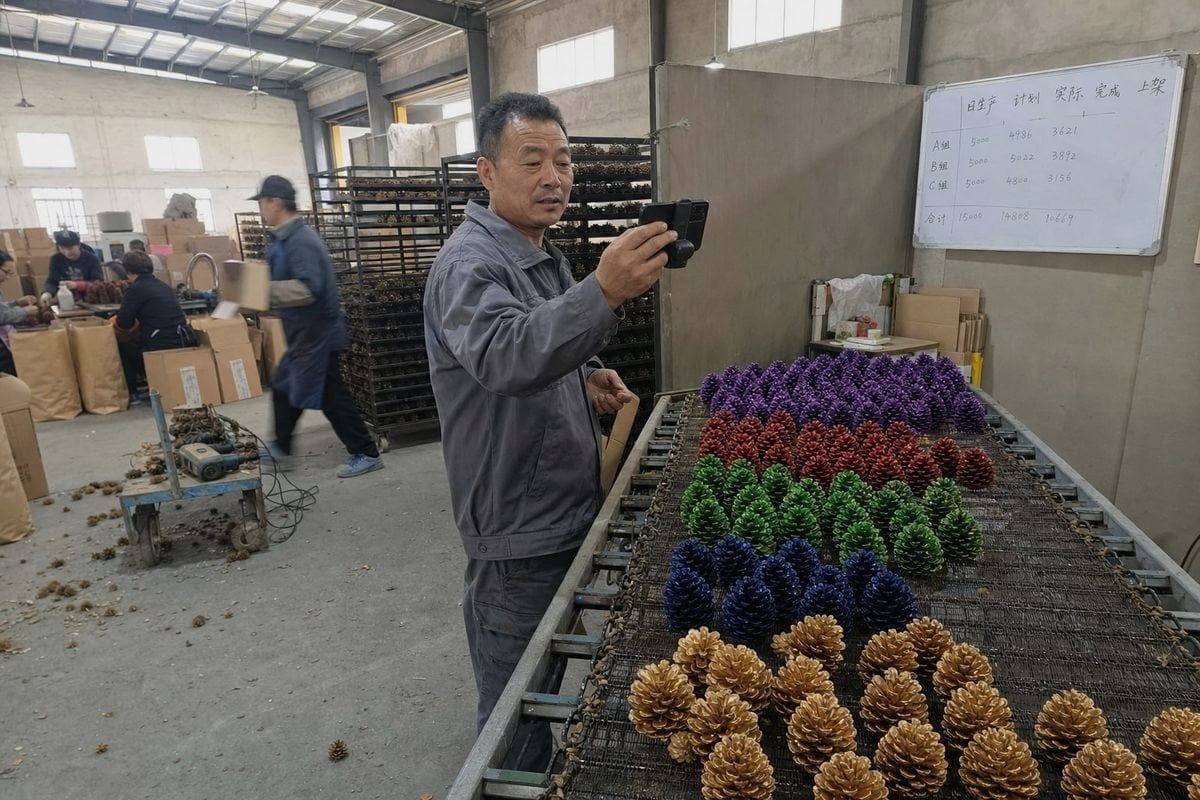
Los compradores me preguntan semanalmente cómo verificar a un proveedor de piñas de pino de color para chimeneas. Muchos descubren demasiado tarde que su "fábrica" era un revendedor, después de que la calidad fallara y los márgenes desaparecieran.
Para saber si un proveedor de piñas de pino coloreadas para chimeneas es una fábrica o un intermediario comercial, consulte el alcance de la licencia comercial en busca de términos de fabricación, verifique que las certificaciones se emitan a nombre del proveedor, solicite un recorrido en video en vivo y sin editar de la línea de producción y pruebe sus conocimientos técnicos sobre la química del tratamiento del color y la flexibilidad de la MOQ.
Ninguna de estas verificaciones requiere un billete de avión. Puedes realizar la mayoría de ellas antes de solicitar un presupuesto. Permíteme guiarte a través de cada una, basándome en lo que realmente sucede en nuestro lado de la transacción.
¿Qué documentos puedo solicitar para verificar las certificaciones de fábrica y los informes de pruebas de un proveedor?
Un comprador de Alemania nos envió un correo electrónico una vez pidiendo nuestro BSCI 1 informe antes de discutir el precio. Movimiento inteligente. Nuestro equipo lo tuvo listo en minutos; un intermediario normalmente no puede decir lo mismo.
Solicitar la licencia comercial que muestre un alcance de fabricación, certificados ISO 9001 y BSCI, informes de prueba SGS o Intertek, una MSDS para los productos químicos de coloración por llama y documentos de cumplimiento REACH o Prop 65. Cada documento debe enumerar el nombre registrado de la empresa del proveedor, no el de un tercero.
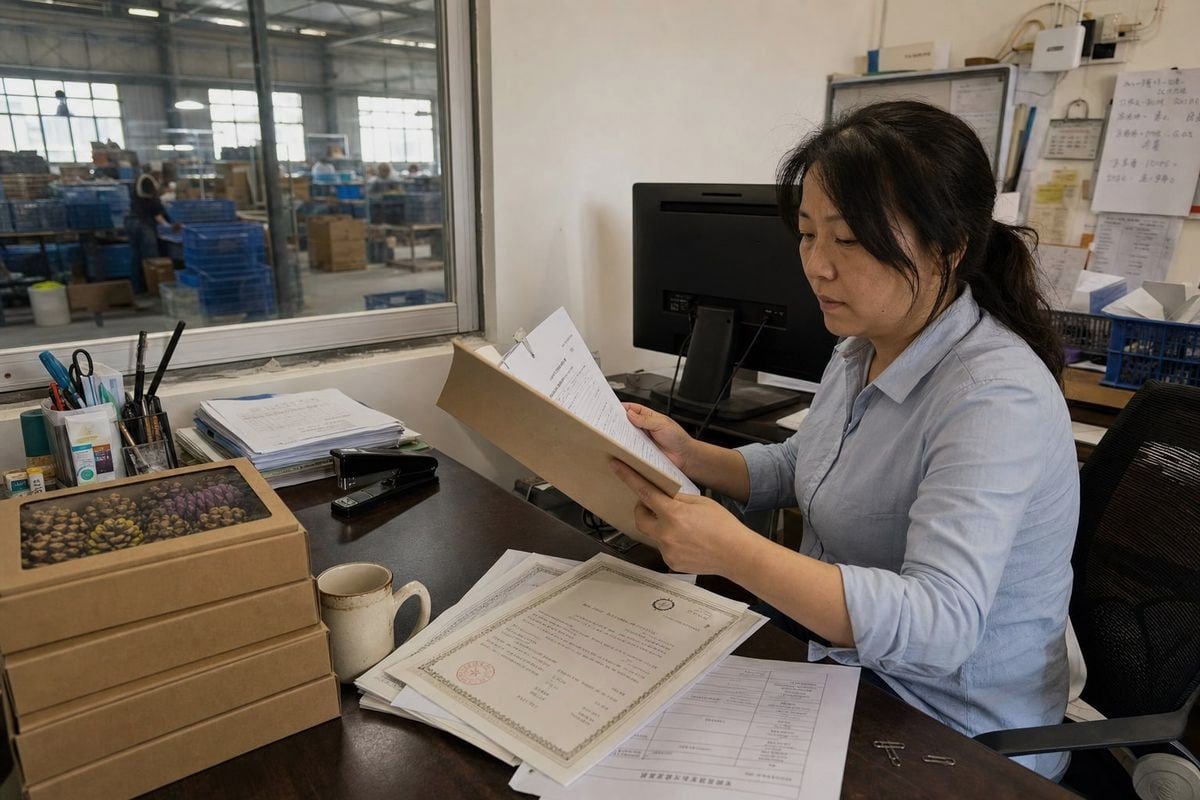
El papeleo es donde la mayoría de los comerciantes disfrazados se desmoronan. Una empresa comercial puede pedir prestadas las fotos de una fábrica, pero no puede pedir prestada fácilmente la identidad legal de una fábrica. Así que empieza con los documentos y comprueba los nombres en cada página.
La lista de verificación de documentos que expone a los intermediarios
Aquí está el conjunto exacto que recomiendo solicitar, en orden de cuánto revela cada uno:
| Documento | Qué verificar | Lo que prueba |
|---|---|---|
| Licencia comercial | "Campo "Alcance comercial": busque fabricación o procesamiento, no solo venta al por mayor o importación-exportación | Derecho legal a producir, no solo a revender |
| Certificado ISO 9001 2 | El nombre de la empresa y la dirección de la fábrica coinciden con el presupuesto | Existen estándares de control de calidad en ese sitio |
| BSCI / auditoría social | La dirección del sitio de auditoría coincide con la instalación de fabricación reclamada | La planta auditada es realmente suya |
| Informes de prueba SGS / Intertek | Nombre del solicitante, descripción del producto y fecha de prueba | El producto probado es su producto |
| Hoja de Datos de Seguridad del Material | Si el proveedor figura como fabricante de las piñas tratadas | Control directo sobre el tratamiento químico |
| REACH 3 / Informes Prop 65 | Emitido a nombre del proveedor, para este SKU específico | Cumplimiento para venta minorista en la UE y EE. UU. |
Por qué la coincidencia de nombres importa más que el logotipo
En nuestros archivos de exportación, cada certificado lleva el mismo nombre registrado que aparece en nuestras facturas proforma. Esa coherencia es el objetivo principal. Un comerciante a menudo le enviará un informe de auditoría de fábrica con un nombre de empresa, una factura con un segundo nombre y una licencia de exportación bajo un tercero. Cualquier discrepancia es digna de cuestionar. Tres discrepancias son tu respuesta. La misma lógica de coincidencia de nombres se aplica al verificar un proveedor de iniciadores de fuego de madera, donde los comerciantes disfrazados utilizan tácticas idénticas.
También preste atención a las fechas. Los informes de prueba de productos de llama de color deben ser recientes, porque las formulaciones químicas y las reglas de cumplimiento minorista cambian. Un informe de hace seis años, emitido a una empresa de la que nunca has oído hablar, no protege a nadie, y menos a ti cuando un minorista de EE. UU. solicita declaración 4 documentación.
Una advertencia: una fábrica genuina puede operar una entidad de exportación separada para la facturación. Eso es normal en China. La diferencia es que un productor real puede explicar la relación en una oración y mostrar ambas licencias. Un intermediario se desviará.
¿Cómo puedo confirmar que un proveedor realmente posee sus líneas de producción e instalaciones?
Hay una compensación que explicamos a los nuevos compradores todo el tiempo: verificar la propiedad de las instalaciones lleva unos días adicionales por adelantado, pero ahorra meses de dolor si el proveedor resulta estar alquilando credibilidad.
Confirmar la propiedad cotejando la dirección registrada con una zona industrial, solicitando un recorrido en video en vivo de las líneas de producción y el almacenamiento de materias primas, verificando que los informes de auditoría nombren el mismo sitio y preguntando sobre equipos específicos como máquinas de secado en horno y de prueba de humedad que solo un operador conocería.
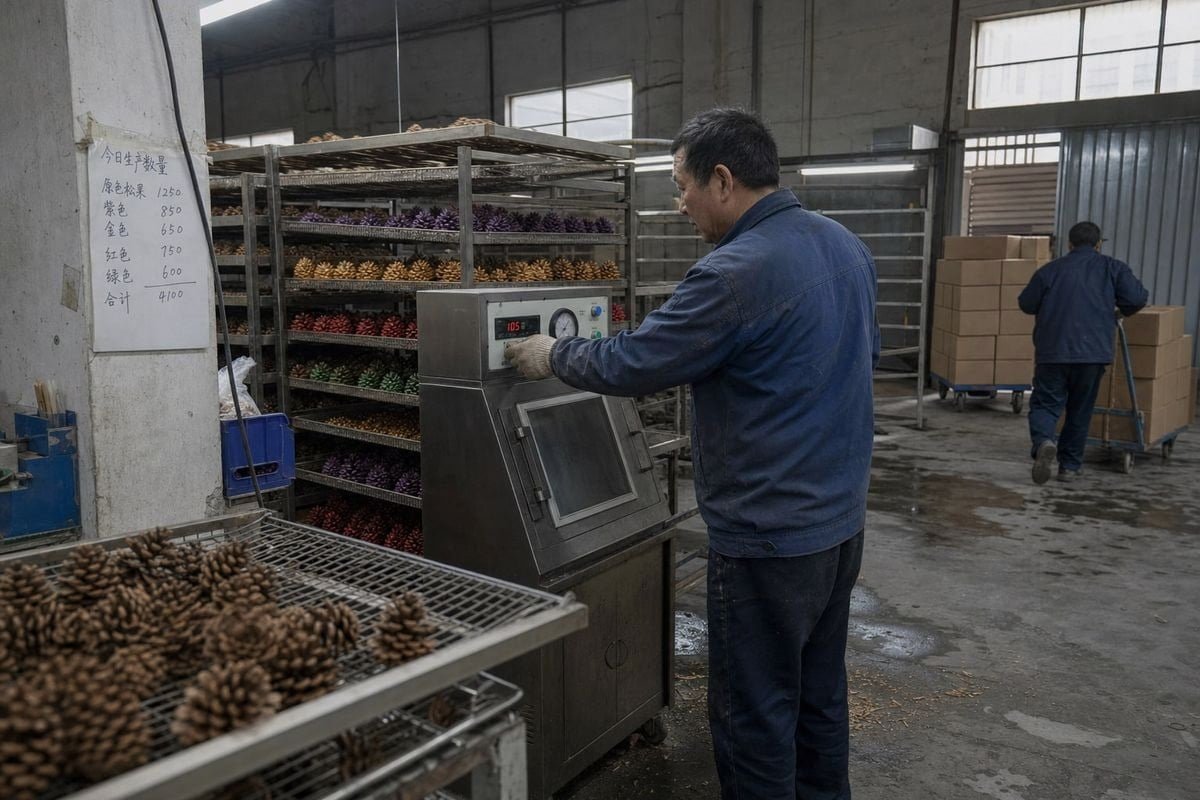
Un sitio web puede afirmar cualquier cosa. La transparencia de la cadena de suministro 5 proviene de evidencia que puedes verificar. Aquí está el marco que usaría si estuviera sentado en tu lado del escritorio.
Verifique primero la dirección
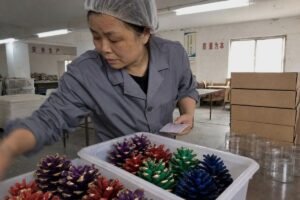
Nuestra base de producción se encuentra en un área industrial en Ningbo, Zhejiang, con nuestra sede en Liuyang, Hunan, el centro de productos contra incendios de China. Esa geografía tiene sentido para lo que fabricamos. Una "fábrica" de piñas de pino de color registrada en una torre de oficinas en el centro de la ciudad no lo tiene. Obtenga la dirección registrada de la licencia comercial y compruébela en un mapa. Las instalaciones de fabricación necesitan espacio para el almacenamiento de materia prima de piñas, líneas de inmersión química, áreas de secado y pisos de empaque. Los distritos de oficinas no pueden ocultar esa huella.
Pregunte por el equipo que nadie falsifica
El conocimiento real de la producción se refleja en los detalles. Haga tres preguntas:
- ¿Qué equipo de prueba de contenido de humedad 6 utiliza, y a qué nivel de humedad libera las piñas para el transporte marítimo?
- ¿Cuál es su capacidad de secado en horno por semana durante la temporada alta?
- ¿De dónde provienen sus piñas de pino crudas y cuál es el calendario de cosecha?
Un operador responde estas preguntas de inmediato, porque el moho en un contenedor también es su pesadilla. Después de más de 17 años enviando a más de 30 países, nuestro equipo puede recitar los parámetros de secado de memoria. Un intermediario tiene que "consultar con la fábrica", y esa frase, para un producto supuestamente interno, lo dice todo.
Verifique la capacidad de producción en relación con el tamaño de su pedido
Solicite cifras de producción semanales realistas y plazos de entrega en temporada alta. Luego pregunta cómo escalan para la demanda navideña del cuarto trimestre. Las respuestas vagas o exageradamente optimistas sugieren que el proveedor está agregando de múltiples plantas en lugar de operar una. Solicite también la opción de una inspección in situ — incluso si nunca la utiliza, observe cómo reaccionan. Las fábricas dan la bienvenida a las inspecciones. Los revendedores negocian en torno a ellas.
¿Qué preguntas debería hacer durante una visita a la fábrica o una auditoría en video para detectar a un intermediario?
La primavera pasada, un distribuidor del Reino Unido solicitó una videollamada sin previo aviso a las 9 a.m. hora de China. Lo llevamos directamente de la oficina a la línea de inmersión. Esa espontaneidad es exactamente lo que debe exigir.
Solicite un recorrido en vivo y sin editar de la línea de producción, el área de tratamiento químico, la estación de control de calidad y el almacén. Pregúnteles sobre el origen de las materias primas, el proceso de tratamiento del color, el control de calidad por lotes y las tasas de rechazo. Los intermediarios ofrecen imágenes de salas de exposición, retrasan las solicitudes en vivo o dan respuestas vagas que un gerente de planta nunca daría.

El recorrido en vivo es la prueba más difícil de falsificar. Pero debe hacer las preguntas correctas mientras la cámara está grabando, o un comerciante bien preparado aún puede organizar una visita en una planta prestada.
Preguntas que solo un productor real responde bien
Utilice esta secuencia durante cualquier auditoría por video o inspección in situ:
| Pregunta | Respuesta de la fábrica | Respuesta del intermediario |
|---|---|---|
| ¿Puede mostrar la línea de inmersión y secado ahora mismo? | Lo lleva allí en menos de un minuto | Ofrece "organizar una visita la próxima semana" |
| ¿Qué productos químicos crean las llamas azules y verdes? | Nombra los compuestos y los límites de seguridad al instante | Dice que es "confidencial" o generaliza |
| ¿Cuál es su tasa de rechazo de lotes y por qué? | Cita números reales y causas de defectos típicas | Afirma cero defectos, nunca |
| ¿Qué otros productos se fabrican en esta misma instalación? | Nombra una familia de productos estrecha y relacionada | Enumera velas, fogatas, adornos, regalos |
| ¿Quién aprueba el control de calidad antes de cargar el contenedor? | Nombra un puesto y muestra la lista de verificación | Señala "el equipo de la fábrica" |
| ¿Puedo conocer al supervisor de producción en cámara? | Lo llama | Pone excusas |
Observe el entorno, no solo las respuestas
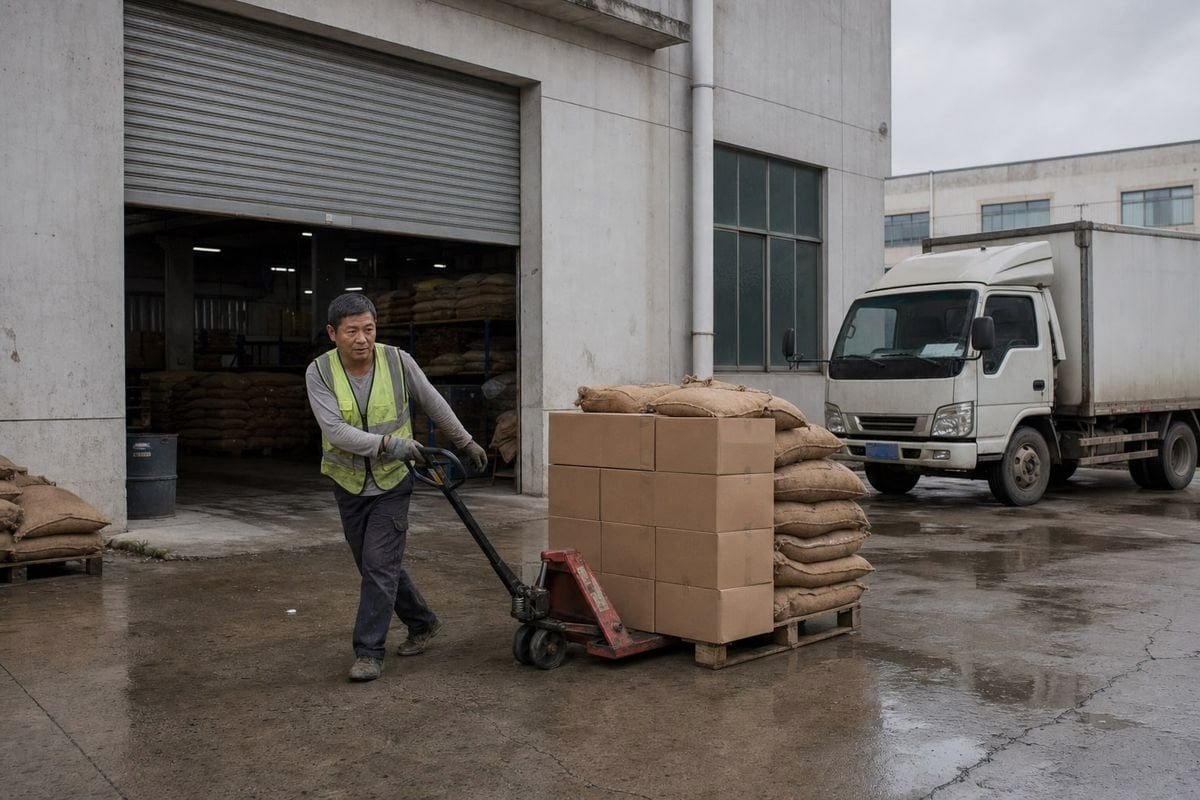
Durante el recorrido, pida a la persona que gire la cámara hacia cosas que una visita escenificada pasaría por alto: sacos de almacenamiento de conos crudos, el medidor de humedad en uso, existencias de etiquetas de advertencia para diferentes mercados de exportación y productos a medio terminar en la línea. En nuestro sitio de Ningbo, los compradores piden regularmente ver embalaje de marca blanca 8 en progreso — bolsas de kraft, frascos y cajas minoristas personalizadas en diferentes etapas — porque el trabajo en progreso es casi imposible de escenificar.
Una objeción justa que plantean los compradores: algunas fábricas genuinas mantienen una oficina de ventas separada en la ciudad, por lo que la persona en cámara puede no estar de pie en la planta. Eso está bien. La prueba es si pueden conectarlo con la planta, en vivo, sin días de preparación.
¿Cómo revelan la flexibilidad del MOQ y la estructura de precios si estoy tratando con un fabricante real?
Algo que aprendimos de la manera difícil al principio: cotizar demasiado rápido en una solicitud personalizada es una señal de alerta a la inversa. La cotización real requiere un cálculo real: productos químicos, tiempo de secado, embalaje, mano de obra.
Un fabricante real cotiza precios escalonados vinculados a tiradas de producción, explica exactamente qué factores de costo mueven el precio y mantiene MOQ firmes para tratamientos químicos personalizados o embalajes de marca privada. Un intermediario cotiza precios fijos al instante, acepta cualquier MOQ y no puede explicar qué impulsa el costo.
El comportamiento de los precios es una huella dactilar. No necesita ver la fábrica para leerlo — solo necesita hacer las preguntas comerciales correctas y observar cómo se mueven los números.
Cómo difiere la lógica de precios entre fábricas y comerciantes
| Señal | Fábrica real | Intermediario comercial |
|---|---|---|
| Velocidad de cotización en artículos personalizados | 1–3 días, con desglose de costos | Números instantáneos y redondeados |
| Estructura de precios al por mayor | Por niveles según el volumen, vinculado a la eficiencia de la línea | Plano, con margen de abastecimiento oculto |
| MOQ para colores/embalajes personalizados | Firme, basado en mínimos de química de lotes | "Cualquier cantidad está bien" |
| Explicación de precios | Nombres materia prima, inmersión, secado, mano de obra | "Este es nuestro mejor precio" |
| Reacción al precio objetivo | Sugiere cambios de especificaciones para alcanzarlo | Simplemente está de acuerdo, luego la calidad se deteriora |
Por qué la lógica del MOQ es la clave
Los tratamientos personalizados de color de llama se ejecutan en lotes químicos. Por debajo de un cierto volumen, la economía del lote no funciona: la solución de inmersión, el ciclo de secado y el muestreo de control de calidad cuestan lo mismo, ya sea que se traten 500 conos o 5.000. Por lo tanto, cuando cotizamos una cantidad mínima de pedido para un cono de llama verde personalizado con bolsas de papel kraft de marca propia, ese número refleja una restricción de producción física. Cuando un proveedor acepta cualquier MOQ para un artículo totalmente personalizado sin dudarlo, casi con certeza está sacando stock de múltiples plantas y volviéndolo a etiquetar.
Tenga en cuenta el matiz: los MOQ flexibles en artículos estándar no son una señal de alerta. Mantenemos deliberadamente los MOQ de pedidos de prueba razonables en nuestros conos de pino de colores estándar, porque los importadores establecidos quieren probar la rotación antes de escalar. La distinción es estándar versus personalizado. Recuerde también que los comerciantes suelen añadir un margen de abastecimiento, comúnmente estimado en torno al 5-15%, por los servicios de manipulación y exportación. Ese margen puede valer la pena pagarlo si desea consolidación de múltiples productos. No vale la pena pagarlo a ciegas, sin saber que existe, en un producto donde el abastecimiento directo le proporciona tanto un mejor precio como un control de calidad directo.
Conclusión
Abastecerse de conos de pino de colores para chimenea a ciegas conlleva el riesgo de incumplimiento, contenedores mohosos y márgenes ocultos. La solución es simple: verificar documentos, confirmar la instalación, auditar en vivo y leer la lógica de precios.
Ejecute las cuatro verificaciones en orden. Primero, exija licencias, certificaciones e informes de prueba con nombres coincidentes. Segundo, cruce la referencia de la instalación de fabricación y su equipo. Tercero, insista en una auditoría de video en vivo y sin editar con preguntas técnicas difíciles. Cuarto, estudie cómo responden el MOQ y los precios a las solicitudes personalizadas. En nuestras dos décadas exportando productos de llama de color, los compradores que realizaron estas verificaciones por adelantado se convirtieron en nuestras asociaciones más largas, porque la verificación no se trata de atrapar una mentira. Se trata de elegir al socio adecuado para el trabajo: una fábrica real cuando el cumplimiento, la consistencia y el control de marca propia importan, o un comerciante cuando el surtido importa más. Para un producto que arde en la chimenea de alguien, argumentaría que el control gana siempre.
Notas al pie
Página oficial de la solución amfori BSCI; reemplaza el enlace incorrecto de ISO.org. ↩︎
Entrada autorizada de Wikipedia; reemplaza el sitio oficial con error 403 para una mejor accesibilidad. ↩︎
Información de fondo sobre la regulación química de la UE que los compradores deben verificar en los documentos de cumplimiento. ↩︎
Explica la ley de California a la que se hace referencia para la documentación de cumplimiento minorista de EE. UU. ↩︎
Concepto de fondo que sustenta el marco de verificación de proveedores del artículo. ↩︎
Organismo de estándares gubernamentales relevante para el equipo de medición de humedad utilizado en la fabricación. ↩︎
Explica el concepto de zonas industriales utilizadas para verificar la legitimidad de la dirección de la fábrica. ↩︎
Información de fondo sobre los acuerdos de fabricación de marca propia discutidos para el embalaje personalizado. ↩︎
 English
  Spanish
  German
  French
  Arabic
  Portuguese
Únete a la conversación