







Plazos de entrega y recursos por entrega tardía para piñas de pino coloreadas para chimenea deciden si su stock navideño se vende o se queda. Nuestra fábrica ha visto términos vagos en las órdenes de compra arruinar temporadas enteras.
Especifique una fecha de entrega exacta o una ventana de envío, defina la entrega como la llegada a su almacén designado, agregue una cláusula de "el tiempo es esencial", requiera notificaciones de retraso de 24 a 48 horas y establezca daños y perjuicios liquidados limitados del 5 al 15 % del valor del pedido más un derecho de rescisión.
Las piñas de pino coloreadas son productos de temporada. Si llegan después de la ventana festiva, pierden la mayor parte de su valor de reventa. Por lo tanto, la cláusula de entrega en su contrato es tan importante como las especificaciones del producto. A continuación, detallo los plazos de entrega, las cláusulas de penalización, la documentación y la gestión de disputas: las cuatro cosas que todo comprador debe acordar antes de transferir un depósito.
¿Qué plazos de entrega puedo esperar de forma realista para pedidos a granel de piñas de colores?
El pasado mes de octubre, un distribuidor alemán nos pidió enviar 20.000 unidades en tres semanas. Tuvimos que decir que no, y explicar por qué los requisitos honestos de plazo de entrega protegen a ambas partes.
Los pedidos a granel de piñas de colores suelen requerir de 30 a 45 días para su producción más de 25 a 40 días para el transporte marítimo, por lo que el tiempo de entrega total realista es de 60 a 90 días. Los compradores que se dirijan a la venta minorista navideña deben realizar los pedidos de compra en junio o julio para evitar retrasos en el envío en temporada alta.

Los plazos de entrega para este producto son más largos de lo que muchos compradores esperan. He aquí por qué. Las piñas de pino coloreadas comienzan con materia prima natural. Las piñas se cosechan estacionalmente, luego se secan, se tratan con compuestos de color y llama, y se empaquetan. Cada paso tiene una duración mínima fija. En nuestro sitio de producción en Ningbo, no podemos comprimir la etapa de secado y tratamiento sin afectar el rendimiento del color de la llama. La calidad lleva el tiempo que lleva.
Las tres etapas que componen su plazo de entrega
Primero, preparación de la materia prima. El rendimiento de la cosecha varía según el año. Una mala cosecha de piñas puede añadir una o dos semanas. Segundo, producción y tratamiento. Esto incluye la aplicación del compuesto de color, el secado, las pruebas de combustión de control de calidad y el empaquetado en bolsas, frascos o sacos de arpillera. Tercero, logística de la cadena de suministro. El transporte marítimo de China a EE. UU. o Europa dura de 25 a 40 días de puerta a puerta, y el transporte en temporada alta de agosto a octubre añade riesgo de congestión en ambos puertos.
| Etapa | Duración típica | Factor de riesgo principal |
|---|---|---|
| Abastecimiento de materias primas | 7–14 días | Rendimiento de la cosecha estacional |
| Producción y tratamiento | 30–45 días | Embalaje personalizado, tamaño del pedido |
| Control de calidad y documentación de exportación | 3–7 días | Programación de inspección de terceros |
| Transporte marítimo (China-EE. UU./UE) | 25–40 días | Congestión portuaria, retrasos del transportista |
| Aduanas y entrega interior | 5-10 días | Inspección de materiales naturales tratados |
Un punto más que los compradores a menudo pasan por alto. Los productos botánicos tratados pueden desencadenar controles aduaneros adicionales. Incluya un margen para eso en su ventana de envío. Según nuestra experiencia exportando a más de 30 países, los pedidos confirmados a principios de verano llegan cómodamente antes de la temporada de ventas de invierno. Los pedidos confirmados en septiembre son una apuesta, y su contrato debe reflejar esa realidad en lugar de ocultarla.
¿Cómo redacto cláusulas de penalización por entrega tardía en mi contrato de proveedor?
Existe una compensación real que discuto con los compradores cada temporada: penalizaciones lo suficientemente estrictas como para importar, pero lo suficientemente justas como para que una fábrica seria las firme.
Escriba una cláusula de daños y perjuicios diarios — comúnmente 0.5–1% del valor del pedido no entregado por día, con un límite máximo de 5–15% del precio del contrato. Agregue una cláusula de tiempo es esencial y una fecha de cancelación definitiva después de la cual la entrega es comercialmente inútil.

Una buena cláusula de penalización debe superar dos pruebas. Debe ser ejecutable ante los tribunales y aceptable para su proveedor. Las penalizaciones contractuales que parecen punitivas en lugar de compensatorias pueden ser anuladas en muchas jurisdicciones. Es por eso que los daños liquidados 1 funcionan mejor que las multas abiertas. Son una estimación preacordada y razonable de su pérdida, que es exactamente lo que los tribunales quieren ver.
Compare sus opciones de recursos antes de redactar
| Reparación | Cómo funciona | Lo mejor para |
|---|---|---|
| Daños liquidados diarios | 5–1% del valor no entregado por día, con límite | Protección comercial estándar |
| Retención de pago | Deducir la penalización del pago del saldo | Ejecución sencilla sin litigio |
| Adquisición sustitutiva | Comprar bienes de reemplazo a expensas del vendedor | Continuidad crítica del inventario |
| Envío acelerado a cargo del vendedor | El vendedor mejora a transporte aéreo | Retrasos detectados al principio del tránsito |
| Derecho de rescisión | Cancelar y recuperar el depósito después de la fecha límite | Productos de temporada fuera de la ventana de venta |
Haga explícito la lógica estacional
Para las piñas de pino coloreadas para chimenea, escriba la realidad comercial en el contrato. Indique que los productos que lleguen después de su fecha límite, por ejemplo, el 15 de noviembre para la venta minorista de Navidad, no solo se retrasan, sino que son comercialmente inútiles. Ese lenguaje, junto con una cláusula de "el tiempo es esencial" 2 , justifica la cancelación total en lugar de un descuento simbólico. Algunos compradores toman prestados recursos de estilo de consumidor, como otorgar un segundo plazo antes de cancelar. Yo no lo haría. En la distribución mayorista, una ventana estacional perdida destruye el valor de reventa, y su jerarquía de recursos debe escalar rápidamente: primero los daños diarios, luego el envío acelerado si queda tiempo, y finalmente la rescisión.
Aquí está mi posición honesta desde el lado de la fábrica. Firmamos cláusulas de daños liquidados con límite. sin dudarlo, porque nuestro control de calidad lote a lote y 17 años de planificación de producción significan que rara vez los activamos. Un proveedor que rechaza cualquier cláusula de penalización le está diciendo algo sobre su propia confianza.
¿Qué documentación debo solicitar para confirmar que mi pedido está en curso?
Una marca británica de camping nos pidió actualizaciones fotográficas semanales de sus bolsas de marca blanca. Ahora ofrecemos esa notificación de hitos a todos los compradores, porque evita sorpresas desagradables.
Requerir un cronograma de producción firmado, informes fotográficos o de video de hitos, un informe de inspección preembarque de SGS o Intertek, el conocimiento de embarque con seguimiento de contenedor y un aviso de retraso por escrito obligatorio de 24 a 48 horas con causa y cronograma revisado.
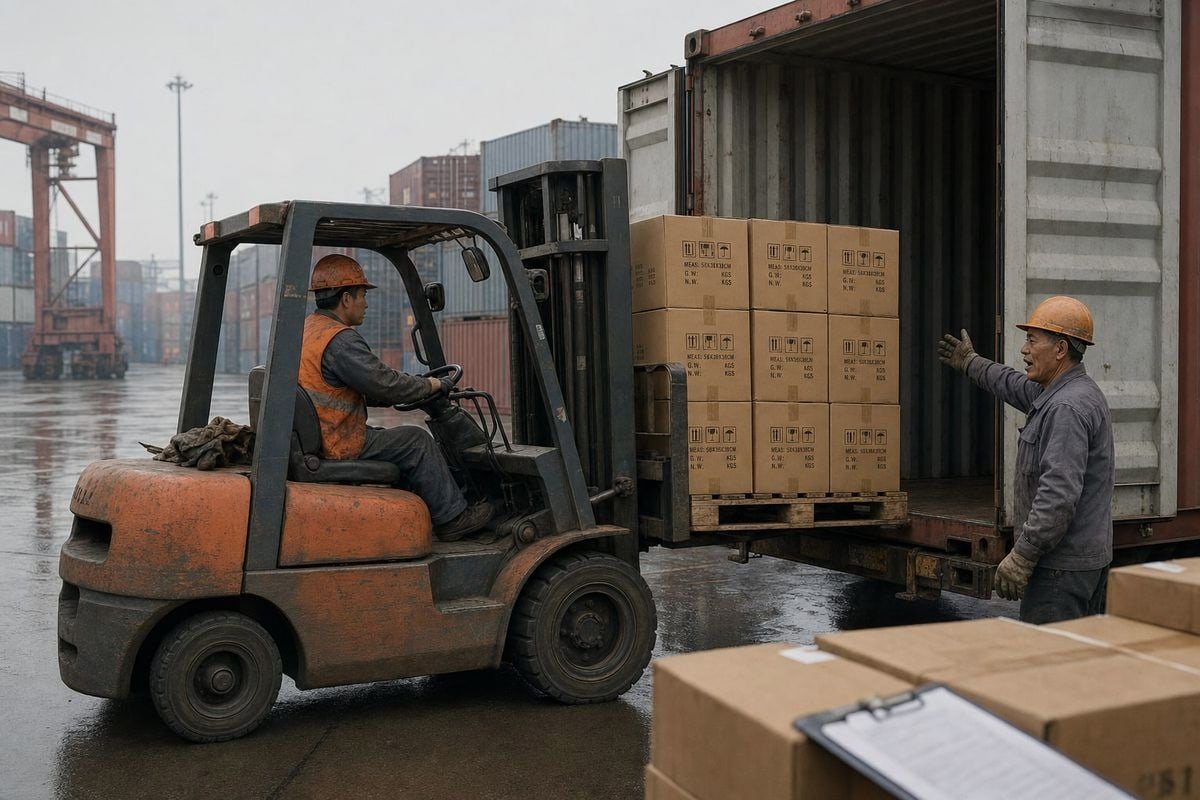
La documentación es su sistema de alerta temprana. La mayoría de las entregas tardías no ocurren de repente. Se acumulan silenciosamente durante semanas, y un proveedor que no informa nada hasta que pasa la fecha límite le ha quitado su mejor recurso: tiempo para reaccionar. Por lo tanto, los términos de su orden de compra deben hacer de la notificación un deber contractual, no una cortesía.
Construir un cronograma de documentación de hitos
Estructúralo como una simple secuencia numerada vinculada a las etapas de producción:
- Confirmación del pedido. Una factura proforma firmada con la fecha de entrega exacta, la ubicación de entrega y Incoterm 3.
- Prueba de inicio de producción. Fotos de materias primas y sus componentes de embalaje durante la primera semana.
- Informe de mitad de producción. Fotos o video corto de conos tratados secándose, más un porcentaje de finalización.
- Inspección previa al envío. Un informe de terceros que cubra la cantidad, el rendimiento de la prueba de quemado, el embalaje, las etiquetas de advertencia y los códigos de barras. Rutinariamente organizamos inspecciones SGS o Intertek 4 para compradores, y recomiendo nunca renunciar a este paso para un primer pedido.
- Documentos de envío. Carta de porte, lista de empaque y número de contenedor para que pueda rastrear el buque usted mismo.
- Obligación de notificación de retraso. Un aviso por escrito dentro de las 24-48 horas posteriores a que el proveedor tenga conocimiento de cualquier retraso potencial, indicando la causa, la evidencia y una fecha de entrega revisada.
Ese último elemento es el más importante. Vincule la notificación de retraso a sus recursos: si el proveedor no proporciona una notificación oportuna, pierde cualquier derecho a reclamar fuerza mayor 5 protección o un período de gracia. Esta única frase cambia el comportamiento del proveedor más que cualquier monto de penalización, porque recompensa la honestidad y castiga el silencio. En nuestras operaciones de exportación, el papeleo de cumplimiento — Marcas CE 6, informes de pruebas de seguridad, etiquetado correcto — viaja con el mismo paquete de documentos, por lo que el comprador ve la evidencia de calidad y cronograma juntas.
¿Cómo manejo las disputas si mi proveedor de piñas de pino de colores no cumple con la fecha límite?
Al principio de nuestra historia de exportación, aprendí que un plazo incumplido manejado mal cuesta dos cosas: los ingresos de esta temporada y la relación con el proveedor de la próxima temporada. El proceso protege ambos.
Envíe inmediatamente un aviso formal por escrito de incumplimiento, cuantifique las pérdidas, aplique la jerarquía de recursos del contrato —daños y perjuicios liquidados, luego adquisición sustitutiva, luego rescisión— y escale a negociación, mediación o arbitraje según la cláusula de ley aplicable si el proveedor se niega a resolver.

Comience con el contrato, no con la emoción. Su primer paso es una notificación formal de incumplimiento por escrito, haciendo referencia a la cláusula de entrega, el retraso real en días y el recurso que está invocando. La notificación por escrito crea el rastro de papel del que depende cada paso posterior. Luego verifique si el proveedor tiene una excusa válida. Un evento de fuerza mayor genuino — clima extremo 7 destruyendo la cosecha de conos, el cierre de un puerto — puede suspender legalmente el plazo, pero solo si el proveedor dio aviso inmediato con evidencia. Sin aviso, sin excusa.
Siga la escalera de escalada
| Paso | Acción | Plazo |
|---|---|---|
| 1 | Notificación de incumplimiento por escrito con retraso cuantificado | Inmediatamente |
| 2 | Aplicar daños liquidados o retener del pago del saldo | Según los términos del contrato |
| 3 | Negociar una solución: mejora de flete aéreo, descuento o envío parcial | Dentro de días |
| 4 | Adquisición sustituta a cargo del proveedor, o rescisión | Después de la fecha límite |
| 5 | Mediación o arbitraje según la ley aplicable | Si la conciliación falla |
Pondere la relación antes de rescindir
Aquí hay una tensión que vale la pena nombrar. La lógica favorable al comprador dice que cancele rápido y recupere su depósito. La lógica del proveedor pide derechos de subsanación y períodos de gracia. Mi consejo se sitúa en el medio: si queda tiempo antes de que cierre su ventana de ventas, una solución negociada — el proveedor paga el flete aéreo, por ejemplo — generalmente supera el litigio tanto en costo como en velocidad. Pero si la fecha límite ha pasado y los productos son estacionalmente inútiles, ejerza el derecho de rescisión sin dudarlo. Un proveedor que valora las asociaciones de distribución mayorista a largo plazo se resolverá de manera justa; cuando hemos enfrentado interrupciones logísticas de nuestro lado, hemos cubierto el envío acelerado precisamente porque mantener la fecha de estante de un comprador es más importante que el margen de un envío. Reserve el arbitraje para los proveedores que se quedan en silencio. El silencio después de un plazo incumplido es la señal más fuerte de que necesita un nuevo socio.
Conclusión
Las piñas de colores tardías significan estantes navideños perdidos. Fije plazos exactos, daños liquidados limitados, documentación de hitos y una ruta de escalada clara, luego elija una fábrica certificada que acepte esos términos.
Notas al pie
Explica el concepto legal que sustenta las cláusulas de penalización ejecutables por entrega tardía. ↩︎
Define esta doctrina del derecho contractual referenciada para hacer cumplir los plazos de entrega estrictos. ↩︎
Fuente oficial de la ICC que define los Incoterms utilizados para especificar la ubicación de entrega y la transferencia de riesgos. ↩︎
Sitio oficial de un proveedor de inspección de terceros nombrado, al que se hace referencia para el control de calidad previo al envío. ↩︎
Información de fondo sobre esta cláusula contractual que rige los retrasos excusables citada en el proceso de disputa. ↩︎
Página oficial de la UE que explica el cumplimiento de la marca CE mencionado en la documentación de exportación. ↩︎
Agencia meteorológica autorizada relevante para reclamaciones de fuerza mayor por fenómenos meteorológicos extremos que alteran la cosecha. ↩︎



 English
  Spanish
  German
  French
  Arabic
  Portuguese
Únete a la conversación