







Logística inversa 1 Los costos de los iniciadores de fuego de leña pueden borrar silenciosamente su margen. He visto a compradores perder el beneficio de toda una temporada por devoluciones que nuestra fábrica podría haber ayudado a prevenir.
Reduzca los costos de logística inversa para iniciadores de fuego de leña previniendo devoluciones en la fuente a través de control de calidad certificado, consolidando unidades devueltas en centros de distribución regionales en lugar de enviarlas transfronterizamente, y exigiendo etiquetado conforme más estándares de empaque resistentes a aplastamientos a su fabricante antes de que los productos salgan de la fábrica.
Permítanme guiarlos a través de cada palanca. Algunos ahorros ocurren en el almacén. Pero los mayores ahorros ocurren en la línea de producción, mucho antes de que un cliente haga clic en "devolver"."
¿Qué causa la mayoría de las devoluciones de iniciadores de fuego de leña y cómo puede un mejor control de calidad prevenirlas antes de que se envíen?
Hace unos años, un distribuidor europeo nos envió fotos de un envío de un competidor: cera desprendiéndose, rollos desenrollándose, tiempos de combustión inconsistentes certificación de prueba de caída 2. Cada defecto se convirtió en una devolución. Nuestro equipo de control de calidad estudió ese caso detenidamente.
La mayoría de las devoluciones de iniciadores de fuego de madera provienen de un rendimiento de combustión inconsistente, unidades aplastadas o dañadas por la cera, absorción de humedad durante el tránsito y descripciones de productos incorrectas. Un estricto control de calidad lote a lote — pruebas de combustión, verificaciones del recubrimiento de cera y sellado de humedad antes del envío — previene la mayoría de estas devoluciones de forma anticipada.
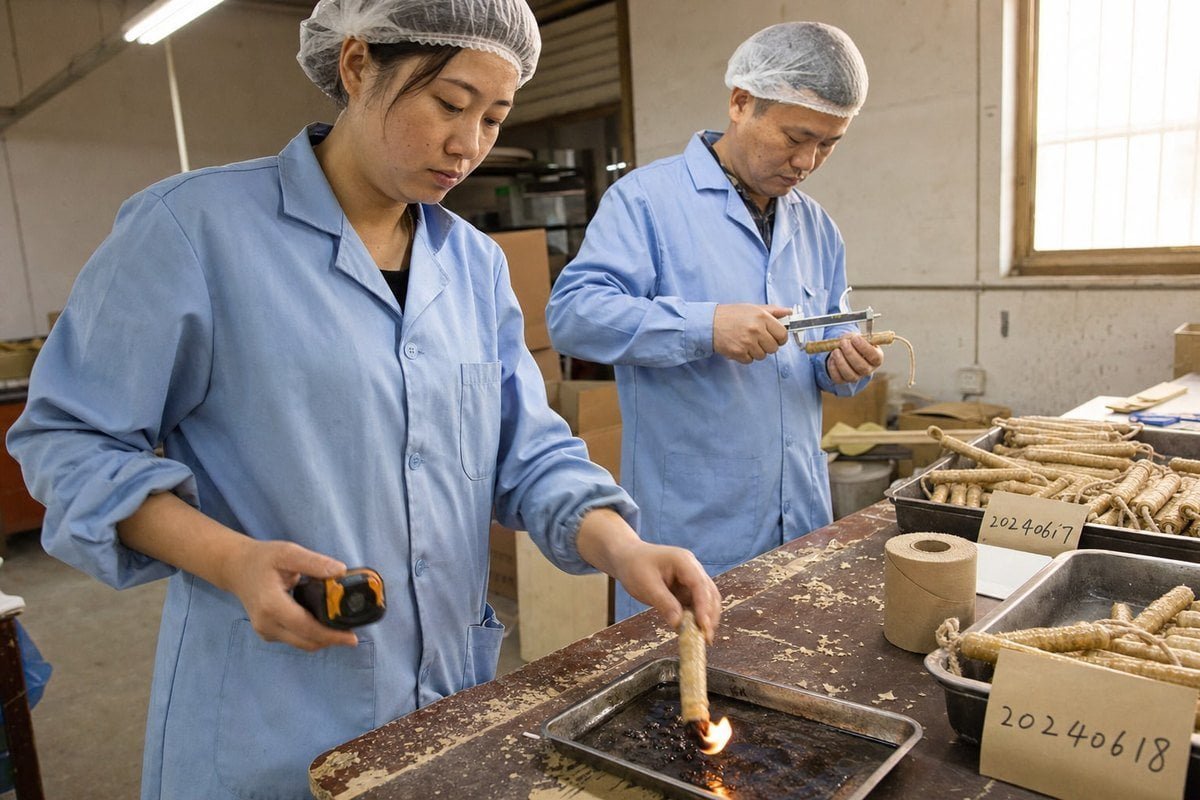
Las devoluciones rara vez son aleatorias. Cuando analizamos las razones de devolución con nuestros compradores B2B, las mismas causas aparecen una y otra vez. Y casi todas se remontan a lo que sucedió antes de que el contenedor saliera del puerto.
Los principales desencadenantes de devolución de iniciadores de fuego de leña
| Razón de devolución | Origen Raíz | Punto de Prevención |
|---|---|---|
| No enciende o arde demasiado rápido | Relación inconsistente de cera a fibra | Pruebas de combustión por lotes en la fábrica |
| Rollos aplastados o desenrollados | Empaque interior débil | Pruebas de caída y compresión |
| Unidades húmedas o mohosas | Sin barrera de humedad para carriles húmedos | Revestimientos sellados y desecantes |
| "No como se describe" | Listados vagos sobre el tiempo de combustión o la cantidad de paquetes | Hojas de especificaciones precisas del proveedor |
| Faltan etiquetas de advertencia | Etiquetado no conforme para el mercado | Revisión de cumplimiento previo al envío |
Note algo. Solo una de estas cinco causas ocurre después de la venta. El resto son decisiones de fabricación y empaque. Es por eso que siempre le digo a los gerentes de compras: su devolución más barata es la que nunca se envía como defectuosa.
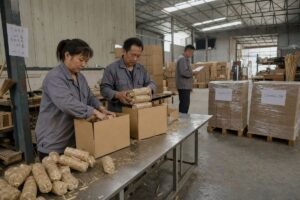
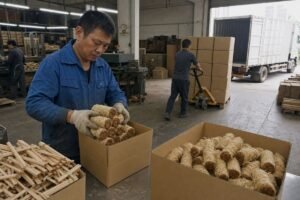
En nuestras líneas de producción de Ningbo, cada lote de rollos de madera recubiertos de cera pasa por un muestreo del tiempo de combustión. Verificamos que el enrollado de virutas de madera esté apretado, que el recubrimiento de parafina sea uniforme y que el contenido de humedad se mantenga dentro de la tolerancia. Durante 17 años, hemos aprendido que una primera muestra no significa nada si el lote 40 se desvía. Por lo tanto, mantenemos cada lote con el mismo estándar que el conjunto de muestras.
También hay un ángulo de datos. Rastree las razones de devolución por SKU a través de su flujo de trabajo de Autorización de Devolución de Mercancía gestión de la cadena de suministro 3. Si un SKU muestra un pico en "dañado al llegar" de una región, la solución suele ser el empaque o un carril de envío húmedo, no el producto en sí. Esa única información puede reducir drásticamente las devoluciones recurrentes, y no le cuesta nada más que una hoja de cálculo.
¿Cómo elijo soluciones regionales de almacenamiento o empaque que reduzcan los costos de envío de devolución transfronterizo?
Una compensación que discutimos constantemente con los importadores: ¿enviar todo a un almacén nacional o dividir el inventario en centros regionales? Para productos voluminosos y de bajo valor como los iniciadores de fuego, las matemáticas generalmente favorecen lo regional.
Elija almacenamiento regional cerca de sus grupos de ventas más densos, dirija todas las devoluciones a un centro de clasificación local en lugar de transfronterizo, y utilice la consolidación de carga para agrupar pequeños envíos de devolución en movimientos a granel. Asóciese con un 3PL regional cuando su volumen no justifique la propiedad de la infraestructura.
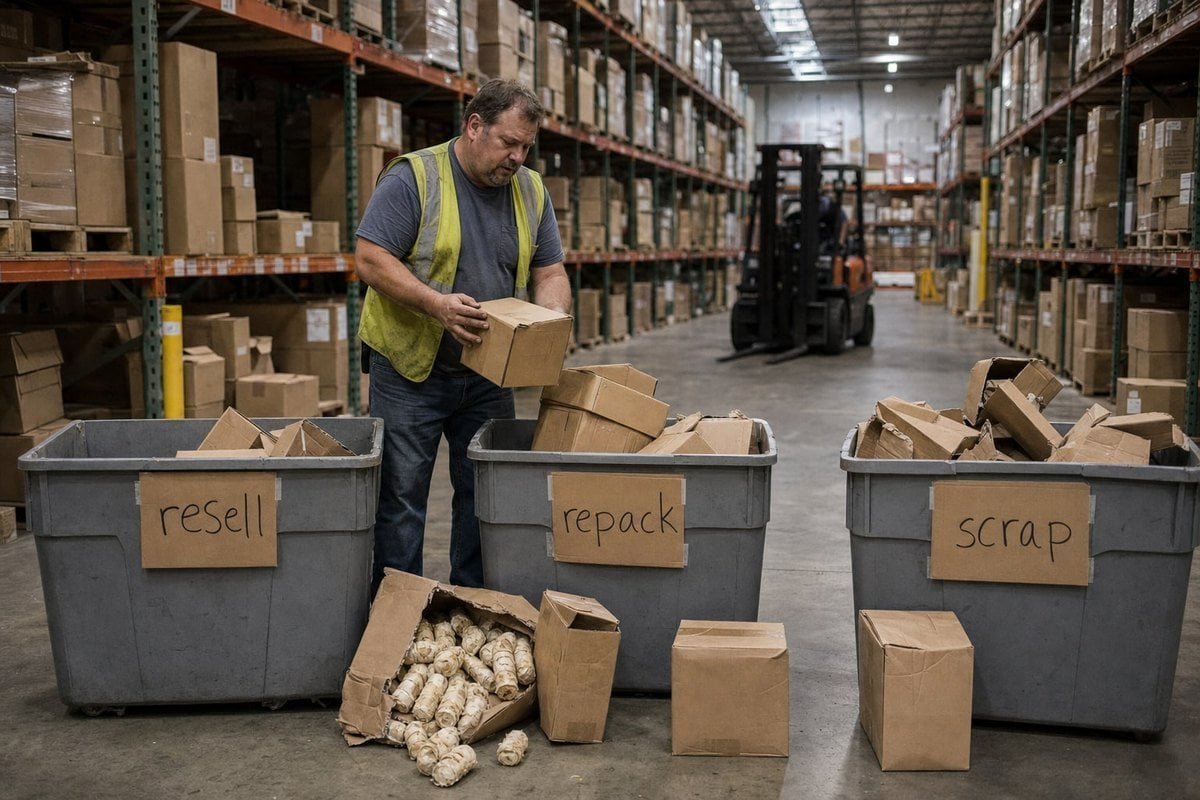
El envío inverso transfronterizo es la mayor trampa de costos en esta categoría. Una caja devuelta de iniciadores de fuego que vale unos pocos dólares puede costar varias veces más moverla de regreso a través de una frontera, especialmente con envío de materiales peligrosos 4 recargos que algunas compañías aplican a los combustibles de cera y madera. Por lo tanto, el objetivo es simple: reducir las millas.
Un enfoque práctico de centro y radios
- Mapee la densidad de sus ventas. Si la mayoría de los pedidos se agrupan en algunas regiones metropolitanas o cerca de minoristas clave, coloque el inventario y los puntos de devolución allí.
- Establezca un punto de triaje regional por mercado. Cada devolución en esa región fluye a un centro para inspección de grado y puerta: revender, reempacar, liquidar o desechar.
- Consolide antes de cualquier transporte largo. Nunca permita que paquetes individuales viajen de regreso a la sede. Agrupe y muévalos como carga, o no los mueva en absoluto.
- Combine cargas de ida y vuelta. Cuando sus camiones de reparto regresen vacíos, úselos para recoger devoluciones y reducir las millas vacías.
- Utilice canales de liquidación localmente. El stock no vendible pero utilizable puede ir a ferreterías cercanas, campamentos o canales de descuento en lugar de viajar a cualquier parte.
¿Construir, externalizar o híbrido?
| Modelo | Mejor para | Tenga cuidado con |
|---|---|---|
| Centros regionales internos | Volumen alto y constante en regiones concentradas | Costos fijos durante la temporada baja |
| Regional logística de terceros 5 (3PL) | Importadores de PYMES y mercado medio | Menor visibilidad sobre la calidad de la disposición |
| Híbrido (propio un centro, 3PL en otro lugar) | Marcas que prueban nuevos mercados | Coordinación e integración de sistemas |
También apoyamos esto en el lado de la exportación. Dado que optimizamos la logística global como parte de nuestro servicio OEM, podemos empaquetar cajas maestras para que coincidan con las especificaciones de paletas de sus centros de distribución regionales, etiquetar por centro de destino y dividir un pedido en varios puertos. Eso reduce la fricción de la logística de última milla a la llegada, y significa que una devolución nunca tiene que viajar lejos para encontrar un almacén que pueda reabastecerla.
Una advertencia que comparto con cada comprador: las devoluciones regionales no son automáticamente más baratas. Si su volumen en una región es demasiado bajo, la utilización del centro disminuye y los costos fijos se comen los ahorros. Pilote una región y una familia de SKU durante 60-90 días, mida el costo por devolución y el tiempo hasta la disposición, luego expanda.
¿Puede trabajar con un fabricante certificado y que cumpla con las normativas reducir el riesgo de devoluciones por problemas de seguridad o etiquetado?
Un comprador del Reino Unido se acercó a nosotros después de que un minorista retirara los encendedores de su proveedor anterior de los estantes por falta de etiquetado de peligros. Cada unidad retirada se convirtió en un reclamación de devolución al proveedor. Ese episodio dio forma a cómo gestionamos el cumplimiento hoy en día.
Sí. Un fabricante certificado según ISO 9001, BSCI, CE y probado por SGS o Intertek reduce drásticamente las devoluciones relacionadas con la seguridad y el etiquetado, ya que las etiquetas de advertencia conformes, las composiciones verificadas y los informes de prueba documentados evitan rechazos de minoristas, retenciones aduaneras y retiradas regulatorias antes de que los productos lleguen a los estantes.
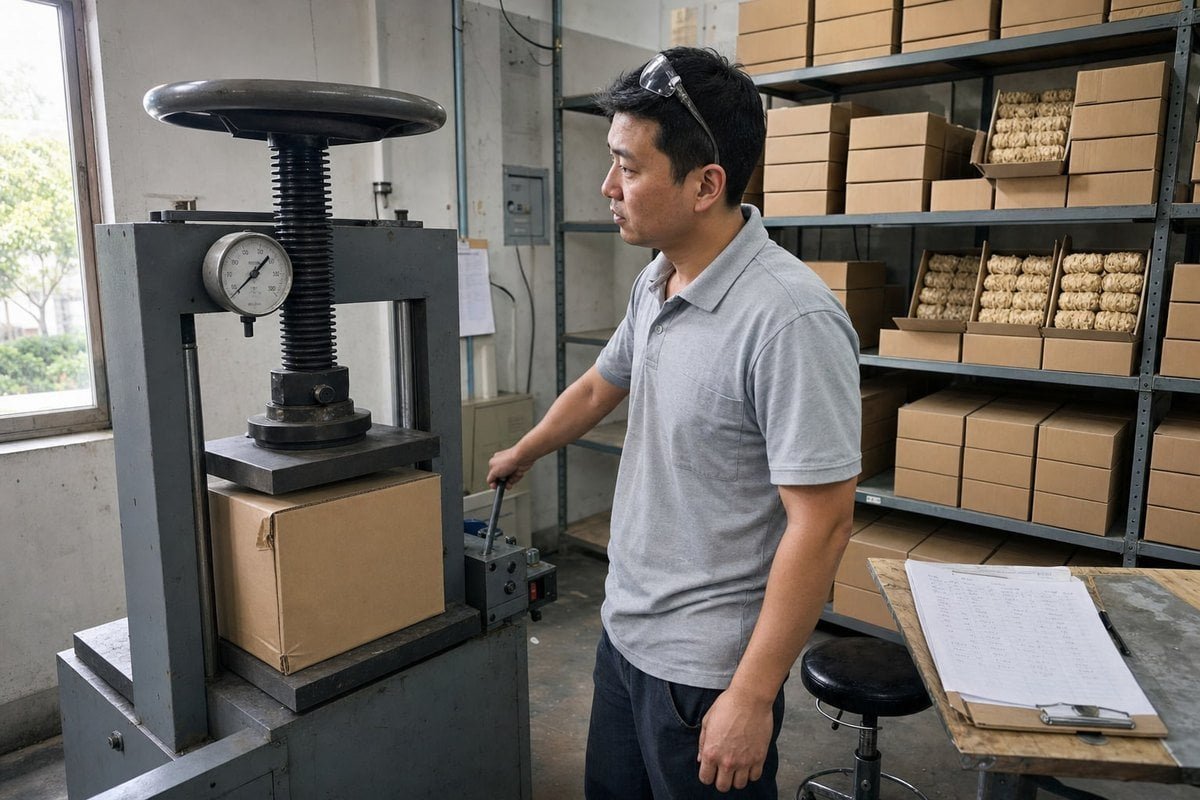
Las devoluciones por seguridad y etiquetado son las más caras. Un solo defecto de calidad afecta a una unidad. Un defecto de etiquetado afecta a todo el envío. Cuando una cadena minorista rechaza un palé por un pictograma faltante o una reclamación de composición no verificada, se enfrenta a tarifas de reabastecimiento, contracargos de RTV y, a veces, costos de destrucción, ya que los productos combustibles a menudo no se pueden reenviar o reetiquetar fácilmente después del hecho.
Por qué la certificación es una herramienta de prevención de devoluciones, no papeleo
En nuestra experiencia exportando a más de 30 países, los fallos de cumplimiento se agrupan en tres áreas:
- Transparencia de la composición. Nuestro embalaje de encendedores indica la composición real, por ejemplo, las proporciones de fibra de madera y parafina, con informes de prueba que lo respaldan. Las reclamaciones de composición vagas o falsas desencadenan inspecciones aduaneras y auditorías de minoristas.
- Etiquetas de advertencia específicas del mercado. La UE, EE. UU., el Reino Unido y Australia esperan diferentes requisitos de redacción de peligros, pictogramas e idioma. Incorporamos esto en la etapa de diseño gráfico de cada pedido de marca blanca, no como una ocurrencia tardía.
- Calidad documentada y repetible. ISO 9001 6 el control del proceso significa que el certificado refleja cómo se fabrica cada lote. Los compradores que obtienen de talleres no certificados a menudo descubren que el lote 10 ya no coincide con la muestra probada, y esa brecha se convierte en devoluciones.
Hay un beneficio de segundo orden que los gerentes de compras a veces pasan por alto. Cuando su papeleo está completo, Marcado CE 7, informes de prueba de SGS o Intertek, códigos de barras correctos, las disputas se resuelven más rápido. Si un minorista cuestiona un envío, produce documentación en lugar de aceptar una devolución general. Eso solo puede convertir una devolución al proveedor de un palé completo en un simple intercambio de documentos. La certificación no solo previene las devoluciones. Le da poder de negociación cuando las devoluciones están amenazadas.
Cuando desarrollamos embalajes para un nuevo cliente, comenzamos con una pregunta directa: ¿qué ruta de envío castigará más a esta caja? El transporte marítimo húmedo a Brasil y el transporte por carretera en invierno seco en Canadá exigen respuestas diferentes.
Solicitar cajas maestras probadas a la compresión, revestimientos con barrera de humedad con desecantes para carriles húmedos, comprobaciones de integridad de recubrimiento de cera individuales, certificación de prueba de caída para cajas minoristas, etiquetas de advertencia específicas del mercado y tolerancias de tiempo de combustión definidas por escrito. Incluya estos estándares en su acuerdo de compra, no solo en un correo electrónico.
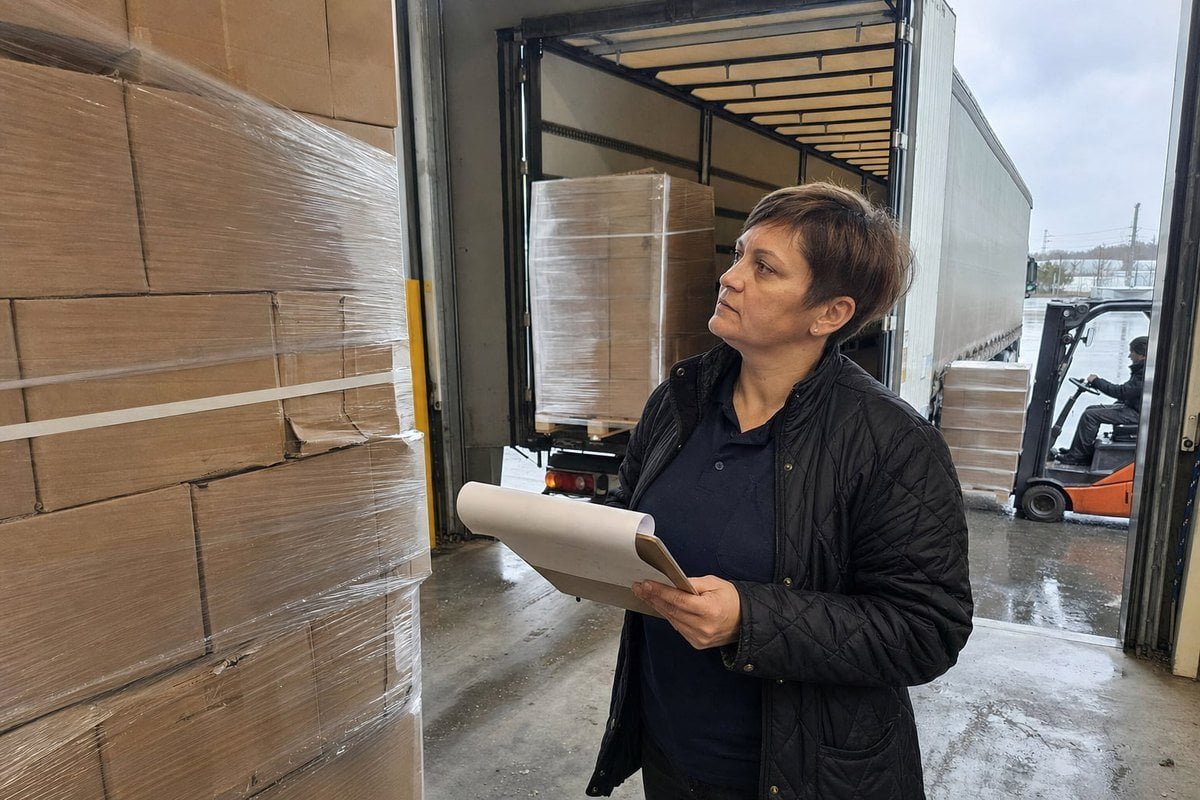
El embalaje es más importante para los encendedores que para la mayoría de las categorías. Una caja minorista aplastada hace que el producto no sea vendible al precio completo, incluso cuando los rollos recubiertos de cera en el interior están perfectamente bien. Esa es una pérdida pura de recuperación de inventario: valor destruido por el cartón, no por el producto.
La lista de verificación de especificaciones que recomiendo
| Estándar a solicitar | Qué especificar | Por qué reduce las devoluciones |
|---|---|---|
| Resistencia de la caja maestra | Clasificación de aplastamiento de bordes adecuada para paletas apiladas | Evita cajas minoristas aplastadas en tránsito |
| Protección contra la humedad | Revestimientos sellados más desecantes en rutas húmedas | Detiene unidades húmedas e incombustibles |
| Tolerancia del producto | Rango de tiempo de combustión y cobertura de cera por escrito | Asegura que las unidades coincidan con las reclamaciones de su listado |
| Pruebas de caída | La caja minorista sobrevive a alturas de caída definidas | Protege los envíos de paquetes de última milla |
| Cumplimiento del etiquetado | Advertencias, códigos de barras e idiomas correctos para el mercado | Evita el rechazo del minorista y las reclamaciones de RTV |
| Configuración del palé | Recuentos de cajas que coinciden con las especificaciones de su centro | Acelera la recepción y el reabastecimiento |
Ajuste el embalaje por mercado, no a nivel mundial
Una especificación rara vez se adapta a todas las regiones. Para nuestros compradores de EE. UU. y Canadá, reforzamos las cajas para largos trayectos en camión y la fragilidad por frío en la cera. Para Brasil y Oriente Medio, la protección contra la humedad y el calor lideran la especificación. Para los canales minoristas alemanes y holandeses, el embalaje de exhibición listo para el estante con etiquetado preciso es lo más importante, porque esos minoristas auditan más rigurosamente.
Pida también a su proveedor que diseñe para la devolución en sí. Las cajas multipack que se resellan limpiamente permiten que un centro regional vuelva a empaquetar las cajas exteriores ligeramente dañadas y las reponga, en lugar de desechar toda la unidad. Esa pequeña elección de diseño aumenta su índice de reventa frente a desechos, uno de los KPI más útiles en logística inversa. Como socio OEM integral, nos encargamos de las cajas personalizadas, el embalaje de exhibición, las etiquetas de advertencia y los códigos de barras internamente, por lo que estos estándares se integran en la etapa de diseño artístico en lugar de parchearse en el puerto.
Conclusión
Las devoluciones pueden consumir silenciosamente el beneficio de una temporada en iniciadores de fuego de leña. Pero cada uno de los principales impulsores de costos es controlable.
Prevenga defectos en la fábrica con control de calidad de lotes certificados. Agrupe las devoluciones a través de centros regionales y consolidación de carga 8 en lugar de paquetes transfronterizos. Exija etiquetas conformes y estándares de embalaje escritos a su proveedor. En mis más de 17 años suministrando productos para iniciar incendios a importadores en EE. UU. y Europa, los compradores que tratan a su fabricante como un socio de prevención de devoluciones, no solo como una cotización de precio, conservan consistentemente el mayor margen. Si desea estándares de embalaje, etiquetado y control de calidad diseñados para su red regional específica, esa conversación debe comenzar antes de su próximo pedido de compra, no después de su próximo pico de devoluciones.
Notas al pie
1. Definición del concepto central que apoya el tema central del artículo sobre la gestión de devoluciones. ↩︎
2. La página de pruebas de paquetes de Wikipedia cubre los estándares ISTA y los protocolos de prueba de caída. ↩︎
3. Entrada completa de Wikipedia para la gestión de la cadena de suministro para reemplazar el enlace ISO roto. ↩︎
4. Referencia de la EPA para las regulaciones de materiales peligrosos relevantes para envíos de cera y madera combustibles. ↩︎
5. Referencia de definición para el modelo 3PL comparado en la tabla de almacenamiento regional. ↩︎
6. Entrada autorizada de Wikipedia para ISO 9001 para evitar errores 403 en el sitio oficial. ↩︎
7. Referencia de antecedentes que explica la marca de conformidad europea mencionada en la sección de cumplimiento. ↩︎
8. Enlace de concepto de antecedentes que explica las prácticas de movimiento y consolidación de carga discutidas en la estrategia logística. ↩︎

 English
  Spanish
  German
  French
  Arabic
  Portuguese
Únete a la conversación