






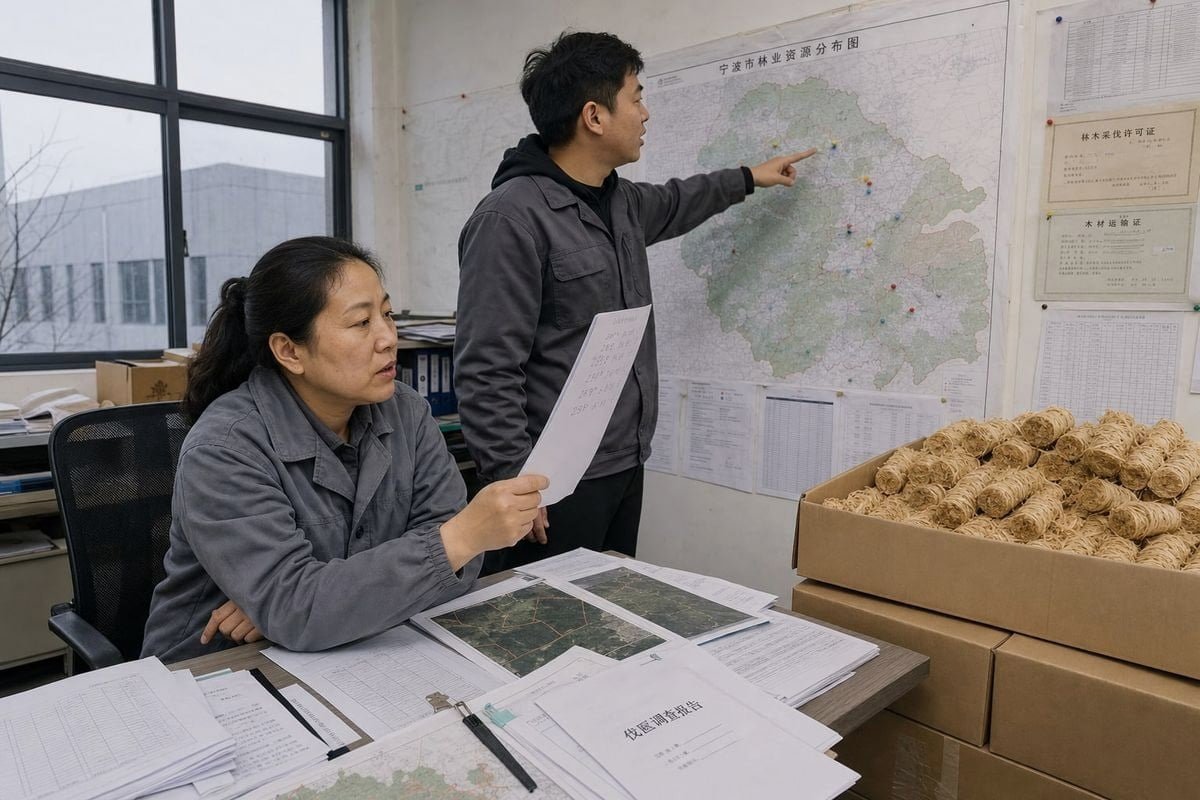
Preparación de una Reglamento de la UE sobre la deforestación 1 declaración de diligencia debida para encendedores de leña con destino a Irlanda del Norte tropezó a varios de nuestros compradores a largo plazo el año pasado. Un envío rechazado puede paralizar el lanzamiento de toda una tienda minorista certificados FSC y PEFC 2. Nuestro equipo de cumplimiento ahora construye el archivo de trazabilidad antes de que los productos salgan de nuestra línea de Ningbo.
Para preparar una declaración de diligencia debida de la EUDR para encendedores de leña exportados a Irlanda del Norte, recopile datos de geolocalización para cada parcela de tala de madera, verifique la legalidad y el estado libre de deforestación después del 31 de diciembre de 2020, evalúe y mitigue el riesgo, y luego envíe la declaración electrónicamente en el Sistema de Información de la UE antes del envío.
Esa es la versión corta. Los detalles importan, porque Irlanda del Norte sigue las reglas del mercado de la UE, no las del Reino Unido estándar cadena de trazabilidad 3. A continuación, detallo cada paso en el orden en que debes realizarlos.
¿Qué información necesito de mi fabricante de iniciadores de fuego de leña para completar una declaración de diligencia debida de la EUDR?
Un distribuidor alemán nos pidió una vez "un certificado EUDR" tres días antes de la carga. No existe tal certificado. Lo que existe es un paquete de datos, y ahora lo preparamos con cada pedido de nuestros rollos de madera encerados.
Necesita el país de producción de la madera, coordenadas geográficas o polígonos para cada parcela de cosecha, identificación de especies, fechas de cosecha, documentos de legalidad como permisos, el código HS/CN del producto, cantidades exactas y los registros completos de la cadena de custodia que vinculan los iniciadores de fuego terminados con esas parcelas.
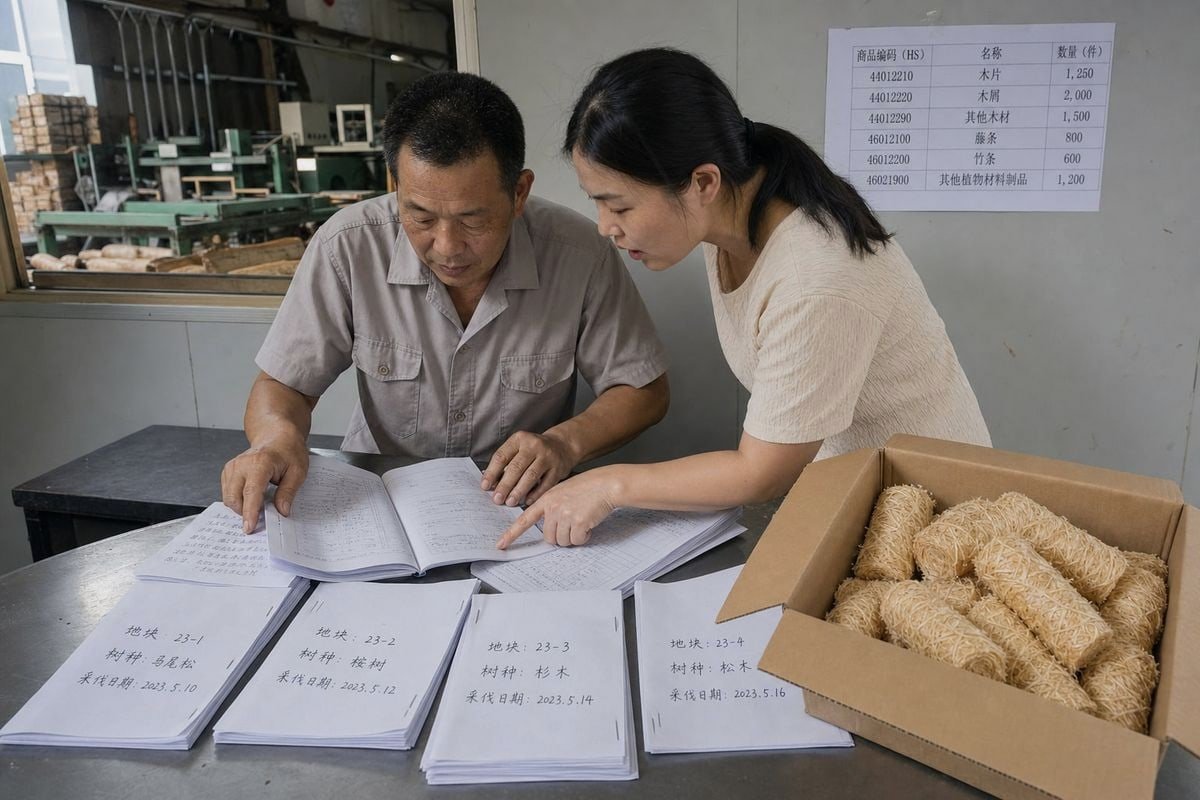
La declaración de diligencia debida en sí misma es un trámite corto. La evidencia detrás de ella no lo es. Como operador que introduce los productos en el mercado de la UE, usted asume la responsabilidad legal, no su proveedor. Pero no puede presentar nada creíble sin los datos del fabricante. En nuestra experiencia enviando productos para encender fuego a Alemania, Francia, los Países Bajos y Polonia durante más de 17 años, los compradores que pasan por aduanas más rápido son los que solicitan un paquete de evidencia estructurado, no una garantía de proveedor de una sola línea.
Los campos de datos clave que debe recopilar
Esto es lo que su fabricante debe entregar, mapeado a lo que requiere la declaración:
| Campo DDS | Lo que proporciona su fabricante | Brecha común |
|---|---|---|
| Descripción del producto | Nombre comercial, composición (por ejemplo, 50% fibra de madera, 50% parafina), código HS/CN | Descripciones vagas como "encendedores" |
| Cantidad | Peso neto y unidades por envío | Desajuste con la factura comercial |
| País de producción | Dónde se cosechó la madera, no dónde se procesó | Listar solo el país de la fábrica |
| Geolocalización | Coordenadas de todas las parcelas; polígonos para parcelas de más de 4 hectáreas | El proveedor da una región, no parcelas |
| Evidencia de legalidad | Permisos de cosecha, derechos de uso de la tierra, documentos de transporte | Documentos no traducidos o caducados |
| Datos de especies | Nombres científicos y comunes de todas las especies de madera utilizadas | Aserrín mezclado con especies desconocidas |
Por qué el componente de madera lo impulsa todo
Nuestros encendedores combinan lana de madera con cera de parafina. A la EUDR no le importa la cera. Le importa la madera, porque la madera es un producto básico del Anexo I 4. Eso significa que toda la cadena de trazabilidad, desde el aserradero, hasta la compresión, hasta el encerado, hasta su paleta, debe conectarse a parcelas de tierra identificadas. Cuando obtenemos excelsior, registramos los datos de la parcela del proveedor al recibirlo, porque reconstruirlo seis meses después es casi imposible. Insista en que su fabricante haga lo mismo. Si no pueden nombrar las parcelas de cosecha, su declaración no resistirá el escrutinio.
¿El estatus especial de Irlanda del Norte bajo el Marco de Windsor cambia mis requisitos de cumplimiento de la EUDR?
La pregunta más difícil que un comprador del Reino Unido nos hizo fue simple en apariencia: "Estamos enviando dentro del Reino Unido, ¿por qué se aplicarían las reglas de la UE?" Nuestro equipo de exportación pasó una semana desentrañando la respuesta con su agente de aduanas.
Sí. Bajo el Marco de Windsor, Irlanda del Norte se mantiene alineada con las normas del mercado único de la UE para los productos, por lo que el DRUE se aplica a los iniciadores de fuego de madera que entran en Irlanda del Norte, incluidos los movimientos desde Gran Bretaña, a pesar de que las importaciones solo para GB no enfrentan tal requisito.

Esta es la mayor trampa en esta ruta comercial. Las empresas asumen "envío al Reino Unido, reglas del Reino Unido.". Esa suposición falla en el Mar de Irlanda. Irlanda del Norte se trata como parte del mercado de la UE a efectos de EUDR, por lo que la lógica de la declaración se asemeja a cualquier introducción en el mercado de la UE. Habiendo exportado productos para encender fuego tanto al mercado del Reino Unido como al de la UE durante años, hemos aprendido a tratar a Irlanda del Norte como un destino de cumplimiento propio y a planificar la documentación en consecuencia.
Tres rutas, tres escenarios de cumplimiento
Sus obligaciones dependen de dónde comiencen los productos y qué papel desempeñe usted:
| Ruta a Irlanda del Norte | ¿Se requiere EUDR DDS? | Capas adicionales |
|---|---|---|
| Desde fuera del Reino Unido/UE (por ejemplo, China) | Sí, usted actúa como operador que introduce productos en el mercado de la UE | Declaración de aduanas de la UE; se necesita número de referencia DDS al entrar |
| Desde Gran Bretaña | Sí — el movimiento GB-NI entra en las normas del mercado de la UE | Posible doble carga: DDS más esquema de movimiento NI/documentación aduanera |
| Desde un estado miembro de la UE | Normalmente cubierto por un DDS anterior | Puede hacer referencia al número DDS existente como actor posterior |
Operador o comerciante — decida antes de presentar la solicitud
Su clasificación cambia la carga de trabajo. Un operador que introduce por primera vez los iniciadores de fuego en el mercado de la UE/NI debe realizar una diligencia debida completa. Un comerciante posterior puede hacer referencia a un número DDS existente, pero aún así tiene deberes de mantenimiento de registros y debe confirmar que la declaración anterior cubre genuinamente el lote exacto. Una advertencia que siempre doy a los compradores: el tratamiento aduanero preciso puede cambiar según los términos de su contrato, su registro EORI y quién actúa como importador de registro. Confirme la posición regulatoria de su transacción con su corredor antes de presentar la solicitud — la obligación DDS recae en quien introduce el producto en el canal del mercado de la UE, y equivocarse significa presentar la solicitud bajo la identidad incorrecta.
¿Qué documentos y certificaciones debo solicitar para demostrar que mis iniciadores de fuego de leña no provienen de la deforestación?
Al principio de nuestra historia de exportación, creíamos que una gruesa carpeta de certificados respondería a todas las preguntas. Una auditoría de cumplimiento para un cliente minorista europeo nos enseñó lo contrario: los auditores querían primero los datos de la parcela, luego los certificados.
Solicitar archivos de geolocalización de todas las parcelas de cosecha, permisos de cosecha, documentos de tenencia y uso de la tierra, registros de cadena de custodia desde el molino hasta la fábrica, declaraciones de especies, certificados FSC o PEFC donde estén disponibles, documentos de transporte y pruebas de que la tierra no fue deforestada después del 31 de diciembre de 2020.
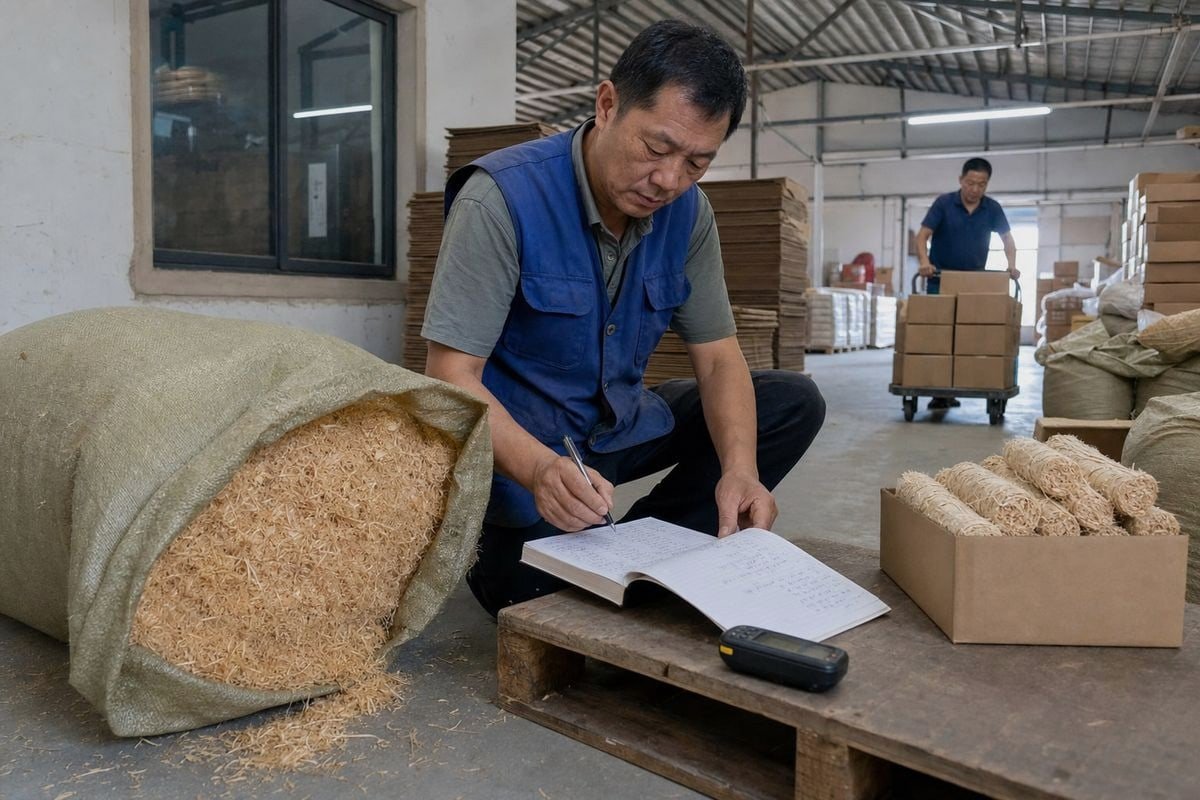
Las certificaciones ayudan, pero no reemplazan la diligencia debida. Ese es un punto que vale la pena enfatizar, porque es donde muchos compradores gastan de más o recopilan de menos. FSC y PEFC los certificados de cadena de custodia 5 fortalecen su evaluación de riesgos, sin embargo, la regulación todavía exige la geolocalización a nivel de parcela y su propia conclusión documentada de riesgo insignificante. En nuestra fábrica, combinamos la evidencia de certificación con datos de trazabilidad en bruto por esta misma razón — nuestros marcos ISO 9001 y BSCI ya nos obligan a documentar la entrada de material lote por lote, por lo que extender esa disciplina a la procedencia de la madera fue un paso natural.
Construya el paquete de evidencia en capas
Piense en el archivo como tres capas, cada una respondiendo a una pregunta diferente:
| Capa | Pregunta Responde | Documentos clave |
|---|---|---|
| Procedencia | ¿Dónde creció exactamente la madera? | Coordenadas GPS o polígonos, mapas de parcelas, fechas de cosecha |
| Legalidad | ¿Fue legal la cosecha en ese país? | Permisos de cosecha, registros de tenencia de tierras, documentos fiscales y de transporte |
| Integridad | ¿El producto terminado coincide con la madera declarada? | Registros de cadena de custodia, declaraciones de especies, registros de lotes de producción |
Tenga cuidado con las entradas de especies mixtas
Los iniciadores de fuego comprimidos a menudo usan virutas o serrín mezclados. Bajo la EUDR, cada especie en la mezcla debe ser rastreable individualmente y evaluada por riesgo dentro de la misma declaración. Si su proveedor mezcla madera tropical o de mayor riesgo en virutas de madera blanda doméstica, todo el envío hereda ese perfil de riesgo. Mantenemos nuestra lana de madera de una sola fuente y consistente en especies, en parte para el control de la calidad de la combustión — una fibra consistente da una llama consistente — y en parte porque las entradas mixtas multiplican la documentación. Pregunte directamente a su fabricante: ¿cuántas especies, de cuántas parcelas, de cuántos países? Si dudan, investigue más antes de presentar cualquier cosa. Confirme también que las fechas de cosecha caen después de que comenzó el seguimiento de la producción; el DDS debe cubrir solo la madera ya cosechada, nunca la producción futura, y sus registros deben conservarse durante cinco años.
¿Qué sucede si mi declaración de diligencia debida de la EUDR está incompleta o es rechazada en la frontera de Irlanda del Norte?
Un comprador una vez nos llamó por teléfono a medianoche, hora de Ningbo, porque un palé estaba bloqueado en el puerto por un número de referencia faltante. Las mercancías estaban bien. La documentación no. Esa llamada remodeló cómo preparamos los archivos de exportación.
Una DDS incompleta o rechazada significa que no hay número de referencia válido, por lo que la aduana rechazará el despacho. Las mercancías pueden ser retenidas, devueltas o destruidas, y los operadores se enfrentan a sanciones que incluyen multas, confiscación y posible exclusión del mercado de la UE hasta que se demuestre el cumplimiento.
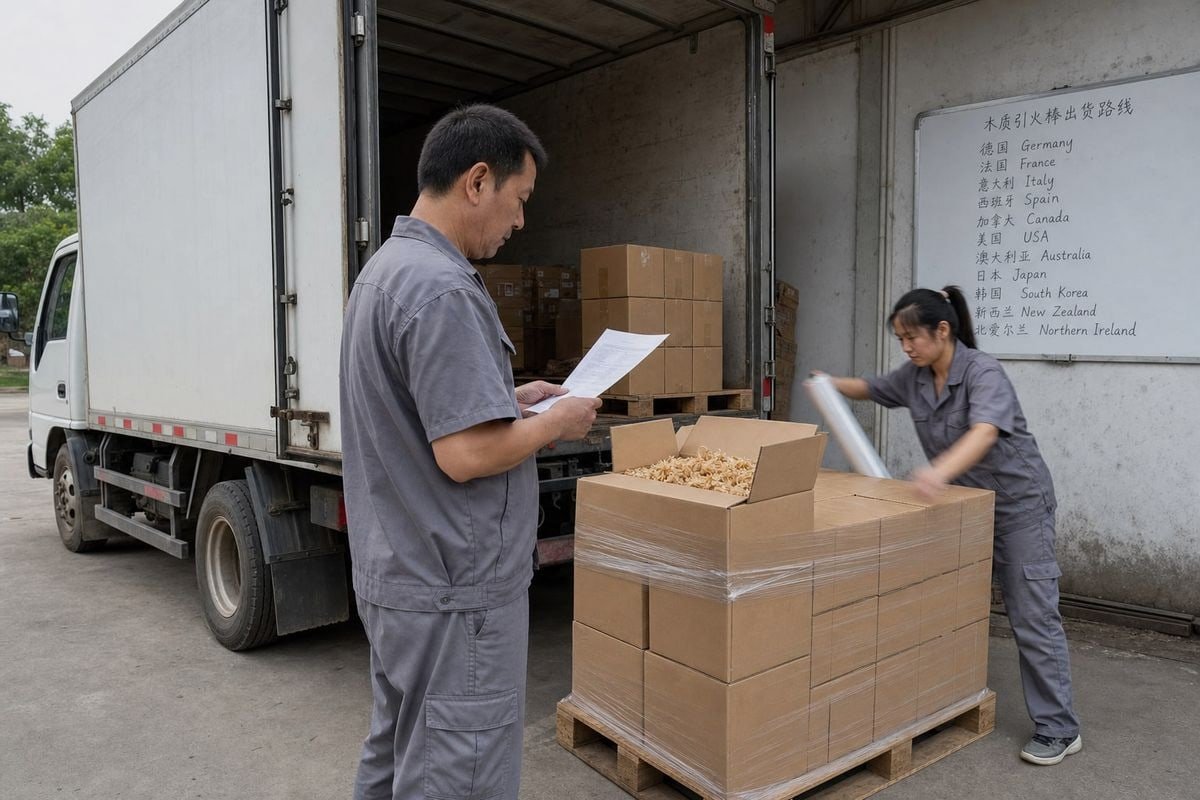
La mecánica es implacable. El DDS debe presentarse electrónicamente a través del Sistema de Información de la UE 6 antes de que el producto se coloque en el mercado, y el sistema emite un número de referencia que debe acompañar al envío. Sin número, no hay despacho. No se puede arreglar en el muelle, porque la declaración es la declaración legal final realizada después de que la diligencia debida se completa — no se puede presentar legalmente mientras queden lagunas de datos. En nuestra experiencia, los fallos siguen un patrón predecible, por lo que los presentaré como una lista de verificación de prevención en lugar de una historia de terror.
Los puntos de fallo más comunes
- Presentar antes de que los datos de geolocalización estén completos, esperando "rellenar" más tarde. El sistema registra lo que declaró; las inconsistencias surgen en la auditoría.
- Desajustes de cantidad o código HS entre el DDS, la factura y la declaración de aduanas. Incluso pequeñas discrepancias provocan retenciones.
- Clasificación de rol incorrecta — un comerciante que presenta como operador, o viceversa — lo que invalida la lógica de cumplimiento de la declaración.
- Referencia a un DDS anterior que en realidad no cubre el lote o período de tiempo específico. Una declaración no debe extenderse a través de envíos más allá de un año desde la presentación.
- Falta la documentación en capas GB-NI, donde el DDS es correcto pero la declaración de movimiento o aduanas de NI por separado no lo es.
Cómo recuperarse si sucede
Si se detiene un envío, actúe en este orden: identifique la deficiencia exacta del aviso de aduanas, reúna la evidencia faltante de su fabricante, complete el evaluación de riesgos 7 correctamente, vuelva a presentar en el Sistema de Información y solo entonces solicite la liberación. La recuperación lleva días o semanas; la prevención lleva horas. Ahora realizamos una revisión de documentos previa al envío en cada pedido con destino a la UE y NI — la misma disciplina lote a lote que aplicamos al control de calidad del tiempo de combustión, aplicada al papel. Conserve todo durante cinco años, porque las autoridades competentes pueden solicitar sus registros de diligencia debida mucho después de que el palé se haya vendido.



 English
  Spanish
  German
  French
  Arabic
  Portuguese
Únete a la conversación