







Un plan de adquisición de contingencia para iniciadores de fuego de madera es algo que discutimos con los compradores cada otoño, porque un envío perdido en noviembre puede aniquilar toda una temporada de invierno.
Un plan de adquisición de contingencia para iniciadores de fuego de leña debe incluir una lista escalonada de proveedores de respaldo, niveles estacionales de existencias de seguridad, documentos de cumplimiento listos para usar, acciones de respuesta basadas en desencadenantes y un proceso rápido de calificación de proveedores, para que el suministro continúe durante interrupciones climáticas, de transporte o de proveedores.
A continuación, detallo cada parte del plan paso a paso. Los consejos provienen de pedidos reales, retrasos reales y recuperaciones reales en más de 30 mercados de exportación.
¿Qué Debería Incluir en una Lista de Proveedores de Respaldo para Iniciadores de Fuego de Madera?
Hace unos inviernos, un distribuidor europeo nos llamó en pánico. Su único proveedor había cerrado durante un mes, y su lista de respaldo eran solo tres nombres en una hoja de cálculo, ninguno precalificado, ninguno activo.
Una lista de proveedores de respaldo para iniciadores de fuego de madera debe incluir proveedores escalonados (primario, secundario, terciario), certificaciones verificadas como ISO 9001 e informes SGS, capacidad de producción confirmada, datos de tiempo de entrega, aprobaciones de muestras, términos de precios, flexibilidad de MOQ y contactos con nombre que hablen inglés para cada proveedor.
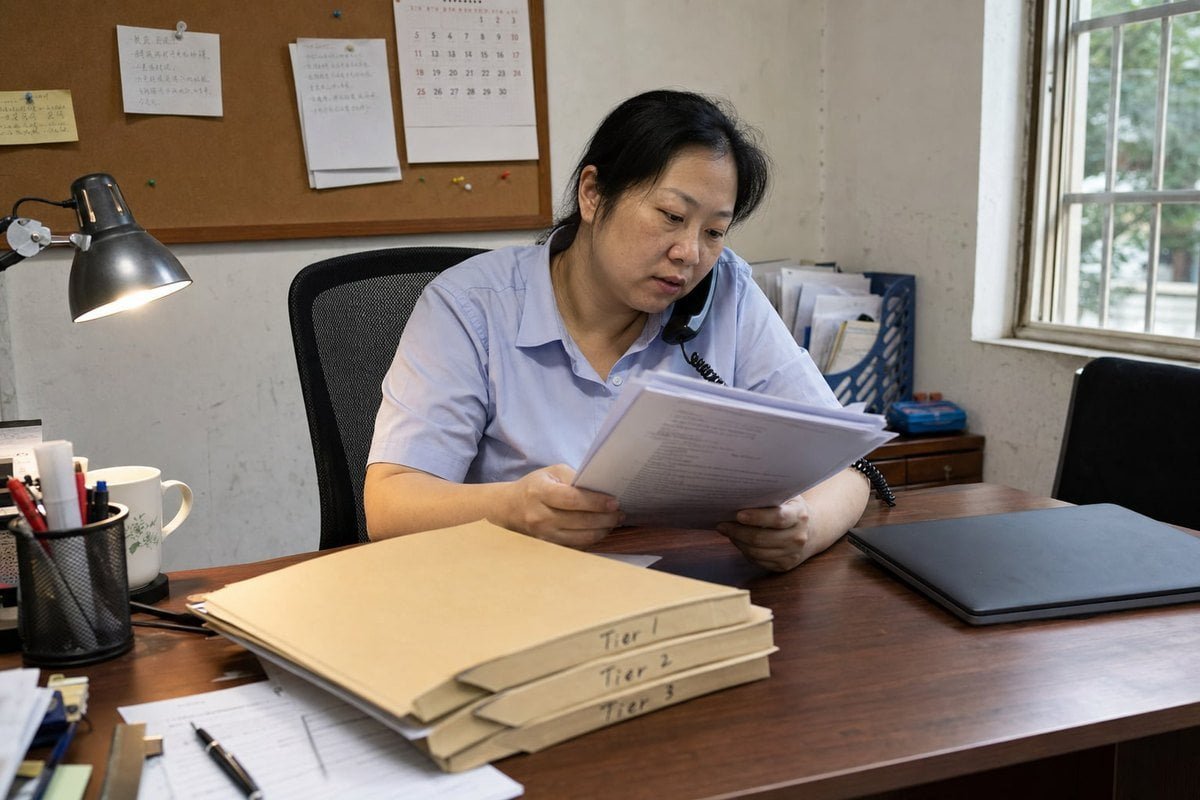
Una lista de proveedores de respaldo solo funciona si está viva. En nuestra experiencia exportando iniciadores de fuego de madera encerados a EE. UU. y Alemania, los compradores que se recuperan más rápido de escasez de materias primas 1 son los que mantienen al menos dos proveedores enviando activamente, incluso en pequeños volúmenes. Un nombre en un archivo no es un respaldo. Un proveedor que le envió un contenedor de prueba el trimestre pasado sí lo es.
Utilice un Modelo de Abastecimiento por Niveles
La estructura más práctica sigue el modelo PACE: Primario, Alterno, Contingencia, Emergencia. Una división común en la adquisición sensible al clima otorga del 70 al 85% del volumen al proveedor primario y del 15 al 30% al secundario, con un proveedor terciario precalificado para compras puntuales. Esto mantiene al proveedor secundario activo sin duplicar su trabajo administrativo.
| Nivel | Rol | Cuota de volumen | Estado requerido |
|---|---|---|---|
| Primario | Volumen de pronóstico principal | 70–85% | Auditoría completa, contrato anual |
| Secundario | Respaldo activo | 15–30% | Pedidos pequeños recurrentes |
| Terciario | Fuente de emergencia para compras puntuales | 0% (en espera) | Prequalificado, muestras aprobadas |
| Emergencia | Último recurso | Según sea necesario | Proceso de aprobación documentado |
Qué datos registrar para cada proveedor
Para cada proveedor de la lista, registre más que un número de teléfono. La evaluación de proveedores alternativos debe capturar estado verificado de la fábrica 2 (no una empresa comercial), copias de certificación, especificaciones de tiempo de combustión probadas, capacidades de embalaje, variabilidad del plazo de entrega 3 durante los últimos 12 meses y ubicación regional. La diversificación regional importa para la resiliencia de la cadena de suministro: si los tres proveedores envían desde el mismo puerto, un tifón cierra todos a la vez.
Registre también los factores blandos. ¿El proveedor responde a los correos electrónicos en 24 horas? ¿Pueden ejecutar su embalaje de marca privada? ¿Pueden igualar el rendimiento de ignición y el tiempo de combustión de su producto? Un iniciador de fuego sustituto que arde dos minutos menos generará quejas de los minoristas, por lo que se deben preaprobar las especificaciones del sustituto antes de que las necesite.
¿Cómo puedo evitar roturas de stock durante la demanda estacional máxima de iniciadores de fuego?
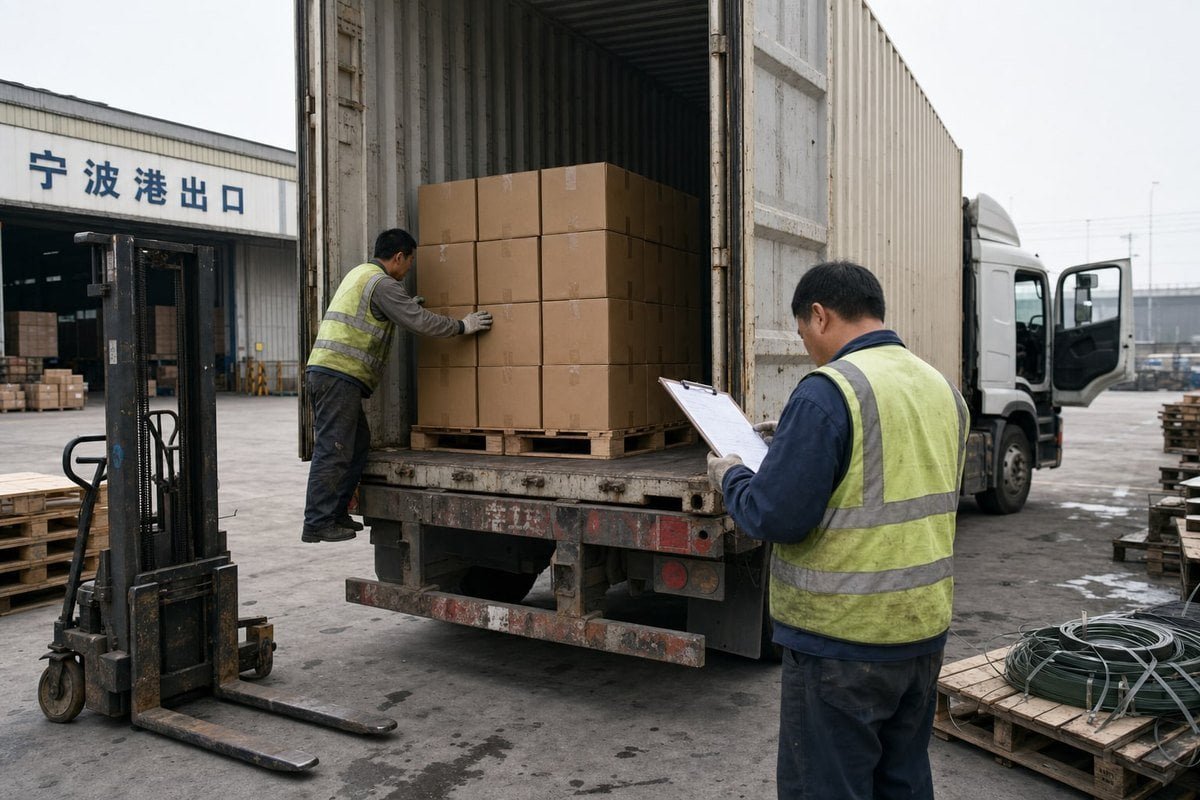
Cada septiembre, nuestras líneas de producción de Ningbo entran en modo pico, porque sabemos lo que saben nuestros compradores: la demanda de iniciadores de fuego no aumenta suavemente, sino que se dispara con la primera helada.
Para evitar roturas de stock durante la demanda estacional máxima, acumule niveles de stock de seguridad antes del otoño, establezca puntos de reorden vinculados a la velocidad de ventas y al tiempo de entrega, divida el inventario en almacenes minoristas, de almacén y reservas de emergencia, y reserve espacios de producción con su proveedor a finales del verano.

Planificación de inventario estacional para iniciadores de fuego de madera es más fácil que para la mayoría de los productos, y más difícil en un aspecto específico. La parte fácil: los discos de fibra de madera comprimida 4 y los rollos encerados son pequeños, de bajo volumen y almacenables, por lo que amortiguar cajas adicionales es barato. La parte difícil: la variabilidad del tiempo de entrega explota exactamente cuando la demanda alcanza su punto máximo. El transporte marítimo desde Asia se ralentiza en el cuarto trimestre, los puertos se congestionan y cada marca de chimenea hace pedidos a la vez.
Construya el Colchón Antes de la Temporada, No Durante Ella
La planificación de la continuidad del negocio para productos de temporada comienza con una regla simple: su stock de seguridad de invierno debe llegar antes del invierno. Les decimos a nuestros distribuidores europeos que confirmen los pedidos de temporada alta en julio o agosto. Eso da tiempo para la producción, el transporte marítimo, las aduanas y la recepción en el almacén antes de que llegue la demanda de noviembre.
Establezca Reglas de Reordenamiento Basadas en Disparadores
Un plan de respuesta supera a un documento de política. Defina disparadores numéricos y asigne previamente el propietario de cada acción:
| Disparador | Acción | Propietario |
|---|---|---|
| El tiempo de entrega se retrasa 10+ días | Activar pedido del proveedor secundario | Gerente de compras |
| Las ventas de invierno superan el pronóstico en un 20% | Liberar stock de reserva de emergencia | Jefe de operaciones |
| El stock del almacén alcanza el punto de reorden | Realizar PO de reposición la misma semana | Comprador |
| El transportista pierde dos ventanas de entrega | Cambiar a un transportista de respaldo precalificado | Coordinador de logística |
Vigilar las señales meteorológicas con antelación
El riesgo de suministro relacionado con el clima es doble: las tormentas retrasan los contenedores entrantes y aumentan la demanda de los consumidores simultáneamente. Algunos compradores más grandes ahora utilizan modelos predictivos de demanda que correlacionan los pronósticos de clima frío a largo plazo con los desencadenantes de adquisición, acumulando existencias antes del pico. No necesita IA para empezar: incluso el seguimiento de los pronósticos estacionales en comparación con las ventas del año pasado ayuda. Realice un análisis de cuellos de botella logísticos en sus rutas de entrada cada verano y preidentifique puertos o transportistas alternativos antes de que comience la congestión del cuarto trimestre.
Un punto práctico más: guarde los iniciadores de fuego secos, fuera del suelo, con rotación FIFO. Las existencias dañadas por la humedad son una falta de existencias autoinfligida.
¿Qué Documentos de Cumplimiento Debería Tener Listos al Cambiar de Proveedores de Iniciadores de Fuego?
Las preguntas de cumplimiento son lo primero que preguntan los compradores serios, antes del precio, antes del MOQ. Eso es exactamente correcto, porque un envío conforme que llega tarde sigue siendo mejor que un envío no conforme que es incautado.
Mantenga listos: certificados ISO 9001 y BSCI, informes de prueba SGS o Intertek, documentación CE cuando corresponda, hojas de datos de seguridad, aprobaciones de etiquetas de advertencia y arte de embalaje, documentación FSC o de madera sostenible, registros de clasificación aduanera y acuerdos de calidad firmados que definan los estándares de rechazo.
Cambiar de proveedor bajo presión es cuando aparecen las brechas de cumplimiento. Un nuevo proveedor puede enviar un producto que se enciende bien pero que lleva la etiqueta de advertencia incorrecta, una composición de parafina no verificada o ningún informe de prueba, y su minorista rechaza la entrega. En nuestros más de 17 años suministrando cadenas estadounidenses y europeas, hemos visto compras de emergencia rechazadas en el muelle de recepción solo por papeleo.
La lista de verificación de documentos principales
Cree una carpeta de cumplimiento para cada proveedor aprobado y audítela dos veces al año. Esto es lo que pertenece dentro:
| Documento | Por qué importa | Ciclo de actualización |
|---|---|---|
| Certificado ISO 9001 | Demuestra un sistema de gestión de calidad funcional | Anualmente |
| Informe de auditoría BSCI | Cumplimiento social, requerido por muchos minoristas de la UE | Anualmente |
| Informes de prueba SGS / Intertek | Verifica el rendimiento de la combustión y la seguridad del material | Por cambio de producto / lote |
| Documentación CE | Acceso al mercado para categorías de productos relevantes de la UE | Por cambio de producto |
| Hoja de datos de seguridad (SDS) | Requerido para el contenido de cera/parafina en tránsito y al por menor | Por cambio de fórmula |
| Prueba de abastecimiento de FSC o madera | Apoya las afirmaciones de adquisición sostenible de madera | Anualmente |
| Aprobaciones de etiquetas y códigos de barras | Evita rechazos en muelle y contracargos de minoristas | Por SKU |
No olvide la clasificación del transporte
Los iniciadores de fuego generalmente se envían como carga normal, pero la clasificación depende de la composición y las reglas de destino. Confirme los códigos aduaneros correctos y cualquier requisito logístico de materiales peligrosos con su transitario con antelación, especialmente cuando un producto sustituto utiliza una cera o una proporción de acelerante diferente. Un contenedor mal clasificado puede permanecer en aduanas durante semanas, el retraso exacto que su plan de contingencia existe para prevenir.
Los estándares de certificación FSC merecen especial atención si vende a Europa. Los compradores minoristas exigen cada vez más pruebas de cadena de custodia para el contenido de fibra de madera, y abastecimiento de materia prima de biomasa 5 la documentación de un nuevo proveedor lleva tiempo verificarla. Recopílela durante la calificación, no durante una crisis.
¿Cómo califico rápidamente a un nuevo fabricante de iniciadores de fuego de madera durante una interrupción del suministro?
La calificación de proveedor más rápida que he apoyado tomó once días, porque el comprador tenía una lista de verificación preescrita y teníamos todos los informes de prueba listos antes de que preguntaran.
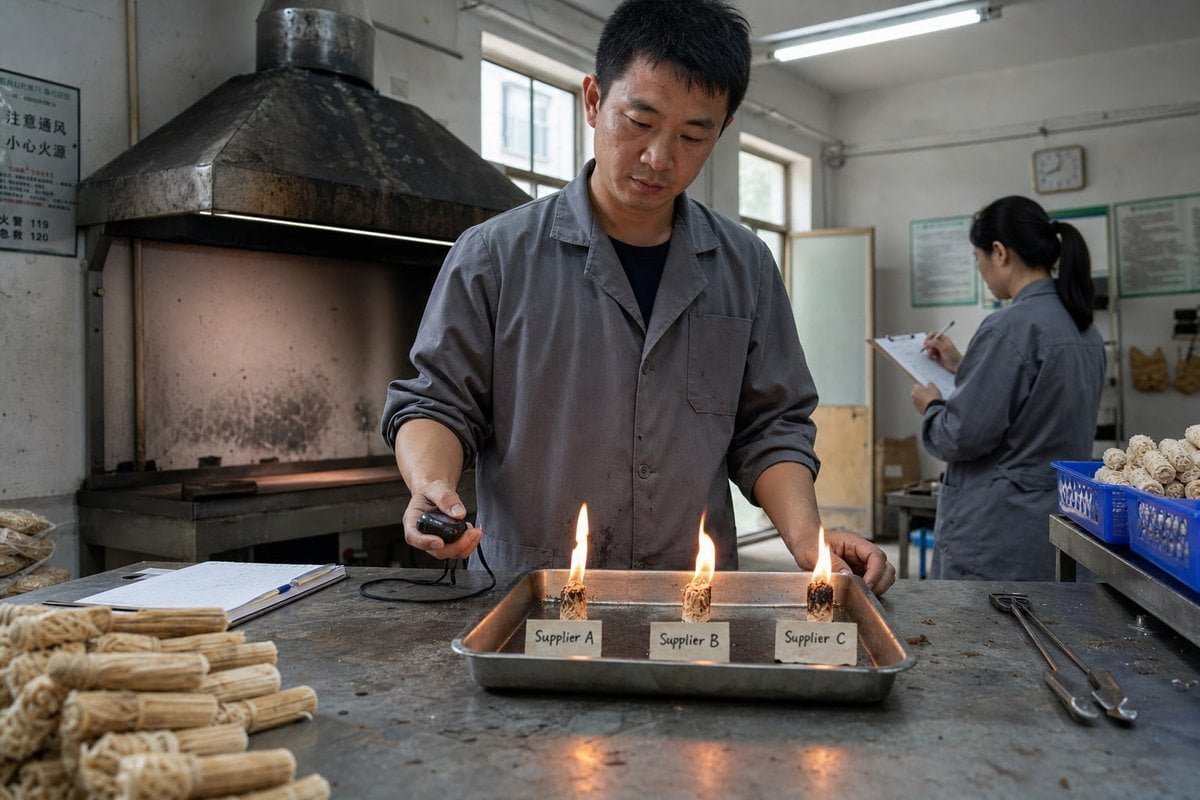
Califica rápidamente a un nuevo fabricante utilizando una lista de verificación preconstruida: verifica el estado y las certificaciones de la fábrica de forma remota, solicita informes de prueba SGS existentes, ejecuta una prueba de muestra acelerada para el tiempo de ignición y combustión, confirma la capacidad de empaquetado y etiquetado, y comienza con un pequeño pedido de prueba pagado.
La adquisición de emergencia no significa saltarse la debida diligencia. Significa comprimirla. El truco es hacer el 80% del trabajo antes de cualquier interrupción y tener un proceso documentado de vía rápida para el 20% restante. Aquí está la secuencia que recomendamos a los compradores que construyen estrategias de mitigación de riesgos en su abastecimiento.
El Proceso de Vía Rápida de Cinco Pasos
- Verificar la fábrica de forma remota, la misma semana. Solicite un recorrido en video en vivo de las líneas de producción. Una fábrica real le mostrará las estaciones de inmersión en cera, el prensado de virutas de madera, las líneas de embalaje. Una empresa comercial se estanca. Cruce las licencias comerciales y los registros de exportación.
- Recopile las certificaciones existentes en lugar de encargar auditorías nuevas. ISO 9001, BSCI actuales y recientes informes SGS o Intertek 6 para la misma familia de productos le dicen la mayor parte de lo que diría una auditoría nueva, en días, no en meses.
- Realice una prueba de muestra acelerada. Envíe muestras por mensajería y pruebe la velocidad de ignición, el tiempo de combustión, la resistencia a la humedad y el comportamiento del humo según sus especificaciones existentes. Defina los umbrales de aprobación/rechazo por escrito antes de que lleguen las muestras.
- Confirme la capacidad de embalaje y cumplimiento. ¿Pueden imprimir sus etiquetas de advertencia, códigos de barras y cajas minoristas? ¿Pueden igualar las ilustraciones de su marca privada? Los fallos en el embalaje listo para el estante causan más contracargos minoristas que los fallos del producto.
- Realice un pequeño pedido de prueba pagado con estándares de rechazo definidos. Un lote de prueba revela si la calidad de la muestra refleja la calidad de la producción en masa: la brecha entre los dos es donde falla la mayoría de las adquisiciones de emergencia.
Documente todo a medida que avanza
La guía de adquisición de emergencia es consistente en un punto: obtenga la aprobación financiera antes de la compra y documente las decisiones durante el evento, no después. Registre quién aprobó la sustitución, qué especificaciones se aceptaron y qué resultados de prueba respaldaron la decisión. Si más tarde necesita reclamaciones de garantía, reembolso de seguro o prueba de cumplimiento, ese rastro de auditoría 7 es su protección. También convierte a un proveedor de emergencia de una sola vez en un proveedor terciario debidamente calificado para el futuro, convirtiendo una crisis en una mejora permanente de la resiliencia de su cadena de suministro.
Conclusión
Una rotura de stock en diciembre cuesta más que un año de planificación. Cree proveedores escalonados, amortiguadores estacionales, archivos de cumplimiento listos y un proceso de calificación rápido, luego pruebe el plan antes de que el invierno lo pruebe por usted.
Notas al pie
Wikipedia explica el concepto económico de escasez que afecta a las cadenas de suministro de iniciadores de fuego de leña durante las temporadas altas. ↩︎
ISO 9001 es el estándar global para sistemas de gestión de calidad utilizado para verificar el estado y la fiabilidad de la fábrica. ↩︎
Wikipedia define el tiempo de entrega y su variabilidad, un factor crítico en la planificación de inventario y adquisiciones estacionales. ↩︎
Wikipedia proporciona antecedentes técnicos sobre la fibra de madera, el material principal utilizado en los productos comprimidos para iniciar fuego. ↩︎
IEA Bioenergy proporciona información autorizada sobre el abastecimiento de biomasa y los estándares de sostenibilidad para productos de combustible a base de madera. ↩︎
Se corrigió la ruta rota a la página activa de servicios de bienes de consumo y minoristas de SGS. ↩︎
Investopedia explica la importancia de mantener un rastro de auditoría para el cumplimiento y la gestión de riesgos en las adquisiciones. ↩︎



 English
  Spanish
  German
  French
  Arabic
  Portuguese
Únete a la conversación