






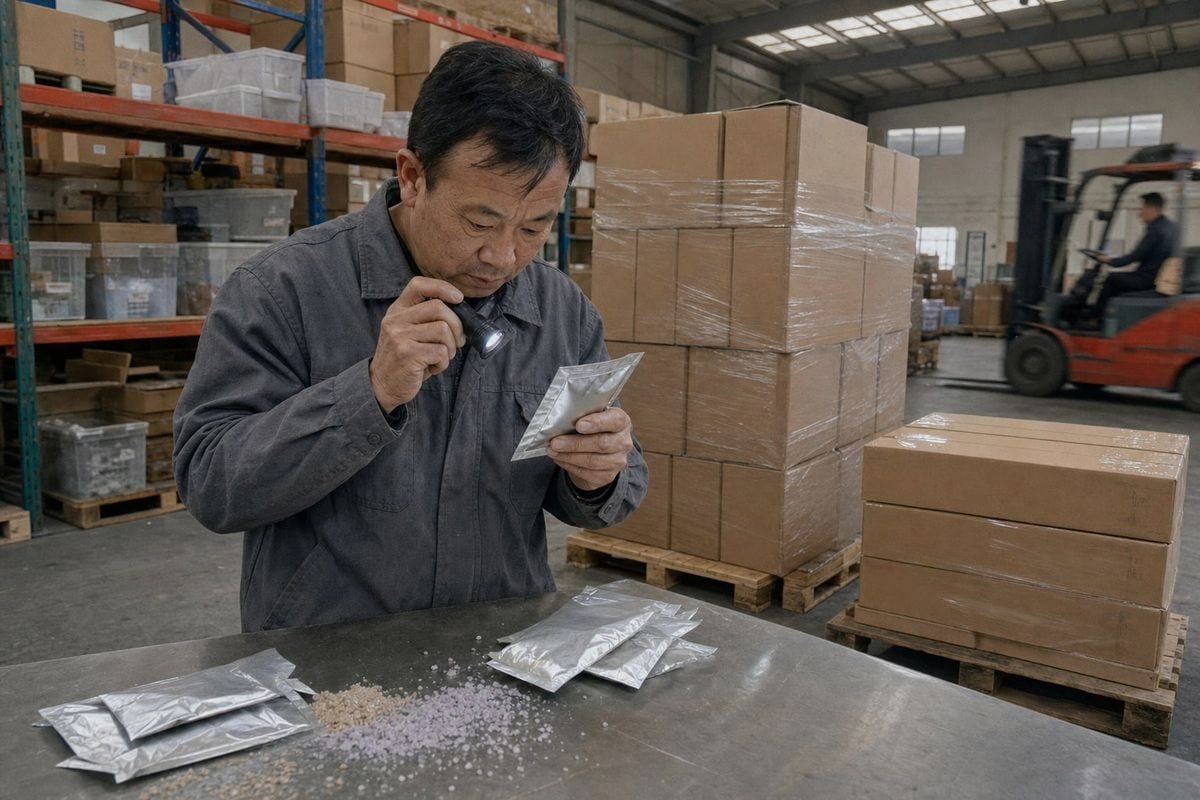
Las reseñas negativas de polvo mágico para chimeneas pueden acabar silenciosamente con un anuncio. He visto a compradores entrar en pánico por picos de una estrella. En nuestra línea de producción, rastreamos la mayoría de ellos hasta causas prevenibles.
Las reseñas negativas del polvo mágico de fuego difieren según el canal: los compradores de Amazon y del mercado se quejan de falsificaciones, efectos de color débiles y daños de envío, mientras que los clientes de sitios especializados y de marca se centran en el precio, el servicio al cliente y las devoluciones. El embalaje, el etiquetado y la protección contra la humedad generan quejas en todos los canales.
Aquí está el punto. La misma bolsita puede obtener críticas muy diferentes dependiendo de dónde se venda. Permítanme desglosar cada canal, las causas raíz y cómo solucionarlas a nivel de fábrica.
¿Qué quejas aparecen con más frecuencia en las reseñas de Amazon para polvo de llama de color en comparación con los minoristas especializados?
Un distribuidor una vez me reenvió una captura de pantalla de una reseña de Amazon de una estrella en su anuncio. La foto mostraba un paquete diluido de imitación, no el nuestro. Ese momento enseñó a nuestro equipo cuán diferentes se comportan los canales.
Las reseñas de Amazon sobre el polvo de llama de color a menudo señalan productos falsificados o diluidos en listados compartidos, un color de llama débil en comparación con las imágenes de marketing y paquetes dañados o apelmazados. Los minoristas especializados ven menos quejas, principalmente sobre precios y valor premium, ya que sus compradores ya entienden el producto.

La forma más rápida de ver la diferencia es lado a lado:
| Tema de la queja | Amazon / mercados | Minoristas especializados en exteriores |
|---|---|---|
| Producto falsificado o diluido | Muy común (listados compartidos, secuestradores) | Raro (cadena de suministro curada) |
| Color de llama débil o inconsistente | Común, ligado a fotos exageradas | Ocasional, las expectativas son más tranquilas |
| Aglomeración o daño por humedad | Común en largas cadenas de cumplimiento | Menos común, rotación más rápida |
| Quejas sobre precios | Raro, los precios tienen descuento | Frecuente: el mismo artículo más barato en otro lugar |
| Problemas de envío y seguimiento | Frecuente, cumplimiento mixto | Infrecuente |
| Tono emocional de las reseñas | Corto, contundente, a veces inflado por bots | Más largo, detallado, decepción más aguda |
Por qué las reseñas de Amazon se inclinan hacia la ira por la calidad del producto
Los compradores del mercado juzgan el producto en comparación con la foto del anuncio. Si la fogata no brilla en azul y verde como en la imagen, se sienten engañados. Los secuestradores de anuncios empeoran esto. Múltiples vendedores pueden ocupar un ASIN, por lo que una copia diluida obtiene una mala reseña que recae en la marca honesta. En nuestros más de 17 años exportando paquetes de llama de colores a EE. UU. y Europa, hemos visto este patrón repetirse en casi todas las categorías de mercado.
Por qué los minoristas especializados reciben quejas de precios en su lugar
Las tiendas especializadas en camping y chimeneas cobran más. Sus clientes a menudo revisan Amazon después, ven un precio más bajo y se quejan del valor en lugar del rendimiento. El producto generalmente funciona: la reseña trata sobre la experiencia de compra. La disparidad de precios también aumenta las apuestas emocionales. Un comprador que pagó un precio premium escribe una queja más larga y aguda cuando algo decepciona. Para un propietario de marca, esto significa que la solución difiere según el canal: luche contra las falsificaciones y gestione las expectativas en Amazon; justifique el precio con el cumplimiento, la calidad del embalaje y la historia en el comercio minorista especializado.
¿Puedo rastrear patrones de comentarios negativos hasta problemas de empaque o etiquetado del fabricante?
Durante una auditoría de control de calidad en nuestras instalaciones de Ningbo hace unos años, sacamos un lote de sobres de papel de aluminio con sellos térmicos ligeramente débiles. Ese pequeño defecto habría aparecido meses después, como quejas de aglomeración en las reseñas.
Sí. La mayoría de las quejas recurrentes sobre el polvo mágico para chimeneas se remontan al embalaje o etiquetado: los sellos débiles causan aglomeración por humedad y efectos de color desvaídos, las instrucciones de uso faltantes causan un uso indebido y reseñas de "no funciona", y las advertencias de seguridad ausentes desencadenan quejas de seguridad e incluso riesgo regulatorio.
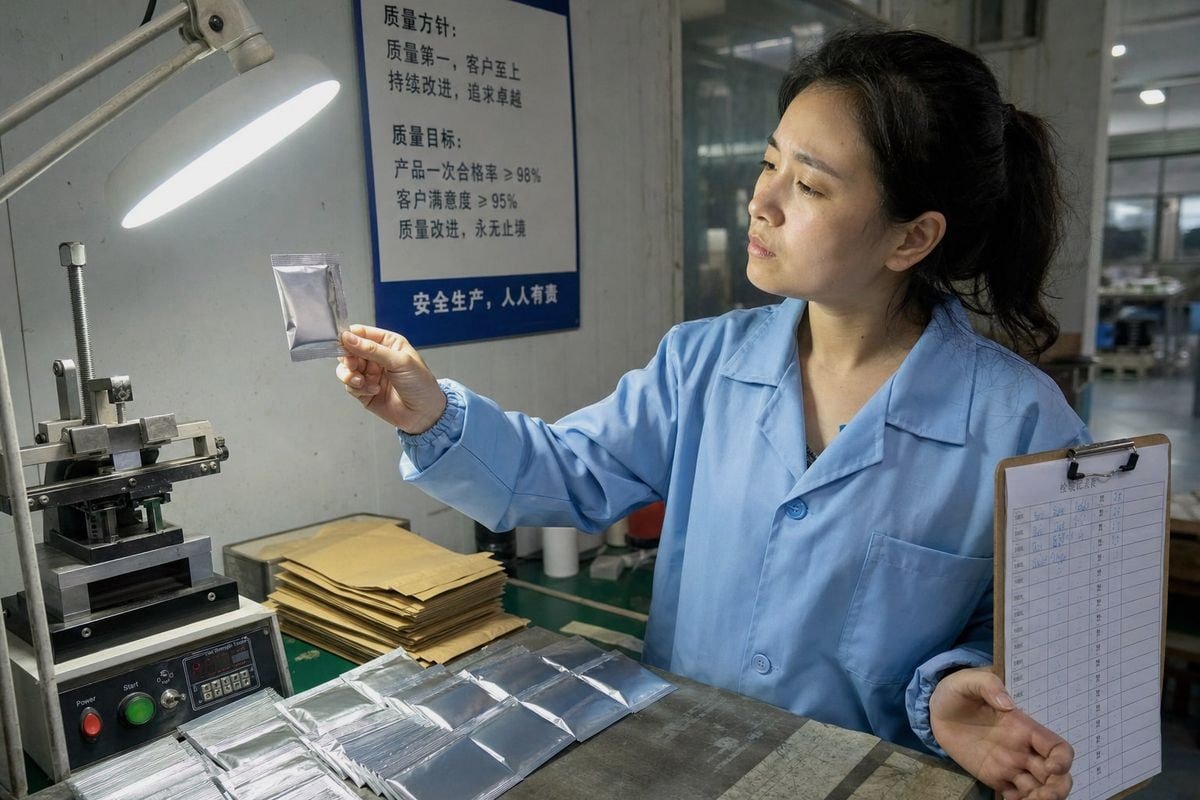
Las reseñas rara vez dicen "la integridad de su sello falló". Dicen "llegó como un ladrillo sólido" o "apenas tiene color". Su trabajo es traducir el lenguaje de las reseñas al lenguaje de la fábrica. Aquí está el decodificador que usamos con nuestros propios compradores B2B:
| Lo que dice la reseña | Causa raíz probable de embalaje/etiquetado | Solución a nivel de fábrica |
|---|---|---|
| "El polvo estaba apelmazado / duro" | Entrada de humedad a través de sellos de engarce débiles o papel de aluminio delgado | Papel de aluminio de mayor barrera, prueba de resistencia del sello por lote |
| "El color de la llama era débil" | Gránulos degradados por humedad, o sobres con dosis insuficiente | Verificaciones de tolerancia de peso por lote, película de barrera de grado desecante |
| "No funcionó en absoluto" | El usuario abrió el paquete o usó un fuego demasiado pequeño: instrucciones poco claras | Instrucciones más grandes basadas en pictogramas en la bolsa |
| "No hay advertencias de seguridad para niños" | Texto de advertencia demasiado pequeño o ausente para el mercado objetivo | Etiquetas de advertencia específicas del mercado dimensionadas según la regulación |
| "No es lo que mostraban las fotos" | Imágenes de marketing que exageran; sin orientación sobre la condición de quemado | Fotos honestas del efecto más condiciones de "mejores resultados" impresas en el paquete |
Las instrucciones son un problema de seguridad, no solo un problema de satisfacción
Autoridades sanitarias como Salud Canadá 1 advierten que los paquetes de colorante de llama deben arrojarse al fuego sin abrir y mantenerse alejados de los niños, y se aconseja contactar con el control de intoxicaciones si se ingieren. Cuando las instrucciones no están claras, algunos usuarios abren los paquetes o esparcen el polvo con la mano. Luego culpan al producto por los resultados débiles, o peor aún, crean un incidente de seguridad genuino. Es por eso que nuestros paquetes llevan pictogramas claros de "no abrir" y una banda de advertencia resaltada, y por qué ajustamos el lenguaje de advertencia para cada mercado de exportación.
Ejecutar una auditoría de revisión por lotes
En la práctica, pida a su proveedor que haga coincidir las fechas de las quejas con los códigos de lote de producción. Si las quejas de aglomeración se agrupan en torno a un lote o una temporada de envío, ha encontrado un problema de embalaje, no un problema aleatorio del cliente. Mantenemos registros de lotes precisamente para que los compradores puedan hacer esto.
¿Debo solicitar documentación de cumplimiento específica del minorista para prevenir quejas recurrentes en todos los canales?
Un comprador europeo casi pierde una cotización en cadena de chimeneas porque su proveedor anterior no pudo producir una informe de prueba SGS 2 en dos semanas. Vino a nosotros después. Esa experiencia dio forma a cómo preparamos los paquetes de documentos hoy.
Sí. Solicite documentos de cumplimiento específicos del canal antes de listar: informes de prueba SGS o Intertek y marcado CE para la seguridad del producto, evidencia ISO 9001 para la coherencia, auditorías BSCI para programas de abastecimiento minorista, además de etiquetas de advertencia y códigos de barras correctos para el mercado. La documentación completa previene las eliminaciones de la lista y los picos de revisión que siguen a las disputas.
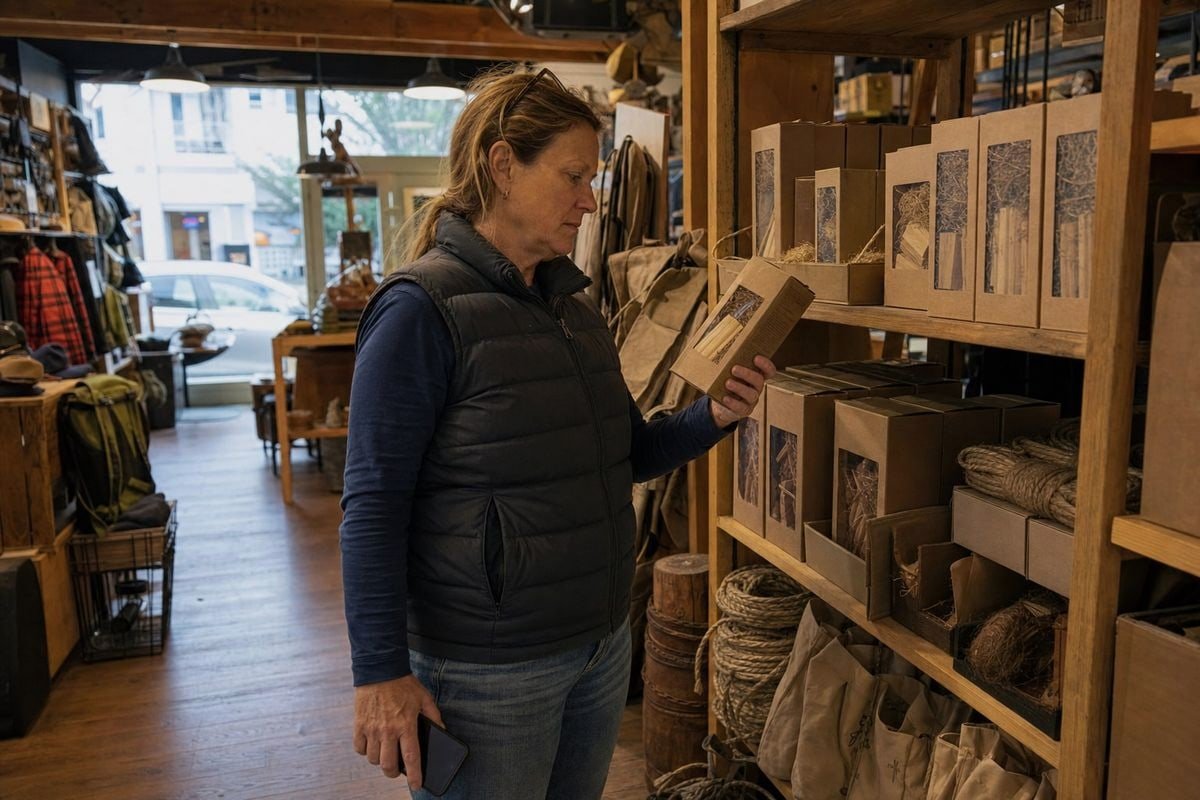
Diferentes canales aplican diferentes trámites. Amazon puede suprimir una con bandera de materiales peligrosos 3 de la noche a la mañana. Un minorista tipo Home Depot realiza auditorías de proveedores antes del primer pedido. Una tienda especializada puede pedir solo una SDS, hasta que un cliente se queje. Adapte sus documentos al canal:
| Canal | Demanda típica de documentación | Riesgo de queja si falta |
|---|---|---|
| Amazon / mercados | FDS, informes de pruebas de terceros 4, etiquetado conforme | Supresión de listados, críticas de "producto inseguro" |
| Grandes cadenas minoristas | ISO 9001 5, auditoría social BSCI, informes de pruebas completos, especificaciones de código de barras/etiqueta | Incorporación fallida, contracargos, retiradas de estantería |
| Minoristas especializados | SDS, marcado CE (UE), confianza del seguro | El minorista retira la línea después de un incidente |
| Sitio web propiedad de la marca | Cumplimiento de importación, advertencias específicas del mercado | Quejas regulatorias, retrasos en aduanas |
Por qué la documentación reduce las críticas, no solo el riesgo
Esta conexión sorprende a muchos compradores. La documentación de cumplimiento se siente como una tarea legal, pero moldea directamente los resultados de las críticas. Los informes de pruebas certificados obligan a formulaciones consistentes, por lo que el color de la llama se mantiene uniforme de un lote a otro. Las líneas de producción auditadas detectan defectos de sellado antes del envío. Las etiquetas de advertencia correctas reducen las quejas por mal uso. En resumen, la misma disciplina que produce los documentos también produce la calidad del producto que miden las críticas. Es por eso que tratamos los informes ISO 9001, BSCI, CE y SGS/Intertek como un requisito indispensable para nuestra propia producción; nuestros compradores en EE. UU., Alemania, el Reino Unido y otros países no pueden ingresar a canales minoristas serios sin ellos.
Qué pedir, en orden
- Informes de pruebas de terceros actuales para el SKU exacto, no un producto "similar".
- Certificaciones de fábrica con fechas válidas, verificables con el organismo emisor.
- Aprobación de la obra de arte de la etiqueta para cada mercado de destino antes de la producción en masa.
- Trazabilidad de lotes 6 compromiso por escrito, para que se puedan investigar las quejas.
¿Cómo trabajo con mi proveedor para abordar problemas de calidad antes de que se conviertan en reseñas públicas?
Cada pedido de prueba que enviamos incluye una muestra de oro retenida del mismo lote. Cuando un importador holandés cuestionó una vez la intensidad del color, quemamos la muestra retenida en video esa misma semana y lo resolvimos en días, en privado, no en una sección de reseñas.
Trabaje con su proveedor a través de la inspección previa al envío, muestras de referencia retenidas, trazabilidad codificada por lotes, tolerancias de defectos acordadas y un protocolo de respuesta rápida a las quejas. Detectar defectos de sellado, color y etiquetado antes del envío evita que los problemas lleguen a los clientes y se conviertan en reseñas públicas de una estrella.

Las críticas públicas son la última parada en un largo viaje de calidad. Cada queja tuvo puntos de interceptación anteriores y más baratos. Construya un proceso que detecte problemas río arriba:
Un flujo de trabajo de prevención de cinco pasos
- Bloquear la muestra de oro. Aprobar una muestra física para el color de la llama, la textura del gránulo, el sellado de la bolsita y la impresión de la etiqueta. Ambas partes conservan una. La producción en masa se juzga en base a ella, no en base a la memoria. Nuestra primera muestra refleja de manera confiable la producción en masa porque nuestras líneas son nuestras; los compradores deben exigir el mismo estándar a cualquier fábrica.
- Acordar tolerancias medibles. Términos vagos como "buena calidad" causan disputas. Defina rangos de peso de llenado, mínimos de resistencia del sello y varianza de impresión aceptable en el pedido o un acuerdo de calidad simple.
- Inspeccionar antes del envío, no después de las quejas. Utilice informes de control de calidad de fábrica más, para pedidos más grandes, un tercero inspección previa al envío 7. Verifique específicamente la integridad del sello y la protección contra la humedad, ya que estos impulsan las quejas de aglomeración discutidas anteriormente.
- Codificar por lotes todo. Imprima números de lote en las cajas y, idealmente, en las bolsitas. Cuando llega una queja, puede aislar el lote en lugar de adivinar en todo su inventario.
- Establecer un SLA de respuesta a quejas con su proveedor. Acuerde el tiempo de respuesta, el formato de la evidencia (fotos, videos de quemado) y los términos de reparación (reemplazo, crédito) antes del primer problema. Una resolución privada rápida evita que los clientes frustrados escalen públicamente.
Trate las primeras críticas como datos gratuitos de control de calidad
Las primeras treinta reseñas de un nuevo listado son un regalo de diagnóstico. Envíalas a tu proveedor mensualmente. Una fábrica con verdadera profundidad de fabricación las mapeará a variables de producción y ajustará: grosor de la película, temperatura del sellado, diseño de las instrucciones. Una empresa comercial normalmente no puede. Esa diferencia se refleja en tu calificación de estrellas dentro de dos trimestres.
Conclusión
Las reseñas negativas de polvo de fuego mágico siguen patrones de canal, pero sus raíces se encuentran en el embalaje, el etiquetado, el cumplimiento y la disciplina del proveedor. Soluciona esos problemas aguas arriba con un socio de fábrica certificado, y las reseñas seguirán.
Notas al pie
1. Guía oficial de la autoridad sanitaria sobre la seguridad de los paquetes de colorante para llamas y advertencias de manipulación. ↩︎
2. SGS proporciona pruebas y certificación independientes de terceros referenciadas para el cumplimiento minorista. ↩︎
3. Las normas de comunicación de peligros de OSHA rigen el etiquetado de materiales peligrosos que activan alertas en los listados. ↩︎
4. Intertek es un proveedor líder de pruebas y certificación de productos independientes de terceros. ↩︎
5. ISO 9001 define los estándares de gestión de calidad que garantizan una producción de fabricación consistente. ↩︎
6. Los sistemas de trazabilidad permiten a los fabricantes rastrear lotes de producción y resolver quejas de calidad. ↩︎
7. Explica la práctica estándar de control de calidad que utilizan los fabricantes antes de los envíos de exportación. ↩︎


 English
  Spanish
  German
  French
  Arabic
  Portuguese
Únete a la conversación