






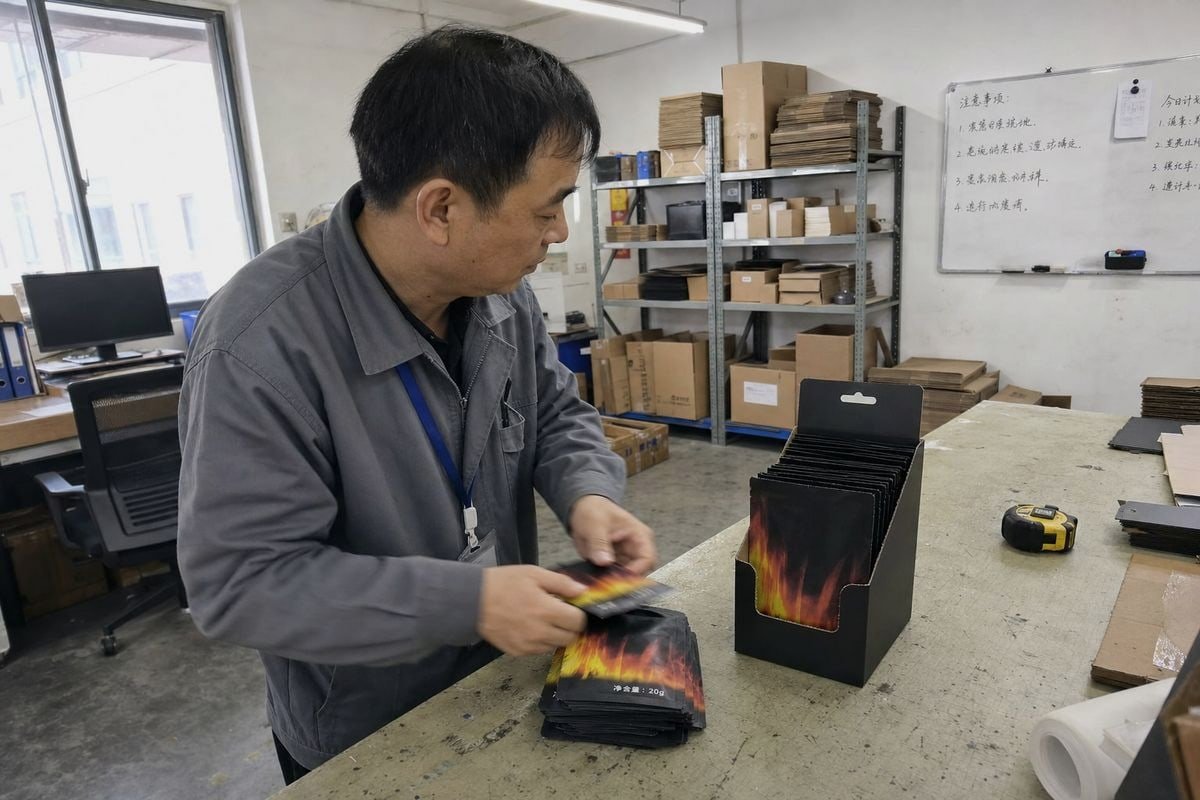
Las especificaciones de empaque del polvo de fuego mágico confunden a muchos compradores Certificación CE 1. He visto fracasar pedidos de prueba porque nuestros clientes pidieron empaques en formato de tienda y luego intentaron enviarlos como paquetes.
Las especificaciones de empaque del polvo de fuego mágico difieren según el canal: el comercio electrónico necesita unidades de consumo compactas, selladas y seguras para paquetes con pesos netos y dimensiones claras, mientras que el comercio minorista fuera de línea necesita cajas de exhibición, pestañas colgantes, cajas maestras y marca lista para estante diseñada para la comercialización en tiendas y la distribución a granel.
El polvo interior es a menudo idéntico. La especificación de empaque comercial no lo es. Permítanme guiarlos a través de exactamente qué cambia entre los dos canales y por qué es importante para sus decisiones de abastecimiento.
¿Cómo Cambian los Requisitos de Empaque al Vender Polvo Mágico de Fuego en Línea en Comparación con las Tiendas Físicas?
Un distribuidor alemán le pidió una vez a nuestra fábrica que ejecutara una especificación de empaque para sus cuentas de tienda en línea y de centro de jardinería. los estándares de códigos de barras 2. A mitad de la cotización, le mostramos por qué eso rara vez funciona.
Las ventas en línea requieren unidades de consumo individuales con bolsas selladas, peso neto impreso y dimensiones compactas para el envío de paquetes. Las tiendas físicas requieren cajas de exhibición multipack, cajas interiores y cajas maestras dimensionadas para el almacenamiento en estantes, la eficiencia de paletas y la reposición rápida por parte del personal de ventas.

La diferencia principal es quién maneja el paquete. En el comercio electrónico, un mensajero lo maneja y un solo cliente lo abre. eficiencia de paletas 3. En el comercio minorista fuera de línea, un equipo de almacén, un comerciante y un comprador interactúan con él. Cada uno de esos puntos de contacto agrega un requisito.
Cuando producimos paquetes de Magic Fire para vendedores en línea, nos enfocamos en el sobre individual. Debe sobrevivir a un centro de clasificación, una furgoneta de reparto y un buzón. Por lo tanto, sellamos con calor bolsas de papel de aluminio con bordes engarzados, mantenemos la humedad fuera y imprimimos claramente el peso neto. Los formatos típicos en línea que manejamos son sobres de 10 g, 25 g y 30 g que se venden en paquetes de 8, 10 o 50 unidades.
Para los canales de tiendas, la especificación aumenta. Los compradores minoristas nos preguntan sobre recuentos de cajas de exhibición, geometría de cartón y ajuste de paletas. Una configuración común de nuestras líneas de Ningbo es de 25 sobres en una caja de exhibición, luego 24 cajas por cartón maestro. El sobre individual apenas cambia. Todo lo que lo rodea sí.
Seis dimensiones de especificación que cambian según el canal
| Dimensión de la especificación | Enfoque de comercio electrónico | Enfoque de venta minorista fuera de línea |
|---|---|---|
| Tamaño / recuento del paquete | Paquetes de consumidor de 8, 10 o 50 unidades | Cajas de exhibición de 25-50 unidades |
| Peso unitario | 10 g–60 g, claramente impreso | 10 g–30 g, estandarizado por SKU |
| Formato | Bolsa sellada, cartón compacto | Caja de exhibición, caja interior, cartón maestro |
| Dimensiones | Medidas exactas del paquete listadas | Dimensiones del cartón para cálculo de paletas |
| Merchandising | Fotos y texto de la página del producto | Pestañas para colgar, paneles frontales, bandejas de estante |
| Tamaño del pedido | Pequeñas cantidades de prueba | MOQs de 6,000–20,000 unidades comunes |
Ambos canales pueden compartir la misma obra de arte del sobre. Pero la arquitectura del empaque exterior es un trabajo de ingeniería genuinamente diferente, y lo cotizamos de esa manera.
¿Qué certificaciones y etiquetas de advertencia necesito para el embalaje en línea frente al embalaje en estantería minorista?
Las preguntas de cumplimiento surgen en casi todas las primeras llamadas que recibo de compradores de EE. UU. y la UE. Suele ser su tema inicial, mucho antes del precio, y sinceramente, así debería ser.
Ambos canales requieren advertencias de seguridad visibles, instrucciones de uso y orientación de edad en el embalaje. El comercio electrónico añade documentación del transportista y del mercado, como informes de pruebas de seguridad y declaraciones de materiales, mientras que el embalaje de venta al por menor en estantería debe cumplir con las comprobaciones de cumplimiento de la tienda, los estándares de códigos de barras y las leyes de etiquetado del mercado de destino.
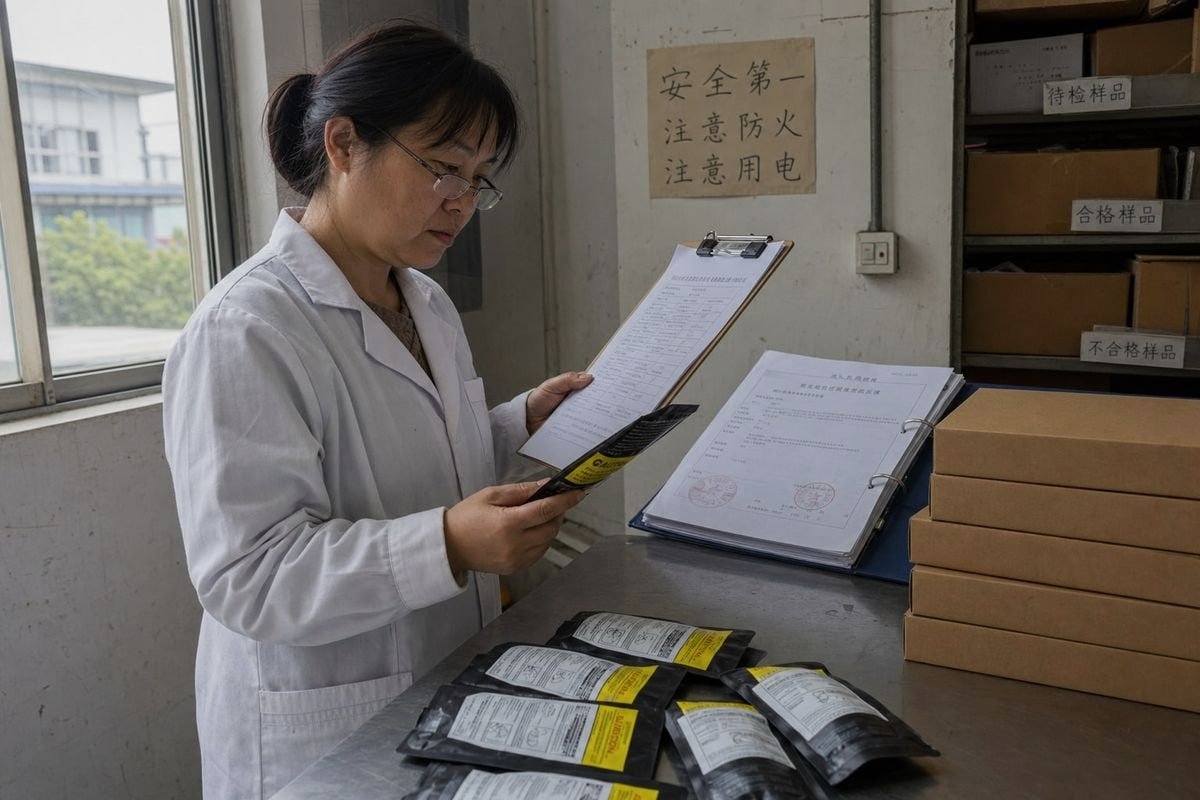
Permítanme ser directo sobre cómo esto se desarrolla en la práctica. Nuestra fábrica tiene ISO 9001 4, certificación BSCI y CE, y mantenemos Informes de pruebas de SGS e Intertek 5 para nuestros productos de llama de color. Para nuestros compradores, estos son requisitos difíciles. Los equipos de abastecimiento de grandes minoristas no incluirán un producto relacionado con el fuego sin ellos, y a los vendedores serios del mercado se les pide la misma documentación durante las revisiones de cuentas.
Las etiquetas en sí se superponen mucho entre los canales. Cada paquete de Magic Fire que imprimimos lleva una banda de advertencia, instrucciones de uso y una declaración clara de que el producto es para fogatas, chimeneas y fogones. La tira de advertencia amarilla que ve en nuestros sobres es deliberada. Se lee rápido en un estante y se fotografía claramente para una página de producto.
Donde los canales divergen es en la profundidad y ubicación de la documentación:
- Comercio electrónico: El comprador no puede preguntarle nada a un vendedor. Por lo tanto, las advertencias e instrucciones deben aparecer en el listado en sí, no solo en el paquete. Los mercados también solicitan informes de pruebas y documentación de seguridad de materiales antes de aprobar listados adyacentes al fuego.
- Venta minorista fuera de línea: La tienda asume parte de la carga de cumplimiento. Pero el paquete debe mostrar el código de barras, el número de lote, la dirección del importador y el idioma de advertencia específico del país en el panel visible, porque un comprador decide en segundos.
- Ambos: La trazabilidad del lote es importante. Imprimimos números de lote en los paquetes minoristas y, para los clientes de comercio electrónico, cada vez más agregamos códigos QR que enlazan con la autenticación e instrucciones, lo que ayuda a combatir las falsificaciones del mercado.
Nuestro consejo a los gerentes de compras es simple. Confirme primero el idioma de etiquetado del mercado de destino, luego permítanos adaptar el panel de advertencia y el diseño del código de barras durante la etapa de diseño gráfico. Cuesta casi nada entonces. Volver a etiquetar un contenedor desembarcado cuesta mucho.
¿Cómo puedo elegir un embalaje que sobreviva al envío y siga luciendo listo para la venta?
Years ago, we shipped a trial batch in thin single-layer pouches to save a client a few cents per unit. Several arrived with powder dust in the mailer. That lesson permanently changed our sealing standard.
Elija bolsas de papel de aluminio termoselladas con barreras de doble capa para bloquear la humedad y las fugas, luego agregue insertos rígidos o cajas listas para estante para darles estructura. Pruebe los paquetes con controles de caída y compresión para que la misma unidad sobreviva a los mensajeros y aún así se muestre limpiamente en un estante minorista.
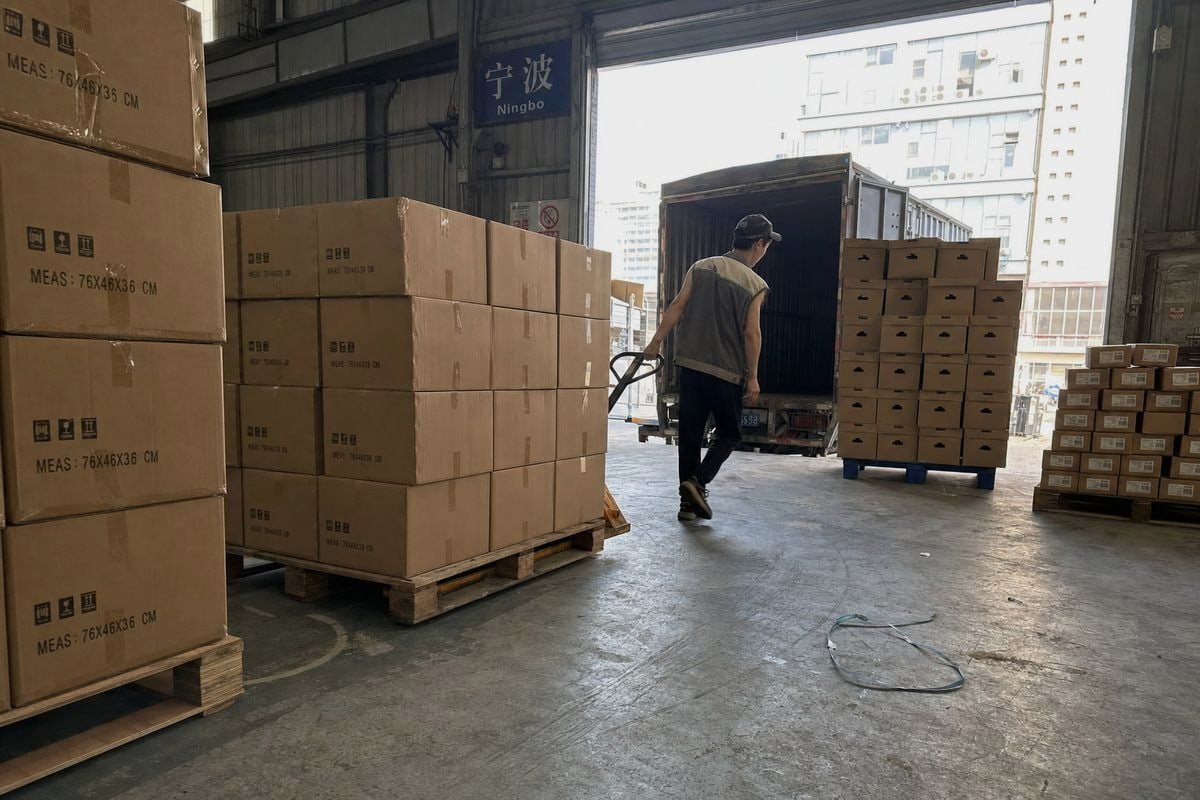
Durability and shelf appeal pull in opposite directions. Glossy printed foil looks great but shows scuffs. Rigid boxes protect well but add dimensional weight. The trick is layering the protection so each layer does one job.
Here is how we structure it on our production lines. The sachet handles moisture and leakage. The inner box or bundle handles crushing. The outer carton handles stacking and transit. When each layer has a single responsibility, you can trim cost from the others without risking the product.
A Practical Durability Checklist
- Integridad del sello: Heat-sealed crimped edges on both ends, checked batch by batch. Fine crystalline powder finds any weak seam.
- Barrera de humedad: Foil or metallized film keeps the color-flame compound dry barrera contra la humedad 6. Damp powder burns poorly, and that becomes a review problem online.
- Structural support: For e-commerce bundles, a compact carton or insert stops pouches from shifting and abrading each other's print.
- Print protection: Matte or scuff-resistant finishes keep the front panel retail-clean after a rough parcel journey.
- Tamper evidence: Sealed bundles and tamper strips support marketplace return policies and reassure retail shoppers.
Matching Format to Journey
| Formato del paquete | Shipping Survival | Atractivo en el estante | Canal ideal |
|---|---|---|---|
| Sobre individual de papel de aluminio | Good, if bundled | Low alone | Inside multi-packs |
| Bolsa Kraft de pie | Muy bueno | Moderate, rustic look | Online, outdoor brands |
| Compact printed carton | Good with inserts | Alto | Online + boutique retail |
| Caja expositora abatible | Fair in parcels | Muy alto | Offline retail shelves |
| Plastic jar / canister | Excelente | Alto | Both, premium tier |
Our flip-top display boxes, like the matte black format we run with flame-gradient graphics, are built for cartonized store delivery, not loose parcel shipping. If an e-commerce client wants that look, we reinforce the box and add a fitted mailer. It is a small spec change that saves a lot of refund claims.
¿Qué opciones de personalización debería considerar para el embalaje de marca blanca en ambos canales de venta?
One of our long-term UK clients runs the same powder under two brands: a bold campfire brand for marketplaces and a softer fireside brand for garden centers. Both come off the same Ningbo line.
Considere formatos de bolsa o frasco personalizados, diseño de marca propia, peso neto de 10 g a 500 g, etiquetas de advertencia específicas del idioma, códigos de barras, cajas de exhibición y variantes estacionales. Alinee la MOQ, la configuración del cartón y la logística con cada canal antes de finalizar el diseño.

Private-label work is where a real factory earns its keep. Because we control the full production line, we can change the packaging spec without changing the product quality underneath it. That consistency matters. The first sample you approve should match container number ten, and after 17+ years of batch-to-batch QC, that is exactly what we build for.
Here is how I recommend structuring a two-channel private-label program.
Start With the Format Menu
We offer three base formats for Magic Fire powder: plastic foil bags, kraft paper stand-up bags, and plastic jars, covering fill weights from 10 g up to 500 g. Foil sachets suit online bundles and impulse retail. Kraft pouches fit outdoor and eco-positioned brands. Jars work for premium fireplace lines and repeat-use positioning.
Then Layer the Channel-Specific Options
| Personalización | E-Commerce Priority | Offline Retail Priority |
|---|---|---|
| Artwork & branding | Photographs well, reads on mobile | Bold front panel, shelf contrast |
| Etiquetas de advertencia | Multi-language, plus listing copy | Market-specific legal language |
| Códigos de barras | FNSKU / marketplace codes | Retail EAN/UPC placement |
| Display structure | Optional gift or bundle box | Flip-top display box, hang tabs |
| Seasonal variants | Holiday bundles for order value | Seasonal shelf programs |
| Carton config | Parcel-optimized bundles | 25-per-box, 24-per-carton logic |
Finally, Plan the Economics
Offline programs usually run at higher MOQs because display boxes and master cartons only make sense at volume. For e-commerce trial orders, we keep MOQs flexible so a distributor can validate a listing before committing to container quantities. We also optimize carton dimensions against your pallet and freight plan during the ODM stage, because packaging that ignores logistics quietly eats your margin cadena de suministro 7.
One caution from experience: do not treat packaging as an afterthought that a trading company bolts on later. Sampling, artwork, warning panels, and carton math should all be confirmed with the factory in one pass.
Conclusión
Same powder, different spec. E-commerce packs must survive parcels and inform buyers; retail packs must sell from shelves and ship in cartons. Define your channel first, then let your factory engineer the packaging around it.
Notas al pie
1. Background reference explaining the CE marking



 English
  Spanish
  German
  French
  Arabic
  Portuguese
Únete a la conversación