







Los compradores me preguntan sobre el polvo mágico para encender fuego casi semanalmente en nuestra línea de producción en Ningbo Marcado CE 1. La mayoría no puede explicar a sus clientes minoristas por qué un pequeño sobre convierte una fogata en azul, verde o morado.
El polvo de fuego mágico cambia los colores de la llama porque el calor excita los electrones en las sales metálicas que contiene. A medida que esos electrones vuelven a estados de menor energía, liberan luz en longitudes de onda específicas del elemento —el cobre brilla en azul verdoso, el potasio en púrpura y el estroncio en rojo—, tiñendo las llamas.
Esa es la respuesta corta. Pero si está obteniendo estos sobres para su marca, necesita más detalles. Permítame guiarlo a través de la química, las preguntas de seguridad, las opciones de personalización y qué verificar antes de realizar el pedido.
¿Qué compuestos químicos dan al polvo mágico de fuego sus vívidos colores de llama?
Durante una prueba de formulación en nuestra planta de Ningbo hace años, quemamos docenas de lotes de prueba uno al lado del otro solo para comparar cómo se comportaba cada mezcla de sales metálicas bajo una llama de leña real.
El polvo de fuego mágico se basa en sales metálicas como colorantes pirotécnicos. Los compuestos de cobre producen llamas verdes y azules, el estroncio y el calcio producen rojos, el potasio da violeta y el sodio da amarillo. Cada ion metálico emite su propio espectro de emisión característico cuando se calienta en un fuego.

La ciencia detrás de esto se llama química de prueba de llama 2, y se ha utilizado en laboratorios durante más de un siglo. Cada elemento metálico tiene una estructura electrónica única. Cuando arrojas un sobre a un fuego caliente, la energía térmica empuja los electrones en esos átomos metálicos a niveles de energía más altos e inestables. Esto es excitación electrónica. Los electrones no pueden quedarse allí. Caen casi instantáneamente y, cuando lo hacen, liberan la energía extra como fotones de luz. La longitud de onda de esa luz está fijada por la estructura del elemento, por eso cada metal produce su propio color característico, como una huella dactilar.
¿Qué sal metálica produce qué color?
Aquí está la tabla de referencia que compartimos con nuestros clientes B2B cuando diseñan listados de productos:
| Compuesto metálico | Color de llama típico | Ejemplo común |
|---|---|---|
| . Algunos productos minoristas afirman color durante unos minutos; formulaciones mejores mantienen el color durante diez minutos o más. La alta concentración de fragancia puede acortar esa ventana porque el aceite acelera la combustión. | Azul, azul verdoso, verde | El sulfato de cobre |
| Compuestos de estroncio | Rojo intenso | Cloruro de estroncio |
| Compuestos de calcio | Rojo a rojo anaranjado | Cloruro de calcio |
| Compuestos de potasio | Violeta / morado | Cloruro de potasio |
| Compuestos de sodio | Amarillo brillante | Cloruro de sodio |
| Compuestos de bario | Verde | Sales de bario (restringidas en muchas fórmulas) |
Por qué el anión importa menos que el catión
Un matiz importante: el catión metálico impulsa el color. El anión acompañante —sulfato, cloruro, etc.— influye principalmente en la temperatura de la llama, la volatilidad y el brillo en lugar del tono. Los donantes de cloruro, por ejemplo, ayudan a formar especies de cloruro metálico volátiles que se vaporizan fácilmente e intensifican el color. De hecho, algunos de los tonos más ricos provienen de bandas de emisión molecular, como el CuCl, en lugar de transiciones atómicas aisladas. Esto da un color más amplio y saturado que una sola línea espectral.
También hay un acto de equilibrio. Un fuego de leña normal produce partículas de hollín incandescentes que emiten luz naranja de espectro amplio. Ese "ruido" de cuerpo negro puede apagar la señal del colorante. Y si la concentración de sal es demasiado alta, ocurre un enfriamiento: los átomos excitados chocan y pierden energía en forma de calor en lugar de luz, lo que en realidad atenúa el color. Nuestro equipo de formulación pasó años ajustando el tamaño de partícula y las proporciones de sal para evitar ambos problemas, por eso un paquete de arcoíris bien diseñado supera a un puñado de sales caseras esparcidas al borde del fuego.
¿Son las fórmulas de polvo mágico de fuego Sunrich seguras y cumplen con mi mercado?
Un distribuidor alemán me dijo una vez que el envío de su proveedor anterior fue retenido en aduanas por falta de documentación de prueba. Ese único retraso le costó toda una temporada de invierno de ventas.
El polvo mágico de fuego Sunrich está hecho de materiales ecológicos sin químicos dañinos, y nuestra fábrica cuenta con las certificaciones ISO 9001, BSCI y CE respaldadas por informes de pruebas de SGS e Intertek. Los productos están destinados únicamente a fuegos decorativos de madera, nunca para cocinar.
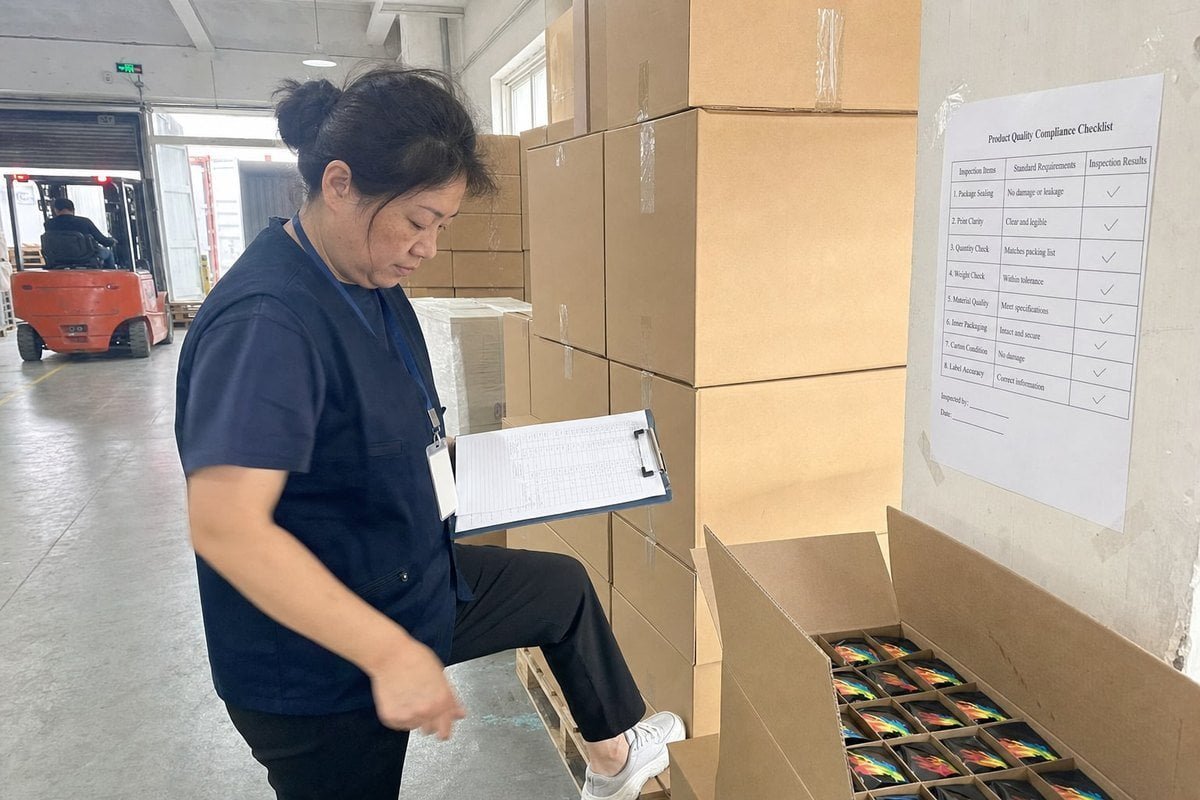
El cumplimiento no es un "agradable tener" en esta categoría. Es la puerta de entrada. Los productos de llama de colores implican combustión química, por lo que los importadores en los EE. UU., Alemania, el Reino Unido, Francia y otros mercados a los que enviamos se enfrentan a un escrutinio real por parte de las aduanas, los minoristas y los reguladores de seguridad del consumidor. En nuestros más de 17 años exportando a más de 30 países, hemos visto a compradores cambiar de proveedor por lagunas en la documentación con mucha más frecuencia que por precio.
Cómo es una formulación responsable
Algunas fórmulas baratas en el mercado se basan en ingredientes cuestionables. La toxicidad de los metales pesados 3 es la principal preocupación que vigilan los reguladores: ciertos colorantes pirotécnicos a base de bario y plomo 4 levantan señales de alerta en los mercados de la UE y América del Norte. Nuestro enfoque es conservador por diseño. Utilizamos mezclas de sales metálicas ecológicas sin productos químicos nocivos, y validamos cada fórmula a través de laboratorios de terceros antes de que se envíe.
Guía de seguridad que debe llevar cada paquete minorista
También ayudamos a los clientes a obtener el etiquetado correcto. En nuestra experiencia, estos puntos deben aparecer en cada sobre dirigido al consumidor:
- Solo para fuegos de leña. Fogatas, chimeneas y fogones, no aparatos de gas.
- No cocine sobre llamas de colores. Estos son productos químicos decorativos, no aditivos alimentarios.
- No abra el sobre. El sobre sin abrir es el sistema de entrega; tírelo entero.
- Mantener alejado de los niños. Se requiere supervisión de un adulto.
- La ventilación es importante. El uso en chimeneas interiores requiere una salida de humos adecuada.
Imprimimos etiquetas de advertencia conformes, iconos de peligro y lenguaje específico del mercado directamente en el embalaje. Para nuestros clientes de la UE, alineamos las etiquetas con los requisitos locales; para los canales minoristas de grandes superficies de EE. UU., seguimos la propia lista de verificación de cumplimiento del minorista. Como somos una fábrica real en Liuyang y Ningbo, no una empresa comercial, controlamos nosotros mismos la fórmula, los documentos y los registros de lotes. Eso significa que cuando su agente de aduanas solicite un informe SGS, enviaremos el informe real de su lote real, no un PDF prestado.
¿Puedo personalizar los colores de la llama y el embalaje para mis productos de marca privada?
Uno de los proyectos más gratificantes que he manejado fue la construcción de una línea de sobres de color púrpura con temática de Halloween para una marca de camping estadounidense, desde la fórmula de color hasta la caja de exhibición, todo bajo su etiqueta.
Sí. Sunrich ofrece personalización completa OEM/ODM: fórmulas de llama de un solo color o arcoíris, tiempo de combustión ajustable y empaquetado de marca privada en bolsas de plástico, bolsas de papel kraft o frascos, además de cajas de exhibición personalizadas, códigos de barras, etiquetas de advertencia y arte de marca adaptado a su mercado.
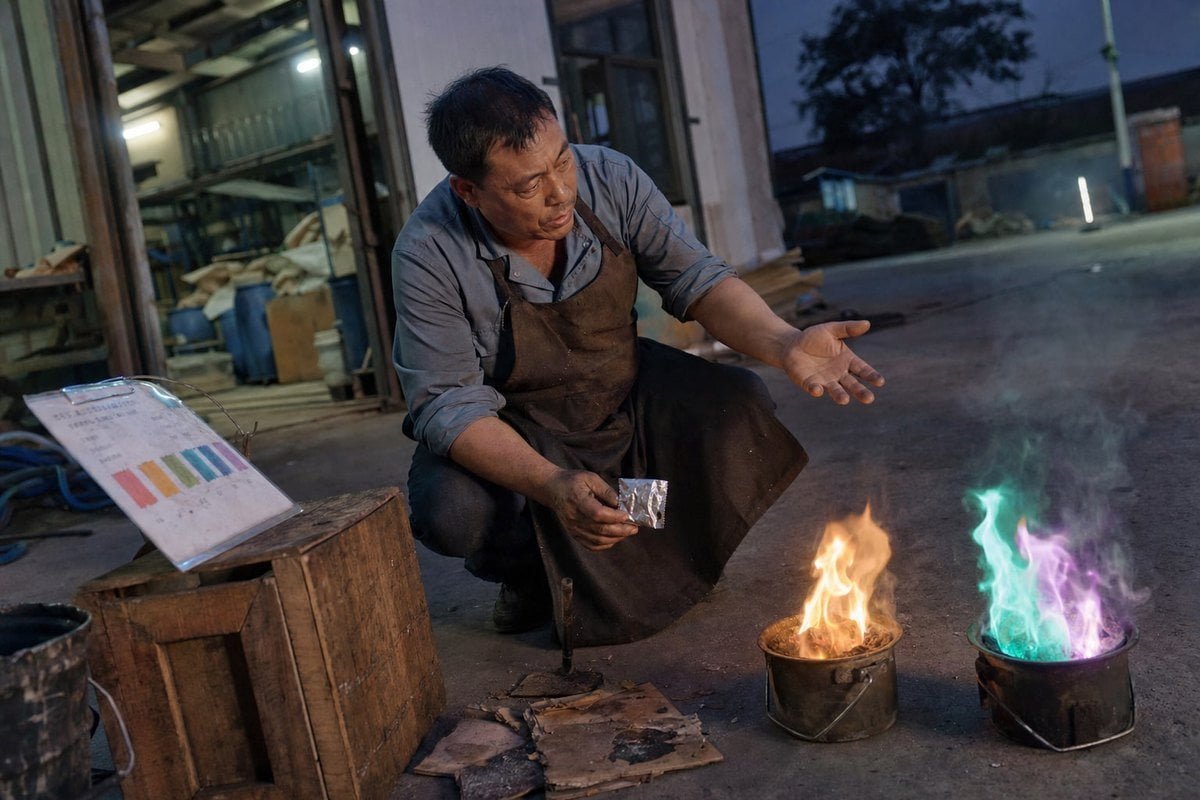
La personalización es donde un distribuidor convierte un producto básico en un activo de marca. El subyacente química de prueba de llama 5 es de conocimiento público, pero la forma en que mezcla, empaqueta y posiciona el producto es por lo que los compradores en el estante realmente pagan. Permítanme desglosar lo que es realista ajustar.
Personalización de la fórmula
Podemos ajustar la mezcla de sales metálicas a su concepto. ¿Quiere un solo verde dramático usando química de sulfato de cobre? Hecho. ¿Quiere un paquete de fuego de arcoíris completo que cíclicamente pase por azul, verde y púrpura? Mezclamos múltiples colorantes de color pirotécnicos con tamaños de partícula 6 escalonados para que los colores se liberen en secuencia en lugar de todos a la vez. La micronización y el control del área superficial nos permiten equilibrar un estallido de color inmediato con una liberación lenta y sostenida, típicamente varios minutos hasta aproximadamente 30 minutos, dependiendo de la dosis y el tamaño del fuego.
Opciones de empaque y marca
| Área de personalización | Opciones que producimos internamente |
|---|---|
| Embalaje interior | Sobre de aluminio, bolsa de plástico, bolsa de pie de kraft, frasco de plástico |
| Bolsa de Kraft, saco de arpillera, frasco de plástico, bolsa resellable | Color único, color dual, multicolor arcoíris |
| Duración de la combustión | Mezclas de ráfaga corta o liberación lenta extendida |
| Presentación minorista | Cajas de exhibición abatibles, etiquetas colgantes, unidades de mostrador |
| Impresión de cumplimiento | Etiquetas de advertencia, códigos de barras, idioma específico del mercado |
| Identidad de marca | Obras de arte completas de etiqueta privada, emblemas de logotipo, fuentes personalizadas |
Más allá de los sobres en polvo
Dado que nuestras líneas de producción también fabrican piñas de color para llamas, iniciadores de fuego encerados y antorchas enceradas, muchos clientes construyen una gama coordinada de accesorios de fuego bajo una sola etiqueta con un solo proveedor. Esa consolidación reduce los costos de flete y simplifica el control de calidad. Nuestro equipo de diseño se encarga de las pruebas de arte en inglés, y la primera muestra que aprueba refleja de manera confiable la calidad de la producción en masa; nuestro control de calidad lote a lote existe precisamente para que el décimo contenedor coincida con el primero.
¿Qué MOQ y documentos de certificación debo solicitar antes de realizar un pedido al por mayor?
Al principio de mi carrera de exportación, aprendí una lección difícil: un comprador que se salta la etapa de papeleo siempre lo paga más tarde, en el puerto, no en la fábrica.
Solicite una MOQ de prueba flexible, luego verifique las certificaciones de fábrica ISO 9001 y BSCI, el marcado CE y los informes de prueba actuales de SGS o Intertek para la fórmula exacta que está comprando. Confirme también las hojas MSDS, los documentos de clasificación de envío y la trazabilidad de lotes antes de comprometerse a granel.
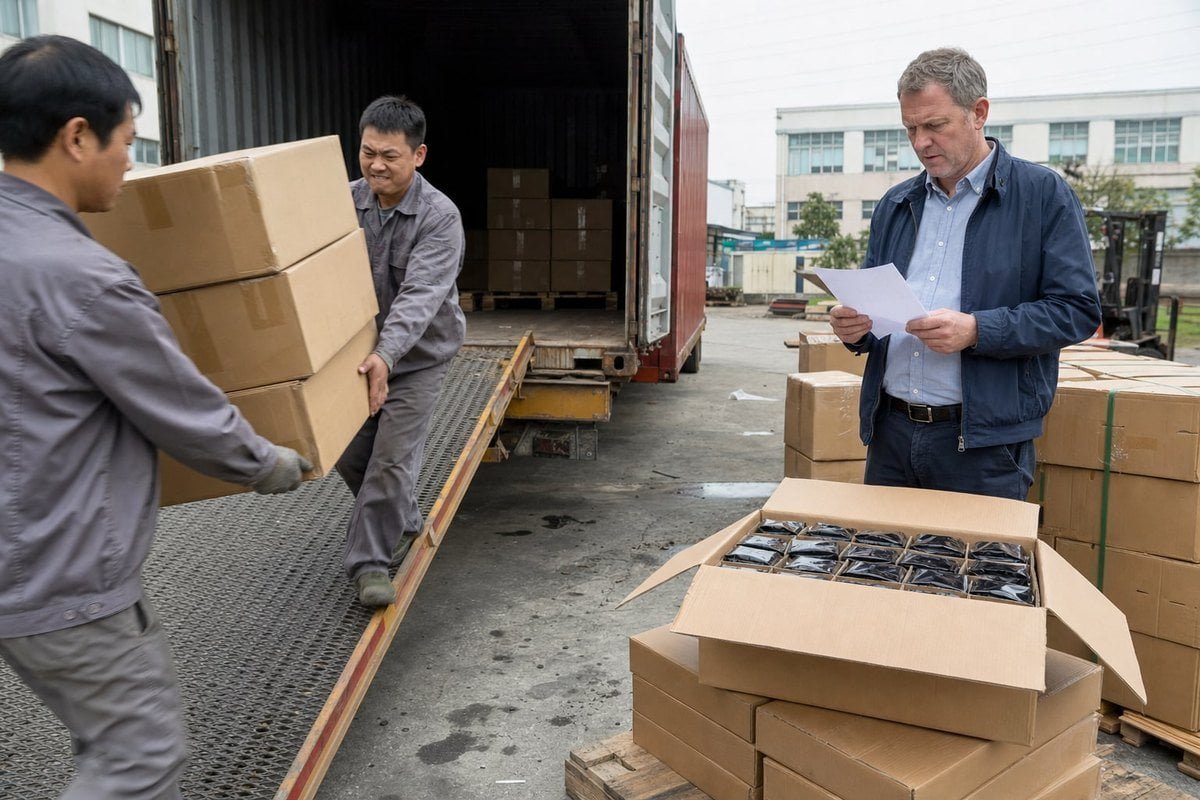
Pedir productos de color para llamas no es como pedir tazas. El producto implica combustión química y cruza fronteras con sales metálicas en su interior, por lo que su pila de documentación determina si el envío se despacha sin problemas. Aquí está la lista de verificación que recomiendo a cada gerente de compras que nos contacta.
La lista de verificación de documentos
| Documento | Por qué lo necesitas | Quién lo emite |
|---|---|---|
| Certificado ISO 9001 | Demuestra un sistema de gestión de calidad real | Organismo de certificación acreditado |
| Informe de auditoría BSCI | Confirma condiciones éticas de fábrica para canales minoristas | Auditor BSCI |
| Documentación CE | Requerido para el acceso al mercado de la UE | Pruebas de fábrica + notificadas |
| Informe de prueba SGS / Intertek | Verifica que la fórmula esté libre de químicos dañinos | Laboratorio de terceros |
| FDS / SDS | Requerido por los transitarios y las aduanas | Fábrica |
| Registros de control de calidad del lote | Asegura que su reorden coincida con su muestra | Departamento de control de calidad de fábrica |
Cómo estructurar un primer pedido inteligente
Mi consejo es un enfoque de tres pasos. Primero, pida muestras y pruébelas usted mismo , verifique el espectro de emisión 7 visualmente contra la tabla de colores y confirme que la duración de la combustión coincide con las afirmaciones de la lista. Segundo, realice un MOQ de prueba. Mantenemos las cantidades de prueba flexibles precisamente porque los importadores establecidos quieren validar la venta antes de comprometer un contenedor completo. Tercero, escale con un código de fórmula bloqueado y especificaciones de empaque, para que cada reorden haga referencia a la versión exacta aprobada.
Un punto práctico más: pregunte a su proveedor quién fabrica realmente el producto. Las empresas comerciales no pueden mostrarle la línea de producción, los registros de entrada de materias primas o el laboratorio de control de calidad. Nosotros podemos, porque nuestra sede se encuentra en Liuyang, el clúster histórico de fuegos artificiales de China, y nuestra producción se realiza en Ningbo. Cuando un comprador viene para una auditoría, ve los sobres siendo llenados, sellados y codificados por lotes. Esa transparencia es la certificación más fuerte de todas.
Conclusión
Elegir al proveedor de color para llamas equivocado arriesga retenciones aduaneras, colores apagados y devoluciones. La química es simple: iones metálicos excitados que emiten luz, pero la ejecución consistente y compatible no lo es. Asóciese con una fábrica certificada, verifique los documentos, comience con un pedido de prueba y su línea de polvo de fuego mágico se venderá de manera segura y brillante.
Notas al pie
Recurso oficial de la UE que explica los requisitos de marcado CE referenciados para el cumplimiento del mercado. ↩︎
Explica el procedimiento analítico utilizado para detectar iones metálicos basándose en el color de la llama. ↩︎
Fuente autorizada de salud sobre los riesgos de metales pesados como el plomo señalados como preocupaciones regulatorias. ↩︎
Estudio científico que detalla los riesgos para la salud y las preocupaciones regulatorias sobre la exposición a metales pesados. ↩︎
Explica la técnica analítica subyacente a la identificación del color de la llama de sales metálicas descrita en el artículo. ↩︎
Resumen técnico de cómo las dimensiones de las partículas sólidas afectan la reactividad química y la dispersión. ↩︎
Detalla cómo los elementos liberan longitudes de onda específicas de luz utilizadas para la identificación. ↩︎

 English
  Spanish
  German
  French
  Arabic
  Portuguese
Únete a la conversación