







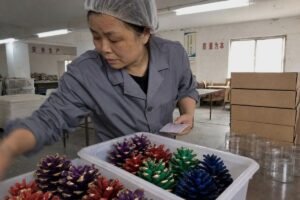
Asegurar un embalaje que cumpla con la PPWR de proveedores chinos mantiene despiertos a muchos compradores. En nuestras líneas de piñas de colores flameados, vemos por qué: una sola bolsa no conforme puede paralizar un envío completo a la UE.
Para garantizar un embalaje que cumpla con la PPWR de proveedores chinos, solicite una Declaración de Conformidad de la UE, informes de pruebas de terceros para metales pesados y PFAS, una lista de materiales en capas, pruebas de reciclabilidad y el etiquetado correcto, todo ello vinculado a su formato exacto de embalaje de piñas de colores antes de la producción en masa.
Esa es la respuesta corta. El resto de esta guía lo desglosa paso a paso, desde las certificaciones hasta el despacho de aduanas, para que pueda realizar pedidos con confianza.
¿Qué certificaciones debo solicitar para verificar el cumplimiento de la PPWR antes de realizar un pedido?
Un distribuidor alemán preguntó una vez a nuestro equipo por "un certificado que lo cubra todo". Tuvimos que explicar que el cumplimiento de la PPWR es una pila de documentos, no un solo papel, y eso salvó su lanzamiento.
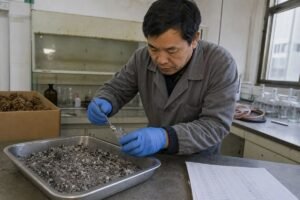
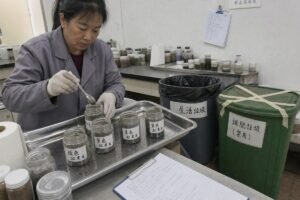
Solicitar una Declaración UE de Conformidad para el embalaje, informes de pruebas de laboratorio de terceros de SGS, Intertek o Bureau Veritas que cubran metales pesados y sustancias restringidas, evaluaciones de reciclabilidad, evidencia de contenido reciclado para plásticos y certificaciones de fábrica de apoyo como ISO 9001 y BSCI antes de realizar cualquier pedido.

Permítanme ser directo: ningún certificado único demuestra el cumplimiento de la PPWR. La regulación funciona a través de la evaluación de la conformidad y la documentación técnica. Por lo tanto, debe recopilar un conjunto específico de documentos, y cada uno debe coincidir con el embalaje exacto que recibirá, no con un producto similar, y no con la versión del año pasado.
En nuestra fábrica de Ningbo, preparamos esta pila para cada pedido de piñas de colores de marca blanca con destino a la UE. Los compradores que se saltan este paso a menudo descubren la brecha solo cuando un esquema de RPE o un oficial de aduanas solicita pruebas.
La Pila de Documentos Central
| Documento | Lo Que Demuestra | Quién lo emite |
|---|---|---|
| Declaración de Conformidad UE 1 | El embalaje cumple con los requisitos de la PPWR | El fabricante |
| Metales pesados 2 informe de prueba | Plomo, cadmio, mercurio, cromo hexavalente por debajo de 100 mg/kg combinados | Laboratorio de terceros (SGS 3, Intertek, Bureau Veritas) |
| Evaluación de reciclabilidad | El embalaje es reciclable por diseño | Laboratorio o evaluador cualificado |
| Declaración de contenido reciclado | Los componentes plásticos cumplen los objetivos escalonados a partir de 2030 | Proveedor de materiales más evidencia |
| Expediente de documentación técnica | Rastro completo de conformidad | El fabricante, conservado durante 5 años (un solo uso) o 10 años (reutilizable) |
Verifique también la fábrica en sí. ISO 9001 4 y BSCI no demuestran directamente el cumplimiento de la PPWR, pero muestran que el proveedor puede ejecutar procesos controlados y mantener registros. En nuestra experiencia exportando a Alemania, Francia y los Países Bajos durante más de 17 años, las fábricas sin un sistema de calidad rara vez mantienen la documentación del embalaje correctamente.
Una advertencia: rechace los certificados genéricos. Un informe de prueba para "bolsa de papel kraft" no significa nada si su bolsa real tiene una ventana de plástico y una capa barrera laminada. Insista en que los números de informe, las descripciones de los materiales y las referencias de las ilustraciones coincidan exactamente con la estructura de su embalaje final.
¿Cómo puedo confirmar que los materiales de embalaje de mi proveedor cumplen las normas de reciclabilidad de la UE?
Cuando rediseñamos la bolsa de pie para nuestras piñas de fogata, sopesamos una dura compensación: la película laminada brillante parecía premium, pero una estructura monomaterial se reciclaba mucho mejor.
Confirmar la reciclabilidad solicitando una lista de materiales en capas para cada componente del embalaje, verificando estructuras monomateriales o reciclables, comprobando tintas y adhesivos frente a los límites de sustancias restringidas y obteniendo una evaluación de diseño para el reciclaje que coincida con la bolsa, caja y etiqueta exactas que recibirá.

La reciclabilidad según la PPWR se trata de diseño, no de promesas. A partir de agosto de 2026, los embalajes colocados en el mercado de la UE deben ser reciclables por diseño, y a partir de 2030 los criterios de diseño para la reciclabilidad se endurecerán aún más. Los embalajes de materiales mixtos, el tipo común en productos decorativos y de temporada, son exactamente lo que estas reglas apuntan.
El embalaje de piñas de colores suele tener más componentes de los que los compradores se dan cuenta. Piense en nuestra propia gama de productos: una bolsa de kraft con una ventana transparente, un saco de arpillera con tinta impresa, una cuerda de yute, una bolsa interior de polietileno, una caja impresa, cinta adhesiva y film para palets. Cada artículo cuenta.
Desglose el embalaje capa por capa
| Nivel de embalaje | Componentes típicos para piñas | Riesgo clave de reciclabilidad |
|---|---|---|
| Primario | Bolsa de pie, bolsa de polietileno, saco de arpillera, tarro | Películas multicapa laminadas, ventanas de fibra-plástico mixtas |
| Secundario | Caja de venta al por menor, caja de regalo, bandeja de exhibición | Recubrimientos, láminas metálicas, cobertura de tinta pesada |
| Terciario | Caja de transporte, cinta adhesiva, film estirable para palets | Objetivos de contenido reciclado para film plástico |
Solicite a su proveedor una hoja de especificaciones de materiales de cada componente: tipo de polímero, grado de papel, aditivos y declaraciones de contenido reciclado. Luego, presione para simplificar la estructura. Cambiamos a varios clientes de la UE de redes compuestas de plástico-malla a envoltorios de kraft de un solo material, lo que previene los mandatos de 2030 y a menudo también reduce los costos.
No olvide que las propias piñas conllevan un riesgo de cumplimiento en la conversación sobre embalajes. Los tintes, el brillo, la cera y los recubrimientos pueden transferirse a las superficies del embalaje, y cualquier recubrimiento clasificado como accesorio de embalaje necesita su propia verificación. Nuestras piñas de colores flameados utilizan tratamientos ecológicos sin productos químicos nocivos precisamente porque los compradores auditan este punto.
Finalmente, recuerde que los actos de implementación aún están evolucionando. Las clases de rendimiento de reciclabilidad y las normas técnicas se están finalizando, por lo que debe incorporar flexibilidad en sus especificaciones y volver a verificar anualmente en lugar de depender de una evaluación única.
¿Qué preguntas debo hacerle a un fabricante chino sobre la documentación y los informes de prueba del PPWR?
Un comprador del Reino Unido envió recientemente a nuestro equipo de ventas una hoja de cumplimiento de doce preguntas antes de pedir piñas de colores flameados. Desearía que más compradores hicieran esto: nos separó de tres empresas comerciales en un solo correo electrónico.
Pregunte si el fabricante puede emitir una Declaración UE de Conformidad, proporcionar informes de pruebas a nivel de componente vinculados a su diseño artístico, probar el contenido reciclado, suministrar declaraciones de materiales de la cadena de suministro, mantener la trazabilidad de lotes y conservar la documentación técnica durante cinco a diez años según lo exige el PPWR.

La forma en que un proveedor responde a estas preguntas le dice más que las respuestas en sí. Una fábrica real con experiencia en cumplimiento responde con muestras de documentos. Un comerciante que reenvía sus preguntas a un taller desconocido responde con vagas garantías. En nuestros más de 17 años sirviendo a importadores en más de 30 países, hemos aprendido que la vacilación en las preguntas sobre documentación es la señal de alerta más fuerte en el abastecimiento.
La lista esencial de preguntas
- ¿Puede emitir una Declaración de Conformidad de la UE para este formato de embalaje específico y quién la firma?
- ¿Qué laboratorio externo probó el embalaje y puedo verificar el número de informe directamente con SGS, Intertek o Bureau Veritas 5?
- ¿El informe de metales pesados confirma el límite combinado de 100 mg/kg para plomo, cadmio, mercurio y cromo hexavalente?
- ¿Ha examinado los recubrimientos, tintes y tratamientos repelentes al agua para PFAS 6?
- ¿Puede proporcionar una lista de materiales en capas que cubra bolsa, cartón, inserto, etiqueta, adhesivo, tinta, película, cinta y recubrimientos?
- ¿Sus proveedores de materiales intermedios proporcionan sus propias declaraciones y puedo verlas?
- ¿Cómo demuestra los porcentajes de contenido reciclado en los componentes plásticos?
- ¿Qué sistema de trazabilidad de lotes y partidas ¿utiliza y cómo aislaría una corrida de embalaje defectuosa?
- ¿Cuánto tiempo retiene la documentación técnica y cumple con las reglas de retención de 5 y 10 años?
- ¿Aceptará cláusulas de cumplimiento y de indemnización de la PPWR en el contrato de compra?
La pregunta diez importa más de lo que los compradores esperan. Los productores de artesanías estacionales y decorativas a menudo tienen una infraestructura de cumplimiento menos madura que las grandes fábricas OEM, por lo que las cláusulas contractuales más una auditoría de fábrica basada en video le brindan una influencia real. Cuando los compradores auditan nuestras líneas de producción de Ningbo, los guiamos a través de los registros de lotes en vivo por cámara. Cualquier proveedor que rechace esa solicitud le está diciendo algo importante.
Pregunte también sobre la consistencia. Un informe de prueba solo refleja una muestra. Pregunte cómo la fábrica garantiza la calidad de lote a lote, porque su quincuagésimo contenedor debe coincidir con su primera muestra.
¿Cómo Evito Retrasos en Aduanas Causados por Embalaje No Conforme en Mis Envíos de Piñas de Pino de Colores?
Hace años, aprendimos una lección costosa cuando el envío de un cliente se quedó en Rotterdam porque las cajas exteriores carecían de las etiquetas de clasificación correctas. Desde entonces, las comprobaciones de embalaje previas al envío no son negociables en nuestras líneas.
Evite retrasos en aduanas verificando el etiquetado y las marcas de clasificación en las obras de arte aprobadas, registrándose en los esquemas de RPE en cada estado miembro de destino antes del envío, cotejando toda la documentación con el embalaje físico, respetando los límites de espacio vacío y completando una inspección de cumplimiento previa al envío vinculada a los códigos de lote.

Los problemas aduaneros rara vez provienen de las piñas. Provienen de desajustes: papeleo que describe un formato de embalaje mientras que el contenedor contiene otro, o etiquetas que faltan en la obra de arte impresa final. La prevención ocurre semanas antes de que zarpe el buque.
El flujo de trabajo de cumplimiento previo al envío
| Paso | Temporización | Probado de forma independiente, típicamente 5–10 minutos |
|---|---|---|
| Congelación de la obra de arte | Antes de la producción en masa | Etiquetas de clasificación, marcas armonizadas, portadores de datos QR o digitales, etiquetas de advertencia, códigos de barras |
| 2. Registro de la RPE 7 | Antes del primer envío | Registro en cada estado miembro de la UE donde venda; representante autorizado cuando sea necesario |
| Comprobación de espacio vacío | Durante el diseño del embalaje | Embalaje agrupado, de transporte y de comercio electrónico dentro del umbral de espacio vacío del 50% que se aplica a partir de 2030: diseñe para ello ahora |
| Coincidencia de documentos | Antes de reservar | DoC, informes de pruebas y BOM hacen referencia a la versión del embalaje enviado |
| Inspección codificada por lotes | Antes de cargar | El embalaje físico coincide con las muestras aprobadas; se registran los códigos de lote |
Dos puntos merecen énfasis. Primero, el registro de la RPE es su responsabilidad como importador o propietario de la marca: su proveedor chino no puede registrarse por usted, aunque uno bueno le proporcionará los datos de peso y material del embalaje que requieren sus declaraciones de RPE. Proporcionamos desgloses de peso a nivel de componente por esta misma razón, porque nuestros clientes de la UE presentan informes de RPE cada trimestre.
Segundo, el sobreembalaje es un riesgo silencioso en esta categoría. Los juegos de regalo y los paquetes de exhibición minorista de piñas de colores a menudo se envían en cajas de gran tamaño con material de relleno pesado. Rediseñar a cajas más ajustadas evita futuras multas y reduce los costos de flete de inmediato. Cuando optimizamos el paquete de exhibición de un cliente, la caja más ajustada nos permitió colocar más unidades por palé: cumplimiento y ahorros logísticos en un solo movimiento.
Mantenga cada lote rastreable. Si una autoridad aduanera o un organismo de vigilancia del mercado cuestiona un lote, la trazabilidad le permite aislar ese lote en lugar de retirar todo.
Conclusión
El embalaje conforme a la PPWR de proveedores chinos exige documentos verificados, diseño reciclable, preguntas difíciles y comprobaciones previas al envío. Asóciese con una fábrica certificada y el cumplimiento se convertirá en su ventaja competitiva, no en su riesgo.
Notas al pie
Explica lo que certifica legalmente una declaración de conformidad para productos regulados. ↩︎
Antecedentes sobre metales pesados como plomo y cadmio referenciados en el límite de cumplimiento. ↩︎
Sitio oficial del laboratorio de pruebas mencionado para verificar metales pesados y sustancias restringidas. ↩︎
Página oficial de ISO que describe el estándar de gestión de calidad referenciado para auditorías de fábrica. ↩︎
Sitio oficial del organismo de certificación mencionado para pruebas de cumplimiento de embalajes. ↩︎
Recurso de la EPA que explica los productos químicos PFAS relevantes para las restricciones de recubrimiento de embalajes. ↩︎
Explica los esquemas de responsabilidad ampliada del productor con los que los importadores deben registrarse en la UE. ↩︎
 English
  Spanish
  German
  French
  Arabic
  Portuguese
Únete a la conversación