






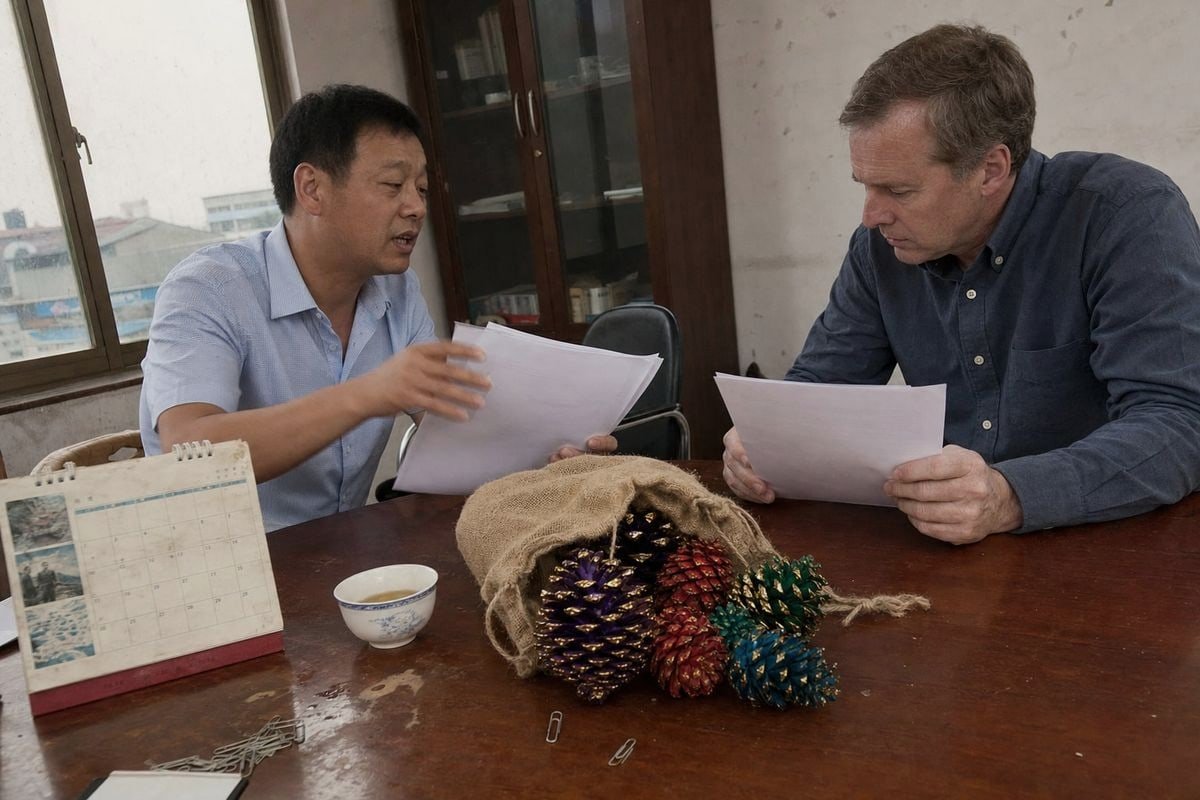
Un contrato de adquisición de piñas de pino de colores para chimenea parece simple hasta que llega un envío con un color de llama débil o sin etiquetas de advertencia. He visto a compradores perder temporadas minoristas enteras por términos vagos en las órdenes de compra. Nuestra fábrica en Liuyang ha pasado más de 17 años ayudando a los importadores a evitar precisamente ese dolor con un lenguaje contractual claro y específico del producto.
Un contrato de adquisición de piñas de pino coloreadas para chimenea debe definir las especificaciones del producto, las certificaciones requeridas (CE, SGS, BSCI), los estándares de calidad por lotes, los límites de contenido de humedad, el MOQ y los términos de pago, los Incoterms, los requisitos de embalaje de marca privada, el etiquetado de seguridad, los derechos de inspección y los recursos para productos no conformes.
Abajo, desgloso el contrato en cuatro partes prácticas. Cada sección cubre qué exigir, qué negociar y dónde los compradores suelen salir escaldados.
¿Qué certificaciones debo exigir a mi proveedor que incluya en el contrato?
En nuestro sitio de producción en Ningbo, el primer documento que solicita un comprador europeo o estadounidense serio nunca es una lista de precios. Es nuestra carpeta de informes de pruebas. Ese orden de prioridades es correcto, y su contrato debe reflejarlo.
Su contrato debe requerir la certificación de gestión de calidad ISO 9001, auditorías de cumplimiento social BSCI, marcado CE cuando corresponda, e informes de prueba de terceros de SGS o Intertek que confirmen aditivos colorantes no tóxicos, límites de metales pesados y combustión segura. Adjunte copias como anexos del contrato y requiera prueba de renovación para cada año de producción.

Las piñas de pino de colores son un producto de combustión tratado químicamente. Eso significa que la cláusula de certificación no es un texto estándar. Es su principal escudo legal. En nuestra experiencia exportando a más de 30 países, las autoridades aduaneras y los grandes canales de distribución minorista tratan la documentación faltante como un punto de detención, no como un punto de negociación.
Los documentos a nombrar explícitamente en el contrato
No escriba "el proveedor proporcionará los certificados pertinentes". Esa frase no es ejecutable. Nombre cada documento. Aquí está la lista de verificación que entregamos a los nuevos compradores B2B:
| Documento | Lo que prueba | Requisito del contrato |
|---|---|---|
| Certificado ISO 9001 | El sistema de gestión de calidad existe | Copia válida adjunta como anexo |
| Informe de auditoría BSCI | Fábrica ética y cumplimiento laboral | Ciclo de auditoría actual, compartido bajo petición |
| Informe de prueba SGS / Intertek | Aditivos colorantes no tóxicos, cribado de metales pesados | Informe por fórmula, renovado por cambio de fórmula de lote |
| Documentación CE | Conformidad del mercado de la UE cuando corresponda. | Requerido para envíos con destino a la UE |
| Hojas de datos de seguridad química 1 | Composición y manipulación de agentes de coloración de llama | Suministrado por SKU antes del primer envío |
| Certificado de Análisis (CoA) | Pureza de las sales metálicas; sin plomo, arsénico, mercurio | Emitido por lote de producción |
Las hojas de datos de seguridad química merecen especial atención. Los efectos de llama de color provienen de sales metálicas. Las fábricas de renombre utilizan formulaciones cribadas y seguras para el consumidor. Las sales de grado industrial pueden contener contaminantes tóxicos. Su contrato debe exigir un CoA para cada lote de colorantes, y puede agregar una cláusula de trazabilidad de metales pesados que permita pruebas XRF de terceros a su costo. Aceptamos esta cláusula de forma rutinaria porque nuestras fórmulas ya la superan.
También requiera normas de cumplimiento ambiental 2 para su mercado de destino. Un contenedor con destino a EE. UU. y un contenedor con destino a Alemania se enfrentan a reglas diferentes. Indique el mercado objetivo en el contrato para que el proveedor certifique según el estándar correcto. Finalmente, pregunte si el proveedor tiene seguro de responsabilidad civil del producto y registre la cobertura en el acuerdo. Una fábrica que dude en alguno de estos puntos le está diciendo algo importante.
¿Cómo especifico los términos de control de calidad y consistencia de lotes en el acuerdo?
Un distribuidor alemán me dijo una vez que la primera muestra de su proveedor anterior ardía de color azul y verde brillante, pero el lote de producción en masa produjo llamas pálidas y turbias. Esa brecha entre la muestra y el envío es el fallo más común en esta categoría, y su contrato debe cerrarlo.
Especificar una muestra de referencia aprobada como referencia contractual, contenido de humedad secado en horno inferior al 12%, duración e intensidad de llama definidas, tasas máximas de defectos y roturas por cartón, pruebas de combustión a nivel de lote, derechos de inspección previa al envío y una ventana de rechazo clara con soluciones de reemplazo o reembolso.
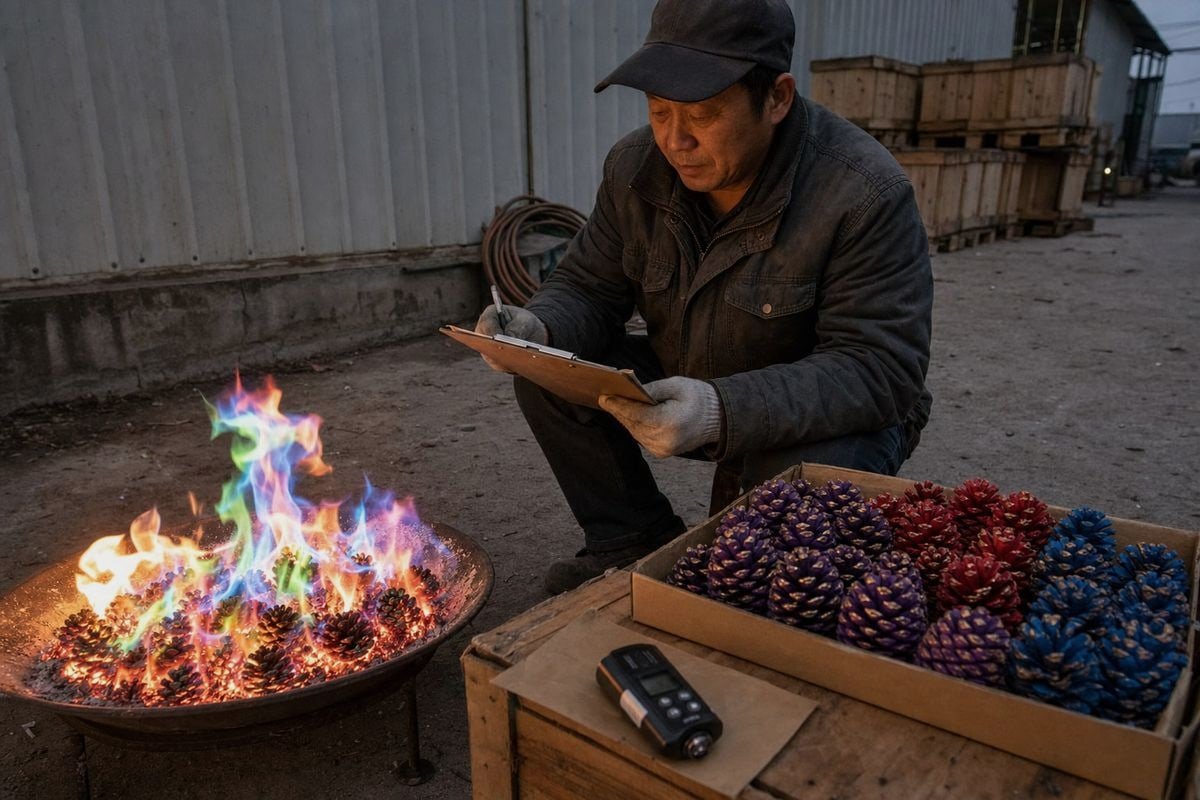
Las especificaciones de garantía de calidad para piñas de pino de colores deben cubrir tres capas: la piña cruda, el tratamiento químico y la unidad terminada. Si omite alguna capa, seguirán las disputas.
Capa uno: la piña cruda
Las piñas naturales varían. Su contrato debe fijar el rango de tamaño 3, el grado de forma y el contenido de humedad. Las pruebas de contenido de humedad son más importantes de lo que la mayoría de los compradores creen. Las piñas húmedas absorben el colorante de manera desigual, desarrollan moho en tránsito y humean en lugar de arder limpiamente. Secamos en horno a menos del 12% de humedad antes del tratamiento, y recomendamos escribir ese umbral exacto en el acuerdo, con el derecho a realizar comprobaciones puntuales a la llegada.
Capa dos: el tratamiento químico
Defina el efecto de llama en términos medibles: qué colores, cuánto dura el efecto y el medio portador. Exija un aglutinante de cera de alto punto de fusión para que el recubrimiento permanezca estable en el almacenamiento del almacén de verano y no gotee en el cartón. Si la posición de combustión limpia es importante para su marca, especifique aglutinantes de cera de base biológica o sin VOC por escrito. Prohíba cualquier sustitución de materiales de recubrimiento sin su aprobación por escrito.
Capa tres: aceptación e inspección
| Término | Lenguaje contractual recomendado |
|---|---|
| Muestra de oro | Muestra de referencia sellada y firmada en poder de ambas partes |
| Tolerancia a defectos | Porcentaje máximo de piñas rotas o descoloridas por cartón |
| Prueba de combustión | El proveedor analiza una muestra de cada lote y registra los resultados |
| Inspección previa al envío | El comprador o un tercero puede inspeccionar antes de la carga |
| Ventana de rechazo | Número fijo de días después de la entrega para rechazar productos no conformes |
| Soluciones | Reemplazo, crédito o reembolso por lotes defectuosos |
Debido a que operamos líneas de producción completas bajo un mismo techo, el control lote a lote es una disciplina de proceso, no una promesa. Las especificaciones estrictas aumentan ligeramente el costo en comparación con un proveedor básico. Pero un contenedor rechazado cuesta mucho más que uno bien controlado. Ese compromiso casi siempre favorece la especificidad.
¿Qué MOQ, precios y condiciones de pago debo negociar para un pedido de prueba?
Una compensación que discuto con casi todos los compradores nuevos es el tamaño del pedido de prueba frente al precio unitario. Los compradores quieren un primer pedido pequeño para probar el mercado. Las fábricas quieren volumen para justificar una tirada de producción. Un buen contrato hace explícita esa tensión en lugar de ocultarla.
Negocia una MOQ de prueba reducida con una vía escrita a precios mayoristas a granel en niveles de volumen definidos, un depósito de 30% con saldo contra documentos de envío, Incoterms claros (FOB o EXW para pruebas), moneda y período de validez para las cotizaciones, y precios de reposición bloqueados por un período inicial.
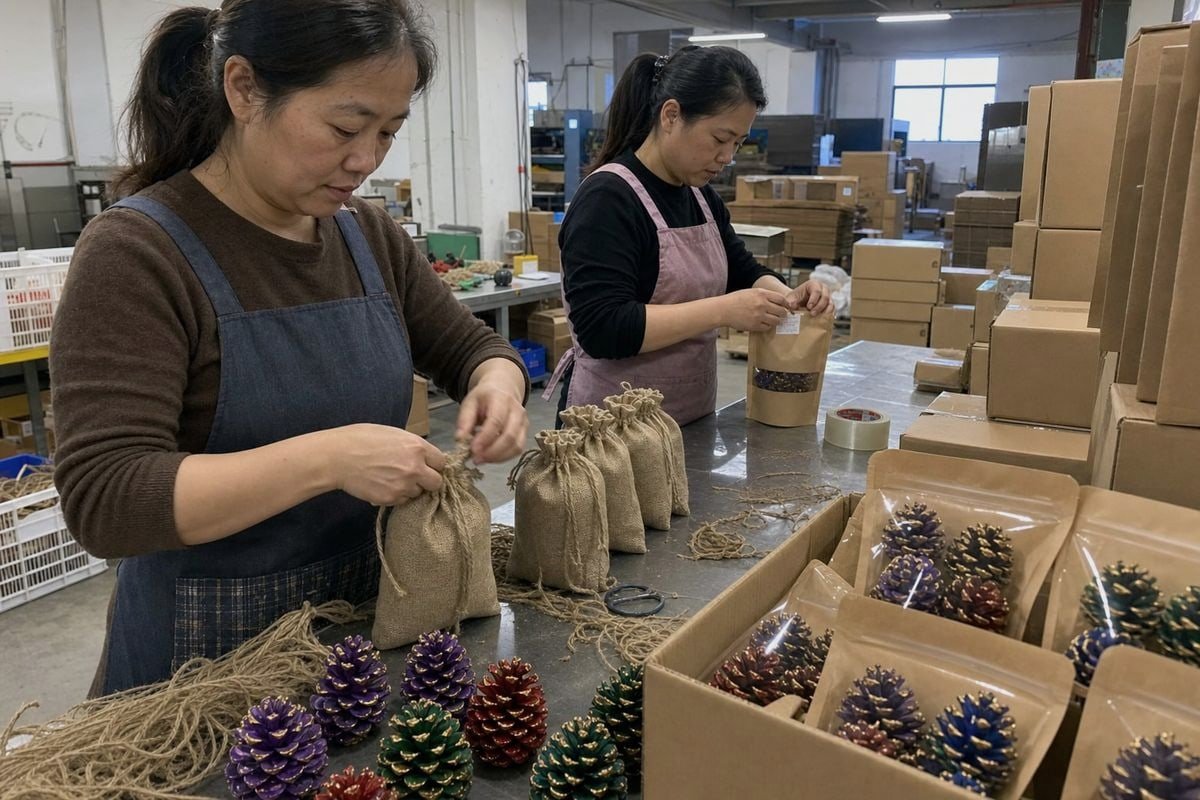
Estructuramos la mayoría de los pedidos de prueba de esta manera porque protege a ambas partes. El comprador limita el riesgo de inventario. La fábrica cubre los costos de configuración. Y ambas partes saben exactamente qué sucede si la prueba tiene éxito.
Una secuencia práctica de negociación
- Solicite cotizaciones para la cantidad de prueba y dos o tres niveles más grandes al mismo tiempo. Esto documenta la curva de precios por adelantado y apoya precios justos en su archivo de adquisiciones.
- Fije los Incoterms y responsabilidad de envío 4 en la propia cotización. FOB Ningbo o Shanghái es común para nuestros compradores; mantiene la comparación de fletes en sus manos.
- Acuerde los términos de pago por escrito. Un 30% de depósito con 70% de saldo contra copia del conocimiento de embarque es el estándar que vemos en los mercados de EE. UU. y la UE.
- Establezca un período de validez de la cotización. Los costos de cera, colorante y flete se mueven. Sesenta a noventa días de validez es razonable.
- Agregue un mecanismo de ajuste de precios para reordenar en lugar de una renegociación abierta.
| Término | Pedido de prueba | Reorden de volumen |
|---|---|---|
| Cantidad mínima de pedido | Mínimo reducido acordado por la fábrica | Cantidad estándar de tirada de producción |
| Precio unitario | Más alto por unidad | Precios al por mayor a granel escalonados |
| Pago | 30% de depósito / 70% de saldo | Igual, o crédito negociado después de historial |
| , totales de cartón | FOB o EXW | FOB, CIF o DDP según acuerdo |
| Tiempo de entrega | Ligeramente más largo si el embalaje es personalizado | Estándar, indicado en semanas |
Dos cláusulas más son importantes. Primero, indique si el precio del pedido de prueba incluye la configuración de la obra de arte del embalaje, las tarifas de plancha y los costos del mensajero de muestras. Las tarifas de configuración ocultas agrietan las relaciones rápidamente. Segundo, considere una cláusula de rescisión por conveniencia con un período de notificación para el acuerdo de cadena de suministro en curso, para que ninguna de las partes quede atrapada si la prueba no se convierte. Aceptamos estas cláusulas porque competimos en confiabilidad, no en encierro.
¿Cómo puedo proteger mis requisitos de etiqueta privada y embalaje en el contrato?
Cuando desarrollamos nuestras bolsas kraft de pie con la ventana de producto transparente, la identidad completa de la marca de un cliente dependía de esa especificación de embalaje, hasta el acabado mate y el degradado arcoíris detrás del logotipo. Esa experiencia me enseñó cuántos detalles contractuales necesita realmente el trabajo de marca blanca.
Adjunte el arte de empaque aprobado como un anexo vinculante, requiera la aprobación por escrito de las muestras de empaque de preproducción, exija etiquetas de advertencia, códigos de barras y materiales de barrera contra la humedad, incluya cláusulas de confidencialidad y propiedad intelectual que cubran sus activos de marca, y prohíba al proveedor vender sus diseños de marca a terceros.
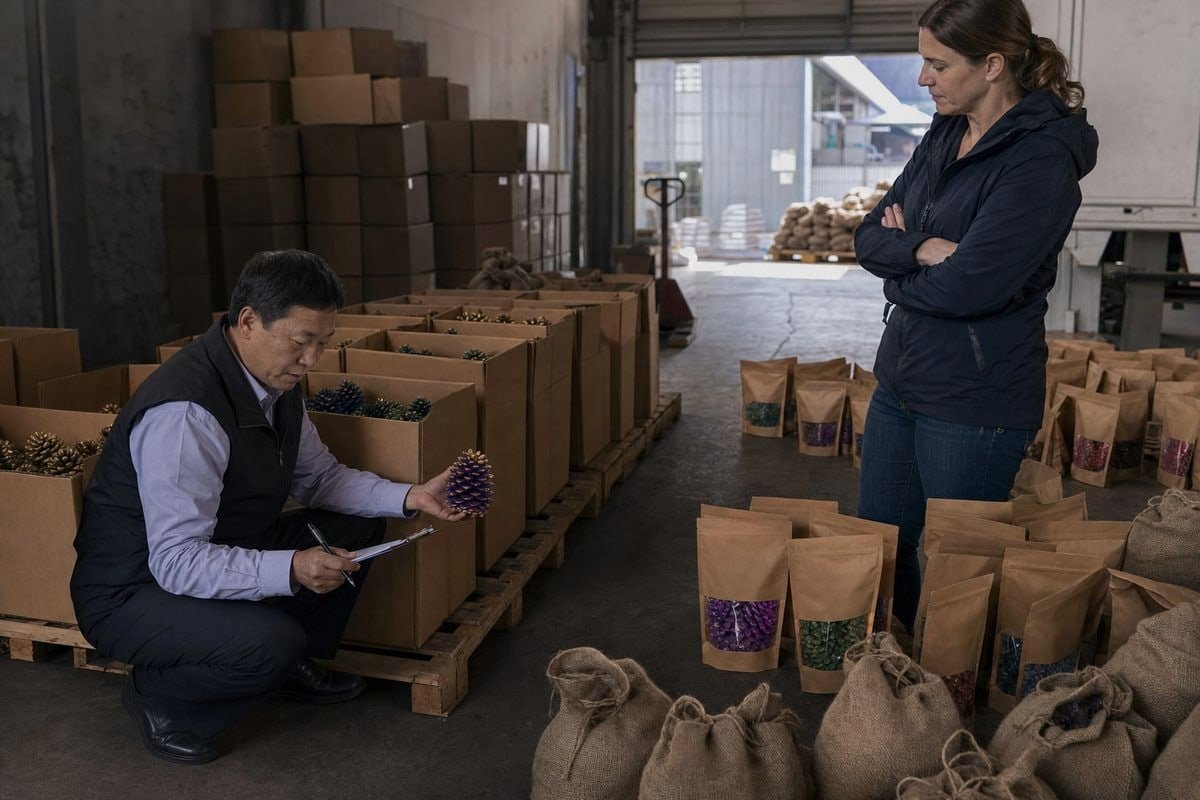
Los requisitos de embalaje y etiquetado cumplen tres funciones a la vez para este producto: llevan su marca, satisfacen a los reguladores y protegen físicamente un producto químico higroscópico. Su contrato debe cubrir las tres cosas.
Cláusulas de protección de marca
Su obra de arte, logotipo y diseño de bolsa son su propiedad intelectual. El acuerdo debe indicar que todo activos de marca 5 sigue siendo suyo, que el proveedor los utiliza solo para sus pedidos y que los troqueles, planchas y archivos de impresión no se pueden reutilizar para otros clientes. Agregue una cláusula de confidencialidad que cubra su hoja de ruta de productos y precios. Como fábrica OEM/ODM completa, firmamos estos términos como práctica estándar, porque los compradores de marca blanca son el núcleo de nuestro negocio en EE. UU., Alemania, el Reino Unido y más allá.
Etiquetado regulatorio y de seguridad
Las piñas de colores necesitan advertencias explícitas para el consumidor. El contrato debe exigir el idioma en el envase que cubra: no cocinar ni asar alimentos sobre el fuego mientras se queman las piñas tratadas, mantener alejado de los niños, compatibilidad prevista con chimeneas o fogatas, y manipulación segura de las cenizas residuales. Si algún SKU es solo decorativo, el contrato debe indicar que no se puede etiquetar ni comercializar como quemable. Requerir el formato de código de barras correcto, Marcado de país de origen 6, y cualquier etiquetado específico del mercado que exija su destino. Verificamos previamente las etiquetas con las reglas del mercado del comprador antes de imprimir, pero el contrato aún debe asignar esa responsabilidad claramente.
Especificaciones de embalaje físico
Los recubrimientos de sales metálicas pueden absorber la humedad atmosférica. Especifique embalaje de barrera contra la humedad, como revestimientos interiores sellados 7 o bolsas resellables, además de la resistencia del cartón, unidades por cartón y etiquetado de palets para envíos a granel. Requerir la aprobación de una muestra de embalaje preproducción antes de la impresión masiva. Una muestra firmada evita mil correos electrónicos más tarde.
Conclusión
Un contrato de adquisición sólido para piñas de colores para chimenea combina certificaciones nombradas, especificaciones de calidad medibles, términos de pedido de prueba justos y protecciones de marca blanca ejecutables. Redáctelo en torno al uso real del producto y las disputas desaparecerán en gran medida.
Notas al pie
Explica la documentación estándar requerida para identificar composiciones químicas y seguridad. ↩︎
Fuente autorizada de regulaciones ambientales y estándares de cumplimiento para productos. ↩︎
Información general sobre la variabilidad biológica y el tamaño de las piñas. ↩︎
Fuente oficial de términos comerciales internacionales utilizados en contratos de adquisición globales. ↩︎
Autoridad global que define la protección y propiedad de los activos de marca comercial. ↩︎
Guía de la Aduana de EE. UU. sobre los requisitos de etiquetado obligatorio para bienes comerciales importados. ↩︎
Resumen autorizado de Wikipedia sobre estándares de embalaje y materiales de barrera. ↩︎



 English
  Spanish
  German
  French
  Arabic
  Portuguese
Únete a la conversación