






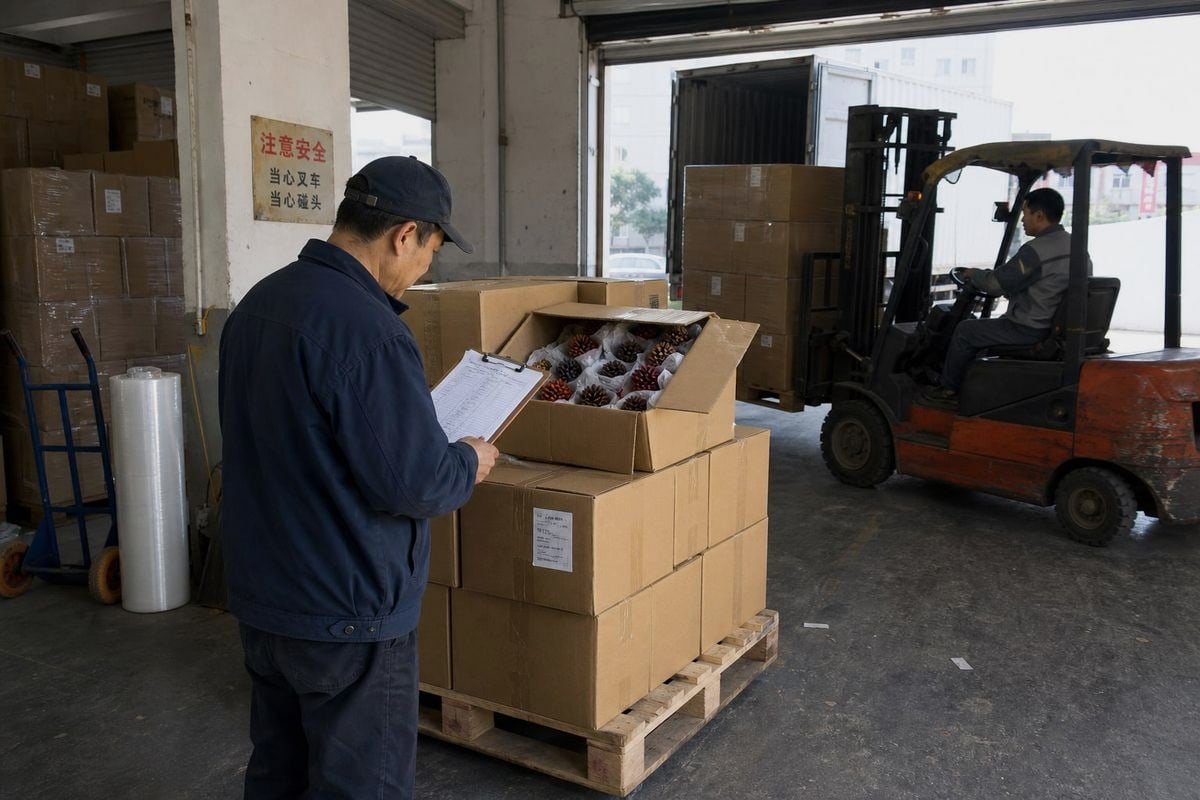
Definir términos comerciales y transferencia de riesgos para piñas de pino coloreadas para chimenea suena aburrido, hasta que llega un palé dañado por el agua y nadie acordó quién paga. Certificado de Análisis 1. Nuestro equipo de exportación ha visto que las disputas arruinan buenas asociaciones, por lo que creamos claridad desde la primera cotización.
Defina los términos comerciales para piñas de pino coloreadas para chimeneas nombrando una regla específica de Incoterms 2020, una ubicación exacta y el año de edición en su contrato — por ejemplo, FCA Ningbo Warehouse, Incoterms 2020. El riesgo se transfiere en el punto de entrega que define esa regla, no cuando paga ni cuando llegan las mercancías.
Esa única frase en su orden de compra decide quién asume la pérdida en tránsito. Permítame guiarle sobre cómo hacerlo bien, paso a paso.
¿Cómo elijo el Incoterm adecuado para importar piñas de pino de colores de China?
Un distribuidor alemán nos pidió una vez que enviáramos "FOB por aire", una contradicción que me enseñó que la mayoría de los compradores necesitan un mapa en inglés claro de Incoterms antes de firmar nada con nuestra fábrica.
Elija FCA si usted controla su propio transitario, CPT o CIP si el vendedor organiza el transporte principal, y DAP o DDP si desea entrega a domicilio. Evite FOB para piñas de pino cartonizadas enviadas por aire, camión o paquete; está diseñado para transporte marítimo no contenedorizado.

El término correcto depende de tres preguntas: quién reserva el transporte, quién asegura la mercancía y quién debe asumir la pérdida en tránsito. Dado que las piñas de pino coloreadas son carga de gran volumen y bajo peso, sus cálculos de flete también son importantes. Los transportistas a menudo aplican precios de peso dimensional, por lo que negocie ajustes de flete volumétrico antes de fijar un costo de llegada.
Los términos que realmente se ajustan a las piñas de pino empaquetadas
Así es como los principales Incoterms 2020 2 Las reglas se aplican a un pedido mayorista típico de piñas de pino coloreadas para chimenea:
| Término | El riesgo se transfiere al comprador cuando... | Lo mejor para |
|---|---|---|
| EXW | La mercancía se pone a disposición en las instalaciones del vendedor | Compradores con un sólido equipo de logística en China |
| FCA | La mercancía se entrega al transportista designado por el comprador | La mayoría de los envíos en contenedor y aéreos; el comprador controla el flete |
| CPT | La mercancía llega al primer transportista (el vendedor paga el flete) | Envío organizado por el vendedor sin seguro |
| CIP | La mercancía llega al primer transportista (el vendedor paga el flete y el seguro) | Envío organizado por el vendedor con seguro incluido |
| DAP | La mercancía llega al destino indicado, antes de la descarga | Compradores que desean un mínimo de trabajo logístico |
| DDP | La mercancía llega con los derechos de importación liquidados por el vendedor | Compradores que desean un servicio completo puerta a puerta |
Observe que el clásico debate FOB vs CIF apenas se aplica aquí. Ambas son reglas solo marítimas centradas en la carga del buque, y los bienes de consumo modernos en contenedor o fletados por aire se ajustan mucho mejor a FCA y CIP. Cuando exportamos a EE. UU. y Europa, generalmente recomendamos FCA para compradores con sus propias relaciones con transitarios, y CIP o DAP para compradores que prefieren que nosotros gestionemos el viaje.
Una advertencia por experiencia: algunos proveedores impulsan EXW porque minimiza sus obligaciones, y algunos compradores exigen DDP porque parece simple. Ambos extremos conllevan costos ocultos. EXW le obliga a gestionar los trámites de exportación chinos; DDP obliga al vendedor a gestionar las normas de importación de su país, incluidas las normativas de tratamiento químico 3, que pocas fábricas entienden profundamente. FCA y DAP suelen ser el punto medio equilibrado.
¿Cuándo se transfiere realmente el riesgo de Sunrich a mi empresa durante el envío?
Hay una compensación que explico en casi todas las llamadas de ventas: el flete pagado por el vendedor y el riesgo asumido por el vendedor son dos cosas separadas, y confundirlas es el error más costoso que veo cometer a los compradores.
El riesgo se transfiere en el punto de entrega designado en su Incoterm elegido: en nuestro almacén bajo EXW, en la entrega al transportista bajo FCA, CPT y CIP, en su destino antes de la descarga bajo DAP, y después de la descarga bajo DPU. El momento del pago y la titularidad de la propiedad no mueven el punto de riesgo.
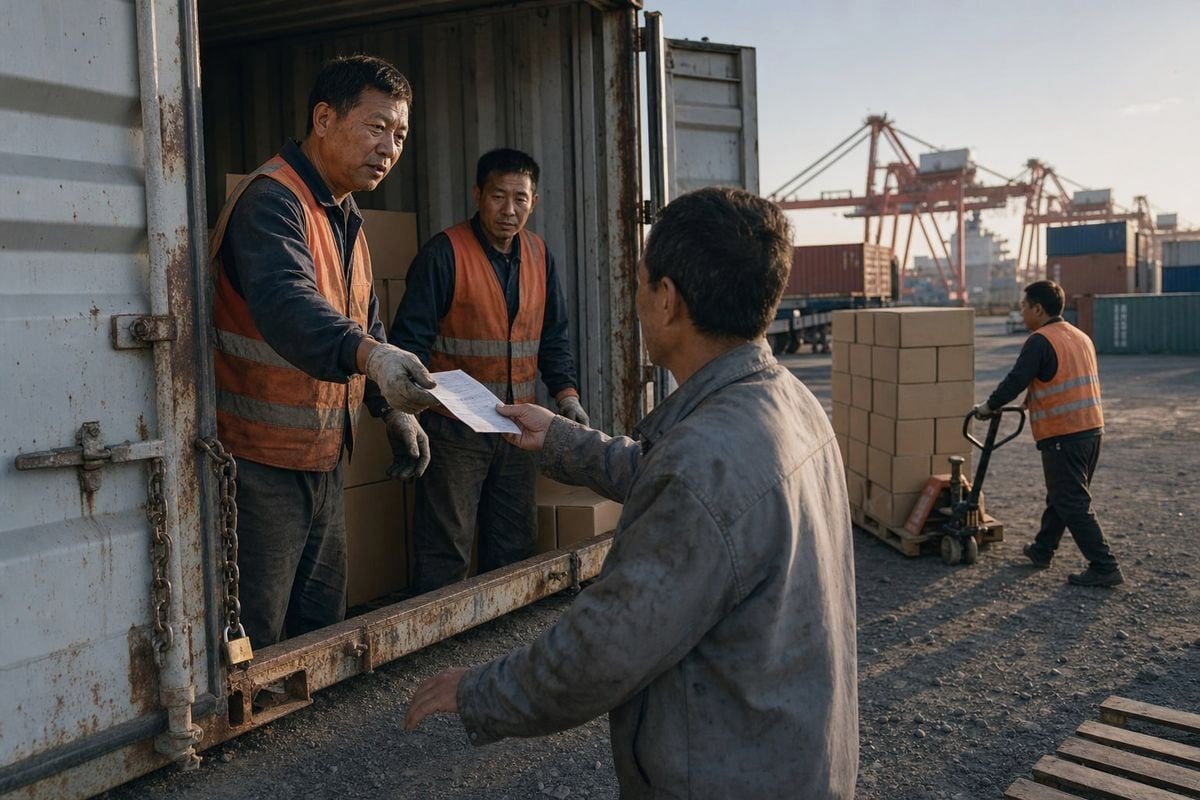
La transferencia de riesgo significa el momento en que la responsabilidad por pérdida o daño accidental pasa de nosotros a usted. Está ligada a la regla de entrega, no a su fecha de transferencia bancaria ni al escaneo de llegada en su almacén. Es posible que haya pagado un depósito meses antes de que se transfiera el riesgo. Igualmente, el riesgo puede transferirse a usted semanas antes de que liquide el saldo. Los Incoterms rigen el riesgo de pérdida o daño; no dicen nada sobre el riesgo de pago o el título legal, que su contrato debe abordar por separado.
Un cronograma de envío, etapa por etapa
Imagine un contenedor de 40 pies de piñas de pino coloreadas saliendo de nuestras instalaciones de producción de Ningbo. Aquí se indica quién asume el riesgo en cada etapa según los tres acuerdos más comunes:
| Etapa del envío | FCA | CIP | DAP |
|---|---|---|---|
| Carga en nuestro almacén de Ningbo | Sunrich | Sunrich | Sunrich |
| Entrega al primer transportista | Comprador a partir de este momento | Comprador a partir de este momento (seguro organizado por el vendedor cubre el tránsito) | Sunrich |
| Tránsito marítimo | Comprador | Comprador (asegurado) | Sunrich |
| Llegada al destino indicado | Comprador | Comprador | Comprador a partir de este momento |
| Despacho de aduanas de importación | Comprador | Comprador | Comprador |
La columna CIP merece atención. El riesgo recae en usted durante el tránsito marítimo, pero estamos obligados a organizar seguro marítimo 4 en su nombre. Por eso CIP se adapta a los compradores que desean logística organizada por el vendedor sin asumir una exposición no asegurada a través del Pacífico.
Los documentos anclan estos momentos en la práctica. El Conocimiento de embarque 5 registra cuándo el transportista tomó posesión — a menudo el punto exacto de transferencia de riesgo bajo FCA y los términos C. En nuestra experiencia exportando a más de 30 países durante 17 años, las disputas casi nunca surgen cuando el término, el lugar y los documentos coinciden. Surgen cuando una orden de compra dice "envío gratuito" y nada más.
¿Qué debo incluir en el contrato para evitar disputas sobre los términos comerciales?
Un comprador británico de accesorios para chimeneas nos envió una orden de compra de una línea que decía "CIF, términos habituales". La reescribimos juntos en dos páginas, y ese contrato ha funcionado sin problemas durante cuatro ciclos de reordenación desde entonces.
Incluya el Incoterm completo con el lugar designado y el año de edición, el código HS correcto, los certificados requeridos, las especificaciones de embalaje y protección contra la humedad, la responsabilidad del seguro y una cláusula de inspección previa al envío. Frases vagas como envío gratuito o términos habituales no definen nada e invitan a disputas.
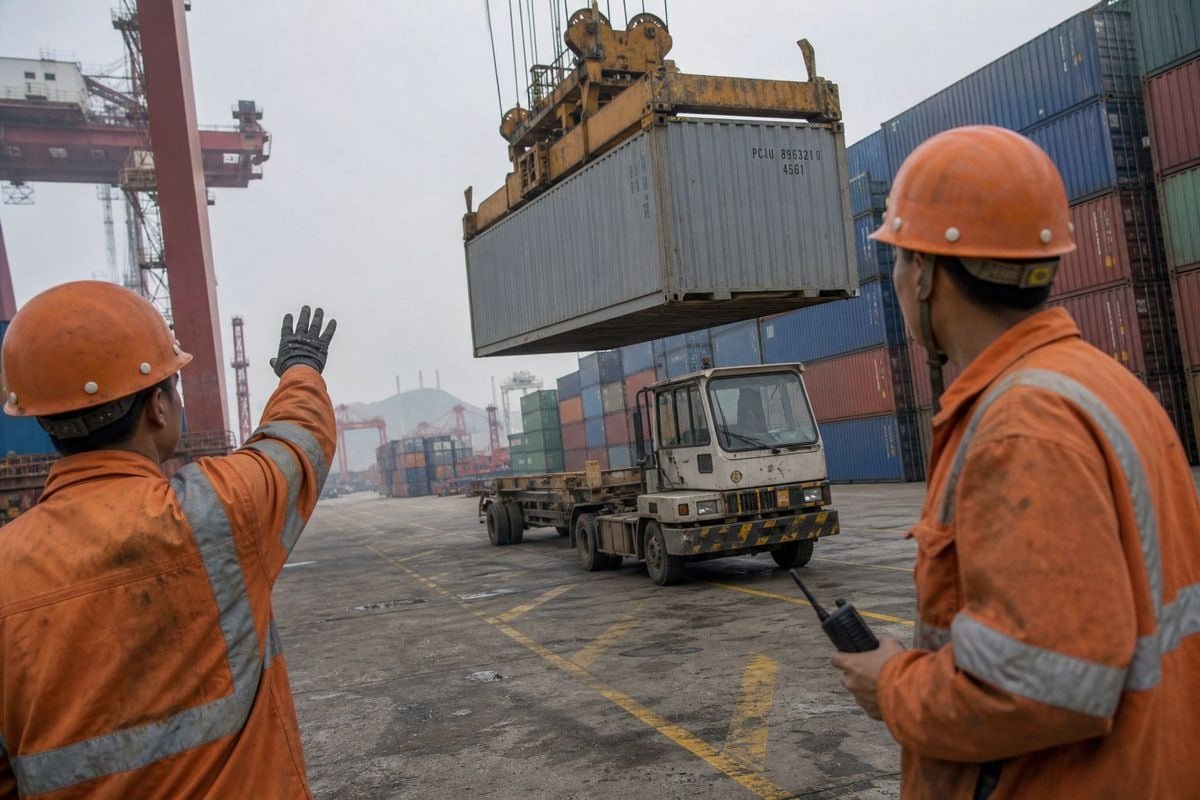
La regla principal es la especificidad. Escriba el término como una fórmula completa: regla, lugar exacto, edición. Por ejemplo: FCA Sunrich Warehouse, Ningbo, Incoterms 2020, o DAP Buyer's Distribution Center, Rotterdam, Incoterms 2020. Las reglas son sensibles al lugar, por lo que una ubicación vaga cambia el punto de transferencia de forma impredecible.
Más allá del Incoterm en sí, las piñas de colores tienen necesidades contractuales específicas del producto que las plantillas genéricas no cubren:
- Confirmación del código HS. Las piñas tratadas pueden clasificarse como partes de plantas naturales o, dependiendo del recubrimiento químico, revisarse bajo diferentes epígrafes. Acuerde el código por escrito para que el despacho de aduanas no se retrase por disputas de reclasificación.
- Certificado Fitosanitario. La mayoría de las autoridades agrícolas requieren uno para las importaciones de origen vegetal. Conviértalo en una obligación del vendedor con un plazo para la presentación del documento.
- Requisito de secado en horno. Estipule que las piñas se secan en horno para que la resina se cristalice y las plagas se erradiquen. Esto satisface a los inspectores de bioseguridad 6 y protege la mercancía en almacenamiento. Nuestras líneas de producción en Ningbo secan en horno cada lote como estándar, y lo documentamos.
- Paquete de documentación. Se requiere una Hoja de Datos de Seguridad de Materiales, un Certificado de Inspección de Calidad 7, y un Certificado de Análisis que confirme que la formulación de sal metálica cumple con las expectativas de seguridad para uso interior residencial. Debido a que nuestros productos están certificados según ISO 9001, BSCI y CE con informes de prueba SGS/Intertek, proporcionamos estos archivos con cada envío de exportación, y usted debe exigir lo mismo a cualquier proveedor.
- Estándares de embalaje. Defina el embalaje listo para la venta al por menor con revestimientos a prueba de humedad para que las sales productoras de color no se humedezcan ni se filtren durante el tránsito marítimo. Añada una cláusula de eflorescencia química que mantenga la responsabilidad en el vendedor si los recubrimientos se descascaran debido a una mala adherencia.
- Cláusulas de cumplimiento. Haga referencia a las normas de inflamabilidad aplicables para el mercado de destino y, si su marca tiene mandatos ESG, exija la verificación de cosecha sostenible para el suministro de piñas.
Una lista de verificación de cláusulas que puede adaptar
| Elemento del contrato | Dirección de redacción de ejemplo |
|---|---|
| Término comercial | FCA Almacén Sunrich, Ningbo, Incoterms 2020 |
| Documentos | Certificado Fitosanitario, MSDS, CoA, Certificado de Inspección de Calidad antes del pago del saldo |
| Empaquetado | Revestimientos de barrera contra la humedad; cajas de exportación; paquetes interiores listos para la venta al por menor |
| Seguro | La parte designada organiza la cobertura marítima a todo riesgo por el valor de la factura más el 10% |
| Inspección | Inspección previa al envío por terceros a opción del comprador |
| Derechos | Parte responsable de los derechos de importación, impuestos y cualquier tarifa de manejo de materiales peligrosos |
¿Cómo protejo mi pedido si ocurre un daño o pérdida en tránsito?
Los años de envío de productos de llama de colores a través de los océanos han enseñado a nuestro equipo de logística una dura lección: el momento del daño es el peor momento para descubrir una brecha de cobertura.
Proteja su pedido haciendo coincidir el seguro con su Incoterm, comprando un seguro marítimo a todo riesgo siempre que el riesgo sea suyo durante el tránsito, exigiendo fotografías e informes de inspección previos al envío y documentando cualquier daño inmediatamente a la entrega para reclamaciones del transportista y del asegurador.
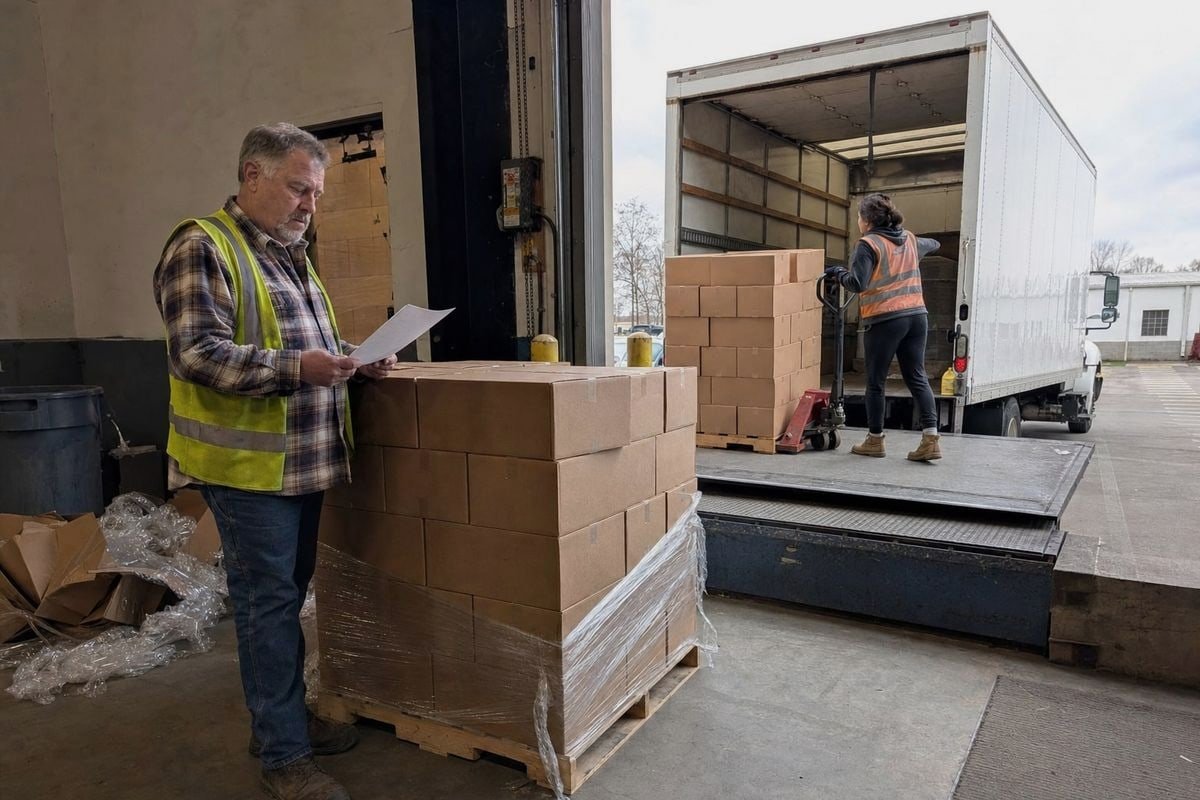
Comience mapeando su seguro a su ventana de riesgo. Si compra FCA o CPT, usted asume el riesgo de tránsito desde la entrega al transportista, por lo que usted, o su transitario, deben organizar un seguro marítimo que cubra toda esa ventana. Si compra CIP, nosotros organizamos la cobertura, pero verifique el valor asegurado y la clase de cobertura por escrito. Si compra DAP o DDP, nosotros asumimos el riesgo hasta la llegada, y asegurar ese viaje es nuestro problema, no el suyo.
Pasos de protección prácticos que realmente funcionan
Primero, asegure por el valor comercial total. La práctica estándar es el valor de la factura más el diez por ciento, lo que cubre su margen en los retrasos de reemplazo. Segundo, insista en la cobertura a todo riesgo en lugar de la cobertura por peligros nombrados; el daño por humedad a las piñas recubiertas es exactamente el tipo de pérdida que las pólizas limitadas excluyen.
Tercero, cree un rastro de evidencia antes de que el contenedor salga de China. Fotografíamos la carga, los números de precinto y el estado de las cajas para cada envío de exportación, y recomendamos a los compradores que encarguen una inspección previa al envío de terceros para los primeros pedidos. Esos registros, junto con el conocimiento de embarque limpio, demuestran que la mercancía salió de nuestras instalaciones en buenas condiciones, lo que atribuye cualquier daño posterior a la ventana de tránsito y respalda su reclamación de seguro.
Cuarto, actúe rápido a la llegada. Anote los daños visibles en el recibo de entrega antes de firmar, fotografíe todo sin abrir y presente las reclamaciones al transportista dentro del plazo, a menudo tan corto como unos pocos días para daños ocultos. Una reclamación con fotos contemporáneas, el informe de inspección y el CoA en archivo se resuelve rápidamente. Una reclamación basada en la memoria dos semanas después suele fracasar.
Finalmente, recuerde que la prevención supera a las reclamaciones. Las piñas secadas en horno, los revestimientos sellados a prueba de humedad y las cajas de exportación resistentes eliminan la mayoría de las pérdidas de tránsito antes de que ocurran. Es por eso que tratamos las especificaciones de embalaje como un problema de calidad, no como una ocurrencia tardía: el seguro más barato es la carga que sobrevive al viaje.
Conclusión
Los términos comerciales vagos convierten pequeños problemas de tránsito en disputas contractuales. Nombre su regla Incoterms 2020, lugar y documentos con precisión, y sus pedidos de conos de pino de color chimenea llegarán sin sorpresas.
Notas al pie
ASTM International establece estándares de prueba y documentación a los que se hace referencia para la certificación de seguridad del producto. ↩︎
Explica las reglas comerciales estandarizadas a las que se hace referencia para definir los puntos de transferencia de riesgo. ↩︎
La EPA supervisa el cumplimiento del tratamiento químico relevante para los productos agrícolas recubiertos importados en los EE. UU. ↩︎
4. Provides context on cargo insurance coverage buyers must arrange during ocean transit. ↩︎
5. Background on this shipping document that anchors risk-transfer timing in export transactions. ↩︎
6. USDA APHIS enforces biosecurity and phytosanitary inspection requirements for imported plant-based goods. ↩︎
7. ISO's official site clarifies quality management certification standards referenced for export documentation. ↩︎



 English
  Spanish
  German
  French
  Arabic
  Portuguese
Únete a la conversación