







Equivocar el período de exclusividad y las cláusulas de penalización por incumplimiento para los iniciadores de fuego de leña puede matar silenciosamente un acuerdo de distribución Marcado CE 1. He visto que sucede desde nuestra planta de producción más de una vez.
Definir el período de exclusividad y las cláusulas de penalización por incumplimiento para iniciadores de fuego de leña nombrando SKUs de productos exactos, un territorio y canal de ventas precisos, un plazo fijo de 12 a 24 meses con renovación basada en el rendimiento y daños liquidados vinculados a una estimación razonable de las ganancias perdidas en lugar de multas punitivas.
Esa es la respuesta corta. El detalle es donde los acuerdos tienen éxito o fracasan. A continuación, detallo cada cláusula paso a paso, basándome en contratos de suministro reales que firmamos cada año.
¿Qué debo incluir en un acuerdo de exclusividad con mi fabricante de iniciadores de fuego de leña?
Hace unos años, un comprador alemán nos envió una cláusula de una línea: "El proveedor otorga exclusividad al distribuidor". Nuestro equipo se opuso de inmediato. ¿Exclusivo para qué, dónde y por cuánto tiempo?
Un acuerdo de exclusividad para iniciadores de fuego de madera debe incluir definiciones exactas del producto y SKUs, derechos territoriales, canales de venta cubiertos, la dirección de la exclusividad, obligaciones mínimas de compra, excepciones de exclusión, las fechas de inicio y fin, definiciones de incumplimiento, recursos y un período de subsanación antes de la rescisión.

La palabra "exclusivo" no significa nada por sí sola. En nuestros contratos de exportación, hemos aprendido que cada disputa se remonta a un término que alguien asumió que era obvio. Por lo tanto, el primer trabajo del acuerdo es la precisión.
Defina primero el alcance del producto
Los iniciadores de fuego de leña vienen en muchos formatos. Nuestra propia línea incluye rollos de madera encerados, briquetas comprimidas y atados de virutas. Si un distribuidor obtiene exclusividad en "iniciadores de fuego", ¿eso nos impide suministrar cubos de cera a otro comprador en el mismo país? Un acuerdo de distribución bien redactado enumera los SKU exactos, los formatos e incluso las variantes de embalaje. También debe indicar si muestras de fabricación de marca privada 2 para terceros cuenta como competencia. Esa única frase previene la mayoría de los conflictos de canal.
Decida la dirección de la exclusividad
La exclusividad puede funcionar de tres maneras. Cada una crea diferentes obligaciones:
| Tipo | Quién está restringido | Caso de uso típico |
|---|---|---|
| Exclusivo del lado de la oferta | El fabricante no puede vender a otros dentro del alcance | El distribuidor invierte en marketing de un territorio |
| Exclusivo del lado de las ventas | El distribuidor no puede obtener de competidores | El fabricante ofrece capacidad o herramientas prioritarias |
| Mutuo exclusivo | Ambas partes restringidas | Lanzamientos de marca blanca con inversión compartida |
Equilibre el intercambio
Solo otorgamos exclusividad del lado de la oferta cuando el comprador se compromete a algo medible a cambio. Por lo general, eso significa obligaciones de compra mínima por trimestre, un compromiso de marketing o un plan de existencias antes de la temporada de calefacción. La exclusividad sin objetivos de rendimiento es un regalo, no un contrato. Una cláusula de no competencia 3 del lado del distribuidor también puede equilibrar el acuerdo, siempre que se mantenga lo suficientemente estrecha como para sobrevivir a la revisión de las leyes de competencia en la UE o EE. UU.
Finalmente, agregue exclusiones. Nombre a cualquier cliente existente, cuentas de la casa o canales de comercio electrónico directo que permanezcan fuera del alcance exclusivo. El silencio aquí es la fuente más común de conflicto que vemos.
¿Cuánto tiempo debería durar un período de exclusividad antes de arriesgarme a perder mi ventaja competitiva?
El tiempo es el compromiso que más debatimos con los compradores. Una marca de camping de EE. UU. nos pidió cinco años de exclusividad en rollos de madera encerados antes de realizar un solo pedido de contenedor. Propusimos algo muy diferente.
Un período de exclusividad para encendedores de leña debe tener una duración inicial de 12 a 24 meses, a partir de la firma o del primer envío, con renovación automática solo si el distribuidor cumple con los volúmenes mínimos de compra. Plazos más largos se justifican solo por una inversión significativa en inventario, herramientas o marketing.
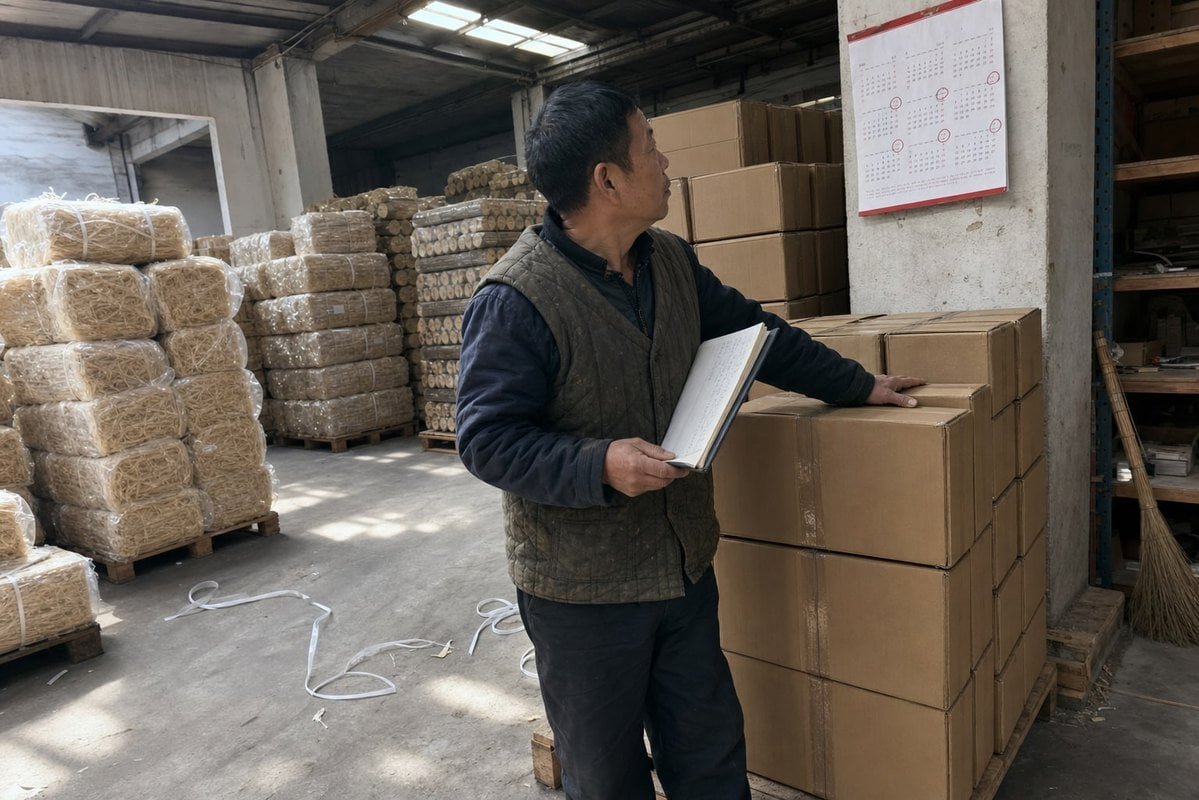
La duración del contrato de suministro y la duración de la exclusividad no son lo mismo. Puede firmar una relación de suministro de cinco años y limitar la exclusividad a una ventana más corta y renovable dentro de ella. Esa estructura protege a ambas partes.
Haga coincidir la duración con la inversión
Esta es la lógica que aplicamos cuando un comprador solicita exclusividad:
| Situación del comprador | Plazo de exclusividad razonable | Disparador de renovación |
|---|---|---|
| Pedido de prueba, mercado nuevo | 6–12 meses | Alcanzar el volumen de recompra acordado |
| Distribuidor regional con compromiso de inventario | 12–24 meses | Mínimos trimestrales cumplidos |
| Minorista nacional que financia embalaje de marca blanca y herramientas | 24–36 meses | Objetivo de ingresos anuales cumplido |
| Protección solo durante la ventana de lanzamiento | 3–6 meses | No renovable, se convierte en no exclusivo |
Los iniciadores de fuego son estacionales. La demanda alcanza su punto máximo en otoño e invierno para uso en chimeneas, y nuevamente en verano para asar y acampar. Por lo tanto, un plazo de 12 meses captura un ciclo estacional completo. Cualquier cosa más corta le da al distribuidor ninguna posibilidad de demostrar la venta. Cualquier cosa mucho más larga, sin condiciones de rendimiento, bloquea al fabricante de un mercado, incluso si el distribuidor tiene un rendimiento inferior.
Defina claramente el disparador de inicio
Indique si el plazo comienza con la firma, con la primera orden de compra o con la primera entrega. Preferimos el primer envío. La producción y el transporte marítimo a EE. UU. o Europa pueden tardar de ocho a doce semanas, y un distribuidor no debería agotar el tiempo de exclusividad esperando a que lleguen los productos.
Cree una vía de salida
Añada un mecanismo de conversión: si no se alcanzan los mínimos durante dos trimestres consecutivos, la exclusividad se convierte en derechos no exclusivos en lugar de rescindir toda la relación. Esto mantiene viva la relación comercial al tiempo que se elimina la protección que no se estaba obteniendo. En nuestra experiencia, los compradores lo aceptan fácilmente porque les parece justo y evita el duro escollo de la rescisión total.
¿Qué sanciones puedo aplicar si mi proveedor incumple nuestros términos de exclusividad?
Una lección de diecisiete años de exportación: la cláusula penal que redacta en tiempos de bonanza determina cómo termina una mala situación. Una vez ayudamos a un importador holandés a reestructurar un acuerdo después de que su anterior proveedor incluyera discretamente productos idénticos en un mercado dentro de su territorio exclusivo. El antiguo contrato solo decía "el incumplimiento da derecho al Distribuidor a indemnización por daños y perjuicios". Esa vaguedad les costó meses.
Las sanciones exigibles por incumplimiento de exclusividad incluyen daños y perjuicios preestablecidos que constituyen una estimación razonable de las pérdidas de beneficios, daños y perjuicios por unidad por ventas no autorizadas en el mercado, derechos de rescisión tras un período de subsanación y medidas cautelares para detener las infracciones continuas. Las multas puramente punitivas suelen ser inexigibles.

La palabra "penalización" en sí misma es una trampa de redacción. En muchos sistemas legales, los tribunales anulan o reducen las penalizaciones contractuales punitivas, mientras que mantienen los daños liquidados 4 las que prevén razonablemente pérdidas reales. Por lo tanto, etiquete la cláusula con cuidado y ancle la cifra en un daño comercial real.
Cree una escalera de recursos, no un solo martillo
La estructura más viable escala en pasos:
- Notificación. La parte no incumplidora envía una notificación por escrito que describe el incumplimiento material.
- Período de subsanación. La parte incumplidora dispone de un plazo fijo, comúnmente 30 días, para corregir la infracción.
- Daños y perjuicios liquidados. Si el incumplimiento continúa o se repite, se aplica una suma preacordada, calculada a partir del margen de distribuidor perdido sobre el volumen afectado.
- Rescisión. El incumplimiento material repetido o no subsanado activa el derecho a poner fin a la exclusividad o a todo el acuerdo.
- Medida cautelar. Para daños continuos, como la inclusión continua en el mercado gris, el contrato reserva el derecho a solicitar una medida cautelar judicial.
Calibre los daños según la economía del producto
Los iniciadores de fuego son una categoría impulsada por el margen. Las fórmulas de daños sensatas que hemos visto incluyen el margen perdido por unidad vendida en el territorio exclusivo, una cantidad fija por unidad para listados no autorizados en Amazon o en mercados, y un múltiplo del valor promedio del pedido mensual durante las ventanas de lanzamiento, cuando la pérdida de impulso es más difícil de cuantificar. Algunos compradores también negocian derechos de recuperación estacionales, lo que les permite devolver el stock no vendido con descuento si un incumplimiento ocurre durante los meses pico de calefacción.
Empareje los recursos con limitaciones de responsabilidad. razonables. Limite la exposición total a un múltiplo del valor anual del contrato y excluya los daños consecuentes especulativos en ambos lados. Un recurso que podría llevar a la quiebra a un socio es un recurso que nadie aplicará realmente.
¿Cómo me aseguro de que mi cláusula de exclusividad sea legalmente ejecutable en diferentes países?
El envío de productos conformes a más de treinta países ha enseñado a nuestro equipo algo que las plantillas de contratos rara vez mencionan: una cláusula que funciona en Texas puede fallar en Alemania. La aplicabilidad es jurisdiccional, no universal.
Para que una cláusula de exclusividad sea ejecutable internacionalmente, elija una ley rectora y un foro de resolución de disputas, enmarque los daños como una compensación líquida en lugar de penalizaciones, mantenga las restricciones territoriales y de no competencia lo suficientemente estrechas como para cumplir con la ley de competencia local, y utilice el arbitraje bajo la Convención de Nueva York para la ejecución transfronteriza.

Los acuerdos transfronterizos añaden tres capas de riesgo: qué ley se aplica, dónde se dirimen las disputas y si la sentencia resultante puede hacerse cumplir efectivamente contra los activos de la otra parte.
Elija la ley aplicable y el foro deliberadamente
No deje estos en blanco. Una relación de suministro China-UE, como la mayoría de las nuestras, suele funcionar mejor con una sede de arbitraje neutral y reglas institucionales. Los laudos arbitrales viajan bien porque la mayoría de las naciones comerciales han firmado la Convención de Nueva York 5, que hace que los laudos sean ejecutables a través de las fronteras de manera mucho más fiable que las sentencias judiciales.
| Elemento | Redacción débil | Redacción sólida |
|---|---|---|
| Ley aplicable | Leyes silenciosas o dos leyes contradictorias | Una ley designada, declarada explícitamente |
| Foro de disputas | Tribunal local de una sola parte | Arbitraje neutral (por ejemplo, HKIAC, SIAC, ICC) |
| Etiqueta de daños | "Penalización por incumplimiento" | "Daños y perjuicios liquidados, una estimación real de la pérdida" |
| Alcance de la restricción | "Mundial, todos los productos, indefinido" | Territorio designado, SKU designados, plazo fijo |
| Idioma | Versión única sin traducir | Bilingüe con un texto de control designado |
Respete la ley de competencia en cada territorio
Las normas de la UE examinan las restricciones verticales. Una prohibición general de todas las ventas pasivas, o una cláusula de no competencia indefinida, puede invalidar la restricción en Europa, incluso si ambas partes firmaron voluntariamente. Las preocupaciones antimonopolio de EE. UU. son más estrechas pero reales para los actores dominantes. Mantenga la exclusividad limitada en tiempo, territorio y canal, y generalmente sobrevivirá a la revisión.
Vincule la exclusividad a las obligaciones de cumplimiento
También recomendamos hacer del cumplimiento normativo una condición material de exclusividad. Si los productos deben cumplir Marcado CE 6, las expectativas de la CPSC, o llevar las etiquetas de advertencia y la documentación de seguridad adecuadas, escríbalo en la misma cláusula. En nuestros propios contratos, respaldamos esto con informes de pruebas ISO 9001, BSCI y SGS/Intertek, porque los compradores en EE. UU. y la UE consideran la certificación como un requisito indispensable, no como un extra. El incumplimiento de las normas de cumplimiento debería activar los mismos mecanismos de notificación y subsanación que un incumplimiento del canal de ventas.
Conclusión
Los términos de exclusividad vagos generan disputas; los precisos construyen asociaciones. Defina el alcance, limite el plazo, vincule la renovación al rendimiento, escale sus remedios y redacte para las jurisdicciones en las que realmente opera.
Notas al pie
Sitio oficial de la Comisión Europea que explica los requisitos de cumplimiento para productos vendidos en la UE. ↩︎
Visión general completa del etiquetado privado en la fabricación y la venta minorista. ↩︎
Fuente autorizada sobre el estado legal y la regulación de las cláusulas de no competencia. ↩︎
Definición legal y aplicación de los daños y perjuicios liquidados en el derecho contractual. ↩︎
Página oficial de la ONU para la convención que rige la ejecución internacional de arbitrajes. ↩︎
Fuente oficial de la UE que define los requisitos de marcado CE referenciados para la concesión de cumplimiento. ↩︎
Fuente autorizada que explica la ejecutabilidad internacional de los laudos arbitrales bajo este tratado. ↩︎



 English
  Spanish
  German
  French
  Arabic
  Portuguese
Únete a la conversación