






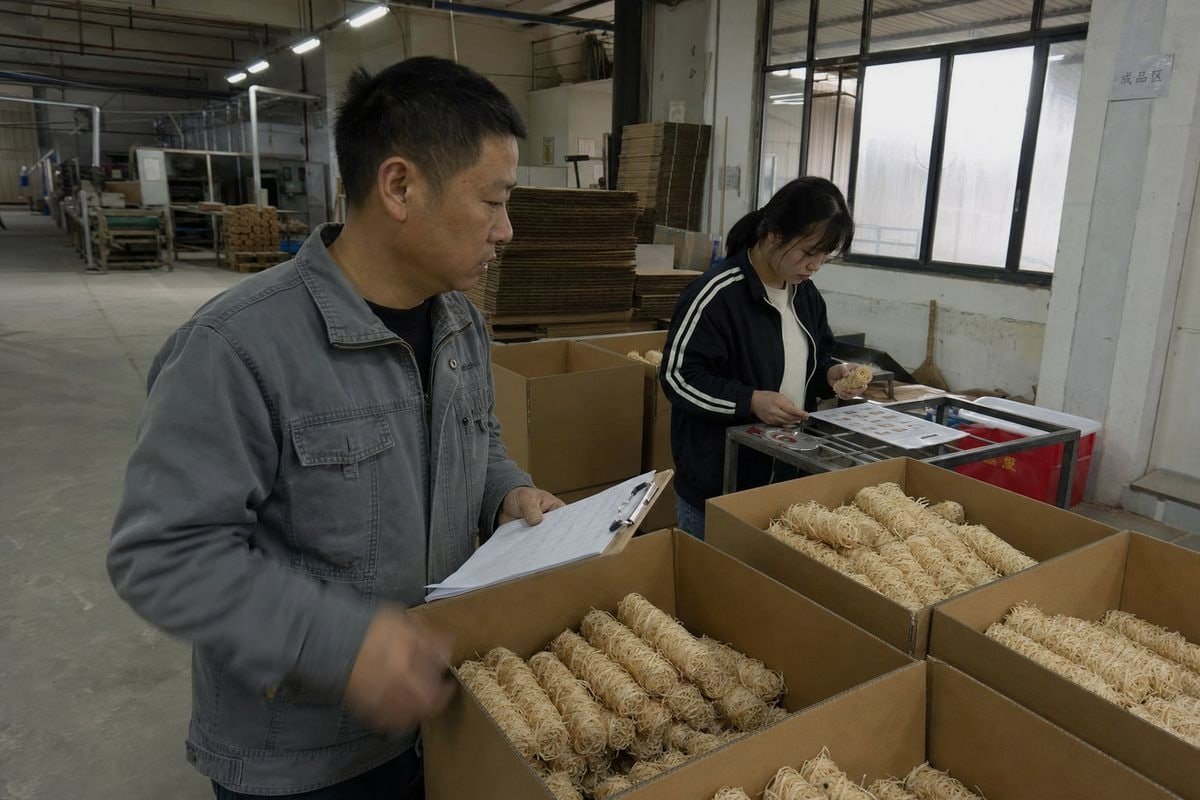
Lacey Act compliance stalled one of our earliest US shipments of wood firestarters chain-of-custody documents 1. Customs wanted species data our paperwork lacked. That painful week taught us exactly what importers need.
To declare wood species and harvest country for Lacey Act compliance, file a plant and plant product declaration (PPQ Form 505 data) electronically at import, listing the scientific genus and species of each wood component, the country where the timber was actually harvested, plus quantity, value, and HTS code.
That sounds simple on paper. In practice, the hard part is [getting accurate data from your supply chain](https://sunrichfire.com/how-identify-mitigate-supply-chain-risks-sourcing-wood-fire-starters/) before the container ships. Let me walk you through how it actually works.
What documentation do I need from my manufacturer to complete a Lacey Act declaration?
A buyer from Ohio once emailed us three days before his container landed, asking for our wood species certificate. We had it ready. Many suppliers do not, and that gap causes real trouble.
You need a supplier declaration stating the botanical genus and species of every wood component, the country of harvest, product quantity and value, the applicable HTS code, and supporting evidence such as purchase records, mill certificates, or chain-of-custody documents tracing the wood back to its source.

The declaration you file is only as good as the data behind it. APHIS declaration requirements 2 tie the filing to the plant material inside the shipment, not to the commercial product name. So your manufacturer must give you material-level facts, not marketing descriptions.
El conjunto de documentos principal
In our export files for wax-dipped wood rolls, we keep a standing documentation package for every US-bound order. Here is what a complete set looks like:
| Documento | What it must contain | Por qué a la aduana le importa |
|---|---|---|
| Supplier species declaration | Genus and species botanical names for each wood component | Common or trade names are legally insufficient |
| Harvest country statement | The country where the timber was cut, not where it was processed | Country of harvest is the required data point |
| Factura comercial | Value and quantity per product line | Feeds directly into the declaration fields |
| Clasificación HTS 3 s |
Notas al pie
1. Explains chain-of-custody concept underpinning wood sourcing traceability requirements. ↩︎
2. Official USDA APHIS site governing Lacey Act plant declaration filing rules. ↩︎
3. Official source for Harmonized Tariff Schedule codes referenced in the declaration process. ↩︎


 English
  Spanish
  German
  French
  Arabic
  Portuguese
Únete a la conversación