







La creación de una tabla de compatibilidad para piñas de pino de colores para chimeneas fue una de las primeras herramientas que creó nuestro equipo de exportación, porque los compradores seguían haciendo la misma pregunta dolorosa: "¿Funcionarán en todas las estufas?"
Una tabla de compatibilidad para piñas de pino coloreadas para chimeneas mapea las categorías de aparatos — chimeneas de leña abiertas, estufas no catalíticas, estufas catalíticas, insertos, unidades de gas y estufas de pellets — a tres clasificaciones: compatible, usar con precaución o no recomendado, respaldado por informes de pruebas y verificaciones de manuales del fabricante.
La tabla no es complicada de crear. Pero necesitas las categorías correctas, la evidencia correcta y el formato correcto. Certificación de gestión de calidad ISO 9001 1. Te guiaré a través de los cuatro pasos a continuación.
¿Qué tipos de estufas y chimeneas debería incluir al crear una tabla de compatibilidad para piñas de pino de colores?
Un distribuidor alemán devolvió una vez un pedido de prueba porque sus clientes usaban estufas catalíticas. Marcado CE 2. Ese incidente único enseñó a nuestro equipo a organizar la compatibilidad por sistema de combustión, nunca solo por marca.
Su tabla de compatibilidad debe incluir seis categorías de aparatos: chimeneas de leña abiertas, estufas de leña no catalíticas, estufas de leña catalíticas, insertables de chimenea y aparatos sellados, chimeneas de troncos de gas y estufas de pellets. Califique cada uno por el sistema de combustión y el diseño de la caja de fuego, no por la marca.
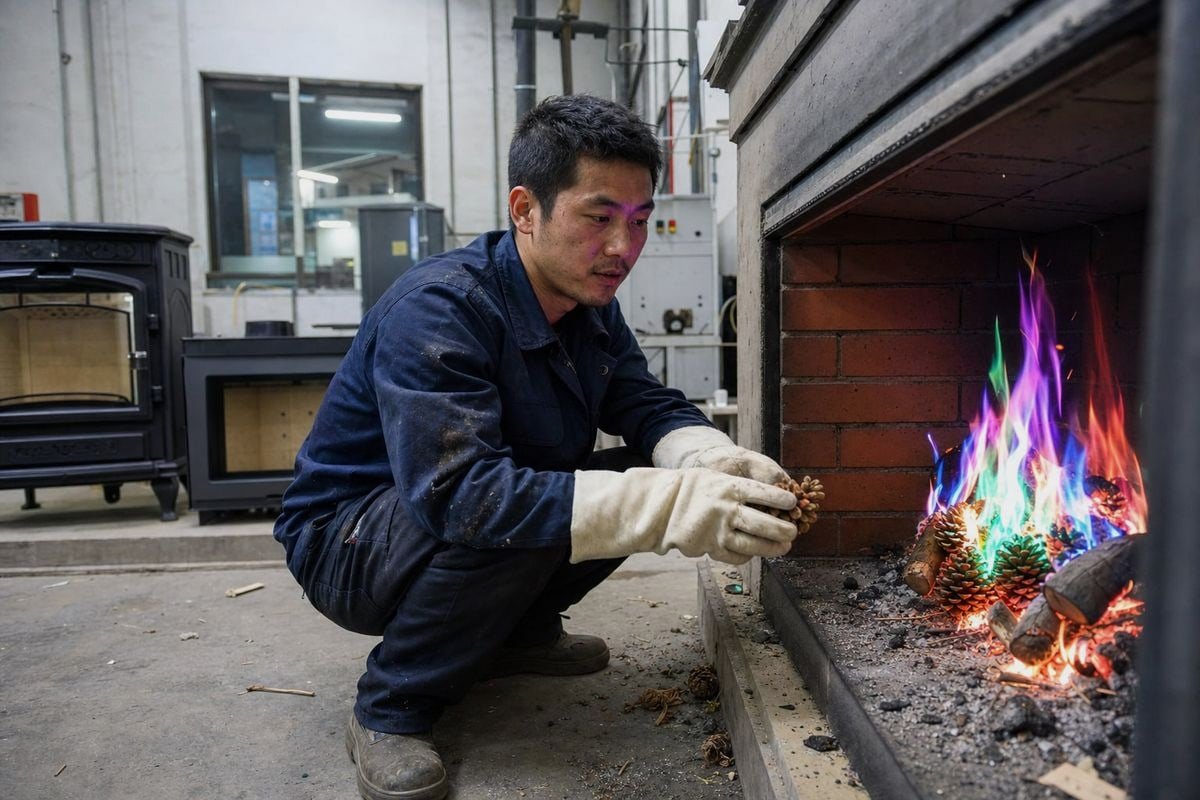
El mayor error que veo en las afirmaciones de compatibilidad minorista es agrupar todos los aparatos bajo "chimeneas". Esa palabra significa cosas muy diferentes en diferentes mercados. Auditorías de cumplimiento social BSCI 3. En los EE. UU., muchas casas tienen chimeneas de mampostería abiertas. En Alemania y Polonia, selladas estufas de leña con certificación de la EPA 4 y sus equivalentes europeos dominan. Tu tabla tiene que reflejar esa realidad, o tus distribuidores se enfrentarán a quejas que nunca anticipaste.
Las seis categorías principales y cómo calificarlas
| Tipo de aparato | Calificación | Por qué | Notas para minoristas |
|---|---|---|---|
| Chimenea de leña abierta | ✔ Compatible | Diseñado para llamas de leña abiertas | Uso en el mejor de los casos; escenario de foto ideal |
| Estufa de leña no catalítica | ✔ Compatible | Los tubos de combustión secundaria toleran bien los aditivos. | Verifique el tamaño de la caja de fuego; agregue yesca si es grande. |
| Estufa de leña catalítica | ⚠ Precaución | Las sales metálicas pueden envenenar el combustor catalítico 5 | Consulte el manual de la estufa; marque claramente. |
| Inserto de chimenea / aparato sellado | ⚠ Precaución | Las especificaciones del inserto de chimenea varían ampliamente. | Requiere una verificación manual antes de usar. |
| Chimenea de troncos de gas | ✘ No recomendado | Los residuos obstruyen los quemadores y dañan las válvulas. | Imprima la exclusión en el embalaje. |
| Estufa de pellets | ✘ No recomendado | Las cenizas minerales forman escorias que atascan el sinfín. | La compatibilidad con estufas de pellets es un no rotundo. |
La lógica detrás de estas calificaciones es tan importante como las calificaciones mismas. Las estufas no catalíticas con tubos de combustión secundaria manejan los colorantes químicos de llama mucho mejor que los sistemas sellados de alta eficiencia. El daño del combustor catalítico es el modo de falla individual más costoso: un combustor envenenado puede costar cientos de dólares para reemplazarlo. Los sistemas de ventilación de chimeneas de gas y los juegos de troncos nunca fueron diseñados para residuos de combustible sólido. Y las estufas de pellets dependen de sinfines y sensores ópticos que las cenizas con alto contenido mineral ensuciarán rápidamente.
Cuando informamos a un nuevo distribuidor, siempre agrego una regla: si el manual del aparato prohíbe los iniciadores de fuego extraños, el manual gana, sin importar lo que diga nuestra tabla.
¿Qué certificaciones de seguridad e informes de prueba necesito para respaldar mis afirmaciones de compatibilidad?
El papeleo de cumplimiento es lo primero que solicitan nuestros compradores de EE. UU. y la UE, generalmente antes de los precios. En diecisiete años de exportación, ningún gerente de compras serio ha omitido este paso.
Apoye su gráfico de compatibilidad con la certificación de gestión de calidad ISO 9001, informes de pruebas de terceros de SGS o Intertek, marcado CE para la UE y auditorías de cumplimiento social de BSCI. Los informes de prueba deben cubrir el comportamiento de combustión, las emisiones y la composición del material para cada clase de aparato clasificada.

Una tabla de compatibilidad sin evidencia es solo marketing. Una tabla con informes de prueba detrás de ella se convierte en una herramienta de ventas que sus socios minoristas pueden defender cuando un cliente, asegurador o regulador hace preguntas. Nuestras propias piñas de llama de color se envían con informes de SGS e Intertek precisamente porque los canales de abastecimiento de grandes superficies tratan esto como un requisito indispensable, no como algo deseable.
Haga coincidir cada afirmación con un documento.
Piense en cada celda de su tabla como una afirmación que necesita una fuente. Aquí está el mapeo que recomiendo:
| Afirmación de la tabla | Evidencia de respaldo |
|---|---|
| "Seguro en chimeneas de leña" | Informe de prueba de combustión de terceros (SGS/Intertek) |
| "Ecológico, sin químicos dañinos" | Informe de composición de materiales y cribado de metales pesados. |
| "Rendimiento de color constante" | Registros de control de calidad lote a lote ISO 9001 |
| "Cumple para venta minorista en la UE" | Documentación CE y cribado relevante para REACH |
| "Producido éticamente" | Informe de auditoría BSCI |
| "Precaución: estufas catalíticas" | Referencia al lenguaje del manual del fabricante de la estufa |
Aborde las preguntas sobre corrosión y residuos desde el principio
Los compradores sofisticados preguntarán sobre aditivos a base de cloruro. Estos pueden ser corrosivos para los revestimientos de chimeneas de acero inoxidable y las cajas de fuego de hierro fundido con el tiempo, por lo que la documentación de su prueba debe abordar directamente la química de los residuos. Lo mismo ocurre con cristales de sulfato de cobre 6, que son tóxicos si se ingieren — su etiquetas de advertencia debe mantener el producto alejado de niños y mascotas, y su guía de eliminación de cenizas debe indicar que las cenizas de fuegos con color tratado no deben ir a la tierra del jardín ni al compost.
Una lección más de nuestra línea de producción: las certificaciones solo importan si el lote de producción en masa coincide con la muestra probada. El estricto control de calidad lote a lote es lo que hace que su informe de prueba sea significativo seis meses después de su emisión. Declaraciones de seguridad para estufas de leña se desmoronan rápidamente cuando la formulación varía entre lotes.
¿Cómo puedo trabajar con mi fabricante para verificar el rendimiento de la combustión en diferentes modelos de estufas?
Las compensaciones impulsan cada programa de verificación que ejecutamos. Probar más modelos de estufas cuesta tiempo y dinero; probar muy pocos deja lagunas de compatibilidad que sus clientes le harán saber.
Pida a su fabricante que realice pruebas de combustión estructuradas en electrodomésticos representativos: una chimenea abierta, una estufa no catalítica y un inserto sellado. Documente el color de la llama, el tiempo de combustión, los residuos, el grabado del vidrio y la composición de las cenizas, luego compare los resultados con cada categoría de estufa en su gráfico.
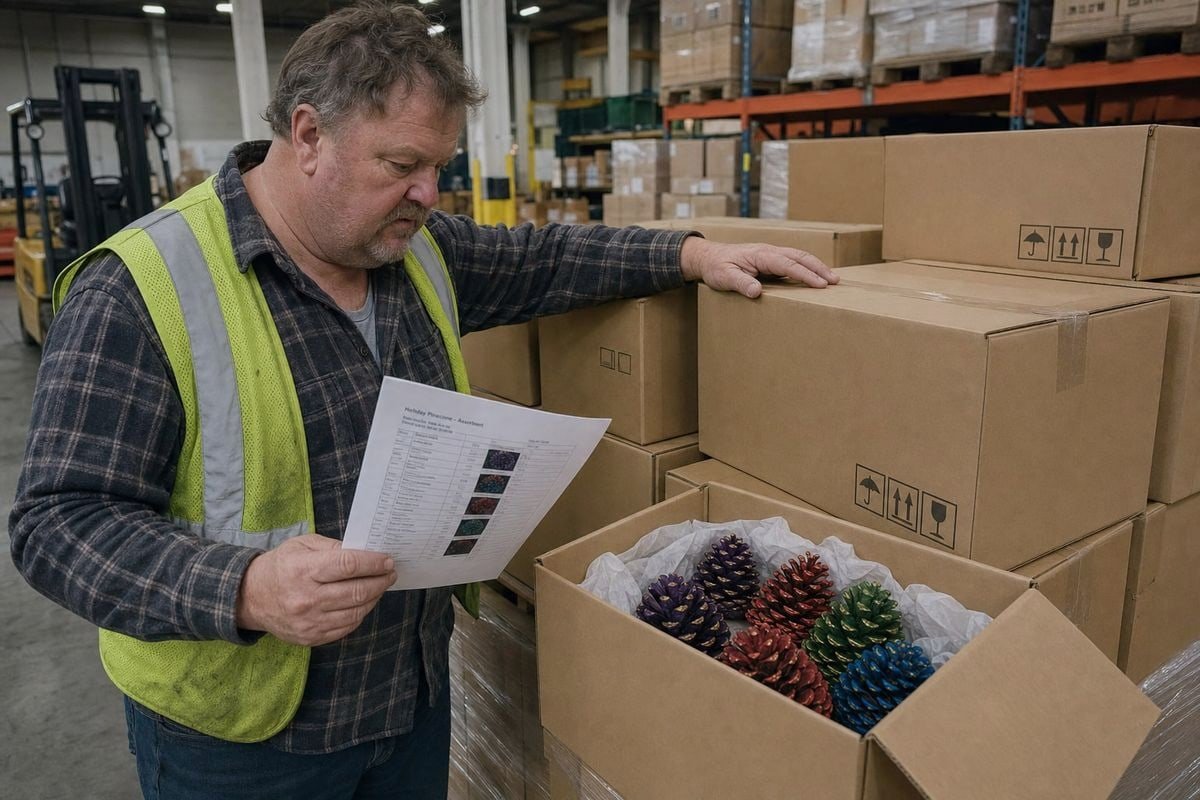
No necesita probar cada modelo de estufa del mercado. Necesita un protocolo repetible que cubra cada clase de electrodoméstico en su gráfico. Cuando nuestros ingenieros configuran la verificación de combustión para un cliente de marca privada, seguimos un proceso numerado, y le recomiendo que solicite lo mismo a cualquier proveedor.
Un proceso de verificación de cinco pasos
- Definir la matriz de prueba. Seleccione un electrodoméstico representativo por categoría de gráfico. Una chimenea abierta, una estufa no catalítica con tubos de combustión y un inserto sellado cubren la mayoría de los escenarios de riesgo.
- Estandarizar las condiciones de fuego. El tiempo de combustión cambia los resultados. La mayoría de los conos de colores rinden mejor cuando se añaden a un lecho de brasas establecido, no a un fuego rugiente fresco. Pruebe ambos estados.
- Mida lo que les importa a los compradores. Registre intensidad del color de la llama por aditivo, duración de la combustión por cono y si un color a la vez produce efectos más limpios que la mezcla (lo hace, los colores mezclados se vuelven turbios).
- Inspeccionar los vectores de daño. Compruebe las puertas de vidrio cerámico en busca de grabados químicos, ya que los vapores pueden marcar permanentemente el vidrio Neoceram o Robax a alta temperatura. Inspeccione las superficies del conducto en busca de aceleración acumulación de creosota 7 o signos de corrosión.
- Analizar las cenizas. El alto contenido mineral de las cenizas confirma por qué las estufas de pellets deben permanecer en la columna de "no recomendadas", e informa sus advertencias de eliminación.
Qué pedirle a su proveedor
Solicite metraje de prueba en bruto, no solo una hoja resumen. Pregunte cómo se controla el proceso de secado y curado: los conos tratados adecuadamente necesitan un secado completo, a menudo tres días o más, y un curado inconsistente cambia el comportamiento de la combustión. Pregunte si la fórmula del recubrimiento de cera es estable en todas las estaciones. Y confirme que el proveedor puede reproducir el rendimiento de la primera muestra a escala de producción en masa, porque esa brecha es donde la mayoría de las afirmaciones de compatibilidad mueren silenciosamente. La guía de mantenimiento del conducto de la chimenea también debe provenir de estas pruebas, para que los minoristas puedan transmitir consejos de cuidado precisos a los usuarios finales.
¿Cuál es la mejor manera de formatear una tabla de compatibilidad para que los minoristas y distribuidores puedan usarla con confianza?
Un distribuidor de chimeneas del Reino Unido me dijo una vez que su personal de ventas tenía ocho segundos para responder a la pregunta de compatibilidad de un cliente. Esa conversación remodeló cómo diseñamos cada gráfico que enviamos con nuestro embalaje OEM.
Formatee el gráfico como una tabla de una sola página con un sistema de puntuación de tres colores: marca verde para compatible, advertencia amarilla para requiere verificación manual, X roja para evitar. Agregue columnas para el tipo de electrodoméstico, la calificación, el motivo y las notas de uso, además de un pie de página que indique que el manual de la estufa anula el gráfico.
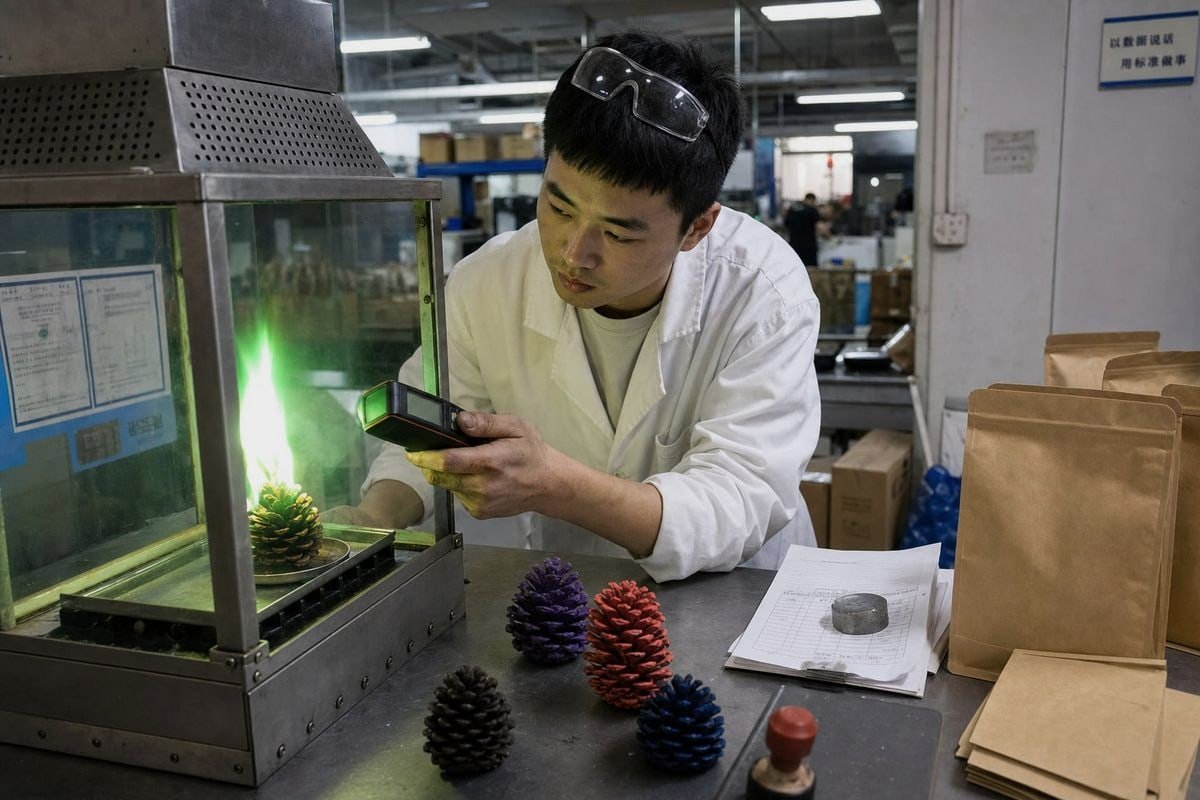
Los minoristas no leen párrafos. Escanean. Su gráfico debe funcionar como una tarjeta de borde de estante, un inserto de embalaje y una diapositiva de capacitación sin rediseño. Aquí está la estructura exacta que recomiendo, refinada a través de los programas de marca privada que hemos apoyado en EE. UU., Alemania y Australia.
El diseño listo para la venta minorista
| Columna | Propósito | Entrada de ejemplo |
|---|---|---|
| Tipo de electrodoméstico | Identificación instantánea | "Estufa de leña catalítica" |
| Puntuación | Respuesta de 8 segundos | ⚠ Amarillo — consulte el manual |
| Razón de una línea | Genera confianza en el personal | "Las sales pueden envenenar el combustor" |
| Nota de uso | Previene el mal uso | "Confirmar la அனுமதிக்கión de iniciadores de fuego en el manual" |
| Mejor caso de uso | Impulsa ventas correctas | "Recomendar modelos no catalíticos en su lugar" |
Reglas de decisión para imprimir en la parte posterior
Proporcione al personal una lógica simple de si-entonces. Si el electrodoméstico es de leña y el manual permite iniciadores de fuego, puntúe verde. Si es una estufa catalítica o un inserto sellado, puntúe amarillo hasta que el manual lo confirme. Si es de gas o pellets, puntúe rojo, sin excepciones. Si la caja de fuego es inusualmente pequeña o el flujo de aire está muy restringido, sea un nivel más cauteloso.
Dos adiciones hacen que el gráfico sea genuinamente confiable. Primero, imprima las referencias de su certificación — CE, SGS, ISO 9001 — en el pie de página, para que el gráfico contenga evidencia, no solo opinión. Segundo, aborde directamente las comparaciones de bricolaje. Los conos empapados caseros varían enormemente en la carga de sal y el secado, por lo que su gráfico debe indicar que sus clasificaciones se aplican solo a su producto comercial probado. Esto protege a sus distribuidores de ser culpados por los resultados de los tutoriales de manualidades. Cuando creamos embalajes de exhibición y etiquetas de advertencia para clientes, este descargo de responsabilidad se incluye en cada SKU, y ha evitado más disputas que cualquier otra línea de texto individual.
Conclusión
Un gráfico de compatibilidad confiable para piñas de pino de colores para chimeneas se basa en tres pilares: categorías de clase de electrodomésticos, evidencia de prueba certificada y un formato minorista escaneable. Construya los tres y su producto se vende solo de manera segura.
Notas al pie
Visión general estable y autorizada de Wikipedia sobre el estándar ISO 9001 y sus requisitos de certificación. ↩︎
Fuente oficial de la UE que explica el requisito de cumplimiento de la marca CE citado para la venta minorista. ↩︎
Página de destino actualizada de amfori BSCI oficial para soluciones de auditoría de cumplimiento social. ↩︎
Página del programa de la EPA relevante para los estándares de emisiones de estufas de leña mencionados en la comparación de mercado. ↩︎
Concepto de fondo sobre tecnología de combustión catalítica referenciado para el riesgo de daños en la estufa. ↩︎
Datos químicos autorizados e información de seguridad de la base de datos PubChem del NIH. ↩︎
Explicación de fondo del creosota, referenciado como un indicador de riesgo de seguridad de la chimenea. ↩︎



 English
  Spanish
  German
  French
  Arabic
  Portuguese
Únete a la conversación