






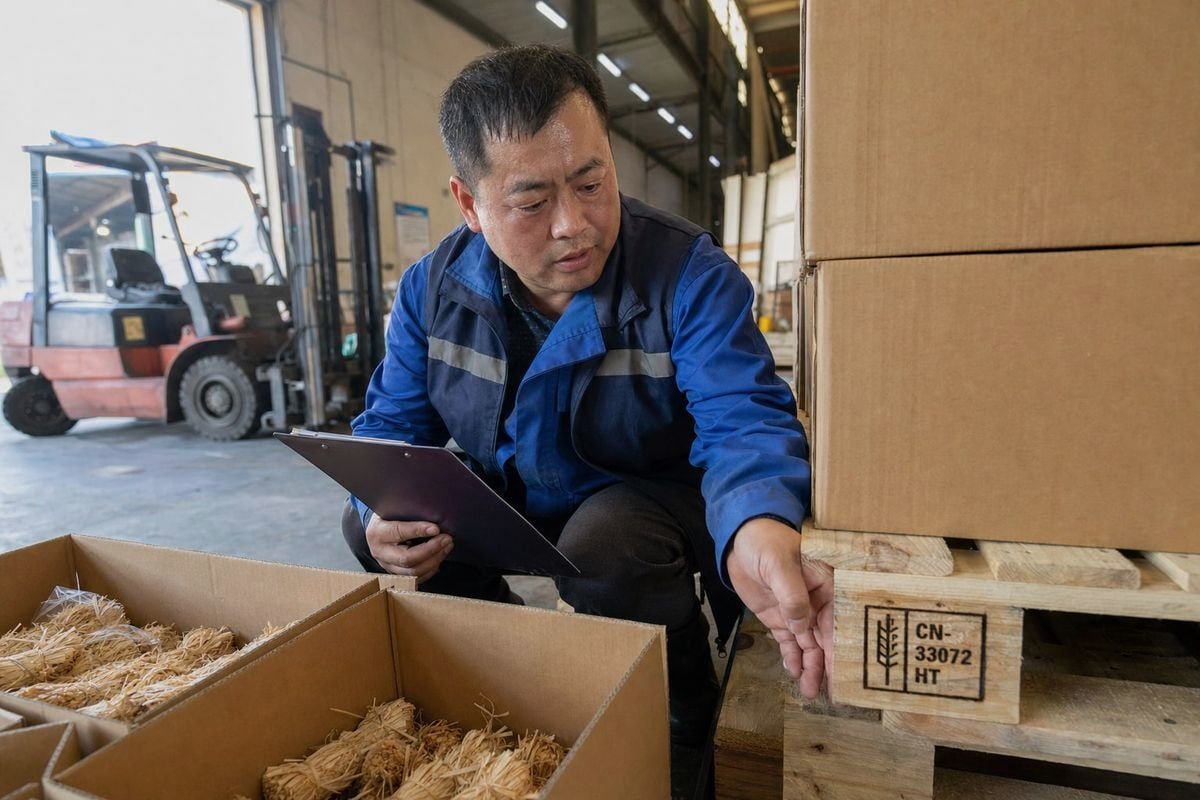
Wood fire starter packaging that fails ISPM 15 can stop your whole container at the border. I have seen it happen to buyers before they found our factory. One missing stamp, weeks of delay, thousands in demurrage. The fix is simple verification, and I will show you exactly how we handle it on every export.
To confirm wood fire starter packaging complies with ISPM 15, inspect the IPPC certification mark for the wheat symbol, ISO country code, facility code, and treatment code (HT or MB); verify the wood is debarked solid wood; and request treatment certificates from an NPPO-authorized facility.
That is the short answer. But each of those checks has details that matter. Below, I walk through supplier verification, documents, which components need stamps, and how to [avoid customs trouble](https://sunrichfire.com/how-avoid-customs-delays-importing-wood-fire-starters/).
How can I verify my wood fire starter supplier's ISPM 15 heat treatment certification is genuine?
A German distributor once asked me to photograph every pallet stamp before we loaded his order of wax-dipped wood rolls. At first I thought it was excessive. Now we do it for every shipment by default.
Verify a supplier's ISPM 15 heat treatment certification by matching the facility code on the HT stamp against the national NPPO registry, requesting the treatment provider's authorization certificate, and confirming the stamp is branded or stenciled — never handwritten, photocopied, or applied as a removable sticker.
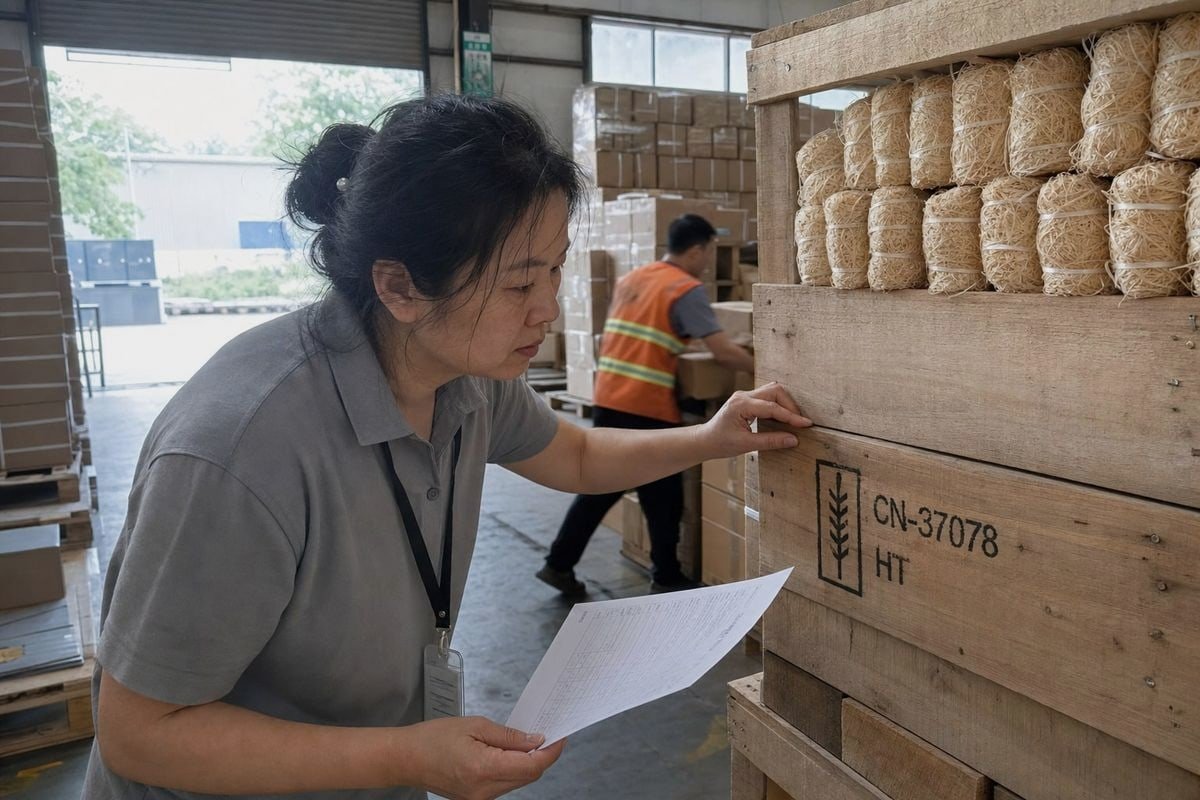
A genuine heat treatment HT stamp is traceable. That is the whole point of the system. Every mark links back to a registered facility approved by the Organización Nacional de Protección Fitosanitaria 1 of the exporting country. In China, that means the facility must appear in the official registry maintained under NPPO inspection standards. If your supplier cannot tell you which registered facility treated the pallets, that is a red flag. In our export operations, we keep the treatment provider's authorization documents on file and share them with buyers before shipment, not after a problem appears.
The four elements every genuine mark must show
Check each element in order. If any one is missing or unreadable, treat the packaging as noncompliant, even if the rest looks fine.
| Elemento de la marca | What It Looks Like | Lo Que Demuestra |
|---|---|---|
| IPPC symbol | The "wheat" or ear-of-grain logo | The mark follows the international standard |
| Country code | Two-letter ISO code (e.g., CN, US, DE) | Where the wood was treated |
| Código de instalación | Unique registration number | Which authorized facility did the work |
| Treatment code | HT, MB, DH, or SF | How the wood was processed |
Physical checks that expose fake stamps
Real marks are burned, branded, or stenciled with permanent ink. Ask your supplier for close-up photos of the actual pallets in your order, not stock images. Look for smudging, especially on high-resin softwoods where ink-based marks can blur. A mark should appear on at least two opposite sides of the pallet or crate, visible when the packaging is in use. We photograph both marked faces during loading and attach the images to the shipping file. It costs us five minutes. It has saved buyers from disputes more than once.
Also ask when the treatment happened. Heat treatment requires a core wood temperature of 56°C held for 30 continuous minutes. A facility that cannot produce a treatment date or batch record probably did not run a proper cycle.
What documents should I request to confirm my shipment meets ISPM 15 import requirements?
Over 17 years of exporting fire-starting goods to the US, Germany, and Australia, we have built a paquete de documentos estándar for every container. Buyers who ask for it up front clear customs faster. Buyers who skip it sometimes learn the hard way.
Request the wood packaging treatment certificate showing the facility code and treatment date, the treating facility's NPPO authorization, a packing list identifying all wood packaging material WPM in the load, and photos of the stamped pallets. A phytosanitary certificate is only needed if the destination country specifically requires one.

Documents do not replace the stamp. The mark on the wood is the primary evidence under ISPM 15 International Standards for Phytosanitary Measures 2. But paperwork is your backup when customs officers question a smudged stamp, and it is your proof of due diligence if a dispute arises. Here is how I explain the document stack to new buyers.
El conjunto de documentos principal
| Documento | Quién lo emite | Por qué lo necesitas |
|---|---|---|
| Certificado de tratamiento | Authorized treatment facility | Links your pallets to a real HT cycle with a date and batch |
| Facility authorization proof | NPPO or its authorized body | Confirms the facility is currently registered, not lapsed |
| Packing list with WPM declaration | Supplier / exporter | Tells customs exactly which wood packaging material 3 WPM is in the container |
| Loading photos of stamps | Proveedor | Visual evidence if marks get damaged in transit |
| Certificado fitosanitario 4 | Exporting country's NPPO | Only when the importing country demands one for the goods themselves |
Separate the product from the packaging
One point confuses many first-time importers of wood firestarters. The fire starter itself — compressed wood shavings, wax-coated rolls, kiln dried kindling — is a processed commodity. It follows product-level export shipping regulations, not ISPM 15. ISPM 15 governs only the solid wood transport packaging: pallets, crates, and dunnage. So a phytosanitary certificate for the product and a treatment certificate for the pallet are two different documents answering two different questions. We prepare both files separately for exactly this reason. When a buyer's customs broker asks for "the wood certificate," we always clarify which one they mean before sending anything. That single clarifying question prevents most paperwork confusion at customs clearance.
Keep every document tied to a specific shipment, not a generic annual letter. Customs officers want traceability, and generic letters carry little weight during an inspection.
Do all wood firestarter packaging materials need the IPPC stamp, or only certain components?
The trade-off I weigh on every packaging quote is simple: solid wood looks premium for firestarter display crates, but it triggers ISPM 15 obligations. Processed wood panels avoid the stamp entirely. Knowing which is which saves buyers money and risk.
No — only solid wood packaging thicker than 6mm requires the IPPC stamp under ISPM 15. Retail cartons, plywood, particleboard, OSB, and the fire starter product itself are exempt. Pallets, solid wood crates, wooden display boxes, and dunnage must all carry the mark.
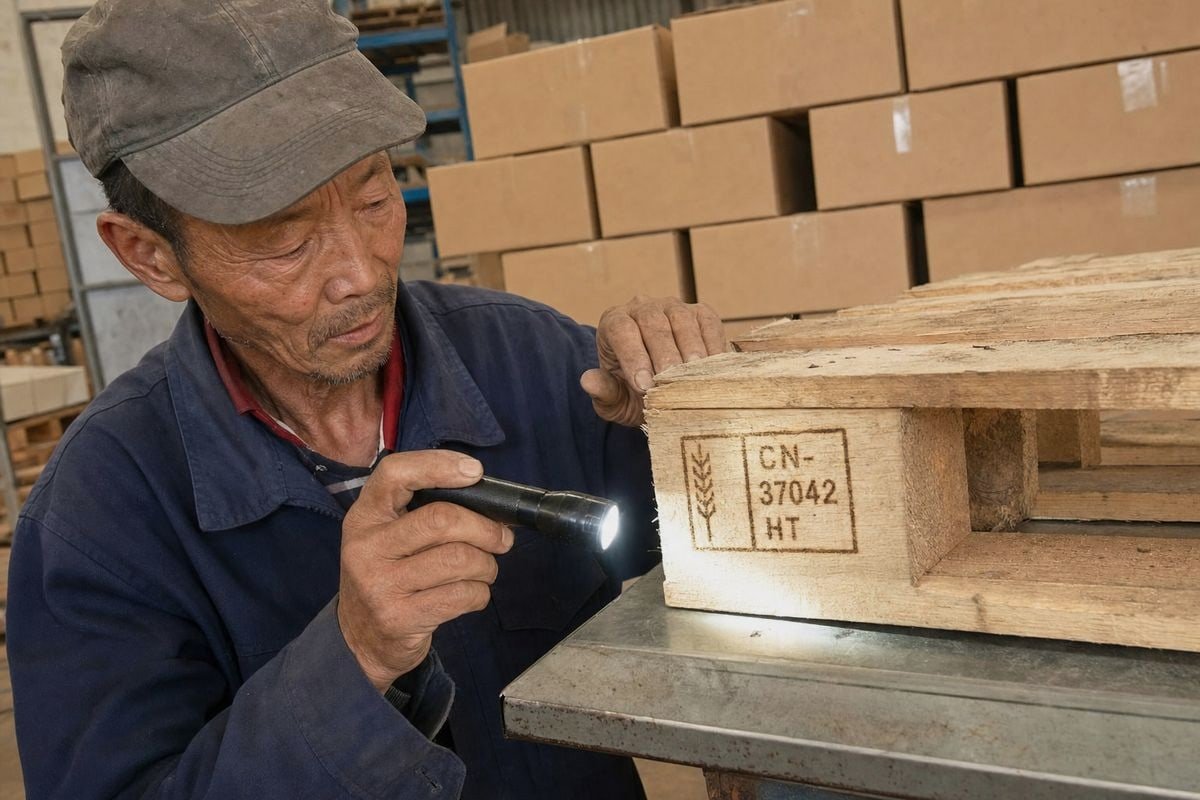
The standard targets the pest pathway, and pests live in raw solid wood. Processing methods like glue-lamination, high heat, and pressing destroy pest habitat, which is why engineered wood products fall outside the rules. Here is how the components in a typical wood fire starter shipment break down.
Regulated versus exempt components
| Component in Your Shipment | ISPM 15 Status | Notas |
|---|---|---|
| Shipping pallets (solid wood) | Regulated — stamp required | Most common inspection target |
| Solid wood display crates | Regulated — stamp required | Includes branded retail crates |
| Dunnage and bracing timber | Regulated — stamp required | Each piece should carry the mark |
| Plywood or OSB crates | Exempt | Manufacturing process kills pests |
| Cardboard retail boxes | Exempt | Not wood packaging material |
| The wood firestarter product | Exempt from ISPM 15 | Governed by product rules, not WPM rules |
| Wood veneer under 6mm | Exempt | Below thickness threshold |
Debarking and post-treatment integrity
Two more details matter for regulated components. First, debarked wood requirements apply: the standard permits small bark tolerances, but visible bark strips beyond those limits can invalidate an otherwise stamped pallet. Second, compliance can be lost after treatment. If a pallet is repaired with untreated timber, the whole unit becomes a hybrid — and every replaced component needs its own compliant stamp or the pallet must be re-treated. When we build custom display crates for OEM clients, we specify treated replacement timber in the production order so rework never creates hidden risk. Ask your supplier the same question. A supplier who hesitates on repair policy probably has not thought it through.
How do I avoid customs delays or rejected shipments due to non-compliant wood packaging?
A hard lesson from our early export years: one buyer's transitario swapped our treated pallets for cheap untreated ones at a consolidation warehouse. The container was flagged in the US. Since then, we control pallets end to end and document the loading.
Avoid customs delays by using only stamped, NPPO-registered pallets; photographing marks at loading; keeping treatment certificates with your customs clearance documentation; instructing forwarders never to swap pallets; and inspecting for bark, pest holes, or post-treatment repairs before the container is sealed.
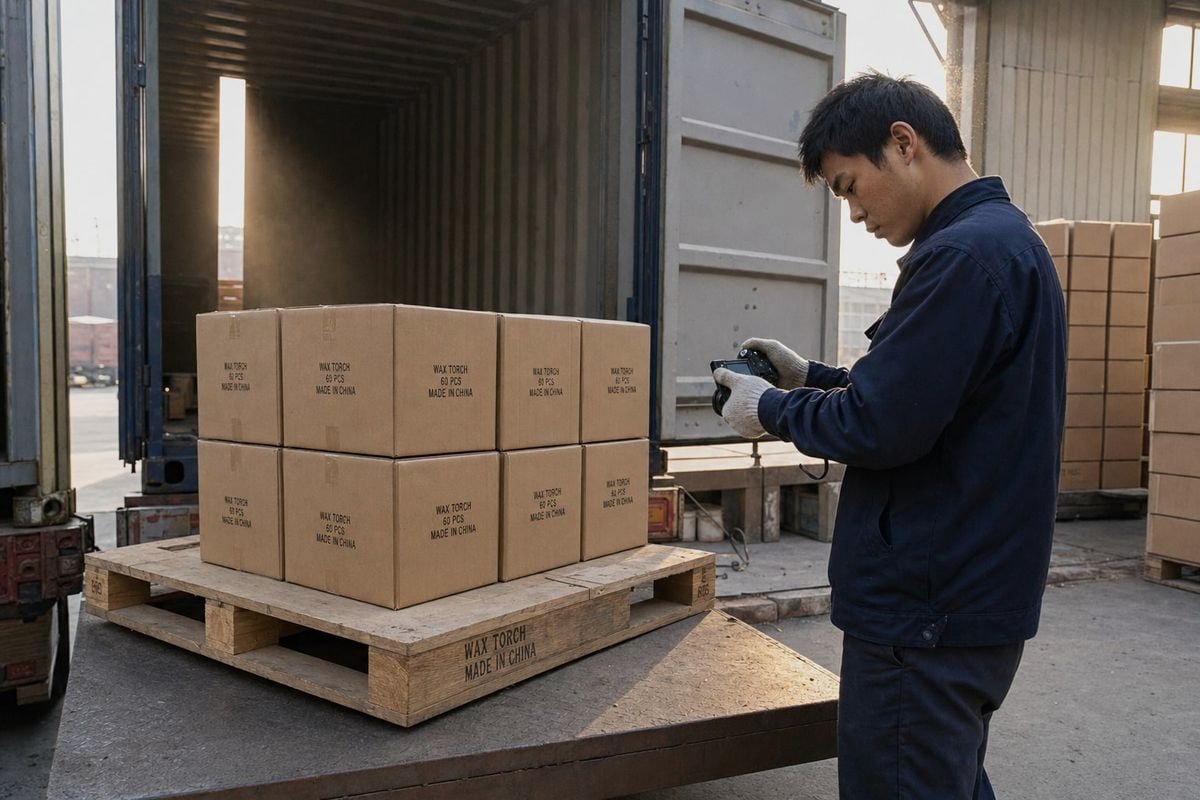
Border authorities do not negotiate on this World Trade Organization 5. US guidance is blunt: importers are responsible for ensuring wood packaging is pest-free, debarked, treated, and properly marked, and noncompliant WPM will be refused entry. Australia applies similarly strict recognition rules. Refusal usually means re-export or destruction of the packaging at your cost, plus storage fees while you wait. Prevention is far cheaper. Here is the process we follow, which you can adapt as a buyer-side checklist.
A five-step prevention process
- Specify compliance in the purchase order. Write "ISPM 15 HT-stamped pallets from a registered facility" into your PO terms. Verbal assurances disappear when problems surface.
- Verify before loading. Require photos of the stamps on at least two opposite sides of each pallet, plus the treatment certificate, before the container is sealed.
- Lock down the logistics chain. Instruct your forwarder in writing that pallets must not be exchanged at consolidation points. Pallet swapping is the most common way compliant shipments become noncompliant.
- Inspect for physical defects. Bark beyond tolerance, live pest exit holes, fresh unstamped repair boards, or waterlogged wood can all trigger holds even with a valid mark. Methyl bromide fumigation 6 stamps (MB) deserve extra attention, since some destinations restrict or discourage MB-treated packaging.
- File everything with your entry documents. Keep treatment certificates, photos, and the WPM declaration in the same folder as your commercial invoice so your broker can respond to a customs query within hours, not days.
Some forward-looking facilities now offer QR-linked stamps that let you check a treatment provider's active accreditation in real time. Where available, use them. For everything else, disciplined documentation is your best insurance. In our experience shipping to 30+ countries, shipments with a complete compliance file almost never sit at the border.
Conclusión
Noncompliant packaging turns a good order into a border problem. Verify the IPPC stamp, collect treatment documents, know which components are regulated, and control your logistics chain. Do that, and your wood fire starter shipments clear customs the way ours do — without drama.
Notas al pie
1. Official body governing NPPO registrations referenced throughout the compliance checks. ↩︎
2. Provides background on the treaty framework underlying ISPM 15 wood packaging rules.


 English
  Spanish
  German
  French
  Arabic
  Portuguese
Únete a la conversación