






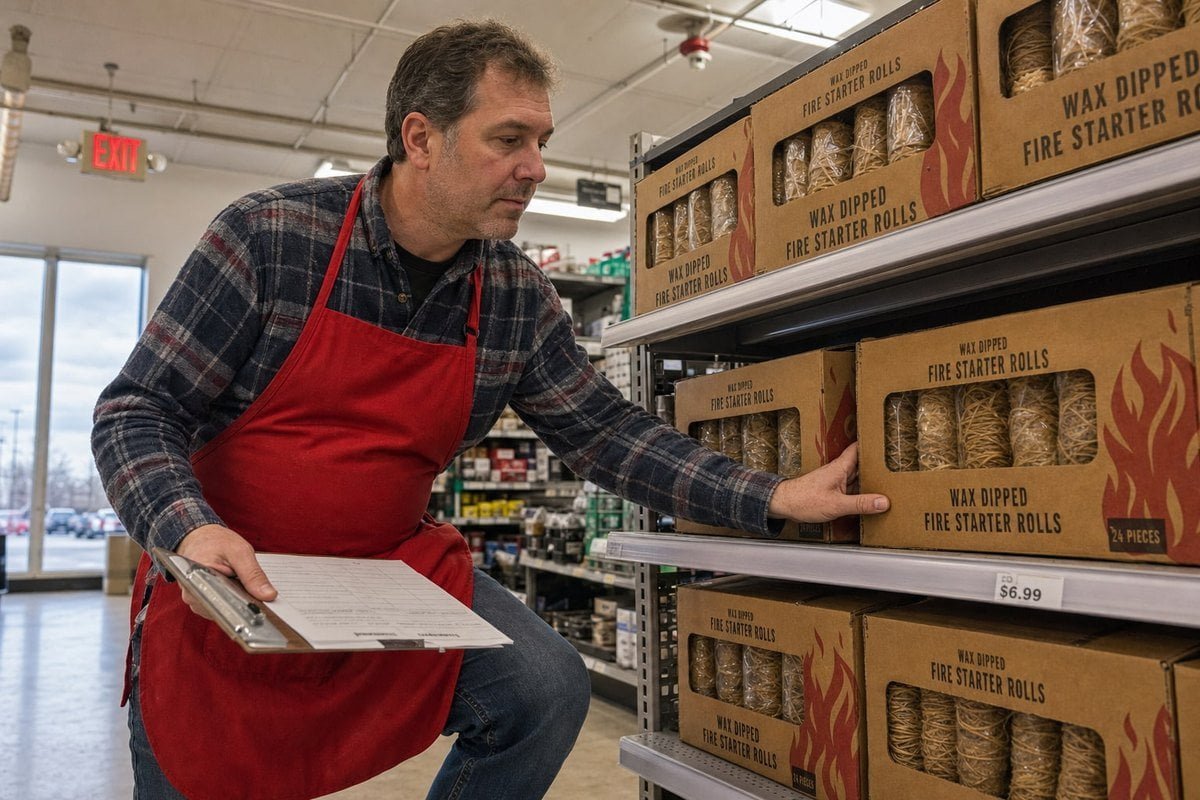
El cumplimiento de la colocación en estanterías para iniciadores de fuego de madera tropieza con más compradores que el precio. regulaciones de seguridad contra incendios 1. He visto cómo los envíos de nuestra fábrica pasaban todas las pruebas, y luego se detenían en la auditoría de merchandising de un minorista.
Para confirmar el cumplimiento de la colocación en estanterías de iniciadores de fuego de madera, verifique las certificaciones del producto y los informes de prueba, revise el embalaje y las etiquetas de advertencia según los estándares minoristas, solicite la documentación completa a su fabricante, mantenga las exhibiciones libres de salidas y zonas de rociadores, y audite la consistencia del lote con fotos y registros.
Esa respuesta cubre lo esencial. Ahora déjeme guiarle a través de cada paso en detalle, basándome en lo que realmente sucede cuando nuestros iniciadores de fuego llegan a las estanterías en EE. UU. y Europa.
¿Qué certificaciones necesito verificar antes de colocar iniciadores de fuego de madera en los estantes de las tiendas?
Hace unos años, uno de nuestros distribuidores alemanes casi pierde una cotización porque un inspector de códigos de incendios solicitó informes SGS que el proveedor anterior nunca tuvo. Esa llamada cambió la forma en que documentamos todo.
Antes de la colocación en el estante, verifique que el fabricante posea la certificación ISO 9001, BSCI y CE, además de informes de prueba recientes de SGS o Intertek. Confirme la clasificación del producto según los requisitos de almacenamiento de sólidos inflamables, y verifique las regulaciones locales de seguridad contra incendios y cualquier mandato de cumplimiento específico del minorista para mercancías combustibles.

Las certificaciones son la base de toda colocación conforme en estanterías. Sin ellas, ninguna medida o planograma importa, porque el producto no debería estar en la estantería en absoluto. En nuestros más de 17 años exportando rollos de madera encerados y cubos iniciadores de fuego a más de 30 países, hemos aprendido que los equipos de abastecimiento minorista revisan el papeleo antes de revisar el producto.
La pila central de certificaciones
Los diferentes documentos responden a diferentes preguntas. Así es como se lo explico a los nuevos compradores:
| Certificación / Informe | Lo Que Demuestra | Quién lo pide |
|---|---|---|
| ISO 9001 2 | Sistema de gestión de calidad consistente | Importadores, grandes minoristas |
| BSCI 3 | Auditoría de fabricación ética y social | Cadenas minoristas europeas |
| Marcado CE 4 | Conformidad para el mercado europeo. | Distribuidores de la UE, aduanas |
| Informes SGS / Intertek | Pruebas de seguridad y materiales de terceros | Bomberos, aseguradoras, compradores |
Por qué la clasificación importa
Los iniciadores de fuego de madera no se regulan de la misma manera en todas partes. Algunas jurisdicciones los tratan como mercancía combustible general. Otras aplican reglas más estrictas, similares a los artículos pirotécnicos, con límites en la cantidad y el formato de exhibición. Sólidos inflamables 5 Los requisitos de almacenamiento también pueden aplicarse al stock de reserva, no solo al piso de ventas. Por lo tanto, necesita dos verificaciones: las certificaciones a nivel de producto mencionadas anteriormente y la clasificación local que rige dónde y cómo se coloca el artículo en la estantería. Pregunte a su bombero local o consultor de códigos qué categoría se aplica. Luego, solicite a su proveedor los informes de prueba que coincidan con esa categoría. Cuando ambos coinciden, la conversación sobre la colocación en estanterías se vuelve simple.
¿Cómo puedo confirmar que el embalaje y las etiquetas de advertencia cumplen con los estándares de cumplimiento minorista?
Existe una compensación que sopesamos en cada pedido OEM: la marca minorista audaz frente al espacio de advertencia obligatorio. Nuestro equipo de empaque bloquea primero las zonas de advertencia y luego diseña alrededor de ellas.
Confirme que el embalaje muestra las advertencias de peligro requeridas, las notificaciones de mantener alejado de los niños, las instrucciones de uso y los detalles de composición, como el contenido de fibra de madera y parafina. Verifique los mandatos regionales como las etiquetas de la Proposición 65 de California, verifique la precisión del código de barras y asegure un embalaje cerrado listo para la venta que proteja el contenido de las fuentes de ignición.

El empaque es donde el cumplimiento de la colocación en estanterías se vuelve visible tanto para los inspectores como para los compradores. Una auditoría de merchandising marcará una etiqueta de advertencia faltante más rápido que casi cualquier otro problema, porque se encuentra justo en el borde de la estantería donde todos pueden verla.
La lista de verificación de etiquetas que incorporamos en cada ejecución de marca privada
Cuando producimos cajas personalizadas para nuestros compradores, seguimos una secuencia fija:
- Confirmar el mercado de destino y su idioma de advertencia obligatorio.
- Agregar divulgación de composición, como virutas de madera comprimida y cera de parafina.
- Colocar advertencias de peligro de incendio y seguridad infantil en el tamaño y posición requeridos.
- Añadir Proposición 65 de California 6 texto para productos destinados a EE. UU. donde se aplican advertencias de hollín y combustión.
- Imprimir y verificar códigos de barras contra el sistema del minorista antes de la producción en masa.
- Fotografiar la obra de arte aprobada y bloquearla como referencia de cumplimiento.
Embalaje cerrado versus exhibición abierta
La guía minorista para productos combustibles y tipo pirotécnico favorece el embalaje de transporte cerrado hasta la venta, o un formato de exhibición controlado en el piso. Incluso donde los iniciadores de fuego de madera no se clasifican como pirotécnicos, las aseguradoras y los minoristas a menudo aplican la misma lógica. Una caja sellada de 100 cubos iniciadores de fuego es más segura en una estantería que el producto suelto en un contenedor abierto. Limita la exposición al combustible, reduce los daños y mantiene las etiquetas de advertencia adheridas a cada unidad. Es por eso que nuestro embalaje de exhibición está diseñado para funcionar tanto como embalaje de envío como expositor en el punto de venta, por lo que el producto permanece cerrado desde el contenedor hasta el checkout.
¿Qué documentación debo solicitar a mi fabricante para demostrar que está listo para la venta?
Un comprador de EE. UU. me envió una sola pregunta antes de su primer pedido de prueba: "¿Pueden enviar todo el rastro de papel hoy?" Pudimos, y esa rapidez nos ganó la cuenta.
Solicitar copias de certificación, informes de pruebas de terceros, hojas de datos de seguridad, registros de calidad de lotes, aprobaciones de arte de embalaje, verificación de códigos de barras y un informe de auditoría de fábrica. Agregue especificaciones de envío y paletización más pruebas de etiquetas, para que cada decisión de colocación en el estante esté respaldada por evidencia escrita y fechada.
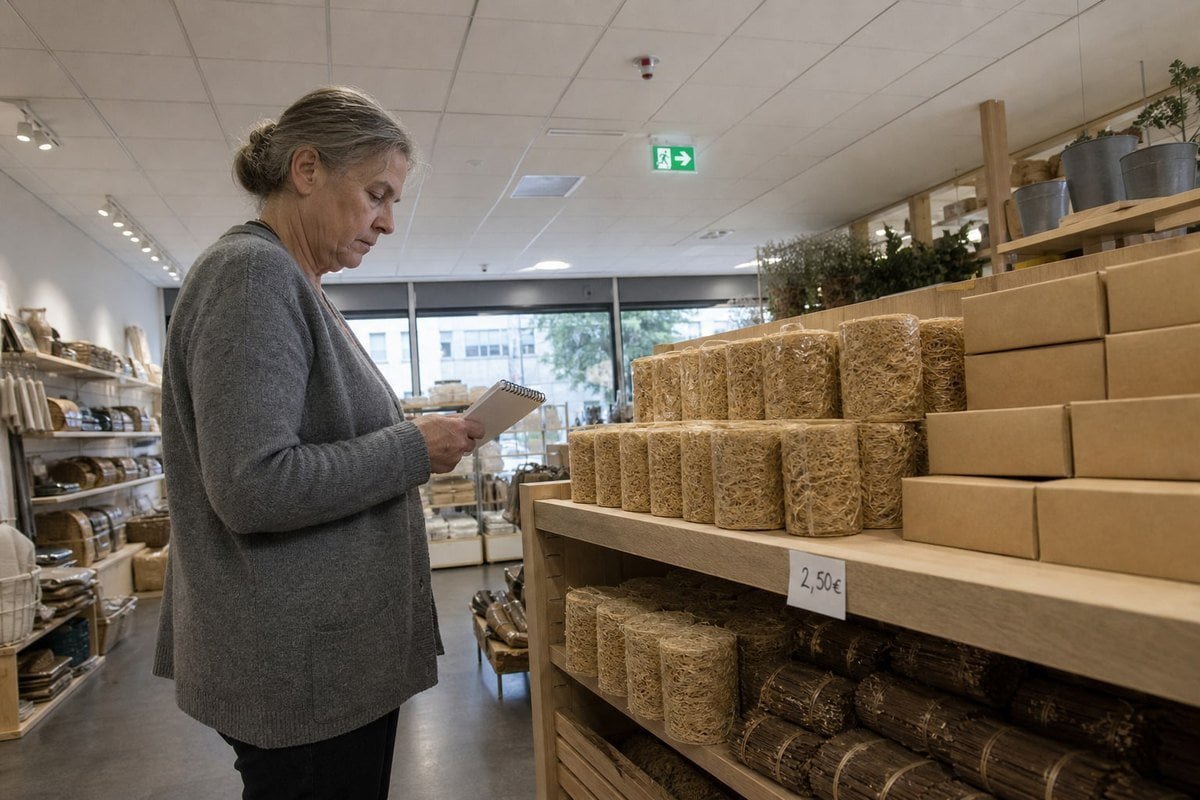
La documentación es su prueba de que está listo para la estantería. Cuando un bombero, una aseguradora o un equipo de cumplimiento minorista hacen preguntas, no puede responder con promesas. Responde con archivos. En nuestra experiencia exportando a mercados como EE. UU., Alemania y el Reino Unido, los compradores que mantienen un paquete de documentos completo superan las auditorías de merchandising y las inspecciones de tiendas mucho más rápido que aquellos que se apresuran después.
El paquete de documentos completo
Aquí está el conjunto que preparamos para cada pedido B2B, y lo que demuestra cada artículo:
| Documento | Propósito | Frecuencia de actualización |
|---|---|---|
| Certificados ISO 9001 / BSCI | Sistema y ética de fábrica | Anualmente |
| informes de prueba SGS o Intertek | Seguridad y materiales del producto | Por producto o cambio importante |
| Hoja de datos de seguridad 7 | Guía de manipulación y almacenamiento | Por formulación |
| Registros de control de calidad del lote | Prueba de consistencia por envío | Cada lote |
| Aprobaciones de etiquetas y arte | Cumplimiento de advertencias y códigos de barras | Por versión de diseño |
| Especificaciones de paletización y embalaje | Cumplimiento de la logística del minorista | Programa por minorista |
Por qué el rastro documental apoya la colocación física
El cumplimiento de la colocación en el estante no se trata solo de dónde se encuentra la caja. Los equipos de representantes de marketing de campo y los gerentes de tienda utilizan estos documentos para justificar la ubicación de la exhibición, la cantidad en el estante y el formato del empaque. Si un inspector cuestiona si una exhibición de iniciadores de fuego cerca del pasillo de la chimenea es aceptable, la hoja de datos de seguridad y los informes de prueba responden a la pregunta de clasificación en el acto. También pida a su fabricante fotos de referencia del empaque listo para el minorista aprobado. Esas imágenes se convierten en su referencia maestra para las herramientas de reconocimiento de imágenes minoristas y las auditorías manuales posteriores. Un archivo de foto fechado puede resolver una disputa que los correos electrónicos nunca podrán.
¿Cómo garantizo que la coherencia de lote a lote se mantenga conforme en las ubicaciones de las tiendas minoristas?
En nuestra línea de producción de Ningbo, extraemos muestras de cada lote de inmersión en cera y las probamos contra la muestra maestra retenida. Ese hábito existe porque un lote que se desvía puede deshacer cien buenos.
Asegure la consistencia exigiendo controles de calidad de lotes documentados a su fabricante, conservando muestras de referencia, auditando tiendas con verificaciones de cumplimiento de planogramas y utilizando software de ejecución minorista o reconocimiento de imágenes para comparar estantes con el diseño maestro. Registre el tiempo de uso, el tamaño y el embalaje en cada envío.
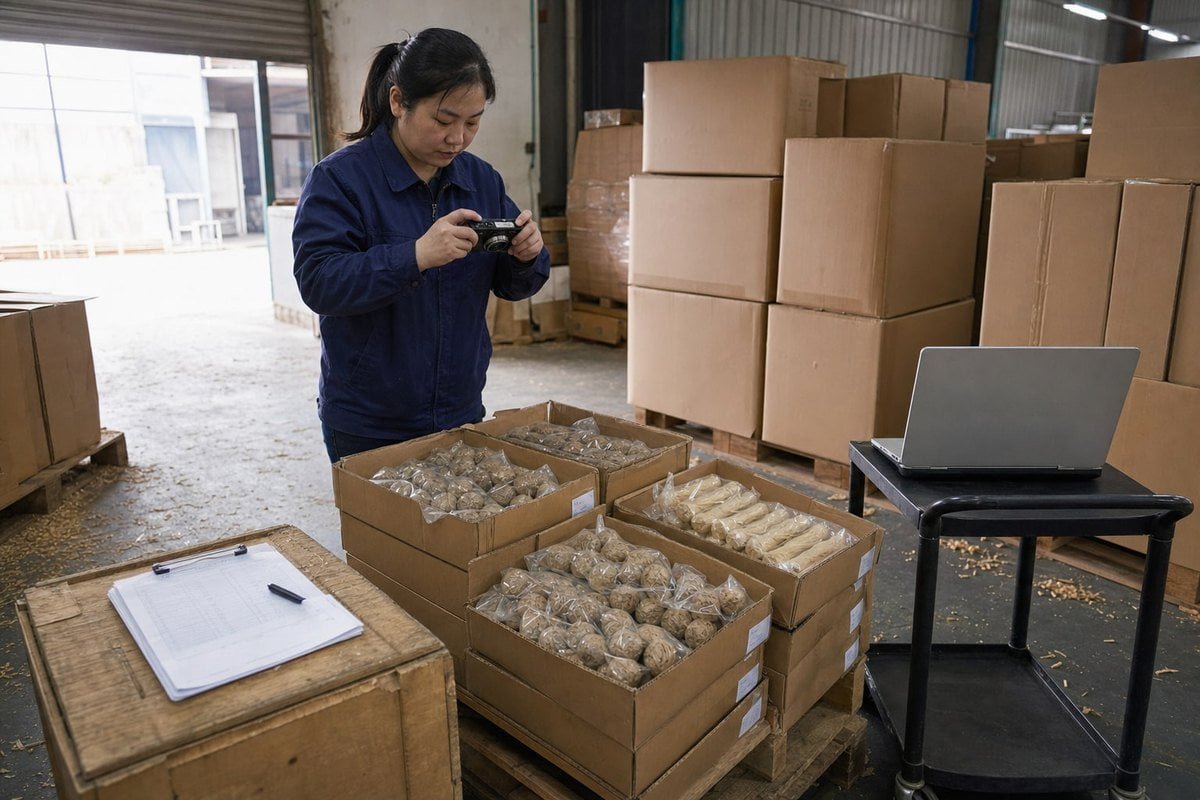
La consistencia es donde el cumplimiento se mantiene o colapsa silenciosamente. Un producto certificado en enero aún debe coincidir con sus informes de prueba en octubre. Si el tiempo de combustión se desvía, si el contenido de cera cambia o si la impresión del empaque se desvanece, la colocación en el estante que pasó la inspección ya no coincide con la especificación aprobada.
Controles del lado de la fábrica
El control de lotes comienza en la producción, no en la tienda. Nuestras líneas registran los lotes de materias primas, la temperatura de la cera, la densidad del rollo y el peso terminado para cada lote de iniciadores de fuego de madera. Retenemos una muestra de oro de cada lote aprobado. Cuando se envía un nuevo lote, se compara con esa muestra en cuanto a tamaño, textura, comportamiento de ignición y duración de la combustión. Este es el significado práctico de "la primera muestra refleja la producción en masa". Pida a su proveedor que le muestre este proceso antes de comprometerse con un programa. Una fábrica que no puede mostrar registros de lotes no puede garantizar el cumplimiento del estante dentro de seis meses.
Auditorías del lado de la tienda
En el piso de ventas minoristas, la consistencia se verifica con una combinación de tecnología y trabajo de campo:
| Método de auditoría | Lo que atrapa | Mejor frecuencia |
|---|---|---|
| Verificaciones de cumplimiento del planograma a través de software de ejecución minorista | Posición incorrecta en el estante, faltan caras | Semanal |
| Comparación de fotos de reconocimiento de imágenes minoristas | Desplazamiento de SKU, desviación del empaque | Por visita del representante |
| Lista de verificación manual del representante de marketing de campo | Visibilidad de la etiqueta, espacio libre de salida, exceso de existencias | Mensual |
| Revisión de la colocación en el pasillo de temporada | Producto dejado en la zona de temporada incorrecta | Cada cambio de temporada |
Colocaciones de temporada y secundarias
Los iniciadores de fuego se mueven por la tienda. En verano se colocan cerca del equipo de parrilla; en invierno se trasladan a los pasillos de chimeneas y hogares. Cada movimiento de colocación en el pasillo de temporada es un nuevo momento de cumplimiento. Las estrategias de, como tiras de clip cerca de paquetes de leña o exhibidores de s'mores, crean colocaciones secundarias que también deben auditarse en cuanto a espacio libre de salida, distancia de rociadores y cantidad de existencias. Mantenga las cantidades de exhibición modestas y almacene el resto en un almacenamiento aprobado. Un estante ordenado con una carga de combustible limitada pasa las inspecciones; un exhibidor sobrecargado invita a preguntas.
Conclusión
El cumplimiento de la colocación en el estante para iniciadores de fuego de madera se basa en cuatro pilares: certificaciones verificadas, empaque conforme, documentación completa y consistencia de lotes auditada. Si los maneja correctamente, cada estante minorista se mantendrá seguro, legal y vendible.
Notas al pie
La Asociación Nacional de Protección contra Incendios es la fuente autorizada de los estándares de cumplimiento del código contra incendios. ↩︎
Referencia oficial del estándar ISO para la certificación de gestión de calidad discutida. ↩︎
Organismo oficial que supervisa el estándar de auditoría de fabricación ética BSCI mencionado. ↩︎
Explicación de fondo del requisito de marcado de conformidad europeo al que se hace referencia. ↩︎
Recurso de comunicación de peligros de OSHA relevante para la clasificación y almacenamiento de sólidos inflamables. ↩︎
Sitio estatal oficial que explica el requisito de etiqueta de advertencia obligatoria citado. ↩︎
Resumen de Wikipedia del tipo de documento requerido en el paquete de documentación del fabricante. ↩︎



 English
  Spanish
  German
  French
  Arabic
  Portuguese
Únete a la conversación