






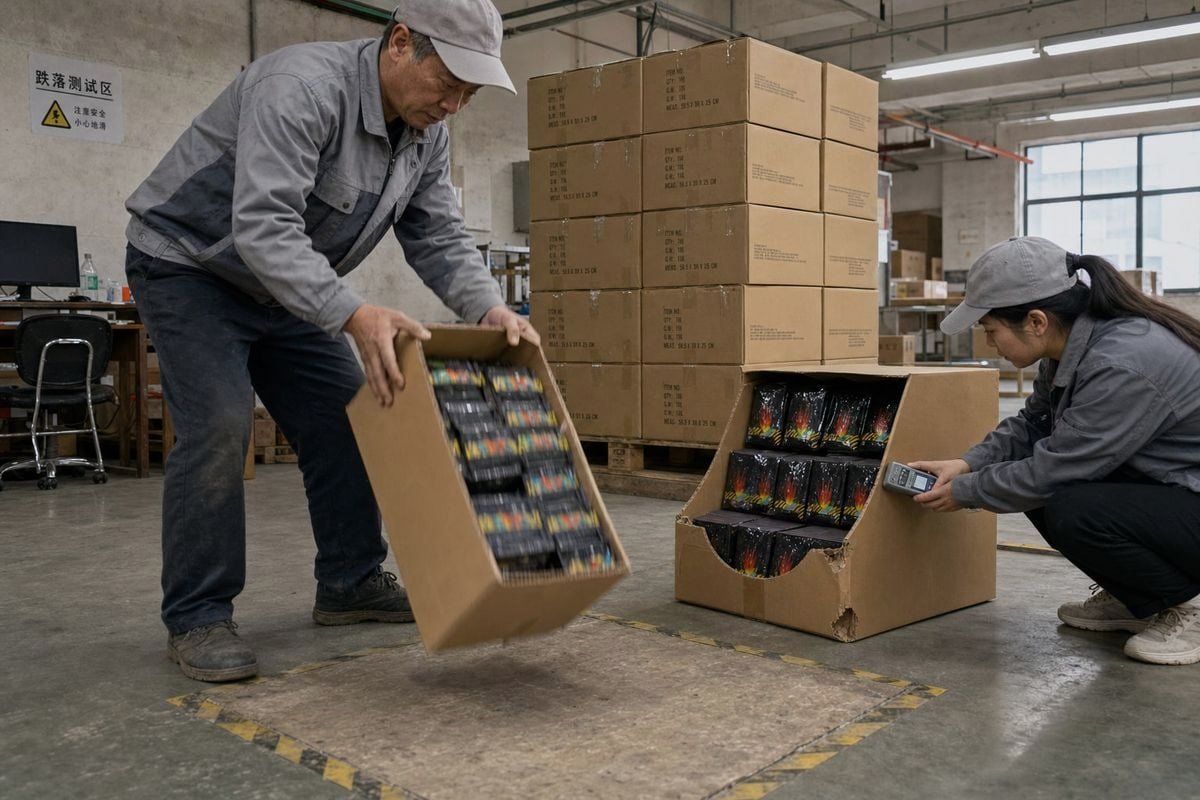
Elegir el embalaje exterior para la exhibición minorista de polvo mágico de fuego es donde muchos compradores tropiezan. En nuestra línea de producción en Ningbo, vemos los mismos errores costosos repetidos cada temporada.
Elija una caja expositora minorista o bandeja de mostrador de cartón corrugado o cartón grueso para polvo mágico de fuego. Priorice la resistencia a la compresión, la protección contra la humedad, la marca frontal, el espacio para códigos de barras y etiquetas de advertencia, y las características de fácil apertura para reabastecimiento. Siempre valide la estructura con pruebas de caída y humedad antes de la producción en masa.
Esa es la respuesta corta. A continuación, desgloso cada punto de decisión para que pueda informar a su proveedor con confianza y evitar embalajes que fallen en el estante.
¿Qué formatos de empaque funcionan mejor para el polvo mágico de fuego en los estantes minoristas?
Un comprador de Alemania nos envió una vez fotos de la caja de exhibición de un competidor que se derrumbaba en el estante de una ferretería. Esa única imagen dio forma a cómo nuestro equipo diseña cada formato minorista que enviamos hoy.
Los mejores formatos de venta al por menor para el polvo de fuego mágico son las cajas expositoras de mostrador que contienen sobres de papel de aluminio de un solo uso, las bandejas corrugadas para estantes para multipacks y los embalajes listos para la venta al por menor para cadenas de tiendas. Adapte el formato a su canal de venta: los expositores de impulso favorecen los sobres, mientras que los canales de venta al por mayor favorecen las bolsas resellables.
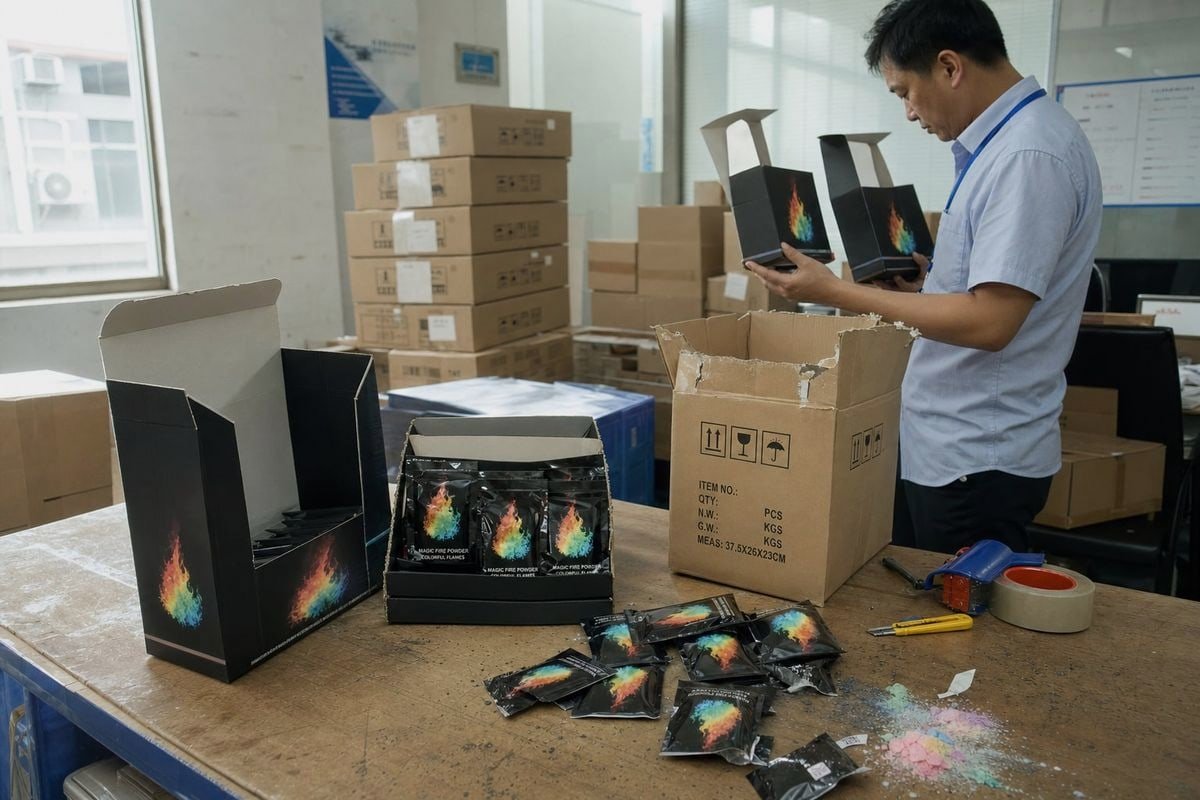
La elección del formato debe comenzar por dónde se vende el producto, no por lo que se ve más bonito en una maqueta. En nuestros más de 17 años suministrando marcas de exteriores y chimeneas en EE. UU. y Europa, hemos enviado paquetes de llama de colores en bolsas de plástico, bolsas de pie de kraft 1, y frascos de plástico. Cada formato interior exige un embalaje exterior diferente.
Adapte el formato al canal de ventas
Así es como solemos plantear la decisión con los compradores:
| Formato exterior | Mejor para | Fortalezas | Tenga cuidado con |
|---|---|---|---|
| Caja de exhibición de mostrador (con tapa abatible) | Ventas impulsivas en caja | Alta visibilidad, pequeña huella | Necesita cartón rígido para mantenerse ordenado |
| Bandeja de estante corrugado | Estantes de supermercados y ferreterías | Reposición rápida, apilable | El panel frontal debe soportar el manejo |
| Envase listo para la venta (SRP) | Cadenas de grandes almacenes | Se envía y se exhibe en una sola unidad | Se aplican especificaciones específicas del minorista |
| Cartón con ventana | Canales de regalos premium | Muestra el producto | La película de la ventana debe sellar herméticamente |
| Cartón maestro liso + bolsa | Comercio electrónico a granel | Costo más bajo | Cero presencia en el estante |
Jerarquiza tus formatos por canal
A menudo recomendamos un enfoque escalonado. Los sobres de un solo uso en una exhibición de mostrador abatible funcionan para estantes de impulso cerca de la caja registradora. Las bolsas resellables de kraft o plástico en una bandeja de estante son adecuadas para los pasillos de acampada y barbacoa. Para grandes cadenas como las que suministramos a Home Depot, un envase corrugado listo para la venta 2 reduce la mano de obra de la tienda porque el personal simplemente rasga la parte superior y la desliza en el estante.
Un punto práctico más. Una caja de exhibición que contiene de 20 a 50 sobres se comporta de manera muy diferente a una que contiene seis frascos. El peso por unidad determina el grado del cartón, la profundidad de la bandeja y la resistencia al apilamiento. Decide tu cantidad de empaque antes de aprobar cualquier troquel.
¿Cómo garantizo que mi embalaje cumpla con los requisitos de etiquetado de seguridad y cumplimiento?
El papeleo de cumplimiento es generalmente lo primero que nos preguntan los compradores serios, a menudo antes del precio. Para productos relacionados con el fuego, una etiqueta de advertencia faltante puede detener un contenedor en la aduana o provocar el rechazo de un minorista.
Asegure el cumplimiento reservando espacio en la etiqueta para advertencias específicas del mercado, información sobre ingredientes, instrucciones de uso y códigos de barras antes de finalizar el troquelado. Solicite la marca CE, los informes de prueba de SGS o Intertek a su proveedor y prepare versiones de etiquetas separadas para los requisitos de REACH de la UE y CPSC de EE. UU.
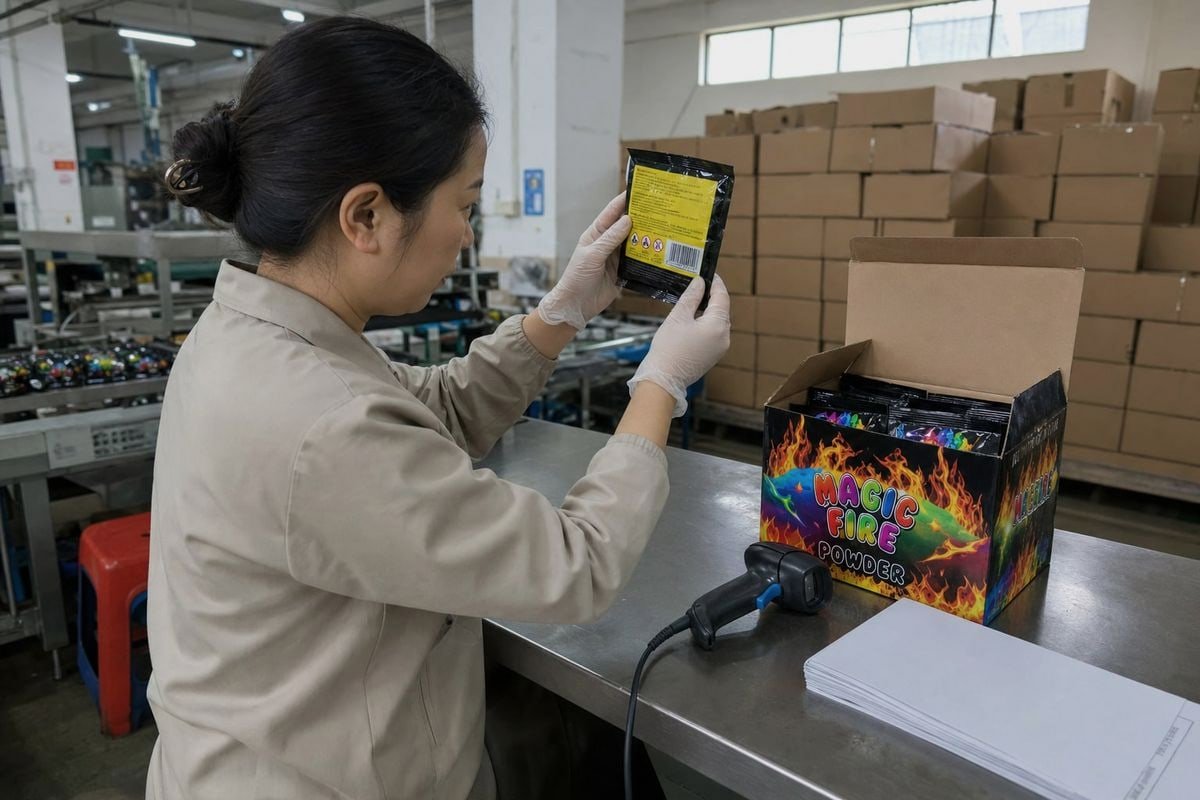
Las fallas en el etiquetado rara vez son fallas de diseño. Son fallas de planificación. En nuestra experiencia exportando a más de 30 países, los proyectos de embalaje que van bien son aquellos en los que el diseño de la etiqueta se fija antes de la etapa de arte, no se aprieta después.
Planifica las zonas de etiquetas con anticipación
Cada embalaje exterior para polvo mágico de fuego debe reservar zonas claras para estos elementos:
- Nombre del producto y marca en el panel frontal.
- Instrucciones de uso en el idioma del mercado de destino.
- Advertencias de seguridad, generalmente en una banda de alto contraste. Nuestros propios sobres llevan una tira de advertencia amarilla por esta misma razón.
- Código de barras o UPC en una superficie plana y escaneable, nunca sobre un pliegue o un crimpado.
- Área de código de lote para trazabilidad, que la mayoría de los importadores de la UE ahora requieren.
Conoce las diferencias de tu mercado
Los requisitos no son universales. La misma caja de exhibición que producimos para un distribuidor francés lleva un texto obligatorio diferente al de la versión que va a un mayorista estadounidense. Producimos rutinariamente múltiples versiones de etiquetas en una estructura de embalaje, porque reimprimir etiquetas es mucho más barato que rediseñar una caja.
| Mercado | Enfoque clave de cumplimiento | Impacto práctico en el embalaje |
|---|---|---|
| UE (Alemania, Francia, Países Bajos) | REACH, CE, advertencias en idioma local | Paneles multilingües, espacio para marca CE |
| EE. UU. / Canadá | Expectativas de la CPSC, advertencias claras en inglés | Texto de precaución destacado, estándares UPC |
| Reino Unido | Consideraciones de transición de UKCA | Marcado separado de las versiones de la UE |
| Oriente Medio | Documentación de importación, etiquetado en árabe | Archivos de impresión bilingües |
Pida a su proveedor informes de prueba reales, no solo afirmaciones. Mantenemos ISO 9001, BSCI, CE, y Certificación SGS/Intertek 3 precisamente porque nuestros compradores tratan la documentación como un requisito estricto. Si una fábrica no puede producir informes a petición, váyase. También vale la pena añadir un código QR que enlace a un vídeo de demostración de seguridad: reduce las cuestiones de responsabilidad y genera confianza en el comprador en el estante.
¿Puedo personalizar el diseño del embalaje y la marca de mis productos de marca privada?
Proyectos de marca blanca 4 constituyen una gran parte de lo que sale de nuestra fábrica. El año pasado, una marca británica de camping vino a nosotros con solo un archivo de logotipo y se fue con un programa completo listo para el estante.
Sí. Una fábrica OEM/ODM capaz puede personalizar completamente el embalaje de su polvo mágico de fuego: arte de sobre, formatos de bolsa o frasco, estructura de caja expositora, marca de marca blanca, etiquetas de advertencia, códigos de barras e insertos. Confirme el MOQ por diseño, método de impresión y plazo de entrega de muestras antes de comprometerse.
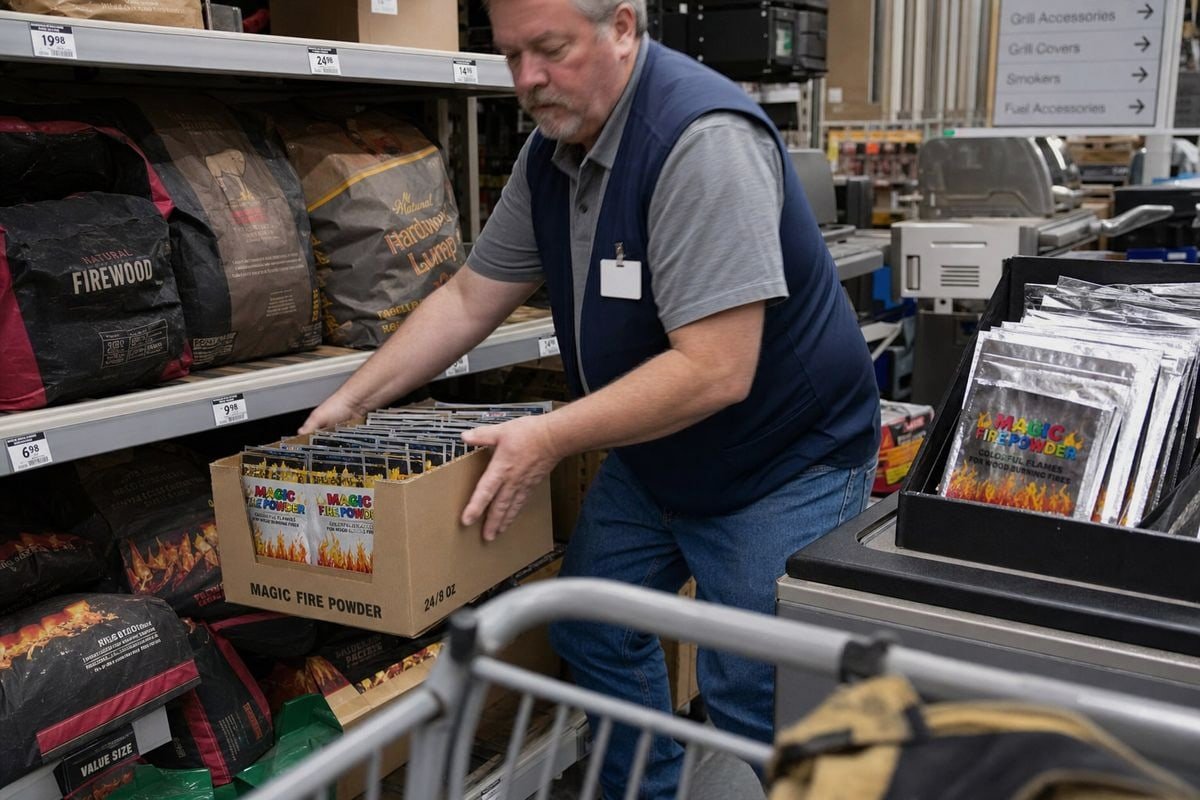
La personalización es donde una fábrica real se diferencia de una empresa comercial. Como operamos líneas de producción completas internamente, controlamos la impresión de la película de sobre, el sellado de la bolsa y la conversión de la caja expositora como un solo flujo de trabajo. Eso es importante porque los colores de su marca deben coincidir en el sobre metálico, la bolsa de papel kraft y la bandeja de cartón corrugado, y la deriva de color entre proveedores es un dolor de cabeza común en la marca blanca.
Lo que puedes personalizar típicamente
- Formato interior: sobre metálico, bolsa vertical de papel kraft o frasco de plástico.
- Formato exterior: caja expositora abatible, bandeja de estante o embalaje de envío listo para la venta.
- Arte: impresión a superficie completa, desde letras estilo grafiti hasta looks minimalistas premium.
- Detalles funcionales: tiempo de combustión por sobre, tamaño del sobre, unidades por expositor.
- Elementos de cumplimiento: sus códigos de barras, el texto de advertencia de su mercado, sus códigos QR.
Diseña para el estante, no para la pantalla
Un diseño que se ve impresionante en un monitor puede desaparecer a tres metros. Aconsejamos a los compradores que prueben el arte a la distancia real del estante. La tipografía audaz, un fondo de alto contraste y gráficos de llamas que previsualizan los colores reales (verde, azul, morado, naranja) venden el efecto al instante. Nuestros diseños de mejor rendimiento utilizan un fondo negro mate con letras degradadas de arcoíris, porque el contraste se lee rápido incluso en un pasillo abarrotado.
Una advertencia práctica de la experiencia: solicite siempre una muestra física de preproducción, no solo una prueba digital. Los sobres metálicos y las bolsas de papel kraft reproducen el color de manera diferente al cartón estucado. Integramos este paso de muestreo en cada proyecto OEM porque la primera muestra debe predecir de manera confiable la calidad de la producción en masa. Si su proveedor se resiste al muestreo, eso le dice algo.
¿Qué Materiales de Empaque Protegen Mejor el Polvo Mágico de Fuego Durante el Envío y Almacenamiento?
La humedad es el asesino silencioso de los productos de llama de color. Al principio de nuestra historia de exportación, aprendimos esto de la manera difícil cuando un envío que cruzaba a un mercado tropical llegó con gránulos apelmazados; las llamas aún funcionaban, pero la presentación minorista se vio afectada.
Utilice sobres de papel de aluminio termosellados o bolsas herméticas como barrera contra la humedad, luego cartón corrugado para resistencia al aplastamiento durante el envío. Elija cartón corrugado B-flute o E-flute para unidades de exhibición, agregue un recubrimiento resistente a la humedad en mercados húmedos y confirme el rendimiento con pruebas de caída y humedad.

El sistema de protección tiene dos capas, y cada capa hace un trabajo diferente. El embalaje interior mantiene la humedad fuera. El embalaje exterior mantiene las fuerzas de aplastamiento fuera. Confundir los dos roles conduce a un embalaje demasiado construido y caro, o a un embalaje insuficiente que falla en el transporte.
Capa uno: la barrera contra la humedad
El polvo mágico de fuego es un producto de gránulos cristalinos. Si absorbe humedad, se apelmaza y puede perder atractivo visual antes del primer uso. Nuestros sobres sellados con calor sobres metálicos 5 con bordes engarzados existen por esta razón. Para formatos de uso múltiple, una bolsa vertical resellable con una cremallera adecuada y una película barrera mantiene el producto restante seco entre fogatas.
Capa dos: la carcasa estructural
| Material | Rol | Mejor caso de uso |
|---|---|---|
| Película laminada metálica | Barrera contra la humedad y el aire | Sobres de un solo uso |
| Bolsa barrera de papel kraft | Protección resellable más atractivo ecológico | Paquetes minoristas de uso múltiple |
| Cartón corrugado E-flute | Impresión fina más resistencia al aplastamiento | Cajas expositoras de mostrador |
| Cartón corrugado B-flute | Mayor resistencia al apilamiento | Bandejas de estante y embalajes de envío |
| Cartón estucado | Superficie de impresión premium | Cajas ligeras con paquetes interiores sellados |
Prueba antes de escalar
No asuma que ningún material funciona hasta que sobreviva a las condiciones reales. Recomendamos tres comprobaciones antes de la producción en masa: una prueba de caída 6 desde la altura del estante, una prueba de apilamiento que simula un palé cargado y una prueba de exposición a la humedad que coincide con el clima de destino. Además, tenga cuidado con cartón reciclado 7 — puede ser una excelente opción, pero su resistencia varía, por lo que debe pasar las mismas pruebas, no obtener una exención por ser ecológico. Materiales corrugados y kraft reciclables siguen siendo nuestra recomendación predeterminada porque equilibran la sostenibilidad con un rendimiento protector genuino, y se alinean con lo que los minoristas europeos esperan ahora.
Conclusión
Un embalaje débil mata silenciosamente a los buenos productos en el estante. Adapte el formato al canal, planifique las etiquetas de cumplimiento con anticipación, personalice para su marca, proteja contra la humedad y los aplastamientos, y luego pruebe todo antes de escalar.
Notas al pie
Antecedentes sobre los formatos de embalaje flexible utilizados para los paquetes interiores de polvo mágico de fuego. ↩︎
FEFCO define los estándares de embalaje corrugado relevantes para el diseño y la construcción de embalajes listos para la venta al por menor. ↩︎
Organismo oficial de pruebas y certificación al que se hace referencia para la verificación del cumplimiento. ↩︎
Concepto de antecedentes que explica la fabricación de marca privada a la que se hace referencia en el artículo. ↩︎
Explica el material de papel de aluminio utilizado para los sobres de barrera contra la humedad. ↩︎
ASTM establece métodos de prueba de embalaje estándar como las pruebas de caída y humedad descritas. ↩︎
La guía de la EPA sobre materiales reciclados apoya la discusión sobre sostenibilidad y resistencia. ↩︎


 English
  Spanish
  German
  French
  Arabic
  Portuguese
Únete a la conversación