






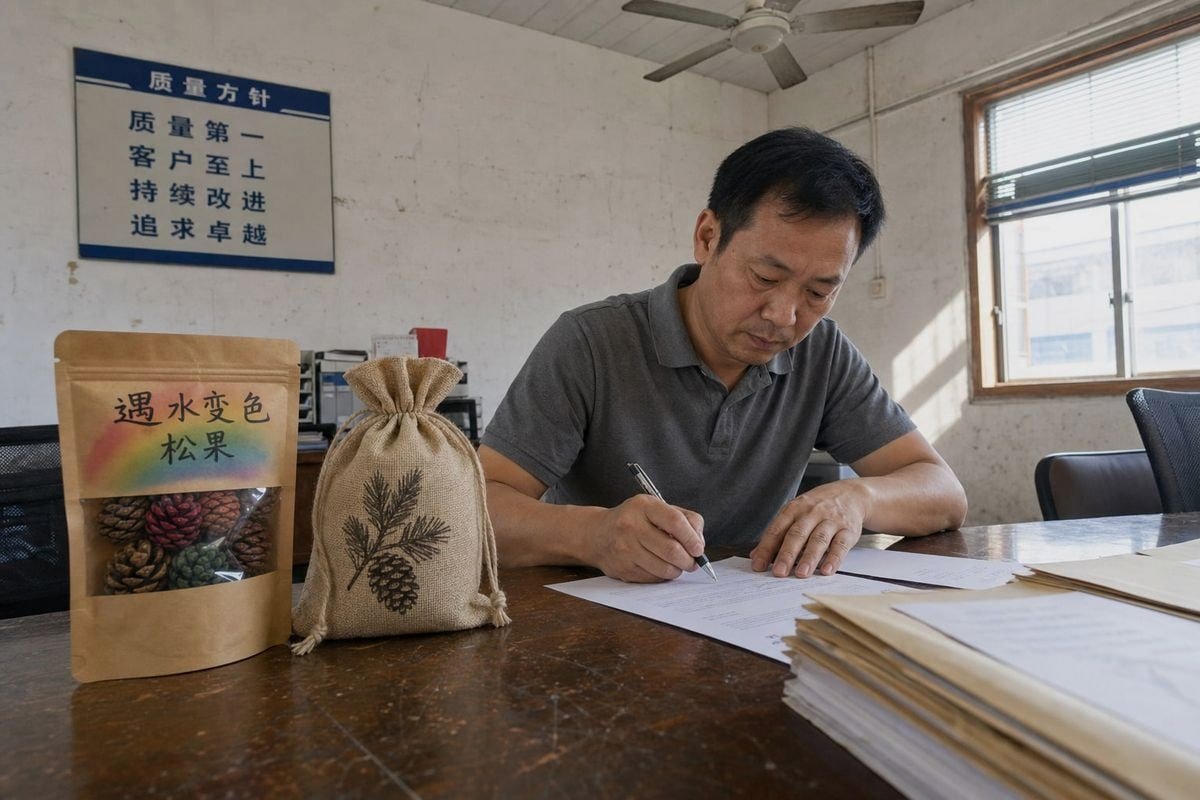
La infracción de derechos de autor en el embalaje festivo de piñas puede arruinar rápidamente una temporada navideña. En nuestras líneas de producción en Ningbo, hemos visto a compradores aprender esto de la manera difícil con retiros y reimpresiones.
Para evitar la infracción de derechos de autor en el embalaje festivo de piñas, verifique que su proveedor posea o licencie cada elemento de diseño, exija garantías escritas y cláusulas de indemnización, realice verificaciones de marcas registradas y similitud visual antes de la producción, y conserve documentación fechada que demuestre la originalidad y la cadena de título de todas las obras de arte.
Esa es la respuesta corta. El resto de este artículo lo desglosa en pasos prácticos que puede aplicar a su próximo pedido.
¿Qué documentación debo solicitar para verificar que los derechos de diseño de mi proveedor son legítimos?
Un comprador en Alemania nos pidió una vez los archivos fuente del arte de nuestra bolsa de piñas de llama de color. Los teníamos listos en un día. Muchos proveedores no pueden hacer eso, y eso importa.
Solicitar archivos fuente originales, contratos de artista o acuerdos de trabajo por encargo, recibos de licencia de imágenes de stock, licencias de fuentes, una declaración escrita de originalidad y una garantía firmada de que el embalaje no infringe los derechos de propiedad intelectual de terceros. Un proveedor que posea el diseño puede producir todo esto rápidamente.
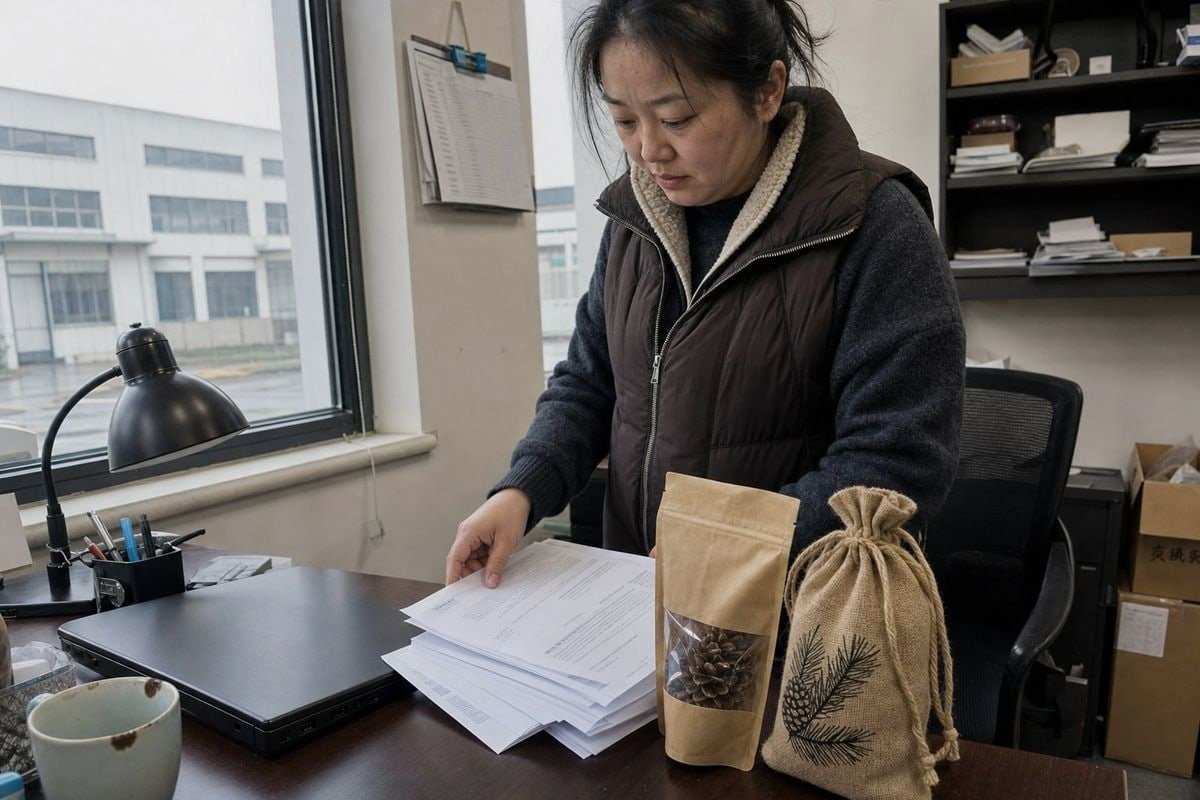
El embalaje nunca es "de uso gratuito" solo porque un proveedor se lo entrega. Si el proveedor no tiene los derechos, aún puede enfrentar una reclamación de infracción como importador o vendedor. Guía del gobierno del Reino Unido 1 es contundente en este punto: usar la marca comercial, los derechos de autor o el diseño de otra persona sin permiso es una infracción de propiedad intelectual y puede dar lugar a una multa, prisión o ambas cosas. Es por eso que la documentación es su primera línea de defensa.
Los documentos centrales a exigir
En nuestra experiencia exportando productos de fuego de marca privada a más de 30 países, los compradores serios solicitan un conjunto de documentos coherente. Aquí está cómo se ve ese conjunto:
| Documento | Lo Que Demuestra | Señal de alerta si falta |
|---|---|---|
| Archivos fuente editables (IA, PSD) | El proveedor creó o controla realmente el arte. | El proveedor solo tiene JPG planos sacados de algún lugar. |
| Contrato de artista o acuerdo de trabajo por encargo. | Cadena de título del diseñador al proveedor. | El freelancer aún puede poseer el arte. |
| Recibos de licencia de stock. | Reutilización comercial legal de elementos de stock. | "Imágenes "libres de regalías" utilizadas fuera del alcance de la licencia. |
| Licencias de fuentes. | Derechos comerciales de tipografía. | Fuentes copiadas de sitios de descarga gratuita. |
| Garantía escrita de originalidad. | El proveedor acepta la responsabilidad legal | El proveedor se niega a firmar nada. |
Vigile la brecha de subcontratación.
Los proveedores a menudo subcontratan el arte a diseñadores externos. Si nunca obtuvieron una cesión por escrito de ese diseñador, la cadena de título está rota y el diseño "original" que le venden puede pertenecer legalmente a otra persona. Pregunte directamente: ¿quién dibujó esto y tiene su firma en una cesión? En nuestra fábrica, cada diseño personalizado que producimos para clientes OEM está cubierto por acuerdos de cesión internos, porque nuestros compradores nos auditan exactamente en este punto durante las revisiones de cumplimiento de la cadena de suministro.
Si un proveedor no puede producir esta documentación en unos pocos días hábiles, considere el embalaje de alto riesgo. Los titulares de derechos legítimos no necesitan semanas para encontrar sus propios contratos.
¿Cómo Puedo Saber Si el Diseño de un Empaque de Piña es Original o Copiado de Otra Marca?
Existe una compensación real que sopesamos con cada diseño de temporada: el embalaje festivo de piñas utiliza naturalmente texturas rústicas de kraft, paletas de rojo y verde, y acentos dorados, el mismo vocabulario que usa cada marca navideña.
Compara la impresión general, no elementos individuales. Los diseños copiados repiten la tipografía, la combinación de colores, la estructura del diseño y la disposición decorativa de un competidor en conjunto. Ejecuta búsquedas inversas de imágenes y herramientas de similitud visual de IA, consulta bases de datos de marcas registradas y desconfía de los diseños entregados inusualmente rápido.
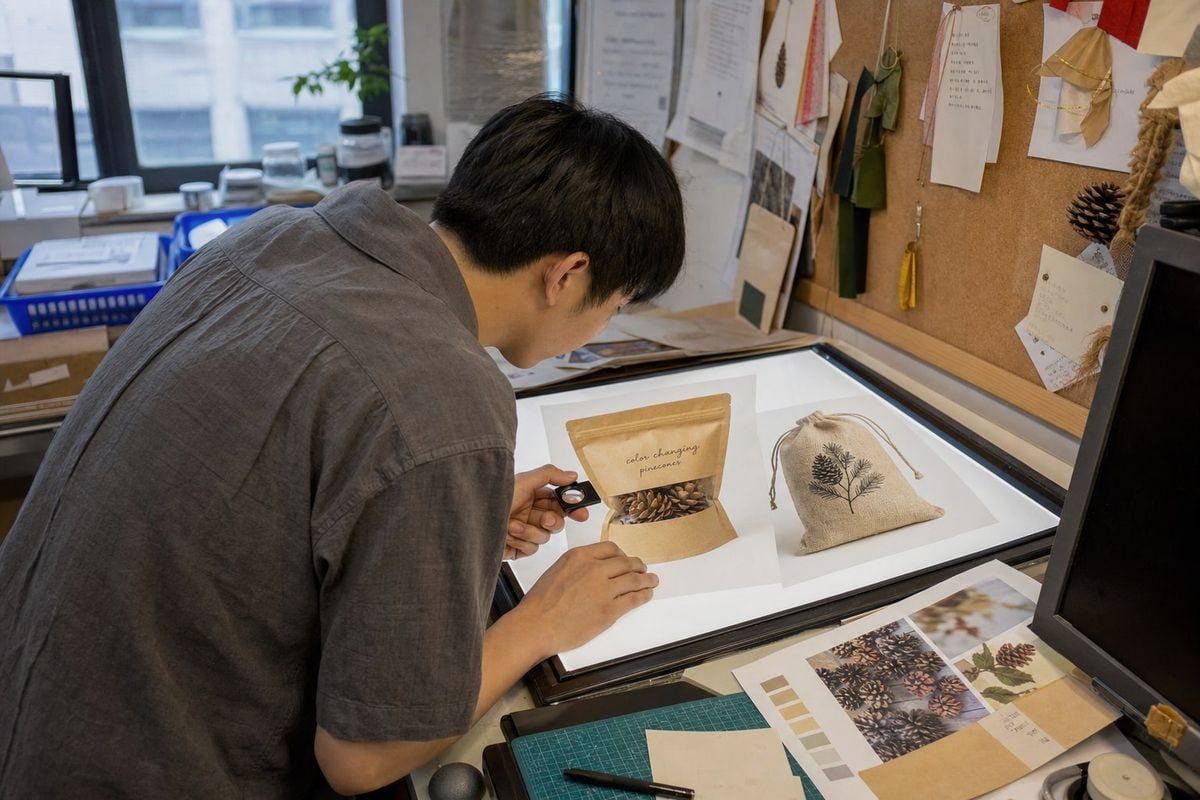
Embalaje de temporada 2 es una categoría de alto riesgo precisamente porque todos se basan en la misma fuente. Los productos de piñas se encuentran en el espacio de artesanía, decoración y regalos, donde los sacos rústicos de arpillera, las bolsas de pie de kraft y las fuentes escritas a mano están en todas partes. Los proveedores bajo presión de tiempo de temporada a menudo reutilizan plantillas o toman arte de imágenes de Internet. El resultado puede hacerse eco de la presencia en el estante de un líder del mercado sin que nadie lo pretenda.
Mire el todo, no las partes.
Los tribunales y los organismos de aplicación rara vez se centran en una sola imagen cambiada. Comparan la tipografía, la combinación de colores, los elementos gráficos y la composición general en conjunto. Un proveedor que cambió una ilustración pero mantuvo el diseño exacto, la combinación de fuentes y la colocación de láminas de un competidor no ha hecho que el diseño sea seguro. La protección de la apariencia distintiva cubre este "aspecto y sensación" incluso donde los derechos de autor son inciertos, porque el embalaje funciona como identificación de origen para los compradores.
Un proceso práctico de selección de originalidad.
- Ejecute cada ilustración clave a través de la búsqueda inversa de imágenes y herramientas de búsqueda visual impulsadas por IA antes de aprobar el arte.
- Realice una búsqueda básica de marcas comerciales en cualquier nombre de producto, eslogan o frase de temporada impresa en la bolsa o saco.
- Alinee el diseño propuesto junto a los cinco productos competidores principales en su canal y juzgue la impresión general honestamente.
- Pida al proveedor que le explique el historial de creación del diseño: los autores genuinos pueden explicar sus elecciones.
- Verifique si los elementos "decorativos" imitan accidentalmente marcas de certificación oficiales o símbolos regulados de la industria, lo que crea un problema de cumplimiento separado en productos naturales.
Sepa qué es seguro y qué es arriesgado.
La imaginería festiva genérica —un muñeco de nieve simple, una silueta estándar de reno— a menudo carece de la creatividad necesaria para la protección de los derechos de autor, y la imaginería de dominio público 3 es de uso gratuito. Pero la representación de esos motivos por parte de un artista específico está protegida. La línea es la expresión, no el tema. Cuando desarrollamos embalajes para nuestras piñas de llama de color, nuestro equipo de diseño documenta cada referencia para poder demostrar que nos basamos en la dirección del estilo, no en la caja de un competidor.
¿Qué cláusulas contractuales me protegen si mi proveedor utiliza obras de arte o marcas registradas infractoras?
Hace años, un distribuidor de EE. UU. agregó una cláusula de indemnización de propiedad intelectual 4 a nuestro acuerdo OEM, y cambió mi forma de pensar sobre los contratos. Las buenas cláusulas no solo trasladan la culpa, sino que obligan a la disciplina aguas arriba.
Su contrato debe incluir una cláusula de indemnización por infracción de PI, una garantía de originalidad y no infracción, una cláusula de obra por encargo o cesión de PI para obras de arte personalizadas, una obligación de divulgación de materiales de terceros y un derecho a rechazar obras de arte que carezcan de prueba documentada de derechos.
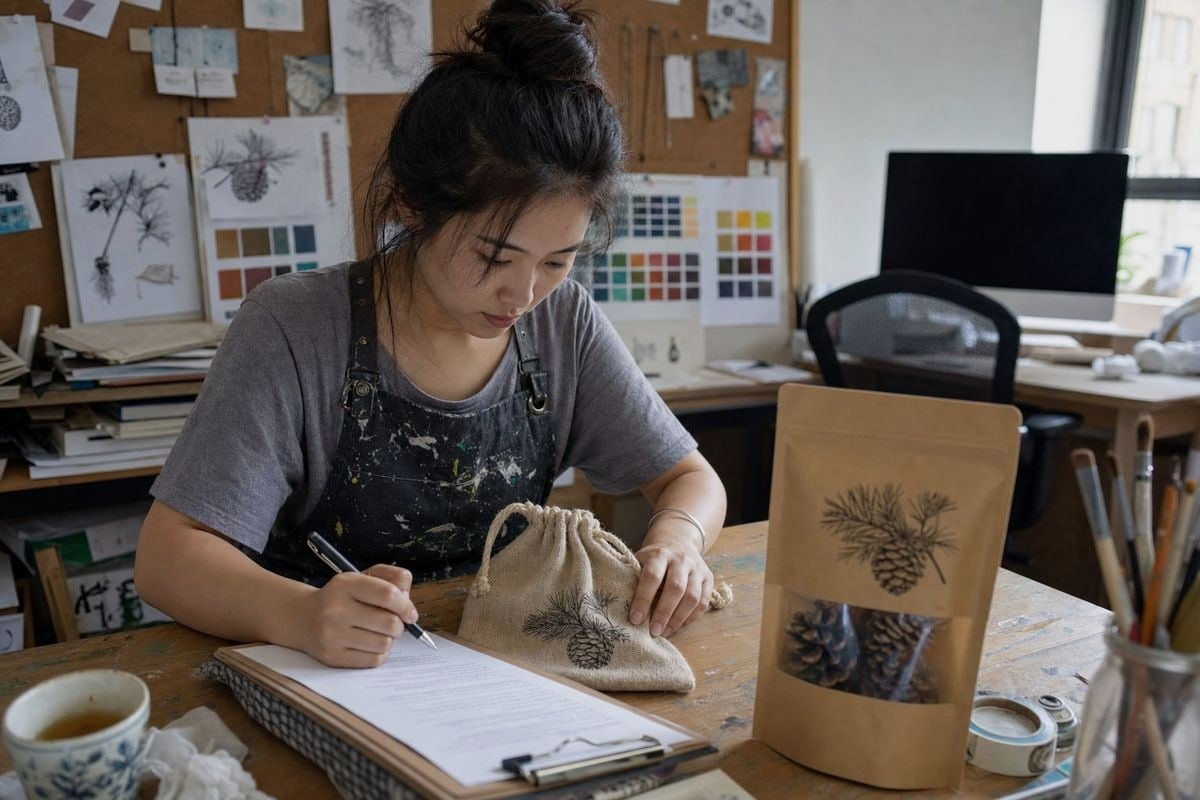
Una objeción común que escuchamos de los compradores es que cláusulas contractuales se sienten como una carga administrativa legal en un pequeño pedido de temporada. Nuestra respuesta es simple: la cláusula no cuesta nada añadirla, mientras que una disputa por infracción, la retirada de un listado o la reimpresión completa del inventario navideño pueden aniquilar el margen de toda la temporada. El embalaje barato y sin verificar se convierte en el embalaje más caro que jamás haya comprado.
Las cinco cláusulas que más importan
| Cláusula | Lo que hace | Por qué es importante para el embalaje de temporada |
|---|---|---|
| Cláusula de indemnización | El proveedor cubre sus pérdidas por reclamaciones de PI | Traslada el riesgo financiero de vuelta a la parte que controlaba el diseño |
| Garantía de no infracción | El proveedor garantiza legalmente la originalidad o acuerdos de licencia válidos | Crea un recurso por incumplimiento de contrato incluso si la reclamación se resuelve |
| Cesión de PI / obra realizada por encargo | Las obras de arte personalizadas por las que pagó se convierten en su propiedad exclusiva | Impide que el proveedor revenda su diseño a los competidores |
| Obligación de divulgación | El proveedor debe señalar cualquier elemento de terceros o derivado de stock | Expone diseños libres de derechos utilizados más allá del alcance de su licencia |
| Derecho de rechazo | Puede rechazar obras de arte sin derechos documentados | Le da poder de negociación antes de que el dinero cambie de manos |
Haga explícita la propiedad del trabajo personalizado
En la fabricación de marca blanca, esta es la cláusula que los compradores omiten con más frecuencia. Si paga por un diseño festivo personalizado 5 pero el contrato no dice nada sobre la propiedad, el proveedor puede conservar los derechos de autor y reutilizar su diseño en varios clientes — creando una similitud accidental entre su caja y la de un competidor. Cada acuerdo OEM que firmamos asigna la obra de arte personalizada al cliente de inmediato. Protege al comprador y mantiene nuestra propia biblioteca de diseño limpia.
También exija un aviso inmediato: si el proveedor descubre más tarde que algún elemento se derivó de material de terceros, debe informarle de inmediato. El aviso temprano le permite corregir un diseño antes de que se envíe, no después de que llegue a los estantes.
¿Qué certificaciones o verificaciones de cumplimiento me ayudan a elegir un proveedor de piñas de confianza?
Durante una auditoría BSCI en nuestras instalaciones hace algunas temporadas, el auditor pasó tanto tiempo en nuestros sistemas de documentación como en nuestras líneas de producción. Eso me enseñó algo: los proveedores certificados tienden a ser proveedores documentados.
Busque gestión de calidad ISO 9001, cumplimiento social BSCI, marcado CE cuando sea aplicable, e informes de prueba SGS o Intertek. Estas certificaciones señalan procesos documentados y auditables, y los proveedores con sistemas de cumplimiento sólidos casi siempre también mantienen registros adecuados de derechos de diseño.
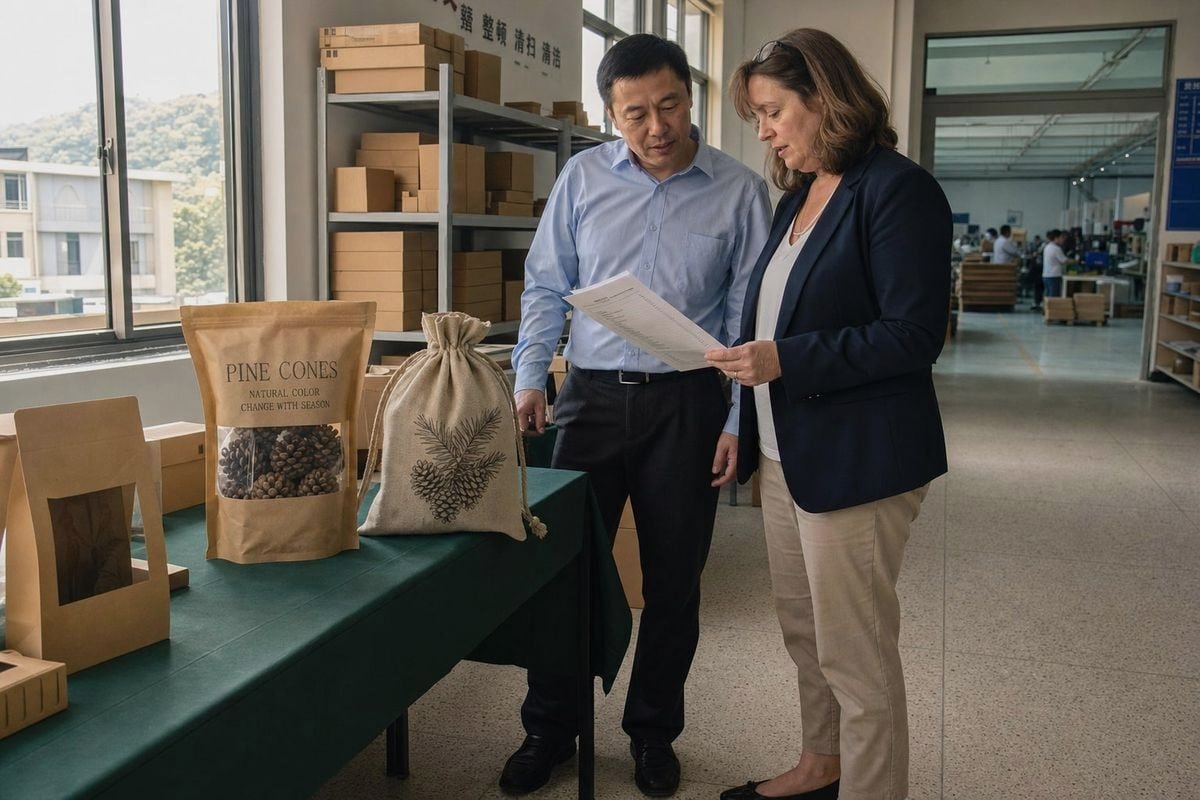
Ningún certificado demuestra directamente que la obra de arte de un proveedor sea original. Pero las certificaciones son un indicador confiable de la disciplina operativa. Una fábrica que pasa ISO 9001 6 auditorías mantiene registros, sigue procedimientos escritos y puede rastrear decisiones. Una fábrica que no puede producir un informe de prueba probablemente tampoco pueda producir un contrato de artista. Después de más de 17 años suministrando piñas de llama de color y encendedores a mercados como EE. UU., Alemania y el Reino Unido, puedo decir que la correlación es fuerte: la cultura del papeleo recorre toda la empresa o ninguna.
Haga coincidir la verificación con el riesgo
| Verificación de cumplimiento | Lo que verifica | Cómo reduce el riesgo de PI |
|---|---|---|
| ISO 9001 | Procesos de calidad documentados | Los archivos de diseño, aprobaciones y revisiones se registran y son rastreables |
| Auditoría BSCI | Operaciones éticas y transparentes | Es menos probable que las fábricas auditadas escatimen en licencias |
| Informes SGS / Intertek | Reclamaciones de seguridad del producto y materiales | Confirma que el proveedor se somete a un escrutinio de terceros |
| Verificación de fábrica | Fabricante real, no una empresa comercial | Las empresas comerciales a menudo no pueden rastrear los orígenes de las obras de arte en absoluto |
| Entrevista sobre el proceso de PI | Flujo de trabajo de diseño y gestión de derechos | Prueba directamente la conciencia de la cadena de título |
Preguntas para hacer en su próxima llamada con el proveedor
Pregunte quién crea la obra de arte de su embalaje: ¿equipo interno, diseñador contratado o "encontramos imágenes"? Pregunte cómo licencian fuentes y activos de stock. Pregunte si alguna vez han firmado una cesión de PI para un cliente. Pregunte cómo revisan los diseños frente a los competidores antes de su lanzamiento, y si revisan los patrones de estilo rústico o indígena para preocupaciones sobre propiedad intelectual cultural 7 Las respuestas revelan más que cualquier folleto. Un proveedor confiable responde con detalles; uno arriesgado responde con garantías.
Finalmente, verifica que estás tratando con una fábrica real. Las empresas comerciales revenden embalajes que no crearon, lo que significa preguntas sobre la cadena de títulos a menudo un callejón sin salida. Los fabricantes directos controlan su proceso de diseño y pueden mostrárselo; el nuestro ha hecho exactamente eso para auditorías de abastecimiento minorista de grandes cadenas, donde la detección de infracciones de patentes de diseño es un elemento estándar de la lista de verificación.
Conclusión
Los embalajes de piñas festivas sin verificar pueden generar costosas reclamaciones por infracción. Verifique la documentación, examine la originalidad, bloquee las protecciones contractuales y elija proveedores certificados que demuestren sus derechos de diseño por escrito.
Notas al pie
Recurso oficial del gobierno que detalla las consecuencias legales y las definiciones de infracción de la propiedad intelectual en el Reino Unido. ↩︎
Proporciona una descripción general de los estándares técnicos y legales que rigen el diseño y el etiquetado de envases comerciales. ↩︎
Define las obras creativas que no están protegidas por las leyes de propiedad intelectual y están disponibles para uso público. ↩︎
Definición legal y explicación de las disposiciones de indemnización utilizadas para transferir el riesgo financiero en contratos comerciales. ↩︎
Guía oficial del gobierno de EE. UU. que explica los principios fundamentales de la protección de derechos de autor para obras creativas originales. ↩︎
Norma oficial para sistemas de gestión de calidad, que garantiza que los proveedores mantengan procesos de producción y diseño documentados y rastreables. ↩︎
Recurso oficial de la OMPI sobre la protección de las expresiones culturales tradicionales y la propiedad intelectual. ↩︎


 English
  Spanish
  German
  French
  Arabic
  Portuguese
Únete a la conversación