







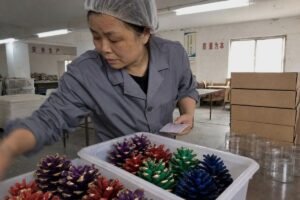
Los compradores preguntan semanalmente a nuestra fábrica si las piñas de pino coloreadas para chimeneas pueden cumplir honestamente con las afirmaciones de "No dejar rastro". Un lote defectuoso puede hundir una marca, por lo que construimos nuestra respuesta en la propia producción.
Para abordar las preocupaciones de "No Deje Rastro" al comprar piñas coloreadas para chimenea, obtenga piñas cultivadas comercialmente en lugar de recolectadas en la naturaleza, exija colorantes de llama no tóxicos verificados por informes de SGS o Intertek, requiera embalaje reciclable con etiquetas de uso claras y confirme los datos de prueba de residuos y cenizas antes de realizar el pedido.
Esa es la versión corta. La versión más larga importa más si está realizando un pedido a granel. A continuación, desgloso la pregunta en cuatro verificaciones prácticas que cualquier gerente de compras puede realizar antes de firmar una orden de compra.
¿Qué materiales ecológicos debería buscar para asegurar que mis piñas cumplan con los estándares de No Deje Rastro?
Un distribuidor alemán rechazó una vez una muestra de un competidor frente a mí en una feria comercial porque las piñas olían a disolvente. Ese momento dio forma a cómo especificamos las materias primas en Ningbo.
Busque piñas cultivadas comercialmente o de plantación, recubrimientos de cera de origen vegetal o de grado alimenticio, y colorantes de sal mineral libres de sulfato de cobre, arsénico y plomo. Los colorantes de llama no tóxicos verificados y los aglutinantes biodegradables mantienen el producto alineado con la ética de "No dejar rastro" desde el bosque hasta la chimenea.

La guía "No dejar rastro" sobre el Principio 4 dice objetos naturales 1 como las piñas deben dejarse donde se encuentran. Ese principio cubre la recolección silvestre, no los productos comerciales. Por lo tanto, la pregunta real sobre el material cambia de la piña en sí a cómo se cosechó y qué se le agregó. En nuestra experiencia exportando a más de 30 países, tres capas de material deciden si un producto merece una afirmación ecológica.
La base de la piña: el abastecimiento es lo más importante
Las piñas extraídas de bosques públicos socavan la preservación del ecosistema forestal. También corren el riesgo de transporte de especies invasoras 2, porque las piñas sin tratar pueden transportar semillas, insectos y esporas de hongos a través de las fronteras. Solo aceptamos piñas de fuentes de plantaciones gestionadas 3 con registros de tratamiento térmico. Esas son prácticas de cosecha sostenible en acción, y también satisfacen las reglas de importación fitosanitaria en los EE. UU. y la UE.
La capa de colorante: la verdadera zona de riesgo
Los colorantes químicos baratos para chimeneas a menudo dependen de sulfato de cobre u otras sales de metales pesados. Estos crean toxicidad por metales pesados 4 riesgos en cenizas y humo.
Mejores formulaciones utilizan sales minerales más seguras que producen las mismas llamas azules, verdes y púrpuras sin residuos peligrosos.
El aglutinante y el recubrimiento La cera que une el colorante a la piña debe ser de origen vegetal o parafina de pureza alimentaria, similar a la que usamos en nuestros.
| iniciadores de fuego ecológicos encerados | Evitar | Capa de material |
|---|---|---|
| Prefiera | Base de piña | Piñas recolectadas en estado silvestre, sin tratar |
| Colorante | Piñas de origen vegetal, tratadas térmicamente | Sulfato de cobre, compuestos de plomo, arsénico |
| Sales minerales certificadas no tóxicas | Aglutinante/recubrimiento | Cera industrial con alto contenido de disolventes |
| Cera de origen vegetal o de grado alimentario | Decoración | Pinturas metálicas con metales pesados |
Acabados a base de agua, bajo en VOC.
¿Cómo puedo verificar las certificaciones de cumplimiento de un proveedor antes de realizar un pedido al por mayor?
Esta es la falacia de la base natural: el aspecto orgánico de la piña puede enmascarar recubrimientos sintéticos y colorantes de metales pesados, por lo que los aditivos deben verificarse por separado.
Verificar el cumplimiento solicitando números de certificado para ISO 9001, BSCI y CE, cotejándolos en la base de datos oficial del certificador, exigiendo informes de prueba recientes de SGS o Intertek vinculados al SKU exacto y confirmando que el nombre de la fábrica en cada documento coincide con su proveedor real.

El año pasado, un importador del Reino Unido nos envió por correo electrónico el certificado de un competidor y nos hizo una pregunta: ¿es esto real? Nos tomó diez minutos demostrarle que el número de certificado no coincidía con la base de datos del organismo emisor.
Un flujo de trabajo de verificación de cinco pasos.
- Los certificados solo son útiles si sabe cómo leerlos. Durante más de 17 años exportando productos con temática de fuego, hemos visto todos los trucos: informes caducados, informes para un producto diferente e informes prestados de otra fábrica. Aquí hay un proceso de verificación que puede ejecutar en menos de una hora. Coincidir la entidad legal.
- El nombre de la empresa en el certificado debe coincidir con el nombre de su factura proforma. Una discrepancia generalmente significa que una empresa comercial está revendiendo la documentación de una fábrica. ISO 9001 y Verifique el número de certificado en línea. 5 Certificados BSCI.
- se pueden verificar a través del organismo emisor. Tanto SGS como Intertek ofrecen servicios de autenticación de informes. Confirme el alcance.
- Un certificado ISO 9001 para "fabricación de juguetes" no cubre productos de fuego. La línea de alcance es importante. Vincule el informe de prueba al SKU.
- Una prueba de metales pesados o emisiones en un paquete de llama de color no cubre automáticamente las piñas coloreadas. Solicite el informe sobre el producto exacto, idealmente de los últimos 12 a 24 meses. Solicite un recorrido virtual por la fábrica.
| Por qué es importante para las piñas perfumadas | Lo Que Demuestra | Cómo verificar |
|---|---|---|
| ISO 9001 | Sistema de gestión de calidad consistente | Registro en línea del certificador |
| BSCI | Cumplimiento social y laboral auditado | Plataforma Amfori a través de su cuenta |
| CE | Conformidad de seguridad del producto de la UE | Solicitar el archivo técnico y el DoC |
| Informes SGS / Intertek | Pruebas químicas y de combustión a nivel de producto | Verificación del número de informe con el laboratorio |
Para nuestros propios compradores, este es un requisito estricto, no algo deseable. Cualquier fábrica que dude en guiarle a través de este proceso le está diciendo algo importante.
¿Qué opciones de empaque y etiquetado ayudan a mi marca a comunicar los valores de No Deje Rastro a los clientes minoristas?
Existe una compensación que sopesamos en cada proyecto OEM: una ventana transparente vende el producto en el estante, pero una película de plástico debilita una historia ecológica. Lograr el equilibrio adecuado requiere un diseño deliberado.
Elija bolsas de papel kraft o sacos de arpillera con revestimientos reciclables o compostables, imprima paneles de transparencia de ingredientes, agregue instrucciones de uso que cubran el uso exclusivo en leña y la seguridad en la eliminación de cenizas, e incluya mensajes alineados con Leave No Trace, como declaraciones de origen e instrucciones completas de quema y limpieza en el panel posterior.

Los clientes minoristas juzgan sus valores en aproximadamente tres segundos en el estante. El embalaje es donde la ética de "No dejar rastro" se vuelve visible. En nuestro servicio integral de OEM para marcas de exteriores y camping, hemos descubierto que el embalaje ecológico más sólido cumple tres funciones a la vez: protege el producto, cuenta la historia del origen y enseña el uso responsable.
Materiales que coinciden con el mensaje
Una bolsa kraft de pie con un acabado mate y texturizado se percibe como rústica y honesta. Un saco de arpillera con cordón de yute se adapta a los canales de chimeneas y regalos. Ambos se pueden producir con revestimientos reciclables. Si desea una ventana transparente, recomendamos que sea pequeña y que indique el tipo de película para el reciclaje. Evite el plástico laminado brillante para un producto comercializado en base a la gestión responsable. El embalaje es una promesa, y los compradores notan cuando la promesa y el material se contradicen.
Etiquetas que hacen el trabajo ético
El panel posterior debe contener cuatro cosas. Primero, una declaración de origen: piñas de plantaciones gestionadas, no material recolectado silvestre, lo que indica conciencia ética de recolección silvestre. Segundo, un panel de ingredientes que nombre la familia de colorantes, para que los clientes puedan descartar por sí mismos el sulfato de cobre y otras sales de metales pesados. La transparencia aquí responde directamente a las preocupaciones sobre la biodiversidad 6 que los compradores con conciencia ecológica investigan ahora. Tercero, las reglas de uso: solo fuegos de leña, nunca chimeneas de gas, nunca fuegos de cocina o barbacoas, y no asar malvaviscos sobre llamas de colores. Cuarto, la guía de limpieza: embolsar las cenizas enfriadas para su eliminación en un contenedor sellado en lugar de esparcirlas, ya que los residuos de colorante pueden afectar a los organismos del suelo.
Medio a alto
Rutinariamente añadimos etiquetas de advertencia personalizadas, códigos de barras, paneles multilingües para mercados de la UE y cajas listas para exhibición. Estos detalles deciden si un comprador de gran superficie aprueba su listado o lo devuelve para rehacerlo.
¿Cómo confirmo que las piñas de llama de colores no dejan residuos ni cenizas dañinas después de quemarse?
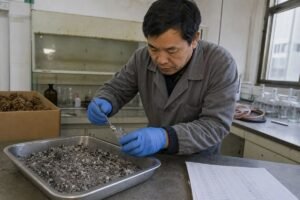
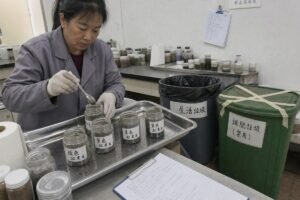
Una lección de nuestro laboratorio de control de calidad me acompaña: dos lotes que parecían idénticos a la luz del día dejaron cenizas visiblemente diferentes después de una combustión controlada. Solo los datos de laboratorio captaron la deriva de la formulación detrás de ello.
Confirmar la combustión limpia solicitando análisis de residuos de combustión y cenizas de terceros a SGS o Intertek, verificando los resultados de detección de metales pesados para plomo, arsénico y cromo, revisando los datos de emisiones y realizando su propia combustión de muestra para inspeccionar el color de las cenizas, el olor y los fragmentos de recubrimiento sobrantes.

Los residuos son donde los principios de "No dejar rastro" se encuentran con la química. El Principio 3, desechar los residuos adecuadamente, y el Principio 5, minimizar los impactos de la fogata, se aplican ambos después de que la llama se apaga. Los productos fabricados con sales metálicas peligrosas pueden crear lo que algunos investigadores llaman puntos calientes de metales pesados 7 en las hogueras, donde el uso repetido concentra cobre y zinc lo suficiente como para inhibir el crecimiento de las plantas. Los residuos de cloruro metálico también pueden reaccionar con la humedad de la chimenea y formar compuestos ácidos que corroen los revestimientos de la chimenea con el tiempo. Las formulaciones limpias evitan ambos problemas, pero debe verificar en lugar de confiar.
Lo que deben mostrar los datos de laboratorio
Solicite un protocolo de prueba de combustión, no solo un sello de aprobado o rechazado. Un informe creíble cubre la composición de las cenizas, los metales pesados lixiviables y las emisiones de combustión. Compare los resultados con los límites para productos de chimenea de consumo en su mercado.
| Comprobar | Cómo se ven los resultados limpios | Señal de alerta |
|---|---|---|
| Cribado de metales pesados en cenizas | Por debajo de los niveles de detección o minerales traza | Cobre, plomo o cromo elevados |
| Apariencia de las cenizas | Fina, gris claro, uniforme | Aglomerados de color o fragmentos cerosos |
| Olor durante la combustión | Solo humo de madera suave | Olor químico o metálico fuerte |
| Impacto en la chimenea | No se observa acumulación corrosiva de cloruros | Residuo ácido señalado en el informe |
Realice su propia quema de muestra
Antes de cualquier pedido a granel, queme muestras en un entorno controlado. Use fuego de leña, mantenga una ventilación fuerte y deje que las cenizas se enfríen por completo. Inspecciónelas, embolselas y deséchelas en basura sellada, nunca esparcidas sobre el suelo o cerca del agua, porque algunos residuos de colorante son tóxicos para la vida acuática. Confirme también que las instrucciones restringen su uso a entornos contenidos, ya que la lixiviación química en el suelo sin tratar contradice toda la ética de "No dejar rastro". En nuestras líneas, el control de calidad lote a lote significa que la muestra que prueba refleja genuinamente el contenedor que recibe, y esa consistencia es exactamente lo que este paso de verificación está diseñado para probar.
Conclusión
Las preocupaciones de "No dejar rastro" se pueden resolver en el momento de la compra, no en la fogata. Verifique el origen, valide los certificados, diseñe un embalaje honesto y exija datos de residuos. Haga eso, y las piñas de colores para chimenea se convierten en un producto que puede defender ante cualquier minorista y cualquier cliente.
Notas al pie
Fuente oficial del Principio 4 de "No dejar rastro" sobre objetos naturales. ↩︎
Página del USDA APHIS que explica los riesgos de especies invasoras en materiales vegetales importados. ↩︎
Recurso de la FAO sobre la gestión y sostenibilidad de los bosques plantados. ↩︎
4. Wikipedia entry detailing the chemical properties and toxicity of copper sulfate. ↩︎
5. Official amfori page for the Business Social Compliance Initiative. ↩︎
6. WWF explanation of biodiversity and why its preservation is critical. ↩︎
7. Wikipedia overview of heavy metals and their environmental accumulation. ↩︎
 English
  Spanish
  German
  French
  Arabic
  Portuguese
Únete a la conversación