






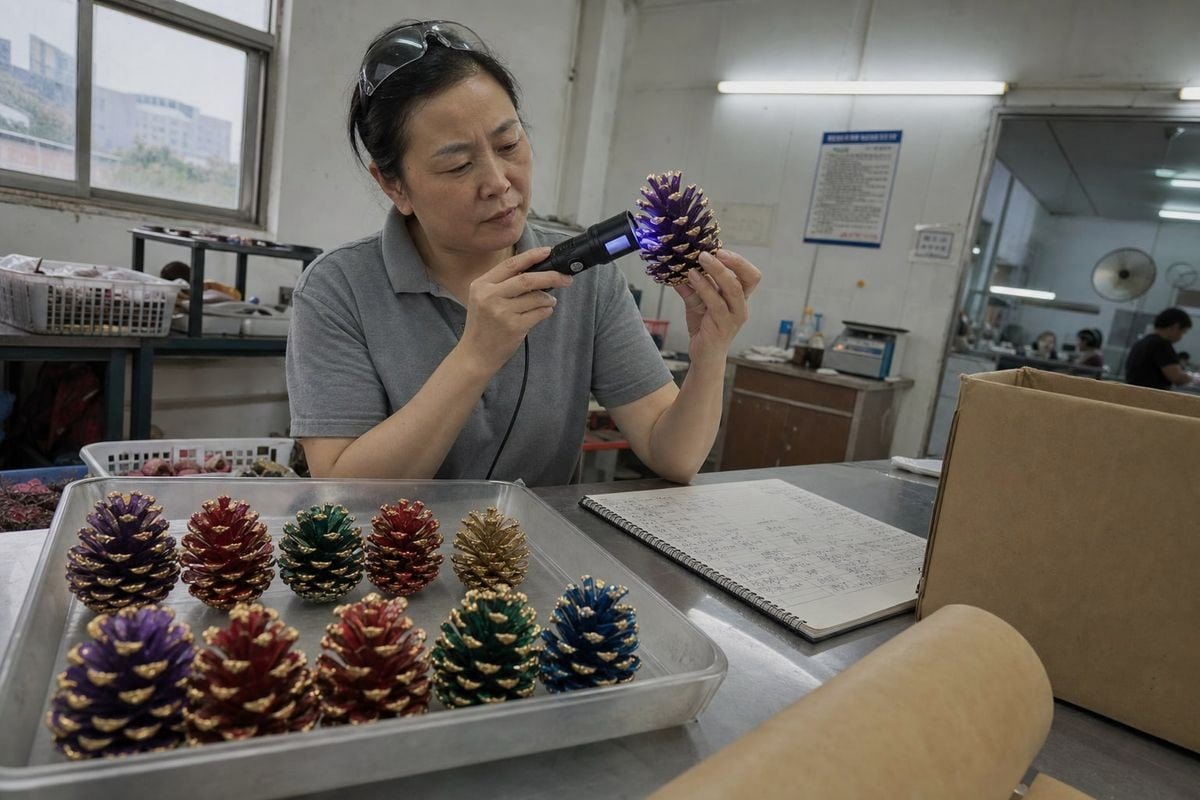
En nuestra línea de piñas de colores ignífugos, los compradores preguntan constantemente si el agente colorante ignífugo en las piñas activa las normas REACH y SVHC. Si se equivoca, la aduana de la UE se lo recordará.
Sí, un agente colorante ignífugo en piñas puede desencadenar obligaciones REACH y SVHC si la piña tratada se comercializa en el mercado de la UE y contiene una sustancia restringida o una SVHC de la lista de candidatos por encima del 0,1% en peso. El cumplimiento depende del producto químico exacto, no de la piña en sí.
La piña no es el problema legal. La química que la recubre sí lo es. En este artículo, le guiaré a través de los documentos, las sustancias de riesgo, los informes de pruebas y los riesgos aduaneros, la misma lista de verificación que revisamos con cada nuevo comprador de la UE.
¿Qué documentación debo solicitar para confirmar el cumplimiento de REACH de mi proveedor de piñas?
Un distribuidor alemán me envió un correo electrónico una vez a medianoche pidiendo "el certificado REACH". Tuve que explicar amablemente: no existe un único certificado REACH. El cumplimiento es un rastro de papel, no un sello.
Solicitar una divulgación completa de los ingredientes del agente colorante ignífugo, una declaración de cumplimiento REACH que haga referencia a las restricciones del Anexo XVII y la Lista de Candidatos de la ECHA, informes de detección de SVHC de terceros de SGS o Intertek, fichas de datos de seguridad para el colorante y confirmación de soporte de notificación de la base de datos SCIP cuando corresponda.

Una vez que el agente colorante ignífugo se seca en la piña, la ley de la UE generalmente trata la piña terminada como un artículo. Eso cambia el enfoque a lo que contiene el artículo y lo que el proveedor puede probar. En nuestros más de diecisiete años de exportación de productos ignífugos a Alemania, el Reino Unido, Francia, los Países Bajos y Polonia, hemos aprendido que los compradores serios piden cinco cosas, y los proveedores vagos fallan en al menos tres de ellas.
El conjunto de documentos principal
| Documento | Lo que debe mostrar | Señal de alerta si falta |
|---|---|---|
| Divulgación de ingredientes | El exacto colorantes de sal metálica 1 utilizado y sus concentraciones | El proveedor dice que la fórmula es "secreta" sin pruebas de terceros |
| Declaración REACH | Declaración contra las restricciones del Anexo XVII y la última Lista de candidatos de la ECHA 2 versión | La declaración cita una Lista de candidatos obsoleta |
| Informe SVHC de SGS/Intertek | Resultados de cribado por debajo del umbral de concentración de 0,11 TP3T en peso/peso | El informe prueba un producto o lote diferente |
| Hoja de datos de seguridad (SDS) | Clasificación de peligros del colorante según CLP | No hay SDS disponible en absoluto |
| Carta de apoyo SCIP | Voluntad de suministrar datos para Notificación de la base de datos SCIP 3 si alguna vez está presente una SVHC | El proveedor nunca ha oído hablar de SCIP |
Por qué la fecha de la Lista de candidatos es importante
La Lista de candidatos de la ECHA se actualiza aproximadamente dos veces al año. Una declaración escrita contra la lista de 2022 puede omitir sustancias añadidas desde entonces. Volvemos a comprobar nuestras piñas de colores ignífugos después de cada actualización, porque una fórmula que cumplía la temporada pasada puede crear nuevos Obligaciones de comunicación del Artículo 33 4 esta temporada. Esa es la realidad del cumplimiento de productos de temporada: el producto no cambia, pero la ley sí. Pregunte a su proveedor qué versión de la lista hace referencia su declaración y pregunte cómo manejan las actualizaciones entre pedidos. Un proveedor con un proceso de cumplimiento real responderá en un correo electrónico. Una empresa comercial que revende productos sin probar generalmente se queda callada.
¿Qué sustancias SVHC es más probable que aparezcan en los agentes colorantes ignífugos que necesito examinar?
Cuando estábamos desarrollando nuestra fórmula Magic Fire hace años, lo primero que hicieron nuestros químicos fue eliminar los compuestos de boro de la lista de ingredientes, mucho antes de que la mayoría de los compradores preguntaran por ellos.
El ácido bórico y el bórax (tetraborato de sodio), utilizados para llamas verdes, son las sustancias de mayor riesgo porque ambos figuran en la Lista de Candidatos de la ECHA como tóxicos para la reproducción. El sulfato de cobre no es una SVHC pero conlleva obligaciones de toxicidad acuática CLP. Cada colorante de sal metálica debe ser evaluado individualmente.

Los colorantes ignífugos son colorantes de sales metálicas que funcionan mediante química de combustión: el estroncio da rojo, el cobre da azul verdoso, el potasio da violeta. Los colores parecen similares entre marcas, pero los resultados de cumplimiento difieren drásticamente según la sal que los produzca. Algunos compradores asumen que todos los colorantes son peligrosos; otros asumen que ninguno lo es. Ambas suposiciones son incorrectas. La fórmula debe ser revisada ingrediente por ingrediente.
Clasificación de riesgo de colorantes ignífugos comunes
| Sustancia | Color de llama | Estado reglamentario | Prioridad de cribado |
|---|---|---|---|
| Ácido bórico | Verde | SVHC en la Lista de candidatos (toxicidad para la reproducción) | Crítico |
| Bórax (tetraborato de sodio) | Verde | SVHC en la Lista de candidatos (toxicidad para la reproducción) | Crítico |
| El sulfato de cobre | Azul-verde | No es una SVHC; se aplica la clasificación CLP de toxicidad acuática | Alto |
| Cloruro de cobre | Azul | No es una SVHC; se aplican las obligaciones de peligrosidad CLP | Alto |
| Cloruro de estroncio | Rojo | Actualmente no está en la lista | Moderado |
| Cloruro de potasio | Violeta | Actualmente no está en la lista | Bajo |
Tres obligaciones que se acumulan
Si una SVHC supera el umbral de concentración de 0,11 TP3T en peso/peso en el artículo, se pueden aplicar tres obligaciones a la vez. Primero, la obligación de comunicación del Artículo 33: debe informar a los clientes comerciales y a los consumidores previa solicitud sobre el uso seguro. Segundo, la notificación a la base de datos SCIP, obligatoria desde el 5 de enero de 2021 para los artículos pertinentes. Tercero, la notificación a la ECHA si la SVHC en todos los artículos importados supera una tonelada al año. También hay una trampa más sutil planteada en REACH Artículo 7(1) 5: porque el colorante está destinado a liberarse durante la combustión, los deberes de registro de "liberación prevista" pueden aplicarse independientemente del estado de SVHC. Y si una sal de cobre también actúa como preventivo de moho en el cono natural, el Reglamento sobre biocidas 6 puede entrar en juego para los artículos tratados. Es por eso que nuestra fábrica mantiene un expediente documentado de evaluación de seguridad química para cada colorante que utilizamos; es más rápido demostrar el cumplimiento por adelantado que discutirlo en una frontera.
¿Cómo verifico los informes de prueba SGS o Intertek de una fábrica antes de realizar un pedido al por mayor?
Una contrapartida que sopesamos en cada SKU nuevo es el costo de las pruebas frente al acceso al mercado. Una ejecución completa de análisis de laboratorio no es barata, pero un contenedor rechazado cuesta diez veces más.
Verifique el número de informe directamente en el portal de verificación en línea de SGS o Intertek, confirme que el nombre del producto probado y el lote coincidan con su cotización, verifique que el alcance de la prueba cubra las entradas SVHC actuales y las restricciones del Anexo XVII, y confirme que la fecha del informe sea reciente, idealmente menos de dos años.
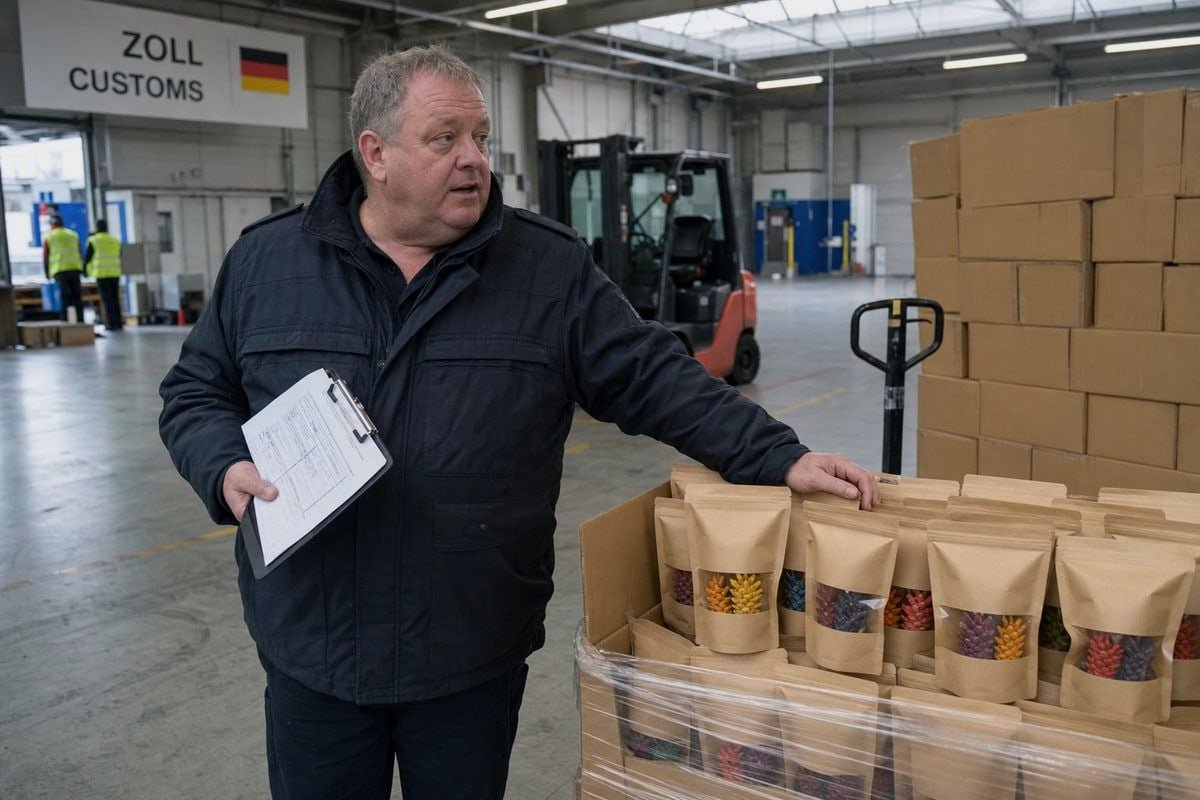
Los informes de prueba falsos o reciclados son un problema real en el comercio de productos para chimeneas. Hemos visto a competidores circular informes emitidos para un producto diferente, o informes tan antiguos que preceden a múltiples actualizaciones de la Lista de Candidatos. Debido a que nuestros propios productos llevan informes de SGS e Intertek junto con documentación ISO 9001, BSCI y CE, les decimos a los compradores exactamente cómo verificar el papeleo de cualquiera — incluido el nuestro.
Un proceso de verificación de cinco pasos
- Autenticar el informe en sí. Tanto SGS como Intertek ofrecen portales de verificación en línea y servicios de verificación por correo electrónico. Ingrese el número de informe y confirme que el laboratorio emisor realmente lo produjo.
- Coincida con la descripción del producto. El artículo probado debe ser el cono de pino tratado o la fórmula de colorante que está comprando, no un cono sin recubrimiento, no un producto "similar".
- Verifique el alcance de la prueba. El informe debe hacer referencia a la detección actual de SVHC contra la última Lista de Candidatos y las restricciones relevantes del Anexo XVII, no solo a los metales pesados por sí solos.
- Verifique la fecha y la lógica del lote. Pregunte cómo se controla la consistencia de lote a lote. Nuestra línea de producción en Ningbo ejecuta un estricto control de calidad de lotes precisamente para que la muestra probada refleje el contenedor enviado. Un proveedor sin esa disciplina puede pasar una prueba una vez y fallar para siempre.
- Verifique con una contra-muestra. Para pedidos grandes, envíe una muestra sellada de su envío de prueba a un laboratorio de su elección. Los servicios de análisis de laboratorio de buena reputación pueden ejecutar un panel de SVHC rápidamente, y una fábrica honesta nunca se opondrá.
Haga estas cinco cosas y filtrará a la mayoría de los malos actores antes de que el dinero cambie de manos. Sálteselas y estará confiando en un PDF.
¿Pueden las piñas de color no conformes hacer que mi envío sea detenido en la aduana de la UE?
Un importador holandés me dijo una vez que el envío de su proveedor anterior estuvo detenido en Rotterdam durante seis semanas por falta de documentación química. Esa conversación es cómo comenzó nuestra asociación.
Sí. Las autoridades aduaneras y de vigilancia del mercado de la UE pueden detener, analizar y rechazar piñas de llama de color que contengan sustancias restringidas o SVHC no declaradas por encima del 0,1% en peso. Como importador de la UE, usted asume toda la responsabilidad legal del cumplimiento de REACH, las retiradas de productos y las alertas de Safety Gate.

Aquí está la cruda verdad que la mayoría de los proveedores no pertenecientes a la UE no le dirán: el importador de registro asume la carga legal. Si sus conos de pino tratados llegan de un taller en Asia, o de un "microartesano" que utiliza productos químicos domésticos de grado minorista, usted es a quien REACH responsabiliza, no a ellos. Esta es la brecha de cumplimiento en el comercio de decoración de temporada. El tratamiento a pequeña escala con bórax de venta libre aún activa la divulgación de SVHC a nivel industrial y los deberes SCIP en el momento en que esos conos se venden comercialmente en la UE.
Qué puede salir mal en la frontera y después
| Escenario | Consecuencia | Quién paga |
|---|---|---|
| La prueba química aleatoria de aduanas encuentra ácido bórico por encima del 0,1% p/p | Detención, pruebas forzadas, posible destrucción | Importador |
| Barrido de vigilancia del mercado sobre productos de temporada | Retirada del producto y alerta de Safety Gate (RAPEX) | Importador y minorista |
| Falta de notificación en la base de datos SCIP para un artículo que contiene SVHC | Sanciones nacionales, presentación retroactiva obligatoria | Importador |
| La solicitud del Artículo 33 del consumidor no se responde en 45 días | Acción de cumplimiento, daño a la reputación | Vendedor |
| Queja de humo tóxico o vapor de metales pesados en el hogar de un consumidor | Responsabilidad de GPSR además de los deberes de REACH | Vendedor e importador |
Por qué el ángulo de la chimenea aumenta las apuestas
Algunos compradores argumentan que estos son solo artículos decorativos, por lo que las reglas químicas parecen irrelevantes. Esa suposición falla en el momento en que existe un recubrimiento. Peor aún, este producto está diseñado para quemarse en interiores. Bajo el Reglamento General de Seguridad de los Productos 7, los vendedores son responsables de la toxicidad del humo liberado en la sala de estar de un consumidor, una capa de riesgo que se suma a REACH. Nuestro enfoque es eliminar el problema en la etapa de formulación: sales metálicas ecológicas, sin compuestos de boro, sin sustancias de la Lista de Candidatos, documentadas y probadas antes de que cualquier contenedor salga de Ningbo. Para un gerente de compras, eso significa que el archivo de cumplimiento se envía con los productos, no después del aviso de incautación.
Conclusión
Los conos de pino de color llama pueden activar absolutamente los deberes de REACH y SVHC, pero solo la química decide. Pruebe, verifique, documente y asóciese con una fábrica que demuestre el cumplimiento antes del envío.
Notas al pie
Explica la química de la combustión detrás de los colores de llama de sales metálicas mencionados en el artículo. ↩︎
La lista oficial de ECHA define las sustancias SVHC referenciadas en la discusión de cumplimiento. ↩︎
La página oficial de la base de datos SCIP de ECHA aclara los deberes de notificación obligatoria para artículos que contienen SVHC. ↩︎
La página de ECHA explica las obligaciones legales de divulgación para SVHC por encima del umbral en artículos. ↩︎
La descripción general de REACH de ECHA aclara los deberes de registro de liberación prevista citados en el artículo. ↩︎
La página oficial de la regulación de ECHA explica cuándo los preventivos de moho de cobre activan las reglas biocidas. ↩︎
Información de fondo sobre la ley de seguridad de la UE que rige la responsabilidad por toxicidad del humo para productos quemados en interiores. ↩︎

 English
  Spanish
  German
  French
  Arabic
  Portuguese
Únete a la conversación