






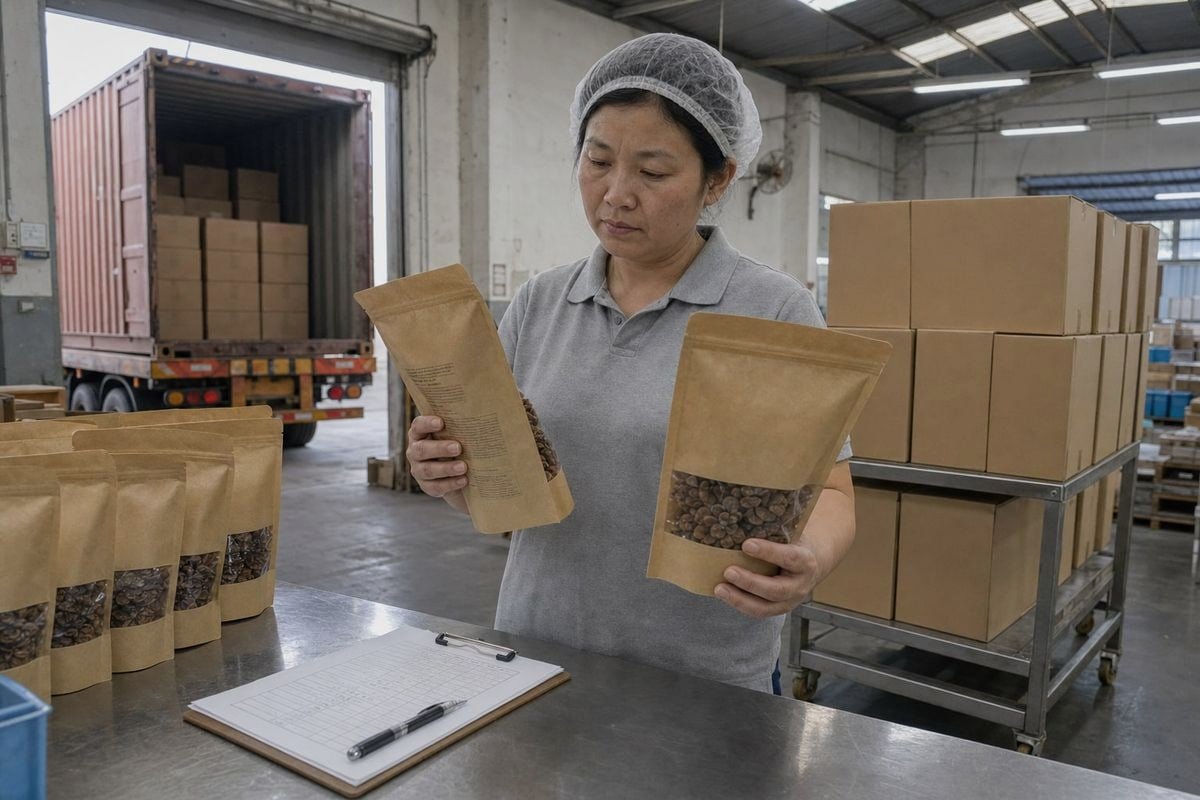
Renaming fireplace pine cones for camping use sounds simple until a shipment gets flagged. On our production line, I've watched a single label word delay a container. Here's how to do it right.
Yes, you should ask suppliers to rename fireplace pine cones for camping use if the new name matches buyer intent, but first confirm heat treatment, moisture content, and pest-free status. A rename is a marketing decision; compliance depends on how the product is treated, tested, and labeled.
The name on the bag changes who buys it. It can also change which rules apply. Let me walk you through both sides, based on what we see every week at our factory.
Should I ask my supplier if their pine cones are safe for camping use before renaming the label?
A German distributor once asked us this exact question before rebranding our color-flame pinecones for an outdoor line. I told him the same thing I'll tell you: ask before you print.
Yes, always ask your supplier to confirm camping suitability before renaming the label. Verify that the pine cones are kiln-dried, heat-treated against pests, and coated for reliable outdoor ignition. A fireplace-grade cone may not perform or comply the same way outdoors.
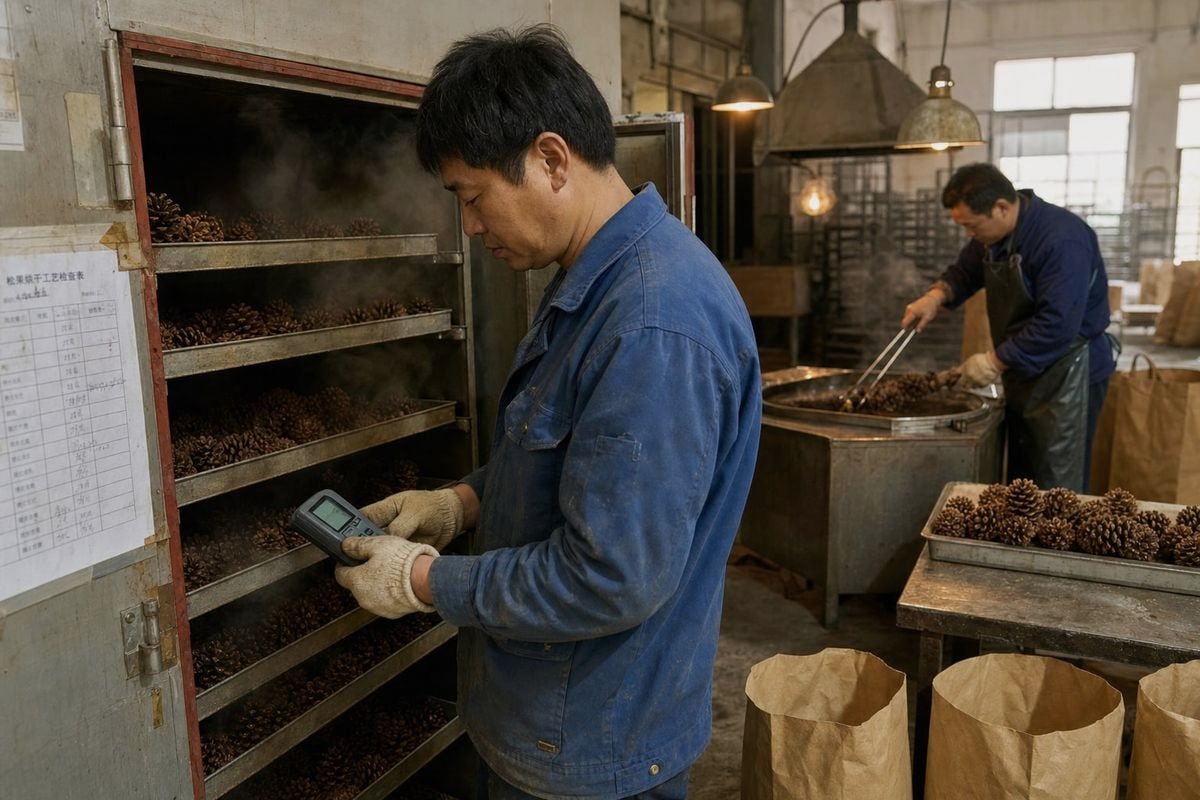
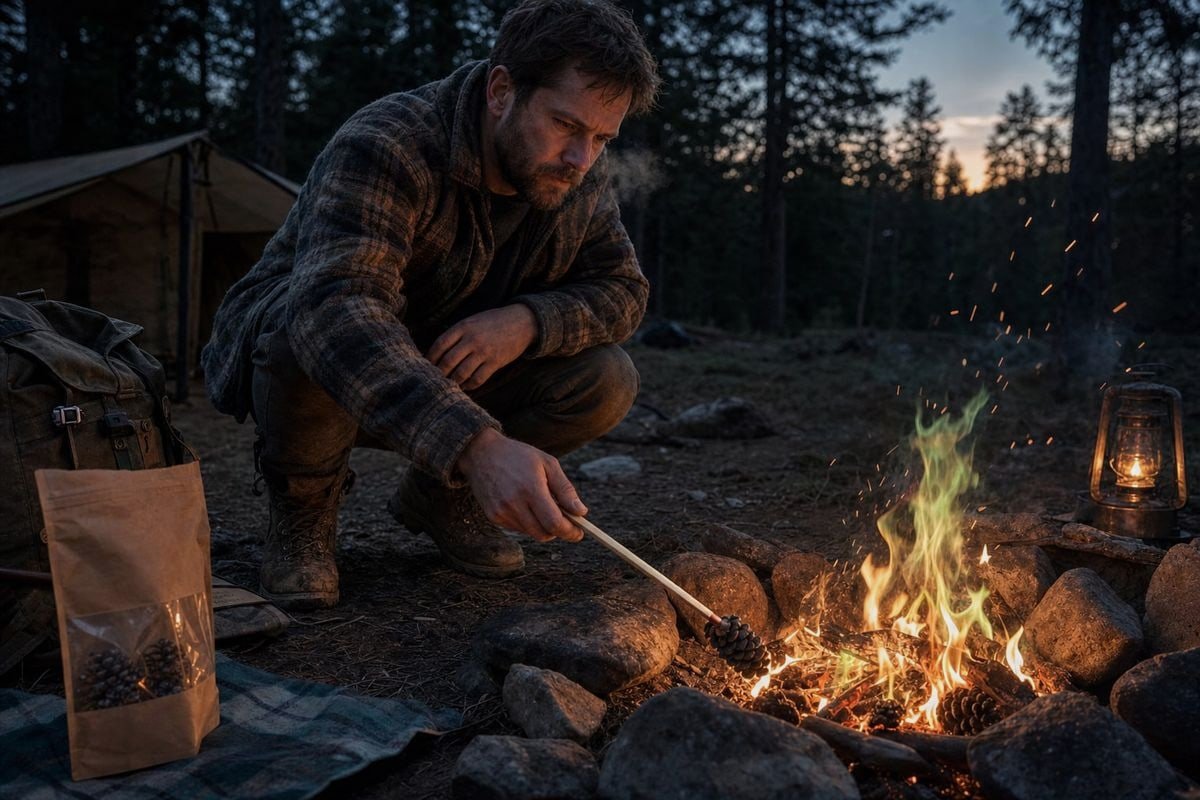
The physical product matters more than the name on it. Dry pine cones are excellent natural Iniciadores de fuego naturales diseñados para el uso diario del fuego 1s. Their resin content helps them ignite fast and burn hot. But "fireplace grade" and "camping grade" are not automatically the same thing. Indoor cones sit in a dry living room. Camping cones ride in a damp backpack, sit in a cold tent, and get lit in wind. That changes the spec.
The questions I would put to any supplier
At our facility in Ningbo, we run every batch through drying and coating checks precisely because outdoor buyers need consistency. Before you rename anything, get clear answers on these points:
| Las preguntas que separan a los socios OEM reales de los impresores de etiquetas | Why it matters for camping |
|---|---|
| What is the final moisture content? | Damp cones fail as campfire tinder; dry cones light in seconds |
| Are the cones kiln-dried or air-dried? | Kiln-dried pine cones are more consistent batch to batch |
| Is there a wax coating? | Wax-dipped firestarters ignite reliably in humid outdoor air |
| Has the batch been heat-treated for pests? | Untreated botanicals can trigger invasive species regulations 2 |
| What burn time per cone? | Campers need enough burn to light kindling, not just a flash |
If your supplier can answer all five with documentation, a rename is low-risk. If they hesitate on moisture content or pest treatment, stop. The label is the least of your problems. In our experience exporting to 30+ countries, the buyers who ask these questions upfront never face surprises at customs or in customer reviews.
What certifications should I request to confirm these pine cones meet outdoor fire safety standards?
The trade-off I weigh most often is speed versus paperwork. Buyers want fast lead times, but skipping test reports on fire products is a false economy I've seen backfire more than once.
Request SGS or Intertek test reports, ISO 9001 factory certification, heat-treatment or phytosanitary documentation for the botanical material, and safety data on any wax or colorant coating. For the EU, ask for CE-relevant conformity evidence; for the US, request compliant warning labels.

Certifications do two jobs. First, they prove the product is safe to burn. Second, they prove the botanical material 3 is safe to ship. Both matter, and buyers often forget the second one. Pine cones are plant material. That means pest rules apply, just as they do under firewood transport restrictions in many US states.
Los documentos principales a solicitar
Here is the certification stack we prepare for our own color-flame pinecones, and what each piece covers:
| Documento | Lo que prueba | Quién lo solicita |
|---|---|---|
| Informe de prueba SGS / Intertek | Burn behavior, emissions, no harmful chemicals | Retailers, EU importers |
| Certificado ISO 9001 | Gestión consistente de la calidad de fábrica | Grandes canales de abastecimiento |
| Auditoría BSCI | Producción ética y auditada | Major EU and US retail buyers |
| Heat-treatment / phytosanitary certification | Material botánico libre de plagas | Customs, agricultural inspectors |
| Coating composition sheet | Wax and colorant safety, no toxic sales metálicas 4 for cooking claims | Compliance teams |
One warning from our side: color-changing cones treated with metal salts create beautiful flames, but they must never be marketed for cooking food. Our own formulations avoid harmful chemicals, and our test reports state this clearly. If a supplier cannot show a composition sheet for the coating, do not put their product under your brand. A cheap cone with no paperwork costs more than a certified one the moment an inspector opens the container.
Can I get custom private-label packaging that reflects camping use without new product testing?
A UK buyer taught me a useful lesson here. He reused our existing test reports for his rebranded pouches and launched in six weeks, because the product itself never changed — only the artwork did.
Usually yes. If the physical product, coating, and formulation stay identical, existing test reports remain valid, and only the packaging artwork changes. New testing is typically needed only if you alter the wax, colorants, cone treatment, or make new performance claims.
This is where a true Fábrica OEM/ODM 5 earns its keep. Renaming a product for outdoor gear branding is mostly a packaging exercise, and packaging is fast to change when the underlying product is already tested. Our one-stop customization covers the bag, the label, the barcode, the warning text, and the display box. The cone inside stays the same certified product.
How we run a camping rebrand without retesting
- Bloquear la formulación. We confirm in writing that the cones, coating, and colorants are identical to the tested batch. No changes, no new tests.
- Redesign the packaging for the use case. Fireplace buyers love rustic burlap sacks and gift baskets. Campers need a resealable, crush-resistant stand-up pouch that keeps moisture out and stops wax transfer onto expensive gear.
- Rewrite the copy, not the claims. Shift the value proposition from ambiance to reliability. Words like "all-weather campfire tinder" work; unverified performance claims do not.
- Update warning labels and barcodes. Outdoor use language, spark warnings, and "starter, not main fuel" guidance go on the back panel.
- Match the packaging to logistics. We optimize carton sizes for your shipping lanes so the camping SKU lands shelf-ready.
One caveat I always flag: if your camping positioning requires an eco-wax instead of paraffin 6, or a different flame color, that is a formulation change. Then you retest. We would rather tell a buyer that upfront than have them find out from a retailer's compliance team. Alongside fatwood kindling and iniciadores de fuego de madera, a well-packaged pine cone starter can anchor a whole natural fire-lighting range under one private label.
Will renaming the product affect my compliance requirements when selling in the US or EU market?
Early in our export history, we learned that regulators read labels literally. A product's stated intended use shapes which rules inspectors apply, so a rename is never purely cosmetic.
A rename alone does not change the product's legal classification, but the intended use printed on the label can. Camping-labeled botanicals may face state firewood transport restrictions and USDA scrutiny in the US, while EU markets expect accurate use descriptions, conformity evidence, and correct warning language.

The good news first. If your pine cones are already heat-treated, tested, and honestly labeled, a camping name usually adds clarity, not risk. Regulators care about what the product is and how it is treated, not whether the front panel says fireplace or campfire. The risk appears when the new name implies something the paperwork does not support.
Where the US and EU differ
| Área de cumplimiento. | Mercado de EE. UU. | Mercado de la UE |
|---|---|---|
| Pest and plant rules | "Don't Move Firewood" campaigns and state-level firewood transport restrictions; certified pest-free treatment is the safe path | Phytosanitary certification expectations at import for untreated botanicals |
| Product safety proof | Retailer-driven test reports (SGS, Intertek) and clear warning labels | Conformity evidence, accurate intended-use labeling, and test documentation |
| Idioma de etiquetado | English warnings, honest use claims, barcode standards | Multi-language warnings common; eco-claims must be substantiated |
| Eco positioning | "Natural" claims scrutinized by retailers | Stronger pressure toward biodegradable eco-waxes over paraffin |
Two practical rules follow. First, never let the camping name outrun the treatment status. A cone marketed for transport into campgrounds should be certified pest-free, or you invite exactly the invasive species regulations that firewood rules were written for. Second, keep the technical description accurate on every panel. Call it a fire starter, state the burn time, and say "use a few cones to ignite kindling," because these cones burn hot and fast and are supplemental fuel, not logs. In our seventeen-plus years shipping to the US, Germany, France, and beyond, honest labels have cleared customs; clever ones have not.
Conclusión
Rename fireplace pine cones for camping only when the label matches reality: dry, pest-treated, tested cones in outdoor-ready packaging. Get the paperwork first, then the branding follows easily.
Notas al pie
1. CPSC regulates fire starter product safety and labeling requirements in the US market. ↩︎
2. Explains US rules governing invasive species that affect botanical shipments like pine cones. ↩︎
3. USDA APHIS oversees plant health rules that apply to shipped botanical material. ↩︎
4. Explains the chemistry of metal salts responsible for color-changing flame effects. ↩︎
5. Alibaba.com is a leading platform explaining OEM/ODM manufacturing and private-label sourcing. ↩︎
6. Background on paraffin wax, the coating material commonly used in traditional fire starters. ↩︎



 English
  Spanish
  German
  French
  Arabic
  Portuguese
Únete a la conversación