






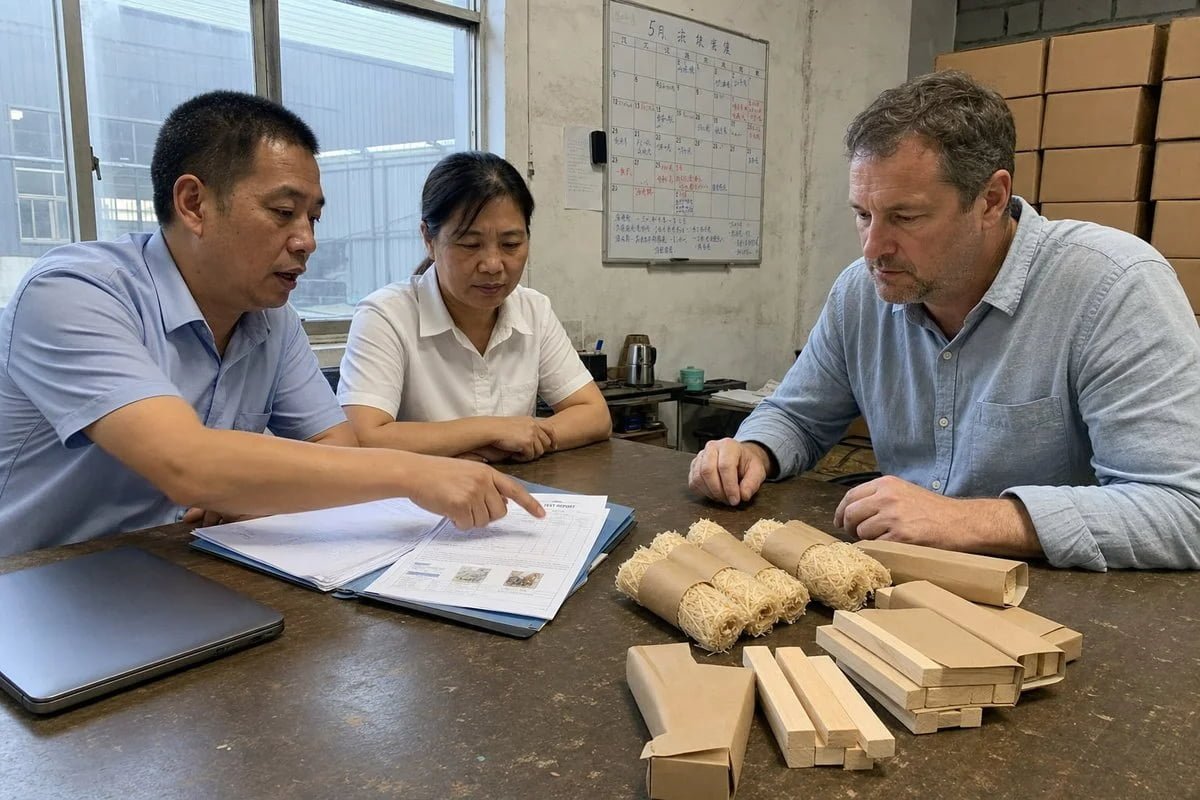
Marktfähigkeit für eine Co-Branding-Linie von Holzanzündern scheitert bei vielen Käufern. An unserer Produktionslinie habe ich miterlebt, wie vielversprechende Partnerschaften wegen verpasster Zertifizierungen, falscher Mindestbestellmengen und Zoll abgelehnten Verpackungen ins Stocken gerieten.
Marktfähigkeit für eine Co-Branding-Linie von Holzanzündern bewerten, indem zuerst Sicherheitszertifizierungen überprüft, die Nachfrage mit einem risikoarmen MOQ-Pilotprojekt getestet, die Chargen-Qualitätskontrolle Ihres Herstellers auditiert und die Einhaltung der Verpackungsvorschriften für den Import bestätigt werden. Die Machbarkeit hängt von der Zielgruppenüberschneidung, den Stückmargen und der Compliance ab – nicht von der Marktgröße.
Die Kategorie der Anzünder wächst, aber die Wachstumsschätzungen variieren stark. Das bedeutet, Ihre Entscheidung sollte auf Fakten und nicht auf Hype beruhen. Lassen Sie mich Sie durch die vier wichtigsten Fragen führen.
Welche Zertifizierungen sollte ich überprüfen, bevor ich eine Co-Branded-Linie von Holzanzündern auf den Markt bringe?
Letztes Jahr kam ein deutscher Händler nach einem fehlgeschlagenen Start mit einem anderen Lieferanten zu uns. Das Produkt brannte gut. Aber es gab keinen SGS-Bericht, und eine Einzelhandelskette lehnte die gesamte Bestellung bei der Listungsprüfung ab.
Bevor Sie eine Co-Branded-Linie von Holzanzündern auf den Markt bringen, überprüfen Sie ISO 9001 für Qualitätsmanagement, BSCI für soziale Compliance, CE-Kennzeichnung, wo zutreffend, und Testberichte von Drittanbietern wie SGS oder Intertek, die Entflammbarkeit, Zusammensetzung und Sicherheit abdecken. EU- und US-Einzelhändler behandeln diese als zwingende Zugangsvoraussetzungen, nicht als optionale Extras.
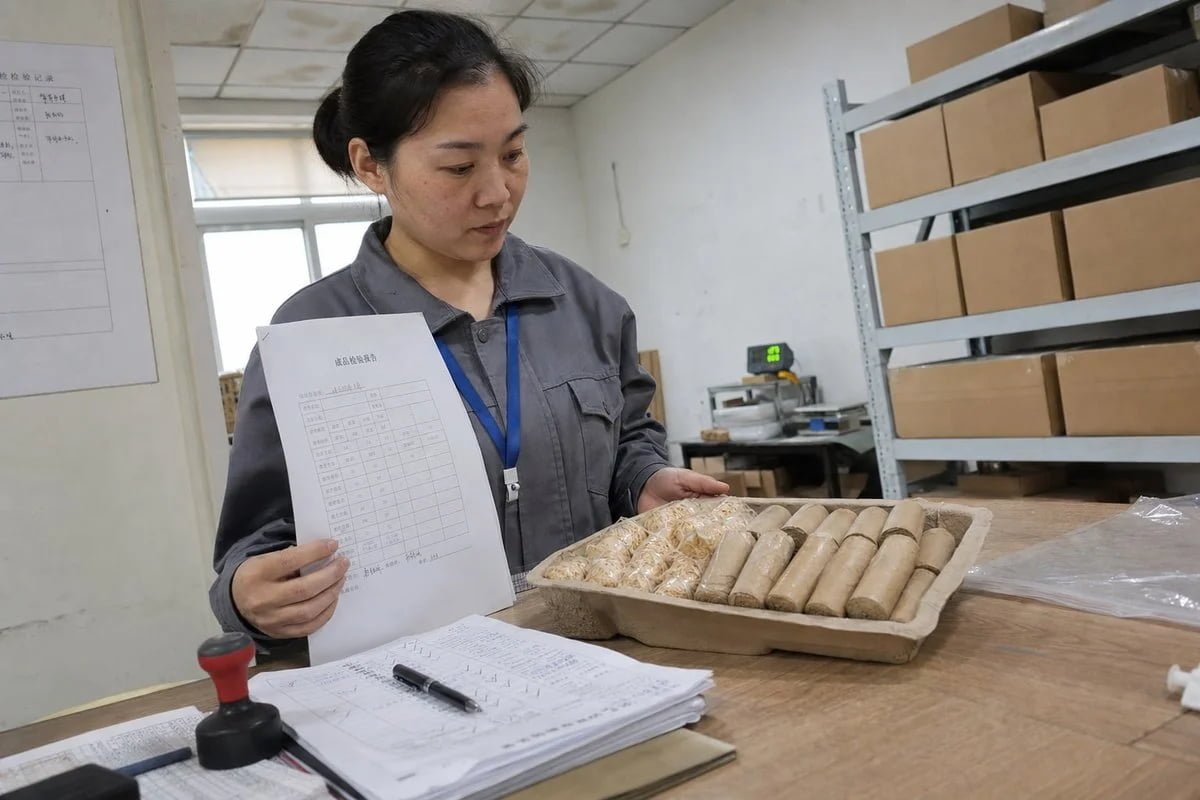
Zertifizierungen sind der erste Filter in jeder Machbarkeitsstudie, da sie entscheiden, ob Ihr Produkt überhaupt in den Handel kommt. In unseren über 17 Jahren Export von Feueranzündern in über 30 Länder habe ich noch nie einen großen US- oder europäischen Einzelhändler gesehen, der seine regulatorischen Compliance-Standards für eine kleine Marke aufgegeben hat. Prüfen Sie also die Unterlagen, bevor Sie den Preis prüfen.
Der Kernstapel der Zertifizierung
Unterschiedliche Märkte verlangen unterschiedliche Dokumente. Hier ist, wie ich es für Käufer aufschlüssle, die eine Co-Branding-Einführung bewerten:
| Zertifizierung / Bericht | Was es abdeckt | Wer verlangt es |
|---|---|---|
| ISO 9001 1 | Qualitätsmanagementsystem der Fabrik | Die meisten etablierten Importeure und Ketten |
| BSCI | Soziale und ethische Prüfung der Fabrik | Handelsketten, vorsichtige Käufer |
| CE-Kennzeichnung 2 | EU-Produktsicherheitskonformität, wo zutreffend | EU-Zoll und Händler |
| SGS / Intertek-Berichte | Zusammensetzung, Entflammbarkeit, Schwermetalle 3 | US- und EU-Einzelhandelslistungsprüfungen |
| Umweltfreundliche Zertifizierung (z. B. FSC-bezogene Herkunftsangaben) | Nachhaltige Beschaffung von Holzfaser 4 | Premium- und Outdoor-Kanäle |
Warum Co-Branding die Einsätze erhöht
Ein Co-Branding-Produkt trägt zwei Reputationen. Wenn ein Compliance-Problem einen Rückruf auslöst, erleiden beide Partner einen Reputationsschaden. Deshalb sollte die Bewertung der Markenreputation eine Compliance-Prüfung des Herstellers beinhalten, nicht nur eine Überprüfung von Logos und Design-Mockups. Fordern Sie aktuelle Testberichte an, keine Zertifikate von vor drei Jahren. Fragen Sie, ob die Berichte die exakte Formulierung abdecken, die Sie verkaufen werden – Holzfaser und Paraffin 5 Mischungen können von Charge zu Charge variieren, wenn die Fabrik Abstriche macht.
Überprüfen Sie auch die Nachhaltigkeitsangaben. Wenn Ihre Verpackung biologisch abbaubar 6 oder umweltfreundlich.
Wie bestimme ich den richtigen MOQ, um die Marktnachfrage zu testen, ohne mich zu überverpflichten?
Die CE-Kennzeichnung erfüllt spezifische EU-Konformitätsanforderungen, aber Einzelhändler verlangen auch Werksaudits wie BSCI, Qualitätszertifizierungen wie ISO 9001 und produktspezifische Laborprüfberichte.
Bestimmen Sie die richtige MOQ, indem Sie von einem Pilotziel rückwärts arbeiten: genügend Einheiten, um zwei oder drei Vertriebskanäle acht bis zwölf Wochen lang zu bestücken. Für Holzanzünder bedeutet dies in der Regel eine Testbestellung von einigen tausend Einheiten, die mit einem Hersteller ausgehandelt wird, der flexible Test-MOQs anbietet.
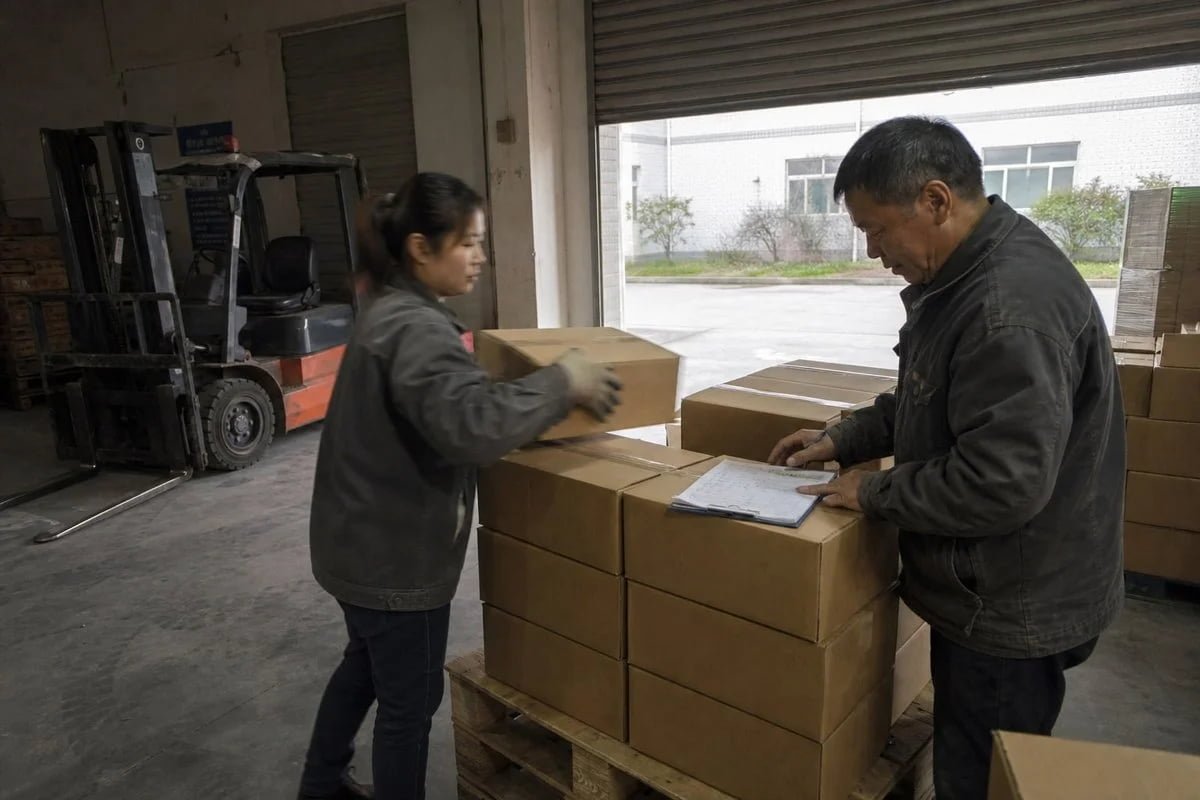
Ein Kompromiss, den ich mit fast jedem neuen Käufer bespreche, ist Geschwindigkeit versus Sicherheit. Eine große Erstbestellung erhält einen besseren Stückpreis. Eine kleine Pilotbestellung schützt das Kapital und beweist die Verkaufsgeschwindigkeit. Für eine Co-Branding-Linie empfehle ich fast immer den Piloten.
Die Marktfähigkeit einer Co-Branding-Linie von Holzanzündern kann nicht allein auf einer Tabellenkalkulation bewiesen werden. Sie benötigen Verkaufsdaten. Aber Sie brauchen keinen vollen Container, um sie zu erhalten. Der Trick besteht darin, den Piloten so zu dimensionieren, dass die Daten aussagekräftig sind, ohne Ihr Budget in langsam verkäuflicher Ware zu binden.
Beginnen Sie mit der Zielmarktentwicklung.
Entscheiden Sie zuerst, wen Sie testen. Camper, Besitzer von Feuerstellen, Grillnutzer und Käufer für Notfallvorsorge verhalten sich alle unterschiedlich. Verbrauchertrend begünstigen Outdoor-Erholung und umweltfreundliche Produkte, daher testen die meisten unserer Käufer in einem oder zwei dieser Segmente, bevor sie expandieren.
| Ein einfaches Framework zur Pilotdimensionierung | Pilotvariable | Zu beantwortende Frage |
|---|---|---|
| Praktischer Maßstab | Kanalanzahl | Wo werden Sie testen? |
| 2–3 Kanäle (z. B. DTC-Website, Amazon, ein Fachgeschäft) | Testdauer | Wie lange, um wiederholte Käufe zu sehen? |
| 8–12 Wochen, idealerweise einschließlich eines saisonalen Höhepunkts | Einheiten-Geschwindigkeit | Welcher Abverkauf beweist die Nachfrage? |
| Legen Sie vor dem Start eine Go/No-Go-Schwelle fest | Bargeld-Exposition | Was können Sie sich leisten zu verlieren? |
Halten Sie die Pilotkosten unter 10–15 % des Startbudgets. Die Jahreszeit spielt auch eine Rolle. Feueranzünder verkaufen sich das ganze Jahr über beim Grillen, Camping und am Kamin, aber die Nachfrage steigt im Herbst und frühen Winter.
in den meisten unserer Exportmärkte. Planen Sie Ihren Piloten so, dass er mindestens einen Teil eines Höhepunkts erfasst. Andernfalls könnten schwache Ergebnisse auf das Timing und nicht auf das Produkt zurückzuführen sein. In unserer Fabrik halten wir die Test-Mindestbestellmengen aus genau diesem Grund bewusst flexibel. Ein Partner, der die Nachfrage mit einem kleinen Co-Branding-Lauf validiert, wird zu einem. langfristigen Stammkunden.
Welche Qualitätskontrollstandards sollte ich von meinem Fertigungspartner erwarten?
Eine Lektion, die ich früh in unserer Produktionsstätte in Ningbo gelernt habe: Ein Feuerstarter, der im Musterraum perfekt zündet, kann sechs Monate später in einer feuchten Garage eines Kunden versagen. Feuchtigkeitskontrolle und Wachskonsistenz sind alles.
Erwarten Sie, dass Ihr Fertigungspartner die Chargen-zu-Chargen-Qualitätskontrolle durchsetzt, die den Holzfaserfeuchtigkeitsgehalt, die Konsistenz der Wachssättigung, die Zündzuverlässigkeit, die Brennzeit und die Verpackungsbeständigkeit abdeckt. Fordern Sie dokumentierte QS-Kontrollpunkte und eine Garantie, dass die Massenproduktion der genehmigten Probe entspricht.
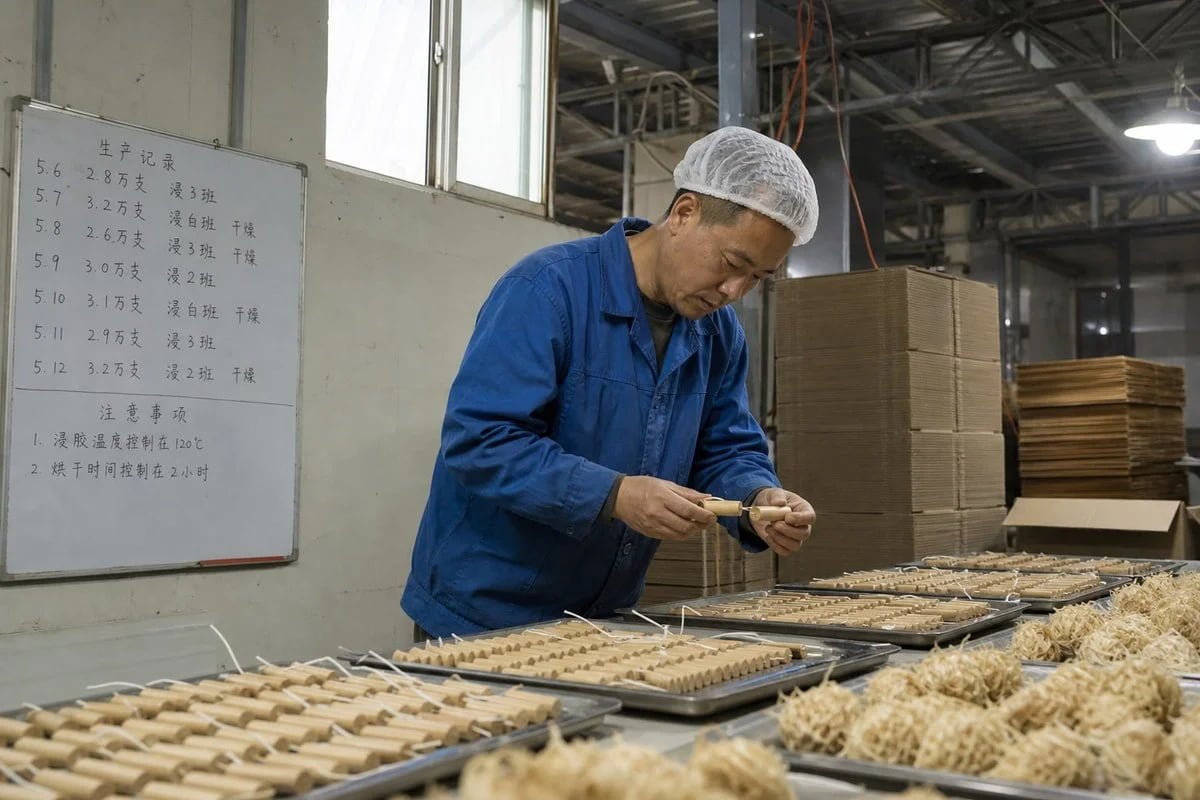
Qualitätskontrolle ist dort, wo die Marktfähigkeit zur operativen Realität wird. Eine Co-Branded-Linie von Holzfeuerstartern lebt oder stirbt durch Konsistenz, denn das Co-Brand-Versprechen ist Vertrauen. Eine schlechte Charge beschädigt zwei Marken gleichzeitig. Hier ist also, was ich Käufern sage, bevor sie etwas unterschreiben.
Die QC-Kontrollpunkte, die wirklich wichtig sind
- Wareneingangskontrolle. Holz- oder Holzfaser muss innerhalb eines definierten Feuchtigkeitsbereichs ankommen. Nasse Fasern nehmen Wachs schlecht auf und erzeugen eine schwache, rauchige Zündung.
- Kontrolle der Wachsformulierung. Die Paraffin- oder Wachsmischung muss in Bezug auf den Schmelzpunkt und die Sättigung konsistent sein. Variationen hier ändern die Brenndauerleistung von Charge zu Charge.
- Inprozess-Probenahme. Ziehen Sie Einheiten während der Produktion, nicht nur am Ende. Wir testen die Zündgeschwindigkeit und die vollständige Brenndauer an beprobten Rollen aus jeder Charge.
- Prüfung des Endprodukts. Bestätigen Sie, dass jede Einheit mit einem einzigen Streichholz zündet und lange genug brennt, um Zunder zu entzünden – typischerweise acht bis zehn Minuten für eine Standard-wachsgetauchte Holzrolle.
- Verpackungs- und Transportprüfung. Kartons müssen Feuchtigkeit, Stapelung und lange Seetransporte ohne Wachsaustritt oder Zerdrückung überstehen.
Mustergenauigkeit ist der eigentliche Test
Hier ist mein praktischer Rat: Fragen Sie die Fabrik direkt, ob die erste Probe spiegelt die Massenproduktionsqualität wider, und wie sie diese garantieren. Handelsunternehmen beziehen oft Muster aus einer Werkstatt und die Produktion aus einer anderen. Eine echte Fabrik mit vollständigen Produktionslinien kontrolliert den gesamten Prozess, sodass die von Ihnen genehmigte Probe das Produkt ist, das Ihre Kunden erhalten. Dies fließt auch in Ihre Produktionskostenanalyse ein – stabile Qualität bedeutet vorhersehbare Ausschussraten, vorhersehbare Frachtansprüche und vorhersehbare Margen. Instabile Qualität zerstört leise die Einheitsökonomie, auf die Ihr Machbarkeitsmodell angewiesen ist.
Wie kann ich sicherstellen, dass meine Eigenmarkenverpackung die Einfuhrbestimmungen in meinem Zielmarkt erfüllt?
Ein US-Importeur bat uns einmal, 5.000 Kartons neu zu drucken, weil dem Originaldesign ein Ursprungsland 7 Kennzeichnung fehlte. Wir haben es zum Glück in der Vorproduktion entdeckt. Der Zoll wäre nicht so nachsichtig gewesen.
Stellen Sie die Einhaltung von Eigenmarkenverpackungen sicher, indem Sie die erforderlichen Warnhinweise, die Zusammensetzung der Inhaltsstoffe, das Ursprungsland, die Angaben des Importeurs und die korrekten Barcodes in der Zielsprache aufnehmen. Überprüfen Sie frühzeitig die EU-CLP-Gefahrenkennzeichnung oder die US-Kennzeichnungsvorschriften und lassen Sie Ihre Grafiken vom Hersteller vor dem Druck überprüfen.
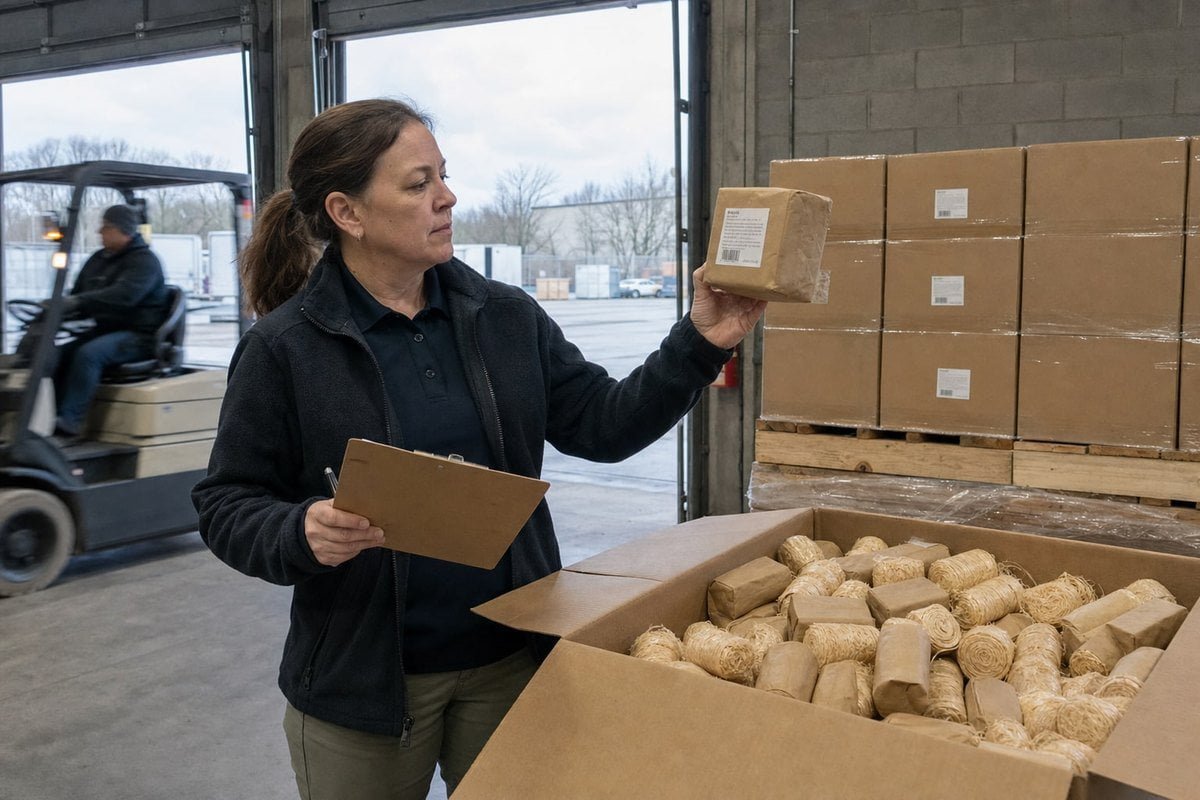
Die Verpackung ist die letzte Meile der Machbarkeit, und hier kommt es bei Co-Branding-Projekten am häufigsten zu vermeidbaren Verzögerungen. Zwei Marken bedeuten zwei Logos, zwei rechtliche Prüfungen und normalerweise zwei Meinungen zum Design. Aber die Regulierungsbehörden kümmern sich nicht um Ästhetik. Sie kümmern sich um obligatorische Informationen, und die Regeln unterscheiden sich je nach Markt.
Marktspezifische Verpackungsanforderungen
| Anforderung | Vereinigte Staaten | Europäische Union |
|---|---|---|
| Warnhinweise | Erforderlich; klare Entflammbarkeitswarnungen in englischer Sprache | Erforderlich; Gefahrenpiktogramme und -hinweise gemäß CLP, wo zutreffend |
| Offenlegung der Zusammensetzung | Empfohlen; von Einzelhändlern erwartet | Erforderlich für regulierte Substanzen wie Paraffinmischungen |
| Herkunftsland | Obligatorisch (z. B. "Made in China") | Obligatorisch für die Zollabfertigung |
| Importeur / verantwortliche Partei | Erforderlich auf der Verpackung oder Dokumentation | EU-Angaben zur verantwortlichen Person zunehmend erforderlich |
| Sprache | Englisch | Lokale Sprache des Ziermarktes |
| Barcodes | UPC-Standard | EAN-Standard |
Bauen Sie Compliance in den Designprozess ein
Meine stärkste Empfehlung ist die Sequenzierung. Legen Sie zuerst die regulatorischen Elemente fest – Warnungen, Zusammensetzung, Herkunft, Platzierung des Barcodes –, dann gestalten Sie das Co-Branding-Kreativmaterial darum herum. Unser OEM-Team prüft jede Private-Label-Artwork-Datei anhand der Regeln des Zielmarktes, bevor sie in den Druck geht, da Nachdrucke Wochen kosten und die Verpackungsprämie eines Co-Branding-Kartons Fehler teuer macht.
Nachhaltigkeitsbotschaften verdienen besondere Aufmerksamkeit. Wenn Ihre Wettbewerbsanalyse zeigt, dass Konkurrenten mit Umweltansprüchen gewinnen, ist es verlockend, mitzuhalten. Aber Behauptungen wie biologisch abbaubar oder plastikfrei müssen in Ihrem Zielmarkt belegbar sein, sonst werden sie zu einer rechtlichen Haftung. Eine starke Markenabstimmung zwischen den Partnern sollte sich auf eine gemeinsame, dokumentierte Nachhaltigkeitsgeschichte erstrecken – recycelte Kraftpapierverpackungen, nachhaltig gewonnene Holzfasern, tinten auf Sojabasis –, die einer Prüfung standhält. Schließlich denken Sie daran, dass die Verpackung Ihren Einzelhandelspreis beeinflusst: Verkaufsfertige Kartons und Premium-Oberflächen steigern die Konversionsrate, aber sie müssen in Margen passen, die den Großhandelsrabatte überstehen.
Schlussfolgerung
Machbarkeit ist nicht Marktgröße. Überprüfen Sie Zertifizierungen, pilotieren Sie mit einer intelligenten MOQ, prüfen Sie die Qualitätskontrolle und legen Sie die Verpackungskonformität frühzeitig fest – dann startet Ihre Co-Branded-Linie für Holzfeuerstarter auf solidem Fundament.
Fußnoten
Maßgebliche und stabile Übersicht über den Qualitätsmanagementstandard. ↩︎
Offizielle EU-Quelle, die die CE-Kennzeichnungsanforderungen erklärt, auf die im Zertifizierungsstapel verwiesen wird ↩︎
Link zum Hintergrundkonzept für den Parameter der Zusammensetzungsprüfung, der in der Zertifizierungstabelle aufgeführt ist ↩︎
Hintergrundreferenz für Holzfasermaterial, das als Kernbestandteil von Feuerstartern verwendet wird ↩︎
Hintergrundreferenz für die Paraffinwachszusammensetzung, die in der Holzfeuerstarterformulierung verwendet wird ↩︎
EPA-Ressource zu grünen Produktansprüchen im Zusammenhang mit der Einhaltung von biologisch abbaubaren Verpackungen ↩︎
Offizieller Leitfaden der Regierung zur Bestimmung des Ursprungslandes für Importe. ↩︎


 English
  Spanish
  German
  French
  Arabic
  Portuguese
Diskutieren Sie mit