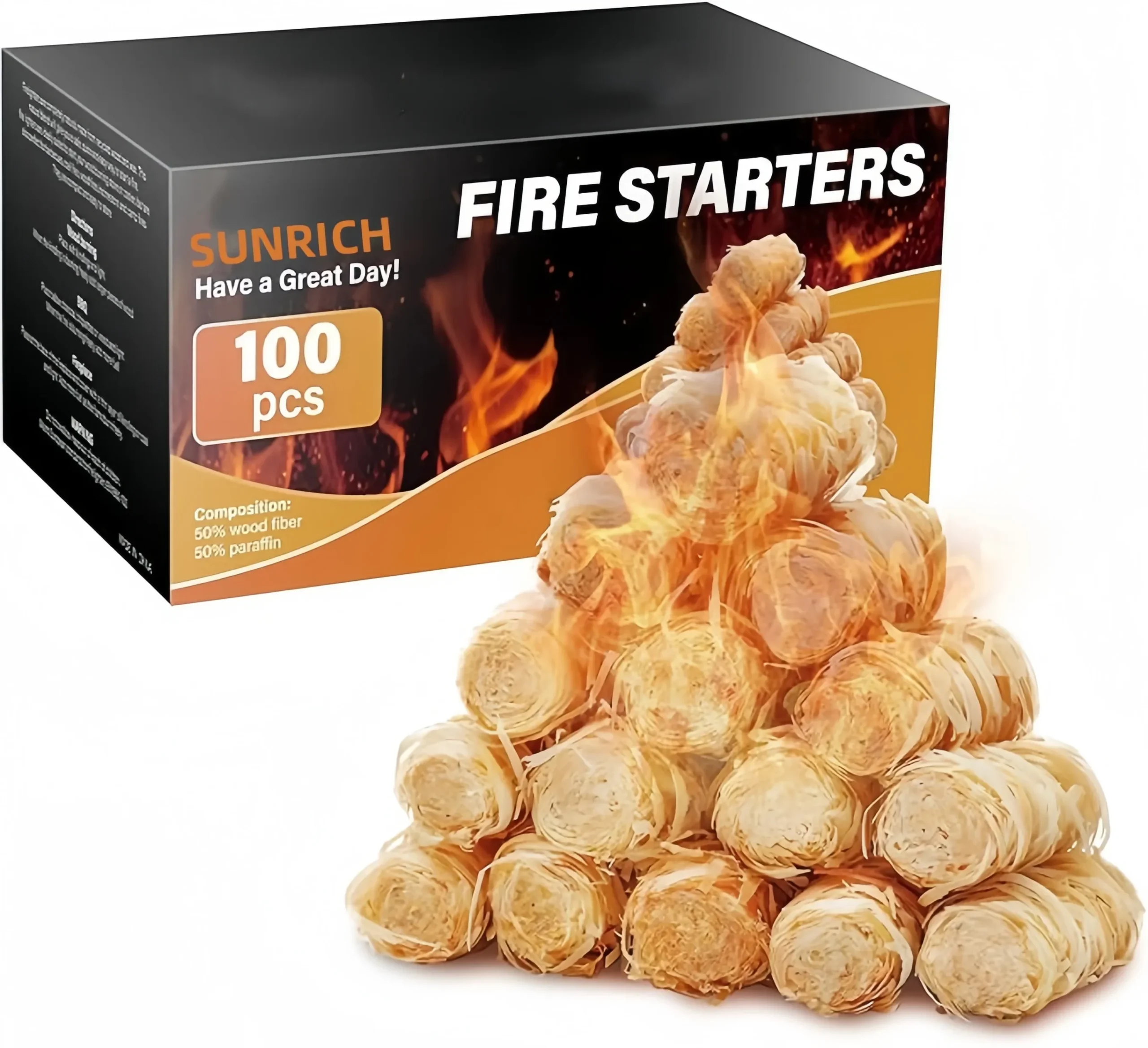







Die Ladekapazität für gemischte Artikel ist eine Frage, die ich wöchentlich in unserer Fabrik beantworte Das nutzbare Volumen eines 40-Fuß-Containers 1. Wenn Sie es falsch machen, zahlen Sie für leere Luft – oder Ihr Container wird wegen Übergewichts am Hafen abgewiesen.
Um die Ladekapazität für gemischte Artikelnummern von Holzanzündern in einem 40-Fuß-Container zu berechnen, ermitteln Sie das Karton-CBM (L×B×H×Menge ÷ 1.000.000 in cm) jeder Artikelnummer, summieren Sie alle Volumina und vergleichen Sie dann das Gesamtergebnis mit etwa 60–67 CBM nutzbarem Volumen und einer Nutzlastgrenze von 26.500–28.000 kg – je nachdem, was zuerst erreicht wird, bestimmt Ihre Menge.
Die Mathematik selbst ist einfach. Der schwierige Teil ist, eine Tabellenkalkulation von Kartons in einen sicheren, effizienten Stauplan 2. Lassen Sie mich Ihnen genau zeigen, wie wir das machen.
Wie berechne ich das Behältervolumen, wenn ich mehrere Holzanzünder-SKUs mische?
Letztes Jahr schickte uns ein deutscher Händler eine Bestellung, die gewachste Holzrollen, farbige Tannenzapfen und Verkaufsverpackungen mischte. Unser Exportteam modellierte sie Zeile für Zeile – und fand fast 4 Kubikmeter versteckten Abfall, bevor die Produktion überhaupt begann.
Kubikmeter (CBM) pro SKU berechnen anhand der Außenkartonabmessungen: Länge × Breite × Höhe × Kartonanzahl ÷ 1.000.000 (in Zentimetern). Summieren Sie die CBM jedes SKUs, addieren Sie einen Faktor für ungenutzten Stauraum von 10–15 % für Luftspalte und vergleichen Sie dann mit dem nutzbaren Volumen des 40-Fuß-Containers von etwa 60,4 m³.
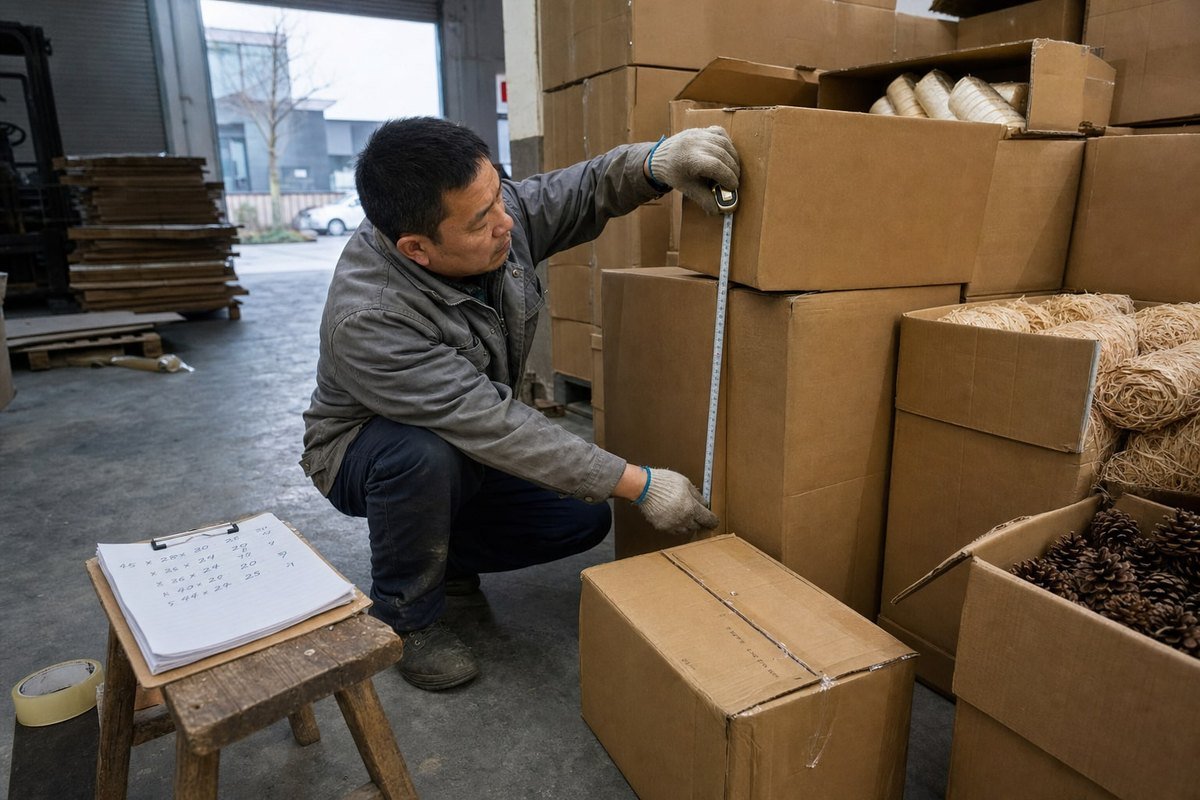
Der häufigste Fehler, den ich bei neuen Käufern sehe, ist die Verwendung von Produktabmessungen anstelle von Außenkartonabmessungen. Ihre Anzündholzrolle mag einen Durchmesser von 8 cm haben, aber die Beladung basiert auf der Außenabmessung des Versandkartons – einschließlich Klappen, Beulen durch Klebeband und Überstände der Palette. Standardisieren Sie Ihre Daten immer zuerst. In unseren Export-Tabellenkalkulationen sperren wir alles auf Zentimeter und Kilogramm, damit niemand auf halbem Weg durch ein Angebot Millimeter und Zoll vermischt.
Schritt-für-Schritt-Kubikmeter-Berechnung
Hier ist der genaue Arbeitsablauf, den unser Logistikteam für jede gemischte Bestellung verwendet:
- Listen Sie jede SKU mit ihren Außenkartonabmessungen, dem Bruttogewicht pro Karton und der Kartonmenge auf.
- Berechnen Sie die Kubikmeter pro Karton pro SKU: L × B × H ÷ 1.000.000 (cm).
- Multiplizieren Sie mit der Kartonanzahl, um die Kubikmeter pro SKU zu erhalten.
- Addieren Sie alle SKU-Kubikmeter-Zeilen für das Gesamtladungsvolumen.
- Wenden Sie einen Staufaktor 3 für ungleichmäßige Kartons an.
Ein ausgearbeitetes Beispiel mit vier Anzündholz-SKUs
Dies ist eine realistische Mischung, basierend auf Bestellungen, die wir von unserem Produktionsstandort Ningbo versenden:
| Artikelnummer | Kartonmaß (cm) | Karton-Kubikmeter | Kartons | SKU-Kubikmeter | Bruttogewicht/Karton | Gesamtgewicht |
|---|---|---|---|---|---|---|
| Gewachste Rollen, 100er-Verkaufsbox | 60 × 40 × 40 | 0.096 | 280 | 26,88 m³ | 14 kg | 920 kg |
| Holzwollrollen, Bulk-Packung | 58 × 38 × 42 | 0.093 | 180 | 16,66 m³ | 9 kg | 620 kg |
| Farbige Tannenzapfen, Verkaufsbox | 50 × 40 × 35 | 0.070 | 120 | 8,40 m³ | 11 kg | 320 kg |
| Anzündholz-Bündel | 55 × 35 × 30 | 0.058 | 90 | 5,20 m³ | 16 kg | 440 kg |
| Gesamt | — | — | 670 | 57,14 m³ | — | 300 kg |
Mit 57,14 m³ Rohware plus 10 % Staufaktor liegt diese Ladung genau am praktischen Limit eines Standard-40-Fuß-Containers. Deshalb modellieren wir jede Zeile separat. Eine einzige "durchschnittliche Kartongröße" hätte das Problem bis zum Beladetag verborgen.
Welche Faktoren sollte ich bei der Kombination verschiedener Verpackungsarten in einem 40-Fuß-Container berücksichtigen?
Ein US-Käufer fragte uns einmal, warum seine Lieferung von Verkaufsgläsern und Anzündhölzern aus Kraftpapier nicht einfach "die Kiste auf 67 Kubikmeter füllen" könne. Die Antwort beinhaltete Gewicht, Paletten und ein hitzeempfindliches Detail, das spezifisch für Wachsprodukte ist.
Berücksichtigen Sie fünf Faktoren: maximales Nutzlastgewicht im Verhältnis zum Volumen, Palettenabmessungen und Stapelgrenzen, Kartonfestigkeit über verschiedene Verpackungsarten hinweg, ISPM 15-Wärmebehandlung für Holzpaletten und Wärmeschutz für wachsbeschichtete Produkte. Die engste Einschränkung – nicht die gesamten CBM – bestimmt Ihre tatsächliche Ladekapazität.
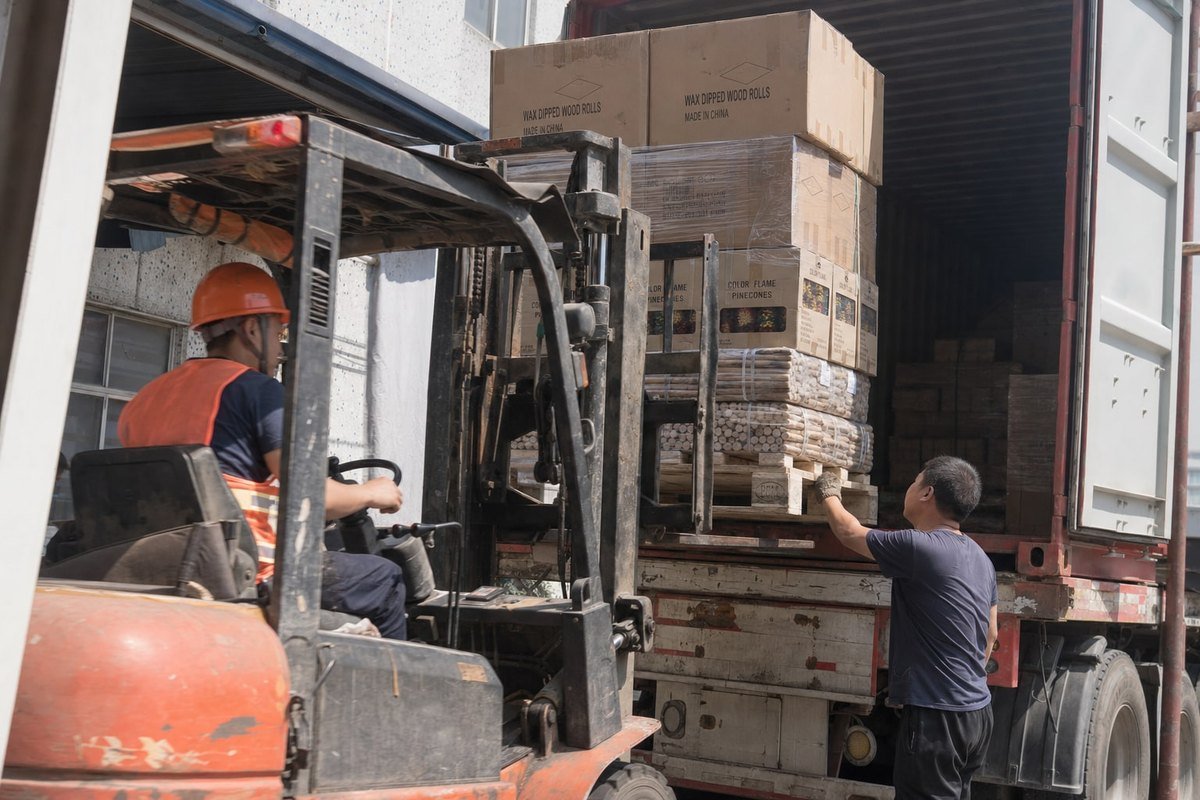
Gewicht ist die Einschränkung, die Käufer am häufigsten vergessen. Holzbasierte Feuerprodukte sind dichter, als sie aussehen, insbesondere komprimierte Artikel und wachshaltige Verkaufsverpackungen. Ein Standard-40-Fuß-Container trägt typischerweise ein maximum payload weight 4 of about 26,500–28,000 kg. Your load can pass the volume check and still fail the weight check. We always run both, and we also flag volumetric weight calculation 5 for any buyer topping off the container with LCL air-freight samples, because carriers charge on whichever figure is higher.
The Five Constraints That Actually Decide Your Quantity
| Faktor | Warum es für Feueranzünder wichtig ist | Unsere Empfehlung |
|---|---|---|
| Payload vs. volume | Dense wax-dipped rolls can hit weight limits before 60 CBM | Check both totals on every quote |
| Pallet standard | Euro pallets vs. standard pallets change container fit dramatically | Confirm pallet dimensions and stacking rules with your warehouse first |
| Crush strength | Retail display boxes crush under heavy bulk cartons | Assign heavy SKUs to bottom layers only |
| ISPM 15 heat treatment 6 | Untreated wooden pallets get quarantined at destination customs | Use only stamped, heat-treated pallets and dunnage |
| Heat exposure | Container walls can exceed wax softening temperatures in summer transit | Keep wax-impregnated SKUs away from steel walls |
Compliance Details Buyers Often Miss
Two paperwork items deserve attention. First, confirm the correct fire starter HS-Code 7 with your broker before booking, because misclassification delays clearance and can trigger inspections. Second, verify the ISPM 15 stamp on every pallet. In seventeen-plus years of exporting to the US, Germany, and Australia, we have seen quarantine holds cost buyers two to three weeks — always over pallets, never over the product itself. Australia is especially strict on wood-based cargo, so our QC team photographs pallet stamps before every container is sealed.
Wie kann ich verschwendeten Platz vermeiden, wenn ich gemischte Kartons mit Wachs-getauchten Holzrollen belade?
The trade-off we weigh on every wax-dipped wood roll order is floor loading vs palletized shipping. Floor loading recovers 10–15% more volume, but many US distribution centers now refuse floor-loaded containers entirely.
Vermeiden Sie verschwendeten Platz, indem Sie dichte SKUs mit leichten, raumfüllenden kombinieren, Kartonabmessungen auf Palettenabmessungen standardisieren, Kartons drehen, wo Stapelregeln dies zulassen, Hohlräume mit Soft-Pack-SKUs füllen und einen kleinen vertikalen Puffer lassen, damit Kartons nicht durch Feuchtigkeitsschwellung während des Seetransports platzen.

Container volume utilization is where good planning turns into real money. Every unused cubic meter in a 40ft container is freight you paid for but did not use. With mixed fire starter SKUs, waste hides in three places: gaps between mismatched carton footprints, unusable height under the ceiling, and void pockets at the door end.
Density Pairing: Our Core Technique
Wood wool rolls are light and bulky. Wax-dipped rolls are heavier and denser. We deliberately pair them in the same container. The heavy SKUs push the load toward the weight limit while the light SKUs fill remaining volume, so both constraints get used efficiently instead of one maxing out early. When we plan a mixed load, heavy cartons go on the floor layer for a low center of gravity, and wood wool products go on top where crush risk is highest.
Practical Void-Control Rules
- Design master cartons so two or three orientations tile cleanly onto standard pallet footprints — we adjust carton dimensions at the OEM stage for exactly this reason.
- Alternate rough kraft cartons with slicker laminated retail boxes between layers; the friction contrast reduces load shifting without extra bracing.
- Leave a 2–3% vertical buffer in each stack. Wood fiber absorbs moisture in humid maritime zones, and swollen cartons that were packed dead-tight can split.
- Keep about 6 inches of headspace and modest side clearance so destination warehouses can unload safely and air can circulate.
- Place wax-impregnated SKUs in the thermal core of the load, shielded from radiant heat off the container walls. We learned this after a summer shipment to the Middle East arrived with softened wax on wall-adjacent cartons — the centered cartons were perfect.
If your shipment must be palletized, accept the volume loss and optimize within it. A High Cube (HC) container 8 capacity of roughly 76 m³ often recovers what palletization costs you, and for tall retail display cartons the HC upgrade usually pays for itself.
Kann mein Lieferant einen Ladeplan für Bestellungen mit gemischten Artikeln vor der Produktion bereitstellen?
One lesson from our early exporting years reshaped how we quote: a buyer once booked a container based on our CBM total alone, and the last 30 cartons did not fit. Since then, every mixed order we confirm includes a stowage plan before production begins.
Ja – eine fähige Fabrik sollte vor der Produktion einen gemischten SKU-Stauraumplan bereitstellen, einschließlich CBM pro SKU, Gesamtgewicht im Verhältnis zur Nutzlast, Palettenanzahl, einem 3D-Ladediagramm aus der Laderaumplanungssoftware und dem empfohlenen Containertyp. Fordern Sie ihn in der Angebotsphase an, nicht nach der Buchung.
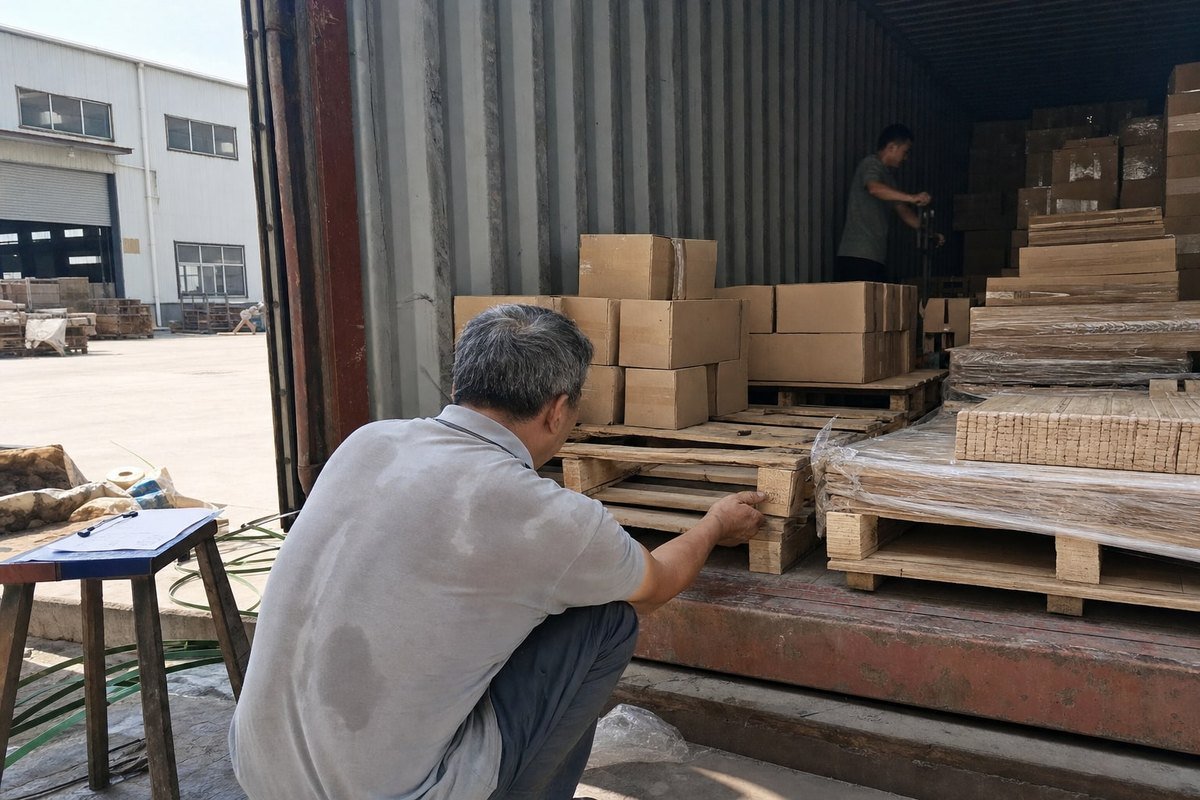
A pre-production loading plan does two things. It confirms your order actually fits the container you booked, and it lets you adjust quantities per SKU while adjustment is still free. Once cartons are printed and goods are packed, every change costs money and time.
What a Proper Loading Plan Should Include
| Liefergegenstand | Was es Ihnen sagt | Wann ist es anzufordern |
|---|---|---|
| Per-SKU CBM and weight table | Which line items drive volume and weight | With the quotation |
| 3D load diagram | Visual stacking sequence and void locations | Before order confirmation |
| Pallet map | Cartons per pallet, pallets per container | Before booking the container |
| Container recommendation | Standard 40ft vs. HC vs. splitting into two containers | Vor Anzahlung |
| Weight distribution note | Left-right balance and axle-legal road weight | Before loading day |
How We Build These Plans
Our export team runs every mixed order through load plan software with 3D auto-arrange, then a senior planner reviews the output by hand. Software is excellent at geometry but blind to product logic — it does not know that wax rolls should sit in the thermal core, or that display boxes crush under bulk cartons. The human pass catches that. We then share the diagram with the buyer, and quantity adjustments happen in a day or two by email. Because we control our own production lines rather than brokering from other factories, the carton dimensions in the plan are the carton dimensions that ship. That consistency is exactly why our buyers in the US and Europe treat the pre-production stowage plan as a standard part of working with us, alongside our ISO 9001 and BSCI documentation.
If a supplier cannot or will not provide this before production, treat it as a signal. It usually means they are a trading company that has never loaded a container themselves.
Schlussfolgerung
Guessing container capacity risks overbooking, wasted freight, or port rejection. Calculate per-SKU CBM, check payload, plan pallets, and demand a pre-production stowage plan — that is the whole solution.
Fußnoten
1. Authoritative overview of standard intermodal container dimensions and usable capacities. ↩︎
2. Corrected Wikipedia URL for the comprehensive guide on container ship stowage planning. ↩︎
3. Technical definition of the broken stowage factor used in maritime logistics calculations. ↩︎
4. Authoritative Wikipedia section detailing ISO container weight specifications and payload limits. ↩︎
5. Logistics authority explaining how volumetric weight affects shipping costs and capacity. ↩︎
6. The official international standard for regulating wood packaging material in international trade. ↩︎
7. Government resource explaining the Harmonized System codes for international product classification. ↩︎
8. Stable Wikipedia reference explaining High Cube container dimensions and height variations. ↩︎



 English
 Spanish
 German
 French
 Arabic
 Portuguese
Diskutieren Sie mit