







[Sicherheitsstandards für magisches Feuerpulver](https://sunrichfire.com/what-fire-safety-standards-magic-powder-comply-must/) verwirren viele Importeure. Ich habe Käufer ganze Lieferungen beim Zoll verlieren sehen, weil unserer Branche eine universelle Zertifizierung fehlt und Lieferanten diese Grauzone ausnutzen. In unserer Produktionslinie in Ningbo haben wir dieses Problem auf die harte Tour gelöst – indem wir die Konformität von Anfang an eingebaut haben.
Magic Fire Pulver muss Sicherheitsstandards erfüllen, die auf seine beabsichtigte Verwendung abgestimmt sind: ein GHS-konformes Sicherheitsdatenblatt, OSHA-Gefahrstoffkennzeichnung, CE-Kennzeichnung und SGS- oder Intertek-Prüfberichte für EU- und US-Märkte, korrekte Transportklassifizierung und klare Verbraucherwarnhinweise auf der Verpackung.
Es gibt keinen einzigen "magischen Feuerpulver"-Standard. Die Anforderungen hängen von der Zusammensetzung, dem Anwendungsfall und dem Zielmarkt ab. Lassen Sie mich Sie durch jede Ebene führen, in der Reihenfolge, in der ein Käufer sie prüfen sollte.
Welche Zertifizierungen sollte ich vor dem Import von Magic Fire Pulver anfordern?
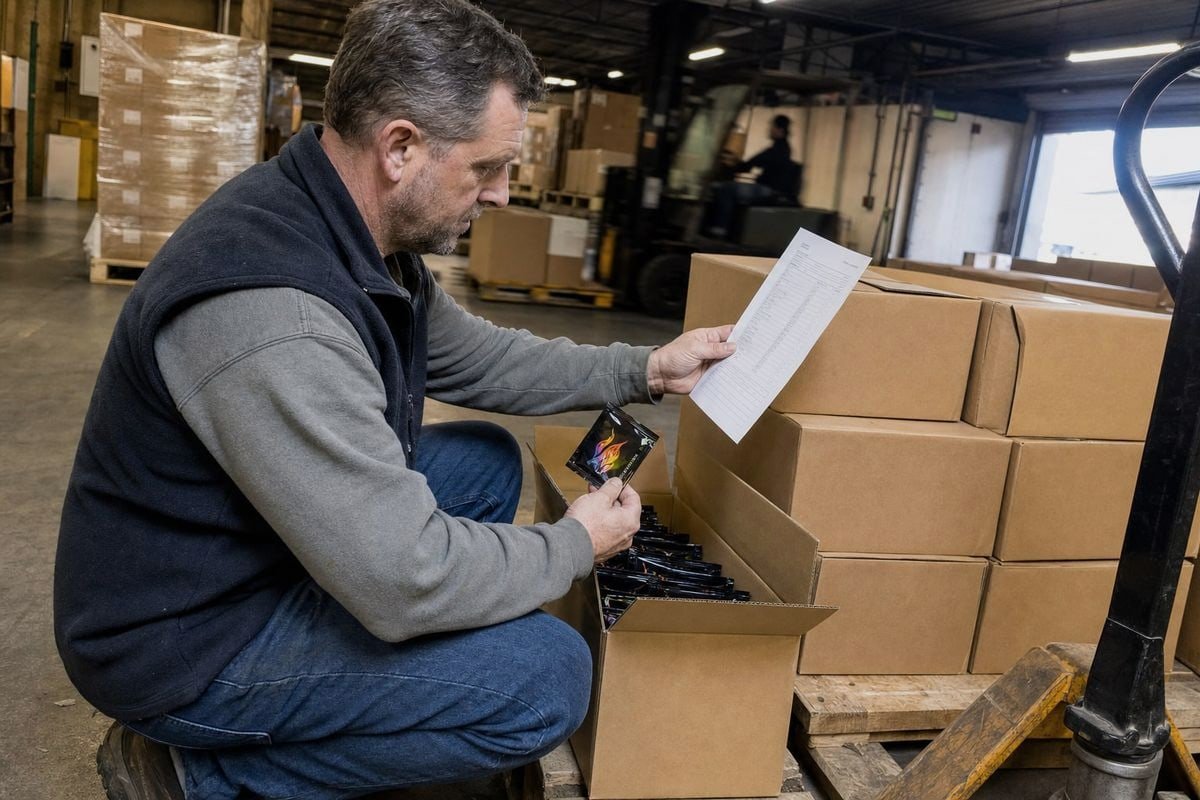
Ein deutscher Händler schickte mir einmal per E-Mail ein "Zertifikat" eines Wettbewerbers, das sich als ein selbst ausgestelltes PDF ohne Labornamen herausstellte. Nach 17 Jahren Export von Farbfackelprodukten kann ich diese in Sekundenschnelle erkennen – aber viele Erstimporteur können das nicht.
Vor dem Import von Magic Fire-Pulver fordern Sie ein Sicherheitsdatenblatt im GHS-Format, Prüfberichte von Drittanbietern von SGS oder Intertek, CE-Dokumentation für den EU-Verkauf, ISO 9001- und BSCI-Fabrikzertifikate, eine Transportklassifizierungsaussage und den Nachweis von konformen Warnhinweisen auf der Einzelhandelsverpackung an.

Die von Ihnen benötigten Zertifizierungen fallen in drei Gruppen: Dokumente über das Produkt, Dokumente über die Fabrik und Dokumente über die Lieferung. Das Fehlen einer Gruppe birgt Risiken. Ein perfektes Produkt aus einer nicht geprüften Fabrik kann immer noch eine Lieferantenprüfung eines Einzelhändlers nicht bestehen. Ein zertifiziertes Produkt mit falschen Transportpapieren kann wochenlang in einem Zolllager verbleiben.
Die wichtigsten Checklisten für Dokumente
Hier ist die genaue Liste, die ich neuen Käufern gebe, wenn sie eine Testbestellung bei uns starten:
| Dokument | Was es beweist | Wer stellt es aus? |
|---|---|---|
| Sicherheitsdatenblatt (SDB) | Chemische Zusammensetzung, Gefahren, Handhabung, Erste Hilfe | Hersteller, im GHS-Format |
| SGS / Intertek Prüfbericht | Unabhängige Verifizierung von Sicherheitsansprüchen | Akkreditiertes Drittanbieter-Labor |
| CE-Dokumentation | Konformität für den EU-Markt | Hersteller, gestützt auf Tests |
| ISO 9001 1 Zertifikat | Konsistentes Qualitätsmanagementsystem | Akkreditierte Zertifizierungsstelle |
| BSCI Auditbericht | Ethische und soziale Fabrik-Compliance | Prüfungsgesellschaft über amfori |
| Transportklassifizierungsbrief | Gefahrgut 2 Status für den Versand | Hersteller oder Prüflabor |
Warum Fabrikzertifikate genauso wichtig sind wie Produktzertifikate
Produktprüfberichte zeigen, dass eine Charge bestanden wurde. Fabrikzertifikate zeigen, dass jede Charge bestehen sollte. Unser ISO 9001-System deckt die Chargen-zu-Chargen-Qualitätskontrolle ab, sodass die vom Käufer genehmigte Probe tatsächlich mit den folgenden Behältern übereinstimmt. Große Einzelhandelskanäle – vom Typ Home Depot – prüfen Fabrikaudits, bevor sie sich überhaupt das Produkt ansehen. Wenn Ihr Lieferant ein Handelsunternehmen ist, fragen Sie, wer diese Zertifikate wirklich besitzt. Wenn die Antwort vage ist, gehen Sie weg.
Bestätigen Sie auch die Datumsangaben der Dokumente. Prüfberichte, die älter als zwei bis drei Jahre sind, spiegeln möglicherweise nicht die aktuellen Formulierungen wider. Wir testen neu, wann immer wir eine Formel oder ein Verpackungsmaterial ändern, und wir empfehlen Käufern, die gleiche Disziplin zu verlangen.
Wie überprüfe ich, ob Magic Fire Pulver die CE- und SGS-Testanforderungen erfüllt?
Die Verifizierung ist der Punkt, an dem sich gute Käufer von unglücklichen trennen. Wenn wir SGS-Berichte an Kunden in Großbritannien und den Niederlanden senden, rufen die sorgfältigen immer das Labor an, um die Berichtsnummer zu bestätigen. Dieser einzelne Anruf hat mehr als einen Käufer vor einem gefälschten Dokument bewahrt, das in unserer Branche kursiert.
Überprüfen Sie die CE- und SGS-Konformität, indem Sie die Prüfberichtsnummer direkt mit dem ausstellenden Labor abgleichen, die Beschreibung des geprüften Produkts mit Ihrem tatsächlichen Produkt abgleichen, bestätigen, dass der Bericht spezifische Normen zitiert, und die CE-technische Dokumentation für die richtige Produktkategorie und die aktuelle Formulierung überprüfen.

CE ist kein Zertifikat, das Ihnen ein Labor aushändigt. Es ist eine Erklärung des Herstellers, dass das Produkt den geltenden EU-Vorschriften entspricht, gestützt durch Prüfnachweise und eine technische Akte 3. SGS- und Intertek-Berichte sind die Beweisebene darunter. Die Überprüfung der "CE- und SGS-Konformität" bedeutet also tatsächlich die Überprüfung zweier verschiedener Dinge, und Käufer sollten beides überprüfen.
Ein vierstufiger Verifizierungsprozess
- Authentifizieren Sie den Bericht. Kontakt SGS oder Intertek 4 unter Verwendung der auf dem Dokument aufgedruckten Berichtsnummer. Labore bestätigen, ob ein Bericht echt ist. Verlassen Sie sich niemals allein auf eine gescannte Kopie.
- Stimmen Sie das Produkt ab. Lesen Sie die Probenbeschreibung im Bericht. Sie muss mit Ihrem genauen Produkt übereinstimmen – gleiche Pulverformulierung, gleicher Verpackungstyp. Ein Bericht für ein Glasprodukt deckt nicht automatisch eine Folienbeutelversion ab.
- Überprüfen Sie die zitierten Standards. Ein gültiger Bericht nennt die spezifischen verwendeten Prüfmethoden, wie z. B. Screening der chemischen Zusammensetzung, Grenzwerte für Schwermetalle oder Entflammbarkeitsverhalten. Ein Bericht, der nur "bestanden" sagt, ohne Standards zu nennen, ist ein Warnsignal.
- Überprüfen Sie die CE-Technische Akte. Fragen Sie den Hersteller, auf welche Richtlinie oder Verordnung sich seine CE-Erklärung bezieht, und bestätigen Sie, dass die Konformitätserklärung nach der letzten Formulierungsänderung unterzeichnet und datiert ist.
Welche Tests werden für ein Flammenfärbepulver tatsächlich abgedeckt?
Käufer gehen oft davon aus, dass sich Tests nur auf Flammen beziehen. In der Praxis untersuchen Labore auch Staub- und Hautkontakt-Risiken, eingeschränkte Substanzen und Verpackungssicherheit. Unsere Magic Fire-Päckchen werden mit umweltfreundlichen Materialien und ohne schädliche Chemikalien formuliert, aber wir reichen jedes Produkt für unabhängige Tests ein – denn unser Wort ist kein Beweis, und kein seriöser Einzelhändler behandelt es so. Wenn Sie einen Lieferanten prüfen, fragen Sie, wann er zuletzt neu getestet hat und was den Test ausgelöst hat. Die Antwort sagt Ihnen, ob Konformität eine Gewohnheit oder eine einmalige Marketingübung ist.
Welche Sicherheitsdokumentation sollte mein Lieferant für die Zollabfertigung bereitstellen?
Zollbeschlagnahmungen sind der stille Killer von saisonalen Verkäufen. Einer unserer kanadischen Kunden bestellte Farbfackel-Kiefernkonen für die Wintersaison; da wir das Sicherheitsdatenblatt und das Transportklassifizierungsschreiben vorab in die Versandakte geladen hatten, wurde der Container in Tagen freigegeben – während die Lieferung eines Wettbewerbers bis Dezember zur Inspektion festsaß.
Für die Zollabfertigung sollte Ihr Lieferant ein GHS-konformes Sicherheitsdatenblatt (SDB), eine Transportklassifizierungserklärung, die den Status als Gefahrgut bestätigt, die Handelsrechnung und Packliste mit korrekten HS-Codes, Prüfberichte von Drittanbietern, eine Ursprungszeugnis und Fotos von konformen Warnhinweisen bereitstellen.

Zollbeamte kümmern sich um drei Fragen: Was ist dieses Material? Ist es sicher zu transportieren? Ist es legal, im Zielland zu verkaufen? Ihr Dokumentationspaket muss alle drei beantworten, bevor jemand fragt.
Das Zoll-Dokumentationspaket
| Dokument | Zweck beim Zoll | Häufiger Fehlerpunkt |
|---|---|---|
| Sicherheitsdatenblatt | Identifiziert Zusammensetzung und Gefahren | Veraltetes Format, fehlende GHS-Abschnitte |
| Transportklassifizierungsbrief | Gibt den Status von Gefahrgut an | Fehlt vollständig; Beamte gehen vom Schlimmsten aus |
| Handelsrechnung + Packliste | Deklariert Wert und HS-Code | Falscher HS-Code löst Neubewertung aus |
| Drittanbieter-Testbericht | Unterstützt Sicherheitsansprüche | Bericht stimmt nicht mit versendetem Produkt überein |
| Ursprungszeugnis | Bestätigt Herstellungsland | Benötigt für Zollbehandlung |
| Fotos / Kunstwerke beschriften | Verbraucherwarnungen anzeigen | Fehlende Warnungen in der Zielsprache |
Warum der Buchstabe der Transportklassifizierung am wichtigsten ist
Viele neuartige Flammenfärbepulver sind als nicht als Gefahrgut für den Transport reguliert eingestuft. Aber der Zoll wird das nicht einfach so glauben. Eine schriftliche Klassifizierungsaussage – idealerweise unterstützt durch Labordaten – verhindert, dass Ihre Sendung als verdächtiges pyrotechnisches Material behandelt wird. Dies ist besonders wichtig, da unsere Branche geografisch nahe am Feuerwerkscluster in Liuyang liegt und die Beamten dies wissen. Klare Papiere nehmen das Rätselraten ab.
Ein weiterer praktischer Punkt: Transportstatus und Arbeitssicherheit sind getrennte Ebenen. Ein Produkt kann für den Versand nicht reguliert sein und dennoch ein vollständiges SDB erfordern Regeln zur Gefahrenkommunikation 5 für Lagerpersonal und Einzelhandelsabwicklung. Lieferanten, die beides verwechseln, verstehen normalerweise keines von beiden. Wir bereiten beide Ebenen als Standardpraxis vor und unterweisen Spediteure vor jedem neuen Zielmarkt, damit die Papiere den Erwartungen des lokalen Hafens entsprechen.
Welche Compliance-Standards gelten für Magic Fire-Pulver auf dem US-amerikanischen und EU-Markt?
Jeder Markt, in den wir liefern, betrachtet dasselbe Produkt durch ein anderes Regelwerk. Als wir unsere Magic Fire-Päckchen in Kraftpapier für die USA und Deutschland entwickelten, produzierten wir zwei Etikettenversionen – denn was einen US-Einzelhändler zufriedenstellt, erfüllt nicht automatisch einen deutschen und umgekehrt.
In den USA fällt Magic Fire Pulver unter die OSHA-Gefahrstoffkommunikation, die Kennzeichnungsvorschriften der CPSC und die Transportklassifizierung der DOT. In der EU muss es die CLP-Gefahrstoffkennzeichnung, die REACH-Chemikalienregistrierungsgrenzen, die GPSR-Produktsicherheit und die CE-Konformität erfüllen, mit Sicherheitsdatenblättern in den Landessprachen.
Der Kernunterschied ist strukturell. Die USA regulieren durch separate Behörden – OSHA für Arbeitsplatzgefahren 6, CPSC für Verbraucherprodukte, DOT für den Transport. Die EU reguliert durch horizontale Chemikalien- und Produktsicherheitsvorschriften, die für alle Mitgliedstaaten gelten, und fügt dann nationale Sprachanforderungen hinzu.
Nebeneinandervergleich
| Compliance-Bereich | US-Anforderung | EU-Anforderung |
|---|---|---|
| Gefahrenkommunikation | OSHA HazCom (29 CFR 1910.1200), GHS-konformes SDB | CLP-Verordnung, GHS-konformes SDB in lokaler Sprache |
| Chemikalienbeschränkungen | Bundesstaatliche Regeln (z. B. Kalifornien) | REACH-beschränkte Substanzen |
| Verbraucherbeschriftung | CPSC-Warnhinweise, Gebrauchsanweisungen | GPSR-Sicherheitsinformationen, CE-Kennzeichnung, wo zutreffend |
| Transport | DOT-Gefahrgutklassifizierung | ADR / IMDG-Klassifizierung |
| Leistung / Feuerverwendung | NFPA-Standards für professionelle oder Veranstaltungsnutzung | EN-Brandklassifizierungsstandards für Veranstaltungsstoffe |
Die Ebenen, die die meisten Käufer übersehen
Zwei Bereiche verdienen besondere Aufmerksamkeit. Erstens, bundesstaatliche und lokale Regeln in den USA: Ein national konformes Produkt kann für bestimmte gewerbliche Nutzungen immer noch die Aufmerksamkeit des staatlichen Brandschutzbeauftragten erfordern, und Kalifornien wendet strengere chemische Prüfungen an als die bundesstaatlichen Grundlagen. Zweitens, EU-Sprachverpflichtungen: Ein SDB und ein Warnhinweis nur in englischer Sprache werden die Behörden in Deutschland, Frankreich oder Polen nicht zufriedenstellen. Wir bereiten routinemäßig mehrsprachige Etiketten für unsere europäischen Händler als Teil unseres Private-Label-Services vor, denn ein konformes Produkt mit einem nicht konformen Etikett ist immer noch ein nicht konformes Produkt.
Für professionelle und Veranstaltungsnutzung – LARP-Requisiten, Festival-Effekte, inszenierte Aufführungen – können zusätzliche Veranstaltungsstandards gelten, wie z. B. NFPA-Pyrotechnikregeln 7 vor Live-Publikum. Der Verbraucher-Lagerfeuergebrauch löst diese nicht aus, aber wenn Ihre Kunden Veranstaltungsveranstalter sind, kennen Sie den Unterschied und dokumentieren Sie ihn in Ihren Verkaufsbedingungen.
Schlussfolgerung
Die Zertifizierung von Magic Fire-Pulver ist kein einzelnes Dokument – es ist ein Stapel übereinstimmender Standards. Ich habe gesehen, wie schwache Papiere gute Produkte zum Scheitern brachten und starke Papiere große Einzelhandelsmöglichkeiten eröffneten. Fordern Sie das SDB, verifizierte SGS- oder Intertek-Berichte, CE-Dateien und marktspezifische Etiketten an, bevor Sie sich festlegen. Wählen Sie eine Fabrik, die Compliance als Produktionsschritt und nicht als Verkaufsargument behandelt – genau so haben wir unser Exportgeschäft in über 30 Länder aufgebaut, und es ist der sicherste Weg für Ihres.
Fußnoten
Offizielle ISO-Standardreferenz für Qualitätsmanagementsysteme, die in der Werkszertifizierung genannt werden. ↩︎
Hintergrundreferenz, die die Transportklassifizierung von Gefahrgütern für die Versandkonformität erklärt. ↩︎
Hintergrunderklärung zur CE-Kennzeichnung und


 English
  Spanish
  German
  French
  Arabic
  Portuguese
Diskutieren Sie mit