






Die Vorschriften zur Sicherheit offener Flammen für Holzanzünder haben mich auch verwirrt, als unser erster US-Container fast am Zoll festgehalten wurde. Ein fehlendes Dokument kann eine ganze Lieferung einfrieren. Nach 17 Jahren im Geschäft mit Feuerprodukten habe ich gelernt, dass das Raten bei der Einhaltung der Vorschriften der teuerste Fehler ist, den ein Käufer machen kann.
Holzfeueranzünder werden als Zündquellen und nicht als gewöhnliche Waren reguliert. Wichtige Regeln umfassen FHSA-Warnhinweise und CPSC-Entflammbarkeitsanforderungen in den USA, EU-CLP-Kennzeichnung und REACH in Europa, DOT/UN-Klassifizierung als brennbarer Feststoff für den Transport sowie lokale Vorschriften für offenes Feuer und Brandschutz, die die Endverwendung regeln.
Das klingt nach viel. Das ist es auch. Aber wenn man die Regeln in vier Kategorien unterteilt – Zertifizierungen, Marktstandards, Prüfdokumentation und Kennzeichnung – wird das Bild überschaubar. Lassen Sie mich Sie durch jeden einzelnen führen.
Welche Zertifizierungen sollte ich von einem Hersteller von Holzanzündern verlangen, um die Einhaltung nachzuweisen?
Ein deutscher Händler bat mich einmal um unsere vollständige Zertifikatsmappe, bevor er überhaupt über Preise sprechen wollte. Das habe ich respektiert. Nach unserer Erfahrung prüfen ernsthafte Käufer immer zuerst die Unterlagen, bevor sie Muster anfordern.
Fordern Sie ISO 9001 für Qualitätsmanagement, BSCI für soziale Compliance, CE-Kennzeichnung, wo zutreffend, und Testberichte von Drittlaboren wie SGS oder Intertek an. Fordern Sie außerdem Sicherheitsdatenblätter, Ergebnisse von Flammpunktprüfungen und Transportklassifizierungsdokumente an, die den Status des Produkts als brennbarer Feststoff bestätigen.

Zertifizierungen erfüllen zwei Aufgaben. Erstens beweisen sie, dass die Fabrik ein sicheres Produkt herstellen kann. Zweitens schützen sie Sie rechtlich, wenn in Ihrem Markt etwas schiefgeht. Ein Einzelhändler oder Versicherer wird Sie nach dieser Papierkette fragen. Wenn Ihr Lieferant diese nicht vorlegen kann, liegt die Haftung bei Ihnen als Importeur.
Der Kernstapel der Zertifikate
Nicht jedes Zertifikat hat das gleiche Gewicht. Hier erkläre ich neuen Käufern in unserer Anlage in Ningbo die Hierarchie:
| Zertifikat / Bericht | Was es beweist | Wer danach fragt |
|---|---|---|
| ISO 9001 | Konsistentes Qualitätsmanagementsystem | Einzelhandelsketten, Importeure |
| BSCI-Audit | Ethische Fabrik- und Arbeitsbedingungen | EU-Einzelhändler, große US-Ketten |
| SGS / Intertek Prüfbericht | Produktsicherheits- und Zusammensetzungstests | Zoll, Händler, Versicherer |
| Sicherheitsdatenblätter (SDB) | Chemische Zusammensetzung, Zündtemperatur, Brandschutzmaßnahmen | Spediteure, Lagerhäuser, Einzelhändler |
| CE-bezogene Dokumentation | Fragen, die über die Bürokratie hinausgehen | EU-Importeure |
Warum sowohl werkseitige als auch produktbezogene Nachweise wichtig sind
Ein Werkszertifikat ohne Produktprüfberichte ist nur die halbe Miete. ISO 9001 besagt, dass unsere Produktionslinien dokumentierte Prozesse 1 und eine Chargen-zu-Chargen-Qualitätskontrolle einhalten. Aber es sagt nichts darüber aus, ob ein bestimmter Wachs-Holzwolle-Anzünder die CPSC-Entflammbarkeitsanforderungen 2 erfüllt oder legal als brennbarer Feststoff versendet werden kann. Sie benötigen beide Ebenen. Wenn wir einen neuen Eigenmarkenkunden aufnehmen, übergeben wir die Werksauditberichte und die produktspezifischen SGS- oder Intertek-Ergebnisse zusammen, da Zollagenten und Versicherungsprüfer letztendlich die vollständige Kette sehen wollen.
Achten Sie auf Handelsunternehmen mit geliehenen Zertifikaten
Eine Warnung aus Erfahrung: Einige Handelsunternehmen legen Zertifikate vor, die für Fabriken ausgestellt wurden, von denen sie lediglich kaufen. Fragen Sie nach dem Namen des Zertifikatsinhabers und gleichen Sie ihn mit dem Namen auf Ihrer Handelsrechnung ab. Wenn sie nicht übereinstimmen, fragen Sie nach dem Grund. Eine seriöse Fabrik wird Ihnen ohne zu zögern ihre eigenen Audit-Trails zeigen.
Wie unterscheiden sich die Sicherheitsstandards für offene Flammen in den USA, der EU und anderen Exportmärkten?
Der Versand in über 30 Länder hat unserem Exportteam eine harte Lektion gelehrt: Ein konformes Etikett in Ohio kann in Rotterdam ein nicht konformes Etikett sein. Jeder Markt zieht die Grenzen anders.
Die USA verlassen sich auf die Kennzeichnung nach FHSA, die Entflammbarkeitsanforderungen der CPSC und die Brandschutzbestimmungen der NFPA am Verwendungsort. Die EU wendet die CLP-Gefahrenkennzeichnung, die REACH-Chemikalienvorschriften und nationale Brandschutzbestimmungen an. Andere Märkte, wie Australien und Kanada, kombinieren UN-Transportklassifizierungen mit ihren eigenen Verbraucherkennzeichnungsgesetzen.
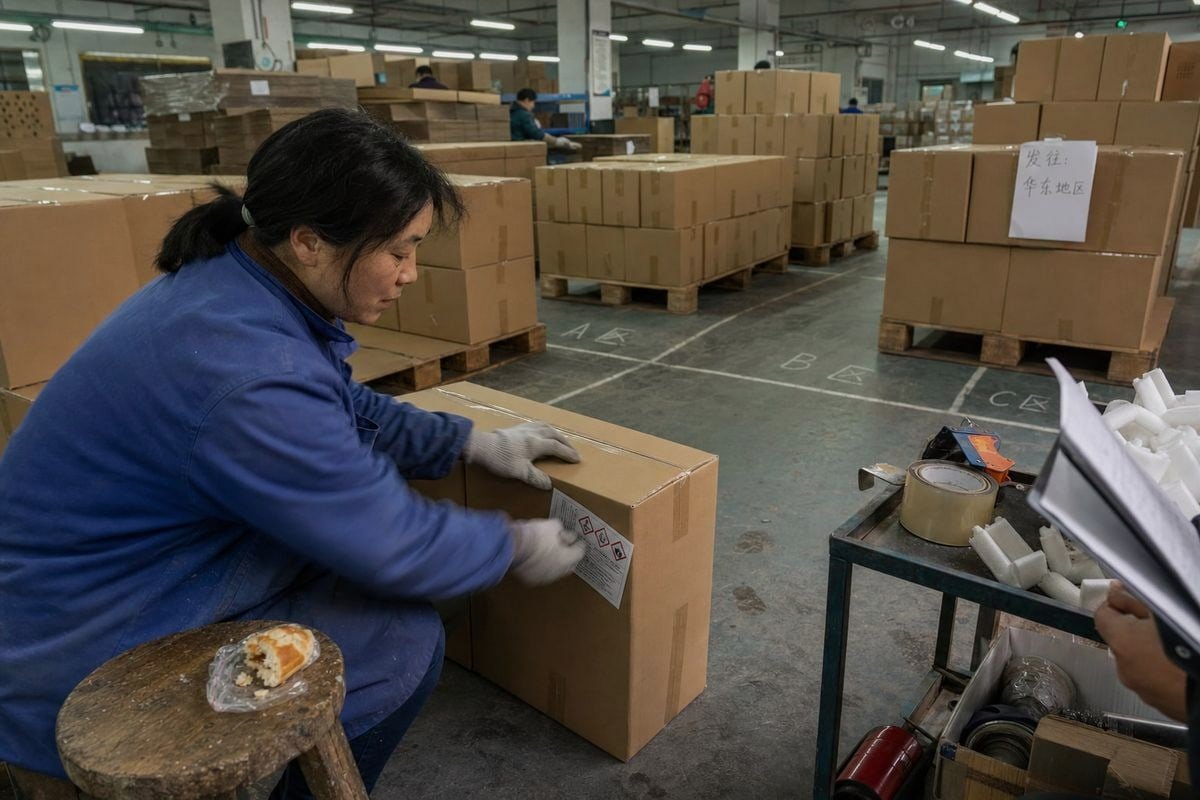
Der schnellste Weg, die Unterschiede zu erkennen, ist der Vergleich von Seite zu Seite. Dies ist der Rahmen, den wir bei der Vorbereitung von Exportdokumenten für einen neuen Markt verwenden:
| Anforderungsbereich | Vereinigte Staaten | Europäische Union | Andere Märkte (CA, AU, Naher Osten) |
|---|---|---|---|
| Produktkennzeichnung | FHSA-Warnhinweise; Kennzeichnung von Gefahrstoffen | CLP-Piktogramme und Gefahrenhinweise | Nationale Kennzeichnungsgesetze, oft von CLP beeinflusst |
| Chemikalienvorschriften | CPSC-Aufsicht; bundesstaatliche Vorschriften wie Kaliforniens Prop 65 | REACH-Stoffbeschränkungen | Variiert; Kanada folgt WHMIS-konformen Regeln |
| Transport | DOT-Klassifizierung als brennbarer Feststoff | ADR-Straßentransportvorschriften | UN-Modellvorschriften als Basis |
| Nutzungsphasen-Brandschutzbestimmungen | NFPA 1, NFPA 211 Standards 3, IFC, lokale Verbrennungsordnungen | Nationale und kommunale Brandschutzvorschriften; Rauchschutzzonen | Regeln der lokalen Feuerwehr, Wildbrandverbote |
| Lagerung | OSHA 29 CFR 1910.106 4 Volumenbeschränkungen | ATEX- und nationale Lagerhausvorschriften | Lokale Arbeitsschutzvorschriften |
Die USA: geschichtete Bundes- und lokale Regeln
Die USA haben kein einzelnes nationales Gesetz für Holzfeueranzünder. Stattdessen, die FHSA 5 governs the warning label, the CPSC watches flammability requirements, and DOT governs transport. Then local fire codes take over at the point of use. NFPA 211 standards cover chimneys and solid-fuel appliances, which matters because most starters end up in fireplaces and wood stoves. NFPA 1 requires open fires to be constantly attended, and many jurisdictions add fire pit clearance distances of 50 feet or more from structures. Product legality and use legality are separate questions, and your marketing copy should never blur that line.
The EU: chemistry-first regulation
Europe starts with the chemistry. CLP classification determines your hazard pictograms based on flash point testing and combustible liquid classifications 6 for any wax or paraffin content. REACH restricts specific substances. On top of that, the UK and several EU cities enforce smoke control areas that regulate the ignition phase of wood fires to protect indoor air quality standards 7 and reduce particulate spikes. When we ship to Germany or the Netherlands, the CLP dossier is checked before anything else.
Emerging trends to watch
Two shifts are coming fast. First, restrictions on burn-in-wrapper packaging, driven by concerns about micro-plastic and dioxin emissions from chimneys. Second, expected PFAS-free requirements for waterproofing agents in high-performance starters. We already formulate with eco-friendly materials and no harmful chemicals, so these trends favor buyers who chose compliant suppliers early.
Welche Testberichte und Dokumentationen sollte ich anfordern, bevor ich eine Großbestellung aufgeben?
Early in my career, we lost a client's launch window because one freight forwarder demanded an SDS revision mid-shipment. Since then, I insist every buyer collects the full document package before a single pallet moves.
Vor einer Großbestellung fordern Sie aktuelle Sicherheitsdatenblätter, Ergebnisse von Flammpunktprüfungen, Daten zur Zündtemperatur, UN/DOT-Transportklassifizierung, Zusammensetzungsanalysen von Drittanbietern, FHSA- oder CLP-Etikettennachweise und Chargenqualitätsaufzeichnungen an. Überprüfen Sie, ob alle Dokumente mit der exakten Formulierung übereinstimmen, die Sie kaufen.

Think of documentation as a chain with five links. If any link is missing, the chain fails somewhere between the factory and your customer's shelf. Here is the sequence I recommend, in the order the documents actually get used:
- Safety Data Sheets. The SDS travels with the goods. Warehouses, forwarders, and retailers all reference it. It must state chemical composition, ignition temperature, flash point, and firefighting measures. Ask for the revision date; an SDS older than a few years raises red flags in audits.
- Flash point and flammability test reports. For a wax-based starter, flash point testing on the paraffin component determines transport classification and CLP hazard category. This data must come from a recognized lab, not a supplier estimate.
- Transport classification documents. Wood fire starters typically ship as Class 4 flammable solids under DOT and UN rules. Your forwarder needs the exact classification to book compliant freight and avoid rejected bookings or fines.
- Composition and restricted-substance reports. SGS or Intertek reports confirming the stated composition — for example, wood fiber and paraffin percentages — and screening for restricted substances under REACH or CPSC rules.
- Batch quality records and label proofs. These prove the first sample reflects mass production. Our lines in Ningbo run strict batch-to-batch quality control precisely so buyers can trust that the tested sample equals the shipped goods.
Storage and insurance documents buyers forget
Two extras matter more each year. First, OSHA 29 CFR 1910.106 sets volume-based storage limits for flammable solids, so your warehouse team will want the SDS and classification to plan storage zones. Second, commercial property insurers increasingly ask hospitality buyers for recognized certification such as UL 2115-aligned testing on starters used in commercial settings. Ask your supplier early whether their reports satisfy your insurer's checklist. It is far cheaper to confirm this before production than after delivery.
Kann mein Lieferant konforme Warnetiketten und Verpackungen für Produkte mit offener Flamme liefern?
Label work is where our OEM team spends surprising amounts of time. Last year we redesigned one client's retail box three times before their US legal reviewer approved every cautionary phrase.
Ein fähiger Lieferant sollte marktgerechte Verpackungen entwerfen und drucken, einschließlich FHSA-gebotener Warnhinweise wie "Außerhalb der Reichweite von Kindern aufbewahren", CLP-Piktogramme für die EU, Kennzeichnung von Gefahrstoffen für den Transport, Barcodes und Eigenmarken-Branding – alles vor dem Massendruck gemäß den Regeln Ihres Zielmarktes überprüft.

Packaging for open flame products carries three separate jobs: legal warnings, transport markings, and retail appeal. A supplier who only handles one of the three leaves you exposed. Here is the checklist we run through with every private-label client before print approval:
| Verpackungselement | US-Anforderung | EU-Anforderung |
|---|---|---|
| Signal word and warnings | FHSA cautionary statements, flammability warning | CLP signal word plus hazard and precaution phrases |
| Piktogramme | Not mandated in the same format | CLP flame pictogram where classification requires |
| Kindersicherheitserklärung | Keep Out of Reach of Children | Equivalent P-phrases under CLP |
| Offenlegung der Zusammensetzung | Recommended; required for hazardous ingredients | Required for classified substances |
| Nutzungsbeschränkungen | Never use as a liquid accelerant substitute; outdoor/appliance guidance | Same, plus smoke control area awareness in some markets |
| Transport markings | DOT flammable solid markings on outer cartons | ADR-compliant markings |
Instructions matter as much as warnings
Regulators focus on how the product gets used, not just how it is labeled. The International Fire Code and most local codes prohibit liquid accelerants in indoor wood-burning appliances 8, so a solid starter's instructions should position it as the safe alternative — used inside an appliance meeting NFPA 211 standards or an outdoor fire with proper fire pit clearance distances. Good instructions also reference supervision, full extinguishing, and burn-ban awareness. We include this guidance on our retail boxes because it reduces misuse and protects the brand printed on the front — your brand.
What true one-stop packaging support looks like
Ask your supplier three practical questions. Can they produce custom boxes, display packaging, and barcodes in-house? Will they run your artwork past compliance review for each destination market? And will they document label content in the test-report package? Our OEM/ODM process covers all three, from wax-dipped wood roll sizing and burn time customization through to shelf-ready display cartons. Also confirm the inner wrapper strategy: with burn-in-wrapper packaging facing environmental restrictions in some markets, paper-based or wrapper-free formats are the safer long-term bet.
Schlussfolgerung
Open flame safety regulations are a patchwork, and one gap can cost you a shipment or a lawsuit. Verify certifications, match documents to each market, and partner with a factory that treats compliance as standard practice — not an upsell.
Fußnoten
1. Explains the importance of standardized procedures in manufacturing quality. ↩︎
2. Links to the primary US authority on consumer product flammability safety. ↩︎
3. Updated to the current official landing page for the NFPA 211 standard. ↩︎
4. References the specific US federal regulation for flammable liquid storage. ↩︎
5. Points to the foundational US law for hazardous substance labeling. ↩︎
6. Defines the European regulatory framework for chemical hazard classification. ↩︎
7. Connects the impact of wood burning to environmental health standards. ↩︎
8. Corrected the URL path on the EPA Burn Wise site for appliance selection guidance. ↩︎



 English
  Spanish
  German
  French
  Arabic
  Portuguese
Diskutieren Sie mit