







Jeden August stellen Käufer unserem Produktionsteam in Ningbo dieselbe Frage zu Holzanzündern aus China – und jeden August sind einige von ihnen für die Hochsaison bereits zu spät dran.
Bestellen Sie Holzanzünder aus China bis Mai/Juni, um die Spitzenumsätze der Feiertage im 4. Quartal sicher zu erreichen. Anfang Juli ist der absolut riskante Stichtag für den Seefrachtverkehr, und nicht später als der 20. Juli, wenn Sie die Häfen vor der Überlastung durch die Goldene Woche räumen müssen.
Diese kurze Antwort verbirgt viele bewegliche Teile. Produktionspläne, Frachtarten, Zoll und chinesische Feiertage verschieben alle die tatsächliche Frist. Lassen Sie mich jeden Faktor durchgehen, damit Sie Ihre eigene Zeitachse erstellen können.
Wie weit im Voraus sollte ich meine Holzfeueranzünder-Bestellung aufgeben, um Verzögerungen in der Hauptsaison zu vermeiden?
Letztes Jahr kontaktierte ein deutscher Händler Ende August unsere Fabrik und bat um zwei Container mit in Wachs getauchten Holzrollen vor November. Wir mussten ehrlich sein: Die Hälfte der Bestellung würde das Verkaufsdatum verpassen.
Geben Sie Ihre Bestellung 4–6 Monate vor Ihrem Spitzenverkaufszeitraum auf. Bestellen Sie für den Black Friday und den Einzelhandel in der Ferienzeit im Mai oder Juni. Bestellen Sie für die Sommersaison im Campingbereich bis März oder April. Wenn Sie länger als Juli warten, riskieren Sie Ihren gesamten Lagerbestand für das 4. Quartal ernsthaft.
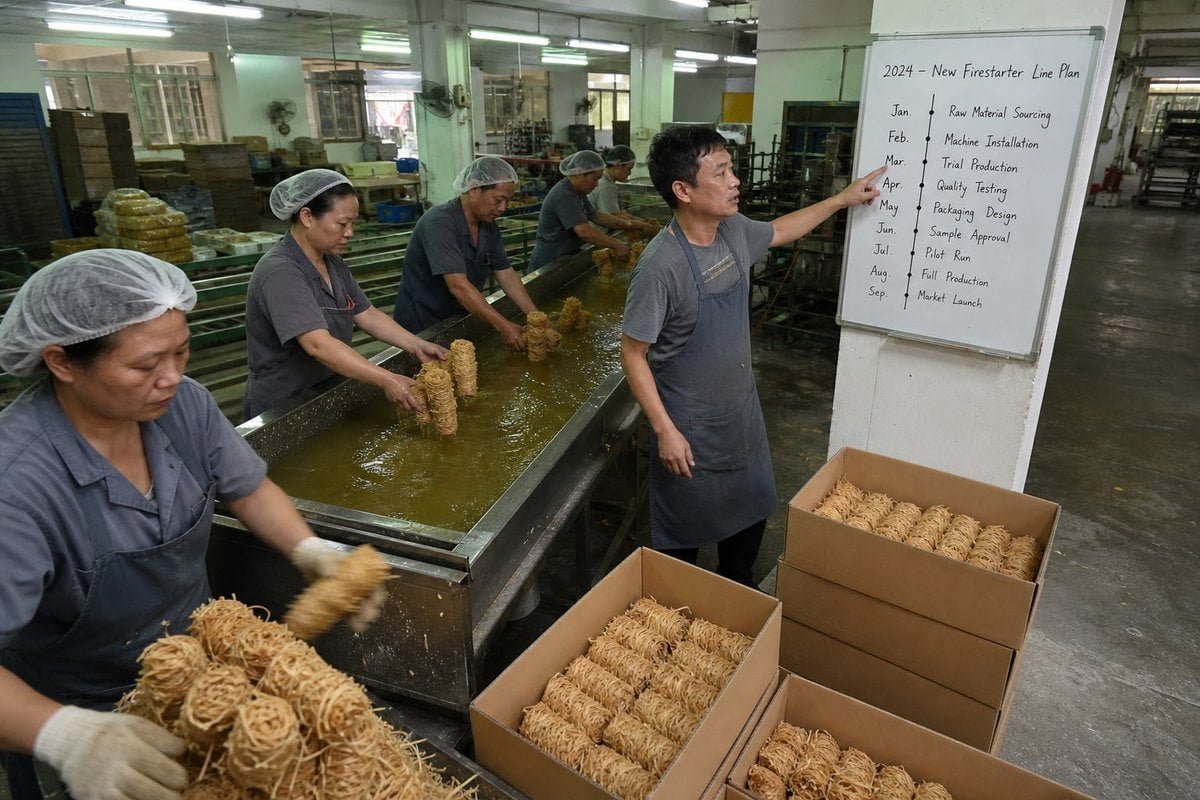
Die ehrliche Wahrheit ist, dass es kein einziges universelles "Datum der letzten Bestellung" gibt. Der richtige Stichtag hängt davon ab, welche Hochsaison Sie tatsächlich anstreben. In unseren über 17 Jahren des Exports von Feueranzündern in die USA, nach Deutschland, Großbritannien und über 30 weitere Märkte haben wir drei verschiedene Nachfragekurven gesehen, und jede erfordert ihre eigene rückwärts gerichtete Zeitachse.
Unterschiedliche Hochsaisonen, unterschiedliche Fristen
Amazon FBA-Verkäufer benötigen Lagerbestände, die eingecheckt sind Versandzentren 1 Wochen vor dem Black Friday. Stationäre Einzelhändler benötigen Waren Anfang November in den Regalen. Camping- und Outdoor-Marken benötigen im Mai oder Juni Inventar, wenn die Grillsaison in Nordamerika und Europa beginnt.
| Zielsaison | Letztes sicheres Bestelldatum | Letzter riskanter Stichtag | Warum |
|---|---|---|---|
| Black Friday / Weihnachtsgeschäft | Mai | Anfang Juli | Frachtstau im 3. Quartal plus Golden Week |
| Amazon Q4 FBA | April–Mai | Ende Juni | FBA-Check-in-Fristen kommen früher als im Einzelhandel |
| Camping-/Outdoor-Saison | März–April | Mai | Nachfrage beginnt im späten Frühling, nicht im Herbst |
| Nachschub für den Winterkamin | Juli | September (nur Luftfracht) | Seefracht ist nach September zu langsam |
Warum der Puffer wichtig ist
Verzögerungen in der Hochsaison verlängern den normalen Zeitplan routinemäßig um 2–4 Wochen. Die Transportkapazität ist im Juli–August und wieder von November bis Februar knapp. Wenn Ihr Plan keine Pufferzeit hat, vernichtet ein verpasster Seetransport oder eine Zollbeschlagnahme Ihr Verkaufsfenster. Wir raten Käufern immer, die Lieferantenauswahl und die endgültigen Spezifikationen etwa 2–3 Monate vor Beginn ihrer Saison festzulegen und dann frühzeitig zu versenden. Die Kosten für die Lagerung von Inventar für ein paar zusätzliche Wochen sind gering. Die Kosten für leere Regale im November sind es nicht.
Welche Vorlaufzeiten kann ich beim Import von Holzanzündern aus China während der Hochsaison erwarten?
Ein US-Käufer erzählte mir einmal, er habe angenommen, dass "Lieferzeit" den Tag bedeute, an dem die Ware den Hafen verließ. Dieses Missverständnis kostete ihn drei Wochen Planung, also lassen Sie mich das Gesamtbild definieren.
Erwarten Sie eine gesamte Lieferzeit von 90–120 Tagen während der Hochsaison: 30–45 Tage für die Fertigung, 30–50 Tage für die Seefrachtlaufzeit, zuzüglich 1–2 Wochen für die Zollabfertigung, die Binnenlieferung und einen Sicherheitsaufschlag für Verzögerungen bei der Hafenkongestion.
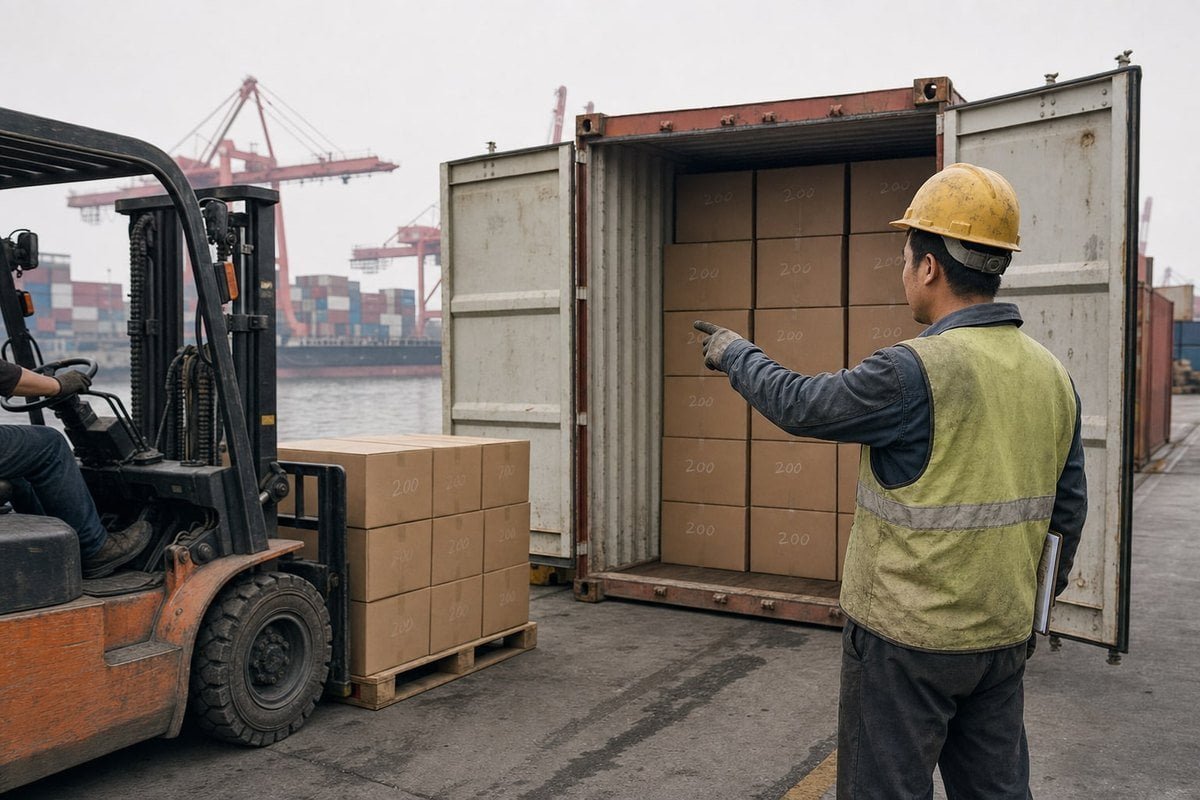
Die Berechnung der Lieferzeit für natürliche Feueranzünder hat fünf Segmente, und Käufer zählen oft nur ein oder zwei davon. Hier ist die Aufschlüsselung der gesamten Kette, basierend auf dem, was wir beim Durchführen von Bestellungen von unseren Ningbo-Linien zu westlichen Häfen sehen.
Die fünf Segmente Ihrer tatsächlichen Lieferzeit
- Auftragsbestätigung und Musterung — 1–2 Wochen für Standardwaren, länger für die Genehmigung von Eigenmarkenverpackungen.
- Herstellung Produktionsplan — 15 Arbeitstage für kleine Lagerbestellungen, bis zu 1–3 Monate für große oder kundenspezifische Aufträge während der Spitzenbuchung.
- Buchung und Hafenabfertigung — Frachtplaner empfehlen die Buchung Schiffsraum 2 6–8 Wochen im Voraus während der Spitzenzeiten.
- Seetransportzeit — 35–50 Tage nach Europa oder an die US-Ostküste, insbesondere wenn Reedereien den Umweg über das Kap der Guten Hoffnung anstelle des Suezkanals nehmen. Die US-Westküste ist kürzer, typischerweise 18–30 Tage.
- Zollabfertigungsprozess und Binnenlieferung — normalerweise 3–10 Tage, aber ein Dokumentationsproblem kann dies stark verlängern.
| Lieferzeitsegment | Nebensaison | Hochsaison (Jul–Dez) |
|---|---|---|
| Produktion | 15–30 Tage | 30–60 Tage |
| Wartezeit für die Schiffsreservierung | Tage | 2–4 Wochen |
| Seetransport (US-Ostküste / EU) | 30–40 Tage | 35–50 Tage |
| Zoll und Lieferung | 3–7 Tage | 5–14 Tage |
| Gesamt | ~60–80 Tage | ~90–120 Tage |
Kostendruck stapelt sich auf Zeitdruck
Spitzenlastzuschläge und allgemeine Preiserhöhungen treten typischerweise Anfang August in Kraft und erhöhen die Landekosten um etwa 500–1.500 $ pro Container. Eine späte Bestellung ist also nicht nur langsamer, sondern auch teurer. Bei FOB-Versandbedingungen liegen die Frachtkosten vollständig auf Ihrer Seite des Ledgers, was ein weiterer Grund ist, frühzeitig zu buchen.
Wie wirken sich Produktionspläne von Fabriken auf meine Bestellzeit vor der Spitzen-Nachfrage aus?
Es gibt einen Rhythmus in unserem Produktionsjahr in Ningbo, den die meisten Erstimporteure nie sehen. Bis Juli sind unsere Bänder bereits mit bestätigten Spitzenaufträgen gefüllt, und neue Käufer reihen sich hinten an.
Fabrikproduktionspläne füllen sich ab Juli, daher reihen sich späte Bestellungen hinter früheren ein. Kundenspezifische Artikel mit Eigenmarkenverpackungen benötigen zusätzliche Wochen, und Chinas Golden Week (1.–7. Oktober) stoppt die gesamte Produktion, was zu einer Wellenverzögerung von etwa zehn Tagen führt.
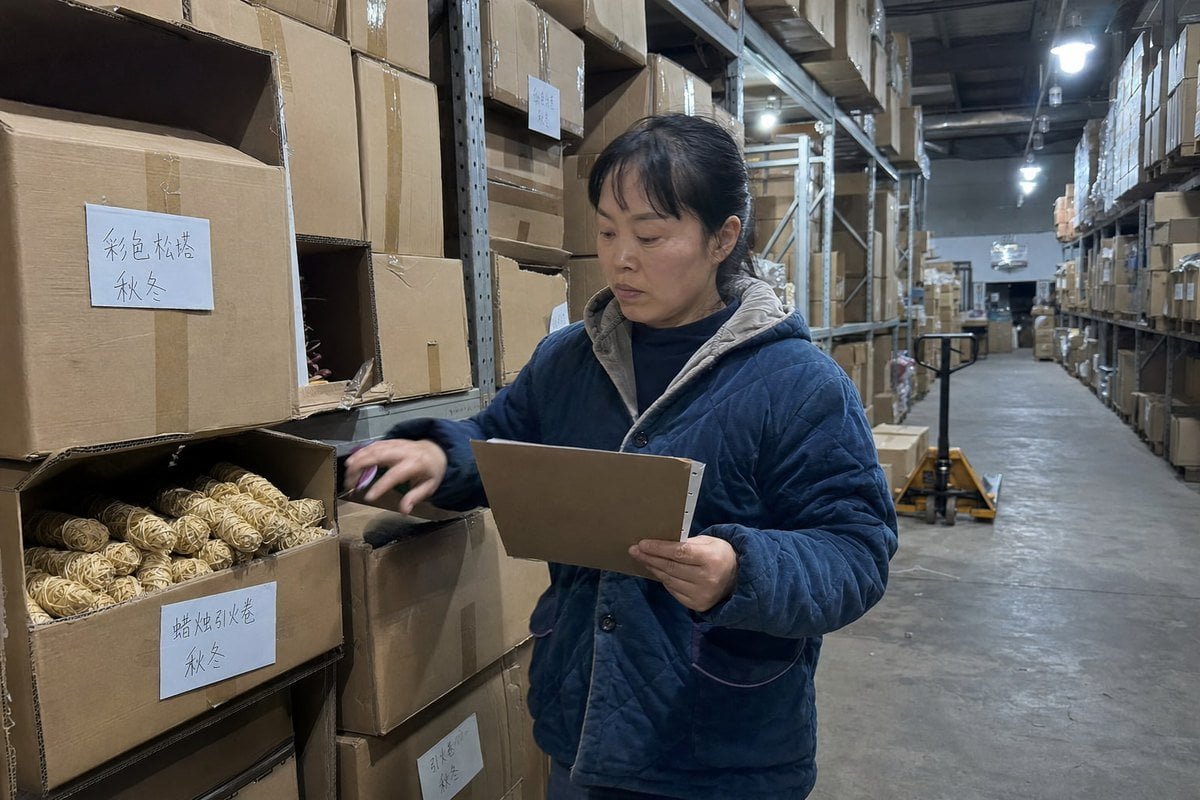
Ihr Bestelldatum bestimmt Ihre Position in der Produktionswarteschlange, und die Warteschlange verhält sich im Laufe des Jahres sehr unterschiedlich. Hier ist, was sich in einer Fabrik tatsächlich verschiebt, wenn sich die Spitzennachfrage nähert.
Lagerware vs. kundenspezifische Bestellungen
Ein Standard-Holzwolle-Anzünder in Bulk-Kartons 3 kann schnell in eine Produktionscharge integriert werden. Aber die meisten unserer B2B-Kunden wünschen sich OEM-Arbeit: kundenspezifische Brenndauer, bedruckte Einzelhandelsverpackungen, Display-Verpackungen, Warnhinweise 4, und Barcodes. Jede dieser Optionen fügt Schritte hinzu – Freigabe der Grafik, Beschaffung der Verpackung, Muster vor der Produktion und Chargen-Qualitätskontrolle. Nach unserer Erfahrung benötigen Private-Label-Bestellungen mindestens 2–3 zusätzliche Wochen im Vergleich zu Lagerware, und mehr, wenn der Verpackungslieferant ebenfalls ausgelastet ist.
Der Einfluss des Golden Week-Feiertags
Golden Week ist keine geringfügige Verlangsamung. Vom 1. bis 7. Oktober stoppt die Produktion landesweit und der Hafenbetrieb 5 drosselt sich. Der eigentliche Schaden ist die Auswirkung: Fabriken eilen, um vor Oktober zu versenden, die Schiffsraumverträge ziehen sich Ende September zusammen, und der Rückstau braucht danach noch eine Woche oder länger, um sich zu klären. Deshalb ist der praktische Rat, die Waren vor dem Ansturm vor Golden Week aus den chinesischen Häfen zu bringen – was Ihre endgültige Auftragsplatzierung auf spätestens den 20. Juli und idealerweise viel früher verschiebt.
Rohstoffe bewegen sich auch mit den Jahreszeiten
Holz- und Wachspreise steigen, wenn die chinesische heimische Heizperiode die lokale Nachfrage erhöht. Käufer, die im April–Mai einen Produktionsplatz im 2. Quartal buchen sichern sich niedrigere Rohstoffkosten 6 und eine ruhigere Produktionslinie. Das ist ein stiller Vorteil beim Preis und bei der Qualität: ungestörte Chargen erhalten bessere Qualitätskontrollaufmerksamkeit, und in unserer Fabrik halten wir strenge Chargen-zu-Chargen-Konsistenzprüfungen ein, sodass die erste Probe die Qualität der Massenproduktion widerspiegelt.
Welche Versand- und Zollfaktoren sollte ich einplanen, um meine Holzanzünder pünktlich geliefert zu bekommen?
Einer der Kompromisse, die wir ständig abwägen, ist Geschwindigkeit versus Compliance-Risiko. Eine schnelle Buchung bedeutet nichts, wenn der Container wegen eines fehlenden Palettenstempels unter Quarantäne steht.
Plan für ISPM-15-Hitzebehandlungsstempel auf Holzverpackungen, eine Erklärung für brennbare Feststoffe der Klasse 4.1, wo erforderlich, Feuchtigkeitsschutz im Container und Buchung des Schiffes 6–8 Wochen im Voraus. Wenn eine dieser Maßnahmen versäumt wird, kann dies zu tagelangen oder wochenlangen Hafteverzögerungen führen.
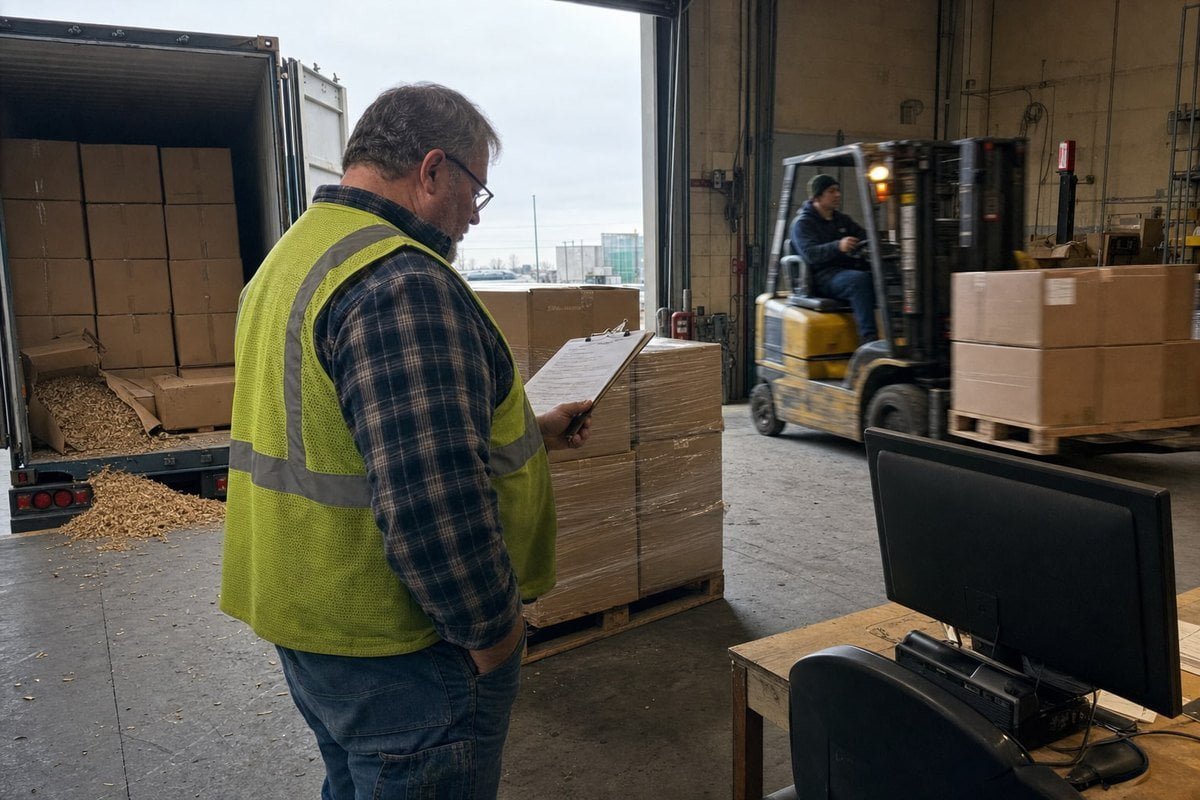
Die Lieferkettenlogistik für Feueranzündprodukte birgt einige zusätzliche Ebenen, die gewöhnliche Konsumgüter nicht haben. Nachdem wir Holzanzünder und Wachsfackeln in über 30 Länder versandt haben, wissen wir, dass die Papierarbeit und die Verpackungsdetails entscheiden, ob Ihr Liefertermin eingehalten wird.
Compliance-Artikel, die Container stoppen
- ISPM-15 / IPPC-Stempel. Alle Holzprodukte und Holzpaletten müssen den Hitzeschutzstempel "Weizen" tragen. Das Fehlen löst automatische Quarantänehalte von etwa zehn Tagen aus – oder eine sofortige Ablehnung am Hafen.
- Gefahrgutklassifizierung. Wachs-und-Holz-Feuerstarter können unter Klasse 4.1 Entzündlicher Feststoff 7 (UN1325) je nach Zusammensetzung und Testergebnissen. Reedereien begrenzen die Anzahl der DG-Container pro Schiff in Monaten mit hoher Nachfrage streng, sichern Sie daher die Erklärung und Buchung frühzeitig. Genau hier zahlen sich unsere SGS- und Intertek-Prüfberichte und CE-Dokumentationen aus – Käufer räumen den Zoll schneller ab, wenn die Papiere vom ersten Tag an vollständig sind.
- Feuchtigkeitskontrolle. Holzwolle ist stark hygroskopisch. Bei einer 40-tägigen Fahrt kann "Containerregen" eine ganze Sendung verschimmeln lassen. Wir laden standardmäßig Trockenmittelstangen oder Hochleistungsabsorber für lange Seereisen.
Seefracht vs. Luftfracht für saisonale Nachschublieferungen
| Faktor | Seefracht | Luftfracht |
|---|---|---|
| Transitzeit | 30–50 Tage | 3–10 Tage |
| Kosten pro Einheit | Niedrig | Sehr hoch für gewachste Holzprodukte |
| DG-Handling | Begrenzte Plätze, frühzeitig buchen | Strengere Beschränkungen, oft unpraktisch |
| Beste Nutzung | Hauptsaisonale Bestände | Nur dringende Nachbestellung der Bestseller |
Wenn Sie bereits spät dran sind
Teilen Sie die Bestellung auf: Fliegen Sie eine kleine Menge Ihrer besten SKU per Luftfracht und versenden Sie den Rest per Seefracht für die Kontinuität des Lagerauffüllungszyklus. Reduzieren Sie die SKU-Komplexität, damit die Produktion schneller läuft. Und fragen Sie nach Vakuum-komprimierter Verpackung – das Komprimieren von Holzwolle kann die gesamten CBM um bis zu 30 % reduzieren, die Stückversandkosten senken und manchmal Ihre Waren auf eine frühere, kleinere Buchung quetschen.
Schlussfolgerung
Das Verpassen der Spitzenzeit bedeutet leere Regale während Ihrer besten Verkaufswochen. Die Lösung ist rückwärtsplanung: Bestellen Sie Holzanzünder aus China bis Mai–Juni, nehmen Sie Juli als Frist und lassen Sie einen zertifizierten Fabrikpartner wie unseren die Einhaltung von Vorschriften, Produktion und Logistik pünktlich erledigen.
Fußnoten
Offizielle Amazon-Seite, die das Logistiknetzwerk für die Lagerung und den Versand von FBA-Beständen beschreibt. ↩︎
Wikipedia-Artikel über Containerschifffahrt, der die Kapazität und Logistik von Seegüterschiffen behandelt. ↩︎
Wikipedia-Seite, die das Design und die Standards für Bulk-Wellpappkartons im Versand erklärt. ↩︎
Richtlinien der Federal Trade Commission zu Produktkennzeichnung und Verbraucherschutzanforderungen. ↩︎
Wikipedia-Eintrag, der die Infrastruktur und Logistik des globalen Hafenbetriebs erklärt. ↩︎
Maßgebliche Quelle für globale Rohstoffpreisdaten und Trends bei Rohstoffen. ↩︎
Offizielle UNECE-Vorschriften zur Definition von Gefahrstoffklassifizierungen für den sicheren Transport von brennbaren Feststoffen. ↩︎



 English
  Spanish
  German
  French
  Arabic
  Portuguese
Diskutieren Sie mit