






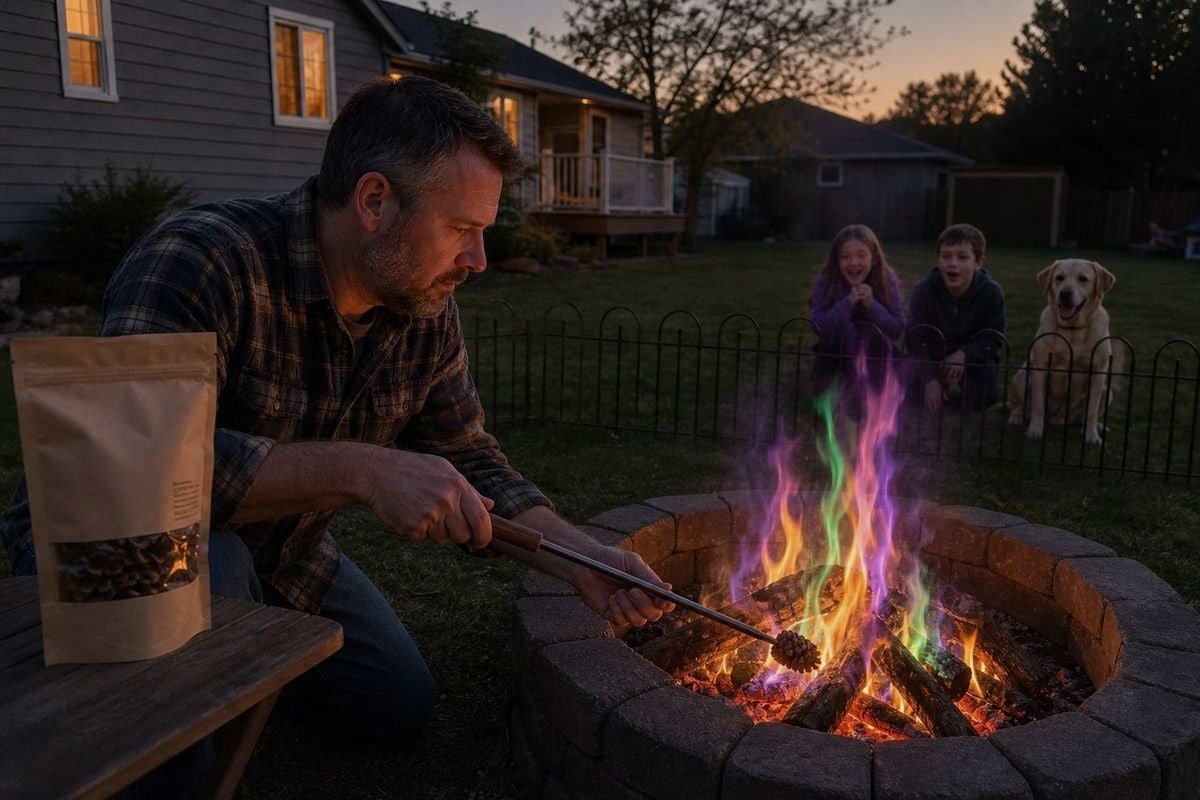
Farbige Kiefernzapfen in Lagerfeuern und Feuerstellen sehen magisch aus, aber ich habe gesehen, wie unvorsichtige Formulierungen echte Probleme verursachten CE-Kennzeichnung 1. In unserer Produktionslinie behandeln wir jede Charge wie ein Konsumchemikalienprodukt.
Farbige Kiefernzapfen für Lagerfeuer und Feuerstellen sind sicher, wenn sie wie angegeben verwendet werden: Verbrennen Sie sie im Freien oder in belüfteten Kaminen, kochen Sie niemals Lebensmittel darüber, halten Sie sie von Kindern und Haustieren fern, vermeiden Sie Gasgeräte und kaufen Sie nur zertifizierte, getestete Produkte mit klaren Warnhinweisen.
Diese kurze Antwort verbirgt viele Details. Unten zerlege ich die Sicherheitsschritte, die Chemie, die Zertifizierungen und die Kennzeichnungsregeln, die Sie benötigen, bevor Sie diese Produkte kaufen, importieren oder verwenden.
Welche Sicherheitsvorkehrungen sollte ich treffen, bevor ich gefärbte Kiefernzapfen in meine Feuerstelle gebe?
Ein deutscher Händler fragte unser Team einmal, warum wir auf gedruckten Anwendungsregeln für jede Einzelhandelstüte bestehen. Die Antwort kam aus jahrelanger Beobachtung, wie Endverbraucher tatsächlich mit diesen Produkten umgehen.
Bevor Sie gefärbte Kiefernzapfen in eine Feuerstelle geben, stellen Sie sicher, dass das Feuer im Freien oder gut belüftet ist, stellen Sie das Kochen ein, halten Sie Kinder und Haustiere fern, verbrennen Sie jeweils eine Farbe, stellen Sie sich gegen den Wind des Rauchs und verwenden Sie sie niemals in Gasfeuerstellen oder gasbetriebenen Feuerstellen.
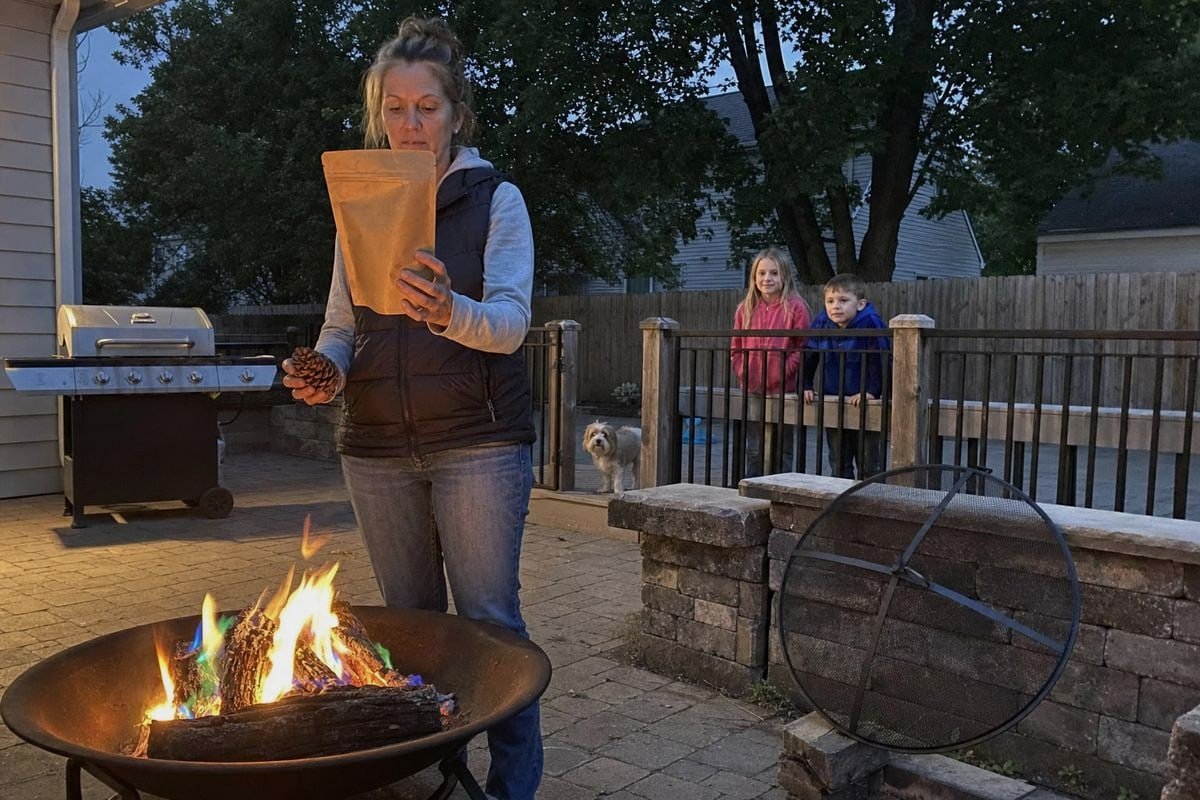
Die wichtigste Regel ist die Trennung von Lebensmitteln. Regenbogenflammen stammen von Metallsalzen, und diese Salze sind nicht lebensmittelecht. Sobald ein behandelter Zapfen ins Feuer gelangt, ist dieses Feuer ein dekoratives Feuer. Rösten Sie keine Marshmallows darüber und grillen Sie danach nicht darüber, denn chemische Rückstände verbleiben in der Glut und Asche.
Belüftung ist ebenfalls wichtig. Selbst gut gemachte Farbfackelprodukte erzeugen Rauch, der nicht direkt eingeatmet werden sollte. Im Freien halten Sie die Leute im Wind. Drinnen verwenden Sie nur einen offenen, ziehenden Kamin – niemals einen schlecht belüfteten Ofen oder einen luftdichten Raum.
Hardware- und Brandverhaltensrisiken
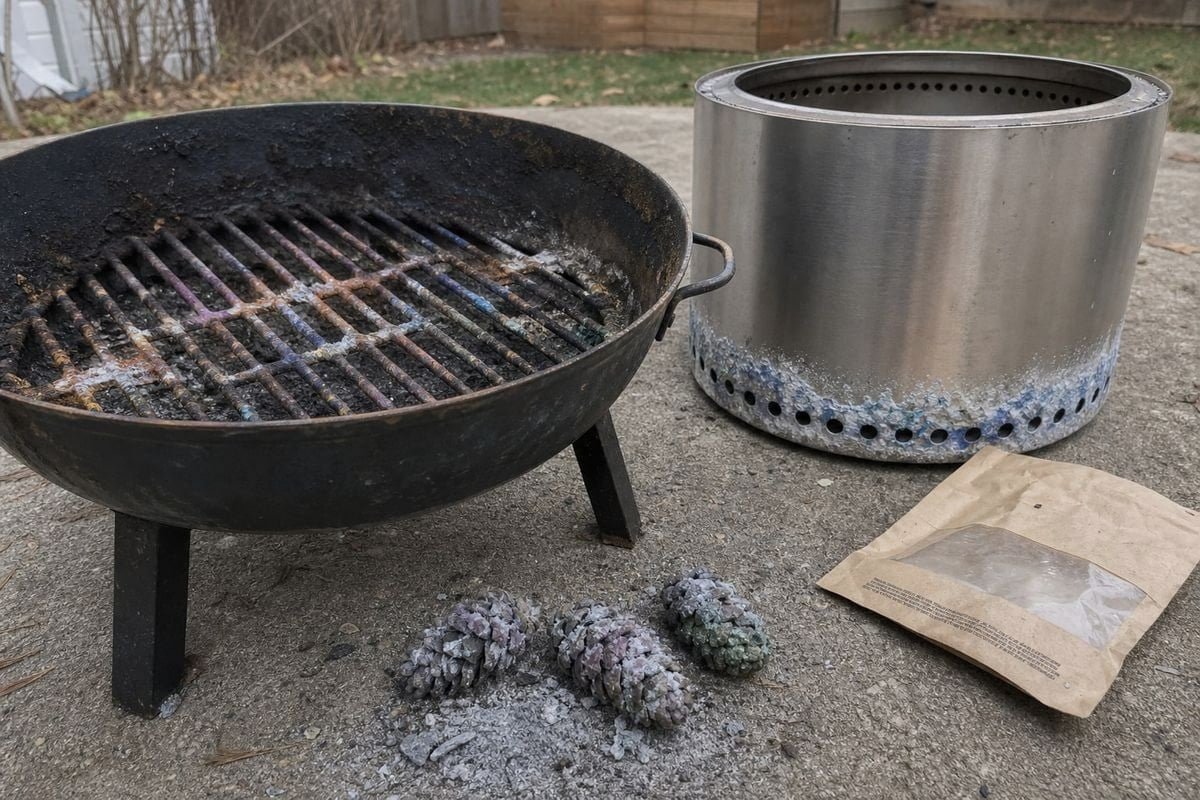
Kiefernzapfen sind von Natur aus harzig. Harz macht sie brennbar, aber es macht sie auch knallen und Funken werfen, besonders wenn die Zapfen harzig oder nicht vollständig getrocknet sind. Halten Sie einen Schirm über Indoor-Kaminen und eine sichere Freizone im Freien. Zwei Hardware-Probleme verdienen besondere Erwähnung. Erstens können chloridbasierte Farbstoffe das Rosten von Metall-Feuerstellenrosten beschleunigen. Zweitens können chemische Rückstände die präzisen Luftlöcher in modernen rauchlosen Feuerstellen verstopfen, und geschmolzene Salze können sich dauerhaft auf Lavasteine oder Feuerglas verschmelzen. Deshalb raten wir Käufern, diese Zapfen für klassische Holzfeuer zu positionieren, nicht für Gasgeräte oder Premium-Feuermedien.
Eine Vorab-Checkliste
- Lesen Sie das Etikett und befolgen Sie es genau, einschließlich der Frage, ob der Zapfen ganz hineinkommt.
- Bestätigen Sie, dass das Feuer mit Holz betrieben wird, nicht mit Gas.
- Beenden Sie das Kochen, bevor Sie einen behandelten Zapfen hinzufügen.
- Verwenden Sie eine Farbe pro Feuer, es sei denn, der Hersteller erlaubt ausdrücklich das Mischen.
- Halten Sie einen Schirm, Wasser oder einen Feuerlöscher in der Nähe für knallende Funken.
- Entsorgen Sie Asche fern von Gärten und Wasserquellen, da wiederholtes Schütten an einer Stelle zu einer mineralreichen Boden-Todeszone führen kann.
Wie kann ich die chemischen Inhaltsstoffe von gefärbten Kiefernzapfen auf Ungiftigkeit und Konformität prüfen?
Ein Kompromiss, den wir in unserer Ningbo-Anlage ständig abwägen, ist die Farbintensität gegenüber der chemischen Sicherheit. Die hellsten Formulierungen sind nicht immer die saubersten, und Käufer verdienen es, den Unterschied zu kennen.
Überprüfen Sie die Inhaltsstoffe, indem Sie ein vollständiges Sicherheitsdatenblatt, Testberichte von Drittanbietern von Laboren wie SGS oder Intertek und Ergebnisse von Schwermetalluntersuchungen anfordern. Bestätigen Sie, dass die Formel keine gefährlichen Verbindungen enthält und auf sicherere Farbstoffe zurückgreift, und prüfen Sie die Einhaltung der chemischen Vorschriften Ihres Marktes.

Flammenfarbstoffe funktionieren, weil Metallsalze beim Erhitzen spezifische Lichtwellenlängen emittieren. Kupferverbindungen wie Kupfersulfat 2 erzeugen Blau und Grün. Borverbindungen wie Borsäure oder Borax ergeben Grün. Strontiumchlorid 3 erzeugt Rot, und Bittersalz kann weiße Töne hinzufügen. Die Chemie selbst ist gut verstanden. Das Risiko liegt in der Dosierung, der Beschichtungsqualität und dem, was sich sonst noch in einer billigen Formulierung befindet.
Giftnotrufzentralen haben gewarnt, dass kupferhaltige Flammenprodukte das Verdauungssystem schädigen können, wenn sie verschluckt werden. Health Canada verzeichnete über zwei Jahre mehr als 70 Berichte von Giftzentren im Zusammenhang mit Flammenfarbstoffpaketen, und 67% betraf Kinder unter 12 Jahren. Diese Daten haben verändert, wie wir formulieren und verpacken. Verschlucken, nicht Verbrennen, ist die größte dokumentierte Gefahr – deshalb müssen die Überprüfung der Inhaltsstoffe und kindersicheres Denken zusammengehen.
Welche Dokumente Sie verlangen sollten
| Dokument | Was es beweist | Rotes Flagge, wenn fehlend |
|---|---|---|
| Sicherheitsdatenblatt 4 (SDS) | Vollständige Offenlegung der Inhaltsstoffe, Erste-Hilfe-Maßnahmen, Handhabungsregeln | Lieferant kann seine eigenen Chemikalien nicht benennen |
| SGS- oder Intertek-Testbericht | Unabhängiges Labor hat die Formel und Emissionen verifiziert | Nur selbst deklarierte "ungiftige" Behauptungen |
| Schwermetallprüfung | Kein Blei, Cadmium, Quecksilber oder sechswertiges Chrom 5 | Risiko der Inhalation von Schwermetallen aus Rauch |
| Chargen-QC-Aufzeichnungen | Konsistenz der Formel über Produktionsläufe hinweg | Musterqualität entspricht möglicherweise nicht der Massenproduktion |
DIY vs. hergestellte Zapfen
Einige Käufer fragen, ob DIY-Zapfen, die in Haushaltssalzen getränkt sind, sicherer sind. Meiner Erfahrung nach ist oft das Gegenteil der Fall. Heimrezepte haben keine Dosierungskontrolle, und wild gesammelte Zapfen enthalten Feuchtigkeit, Harz und Schädlinge, es sei denn, sie werden zuerst bei niedriger Hitze gebacken. Ein kontrollierter Fabrikprozess fixiert die Salzbeladung, versiegelt die Beschichtung und testet die Rauchausgabe. Unkontrollierte Rezepte können giftige Dämpfe freisetzen, wenn die falschen Salze oder übermäßige Mengen verwendet werden. Hergestellte, getestete Produkte mit einer Papierspur sind die verteidigungsfähige Wahl für den Einzelhandel.
Welche Zertifizierungen sollte ich von meinem Lieferanten verlangen, bevor ich gefärbte Kiefernzapfen für den Einzelhandel importiere?
Ein britischer Importeur erzählte mir einmal, dass seine letzte Lieferung sechs Wochen im Zoll lag, weil der Lieferant keinen einzigen gültigen Testbericht vorlegen konnte. Dieses Gespräch prägt immer noch, wie wir Exportdokumente vorbereiten.
Fordern Sie ISO 9001 für Qualitätsmanagement, BSCI für ethische Produktion, CE-Kennzeichnung für europäische Märkte und aktuelle SGS- oder Intertek-Prüfberichte zu Toxizität und Schwermetallen an. Überprüfen Sie, ob die Zertifikate gültig sind, an die tatsächliche Fabrik ausgestellt wurden und mit dem genauen Produkt übereinstimmen.
Zertifizierung ist kein Papierkram-Theater. Sie ist der Unterschied zwischen einer Sendung, die den Zoll passiert, und einer, die beschlagnahmt wird, oder schlimmer noch, einem Rückruf, nachdem ein Kind lose Farbstoffe verschluckt hat. In unseren über 17 Jahren des Exports von Feuerprodukten in mehr als 30 Länder haben wir noch nie einen ernsthaften US- oder europäischen Käufer erlebt, der die Konformität als optional behandelt hat. Es ist eine harte Anforderung, und sie sollte auch Ihre sein.
Der Kernstapel der Zertifizierung
| Zertifizierung | Was sie abdeckt | Warum es für farbige Kiefernzapfen wichtig ist |
|---|---|---|
| ISO 9001 6 | Qualitätsmanagementsystem | Gewährleistet Chargen-zu-Chargen-Konsistenz, sodass das Muster der Massenproduktion entspricht |
| BSCI | Soziale und ethische Prüfung | Von den meisten großen Einzelhandelskanälen in den USA und der EU gefordert |
| CE | Europäische Produktsicherheitskonformität | Gesetzlich vorgeschrieben für den Verkauf auf dem EU-Markt |
| SGS / Intertek-Berichte | Unabhängige chemische und Sicherheitsprüfungen | Beweist die Ungiftigkeitsaussage mit Labordaten, nicht mit Marketingtexten |
Wie man verifiziert, nicht nur sammelt
Fordern Sie Zertifikatsnummern an und überprüfen Sie diese bei der ausstellenden Stelle. Bestätigen Sie, dass die Zertifikate den tatsächlichen Hersteller und nicht ein Handelsunternehmen nennen, das Dokumente ausleiht. Stimmen Sie die Beschreibung des getesteten Produkts mit der genauen SKU überein, die Sie importieren – ein Bericht über chemische Feueranzünder in Beuteln deckt nicht automatisch gewachste Kiefernzapfen ab. Fragen Sie auch, wann die letzte Prüfung stattgefunden hat. Wir erneuern unsere Prüfungen und aktualisieren Testberichte in regelmäßigen Abständen, da Käufer zunehmend nach Dokumenten fragen, die nicht älter als ein Jahr sind.
Fragen Sie abschließend nach der Produktionstiefe. Eine echte Fabrik kann Sie durch die Beschaffung von Rohstoffen, Beschichtungslinien, Trocknungstoleranzen und QC-Stichprobenraten führen. Ein Handelsunternehmen kann dies normalerweise nicht. Diese Transparenz, mehr als jedes einzelne Zertifikat, sagt Ihnen, ob der fünfte Container mit der ersten Probe übereinstimmt.
Welche Warnhinweise und Gebrauchsanweisungen sollte ich auf meine Eigenmarken-Verpackungen für gefärbte Kiefernzapfen aufnehmen?
Die Gestaltung eines Kraft-Beutels mit Eigenmarke für eine kanadische Outdoor-Marke lehrte unser Verpackungsteam eine harte Lektion: Attraktive Verpackungen können wie Lebensmittelverpackungen aussehen, und genau das ist das Risiko, um das sich die Regulierungsbehörden sorgen.
Schließen Sie Warnungen gegen Verschlucken, Kochen über behandelten Feuern und die Verwendung in Gasgeräten ein. Fügen Sie Hinweise zur Sicherheit von Kindern und Haustieren, Lüftungsanleitungen, Anweisungen für einfarbige Brände, Anweisungen zur Entsorgung von Asche, Erste-Hilfe-Schritte und eine Kontaktperson für die Giftnotrufzentrale hinzu. Halten Sie den Text lesbar und konform mit den Regeln des Zielmarktes.

Die Kennzeichnung ist der Ort, an dem die Haftung liegt. Wenn ein Endverbraucher Ihr Produkt missbraucht und das Etikett nie vor diesem Missbrauch gewarnt hat, trägt Ihre Marke die Verantwortung. Die Daten des kanadischen Gesundheitsministeriums zum Giftnotruf zeigen, warum: Bunte Beutel und beschichtete Zapfen werden mit Süßigkeiten verwechselt. Ihre Verpackung muss dieser Verwechslung aktiv entgegenwirken, nicht versehentlich dazu ermutigen.
Die wesentlichen Etikettenelemente
| Etikettenelement | Empfohlener Wortlautansatz |
|---|---|
| Warnung vor Verschlucken | Gesundheitsschädlich beim Verschlucken. Kein Lebensmittel. Von Kindern und Haustieren fernhalten. |
| Hinweis zum Nichtkochen | Kochen oder braten Sie während oder nach der Verwendung kein Essen über diesem Feuer. |
| Gerätebeschränkung | Nur für Holzfeuer. Niemals in Gasöfen oder gasbetriebenen Feuerschalen verwenden. |
| Lüftungshinweise | Im Freien oder in einem gut belüfteten Kamin verwenden. Vermeiden Sie das Einatmen von Rauch. |
| Gebrauchsanweisungen | Ungeöffnet oder ganz in ein bestehendes Feuer legen. Pro Feuer eine Farbe verbrennen. |
| Entsorgung von Asche | Vollständig abkühlen lassen. Entsorgen Sie es fern von Gärten, Wasserquellen und wiederholten Deponien. |
| Erste Hilfe | Bei Verschlucken kontaktieren Sie Giftnotrufzentrale 7 sofort. Geben Sie die lokale Nummer an. |
| Rückverfolgbarkeit | Chargencode, Barcode und Kontaktdaten des Herstellers oder Importeurs. |
Marktspezifische Anpassungen
Die Anforderungen unterscheiden sich je nach Bestimmungsort. EU-Käufer benötigen CE-konforme Gefahrenformulierungen und oft zweisprachige oder dreisprachige Texte. Der kanadische Einzelhandel verlangt in der Regel Englisch und Französisch. US-amerikanische Massen Einzelhändler führen oft eigene Etikettenprüfungen durch, bevor eine Bestellung bestätigt wird. Unser OEM-Team integriert diese Variationen bereits in der Grafikphase, zusammen mit kundenspezifischen Kartons, Display-Verpackungen und Barcodes, damit das Produkt verkaufsfertig ankommt und nicht teure Neukennzeichnungen am Hafen erforderlich sind.
Ein weiterer praktischer Tipp: Vermeiden Sie transparente Fenster, die lose, leuchtend gefärbte Inhalte auf Kinderaugenhöhe zeigen, oder kombinieren Sie jedes Fenster mit einem deutlichen Nicht-Lebensmittel-Symbol. Kleine Designentscheidungen wie diese reduzieren messbar das Risiko der Süßigkeitenverwechslung, das die meisten Berichte des Giftnotrufs verursacht.
Schlussfolgerung
Farbige Kiefernzapfen liefern atemberaubende Regenbogenflammen, aber nur zertifizierte Formeln, strenge Nutzungsregeln und konforme Kennzeichnungen machen sie sicher. Arbeiten Sie mit einer bewährten Fabrik zusammen und fordern Sie die Dokumente an.
Fußnoten
Offizielle EU-Quelle zur Erklärung der CE-Konformitätsanforderung für Produkte ↩︎
Hintergrund zu chemischen Verbindungen, die als Flammenfärbemittel verwendet werden ↩︎
Referenz für chemische Verbindungen, die rote Flammenfarbe erzeugen ↩︎
Erläutert das Standarddokumentformat, das Käufer für die chemische Verifizierung anfordern sollten ↩︎
EPA-Referenz für regulierte Schwermetallkontaminanten, die in der Testtabelle erwähnt werden ↩︎
Offizielle Standardseite für die im Artikel erwähnte Zertifizierung des Qualitätsmanagements ↩︎
CDC-Ressource zur Giftnotrufzentrale im Zusammenhang mit Warnhinweisen vor Verschlucken und Erste Hilfe ↩︎



 English
  Spanish
  German
  French
  Arabic
  Portuguese
Diskutieren Sie mit