






Magic Fire Powder looks like a simple novelty. On our production line in Ningbo, I see buyers underestimate it constantly. Misuse creates complaints, returns, and even liability claims. Understanding the product before you sell or use it solves all three problems.
First-time users of Magic Fire Powder should toss unopened packets into an established wood fire, never cook over the colored flames, keep packets dry and away from children, verify non-toxic ingredients via the MSDS, and use it only in outdoor wood-burning fires or ventilated fireplaces.
That short answer covers the basics. But if you are importing, distributing, or private-labeling these color-changing packets, you need more depth. Let me walk you through the four questions our B2B buyers ask us most often.
What certifications should I verify before importing Magic Fire Powder for my market?
A buyer from Germany once told me his previous supplier's shipment sat in customs for six weeks over missing test reports. That conversation shaped how we prepare documentation at our Liuyang headquarters today.
Before importing Magic Fire Powder, verify the supplier holds ISO 9001 for quality management, BSCI for social compliance, CE marking for European markets, and third-party test reports from SGS or Intertek. Also request the MSDS and confirm ingredient compliance with your country's chemical regulations.

Certification is not paperwork for its own sake. It is the difference between a smooth Zollabfertigung 1 and a container held at port. In our 17+ years exporting to 30+ countries, we have learned that each market checks different boxes. The US, Germany, the UK, and Australia all treat chemical flame colorants slightly differently, so you need to map your target market before you sign a purchase order.
Die wichtigsten Dokumente, die Sie anfordern sollten
Ask every potential supplier for these items in writing. A factory that hesitates on any of them is a red flag.
| Dokument | Was es beweist | Wer verlangt es |
|---|---|---|
| ISO 9001 Zertifikat | Konsistentes Qualitätsmanagementsystem | Most large retail buyers |
| BSCI Auditbericht | Ethische und soziale Compliance im Werk | Europäische Einzelhandelsketten |
| CE-Dokumentation | Konformität für den europäischen Markt | EU-Importeure |
| SGS oder Intertek 2 Prüfbericht | Independent verification of contents and safety | Customs and retail sourcing teams |
| SDB / SDS | Full chemical disclosure and MSDS safety guidelines | Customs, insurers, and retailers |
Why third-party testing matters most
A supplier's own lab report means little. An SGS or Intertek report means an independent party opened the color-changing packets, analyzed the metal salts, and confirmed what is actually inside. We provide these reports as standard because our buyers treat them as a hard requirement, not a nice-to-have. You should too.
One more practical point. Verify that the certificate names match the factory name on your invoice. Trading companies sometimes borrow certificates from factories they do not control. We are a real factory with production in Ningbo, and our documents trace back to our own lines. Insist on that same traceability from anyone you buy from.
How do I explain safe usage instructions to first-time customers on the packaging?
When we design private-label packaging for our OEM clients, the warning label gets more revision rounds than the artwork. There is a real tension here: playful rainbow branding on the front, serious campfire safety precautions on the back.
Packaging should instruct customers to toss the unopened packet into an established fire, never cook food over colored flames, keep the product away from children, wash hands after handling, and use it only in outdoor wood-burning fires or well-ventilated fireplaces. Use icons plus short text.
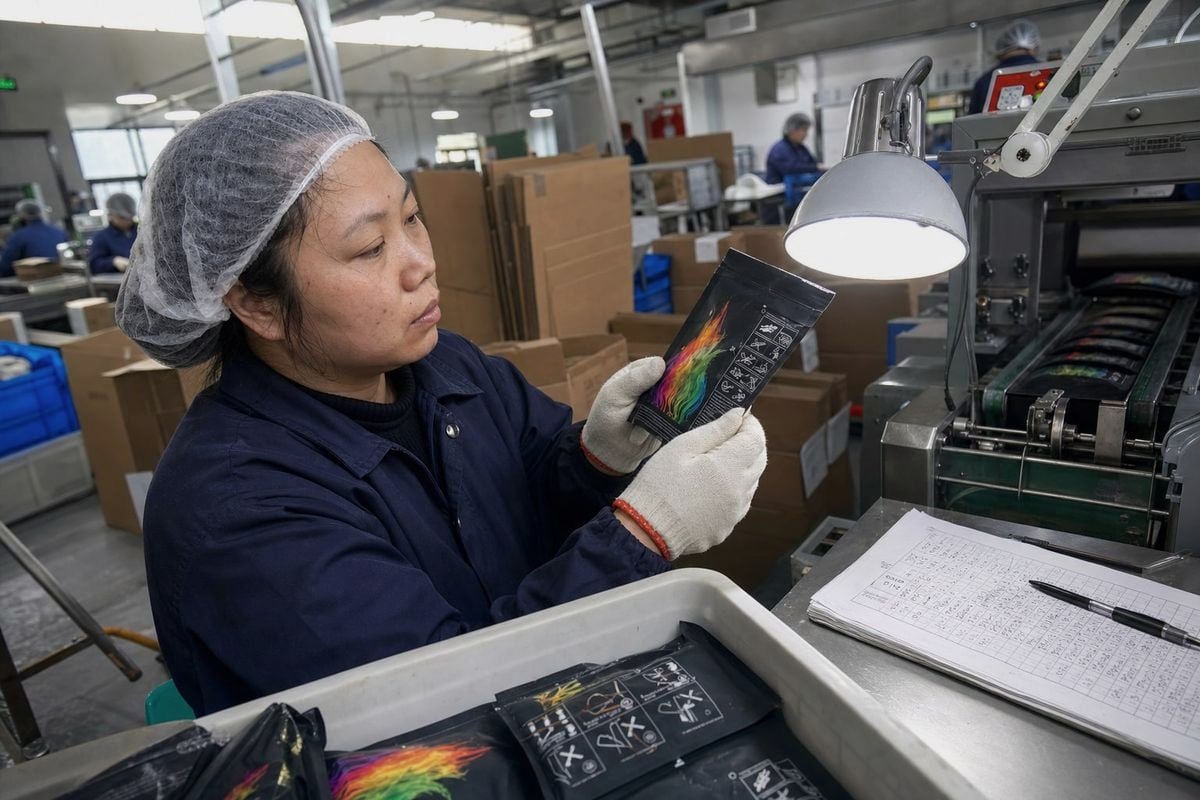
The biggest packaging mistake I see is burying safety text in tiny print. First-time customers do not read paragraphs at a campsite in the dark. They scan. So your instructions need to work in three seconds. Here is the structure we recommend to our private-label clients after years of refining warning labels for the US and European markets.
Order your instructions by what users do first
- Establish the fire first. Tell users to wait for a solid bed of hot embers. This gives the most vibrant rainbow flame effects and the longest color display.
- Toss the packet in unopened. The sealed sachet prevents skin contact and accidental inhalation of concentrated powder. This is the single most important instruction.
- Step back and stay upwind. Aerosolized metal salts from Metallsalzverbrennung 3 irritate airways more than ordinary wood smoke. Guests should sit upwind of the colored flames.
- Do not cook over the flames. Cooking over colored flames is never food-safe. State this plainly: no marshmallows, no hot dogs, no grilling until the color effect fully burns out and fresh wood burns clean.
- Wash hands after handling. Trace residue can permeate the outer wrapper.
Warning content that protects you legally
A yellow-band toxic fumes warning is standard on our display boxes for good reason. It signals seriousness against the playful graffiti-style lettering. Include a "keep away from children" line prominently, because the colorful packaging and crystalline contents can be mistaken for candy or a drink mix. Add dosage guidance too: one sachet suits a small fire pit, while three or more packets suit a large bonfire. Finally, note that the product is for wood fires only. Metal salts can clog burner ports in gas-powered fire pits and damage internal components, and that damage becomes your customer service problem.
What ingredients or materials should I confirm are non-toxic before placing my order?
Early in my career, a sample from a competing factory crossed my desk with no ingredient disclosure at all. That experience taught me to treat formulation transparency as the first filter for any supplier, including ourselves.
Confirm the powder is free of heavy metals like lead, arsenic, and chromium, and check whether copper sulfate or other copper compounds are used and at what concentration. Request the full MSDS, verify eco-friendly binders and packaging film, and match every ingredient against your market's restricted-substance lists.
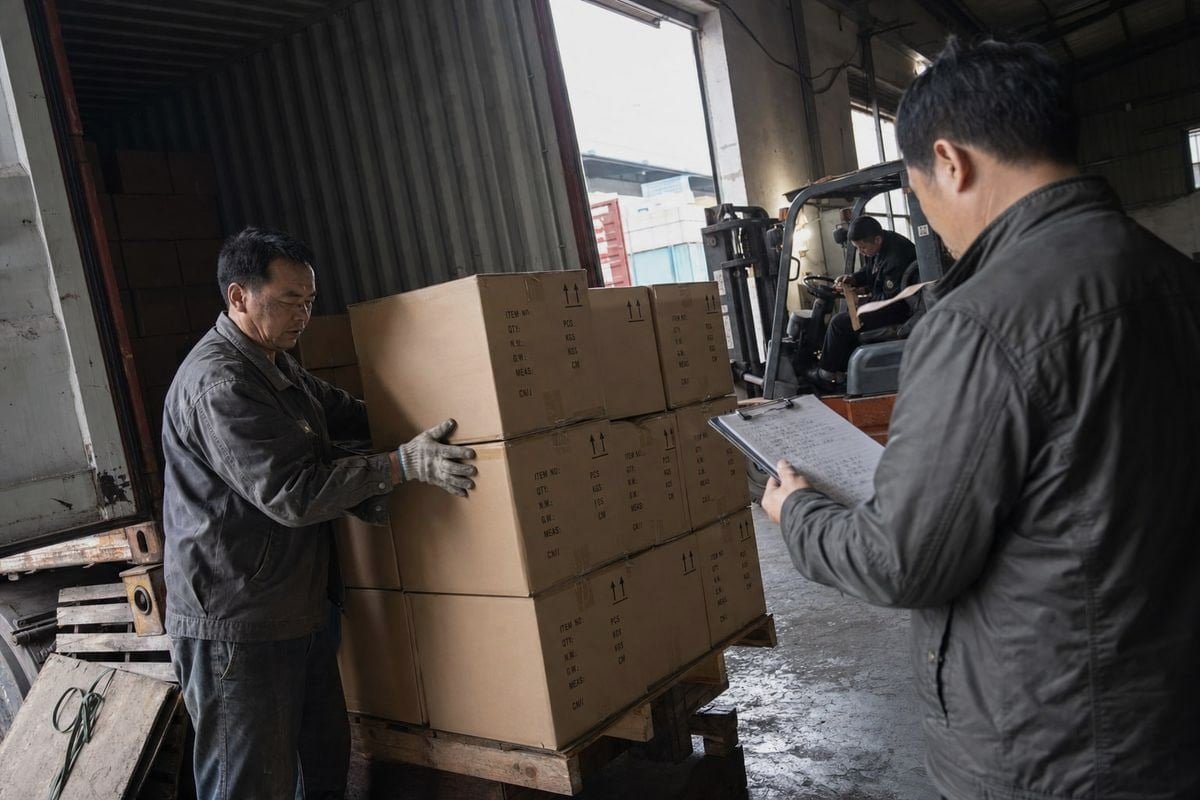
Color-flame products work through metal salt combustion. Different salts burn in different colors, and the safety profile varies widely between them. Our formulations use eco-friendly materials with no harmful chemicals, but not every factory takes that approach, so you need to know what to look for on an ingredient list.
Common colorants and what to check
| Flammenfarbe | Typical colorant family | Was zu überprüfen ist |
|---|---|---|
| Blau / Grün | Kupferverbindungen 4 (e.g., copper sulfate) | Concentration level and handling warnings on the MSDS |
| Grün | Boron compounds | Regulatory status in your target market |
| Lila | Kaliumsalze | Purity and absence of contaminants |
| Orange / yellow | Calcium and sodium salts | Generally low risk; confirm purity |
| Red / pink | Strontium- oder Lithiumsalze | Sourcing quality and dust controls |
Copper compounds deserve special attention. They produce the striking blues and greens that sell the product, but they also explain why the ash from treated fires should never go into garden compost. Copper and other metals introduced by chemical flame colorants can harm plants and soil health. Your packaging and your MSDS should both say so.
Questions to put in writing before ordering
Ask your supplier these questions by email so you have a record:
- Can you provide the complete MSDS with all ingredients disclosed, not just hazard categories? Sicherheitsdatenblätter 5
- Have the colorants been tested for heavy-metal contamination 6 by SGS or Intertek?
- Is the sachet film itself safe to burn, since the packet goes into the fire unopened?
- Do the ingredients comply with REACH for Europe or the relevant US chemical regulations? REACH chemical regulations 7
At our factory, we answer these questions with documents, not promises. Any supplier serving serious retail channels should do the same. If the answers arrive slowly or vaguely, the formulation is probably not something you want your brand name printed on.
Can I request a trial order or sample batch before committing to a full production run?
The trade-off between MOQ and risk comes up in almost every first conversation I have with a new US or European buyer. Nobody wants to commit a full container to an untested product, and honestly, nobody should.
Yes, reputable factories offer sample batches and flexible trial orders before full production. Use the trial to test flame color intensity, burn duration, packaging durability, and label compliance in your own market. A first sample from a genuine factory should reliably reflect mass-production quality.

A trial order is not just a formality. It is your one low-cost chance to catch problems before they multiply across thousands of units. We actively encourage trial orders because our complete production lines and batch-to-batch quality control mean the sample you approve is the product you receive at scale. That consistency is exactly what you should be testing for.
What to evaluate during your trial
Run the samples through real-world conditions, not just a desk review. Light actual outdoor wood-burning fires. Time the color display. Check how the rainbow flame effects look at dusk versus full darkness, because that is how your end customers will judge the product.
| Test area | Was zu prüfen ist | Pass criteria |
|---|---|---|
| Flammenleistung | Color vibrancy, duration, consistency across packets | Colors match marketing claims; consistent packet to packet |
| Verpackungsintegrität | Seal strength, moisture resistance, print quality | No leaks or clumping after humidity exposure |
| Storage stability | Behavior in airtight versus open storage | Granules stay loose and dry; humidity causes clumping in poor packaging |
| Label compliance | Warnings, barcodes, language requirements | Meets your market's retail and legal standards |
| Logistics readiness | Carton strength, display-box assembly, weight | Survives transit simulation without damage |
Use the trial to test the partnership, not just the product
Pay attention to how the factory behaves during the trial. Do they answer technical questions in clear English within a business day? Do they share test data willingly? Can they customize packet size, burn time, and private-label packaging, including display boxes, warning labels, and barcodes? A one-stop OEM/ODM partner should handle all of it. In our experience exporting to markets from Canada to the Middle East, the suppliers who perform well on a 200-unit trial are the same ones who perform well on a 20,000-unit run. The trial order is your cheapest due diligence tool. Use it fully.
Schlussfolgerung
Magic Fire Powder rewards preparation. Verify certifications, write clear safety instructions, confirm non-toxic ingredients, and run a real trial order. Do those four things, and first-time users and your business stay protected.
Fußnoten
1. Background on customs processes relevant to importing chemical novelty products across borders. ↩︎
2. Independent testing labs verify chemical safety claims for customs and retail compliance. ↩︎
3. Explains the chemistry behind metal salts producing colored flames when burned. ↩︎
4. Background on the copper salt responsible for blue-green flame coloration in these products. ↩︎
5. Official OSHA landing page for the Hazard Communication Standard and Safety Data Sheet requirements. ↩︎
6. EPA reference on heavy metal hazards relevant to verifying non-toxic flame colorant formulations. ↩︎
7. Official European Commission overview of REACH compliance and chemical safety requirements. ↩︎


 English
  Spanish
  German
  French
  Arabic
  Portuguese
Diskutieren Sie mit